









Chess is one of the most popular strategy games in the world—but for beginners, it can feel confusing at first. The good news is that learning how to play chess is much easier than you think.
In this step-by-step guide, you’ll learn the rules, how pieces move, and simple strategies to help you start playing confidently—even if you’ve never played before.
What Is Chess?

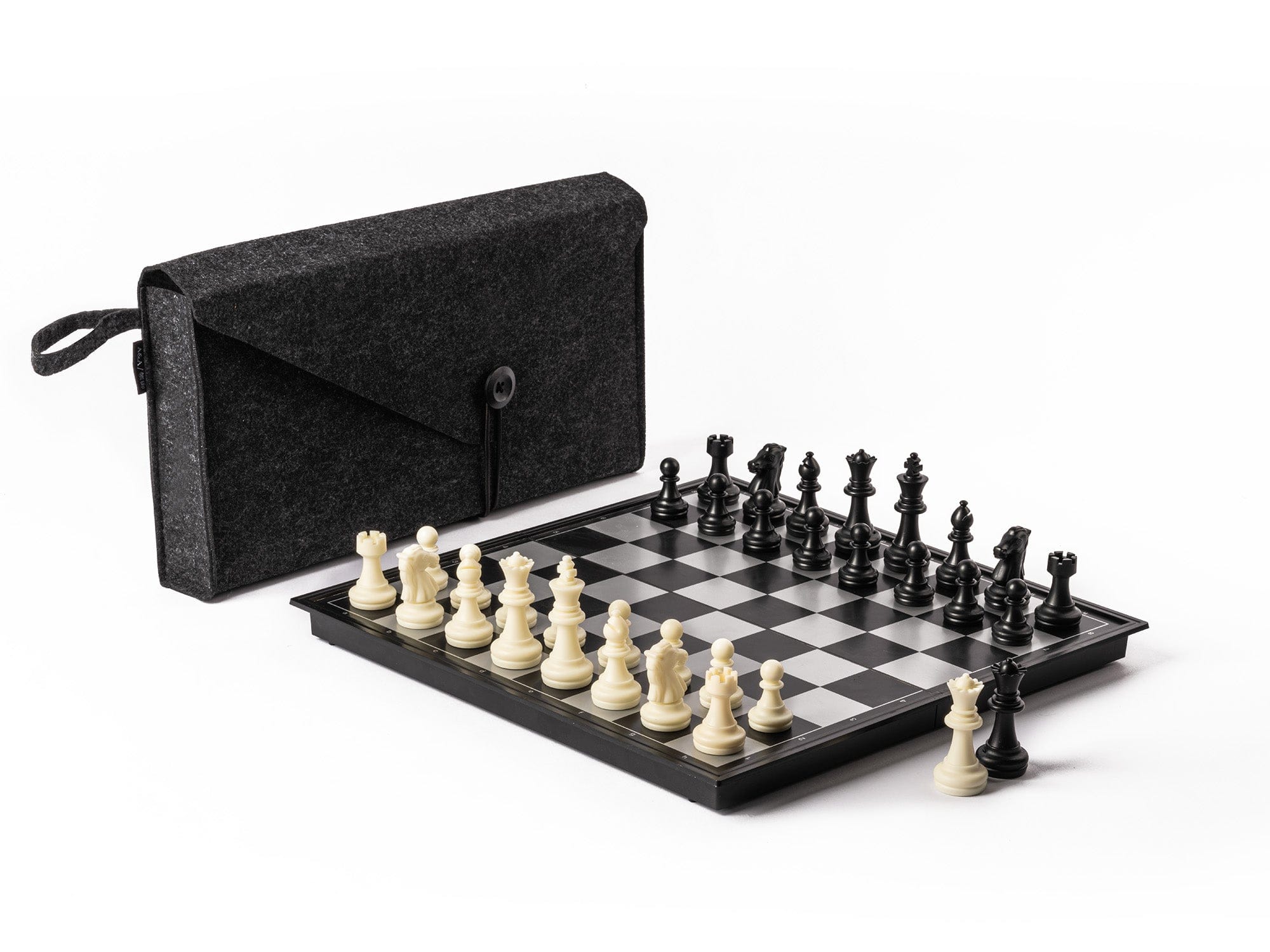
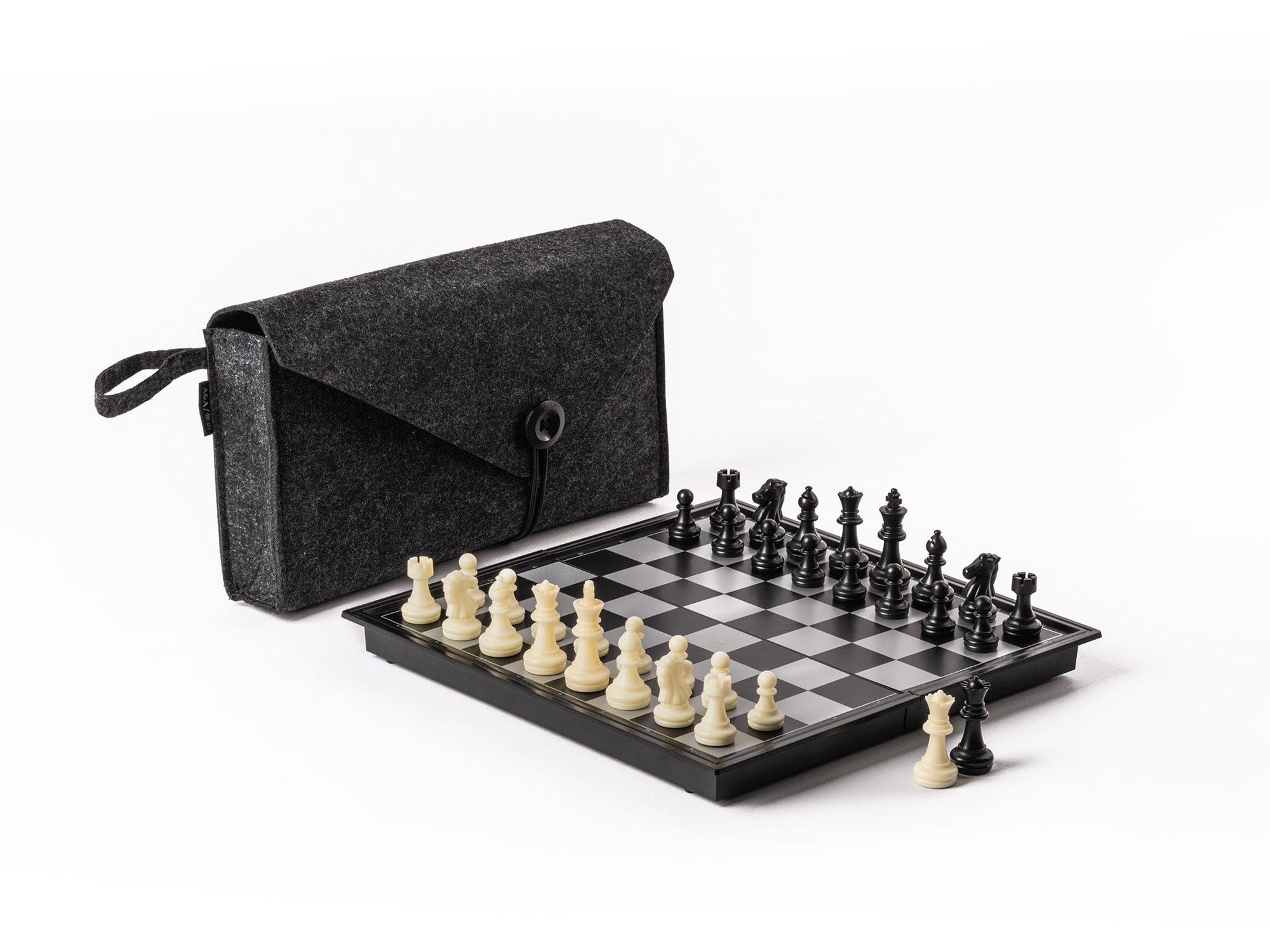
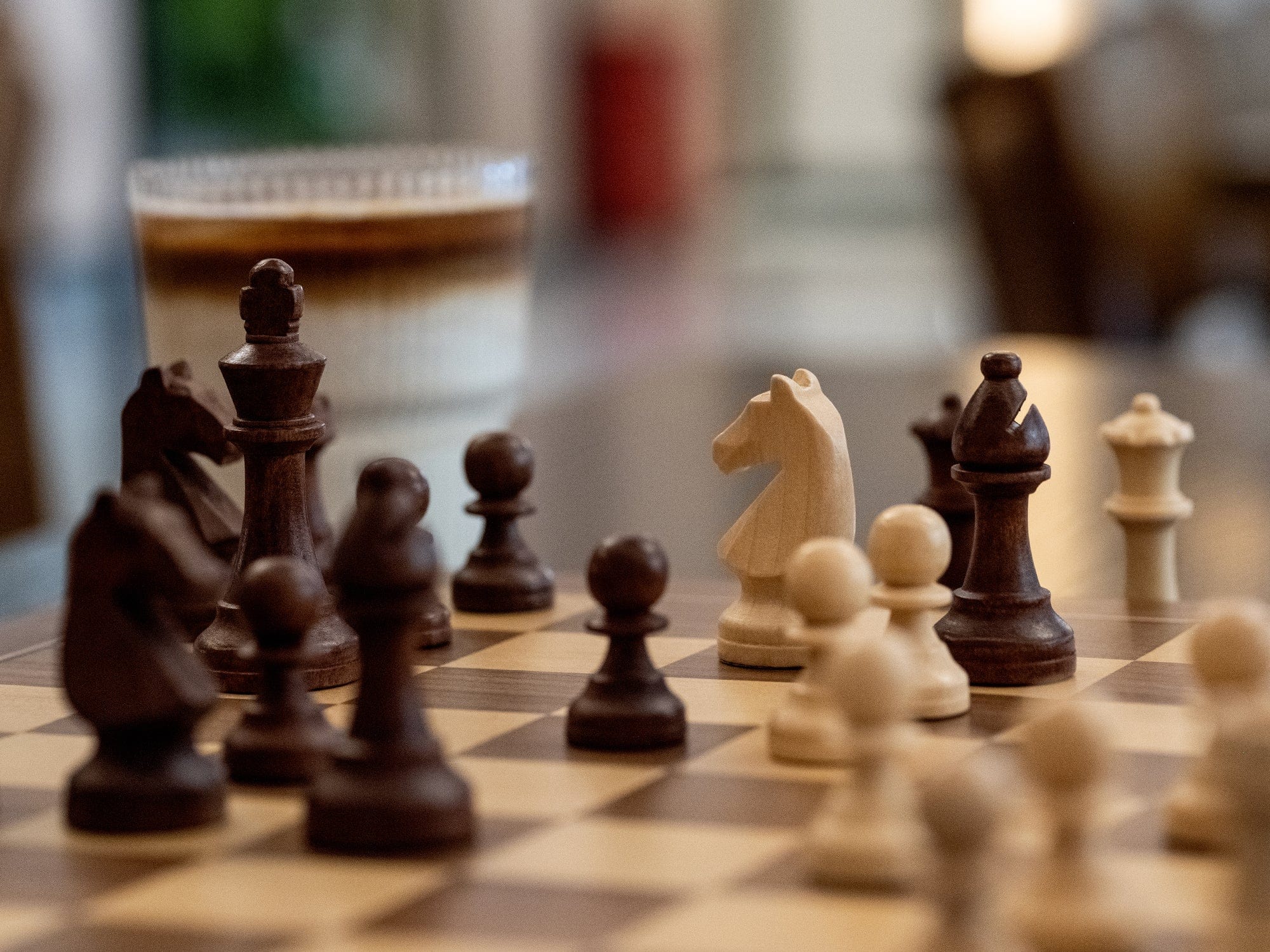
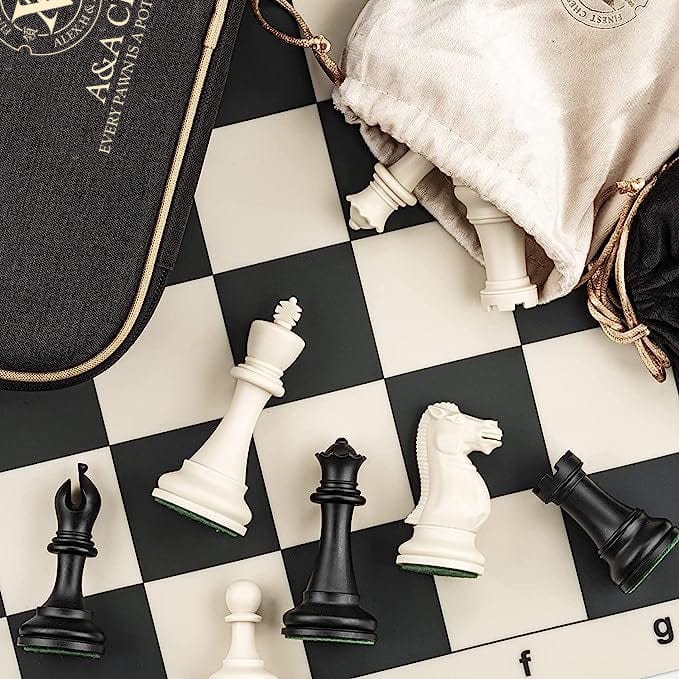
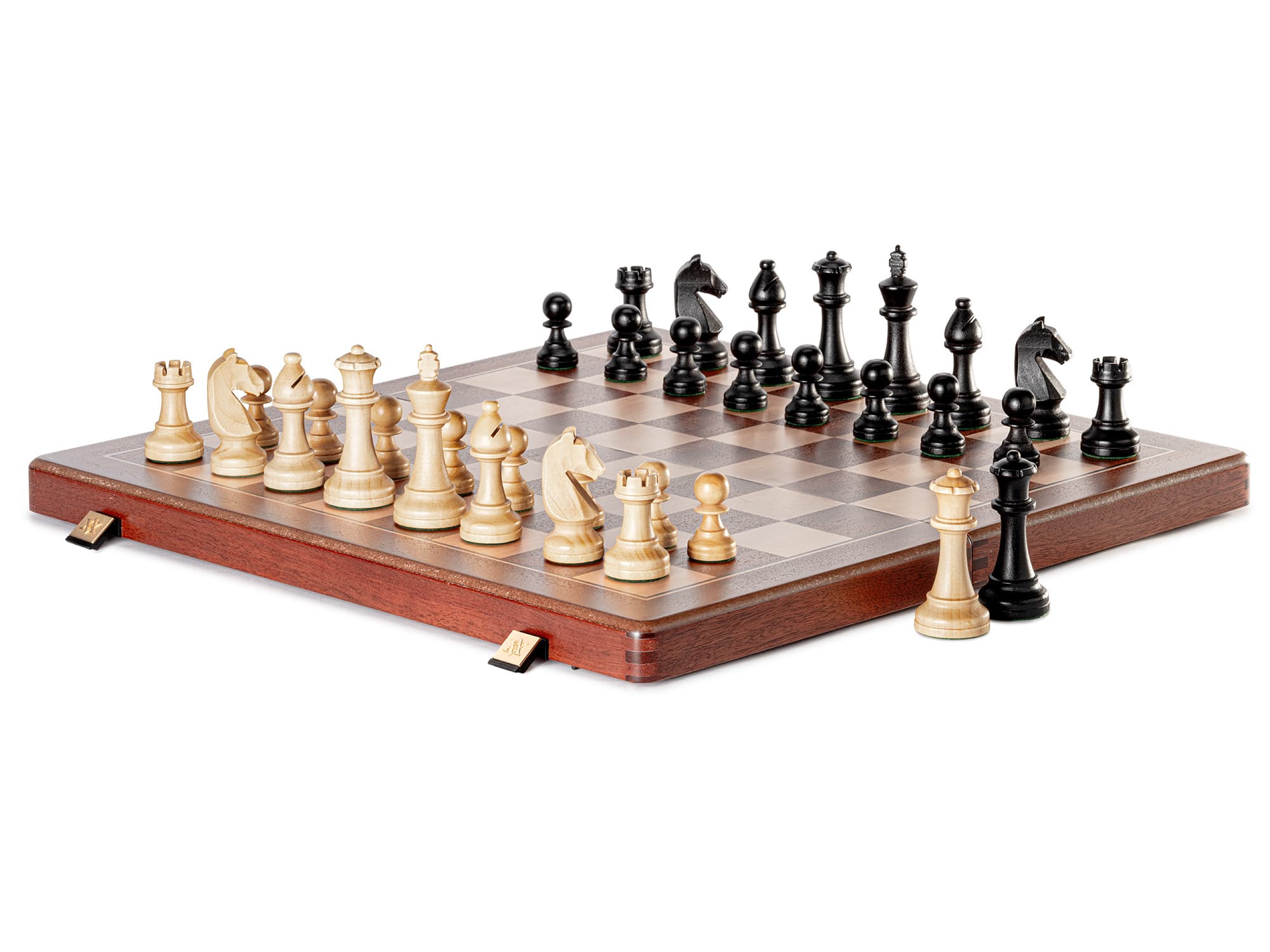
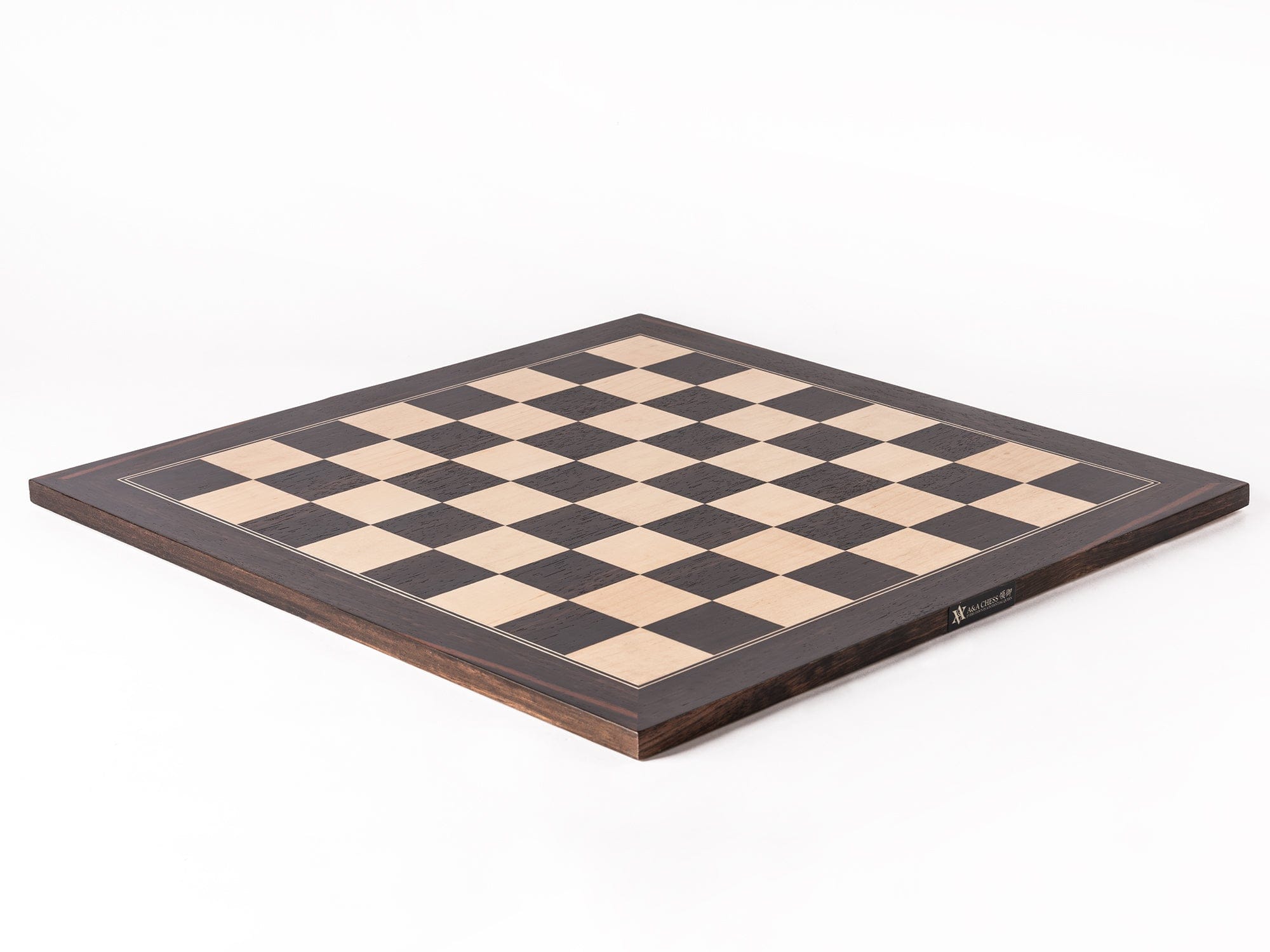
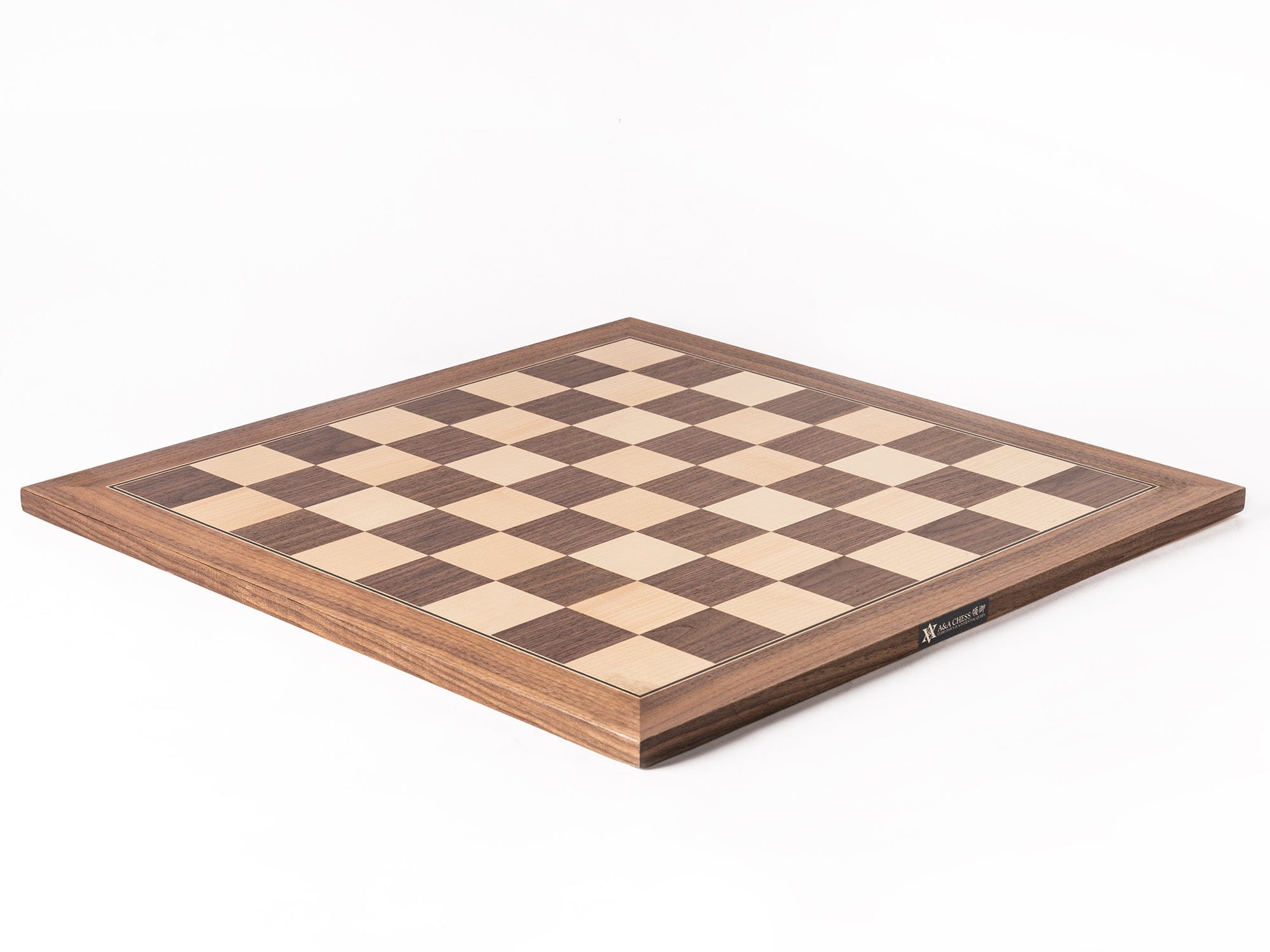
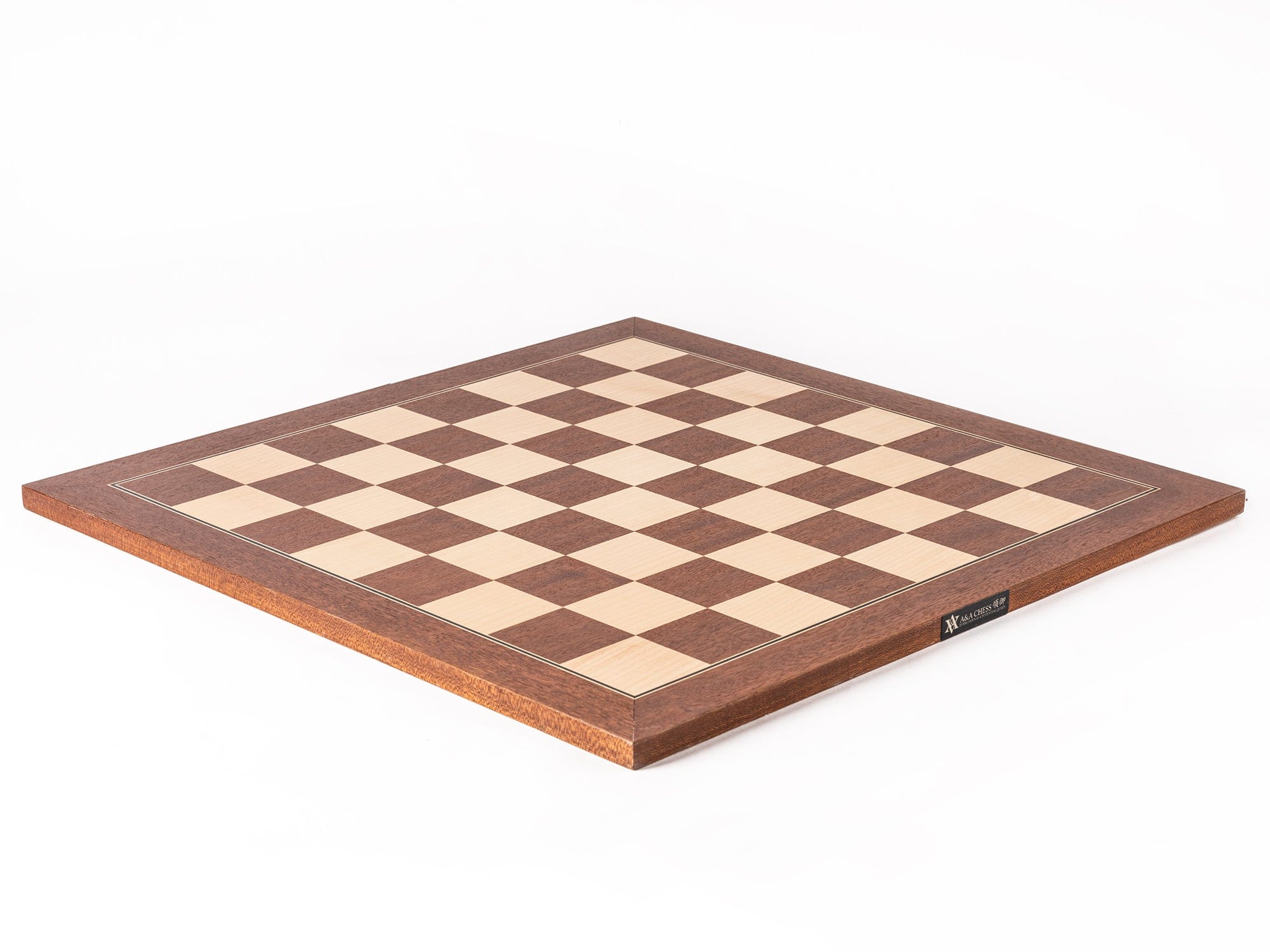
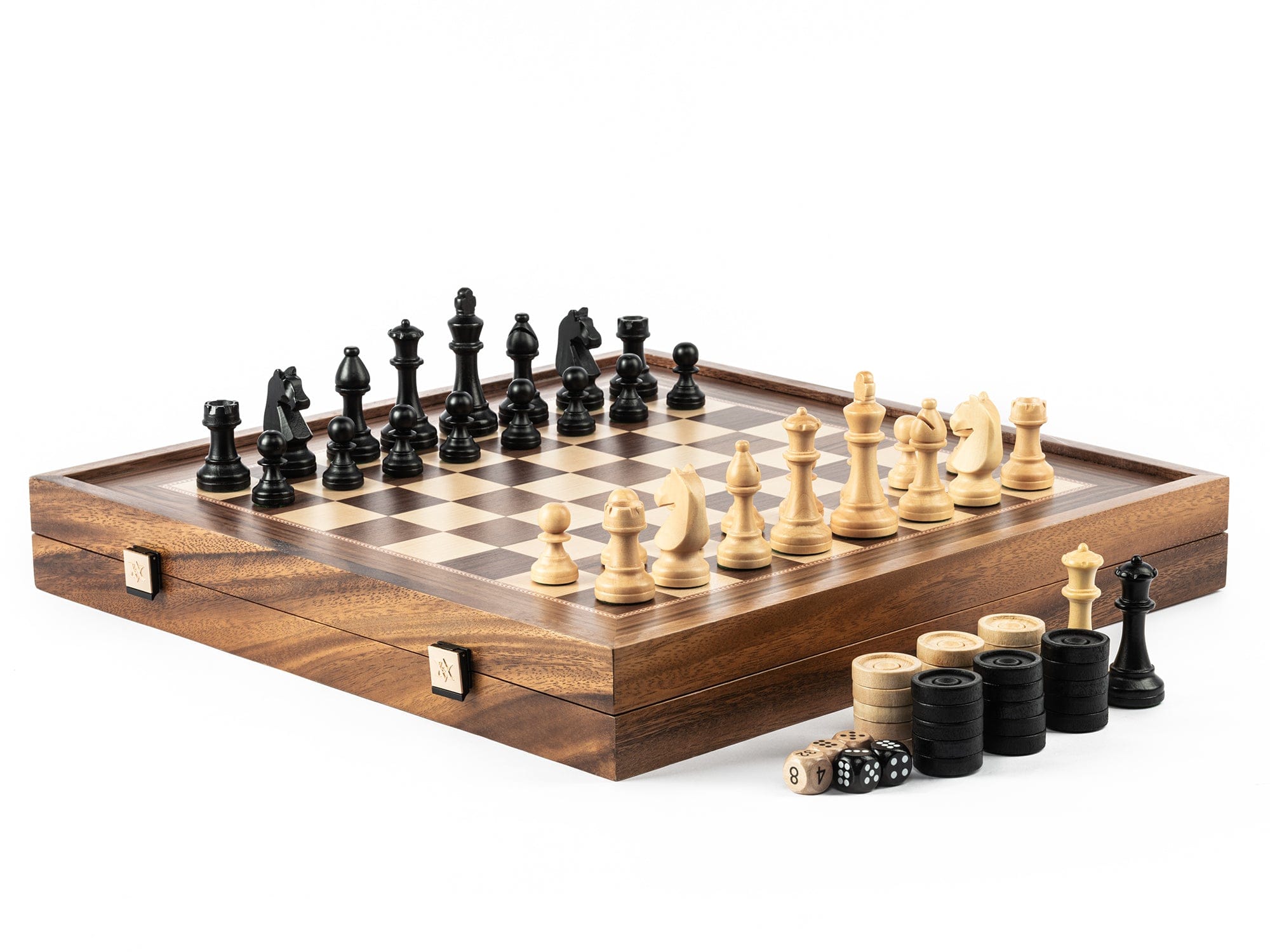
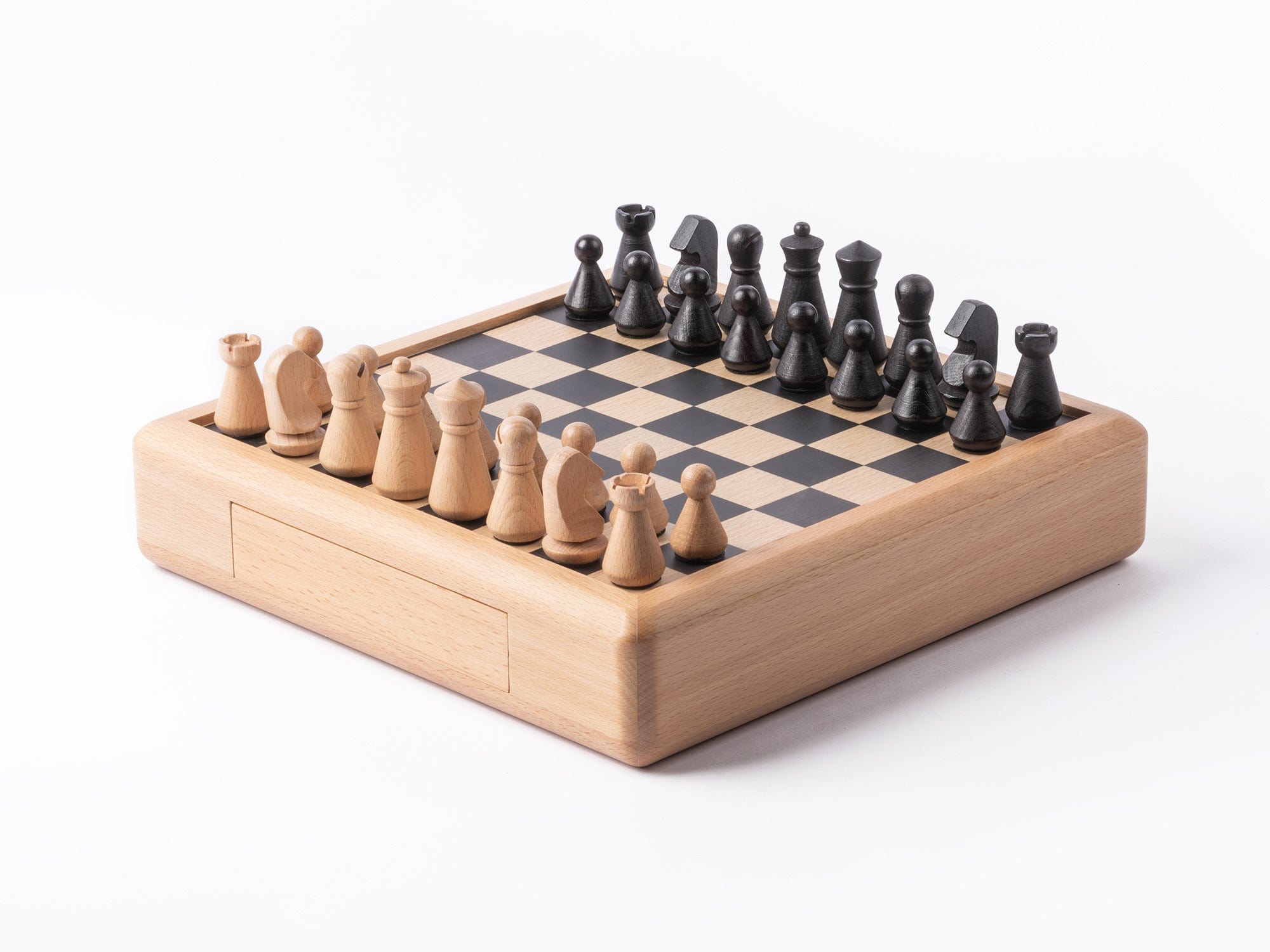
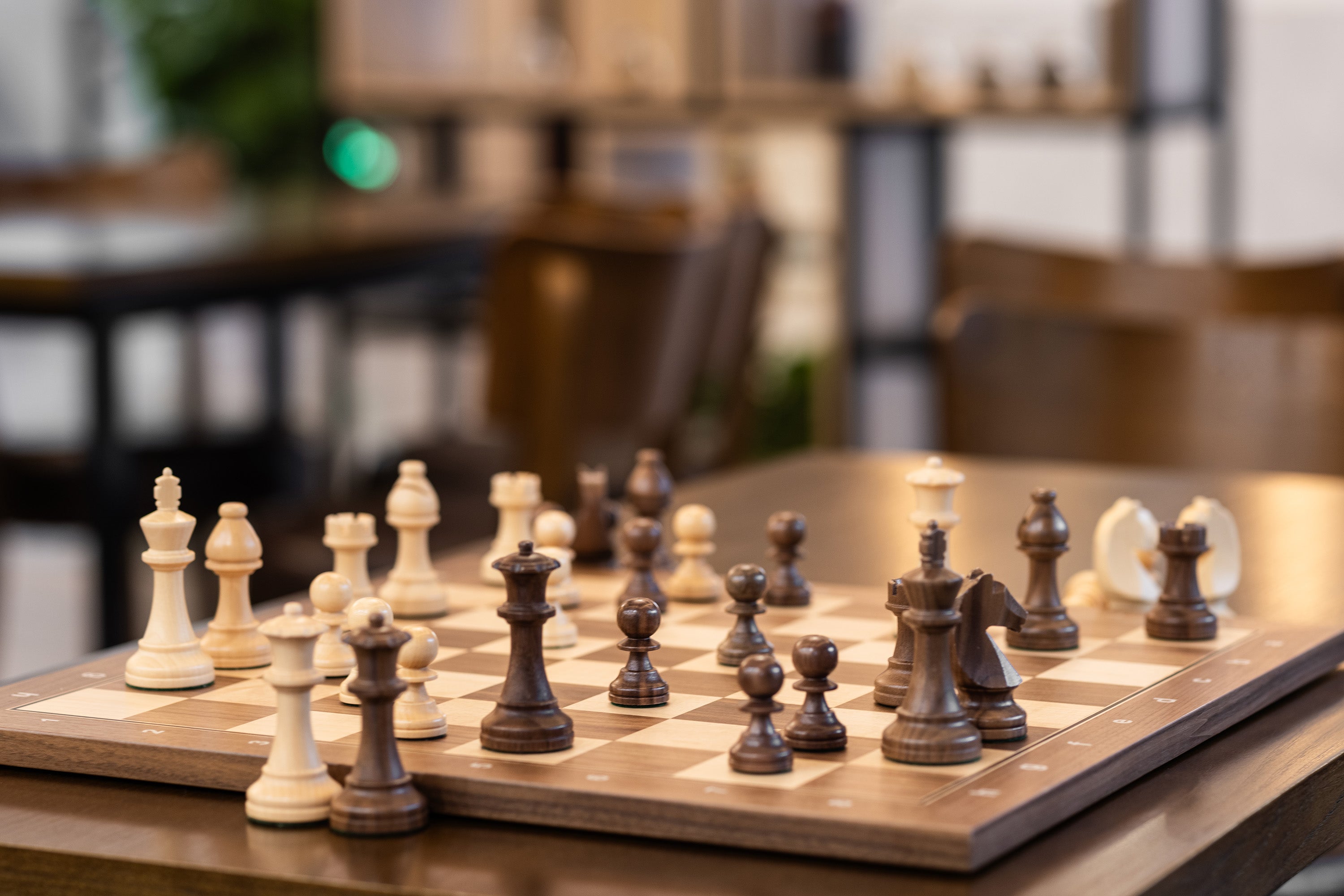
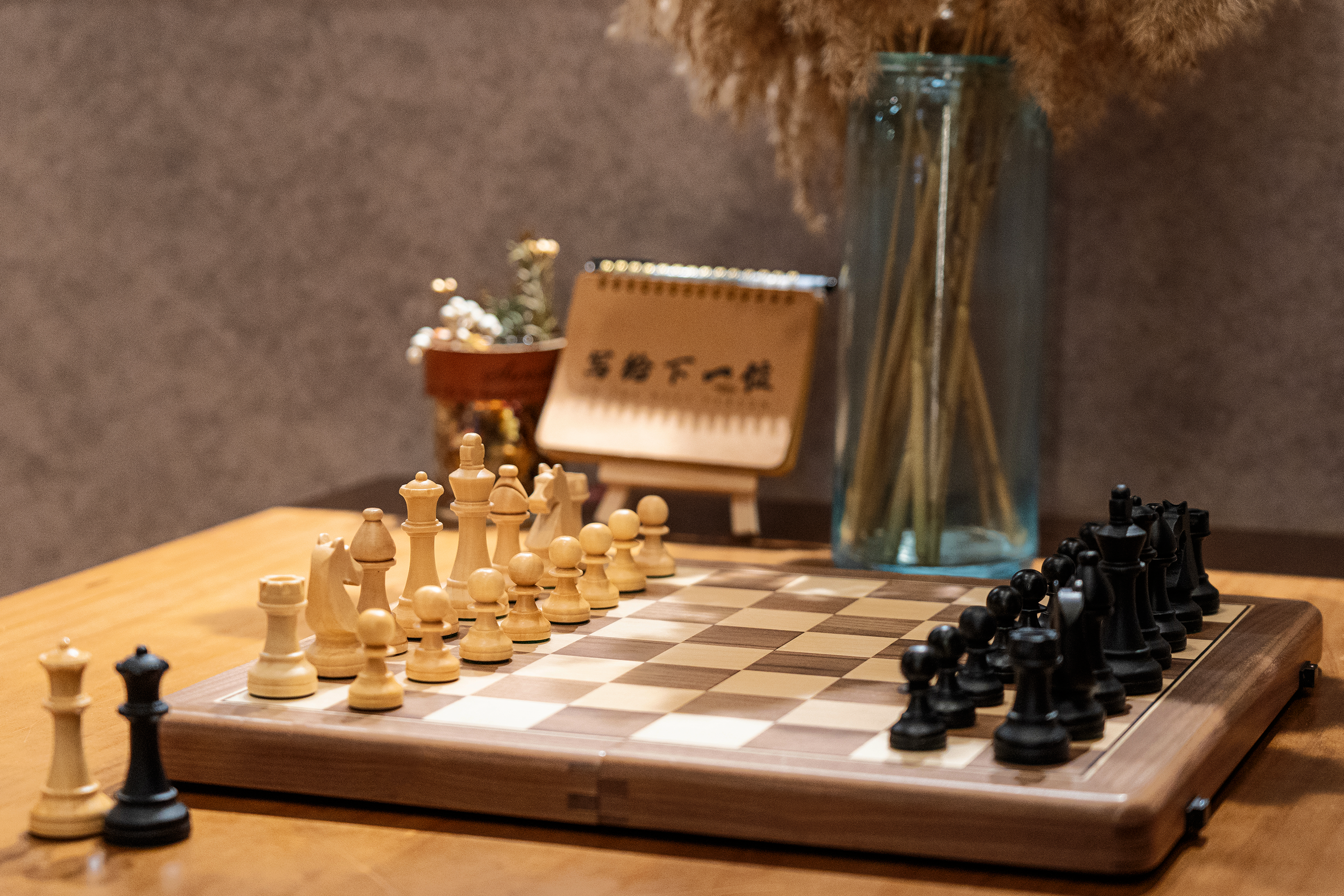
Chess is a two-player strategy game played on an 8×8 board with 64 squares. Each player controls 16 pieces and aims to checkmate the opponent’s king.
If you're completely new, you can explore learn chess basics to build a strong foundation.
Step 1: Understand the Chess Board
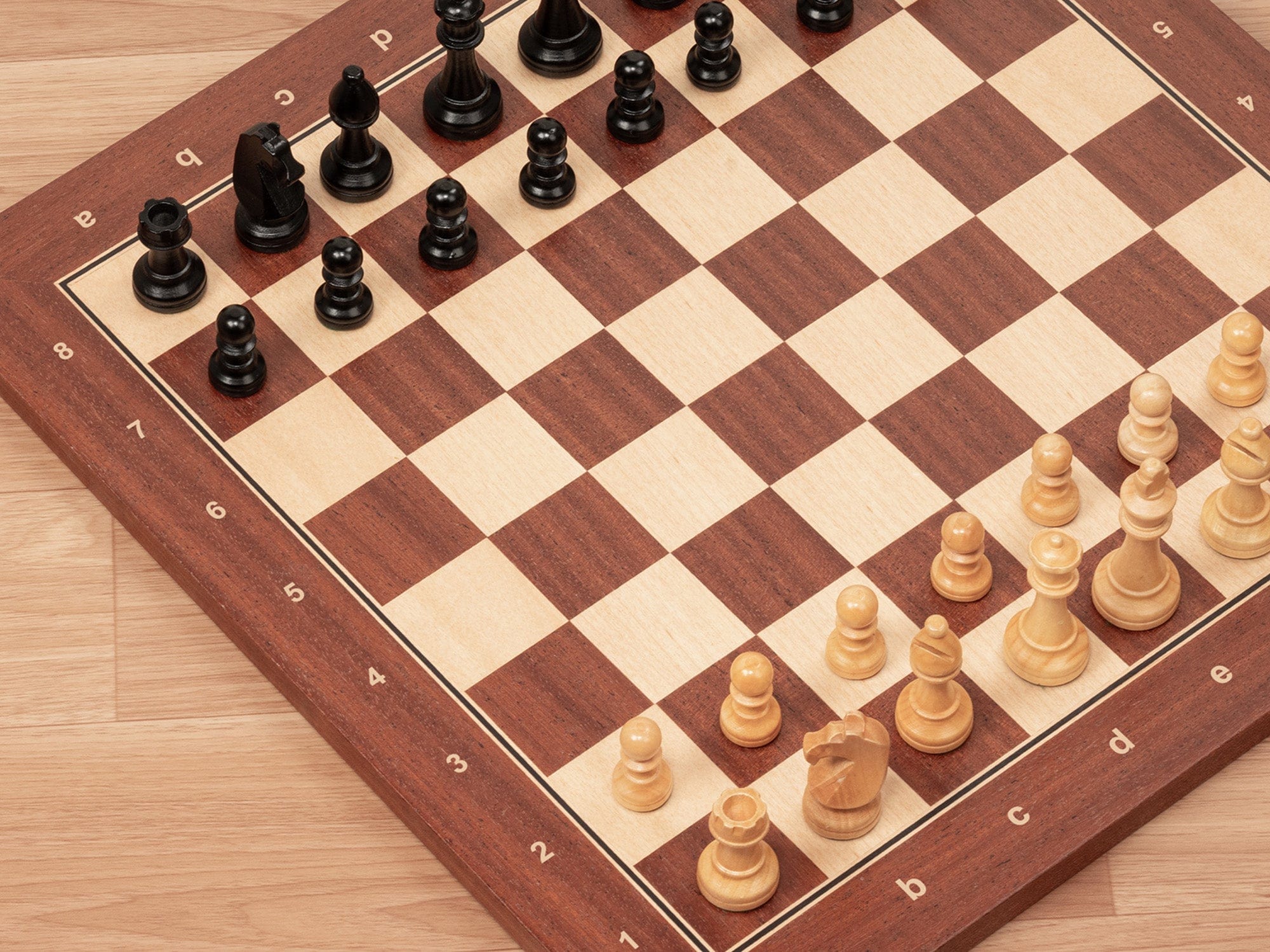
The chessboard consists of:
- 8 rows (ranks)
- 8 columns (files)
- Alternating light and dark squares
👉 Important rule:
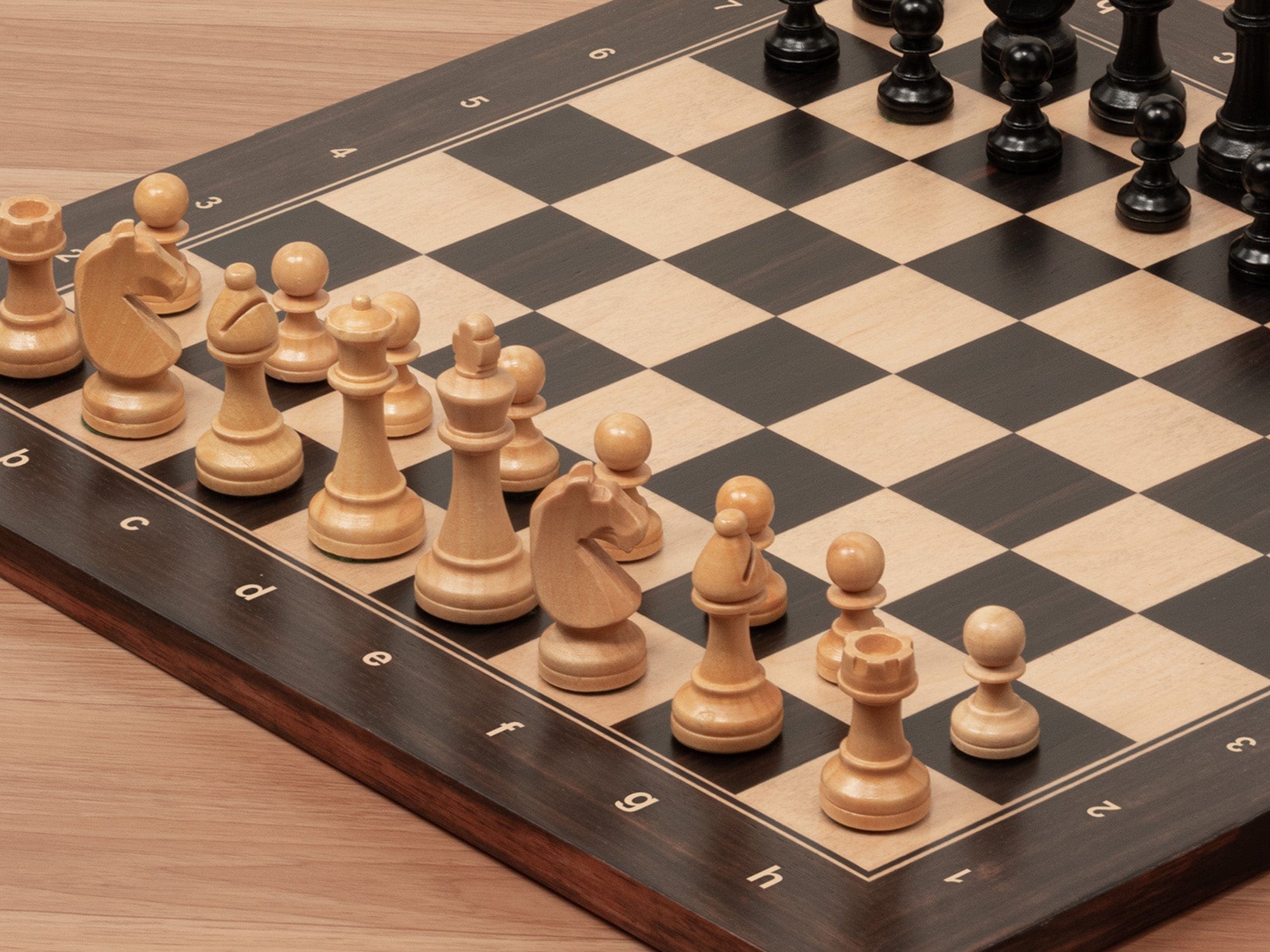
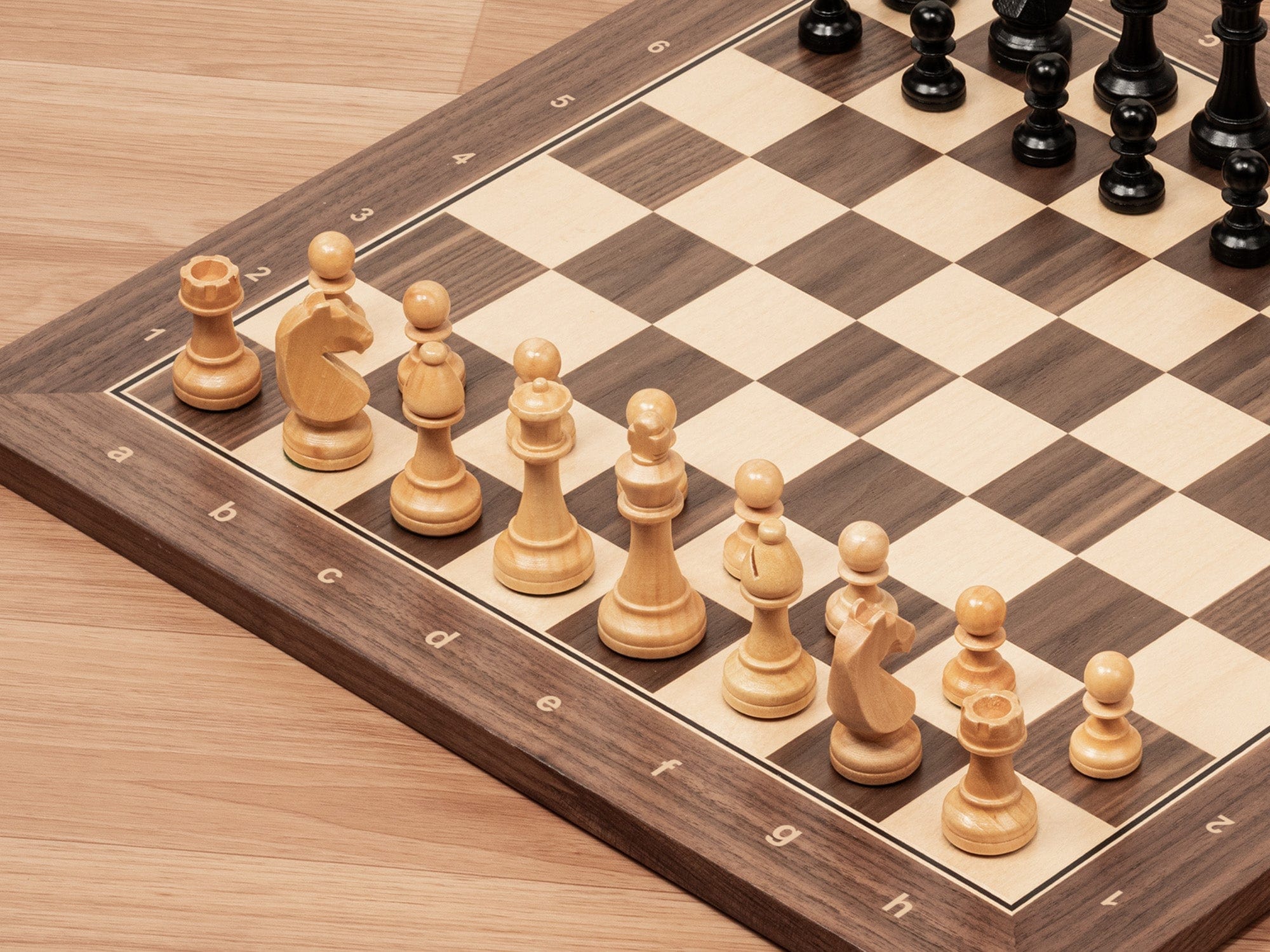
- The bottom-right square should always be a light square
Step 2: Know the Chess Pieces
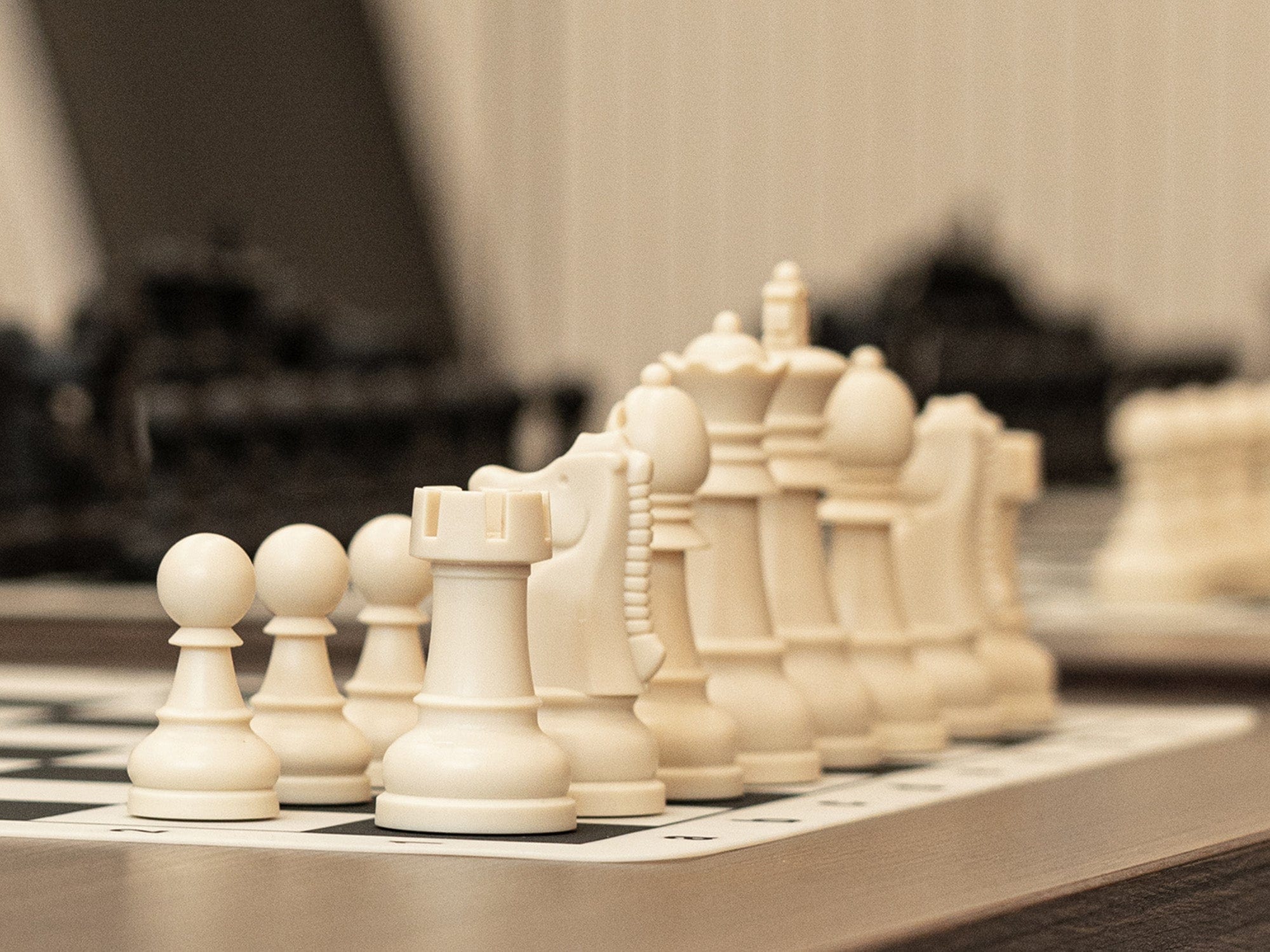
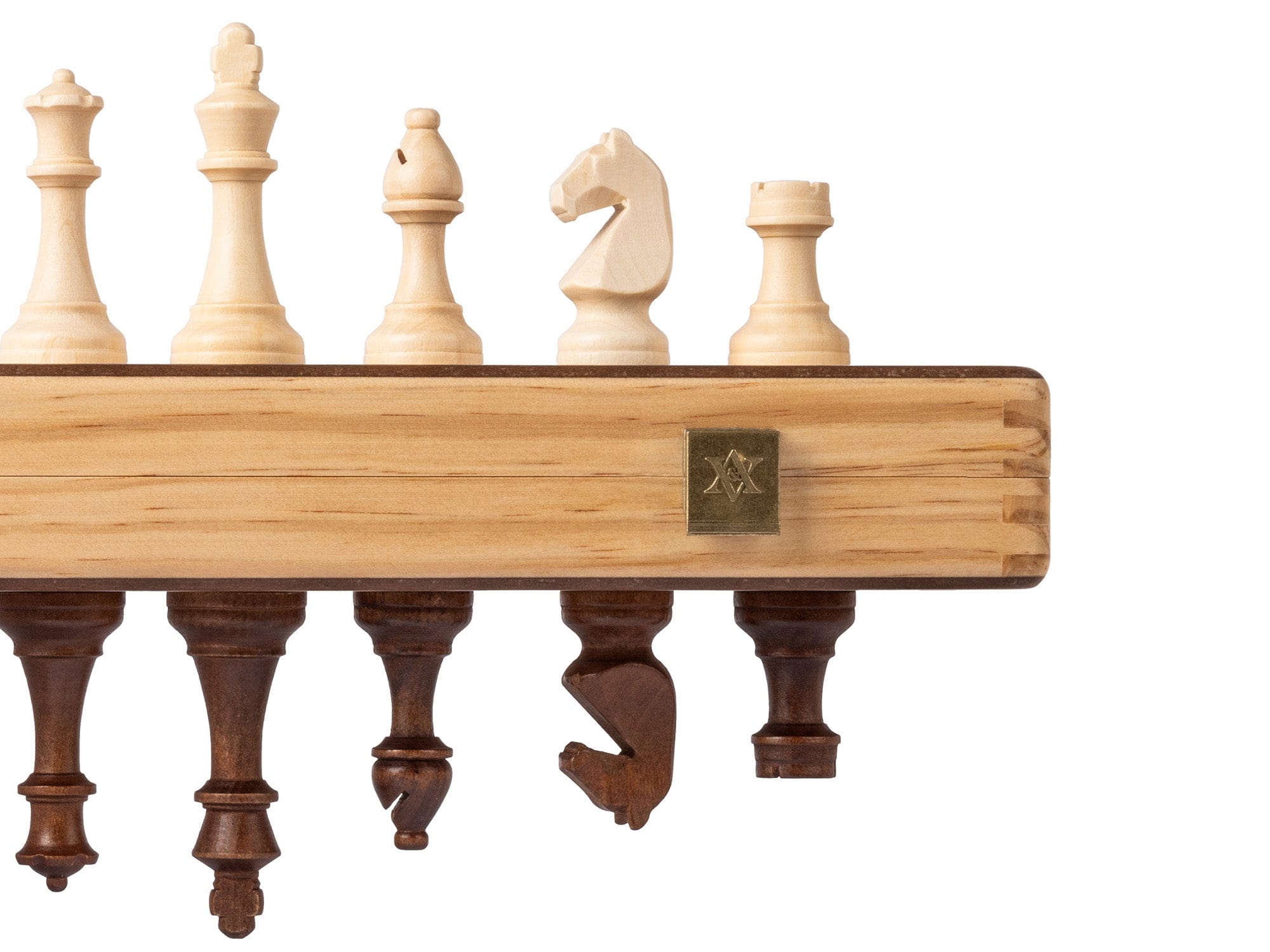
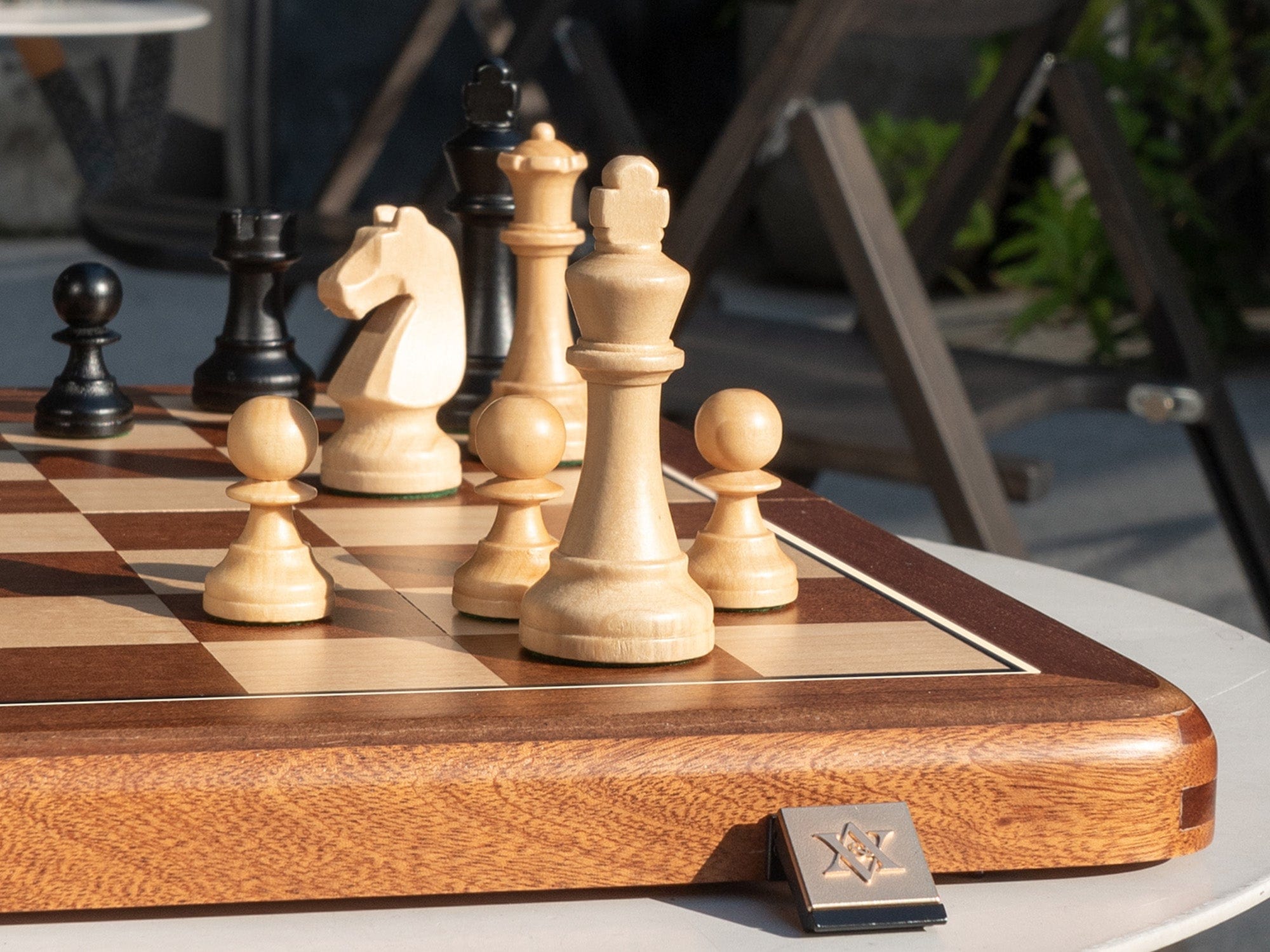
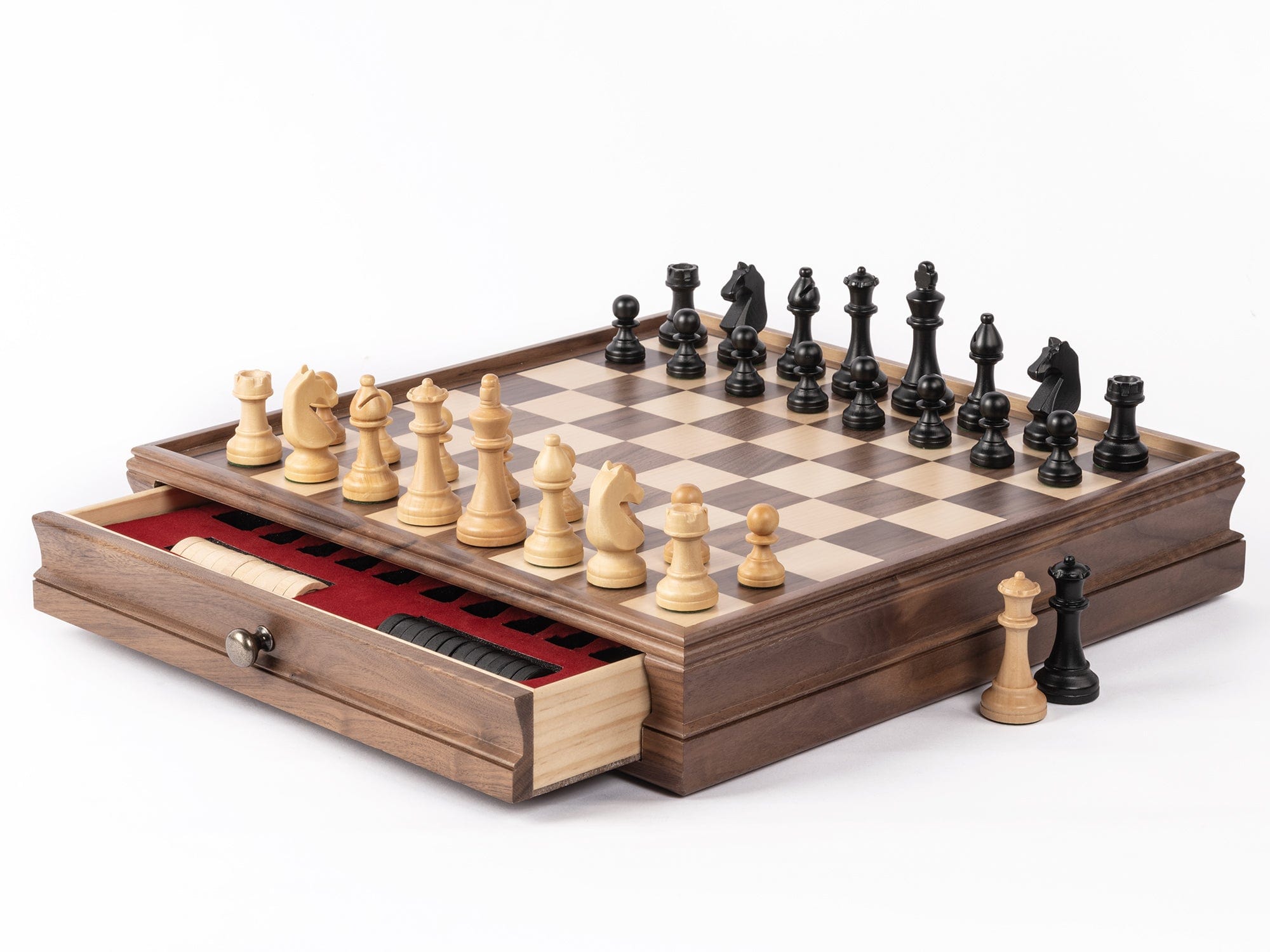
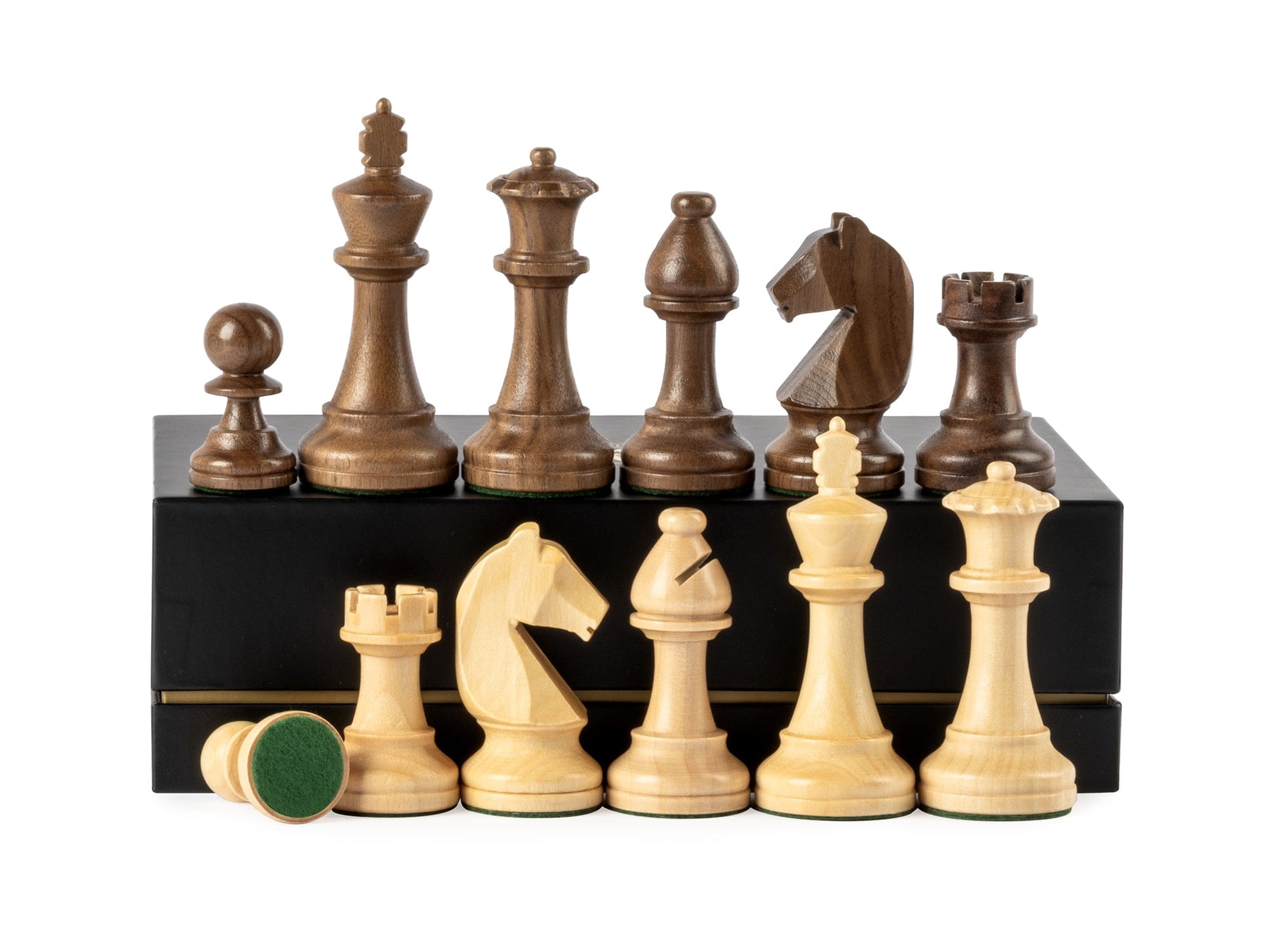
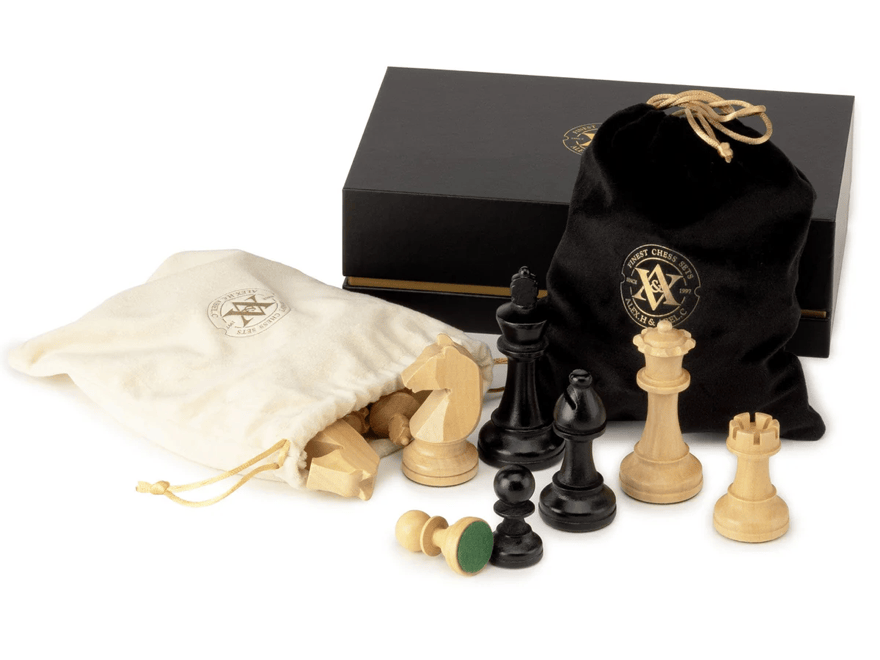
Each player starts with 16 pieces:
- 1 King
- 1 Queen
- 2 Rooks
- 2 Bishops
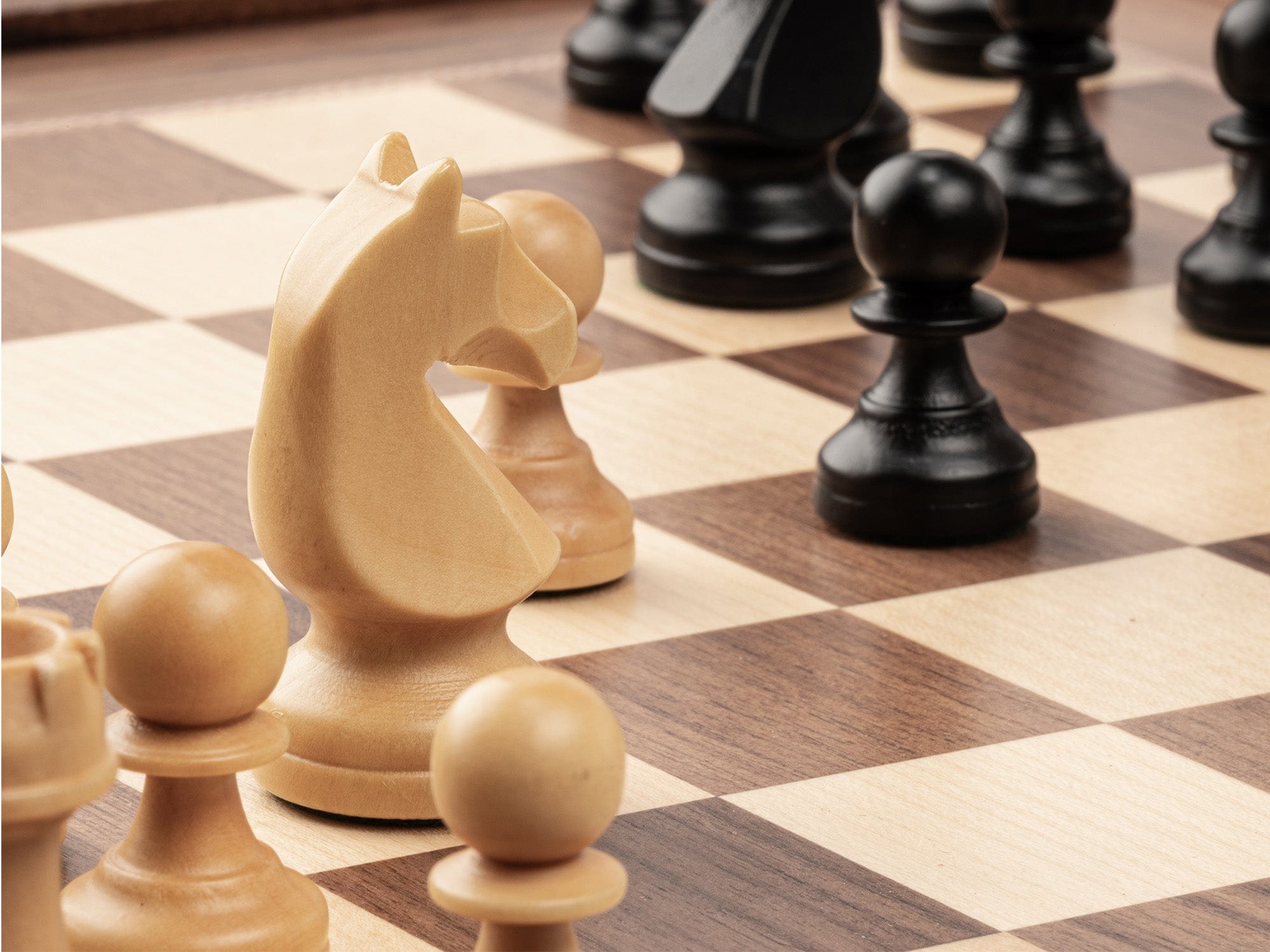
- 2 Knights
- 8 Pawns
Each piece moves differently, and understanding this is the key to learning chess.
Step 3: Learn How Each Piece Moves
King
- Moves one square in any direction
- The most important piece
Queen
- Moves in any direction (horizontal, vertical, diagonal)
- The most powerful piece
Rook
- Moves in straight lines (horizontal/vertical)
Bishop
- Moves diagonally
Knight
- Moves in an “L” shape
- Can jump over other pieces
Pawn
- Moves forward one square
- Captures diagonally
- Can move two squares on its first move
Step 4: Learn the Objective (Checkmate)
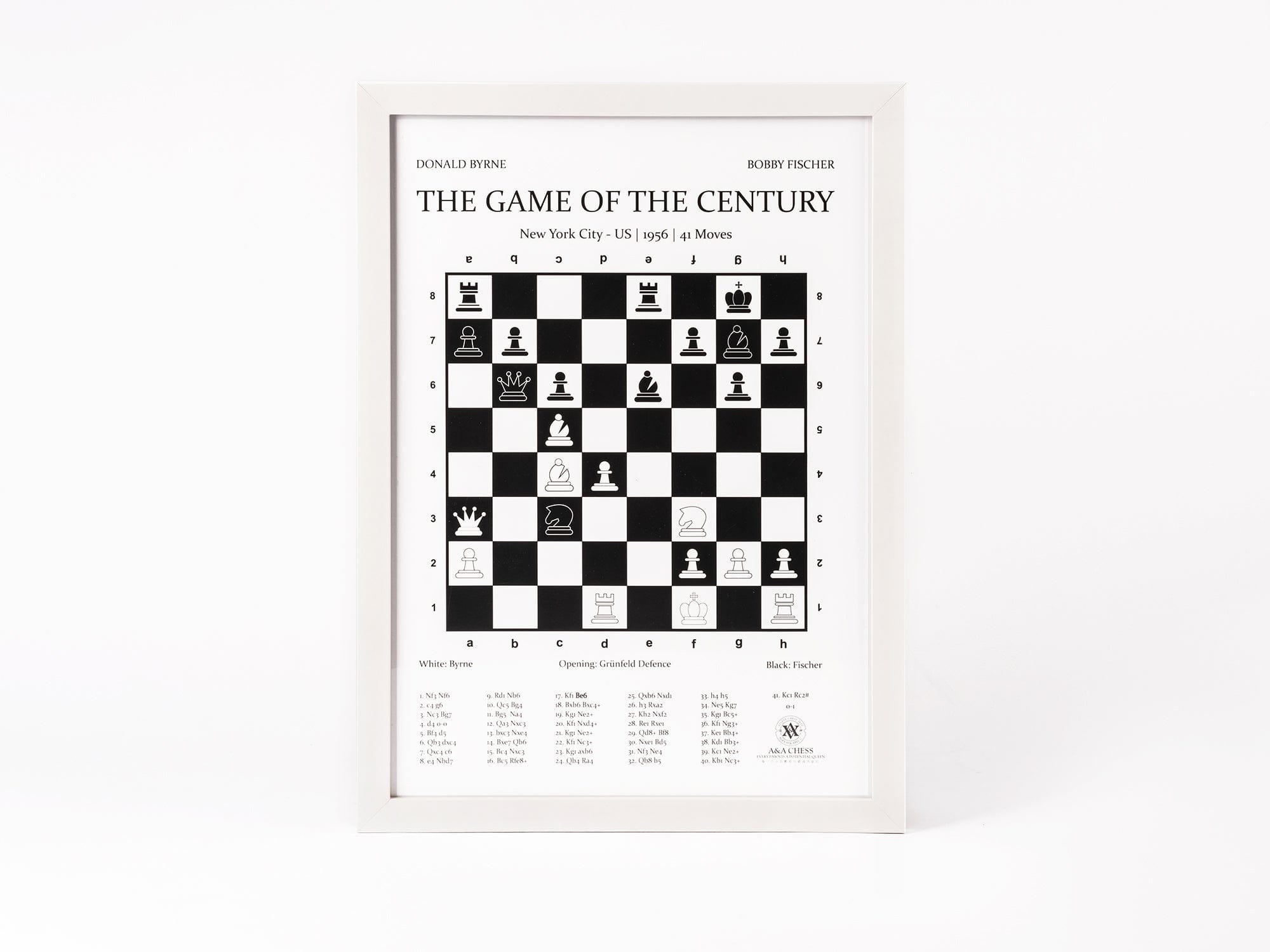
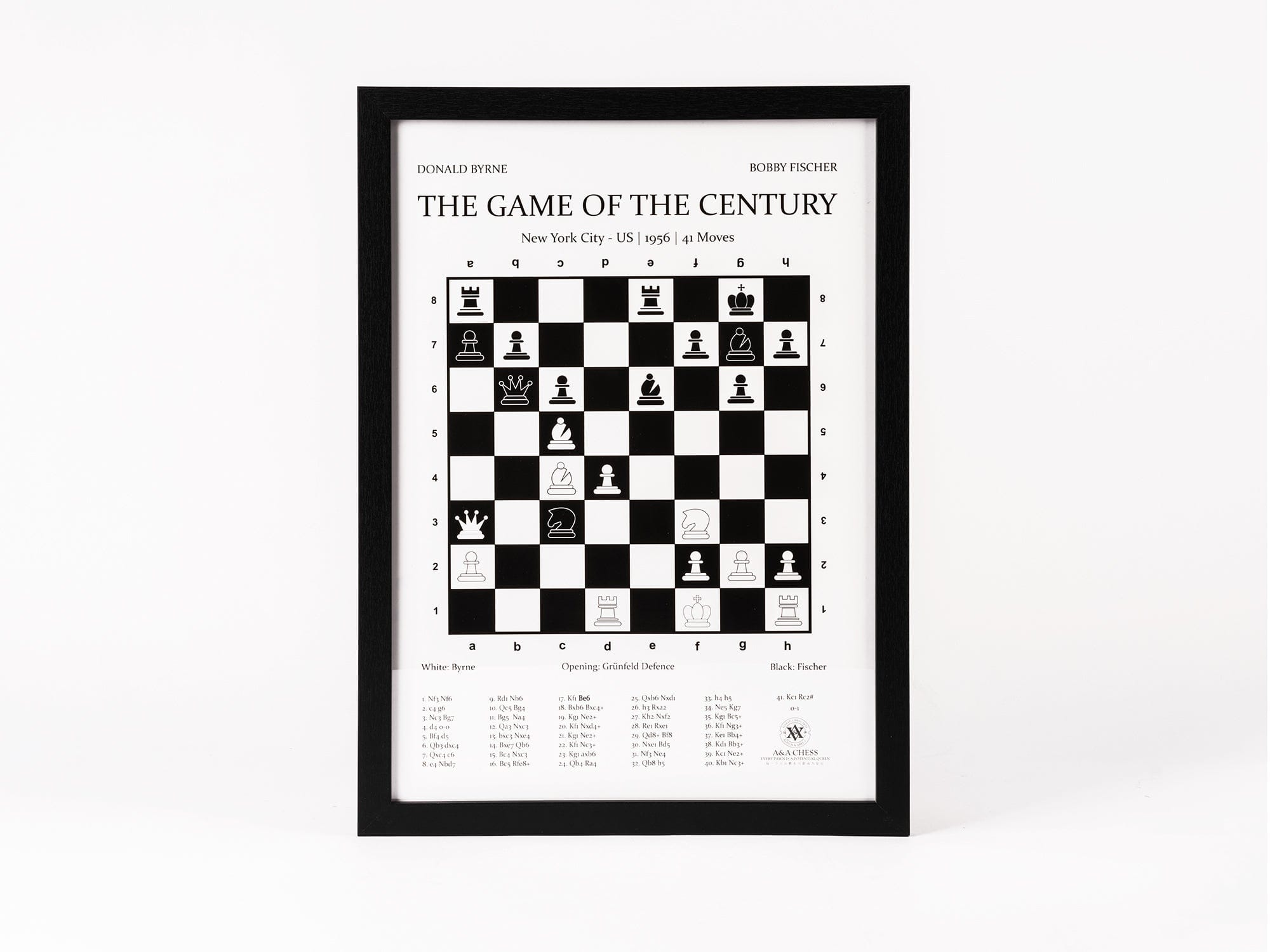
The goal of chess is to checkmate your opponent’s king.
Checkmate happens when:
- The king is under attack
- There is no legal move to escape
Step 5: Basic Rules You Must Know
Check
When the king is under attack.
Castling
A special move that protects your king.
En Passant
A special pawn capture rule.
Promotion
A pawn becomes another piece when reaching the last rank.
Step 6: Simple Opening Tips
When starting a game:
- Control the center
- Develop your pieces
- Protect your king
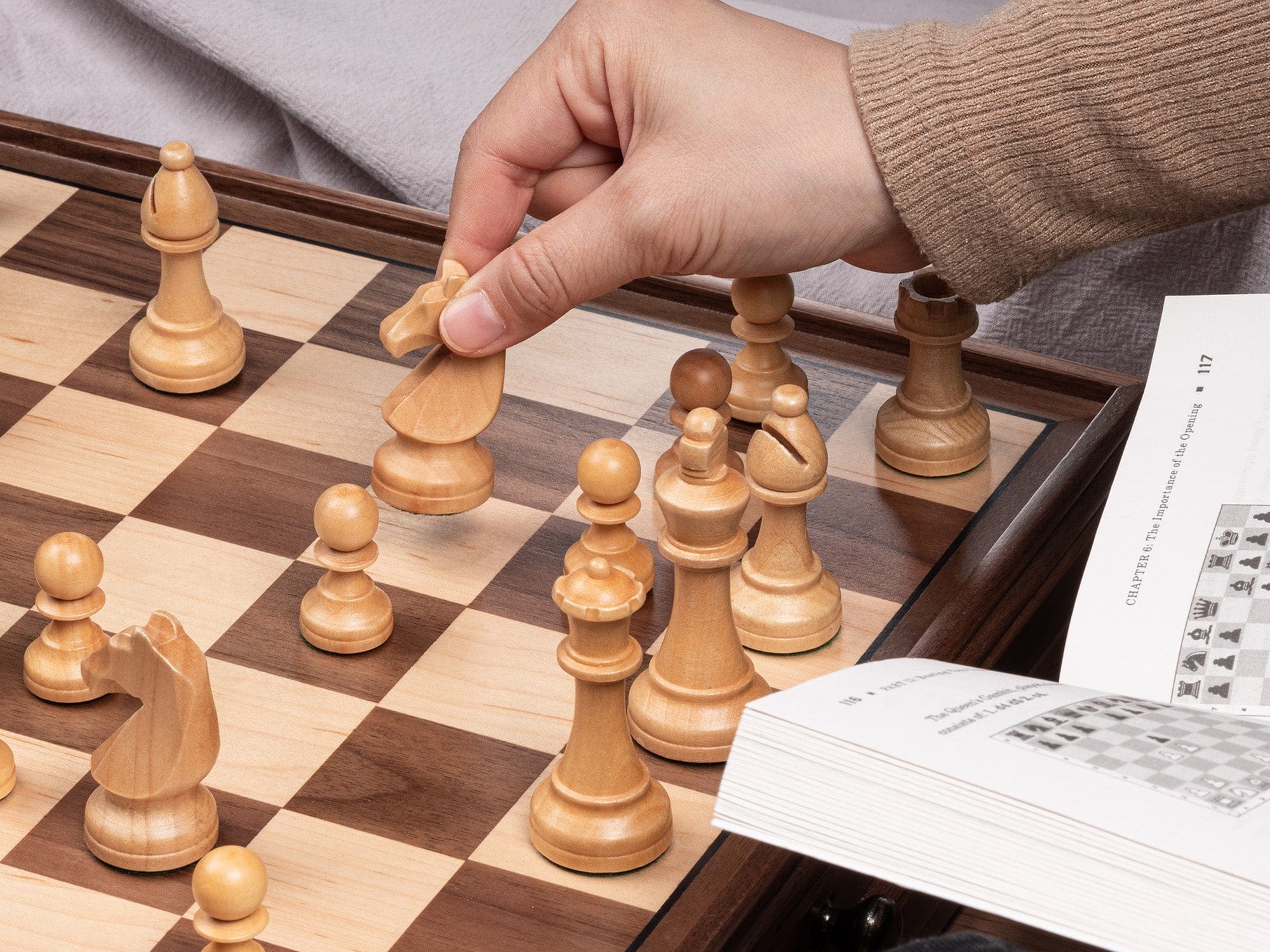
You can learn more through chess opening guides.
Step 7: Avoid Common Beginner Mistakes
❌ Moving the queen too early
❌ Ignoring opponent threats
❌ Not developing pieces
❌ Forgetting king safety
Avoiding these mistakes will instantly improve your game.
Step 8: Practice Regularly
The more you play, the better you get.
You can:
- Play with friends
- Practice online
- Solve puzzles
Try online chess practice to build consistency.
Step 9: Learn Basic Tactics
To start winning games, learn:
- Forks
- Pins
- Skewers
You can improve faster with chess tactics training.
Step 10: Play and Analyze Your Games
After every game:
- Review your mistakes
- Understand what went wrong
- Improve your decision-making
Quick Summary Table

| Step | What to Learn | Why It Matters |
|---|---|---|
| 1 | Board setup | Start correctly |
| 2 | Piece movement | Understand the game |
| 3 | Rules | Avoid illegal moves |
| 4 | Opening basics | Strong start |
| 5 | Tactics | Win games |
| 6 | Practice & review | Improve continuously |
How Long Does It Take to Learn Chess?
- Basic rules → 1–2 days
- Beginner level → 1–2 weeks
- Noticeable improvement → 1–3 months
Consistency is the key.
Best Way to Learn Faster
To speed up your progress:
- Play daily
- Study basic tactics
- Stick to simple openings
- Analyze games
Also explore chess strategy resources for deeper learning.
Why You Should Start Playing Chess Today
Chess is more than a game. It helps you:
- Improve focus
- Develop problem-solving skills
- Think strategically
Even playing a few minutes a day can make a difference.
Final Thoughts
Learning how to play chess doesn’t have to be difficult. By following this step-by-step guide, you can quickly understand the basics and start enjoying the game.
Remember: every strong player was once a beginner.
Stay consistent, keep practicing, and most importantly—have fun.





Leave a comment
This site is protected by hCaptcha and the hCaptcha Privacy Policy and Terms of Service apply.