









Introduction: Weighted vs Unweighted Chess Pieces — Which Is Better?
When buying chess pieces, you’ll likely encounter two primary options: weighted and unweighted chess pieces. Both types serve the same function—helping you play the game—but they feel very different on the board. If you’re new to the game or shopping for a new set, you may wonder, "What’s the difference, and which should I choose?"
In this article, we’ll break down the benefits and drawbacks of weighted and unweighted chess pieces, compare their performance, and help you decide which one is best suited for your chess-playing style.
Quick Answer: Which Should You Buy?
· Choose weighted chess pieces if you want a solid, stable feel, prefer a smooth and controlled piece movement, and often play on uneven surfaces.
· Choose unweighted chess pieces if you prioritize lightweight, budget-friendly pieces, prefer a minimalistic style, or play on perfectly smooth surfaces.
If you play regularly and care about the stability of your pieces, weighted pieces are usually the best choice. If you’re new to chess or looking for a more affordable option, unweighted pieces could be a good start.
Weighted Chess Pieces: The Stability Advantage

What Are Weighted Chess Pieces?
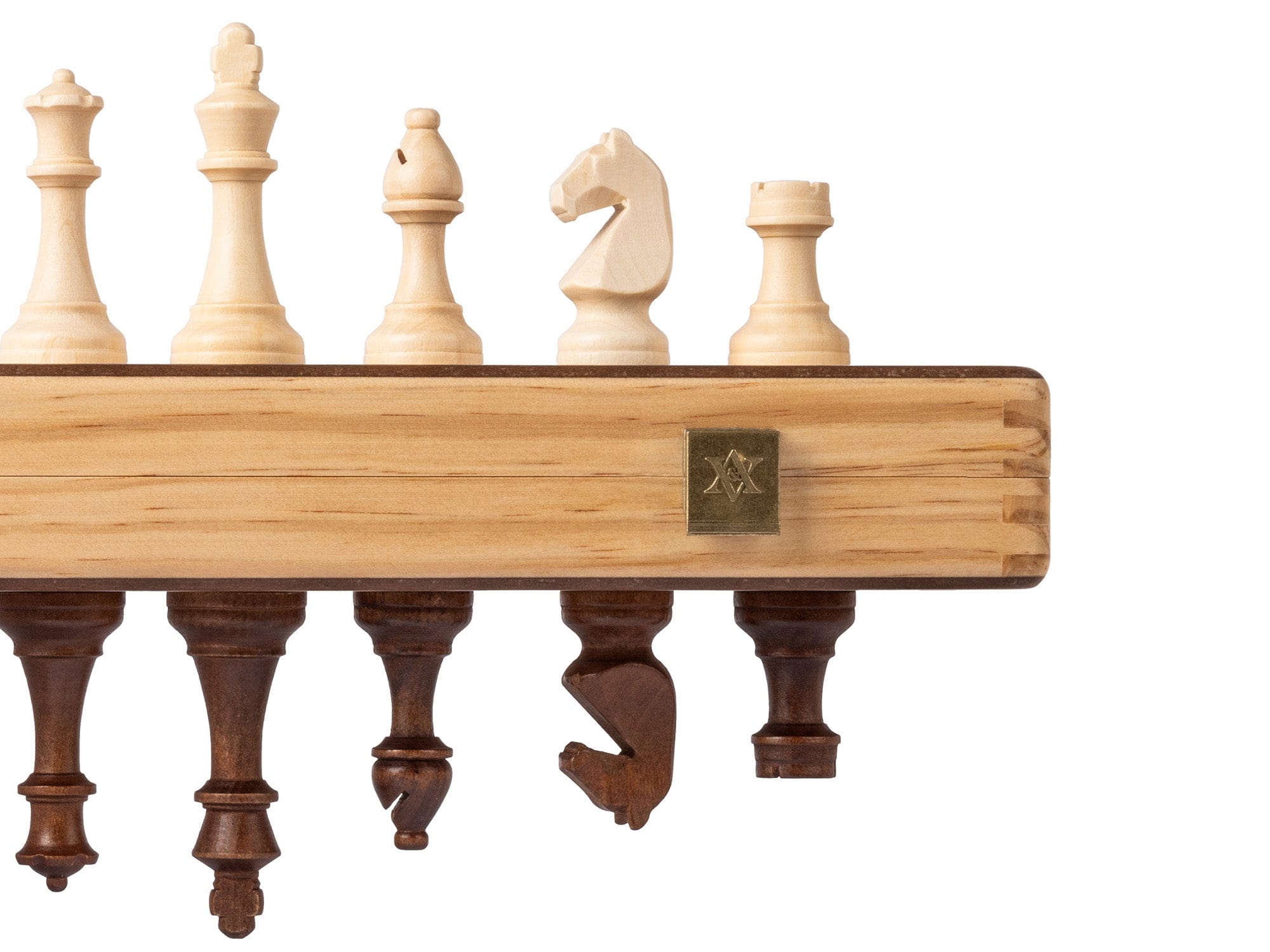
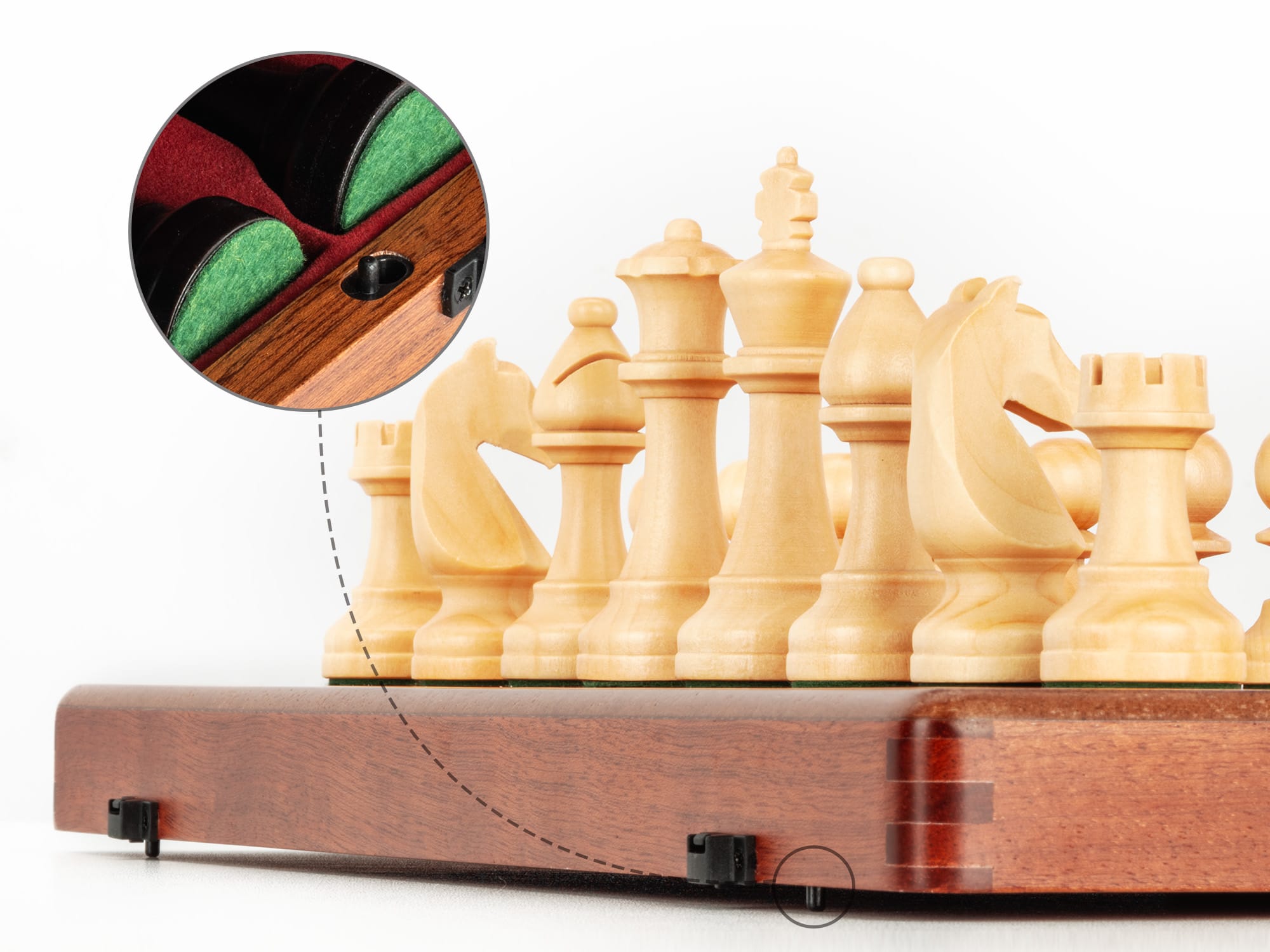
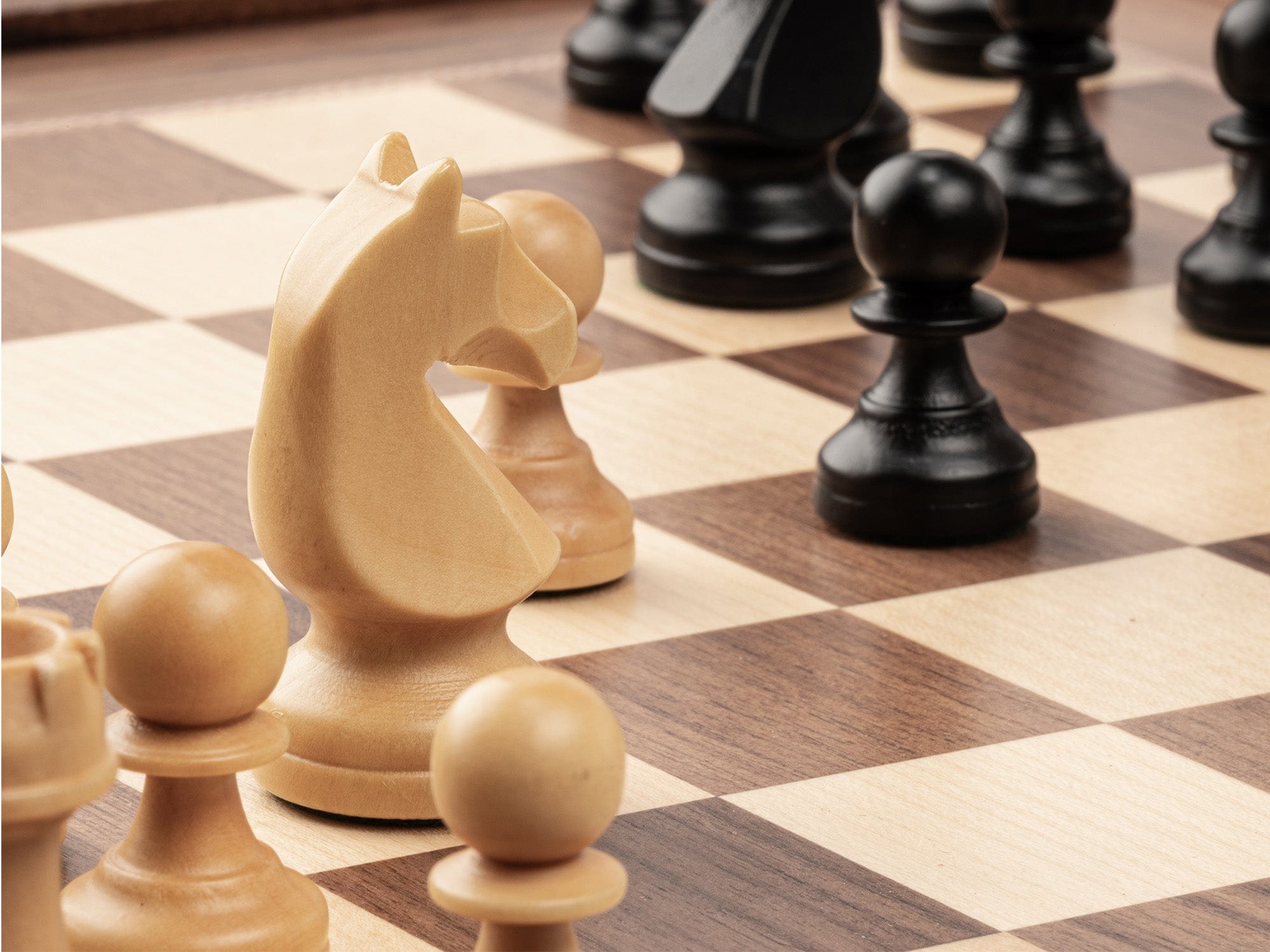
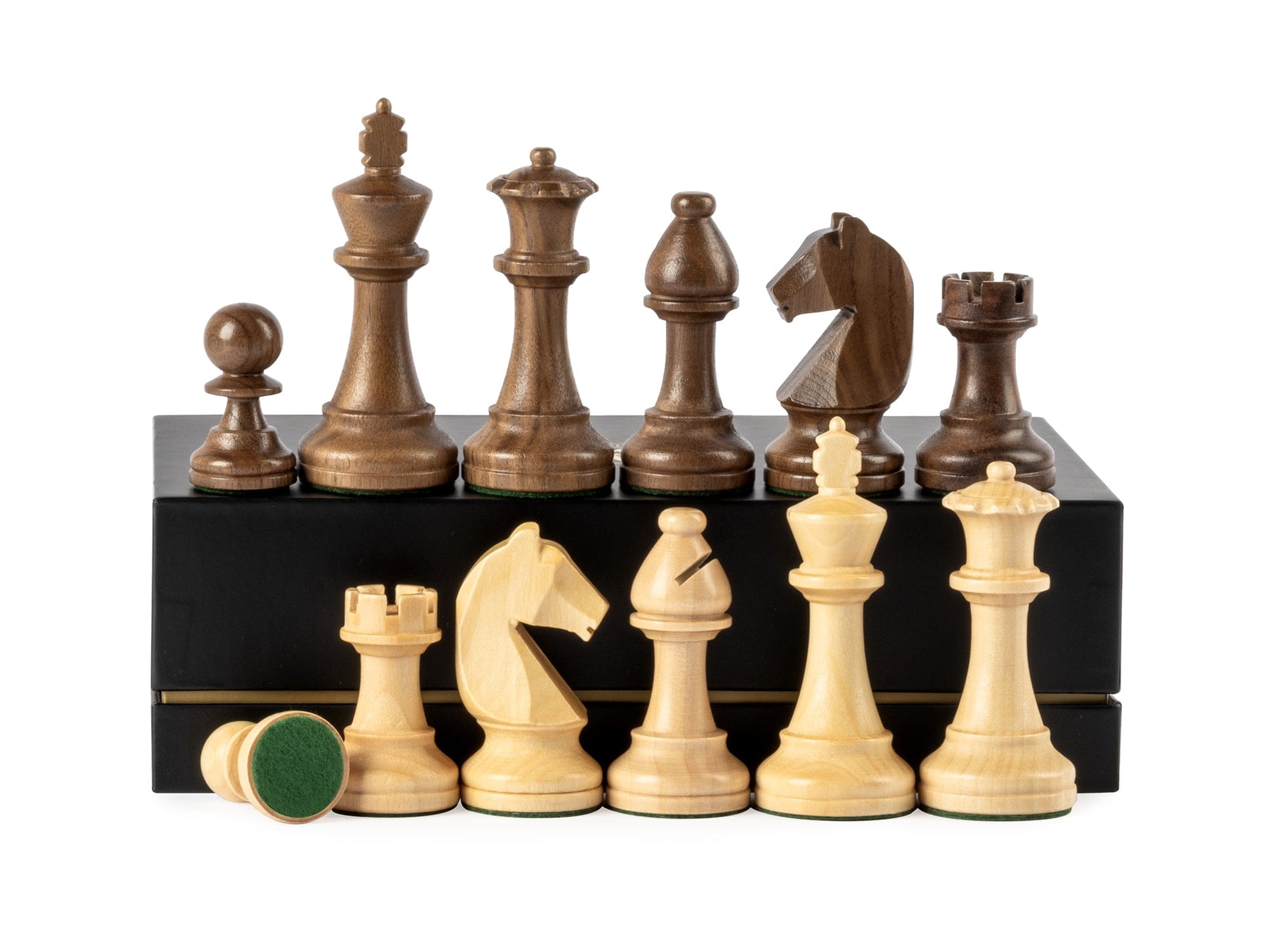
Weighted chess pieces are exactly what they sound like: pieces that have a weight inside to make them feel heavier and more stable during play. This weight is usually added through metal discs or small lead inserts at the base of each piece.
Benefits of Weighted Chess Pieces:
· Stability: Weighted pieces remain grounded and are less likely to be knocked over during play. This is especially important in tournaments or fast-paced games where precise movements matter.
· Tactile Feel: The extra weight gives the pieces a premium, smooth feel. It’s satisfying to move a piece with some heft, and it can enhance your focus during gameplay.
· Better Movement Control: The added weight helps pieces glide across the board with more control, making them feel more deliberate.
· Durability: The weight often gives pieces more density, making them less prone to wear and tear, especially if they’re made from quality materials like wood, resin, or plastic with metal inserts.
Why Weighted Pieces Are Preferred:
· Tournament Play: In tournaments, precision and stability are critical, and the weight helps achieve both.
· Movement on Uneven Surfaces: If you’re playing on a slightly uneven surface (like a kitchen table or couch), weighted pieces won’t shift around as easily.
Downside of Weighted Pieces:
· Cost: Weighted pieces are generally more expensive due to the materials and manufacturing required to create them.
· Heavier to Handle: If you’re looking for portability or a lightweight set for travel, weighted pieces can become cumbersome.
· Price Range: Some high-quality weighted sets can be quite costly, especially those with metallic inserts.
Best For: Serious players, those who play frequently, tournament players, and anyone who values stability and a premium feel.
Unweighted Chess Pieces: Lightweight and Affordable
What Are Unweighted Chess Pieces?
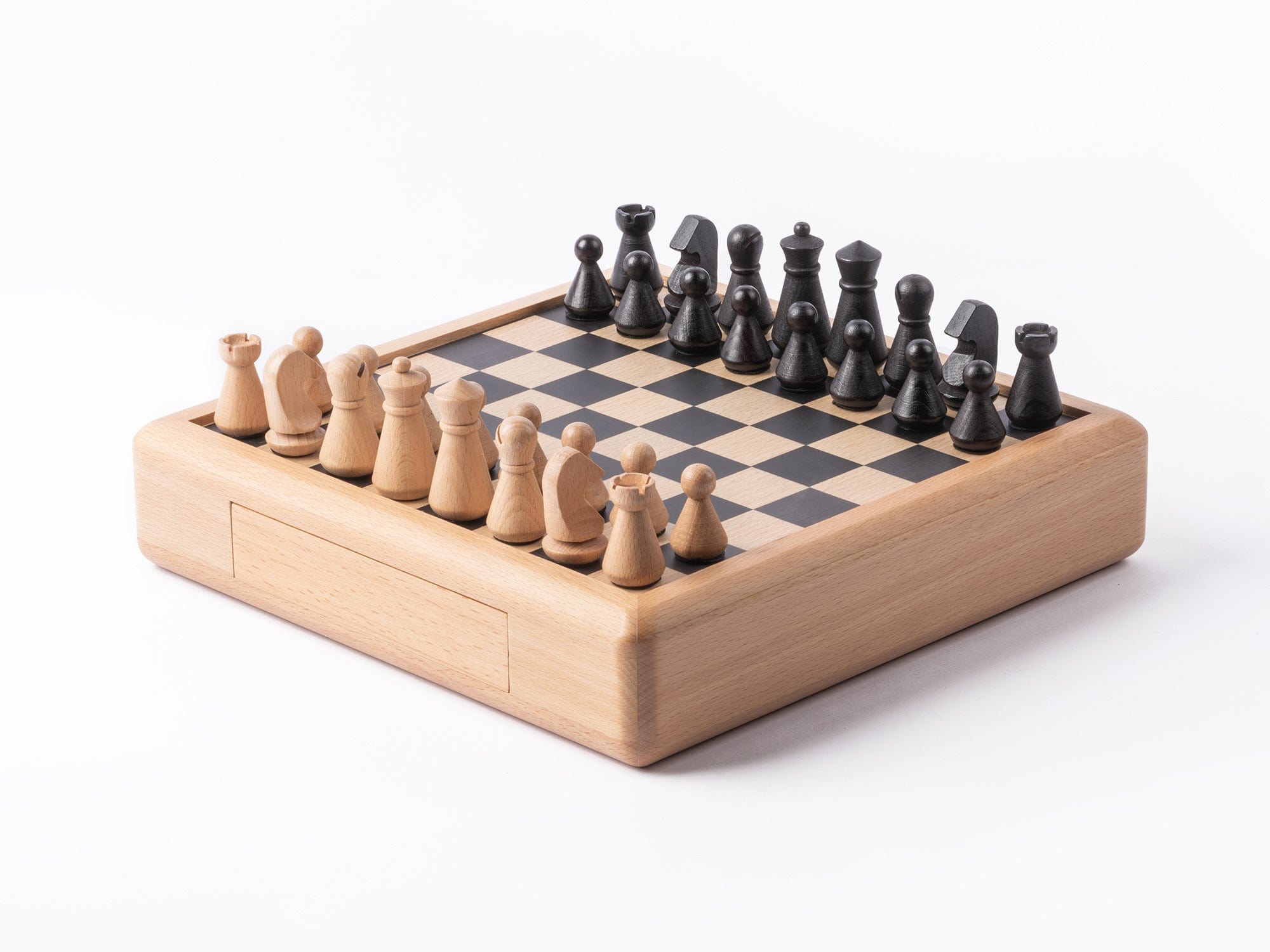
Unweighted chess pieces are pieces that don’t contain any internal weight—they’re typically made from light plastic, wood, or resin without added metal or fillers. These pieces are naturally lighter and may feel less stable than their weighted counterparts.

Benefits of Unweighted Chess Pieces:
· Affordable: Unweighted pieces are generally more budget-friendly because they don’t require the extra materials or manufacturing steps.
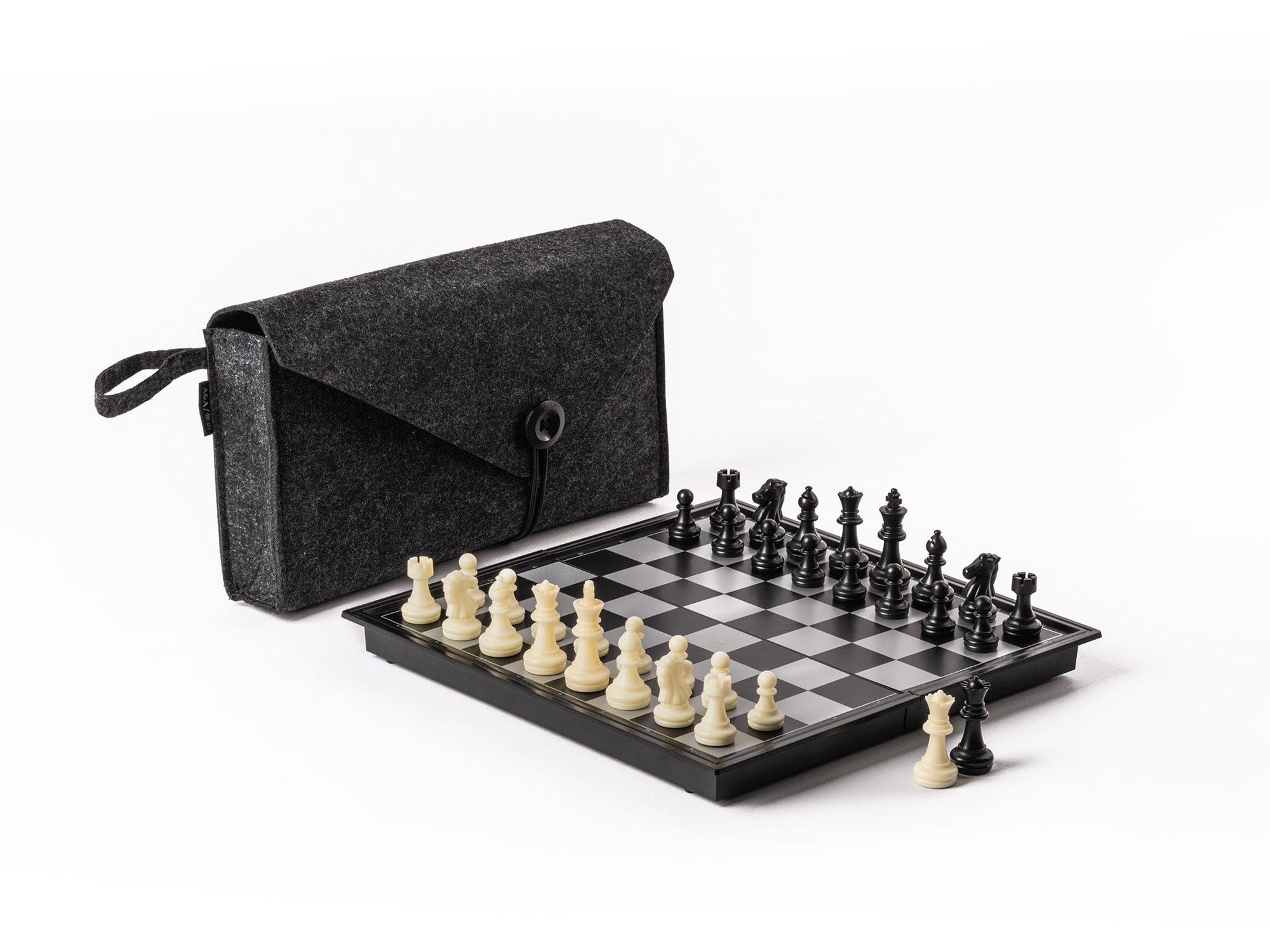
· Lightweight: Great for players who prefer a lighter, easier-to-handle piece. They’re also easy to transport and take on the go.
· Less Fatigue: With lighter pieces, you don’t have to worry about fatigue during long, casual games or playing for extended periods.
· Great for Casual Play: If you’re playing chess casually, without heavy investment, or for children learning the game, unweighted pieces are a good fit.
Why Unweighted Pieces Are a Good Option:
· Beginner Players: Beginners often don’t need heavy pieces since they’re still learning the rules, movements, and strategies.
· Travel: Unweighted pieces are easier to carry around, and they fit better in travel sets and compact boards.
· Budget-Friendly: Unweighted pieces allow you to get into chess without breaking the bank.
Downside of Unweighted Pieces:
· Less Stability: Unweighted pieces are prone to tipping over if there’s a slight breeze or if you knock the board. This can interrupt the flow of your game.
· Less Premium Feel: They don’t provide the satisfying, solid feel that weighted pieces give. If you prefer a more luxurious tactile experience, unweighted pieces may feel too light.
Best For: Casual players, beginners, children, and people on a budget.
Comparing Weighted vs Unweighted: Which One is Right for You?
1) Stability vs. Lightweight: What’s Your Priority?
If you often play on uneven or unstable surfaces (or in high-speed games), weighted pieces will likely make your experience much smoother. They feel stable and controlled, and they won’t fall over with a slight bump. On the other hand, if you want a light and easy-to-move piece, unweighted pieces will be easier to handle.
2) Feel and Movement Control: Premium vs. Practical
· Weighted pieces offer a premium feel, giving you more control and a better tactile experience during play.
· Unweighted pieces are lighter and feel more casual, which may be preferred by players who are just getting into chess or those who don’t mind sacrificing some stability.
3) Durability and Cost: What’s Your Budget?
· Weighted pieces often cost more, but they tend to be more durable and last longer.
· Unweighted pieces are more affordable, but they may wear out quicker or become less stable with heavy use.
How to Choose Between Weighted and Unweighted Chess Pieces

· If you play regularly or in tournaments: Go for weighted pieces. The added stability and control during your games will improve your overall experience, especially on uneven surfaces or when you’re focusing on strategy.
· If you’re just starting out or buying a set for kids: Unweighted pieces are a great choice. They’re light, easy to move, and affordable.
· If you want a travel-friendly set: Unweighted pieces are more portable and lightweight, making them easier to carry around.
Internal Links You Should Add (for SEO + conversions)
Within this article, naturally link these phrases to your relevant pages:
· “weighted chess pieces” → Chess Pieces collection (weighted section)
· “unweighted chess pieces” → Chess Pieces collection (unweighted section)
· “chess pieces” → Chess Pieces collection
· “chess sets” → Chess Sets collection
FAQ
1) Are weighted chess pieces better for beginners?
While beginners don’t need heavy pieces, weighted pieces provide stability and a premium feel, which can help foster better play. However, unweighted pieces are fine for those just learning the game.
2) Can I use unweighted pieces in tournaments?
Unweighted pieces are not FIDE-approved for official tournaments. For tournament play, you should opt for standard, weighted pieces that meet the official size and weight guidelines.
3) Why are weighted chess pieces more expensive?
Weighted pieces use more materials (e.g., metal inserts, resin) and require more manufacturing steps, which can make them more expensive.
4) Which type of chess piece is best for casual play?
For casual play, unweighted pieces are typically more than enough. They are lighter, cheaper, and still provide a functional chess experience.
5) How can I tell if my chess pieces are weighted or unweighted?
You can tell by their feel: weighted pieces will feel heavier when you pick them up, and you’ll often notice a denser feel compared to unweighted pieces. Try flipping a piece over; weighted pieces may have a metal insert inside.
Conclusion: Choosing the Right Chess Piece for Your Play Style

The choice between weighted and unweighted chess pieces ultimately depends on what you prioritize. Weighted pieces are the best choice if you’re serious about chess, need stability, and prefer a premium tactile experience. Unweighted pieces, on the other hand, are ideal for beginners, casual play, and those on a budget.
No matter which you choose, always ensure that the pieces fit your board and provide a comfortable, enjoyable playing experience.




Laisser un commentaire
Ce site est protégé par hCaptcha, et la Politique de confidentialité et les Conditions de service de hCaptcha s’appliquent.