










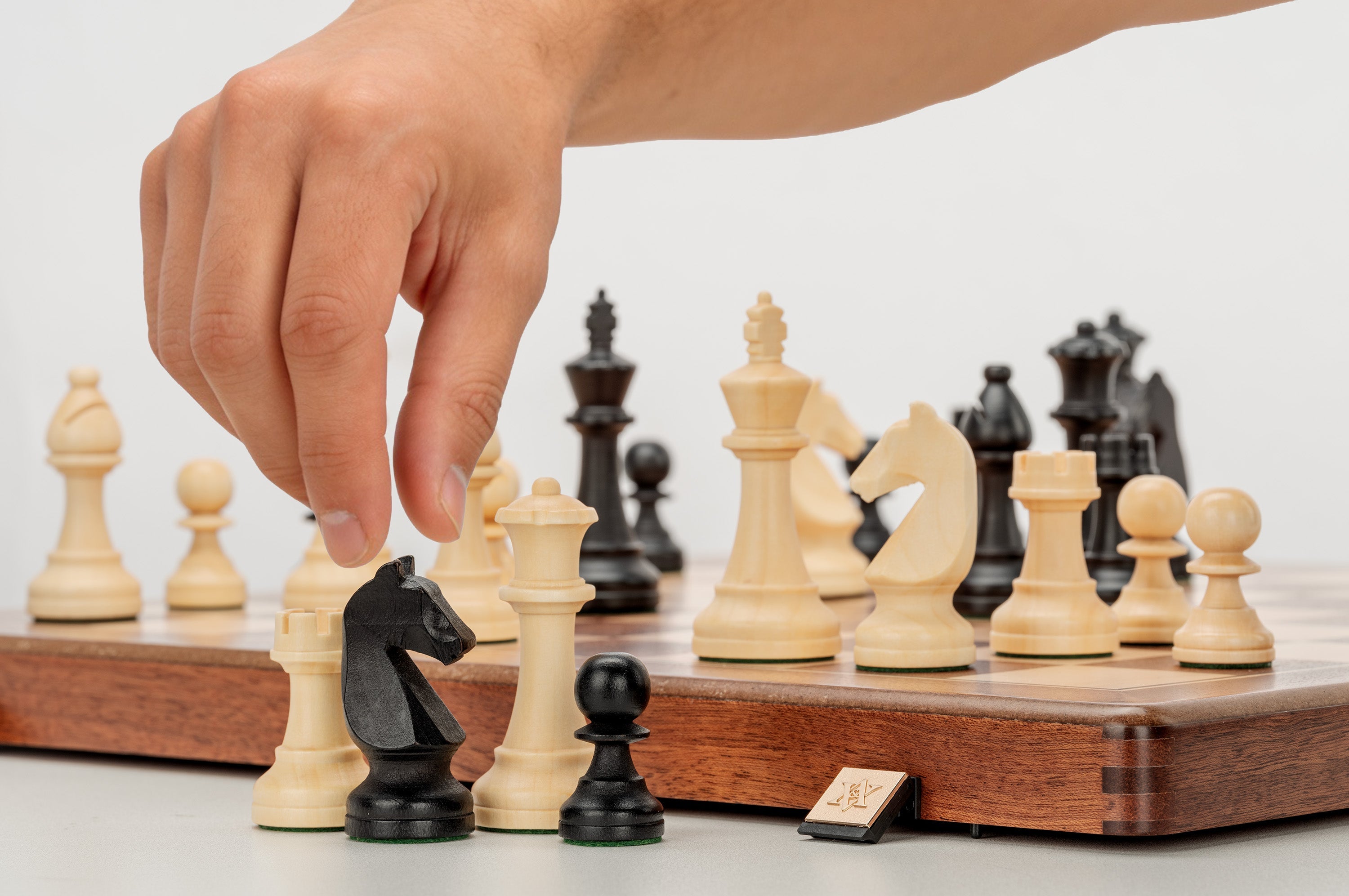
Les échecs sont-ils difficiles à apprendre ? Guide du débutant pour bien commencer facilement
Si vous avez déjà regardé un échiquier en pensant, « Cela a l’air compliqué, » vous n’êtes pas seul. L’une des questions les plus fréquentes que posent les débutants est : Est-il difficile d’appren...
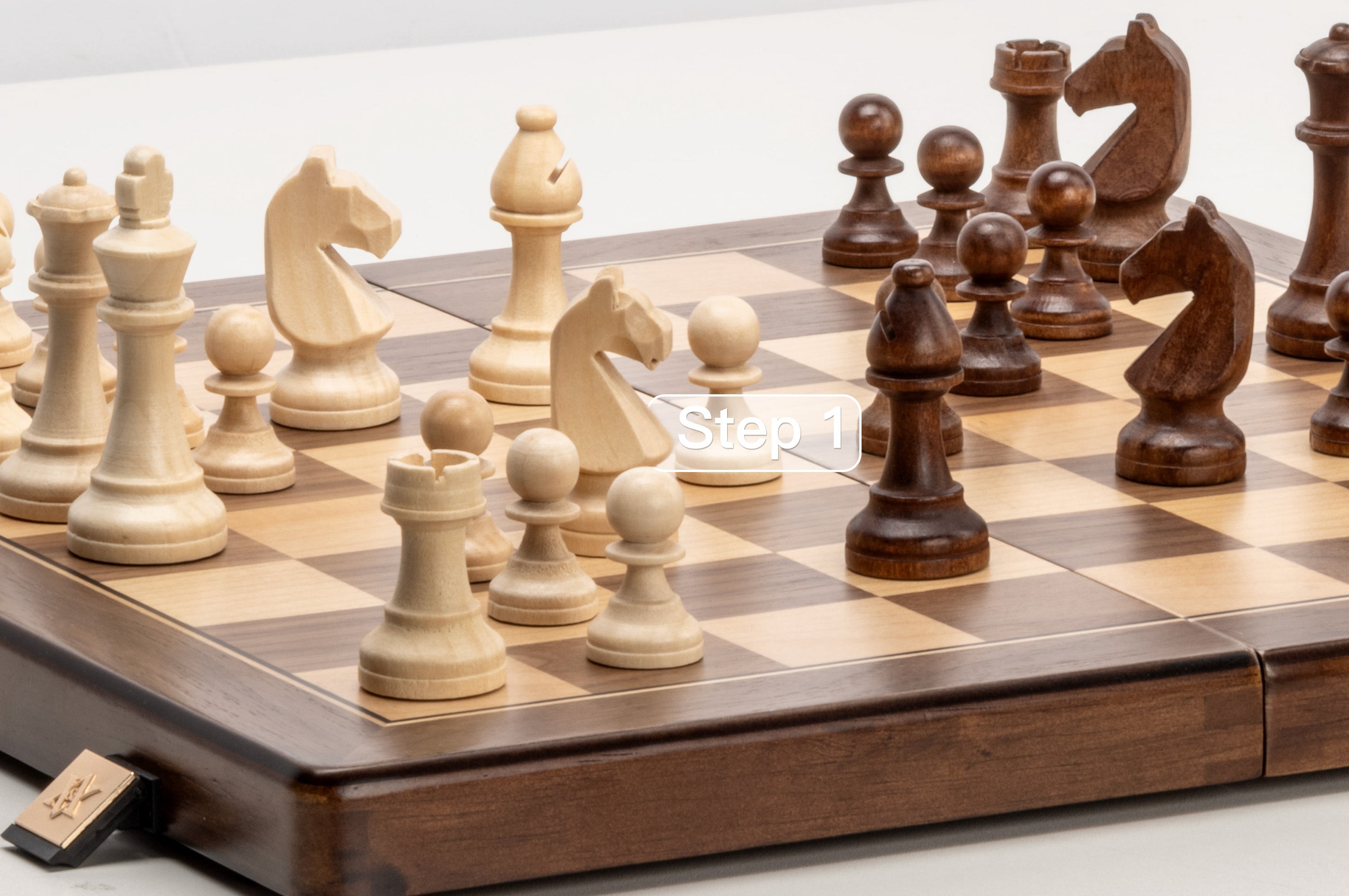
Comment jouer aux échecs pour débutants : guide étape par étape pour commencer à gagner
Les échecs sont l’un des jeux de stratégie les plus populaires au monde — mais pour les débutants, ils peuvent sembler déroutants au premier abord. La bonne nouvelle, c’est qu’apprendre à jouer aux...
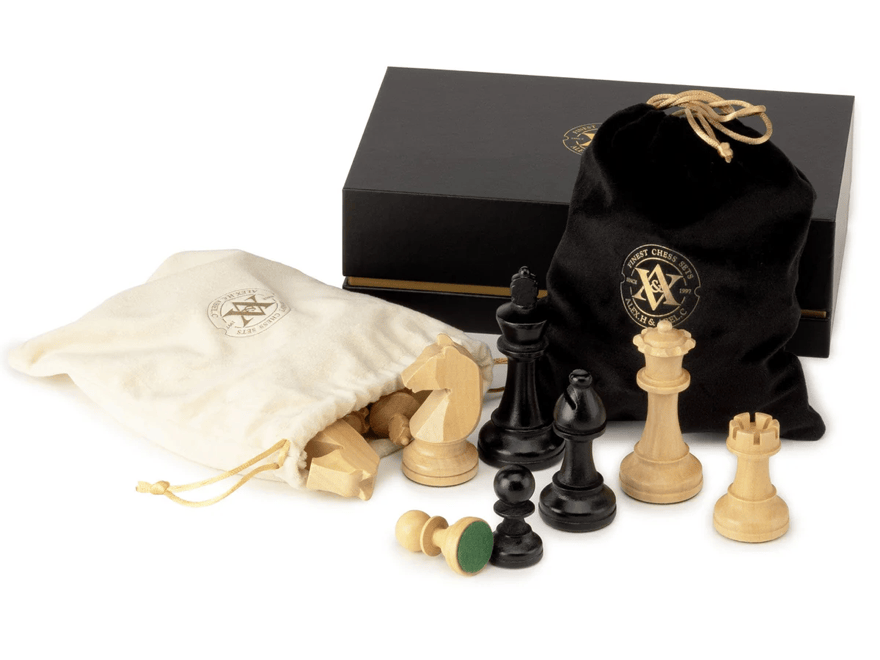
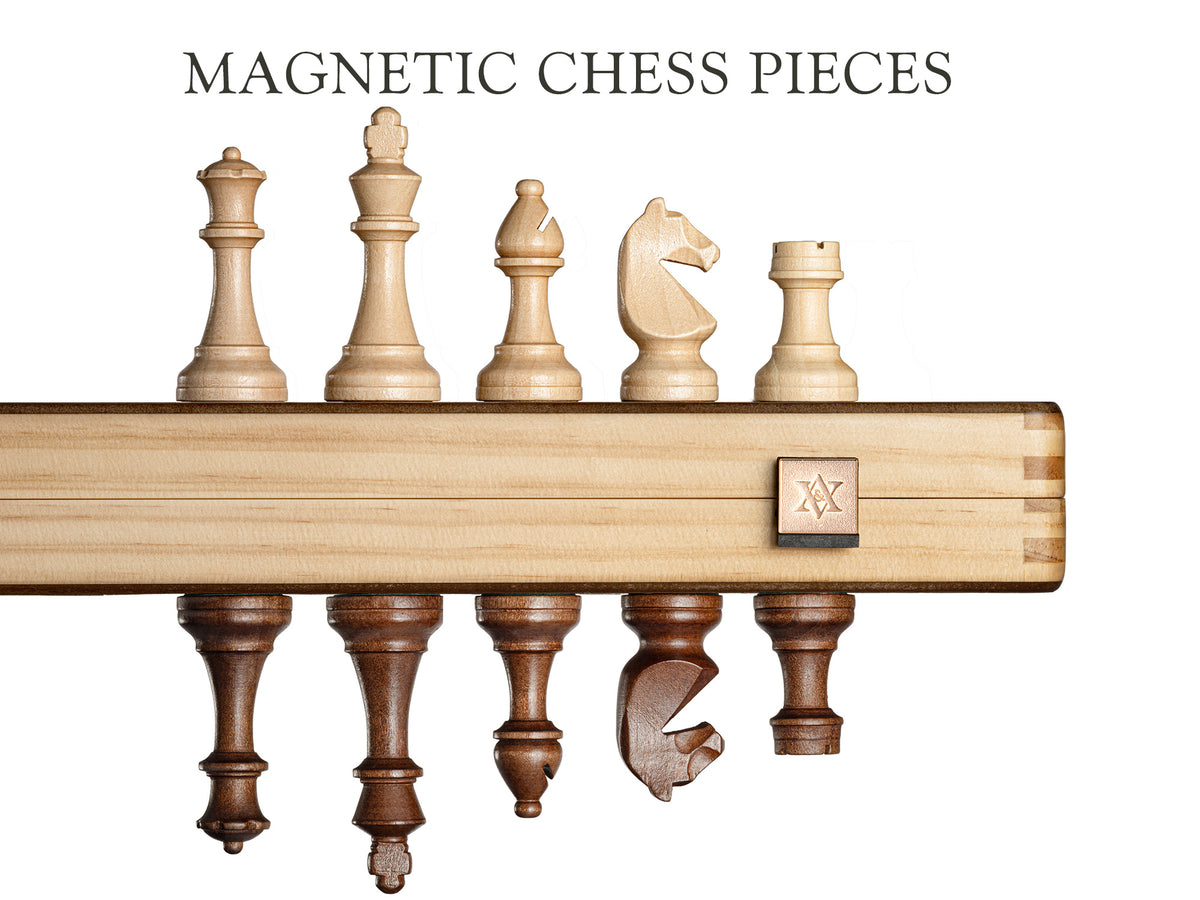
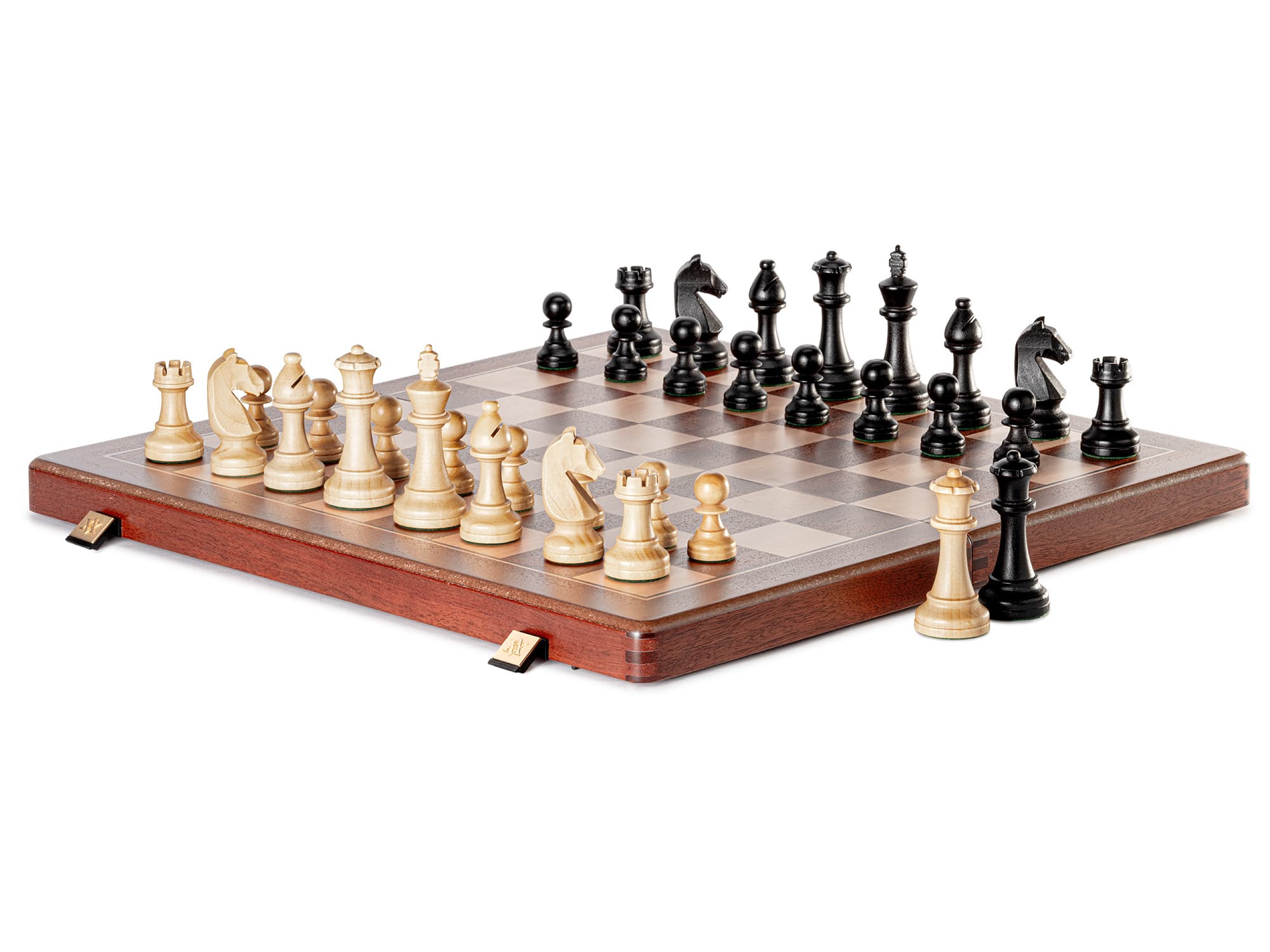
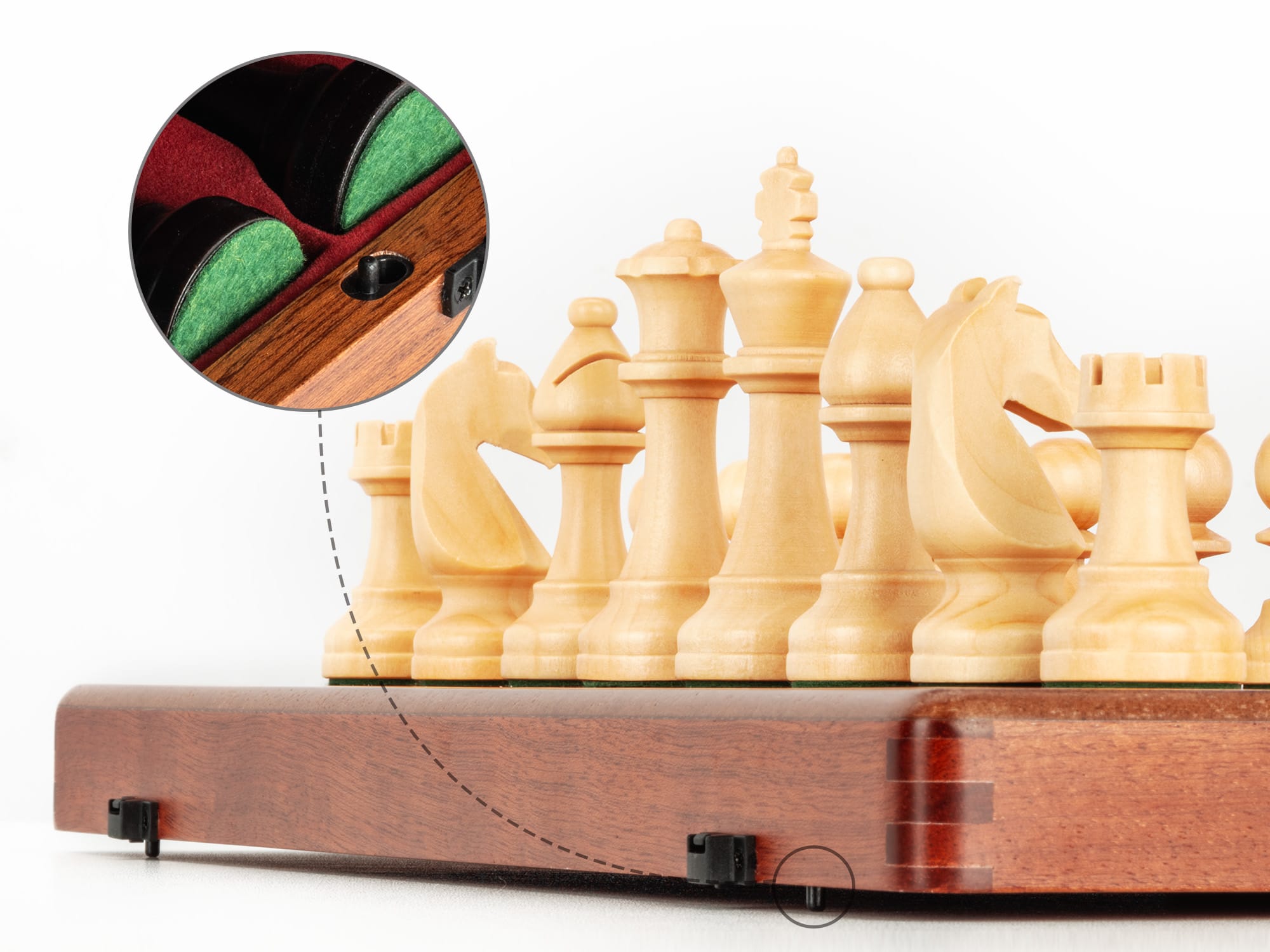
Meilleurs jeux d’échecs portables comparés : échiquiers pliables, magnétiques et de voyage
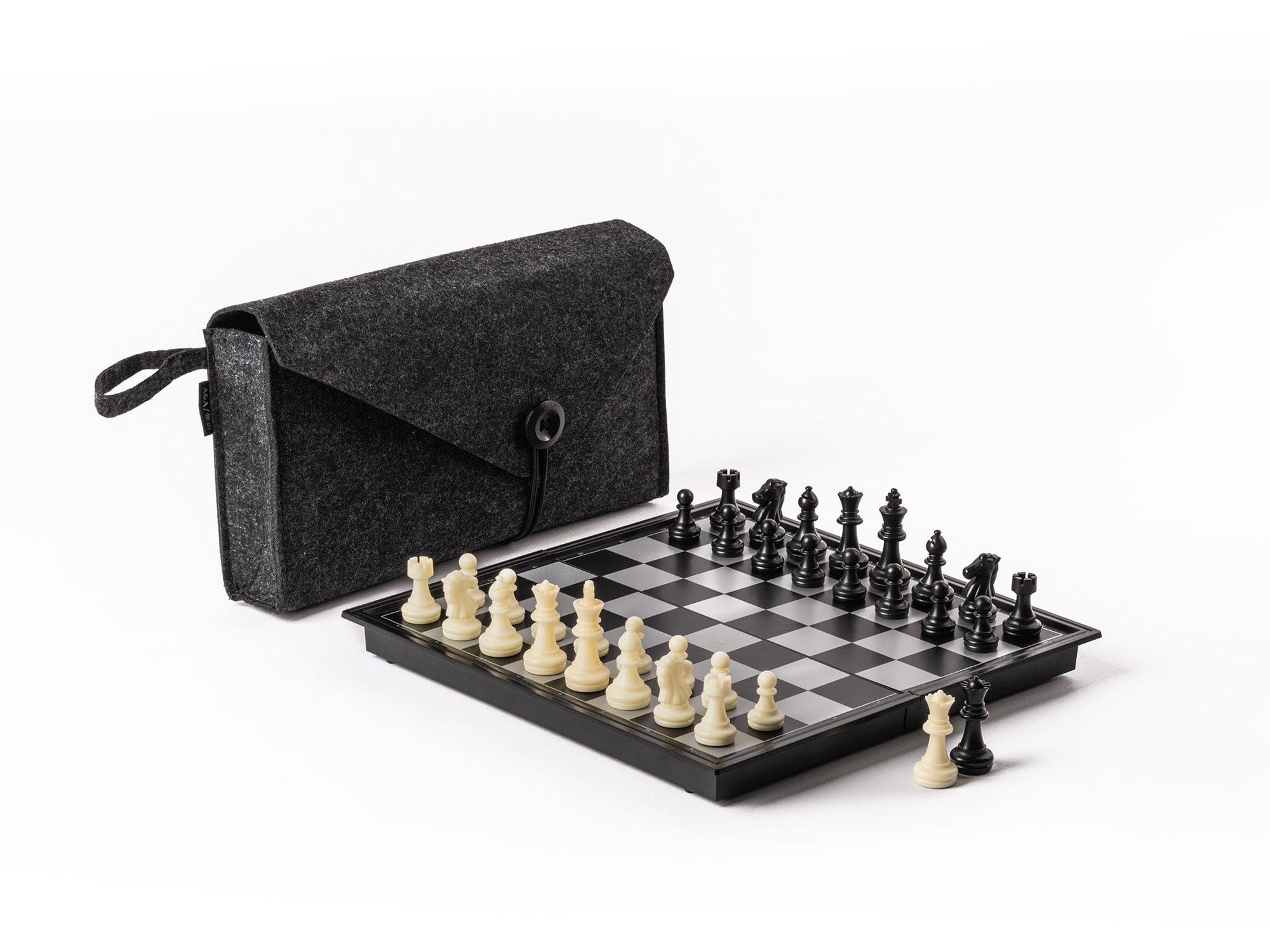
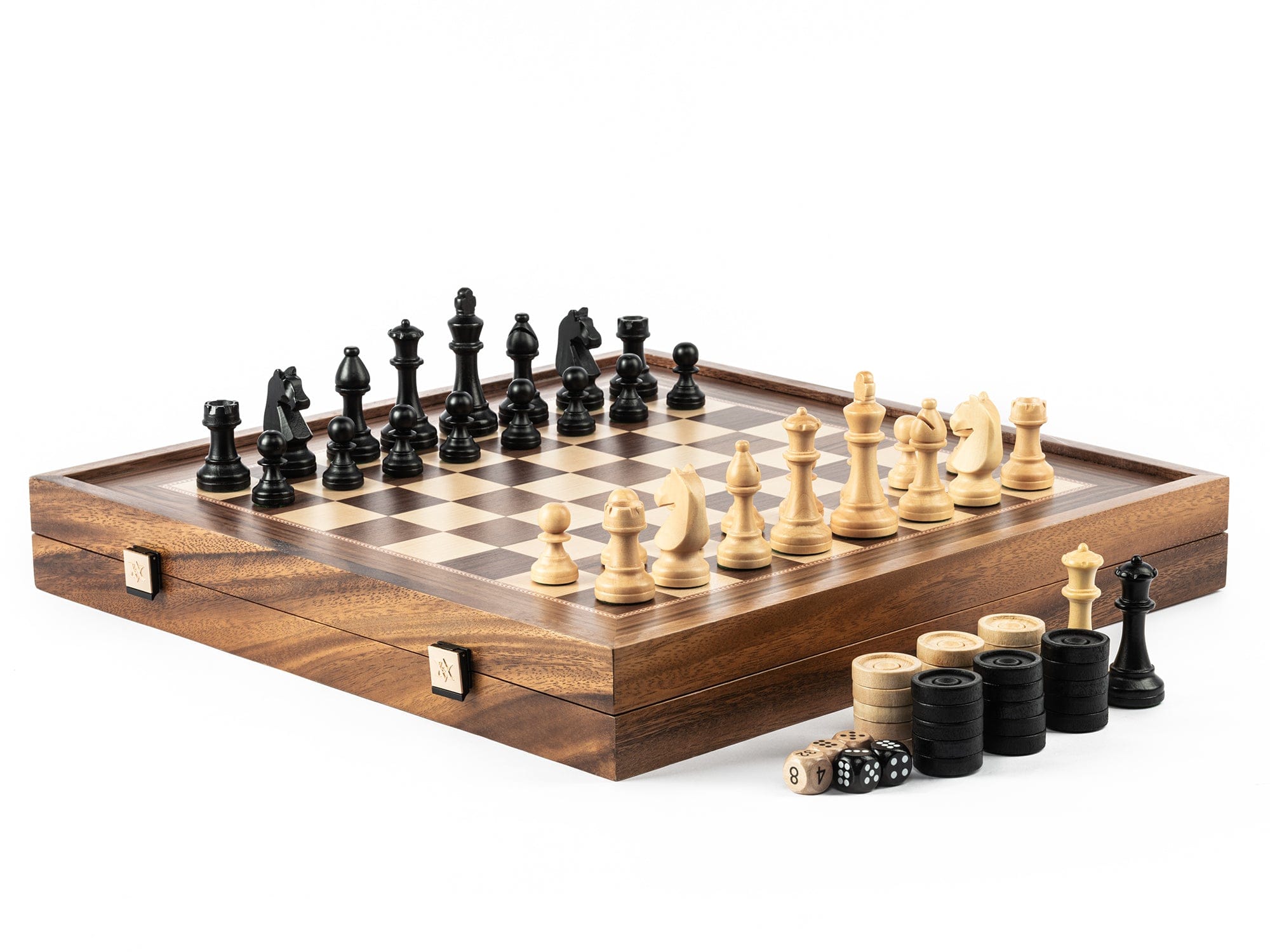
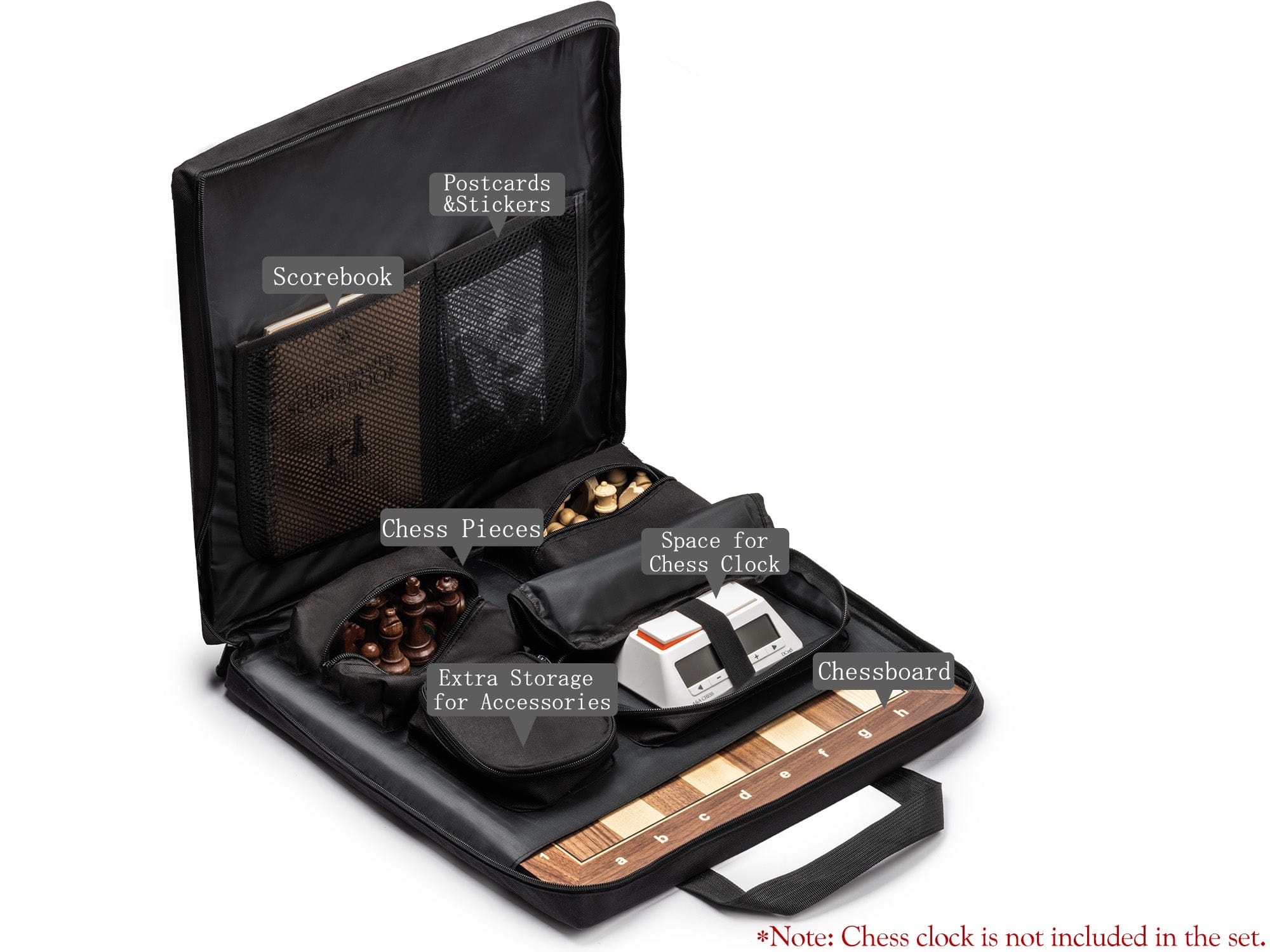
Choisir le bon jeu d'échecs peut faire une énorme différence dans la fréquence à laquelle — et la qualité avec laquelle — vous jouez. Avec autant d'options disponibles aujourd'hui, surtout dans la ...
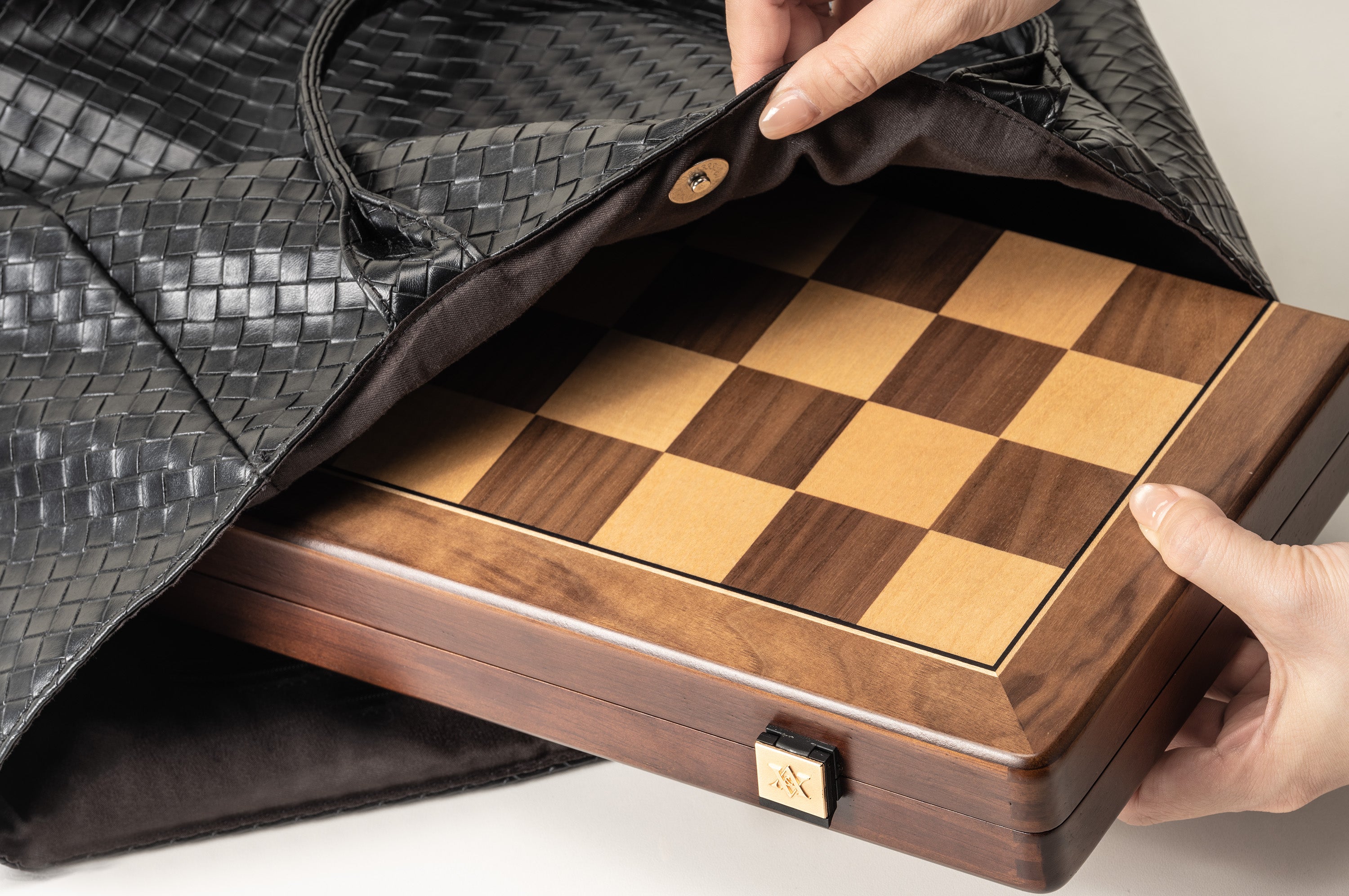
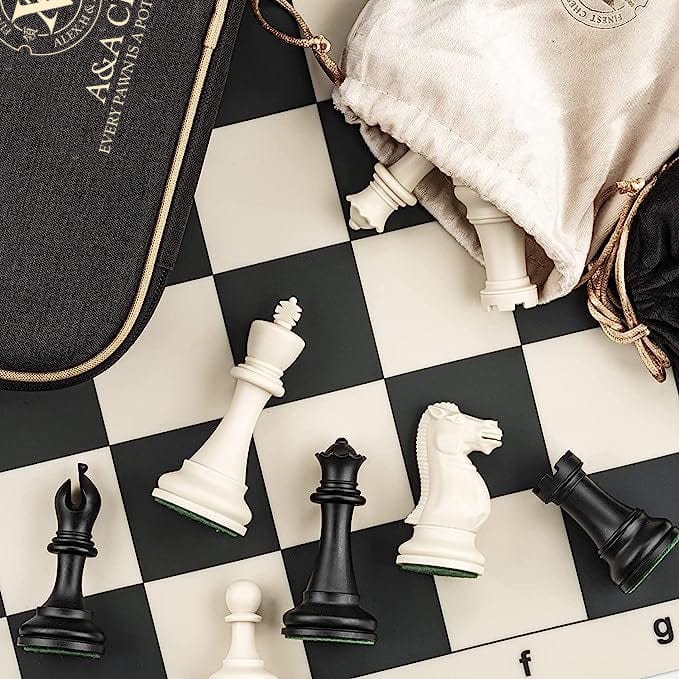
Portable Chess Sets Pliables : Le Meilleur Choix pour les Voyages et le Jeu Quotidien
Les échecs sont un jeu intemporel — mais les modes de vie modernes exigent de la flexibilité. Que vous fassiez la navette, voyagiez ou cherchiez simplement un moyen pratique de jouer n'importe où, ...
Guide des tactiques d’échecs pour débutants : mouvements essentiels pour gagner plus de parties
Si vous jouez aux échecs depuis un moment mais que vous avez encore du mal à gagner régulièrement, le problème ne vient peut-être pas de votre ouverture — ce sont vos tactiques. Comprendre les tact...

Best Chess Opening Strategies for Beginners: Improve Your Game Fast
Si vous débutez dans l’univers des échecs, comprendre les stratégies d’ouverture est l’un des moyens les plus rapides d’améliorer votre jeu. La phase d’ouverture donne le ton de toute la partie, et...

Vous cherchez le meilleur échiquier de voyage en 2026 ? Comparez les jeux d’échecs portables magnétiques et pliants, lisez de vrais avis d’utilisateurs et découvrez des options de voyage de haute q...


