















Introduction: Why Chess Board Size Matters More Than You Think
Chess boards come in all shapes and sizes—but which one is right for you?
When choosing a chess board, the size of the board and the size of the squares can affect more than just aesthetics. The right board ensures a comfortable and efficient playing experience, where the chess pieces fit correctly, and the game flows smoothly. Whether you're a casual player or aiming to compete at tournament levels, understanding the different chess board sizes is key to choosing one that fits your needs.
This guide will explain the different chess board sizes, including tournament standards, how piece sizes affect your experience, and the best dimensions for home play or official competitions.

Quick Answer: What Size Chess Board Should I Buy?
If you want a quick guide:
· Tournament Standard (FIDE): 8x8 board with 5cm square size, perfect for competitive play.
· Home Play: Usually, a 40-45cm (16-18”) square board works well for casual games, with 3.5-4cm square size for comfortable piece fit.
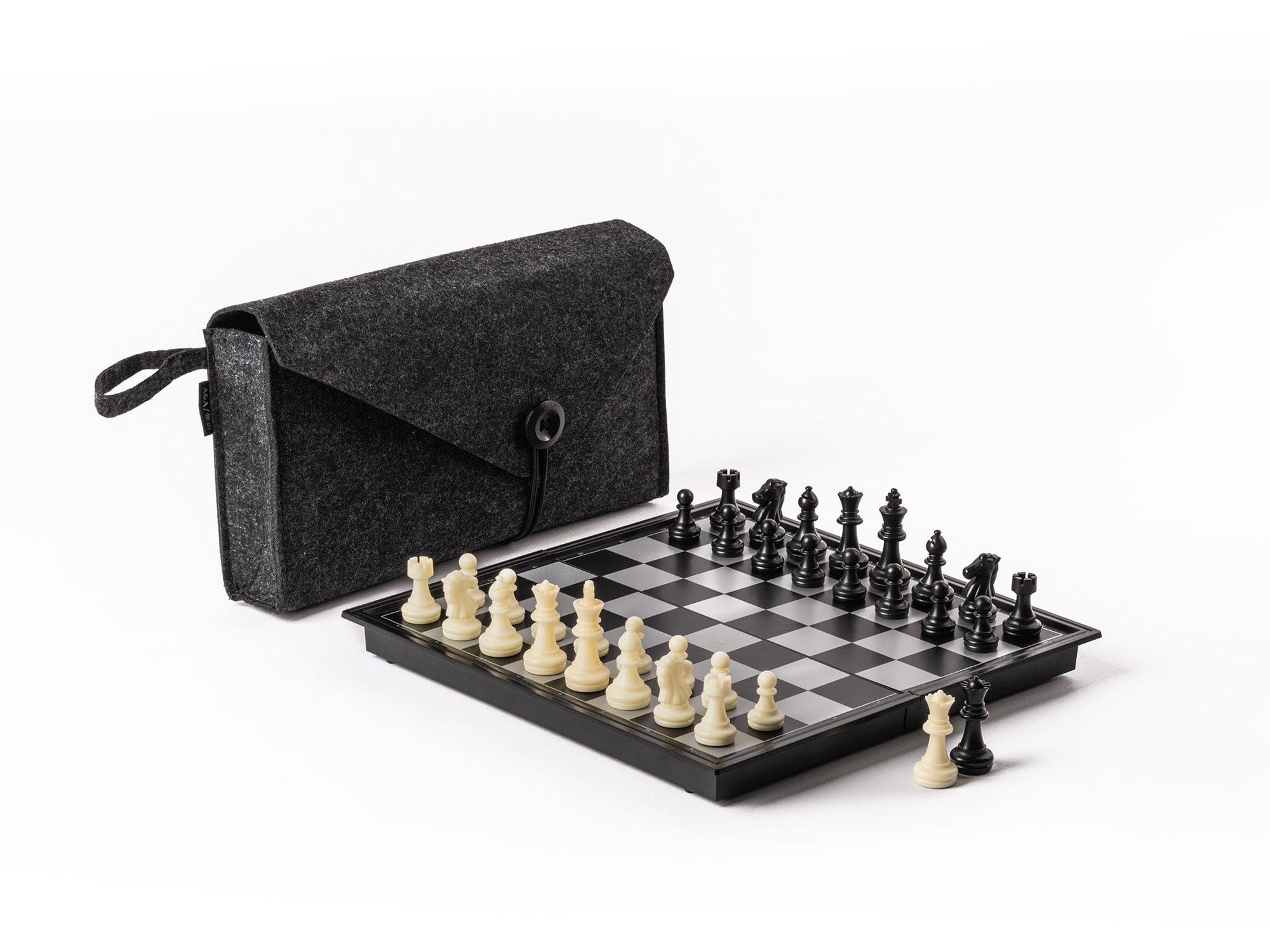
· Kids / Travel: A smaller 8” to 12” board with 2-2.5cm square size for portability or beginners.
Now, let’s break it down further to help you choose the best size for your needs.
The Different Chess Board Sizes: An Overview
1) Standard Chess Board Sizes for Tournament Play
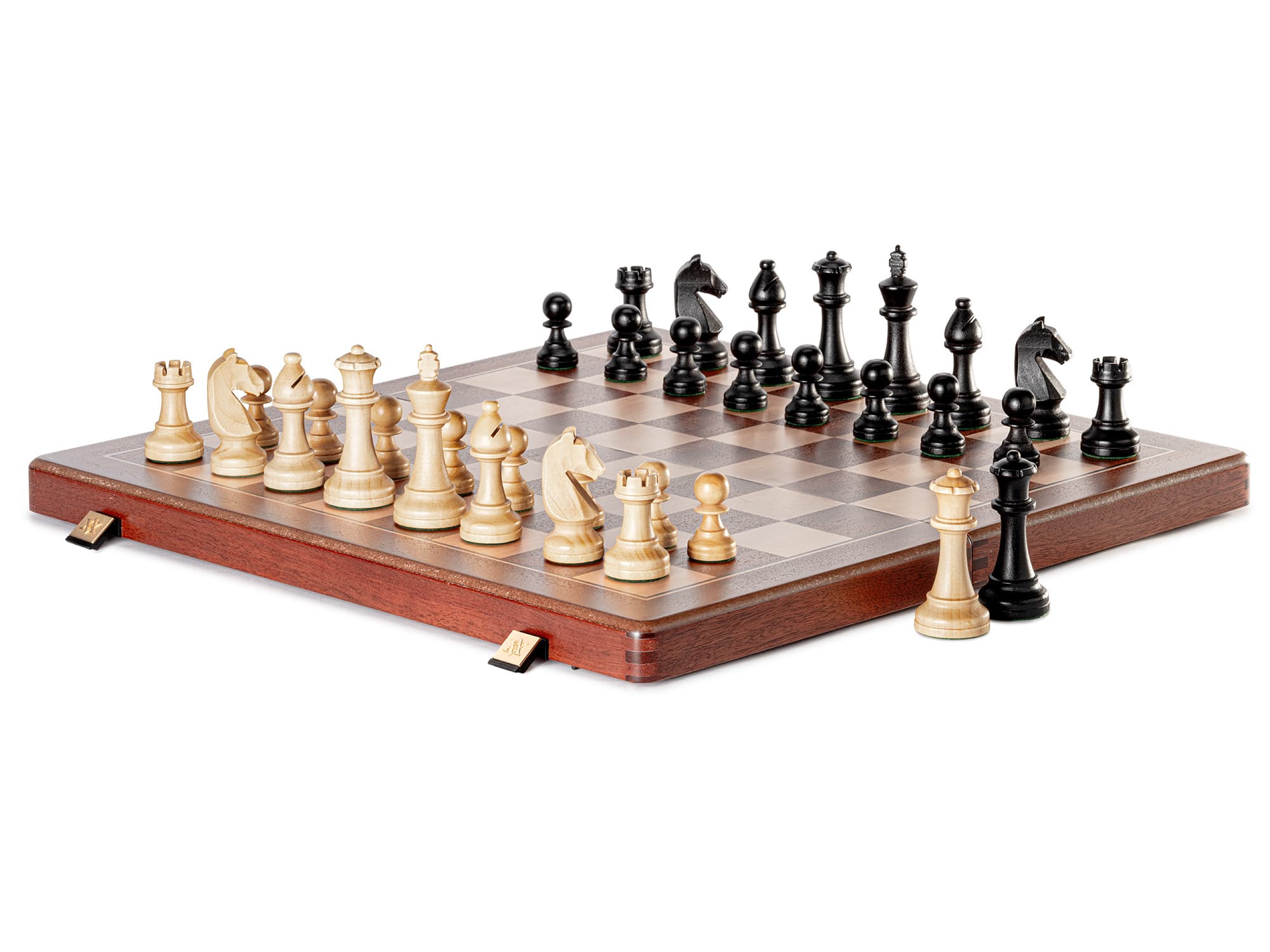
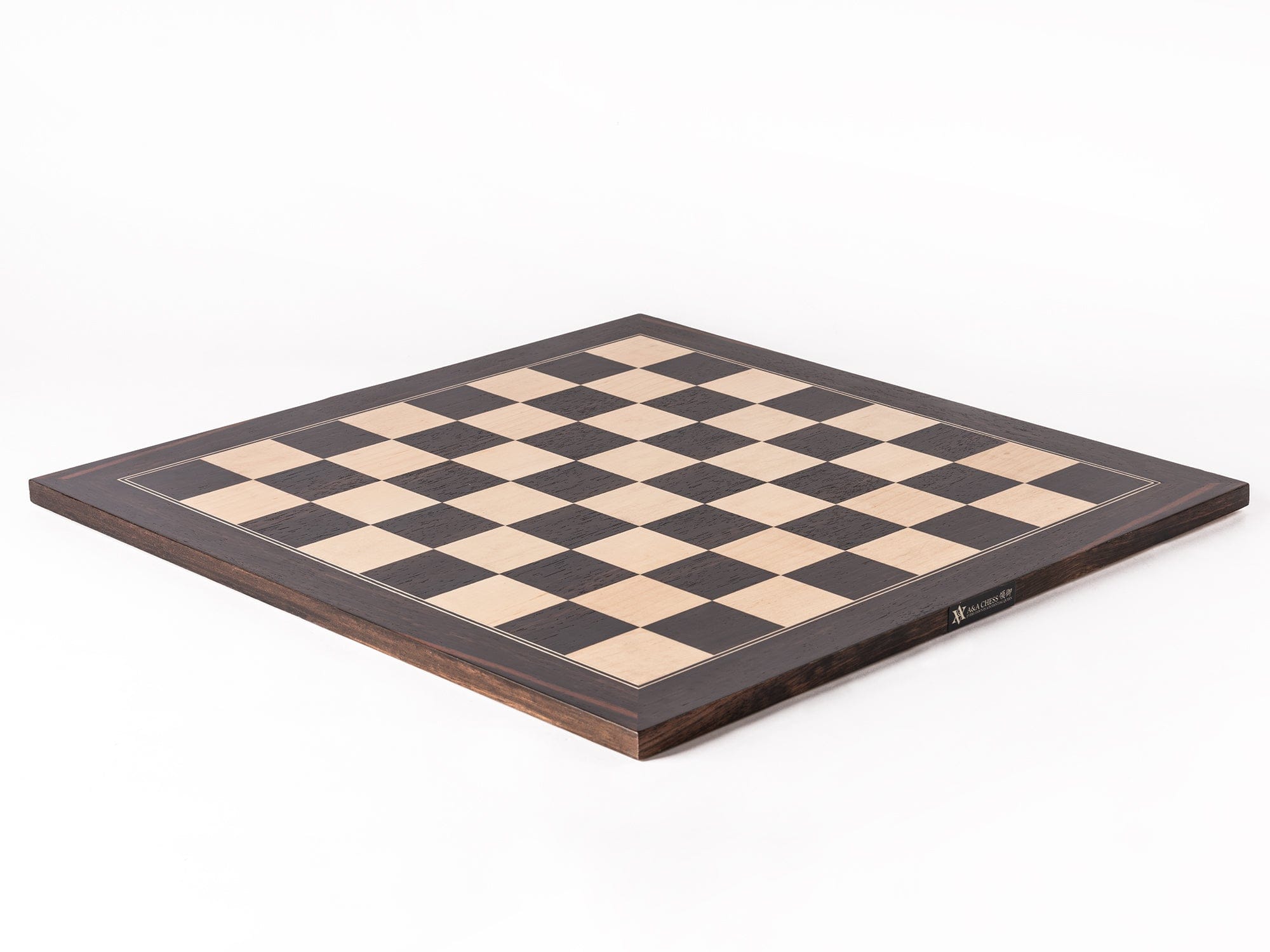
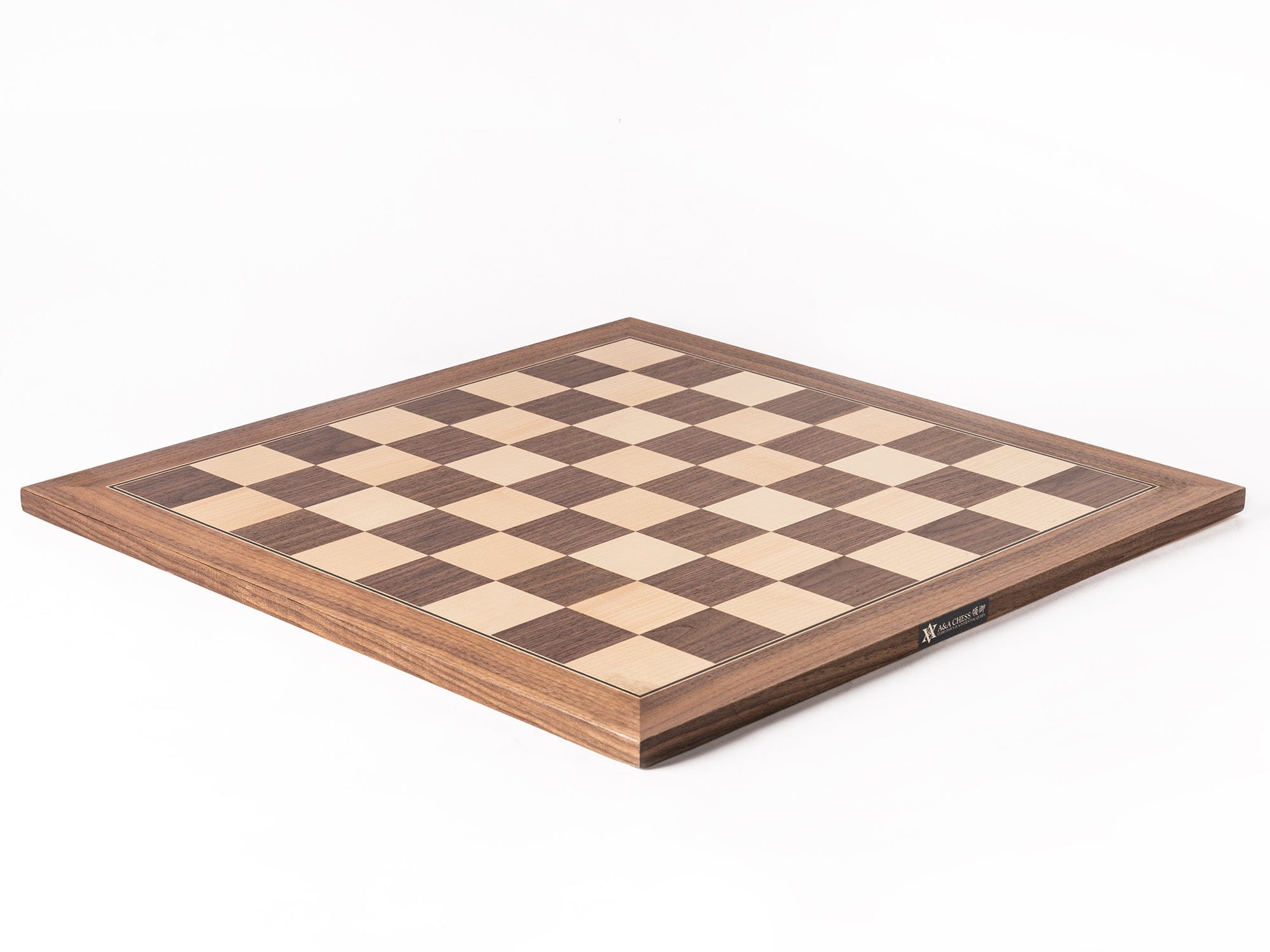
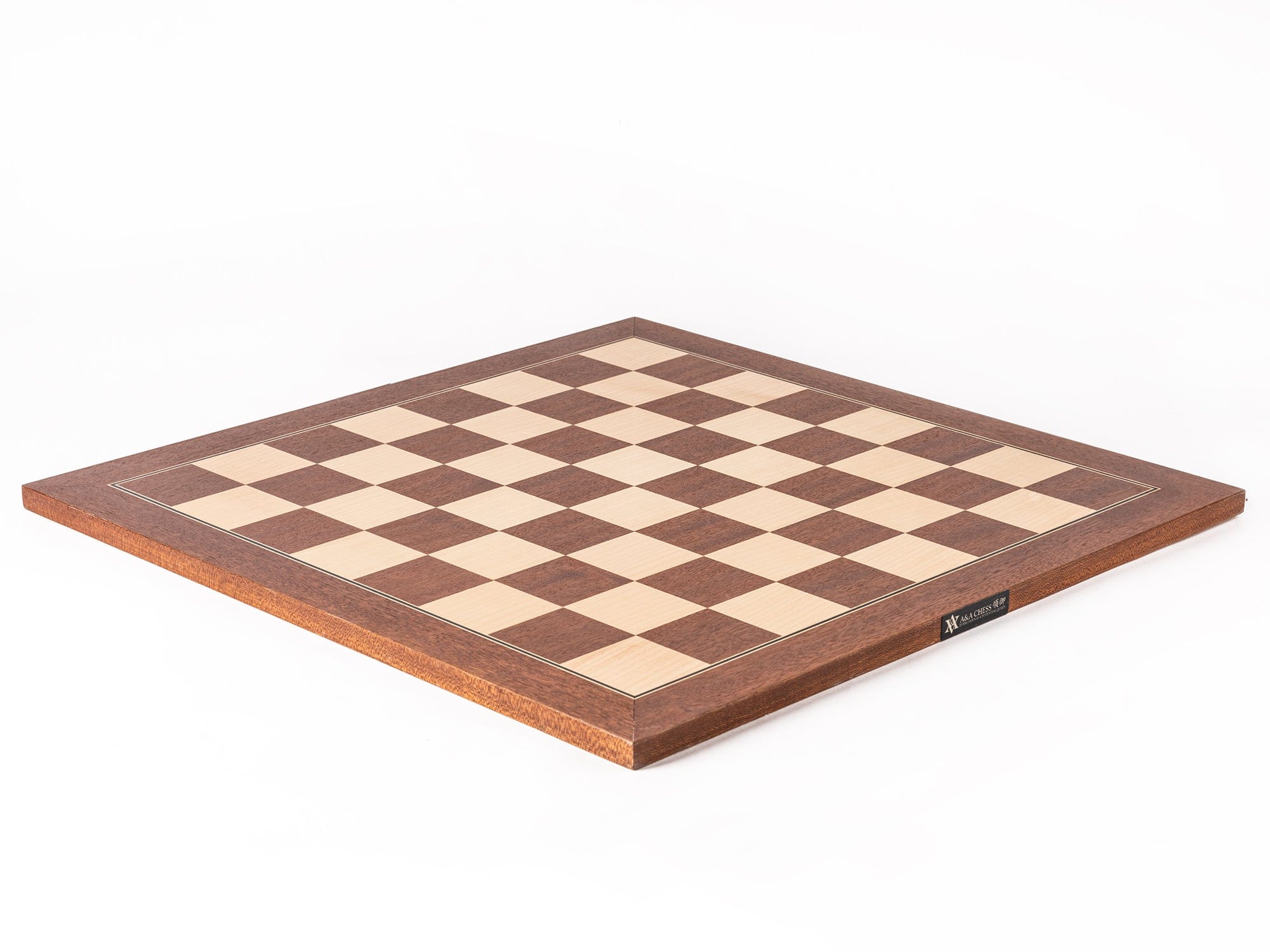
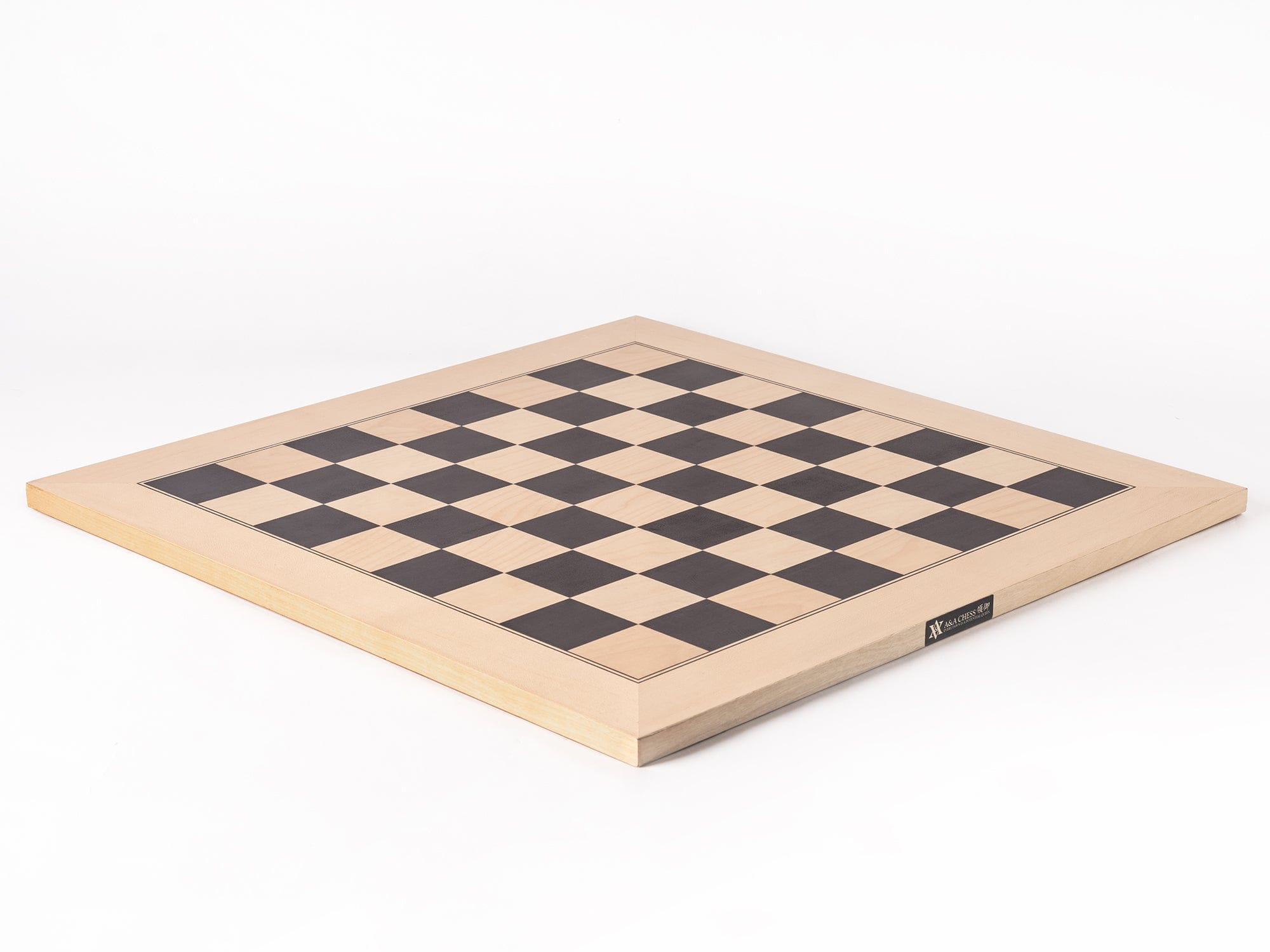
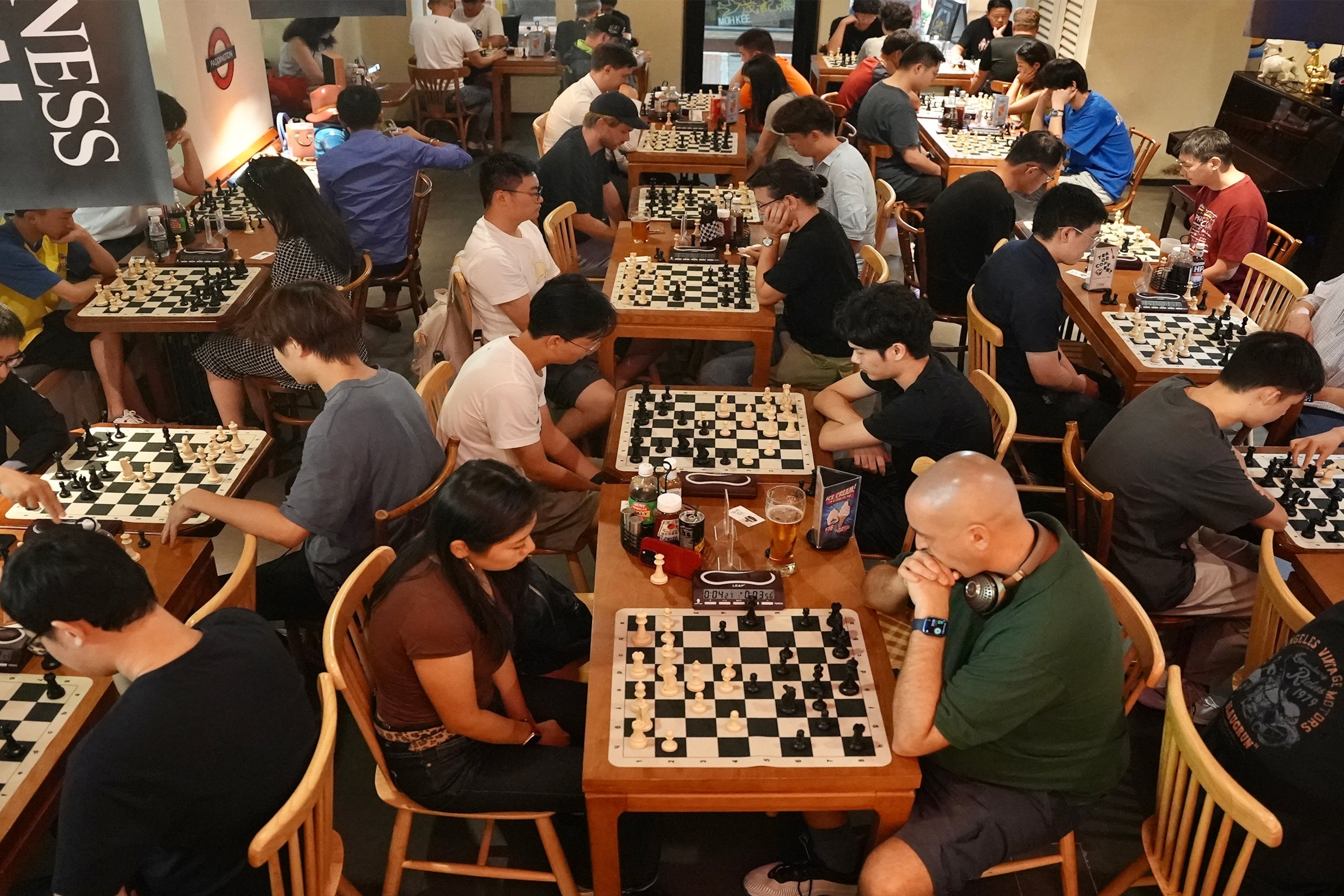
The official tournament chess board used by FIDE (International Chess Federation) is typically 8x8 squares, with each square measuring around 5cm (2 inches). This setup is used for official competitive play across all levels.
Tournament Dimensions:
· Board size: 40cm to 50cm (16 to 20 inches)
· Square size: 5cm (2 inches)
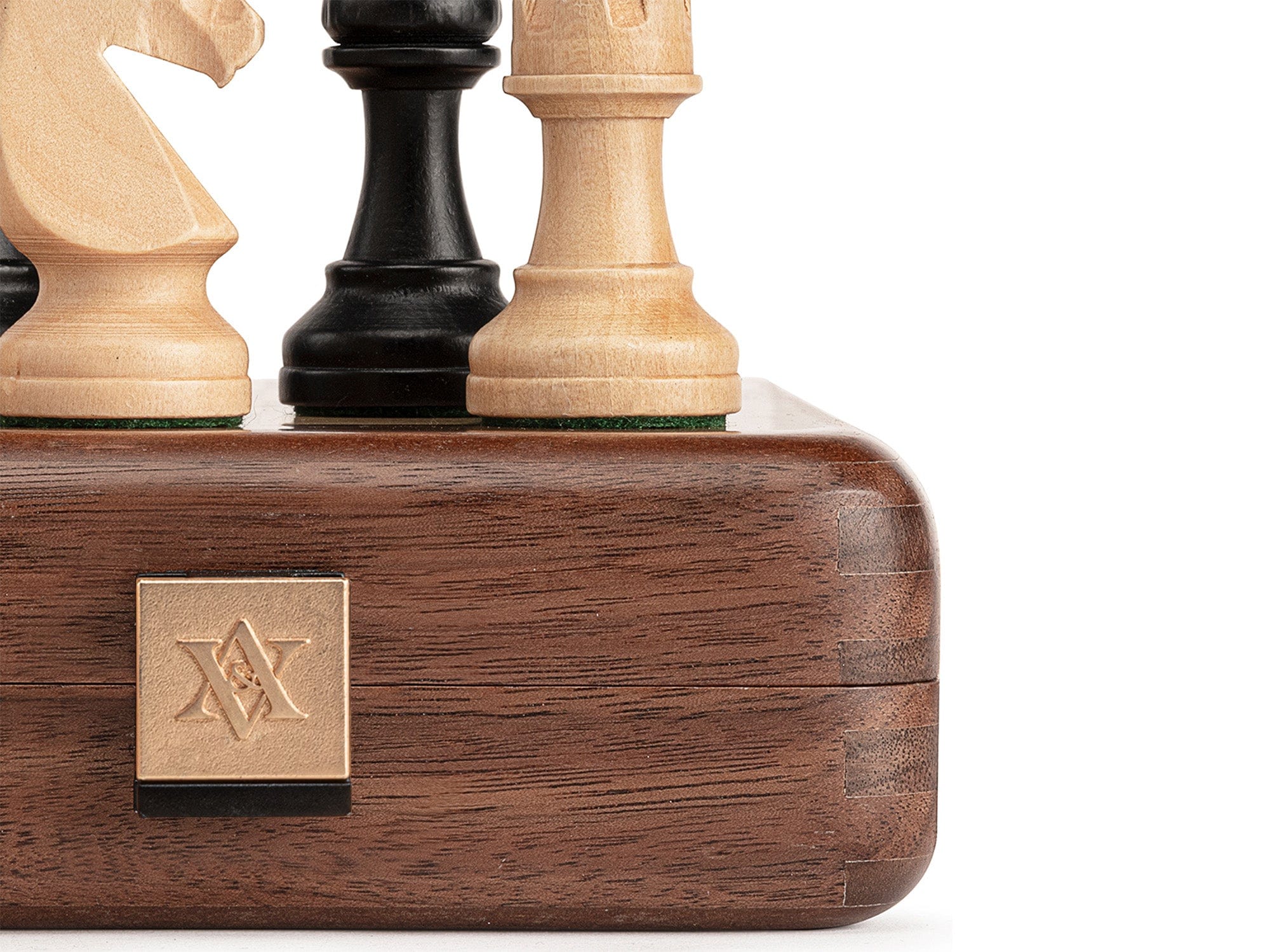
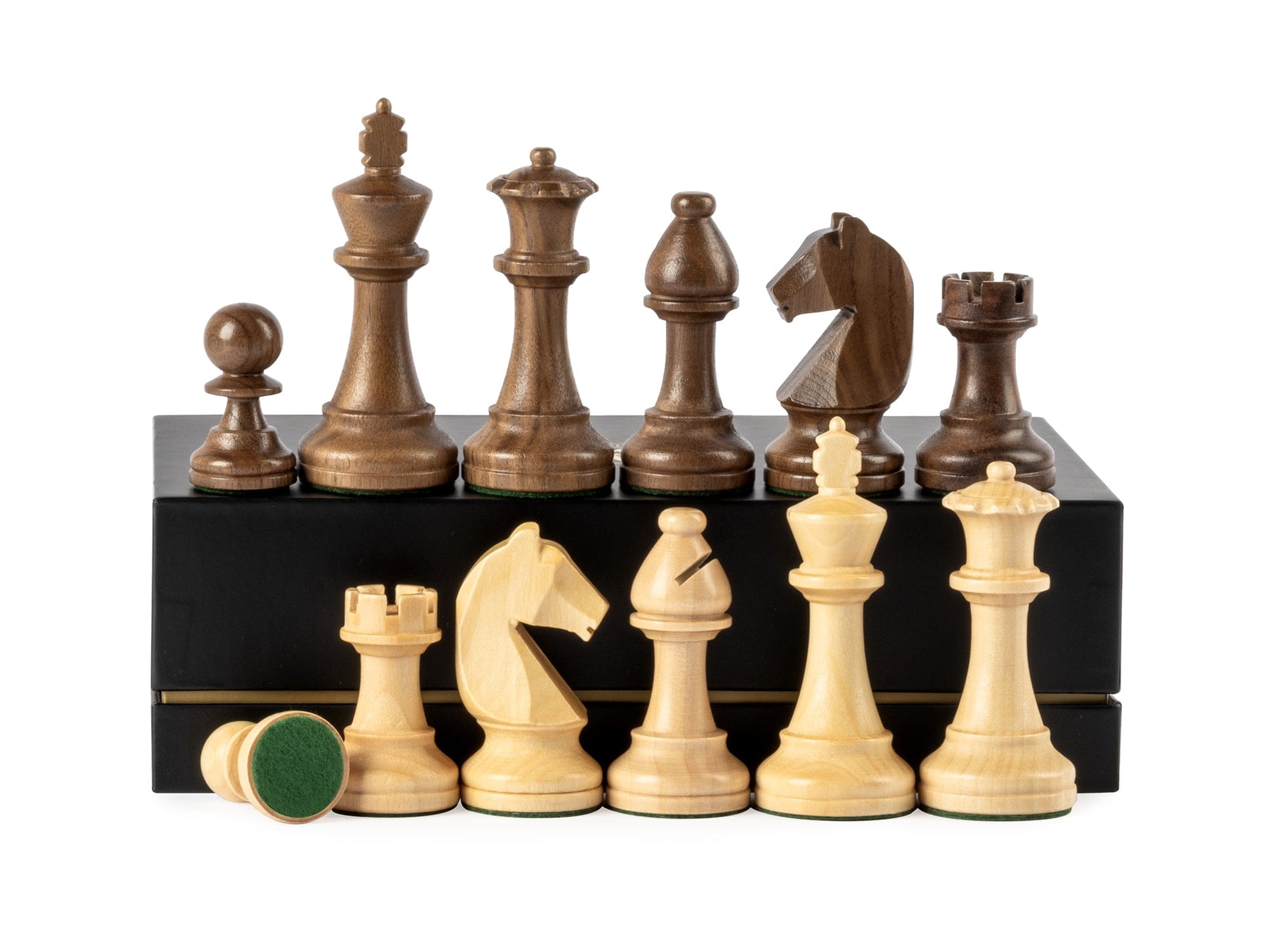
· Piece size: Typically, King height should be 9.5cm to 10cm (3.75 inches), with the base of the piece fitting the square.
Why tournament size?
· Ensures proper piece fit and ease of movement
· Allows a standard for visual clarity, ensuring players can properly read the board
· Common size makes it easier to switch between boards during official tournaments
Example: A standard 5cm square size ensures that even larger pieces like the Queen (about 8.5cm tall) can comfortably fit without overhanging the squares.
2) Chess Board Sizes for Home Use: Comfort vs Size
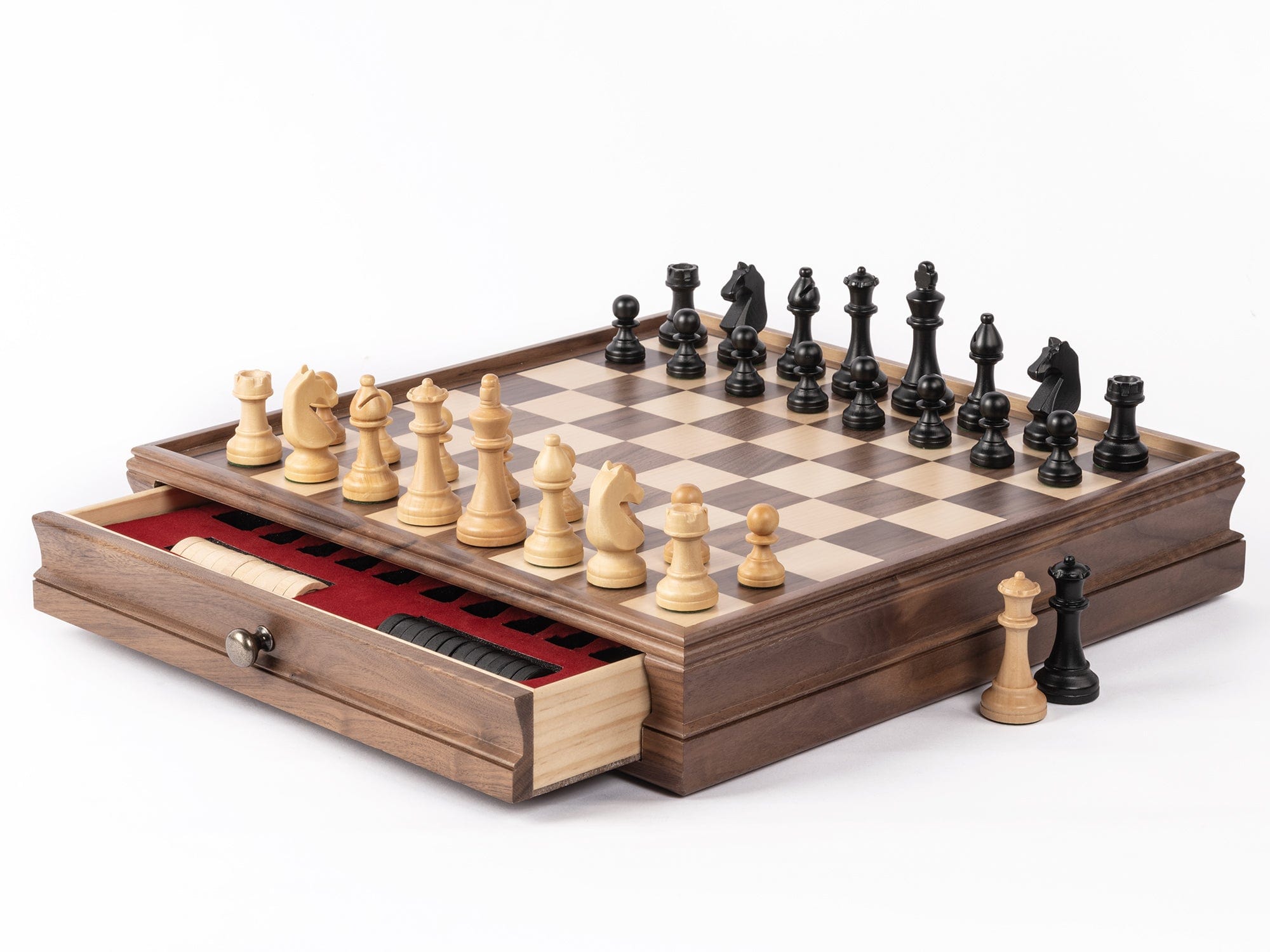
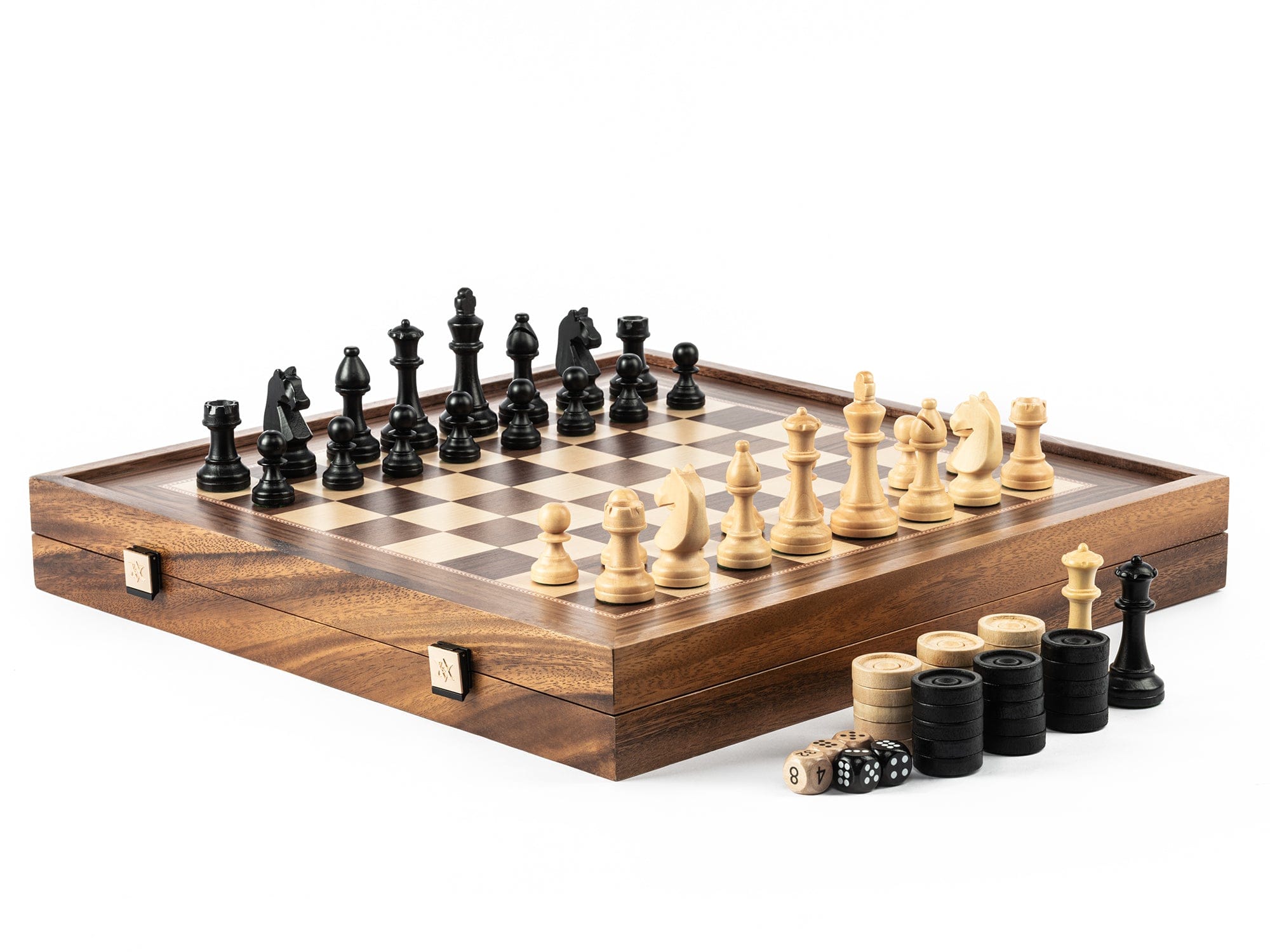
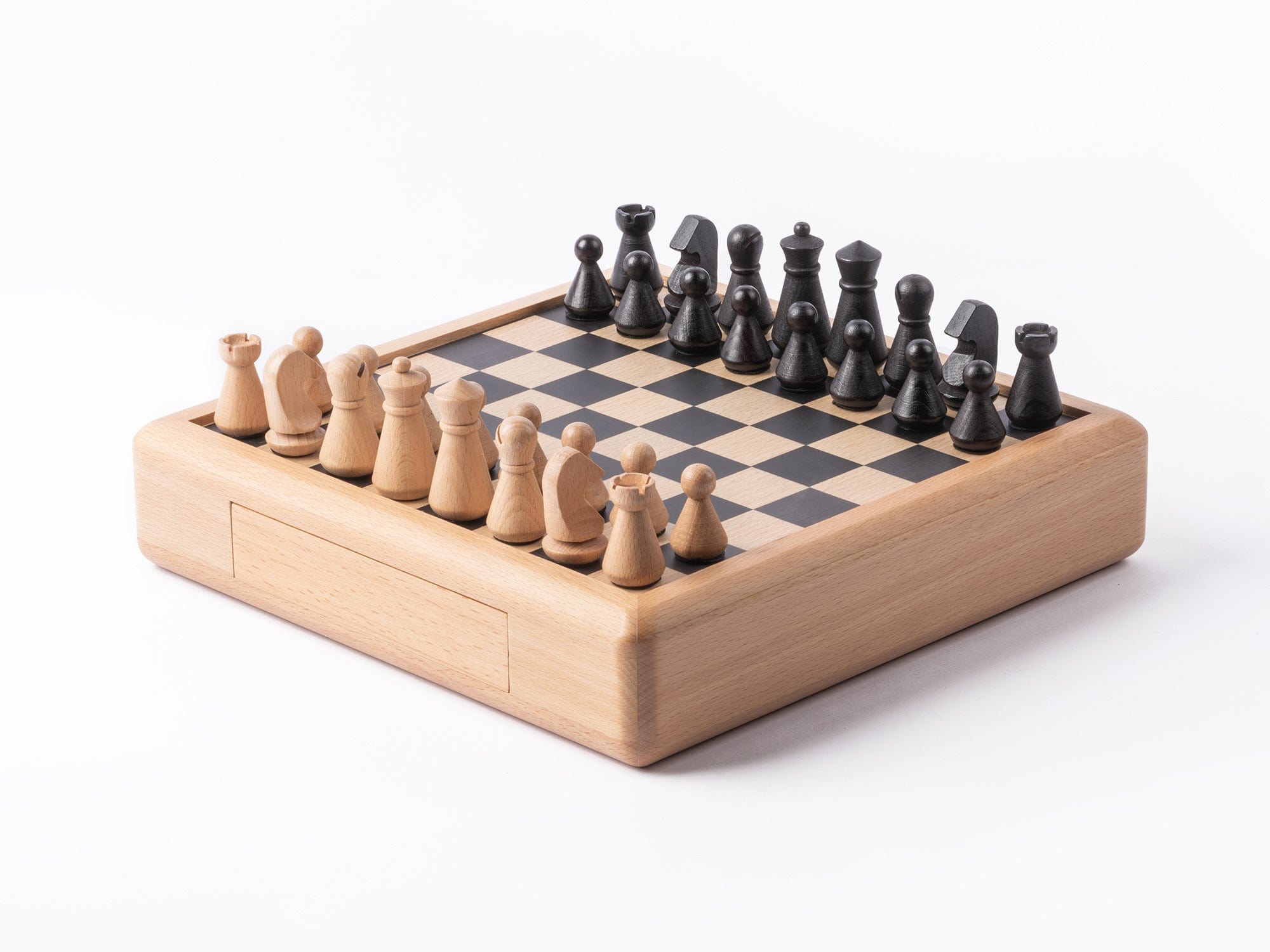
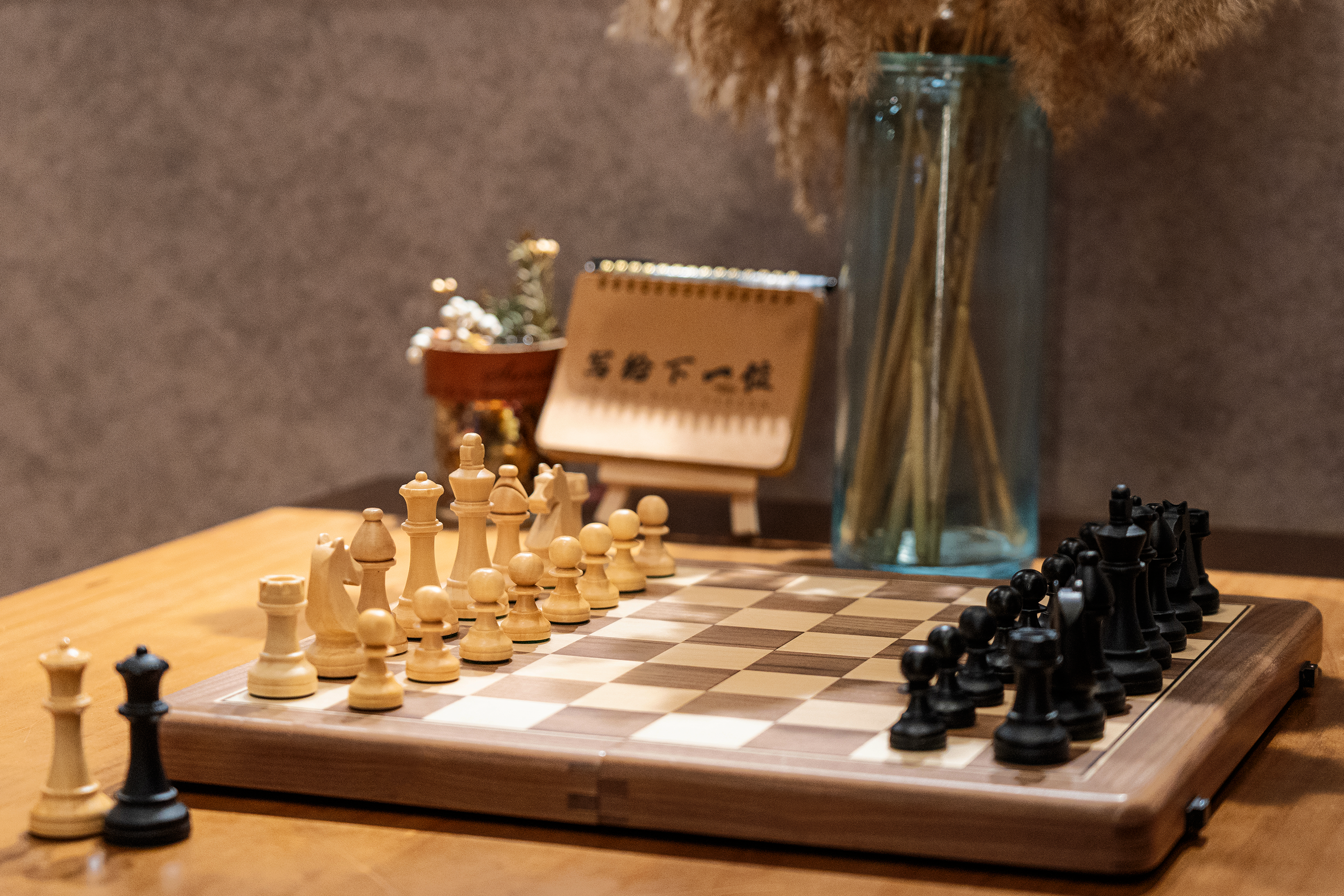
For home or casual play, a variety of board sizes work. The board size for home play is generally a 40-45cm board with square sizes of 3.5-4cm for comfortable play.
Recommended dimensions for home play:
· Board size: 40cm to 45cm (16 to 18 inches)
· Square size: 3.5cm to 4cm
· Piece size: Choose pieces that match the square size, usually King height of 7cm (2.75 inches).
This size provides a good balance of portability, comfort, and a good fit for typical chess pieces without feeling too cramped. It is ideal for casual players, families, or home settings.
Why home sizes are flexible
· Not bound by tournament rules
· Easier to store and move around
· A personal preference for convenience
3) Smaller Chess Boards: Kids and Travel

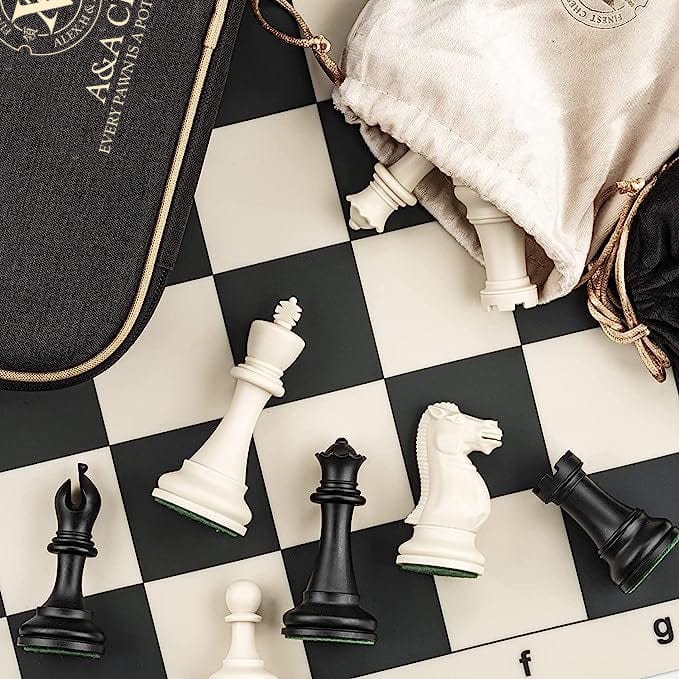
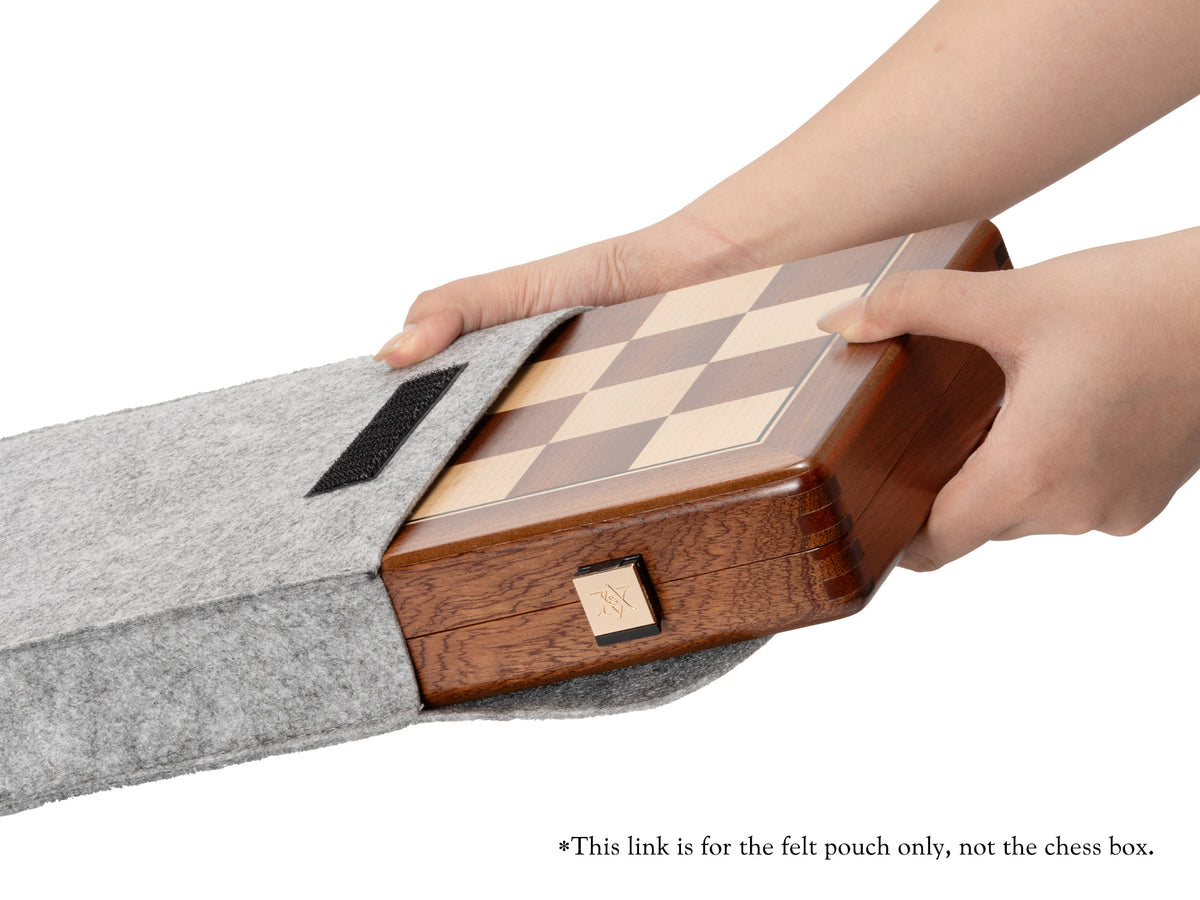
If you're buying a chess set for kids or for travel, you might want to consider smaller, more portable boards. Small chess boards typically range from 8 inches (20 cm) to 12 inches (30 cm).
Recommended dimensions for kids or travel:
· Board size: 20cm to 30cm (8 to 12 inches)
· Square size: 2-2.5cm
· Piece size: Small-sized pieces to match the board (often smaller than typical adult pieces)
Why smaller boards work for kids/travel:
· Compactness makes it easy to pack and carry
· Great for beginners and children learning how to play
· Durable and lightweight, making them ideal for travel and on-the-go play
However, smaller boards can limit the space available for movement and piece positioning, which may be a bit frustrating for more experienced players.
Piece Fit: Matching the Right Pieces to Your Board Size
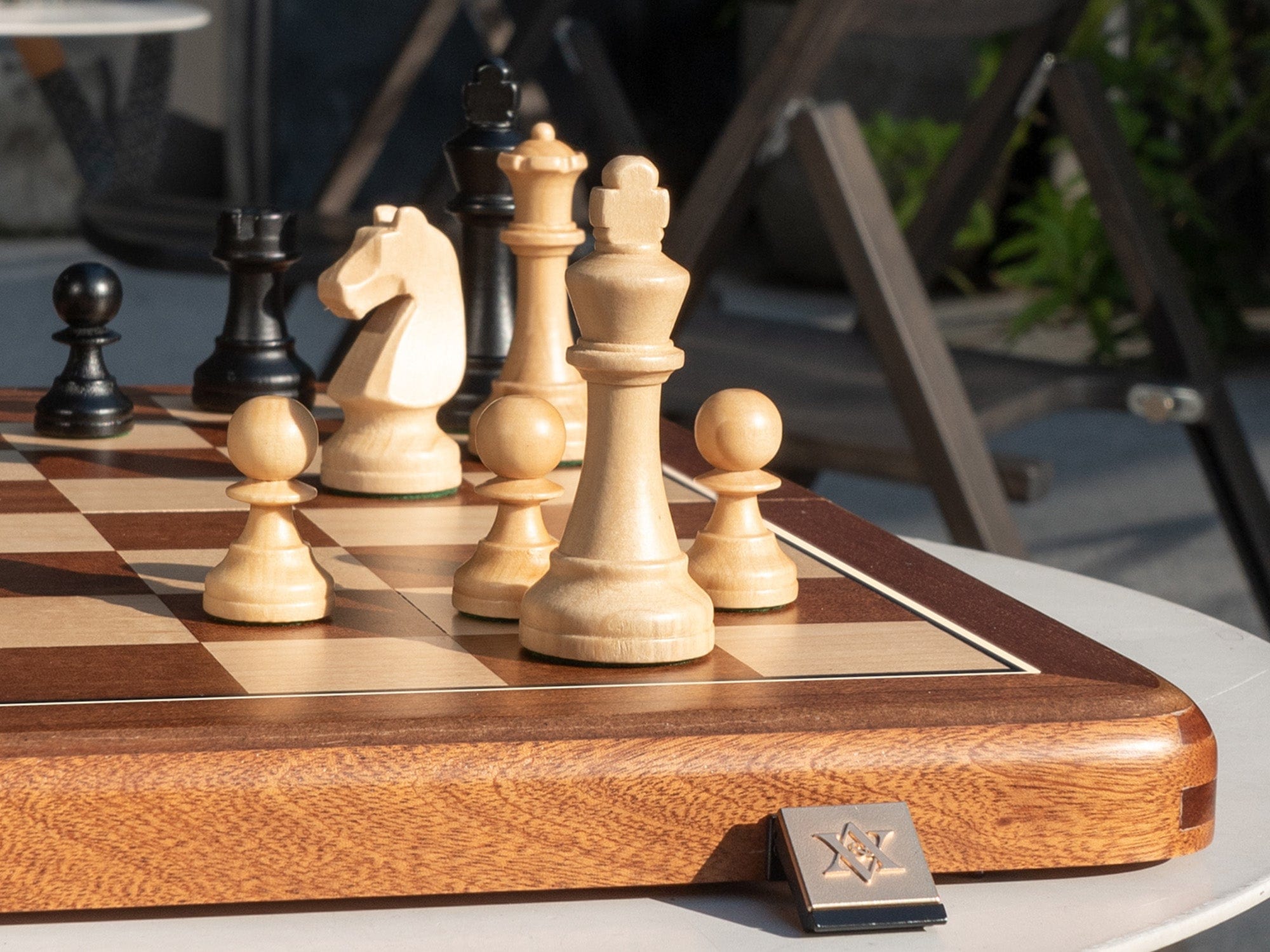
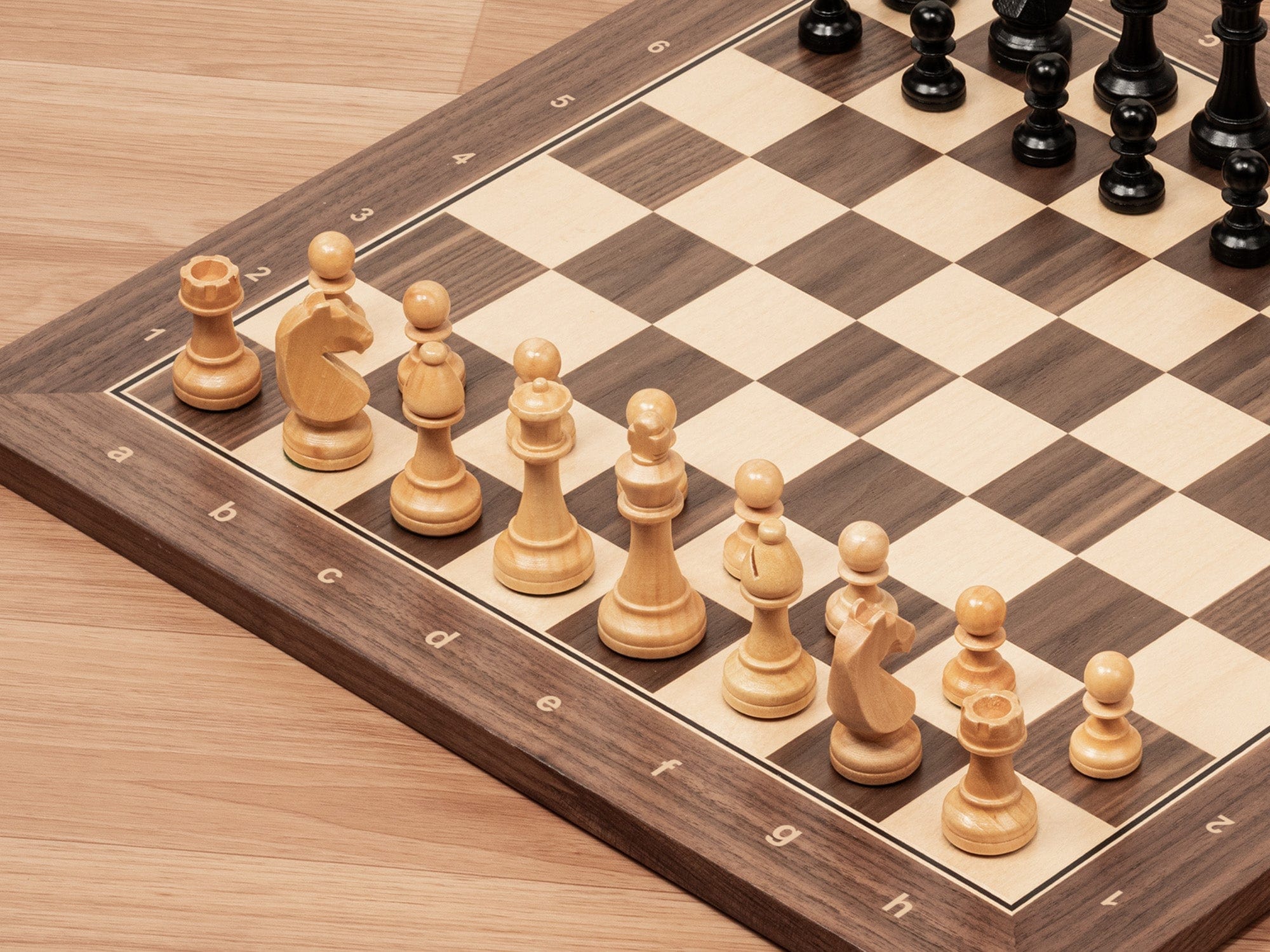
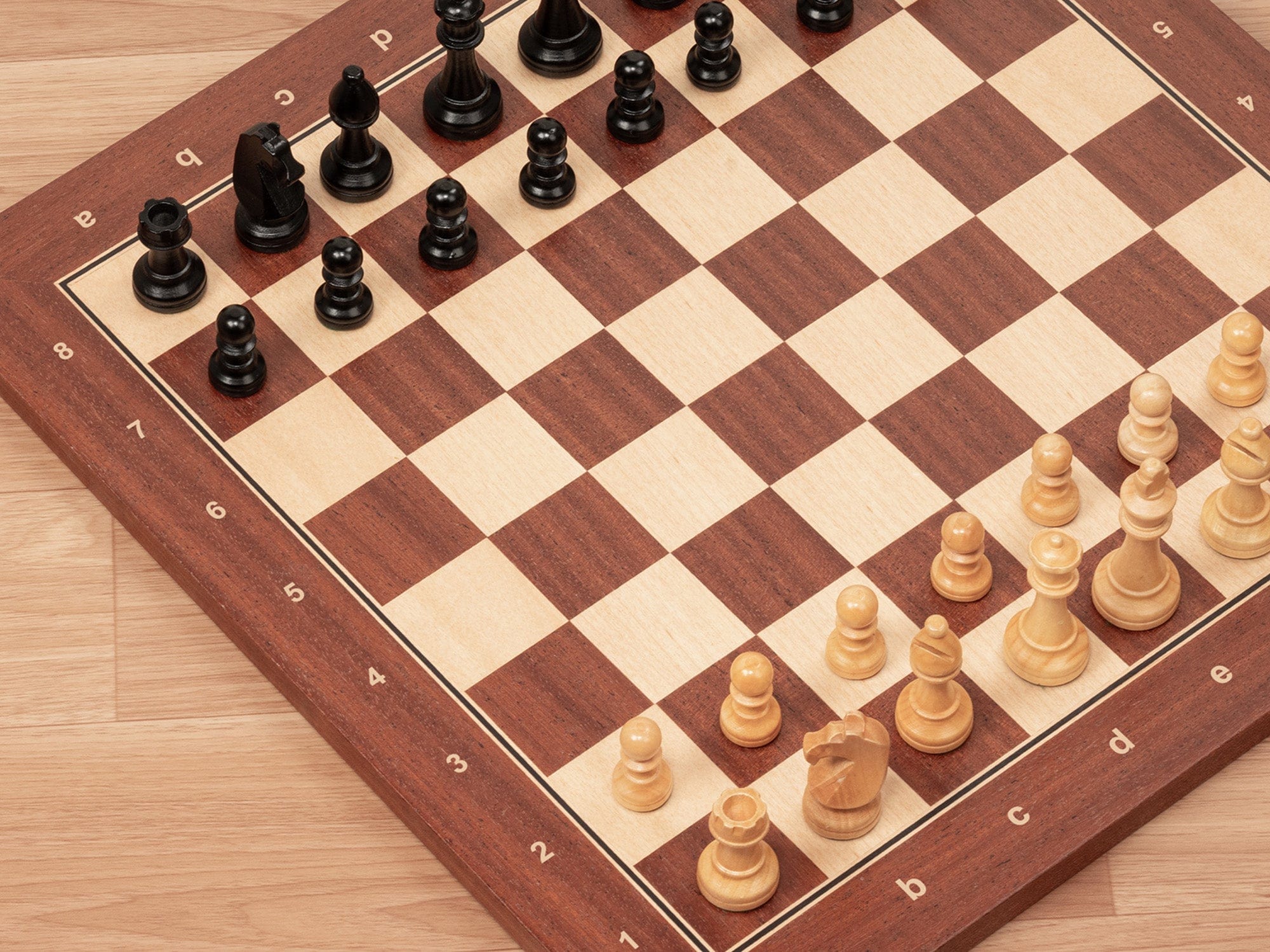
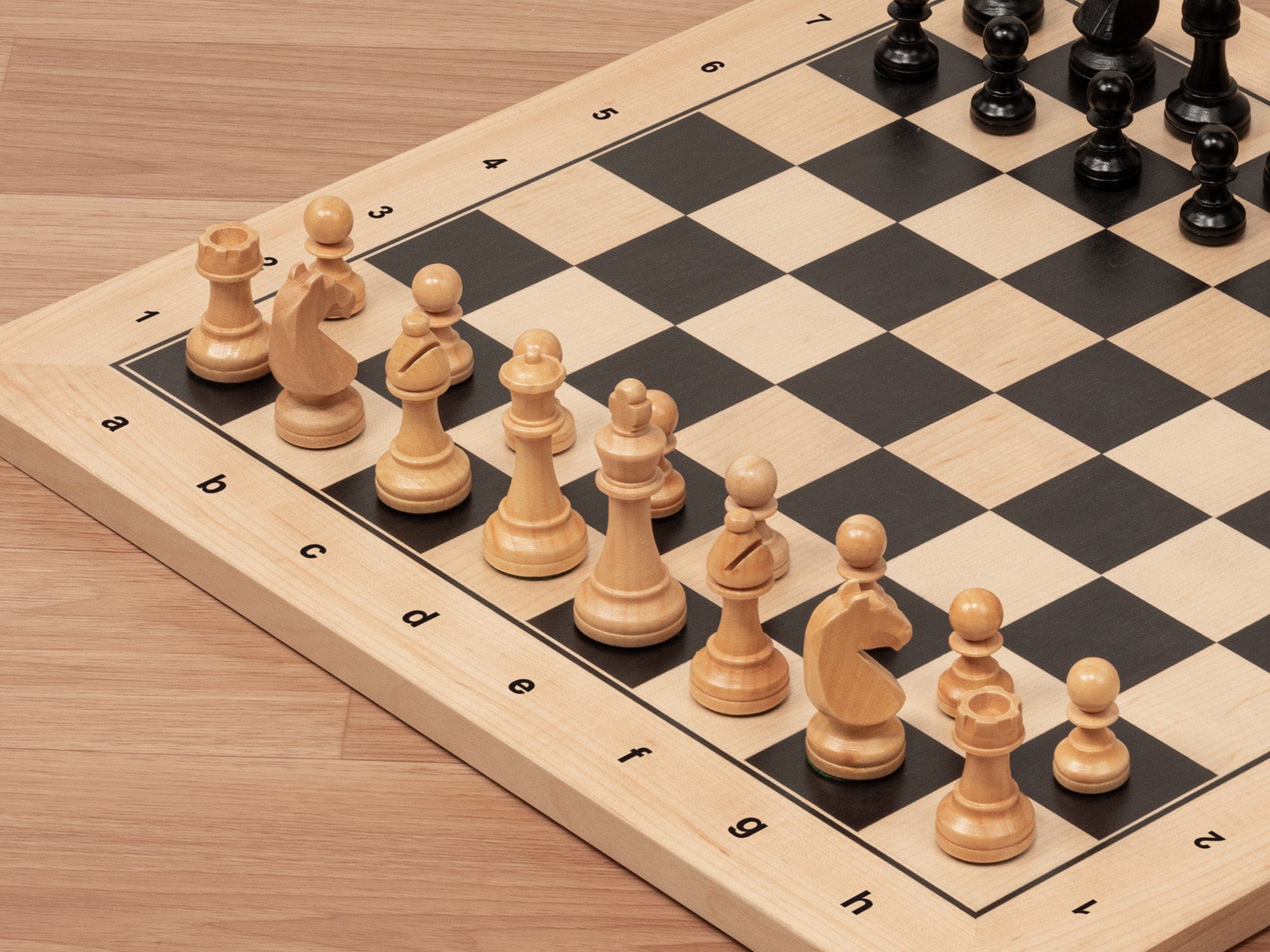
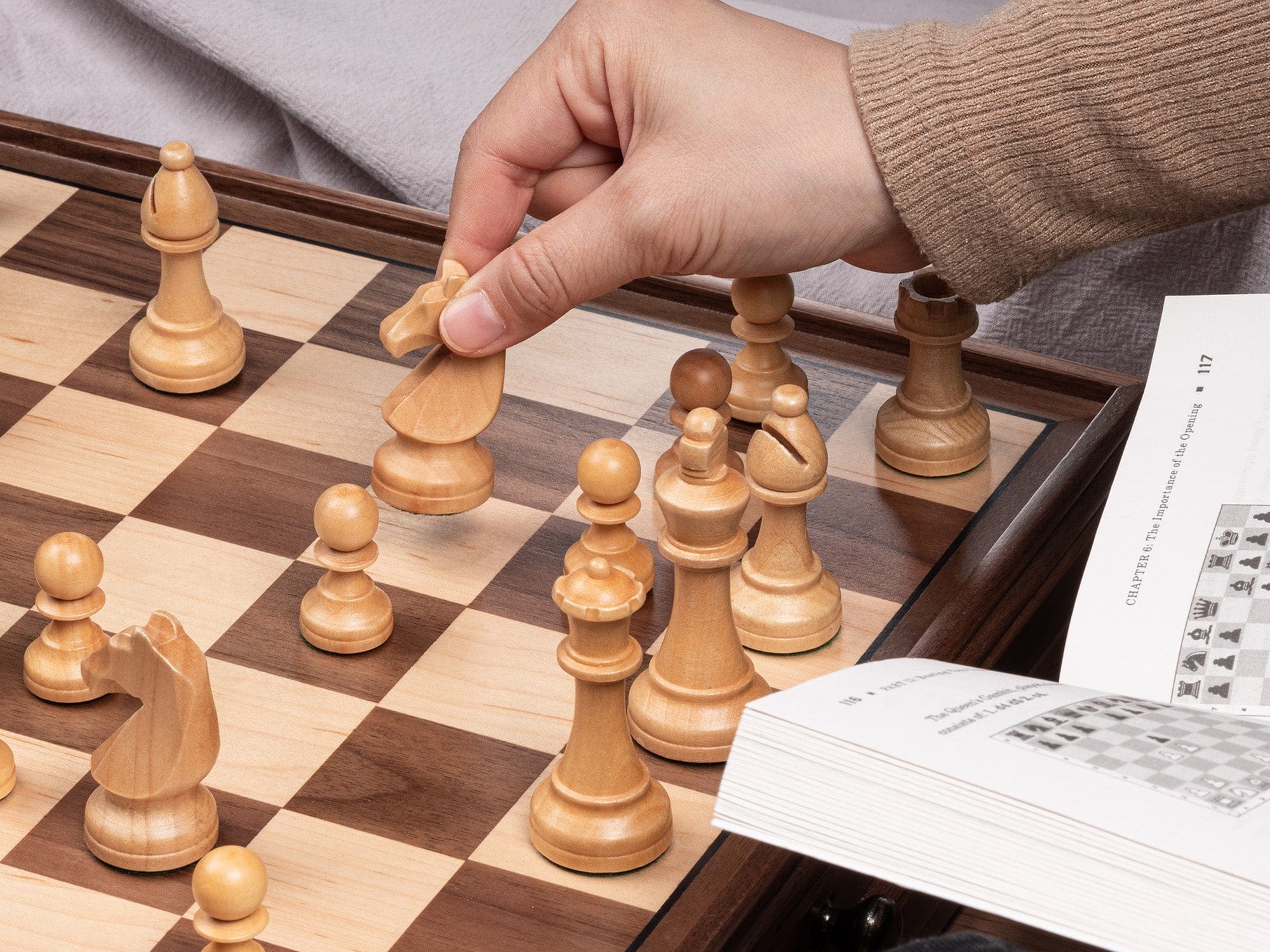
One crucial aspect of choosing a chess board is ensuring that the pieces fit properly on the squares. Too large a piece for a small square can cause the game to feel crowded and hard to play, while too small pieces on a large board can make them harder to manipulate.
What to consider:
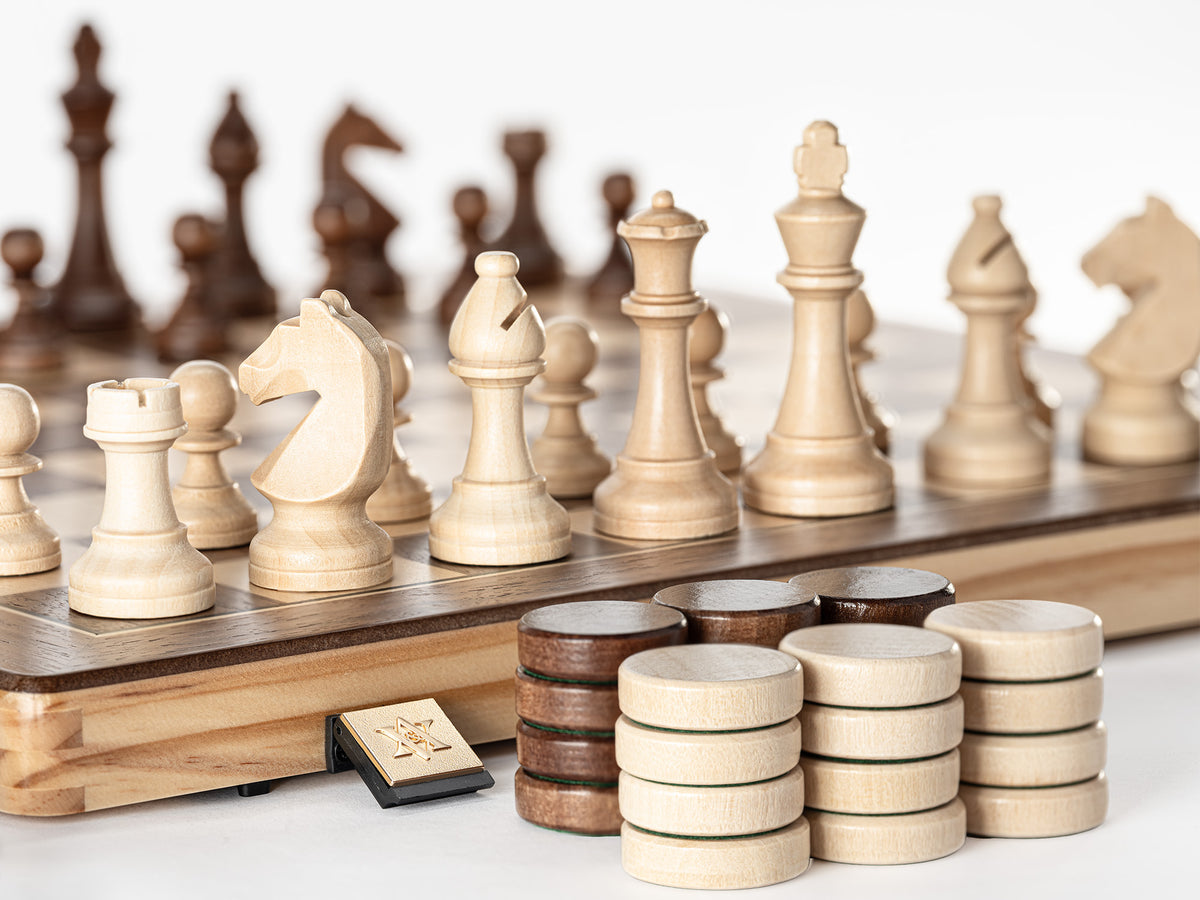
· Piece base diameter: The base diameter of the piece should fit comfortably within the square. A common rule of thumb is that the base diameter of a piece should be approximately 75-80% of the square size.
o For example, if you have a 5cm square, the base diameter of the piece should be about 4cm.
· King height: For tournament play, the King piece should be about 9.5cm tall with a base of around 4.5-5cm to ensure a good fit.
The challenge of oversized boards
Large boards are great for visual clarity and comfort but can make movement difficult if the pieces are not properly sized for the board.
Special Chess Board Shapes: Circular, Hexagonal, and Custom Boards
While standard square chess boards dominate, there are many specialty boards for those seeking something different:
· Circular boards: A circular chess board adds a visual appeal, but piece movement can be trickier. It’s a fun novelty or for casual play.
· Hexagonal boards: These feature hexagonal cells and alter how pieces move. They are more for novelty games or strategic variants, like three-player chess.
· Custom boards: Many chess lovers opt for custom designs for aesthetic or collectible purposes. These can be larger or smaller than standard sizes, depending on the artist’s vision.
How these boards affect play:

Specialty boards often change how pieces move or create unique strategic considerations. For example, on a hexagonal board, a Knight’s movement is no longer an “L” shape. Always double-check the specific rules for these variants.
How to Choose the Right Chess Board Size
Choosing the right chess board size can be overwhelming with so many options, but the key is matching the board size with how you plan to use it.
Here are some general recommendations based on your needs:
· Casual home play: A 40-45cm board with 3.5cm to 4cm squares will work for most players. Choose pieces with a height of 7cm.
· Tournaments: Always opt for a FIDE standard board (40cm to 50cm) with 5cm squares for official tournaments.
· Kids or travel: Choose smaller boards in the 20cm to 30cm range with 2-2.5cm squares for portability and easy handling.
Internal Links You Should Add (for SEO + conversions)
Within this article, naturally link these phrases to your relevant pages:
· “tournament chess board” → Chess Boards collection
· “home chess set” → Home/Classic Chess Boards collection
· “travel chess set” → Travel Chess Sets page/collection
· “FIDE standard chess board” → Tournament Chess Sets collection
· “chess pieces” → Chess Pieces collection
FAQ
1) What is the standard size for a chess board in tournaments?
The official chess board used in tournaments is 40cm to 50cm in size, with 5cm squares. This size follows FIDE regulations for consistency across competitions.
2) Can I use a smaller chess board for tournament play?
For official tournament play, using a smaller board is not recommended as it does not meet the standard dimensions required by FIDE.
3) What size should a chess board be for kids?
For kids, a smaller board in the 20cm to 30cm range is usually the best choice, with 2-2.5cm squares for easier handling.
4) What piece size fits best on an 8x8 chess board?

For a standard 8x8 chess board, the ideal piece height for the King is around 9.5cm with a base of 4.5-5cm, ensuring the pieces fit comfortably on the squares.
5) Can I mix and match boards and pieces with different sizes?
While it’s not ideal, you can use boards and pieces of different sizes, but it’s important that the piece bases fit the squares for smooth play. Over-sized pieces on small squares can cause issues with maneuvering.
Conclusion: Find Your Perfect Chess Board Size
Choosing the right chess board size impacts your experience, whether you’re playing for fun or competing seriously. Opt for a standard FIDE board for competitive play, a mid-sized board for casual home play, and a compact travel set for portability and convenience. Always ensure the pieces fit the squares for an optimal chess-playing experience.





Leave a comment
This site is protected by hCaptcha and the hCaptcha Privacy Policy and Terms of Service apply.