








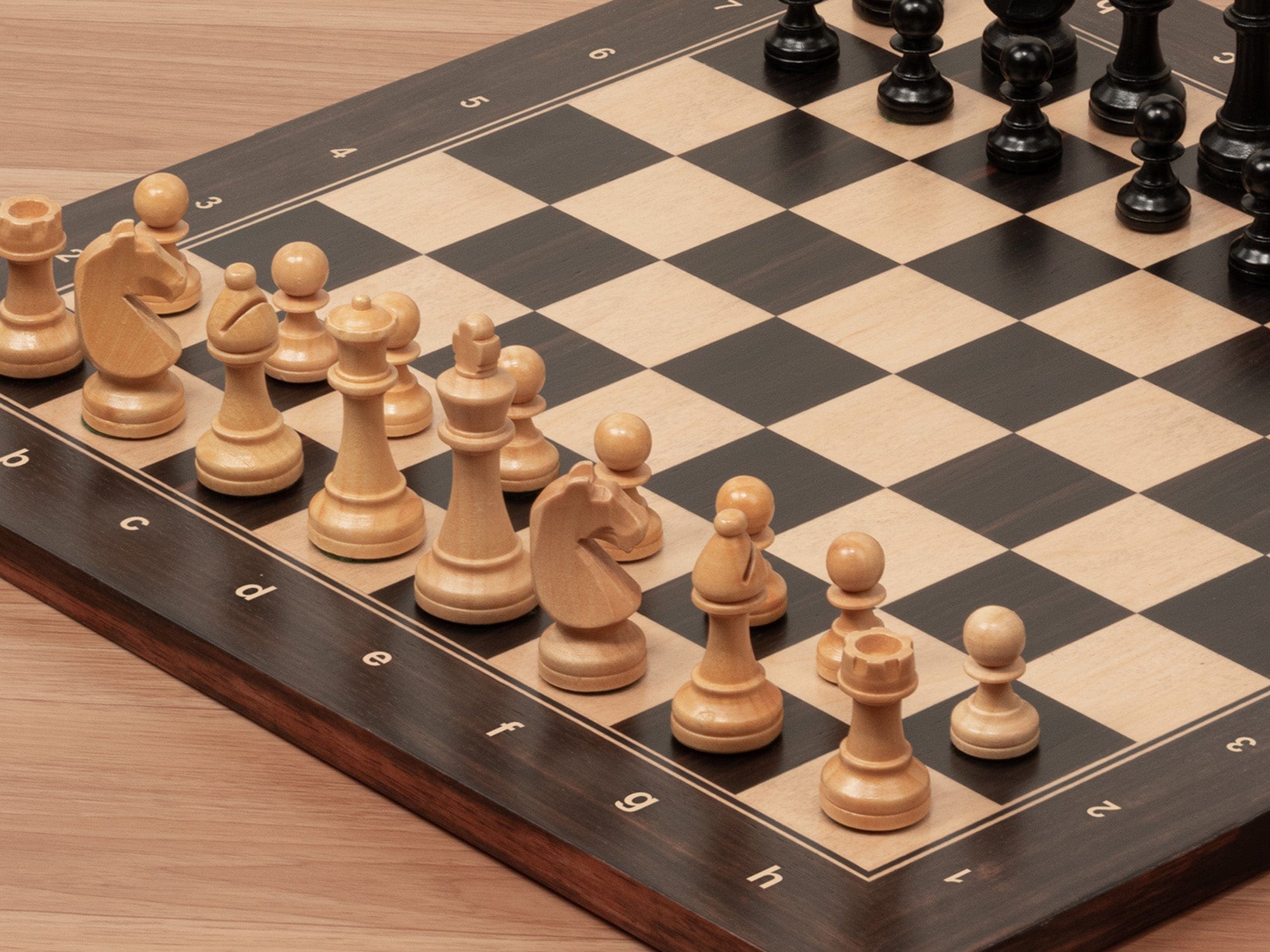
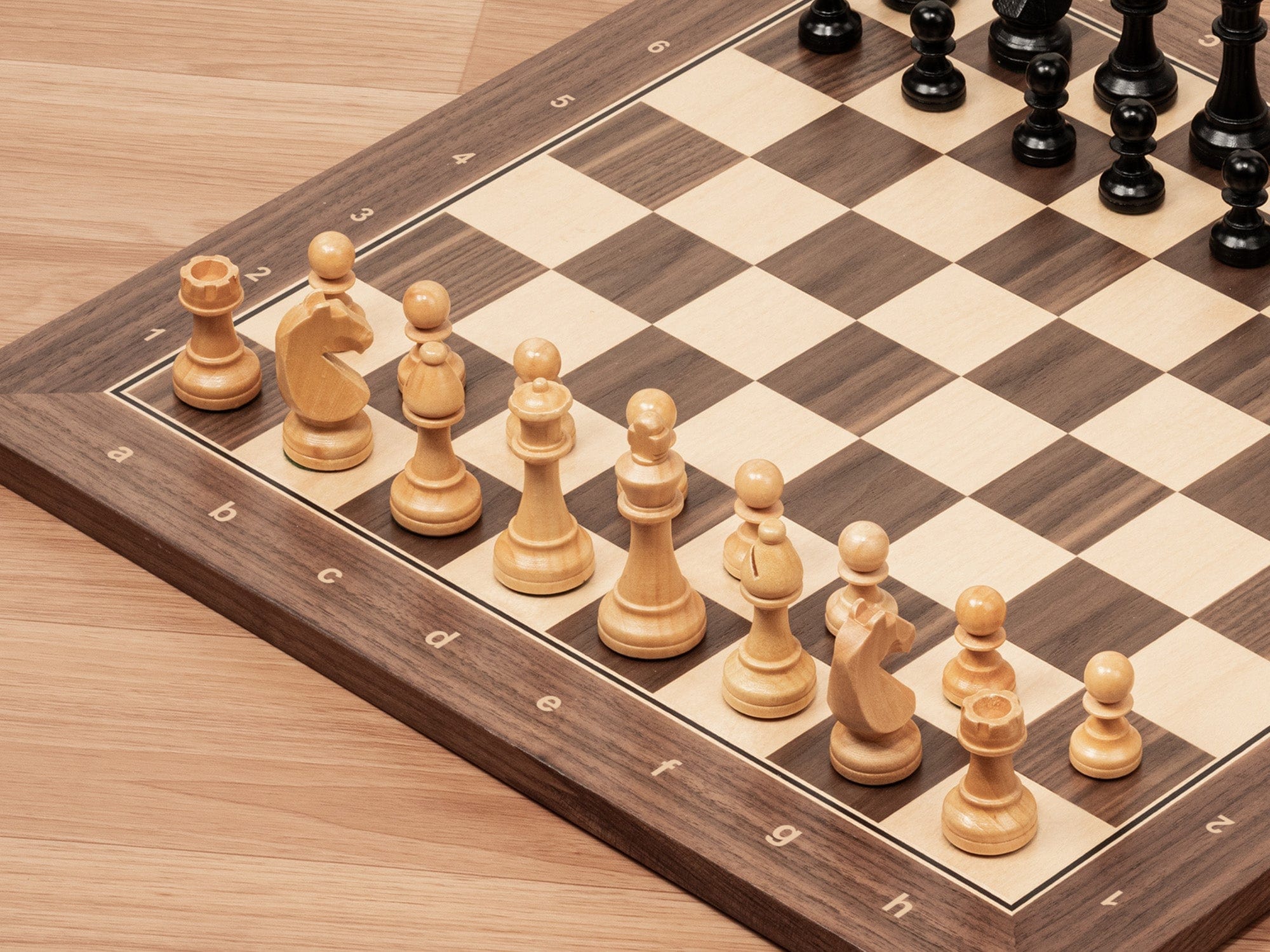
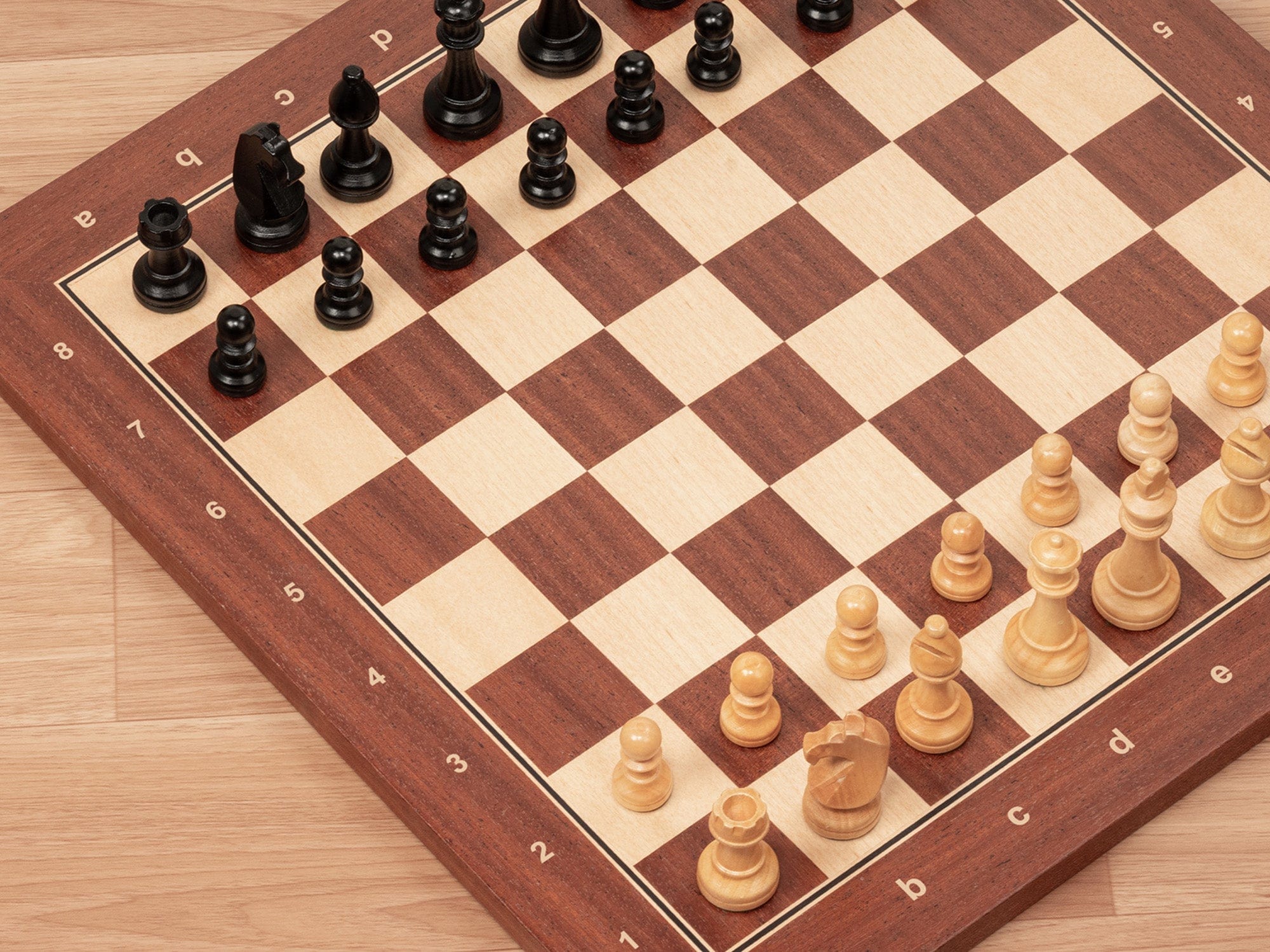

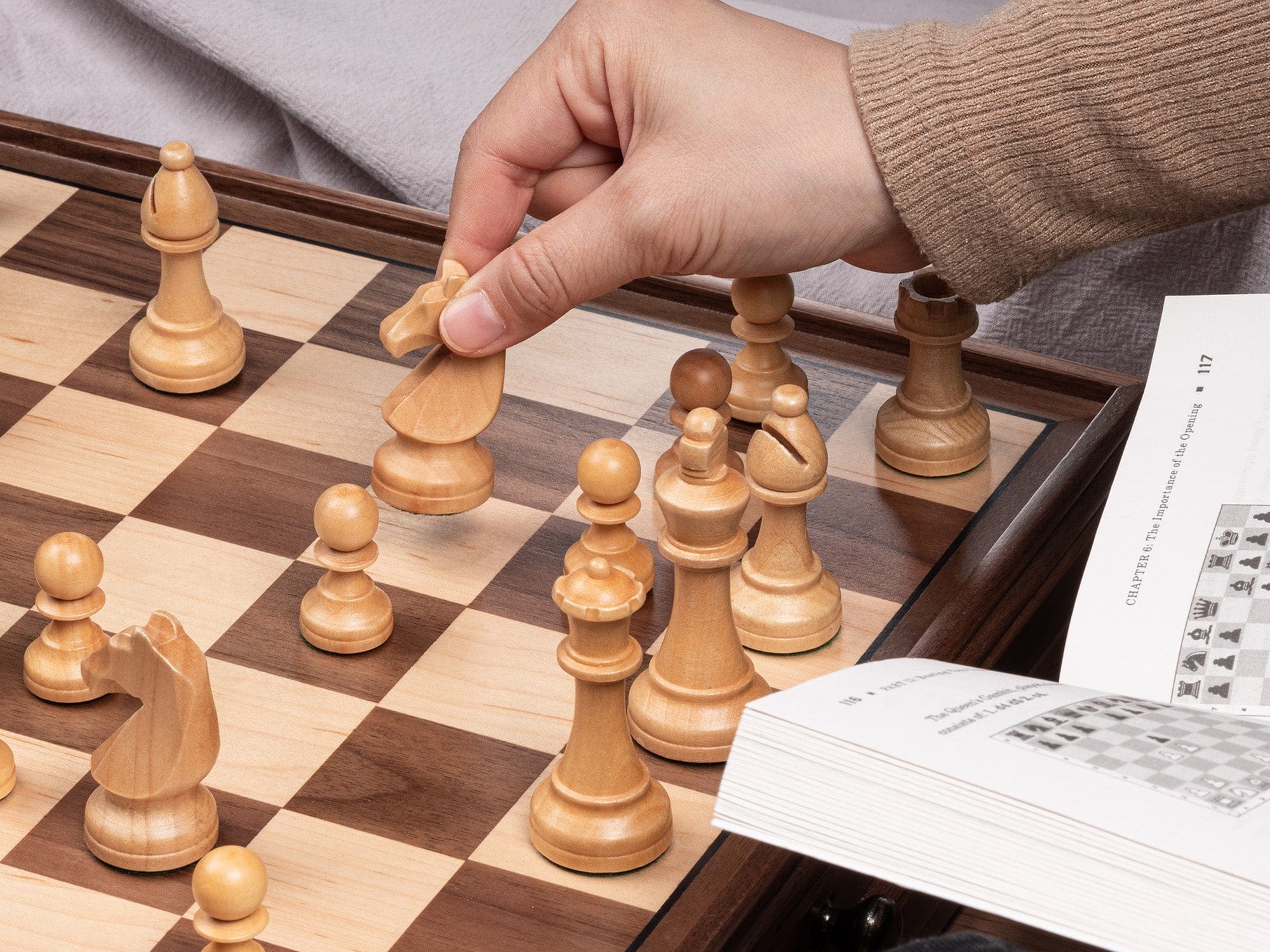
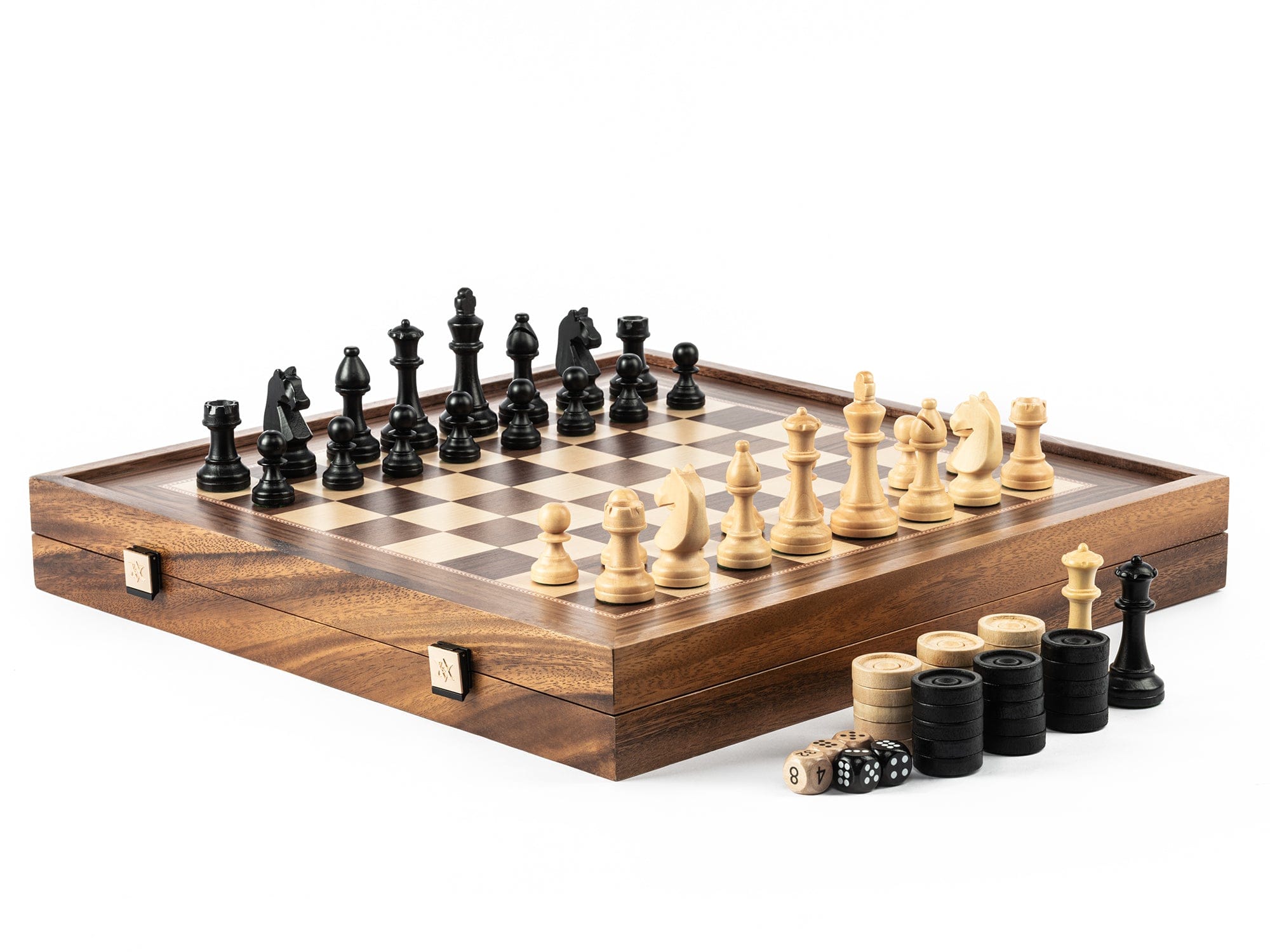

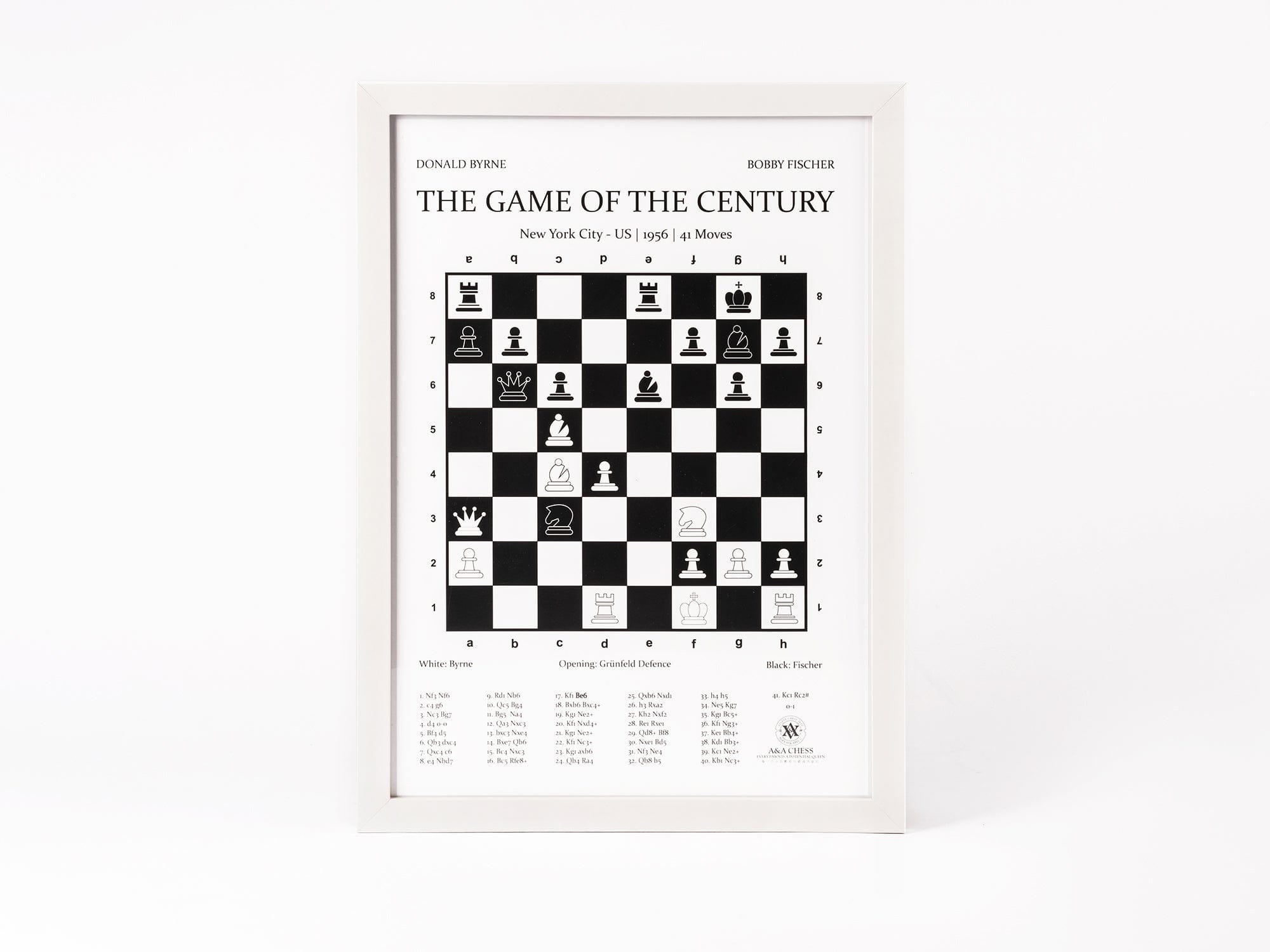
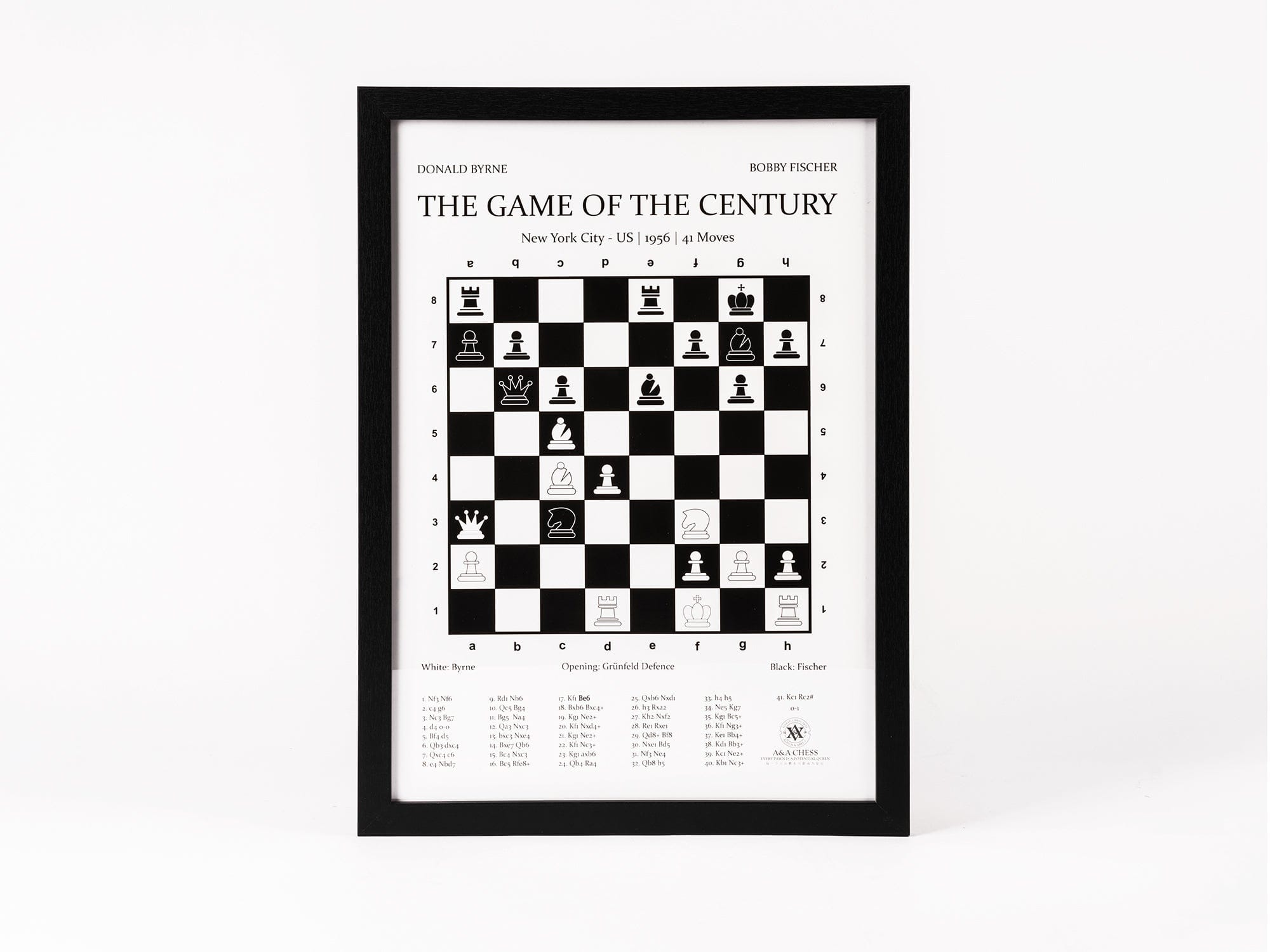



If you're just starting your journey into the world of chess, understanding opening strategies is one of the fastest ways to improve your game. The opening phase sets the tone for the entire match, and mastering a few key principles can dramatically increase your chances of winning.
Whether you're playing casually or aiming to compete, learning solid chess opening strategies will help you gain control, develop your pieces efficiently, and avoid early mistakes.
Why Chess Openings Matter

The opening is the first stage of the game, typically covering the first 10–15 moves. During this phase, your goal is to:
- Control the center of the board
- Develop your pieces quickly
- Protect your king
- Prepare for the middle game
Many beginners underestimate this phase, but a strong opening can give you a decisive advantage.
If you're new, you may want to start with some beginner-friendly guides like learn chess basics to build a solid foundation.
Top 5 Chess Opening Principles Every Beginner Should Know
1. Control the Center
The center squares (e4, d4, e5, d5) are the most important on the board. Controlling them allows your pieces to move freely and dominate the game.
Common opening moves:
-
- e4
-
- d4
These moves are popular because they immediately influence the center.
2. Develop Your Pieces Early
Avoid moving the same piece multiple times in the opening. Instead:
- Bring out knights before bishops
- Develop both sides of the board
- Avoid unnecessary pawn moves
For more practical tips, check out chess training tips to improve your development strategy.
3. King Safety Comes First
Castling early is crucial. It protects your king and connects your rooks.
There are two types:
- Kingside castling (most common)
- Queenside castling (more aggressive)
4. Avoid Early Queen Moves
Many beginners bring out the queen too early, which can make it a target for attacks.
Instead:
- Focus on minor pieces first
- Keep your queen safe until the middle game
5. Don’t Make Unnecessary Pawn Moves
Each pawn move creates weaknesses. Only move pawns when they:
- Control key squares
- Open lines for pieces
- Support your strategy
Best Chess Openings for Beginners
Here are some simple yet powerful openings you can start with:
1. The Italian Game
Moves:
- e4 e5
- Nf3 Nc6
- Bc4
Why it works:
- Easy to learn
- Focuses on quick development
- Targets weak points early
2. The Ruy-Lopez Opening
Moves:
- e4 e5
- Nf3 Nc6
- Bb5
This opening is widely used at all levels and helps you build strong positional understanding.
3. The London System
Moves:
- d4
- Nf3
- Bf4
Perfect for beginners because:
- It’s easy to remember
- Works against many defenses
- Focuses on solid structure
For more structured systems, explore chess opening guides to deepen your understanding.
Common Opening Mistakes to Avoid
Even with the right strategy, beginners often make these mistakes:
❌ Moving the same piece repeatedly
❌ Ignoring development
❌ Leaving the king in the center
❌ Playing too aggressively too early
❌ Copying moves without understanding
Avoiding these mistakes can instantly improve your game.
How to Practice Chess Openings Effectively
Learning openings isn’t just about memorization. You should:
1. Understand the Ideas
Know why each move is played.
2. Practice with Real Games
Play online or against friends.
3. Analyze Your Games
Review mistakes and improve.
You can also explore online chess practice resources to build consistency.
Advanced Tips to Improve Faster
Once you’re comfortable with basic openings, try these:
Study Master Games
Watch how grandmasters play openings.
Learn Basic Tactics
Forks, pins, skewers, and discovered attacks are essential.
Check out chess tactics training for deeper insights.
Stick to a Few Openings
Don’t try to learn everything at once. Focus on 1–2 openings.
Connecting Openings to the Middle Game
A good opening leads to a strong middle game. Your goals should be:
- Maintain piece activity
- Control key squares
- Prepare attacks
To bridge this gap, visit chess strategy resources for advanced learning.
Final Thoughts
Mastering chess opening strategies for beginners is one of the fastest ways to improve your overall game. By focusing on core principles, avoiding common mistakes, and practicing consistently, you can quickly gain confidence and start winning more games.
Remember, chess is not just about memorizing moves—it’s about understanding ideas and adapting to your opponent.
Start simple, stay consistent, and keep learning.







Leave a comment
This site is protected by hCaptcha and the hCaptcha Privacy Policy and Terms of Service apply.