










If you’ve been playing chess for a while but still struggle to win consistently, the problem might not be your opening—it’s your tactics. Understanding chess tactics for beginners is one of the fastest ways to improve your game and start beating stronger opponents.
Tactics are short-term moves that create immediate advantages, such as winning material or delivering checkmate. Unlike long-term strategies, tactics can instantly change the outcome of a game.
What Are Chess Tactics?
Chess tactics are calculated sequences of moves that exploit weaknesses in your opponent’s position. These usually involve:
- Capturing pieces
- Creating threats
- Forcing your opponent into mistakes
If you're new, it's helpful to combine this with foundational knowledge from learn chess basics before diving deeper.
Why Tactics Are More Important Than Strategy (For Beginners)
Many beginners focus too much on strategy and ignore tactics. However:
- Most games at beginner level are decided by blunders
- Tactical awareness helps you avoid losing pieces
- You can win games even with poor strategy if your tactics are strong
To build a strong base, check out chess training tips for improving calculation skills.
Top 6 Must-Know Chess Tactics
Below are the most important tactics every beginner should master:
1. Fork
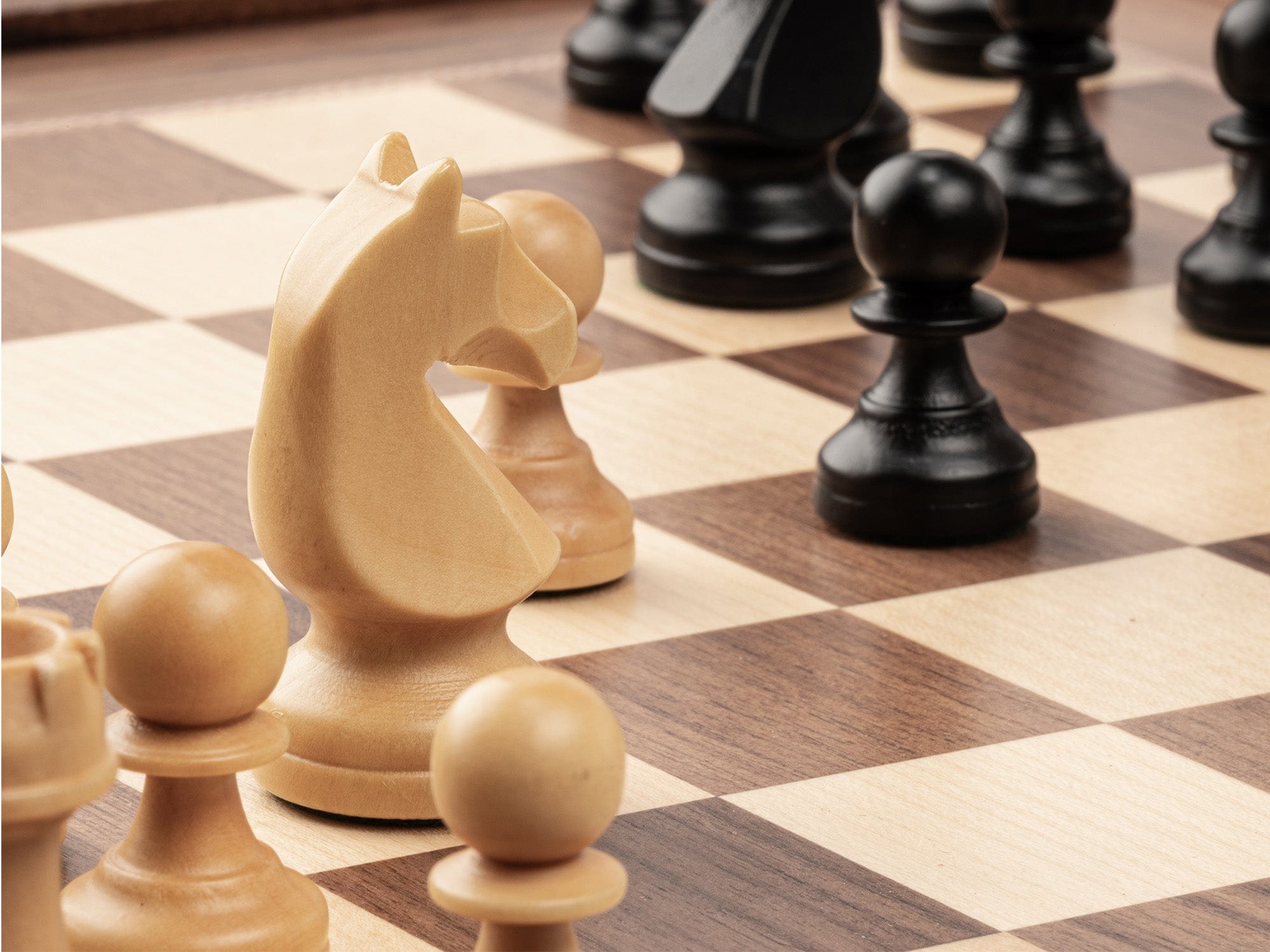
A fork is when one piece attacks two or more pieces at the same time.
- Common piece: Knight
- Goal: Force opponent to lose material
2. Pin
A pin occurs when a piece cannot move without exposing a more valuable piece behind it.
- Absolute pin: king behind
- Relative pin: queen or rook behind
3. Skewer
Similar to a pin, but the more valuable piece is in front.
- The valuable piece moves
- The less valuable piece gets captured
4. Discovered Attack
You move one piece, revealing an attack from another piece behind it.
- Often very powerful
- Can lead to double threats
5. Double Check
Two pieces attack the king at once.
- The only legal move is to move the king
- Often leads to checkmate
6. Back Rank Mate
A checkmate on the last row due to lack of escape squares.
- Very common beginner mistake
- Easy to execute
Quick Comparison of Key Chess Tactics
| Tactic | Difficulty | Common Pieces | Goal | Beginner Friendly |
|---|---|---|---|---|
| Fork | Easy | Knight | Attack multiple pieces | ✅ Yes |
| Pin | Medium | Bishop/Rook | Immobilize opponent piece | ✅ Yes |
| Skewer | Medium | Bishop/Rook | Win material | ⚠️ Moderate |
| Discovered Attack | Medium | All | Create hidden threats | ⚠️ Moderate |
| Double Check | Hard | Multiple | Force king movement | ❌ Advanced |
| Back Rank Mate | Easy | Rook/Queen | Deliver checkmate | ✅ Yes |
How to Spot Tactics During a Game
Knowing tactics is one thing—spotting them in real games is another.
Here’s how to train your tactical vision:
1. Look for Loose Pieces
Unprotected pieces are targets.
2. Check for Overloaded Pieces
If one piece defends too many things, it can fail.
3. Always Ask: “What Changed?”
After every move, analyze new threats.
You can improve your tactical awareness through chess tactics training and regular puzzle solving.
Common Tactical Mistakes Beginners Make
Avoid these common errors:
❌ Ignoring opponent threats
❌ Moving too quickly
❌ Not calculating opponent responses
❌ Focusing only on your own plan
These mistakes often lead to losing pieces or getting checkmated.
Best Ways to Practice Chess Tactics
1. Solve Daily Chess Puzzles
Even 10–15 minutes a day can dramatically improve your skill.
2. Review Your Games
Look for missed tactical opportunities.
3. Use Pattern Recognition
The more patterns you see, the faster you recognize them.
Explore online chess practice tools to stay consistent.
How Tactics Connect to Winning Games
Tactics are not just tricks—they are the foundation of winning chess.
Here’s how they help:
- Win material advantage
- Create checkmate threats
- Force opponent mistakes
When combined with solid openings (see chess opening guides), tactics become even more powerful.
Advanced Tip: Think in Forcing Moves
Strong players always look for:
- Checks
- Captures
- Threats
This is often called “CCT method” (Checks, Captures, Threats).
Building a Tactical Mindset
To truly improve:
- Stay patient
- Think before every move
- Always calculate at least 1–2 moves ahead
Also, studying deeper concepts from chess strategy resources can help you combine tactics with long-term planning.
Final Thoughts
Mastering chess tactics for beginners is the fastest way to level up your game. You don’t need to memorize hundreds of openings—just focus on recognizing patterns and calculating correctly.
With consistent practice, you’ll start spotting tactics naturally and winning more games with confidence.




Leave a comment
This site is protected by hCaptcha and the hCaptcha Privacy Policy and Terms of Service apply.