

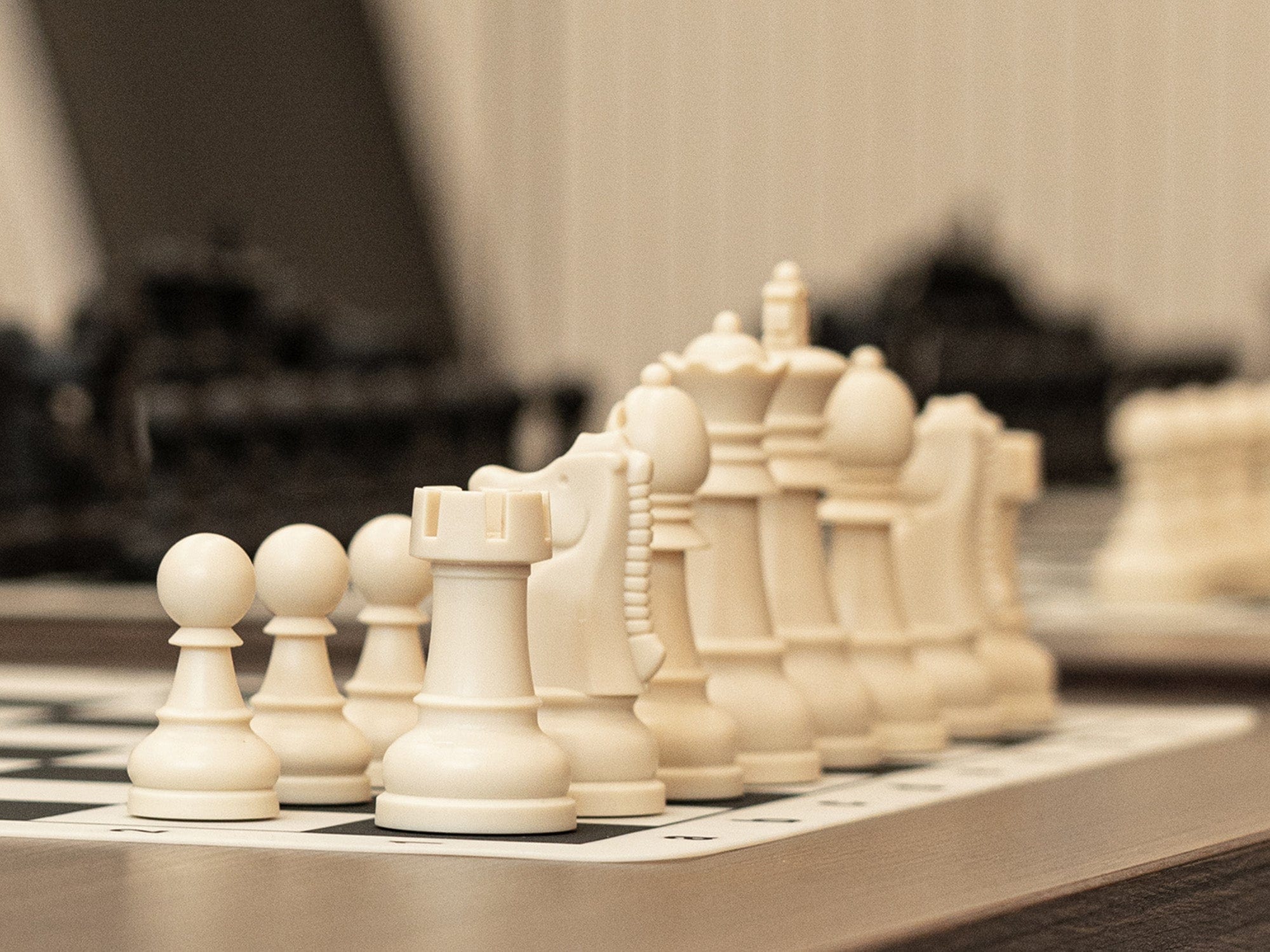


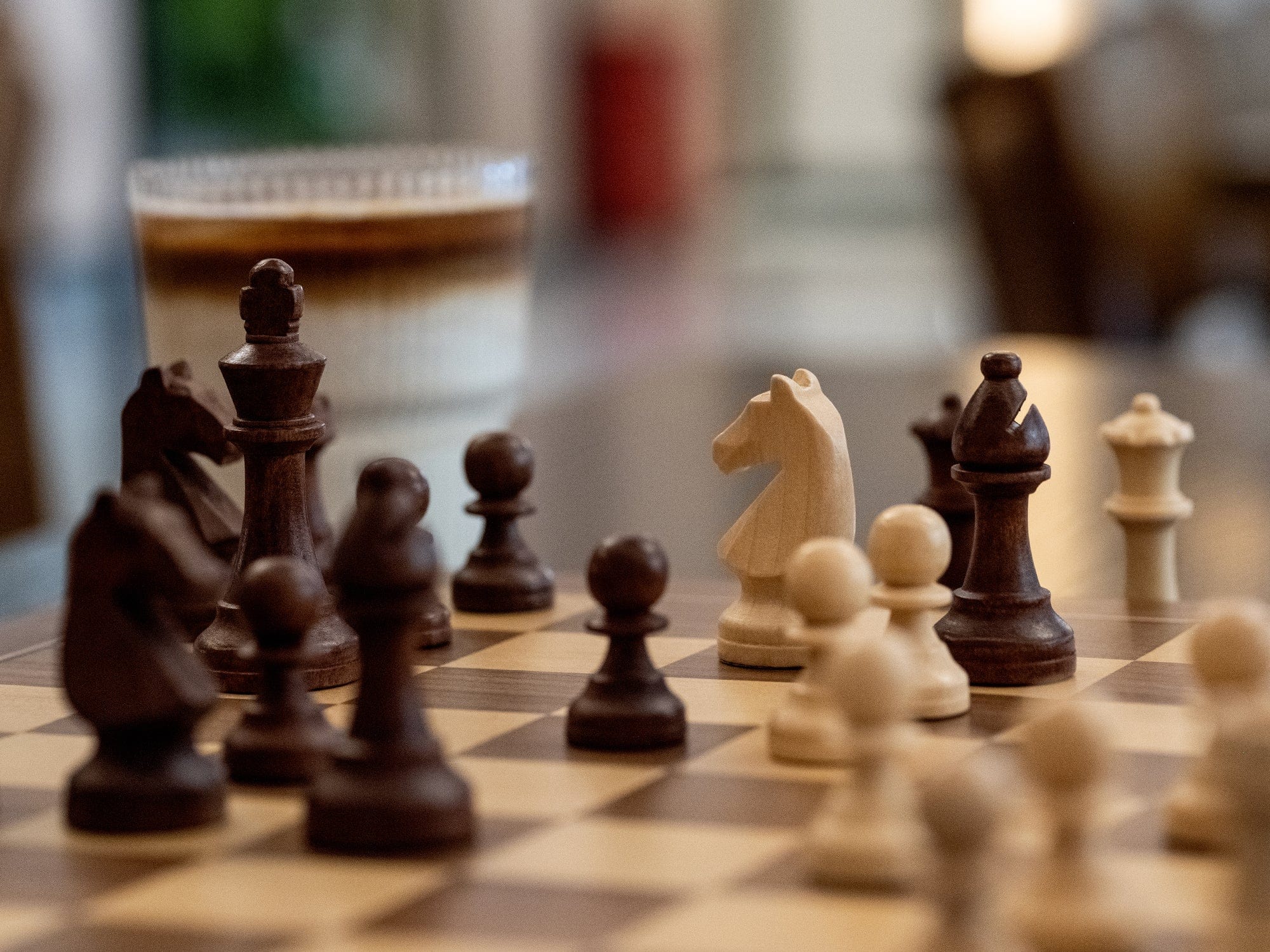





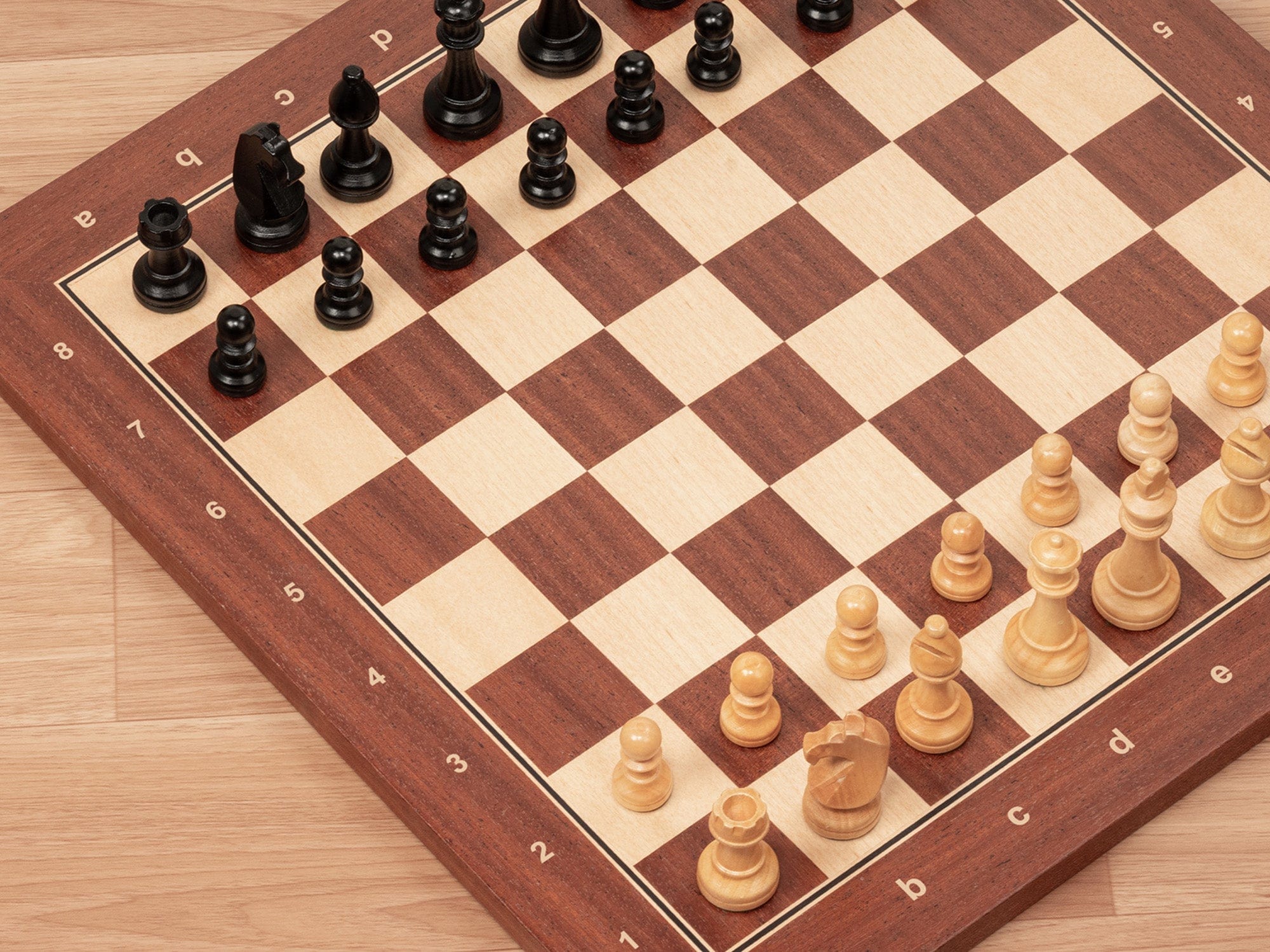
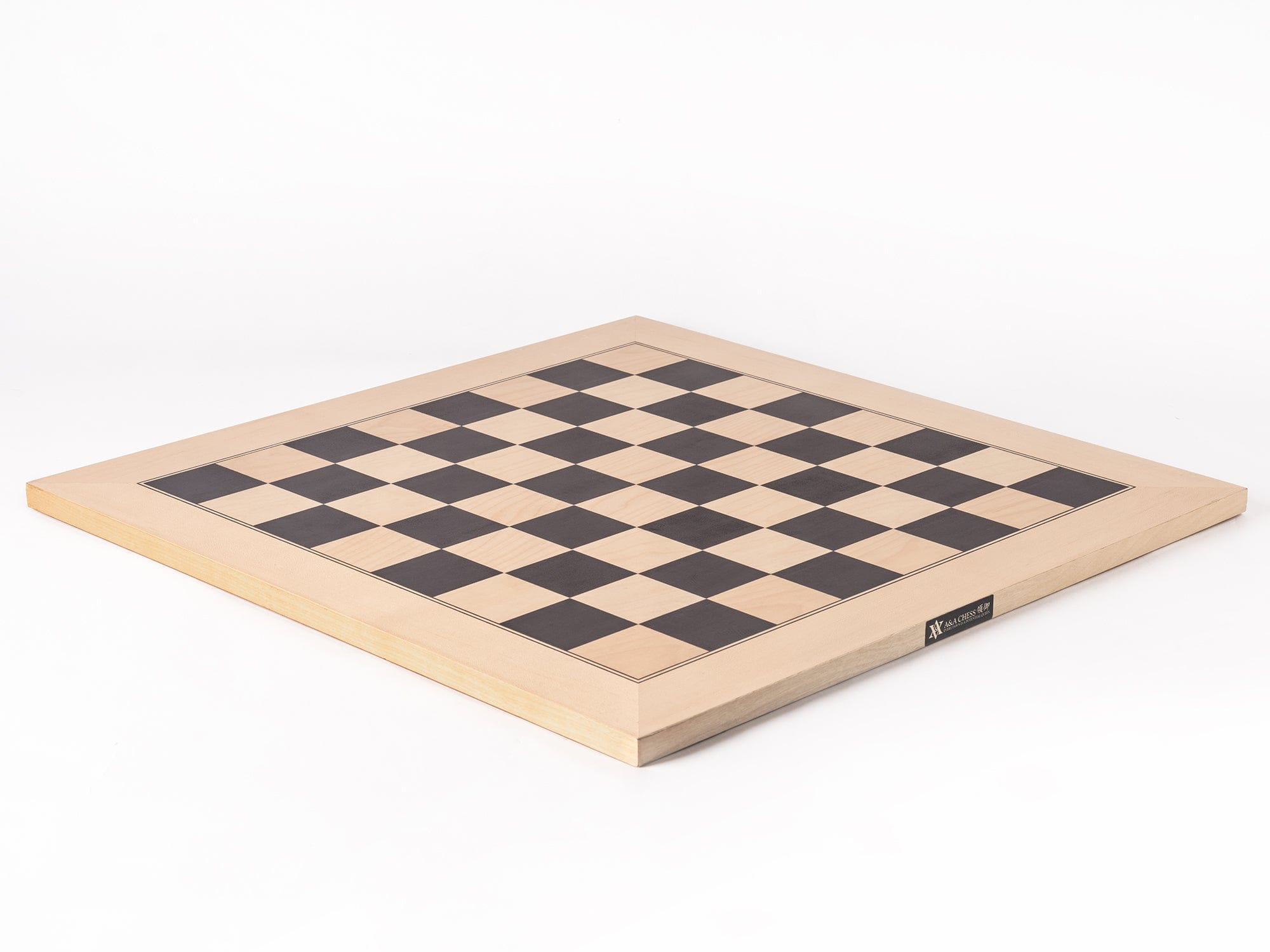
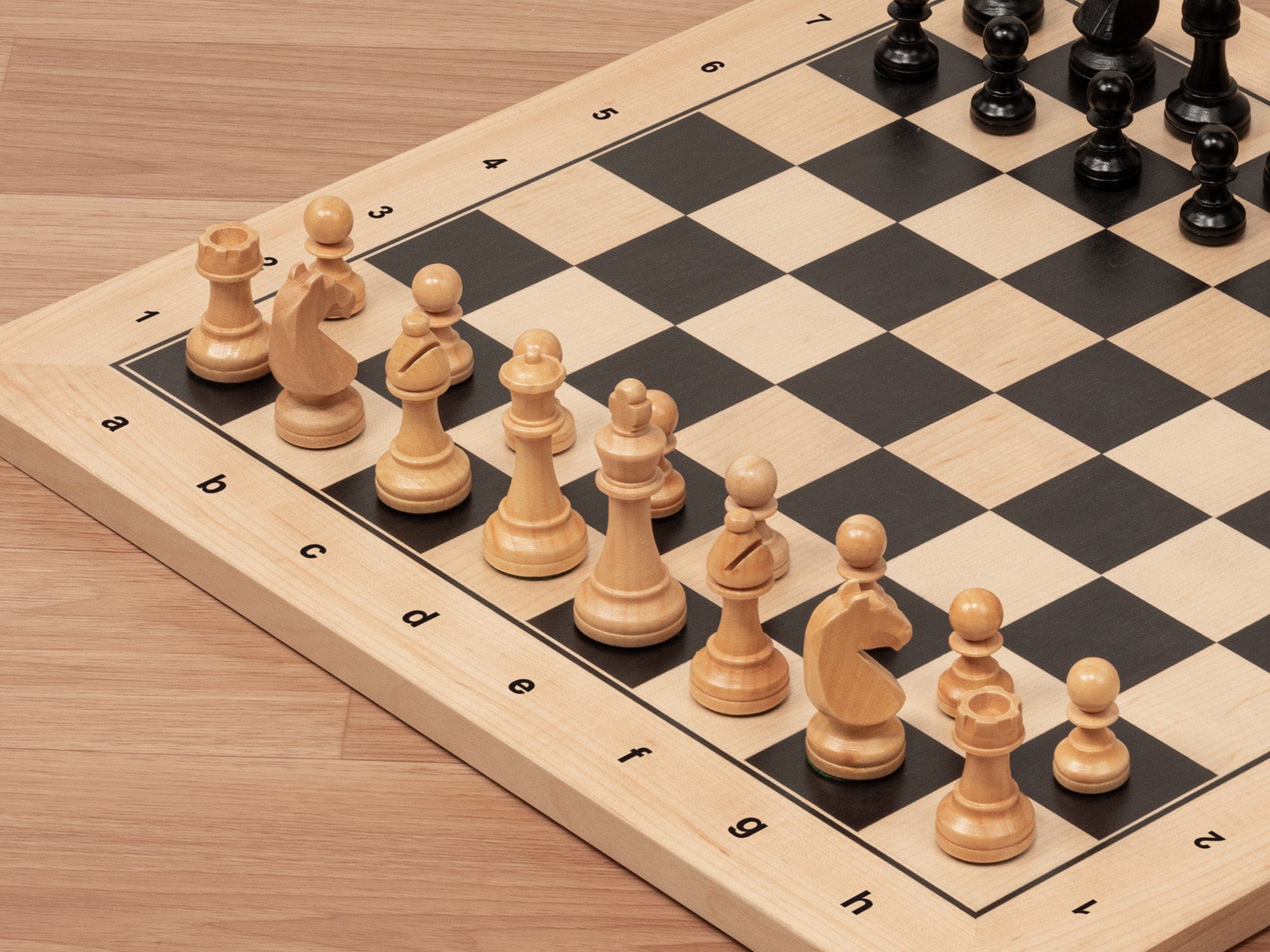
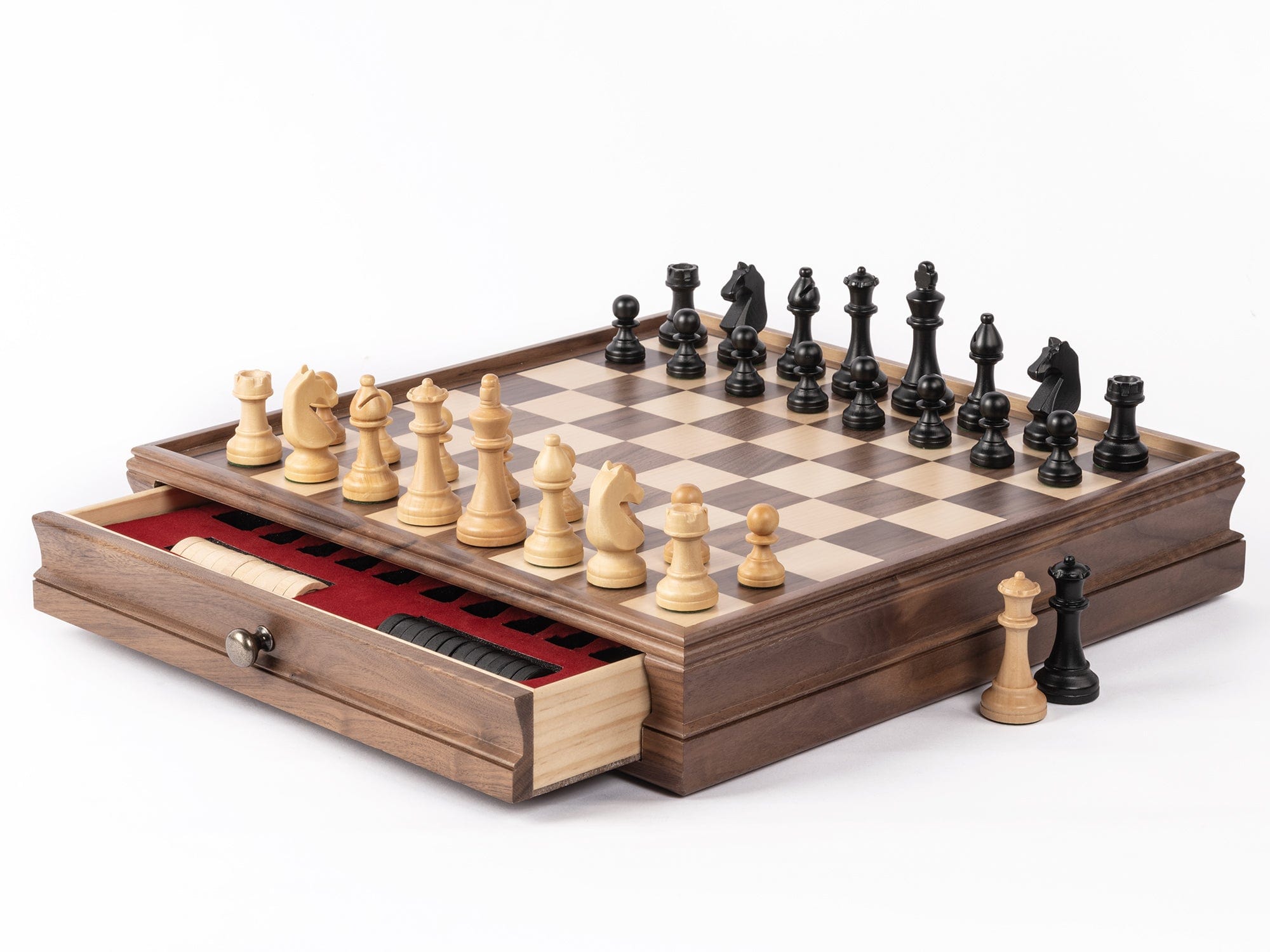
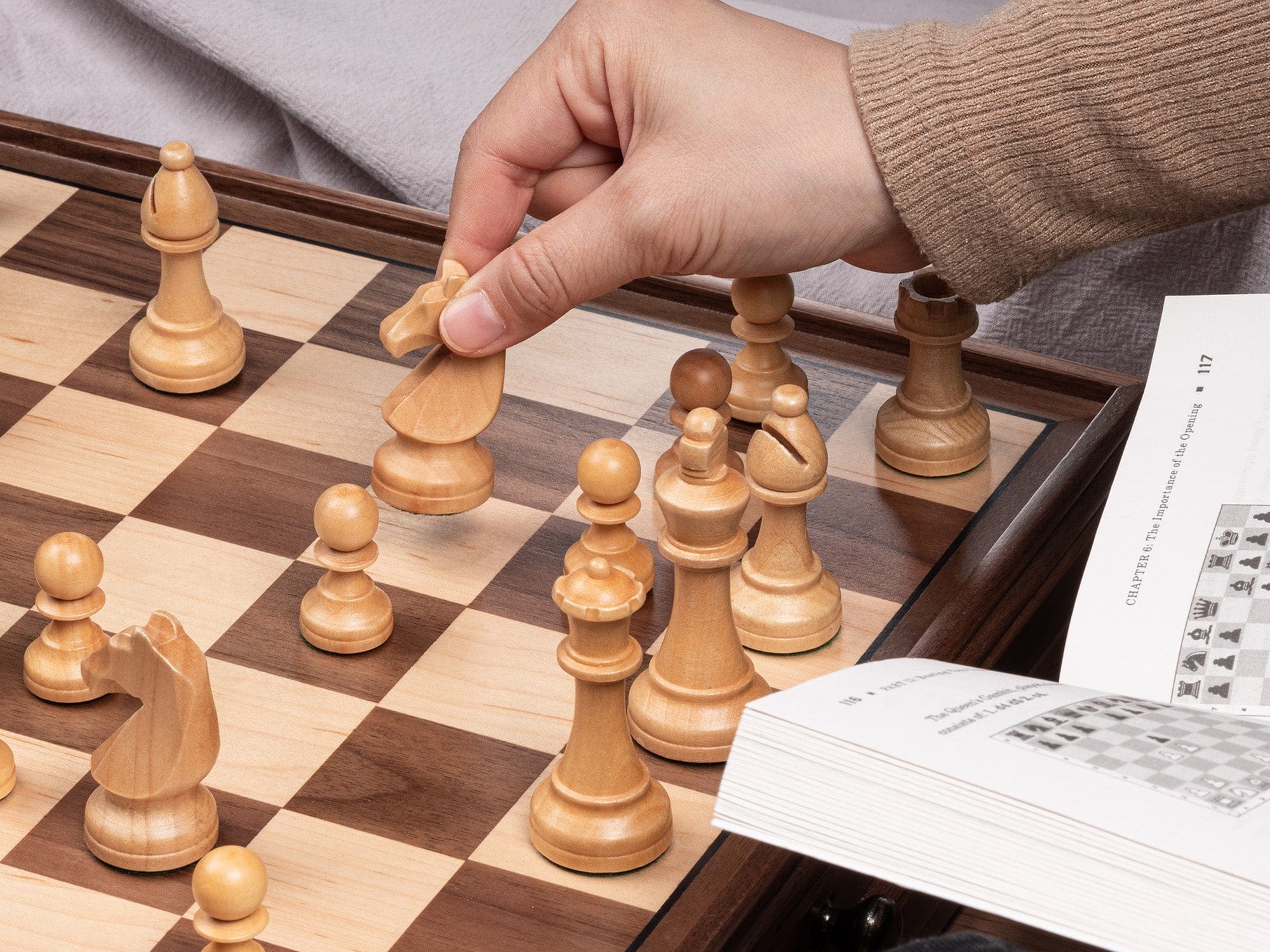
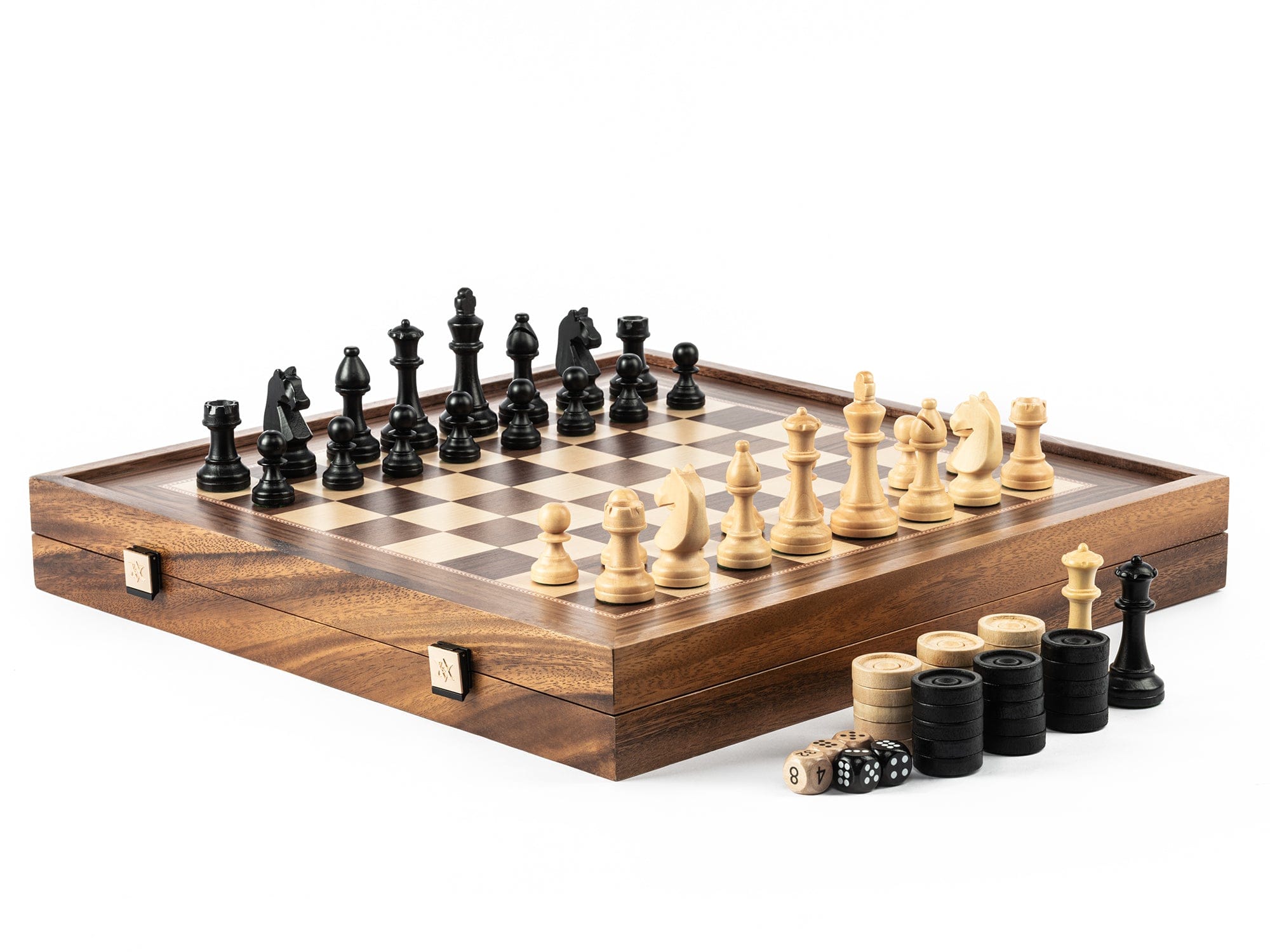
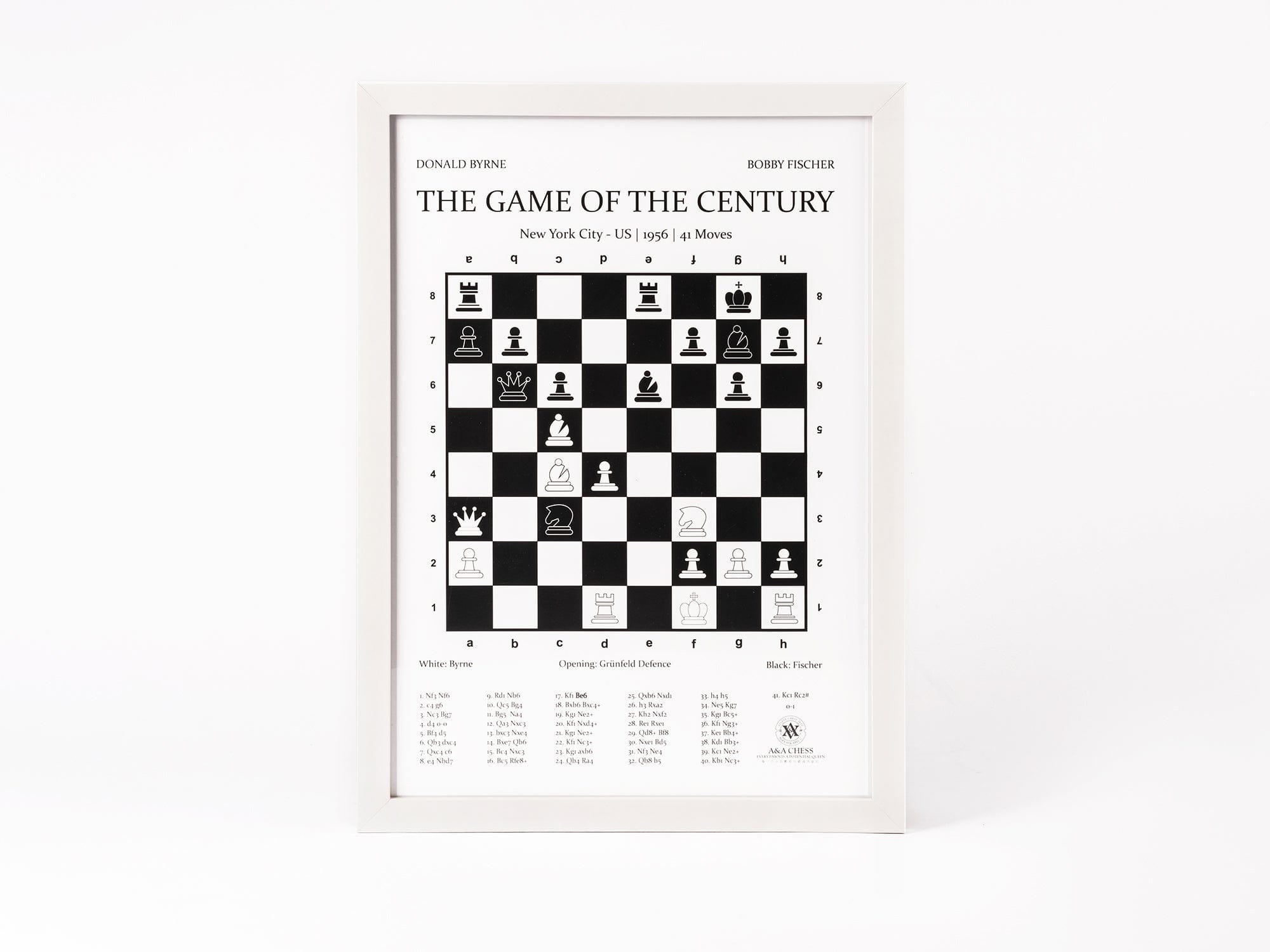
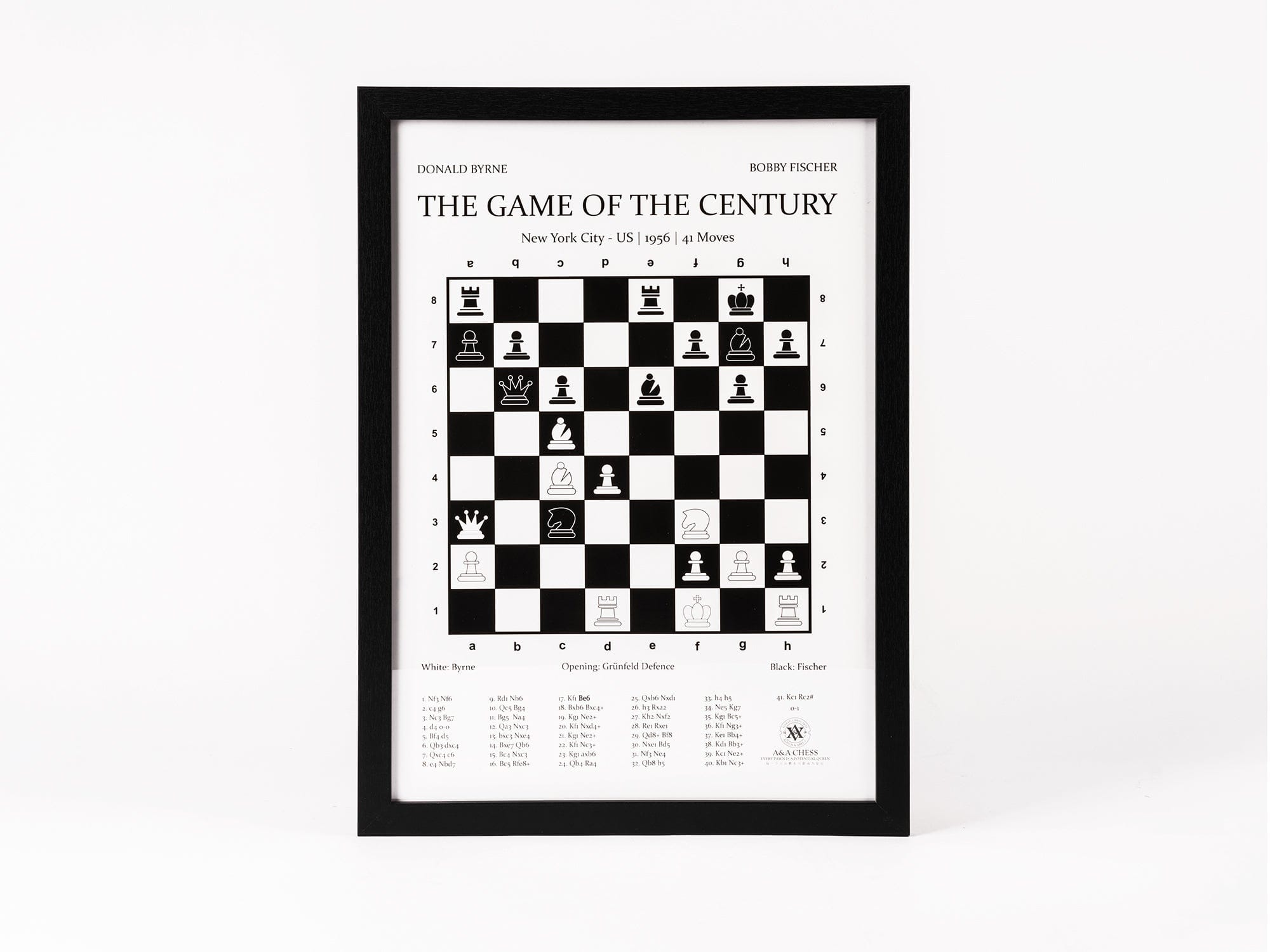
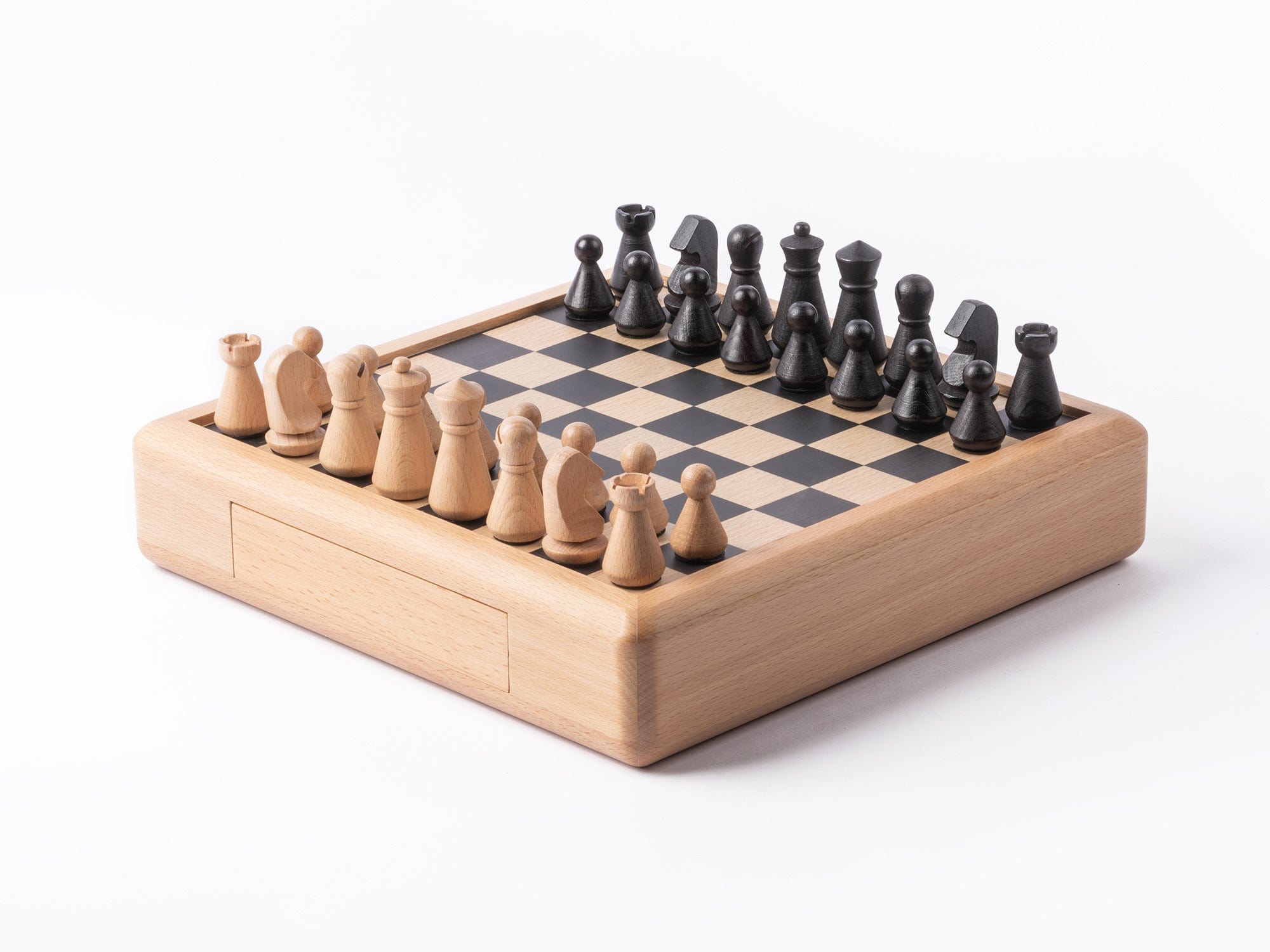
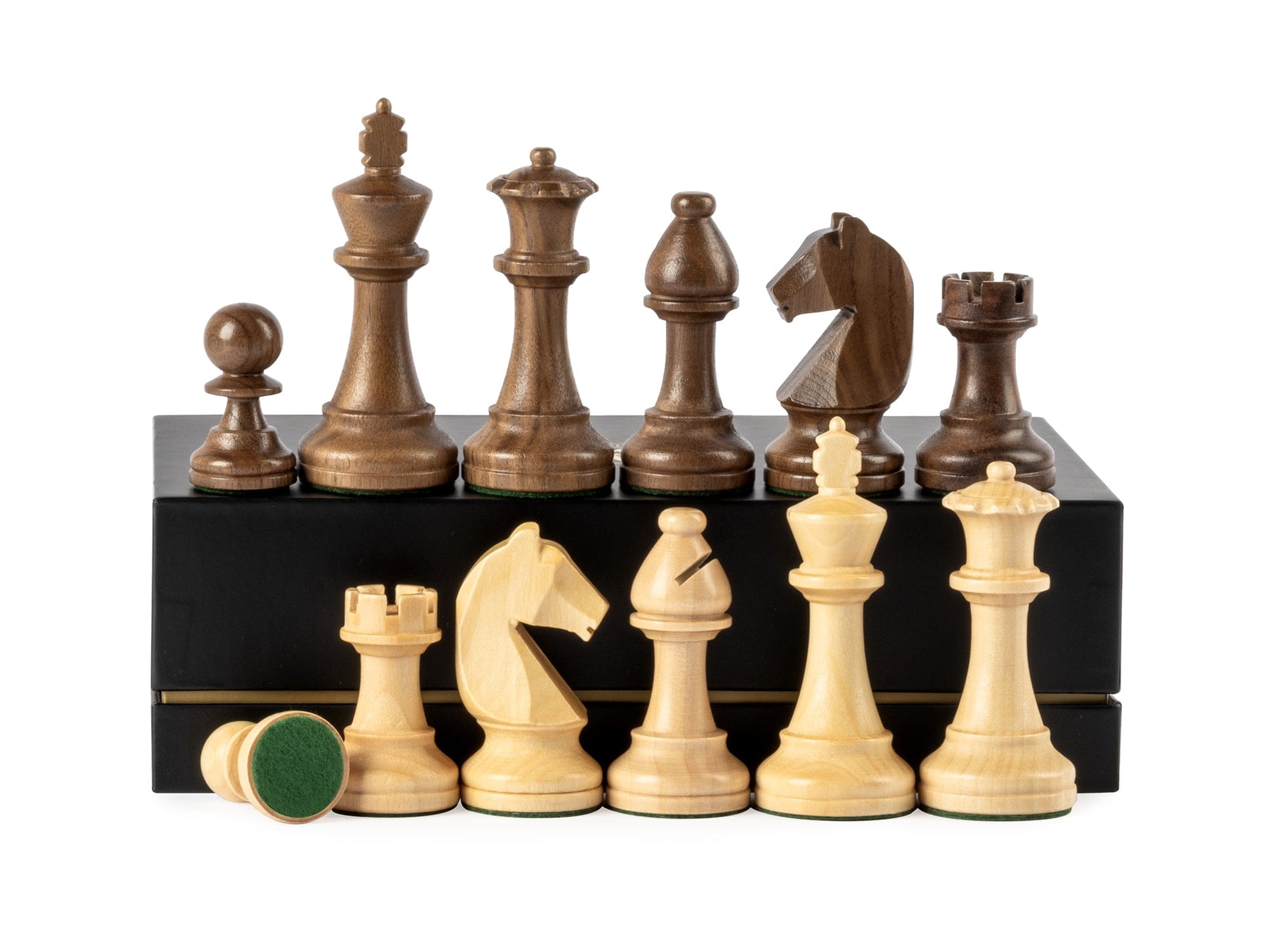

Chess is no longer limited to silent tournament halls, formal school clubs, or individual online games.
A new type of chess culture is emerging around cafés, bars, bookstores, hotels, parks, coworking spaces, university lounges, and community venues. At these events, the objective is not always to earn a rating or prove who is the strongest player.
The objective is to meet people.
Modern social chess nights combine one of the world’s oldest strategy games with music, conversation, food, drinks, beginner lessons, casual competitions, and welcoming community experiences.
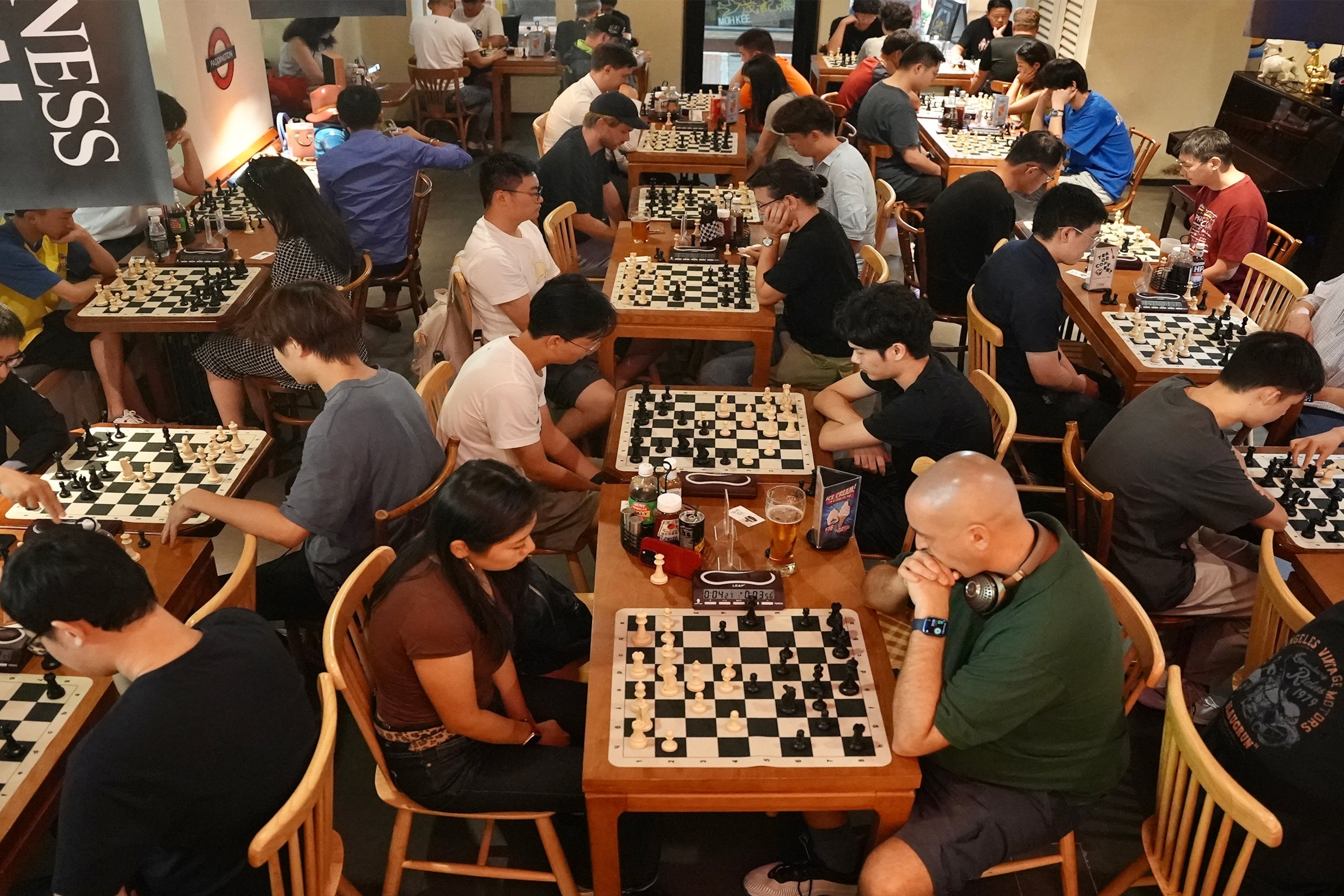
In London, younger organizers have created chess gatherings that combine physical games with live DJs and a relaxed social atmosphere. Similar groups in the United States are using casual chess as a way to help adults form friendships without the pressure of a traditional competitive club. (Reuters)
This makes social chess one of the most interesting offline community trends of 2026.
Whether you manage a café, organize local events, run a university society, work for a hotel, or simply want to bring people together, a chess night can be relatively affordable and simple to organize.
This guide explains how to host a successful social chess night, choose suitable equipment, welcome beginners, create activities, organize casual competitions, and turn a one-time gathering into a regular community.
What Is a Social Chess Night?

A social chess night is a casual gathering where people play chess and meet others in a relaxed environment.
Unlike a traditional chess tournament, players do not necessarily need:
-
An official rating
-
Tournament experience
-
Advanced chess knowledge
-
Membership in a federation
-
Formal clothing
-
A complete understanding of chess notation
-
Several hours for one game
Some participants may play serious games, while others may learn the rules, watch friends, solve puzzles, or simply enjoy the atmosphere.
A social chess night may include:
-
Open casual games
-
Beginner lessons
-
Speed chess
-
Team chess
-
Music
-
Food and drinks
-
Puzzle challenges
-
Mini-tournaments
-
Networking activities
-
Chess-themed photography
-
Community announcements
The best events allow different types of people to participate without making anyone feel that they are in the wrong place.
Why Social Chess Is Becoming Popular
Chess Makes Starting a Conversation Easier
Many social events expect people to begin conversations with strangers without a shared activity.
This can feel uncomfortable.
A chessboard provides an immediate point of connection. Two people can begin by asking:
-
Would you like to play?
-
Are you a beginner?
-
Do you prefer a fast or slow game?
-
How did you learn chess?
-
Have you attended this event before?
The game removes some of the pressure associated with traditional networking.
Players do not need to speak continuously. Conversation can develop naturally before, during, and after the game.
People Want More Offline Experiences
Online chess platforms have made the game accessible to millions of players, but online convenience does not replace every part of physical interaction.
A face-to-face game includes eye contact, body language, shared reactions, conversation, and the physical movement of pieces.
Social chess nights offer an alternative to evenings spent scrolling through social media or communicating only through messages.
They allow people to use a familiar game as a reason to leave home and participate in a local community.
Chess Works Across Different Groups
A chess event can bring together people with different:
-
Ages
-
Careers
-
Languages
-
Nationalities
-
Educational backgrounds
-
Playing strengths
-
Personal interests
Two people may have little in common outside the venue but can still share a meaningful game.
This makes chess useful for international communities, university groups, professional networking events, neighborhood gatherings, and mixed-age activities.
Chess Is Easy to Adapt
The same equipment can support many types of events.
A café can organize a relaxed beginner night. A bar can run a blitz tournament. A bookstore can host a chess-and-literature evening. A hotel can offer chess in its lounge. A coworking space can organize an after-work social.
The basic game remains the same, but the experience can be adapted to the venue and audience.
Step 1: Define the Purpose of Your Chess Night
Before choosing equipment or promoting the event, decide what kind of experience you want to create.
Possible goals include:
-
Helping adults meet new people
-
Attracting customers to a café or bar
-
Creating a university social activity
-
Building a local chess community
-
Introducing beginners to chess
-
Providing a screen-free evening
-
Organizing an after-work networking event
-
Promoting a hotel or coworking venue
-
Raising money for a community project
-
Creating content for social media
-
Finding members for a permanent chess club
Write one clear sentence describing the event.
For example:
A relaxed weekly chess night where complete beginners and experienced players can meet, play short games, and make new friends.
This statement should guide every decision.
When the purpose is social connection, do not allow the strongest players to control every board or turn the event into an intimidating tournament.
Step 2: Choose the Right Venue
A successful venue should be accessible, comfortable, and suitable for conversation.
Possible locations include:
-
Cafés
-
Bars
-
Restaurants
-
Bookstores
-
Libraries
-
Hotel lounges
-
University common rooms
-
Coworking spaces
-
Community centers
-
Parks
-
Art galleries
-
Rooftop spaces
-
Shopping-center activity areas
The venue should provide stable tables, chairs, lighting, restrooms, and enough space for people to move between games.
Questions to Ask the Venue
Before confirming the location, ask:
-
How many people can the space hold?
-
How many tables are available?
-
Is there a minimum food or drink purchase?
-
Can tables be rearranged?
-
Is outside equipment allowed?
-
Is music permitted?
-
Is there storage for chess sets?
-
Is the venue accessible by public transportation?
-
Can the event use signs or banners?
-
Is photography allowed?
-
What time must the event finish?
-
Is there a fee for using the space?
A café or bar may offer the space without a rental fee when the event is expected to bring customers during a quiet period.
Step 3: Choose a Date and Event Length
Weekday evenings often work well for adult social events because participants can attend after work or classes.
Suitable times may include:
-
Tuesday from 7:00 p.m. to 10:00 p.m.
-
Wednesday from 6:30 p.m. to 9:30 p.m.
-
Thursday from 7:00 p.m. to 10:30 p.m.
-
Sunday afternoon from 2:00 p.m. to 5:00 p.m.
Avoid making the first event too long.
Two to three hours provides enough time for introductions, several games, one activity, and casual conversation.
A simple schedule could be:
| Time | Activity |
|---|---|
| 7:00–7:20 | Arrival and open play |
| 7:20–7:30 | Welcome and beginner introduction |
| 7:30–8:15 | Casual games |
| 8:15–8:35 | Puzzle or team challenge |
| 8:35–9:20 | Speed chess or open play |
| 9:20–9:30 | Announcements and next event |
Do not schedule every minute. Social events need flexible time for conversation and spontaneous games.
Step 4: Estimate How Many Chess Sets You Need
A standard chess game requires one set for every two active players.
However, not everyone will play at the same time. Some guests may watch, talk, order food, or wait for the next round.
Use this general guide:
| Expected Guests | Minimum Boards | Recommended Boards |
|---|---|---|
| 10 | 4 | 5–6 |
| 20 | 8 | 10–12 |
| 30 | 12 | 15–18 |
| 40 | 16 | 20–22 |
| 60 | 24 | 28–32 |
| 100 | 40 | 45–50 |
Always prepare spare pieces and at least one additional set.
The event may attract more participants than expected, and a missing piece should not remove an entire table from use.
Step 5: Select the Best Chess Sets for Social Events
Equipment for a social event should be durable, easy to move, visually clear, and simple to organize.
Silicone Chess Sets for Large Events
Roll-up silicone boards are especially useful for cafés, clubs, parks, universities, and temporary venues.
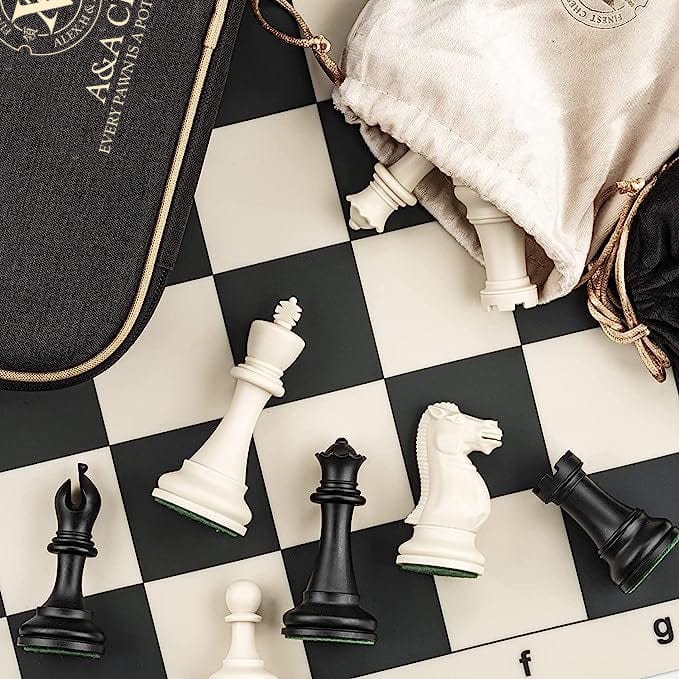
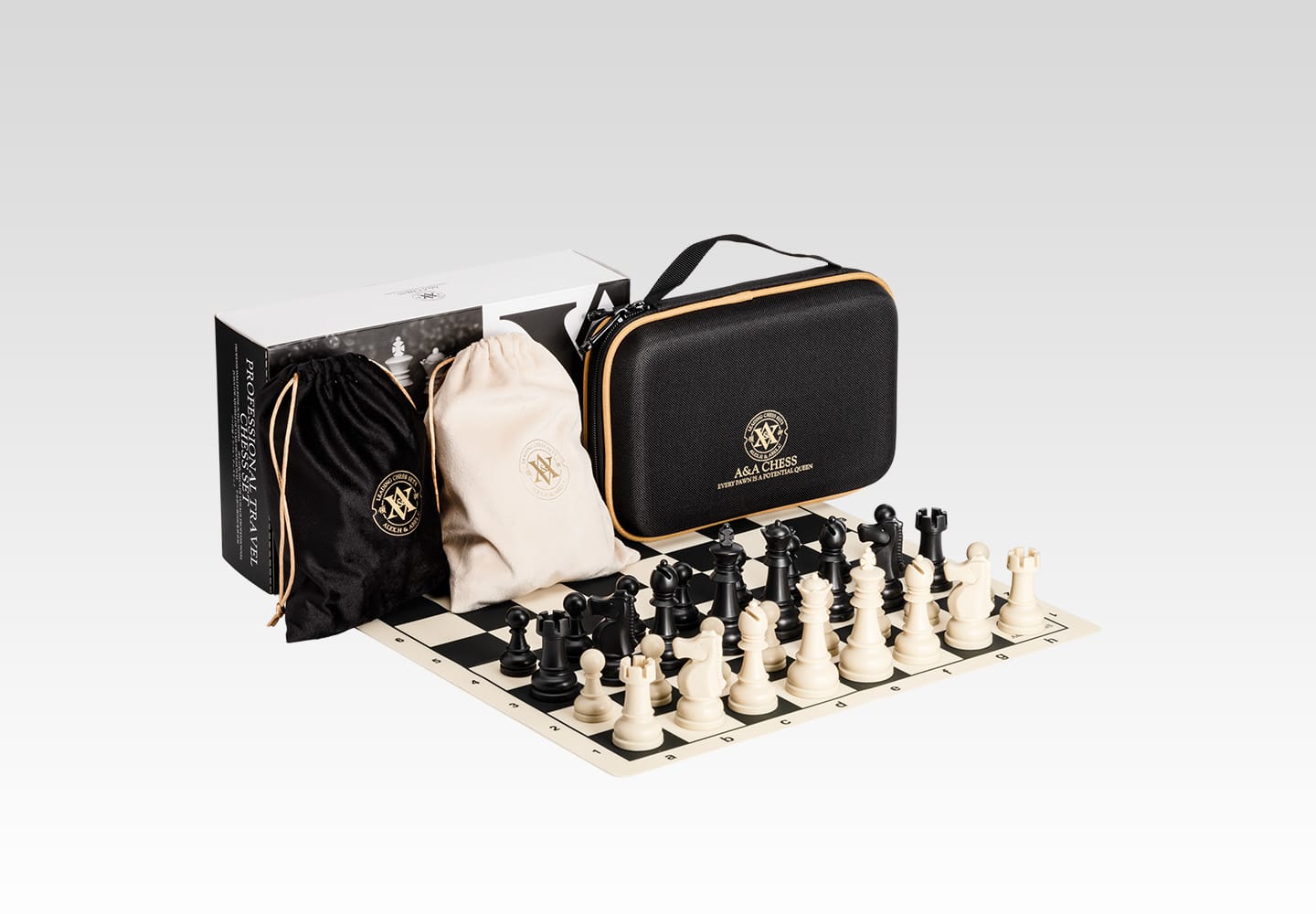
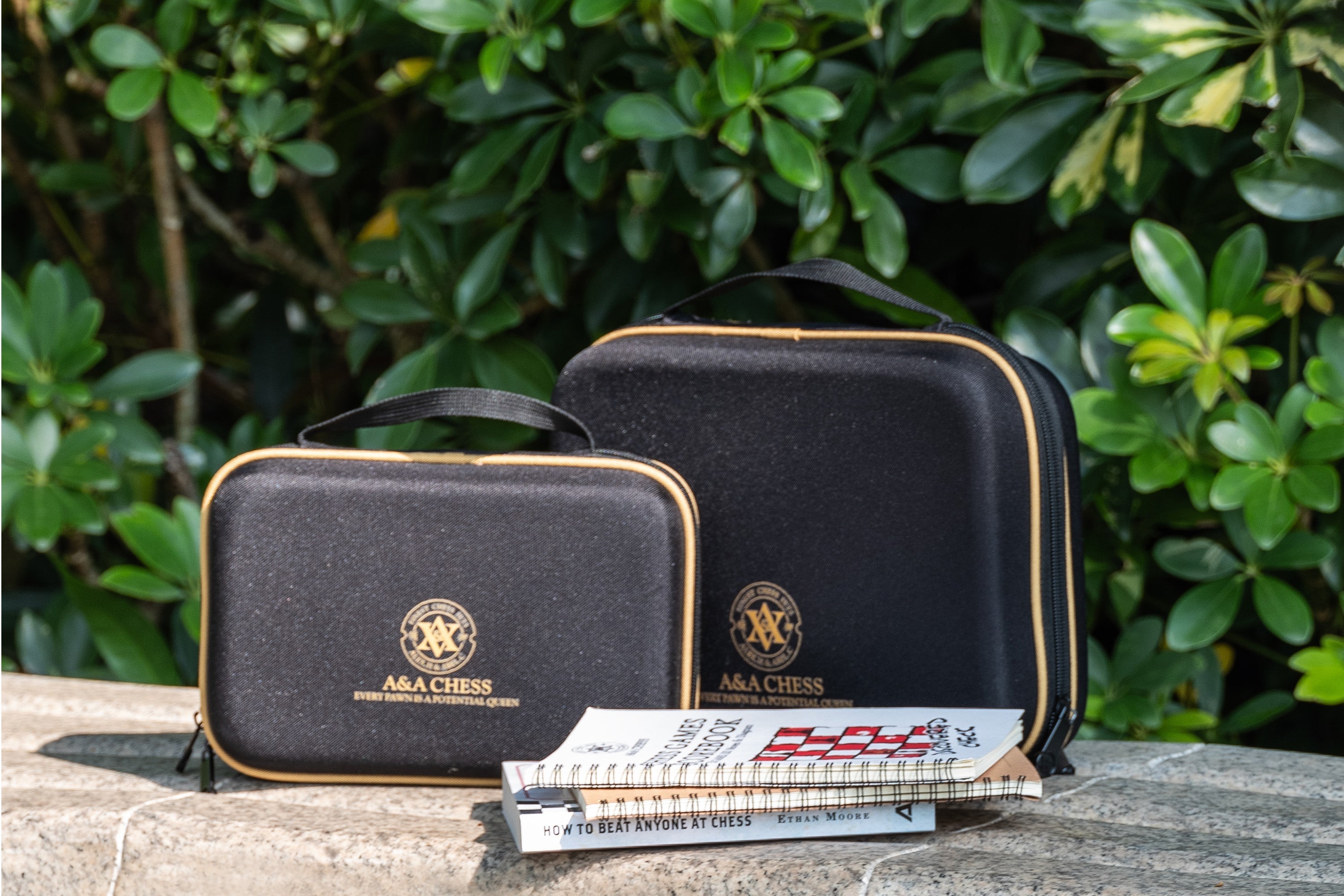
The A&A 20-inch Silicone and Plastic Traveling Chess Set includes a waterproof, crease-resistant silicone board, weighted Staunton-style pieces, extra queens, and portable storage. It is designed for indoor, outdoor, club, and travel use. (A&A CHESS)
This style of set is practical because:
-
The board can be rolled for transportation
-
The surface can be cleaned
-
Pieces are easy to recognize
-
The larger board supports comfortable play
-
Weighted pieces are more stable
-
Extra queens support pawn promotion
-
The equipment can be reused for tournaments
For smaller tables, the A&A 15-inch Silicone and Plastic Traveling Chess Set provides a more compact portable format and includes a storage case. (A&A CHESS)
Organizers planning larger or more structured events can also browse the Tournament Chess Sets collection.
Magnetic Sets for Cafés and Small Tables
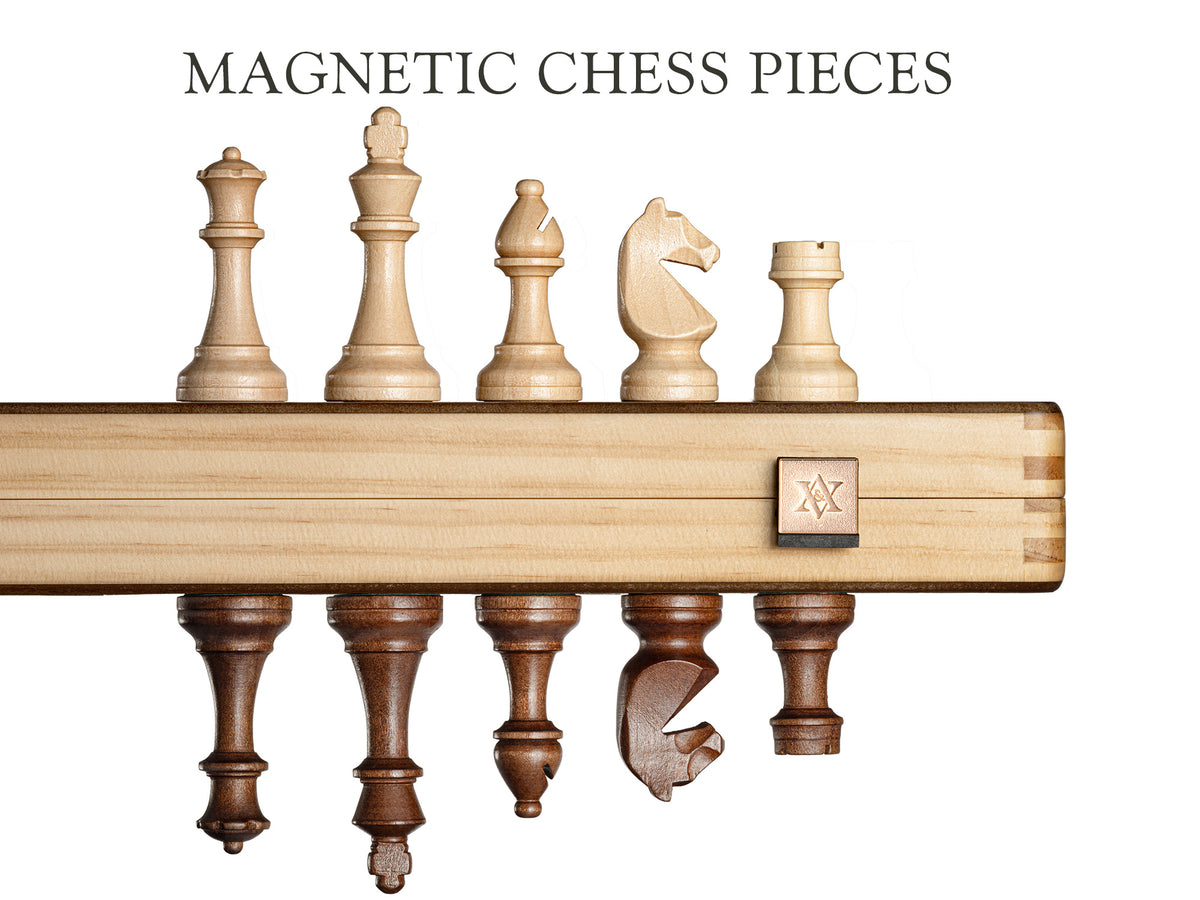
Magnetic chess pieces help protect a position when tables are bumped or moved.
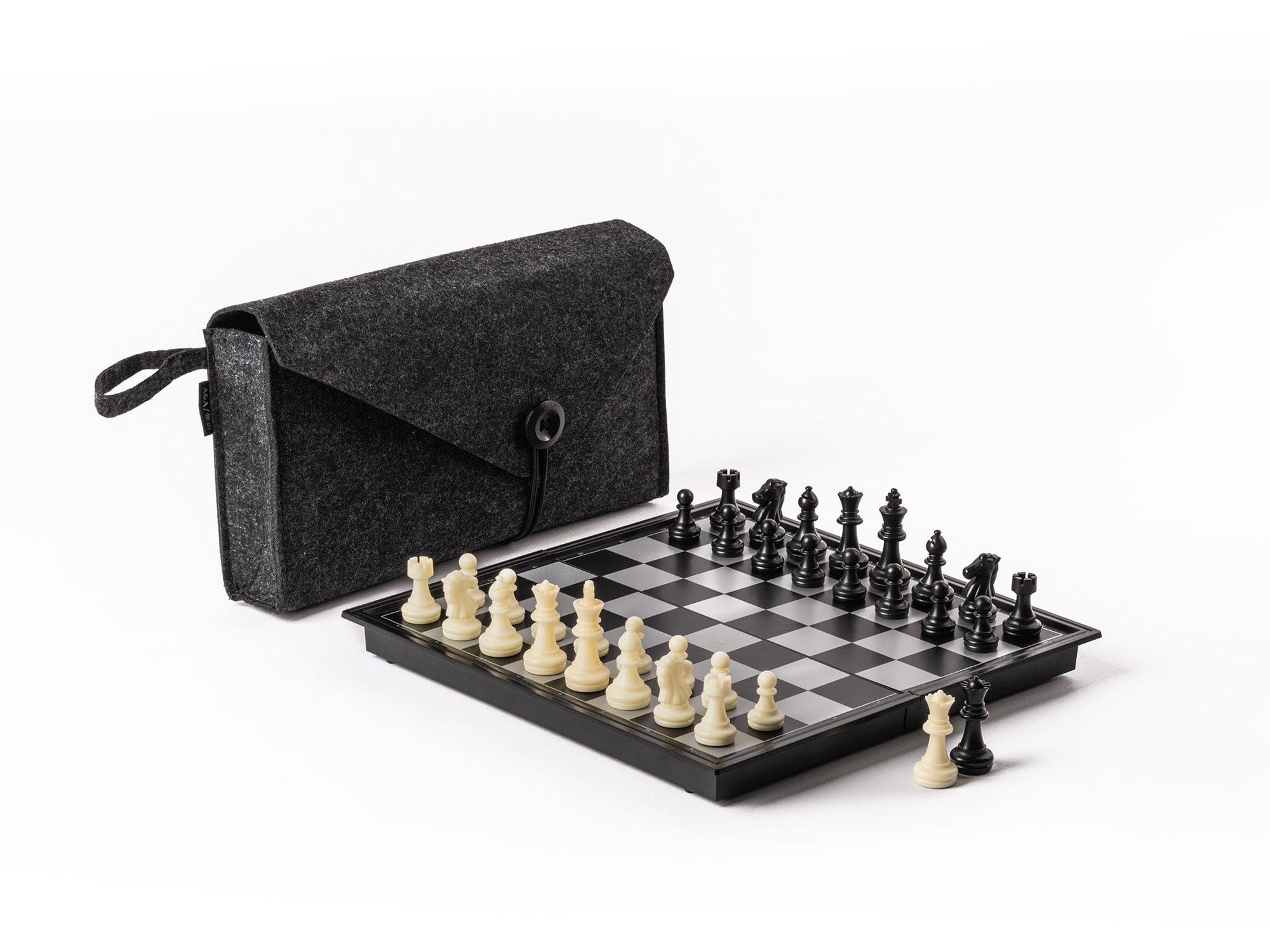
The A&A Durable Plastic Magnetic Folding Chess Set is available in compact sizes and includes folding storage and a protective case. (A&A CHESS)
Magnetic sets work well for:
-
Small café tables
-
Outdoor venues
-
Beginner teaching areas
-
Events with limited storage
-
Children’s activity tables
-
Mobile pop-up events
The A&A Beginner Chess Sets collection includes additional options suitable for new and casual players.
Wooden Sets for Featured Tables
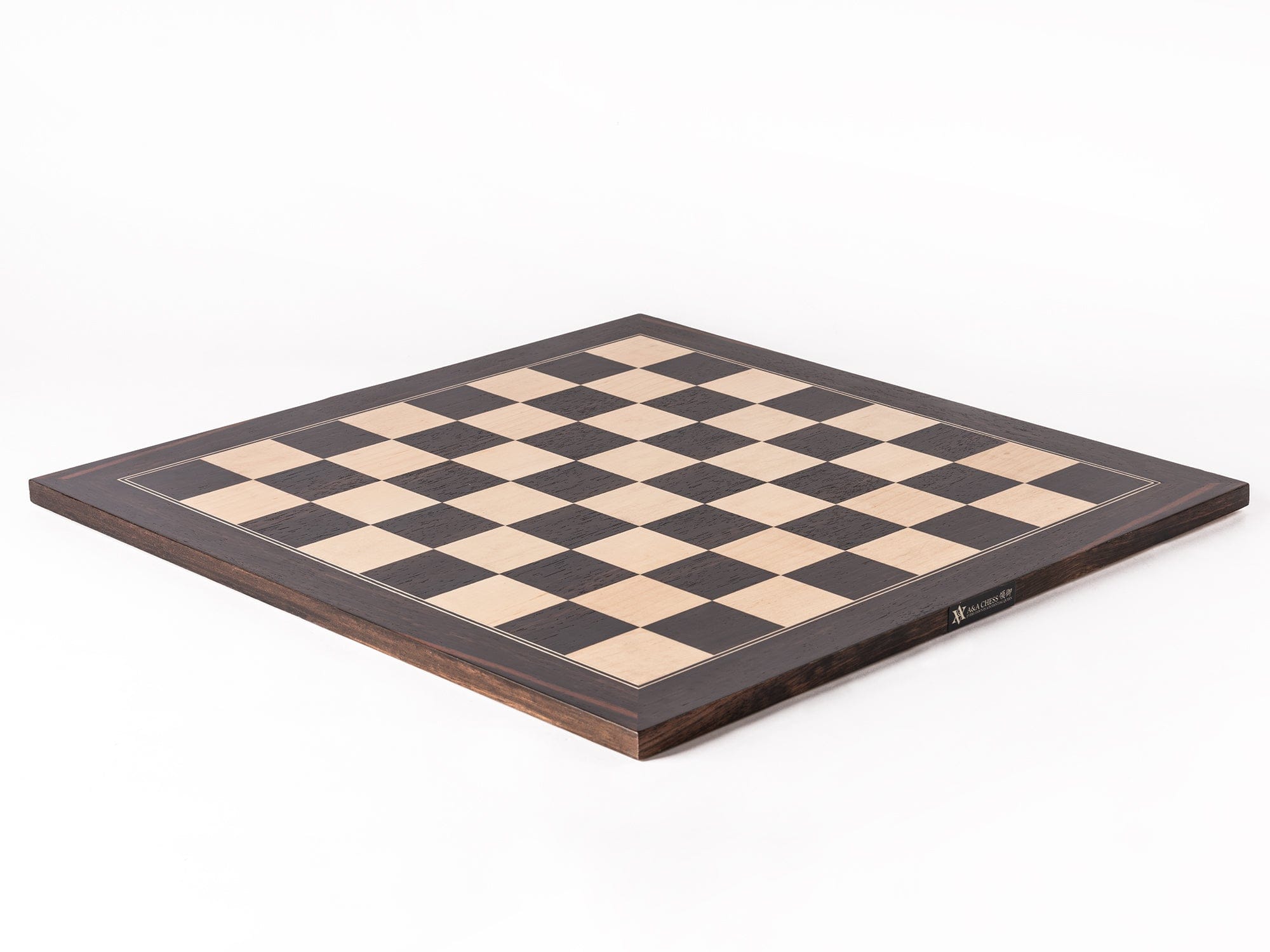
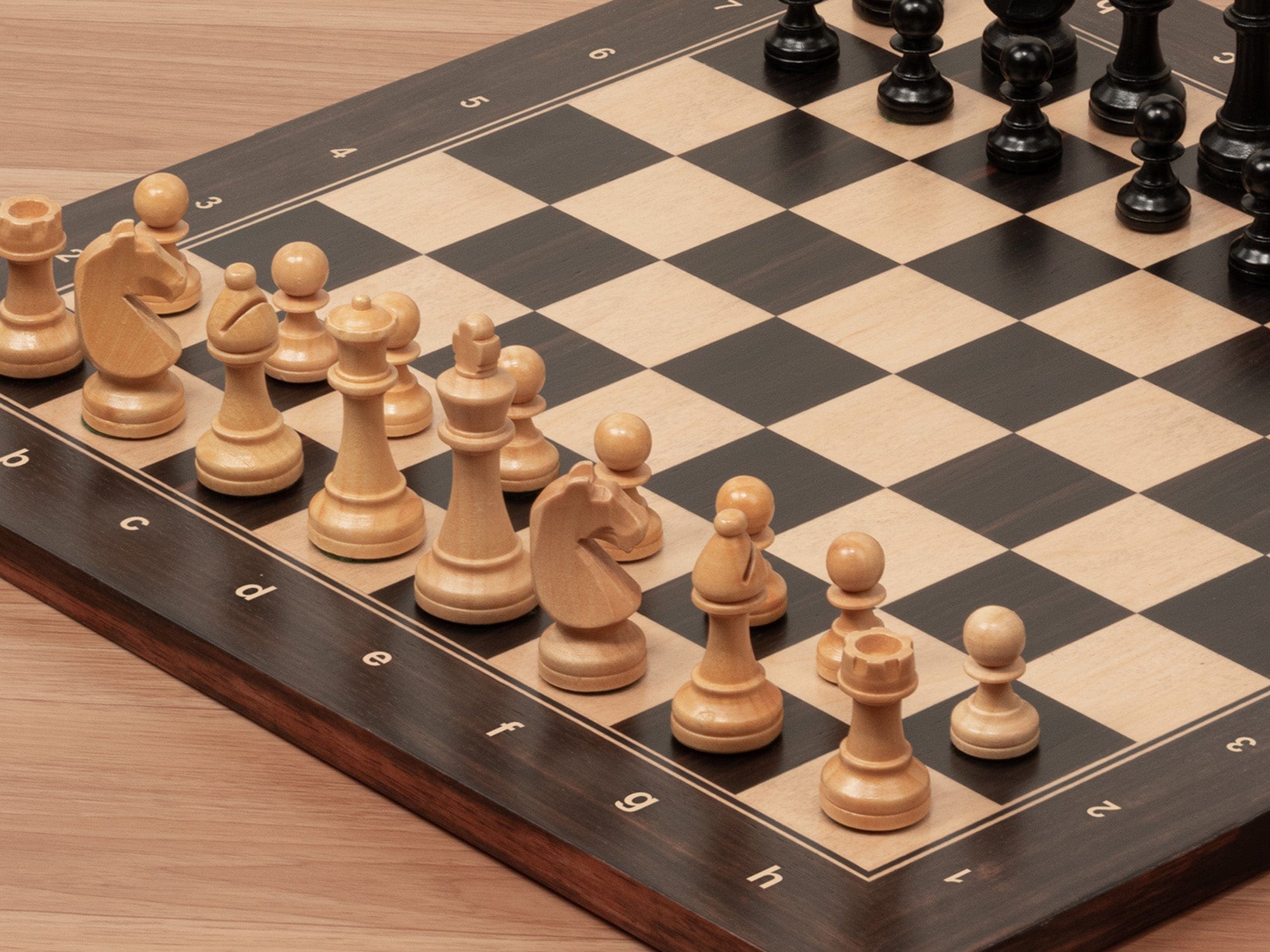
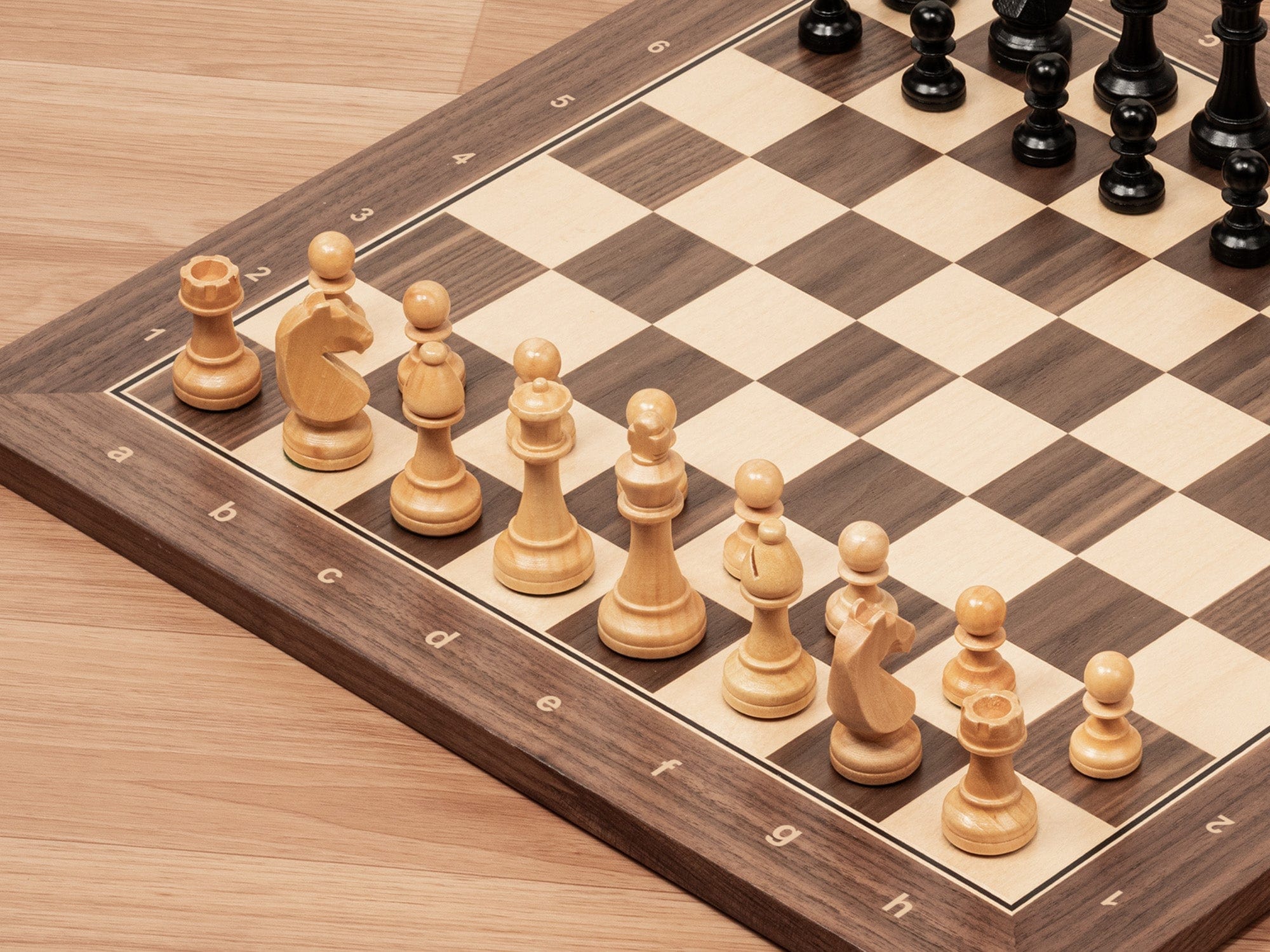
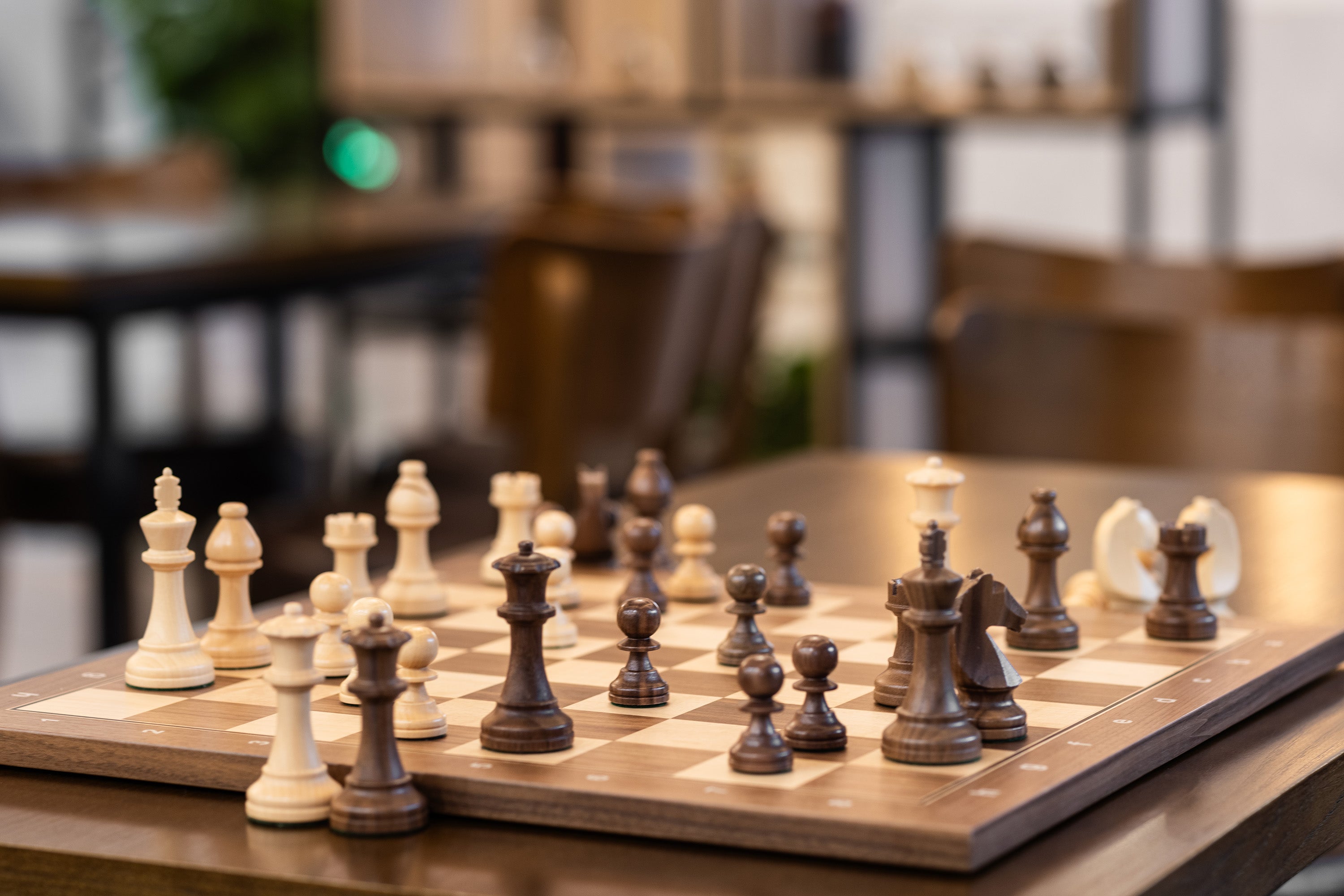
A premium wooden set can help create a visually distinctive main table.
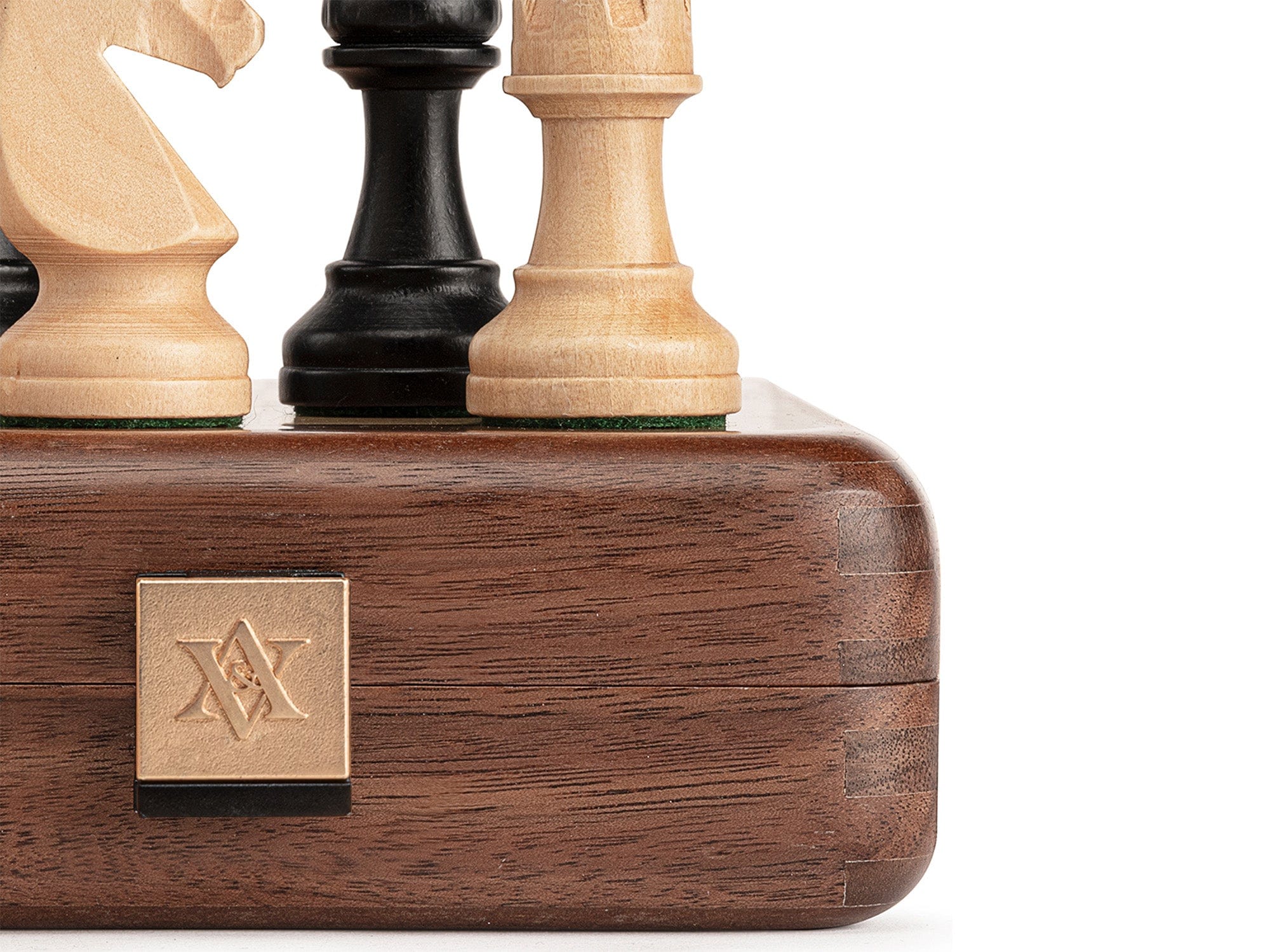
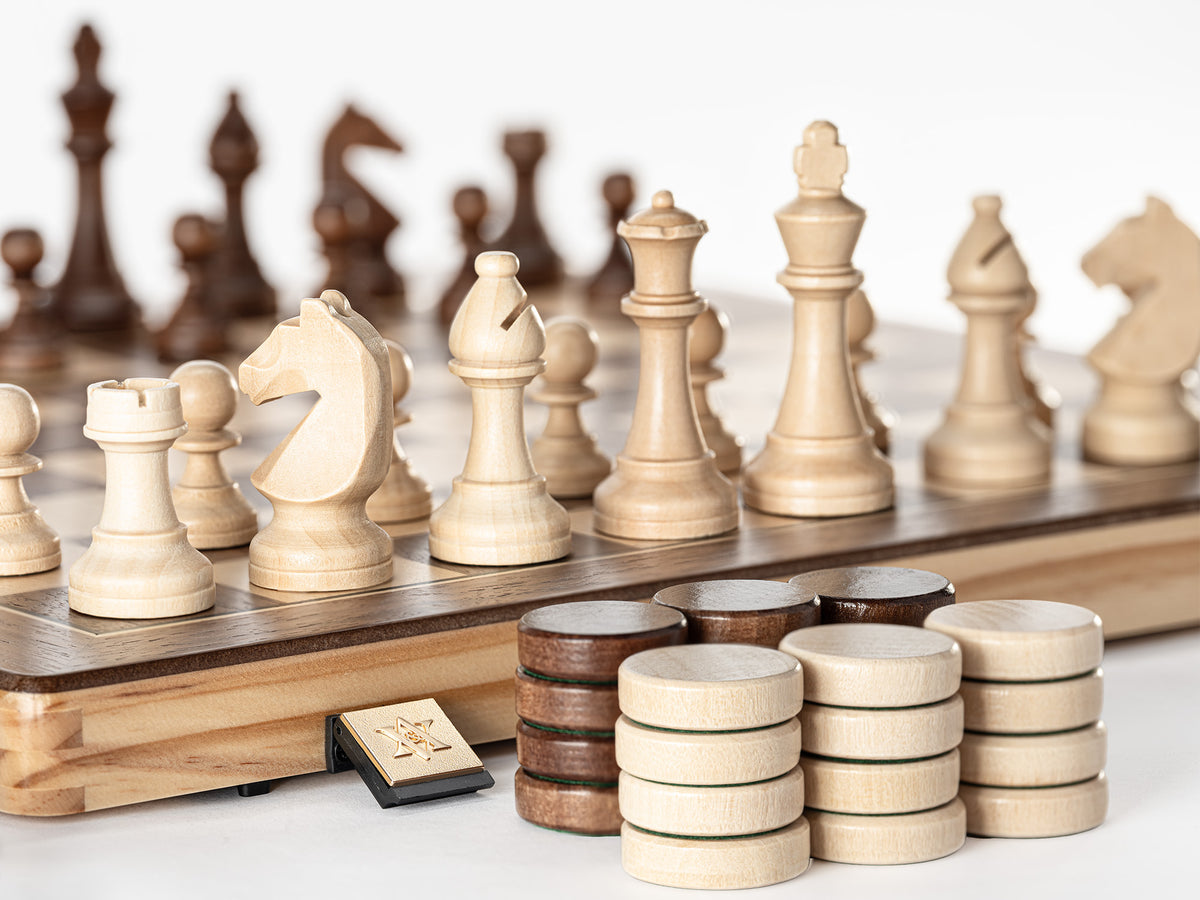
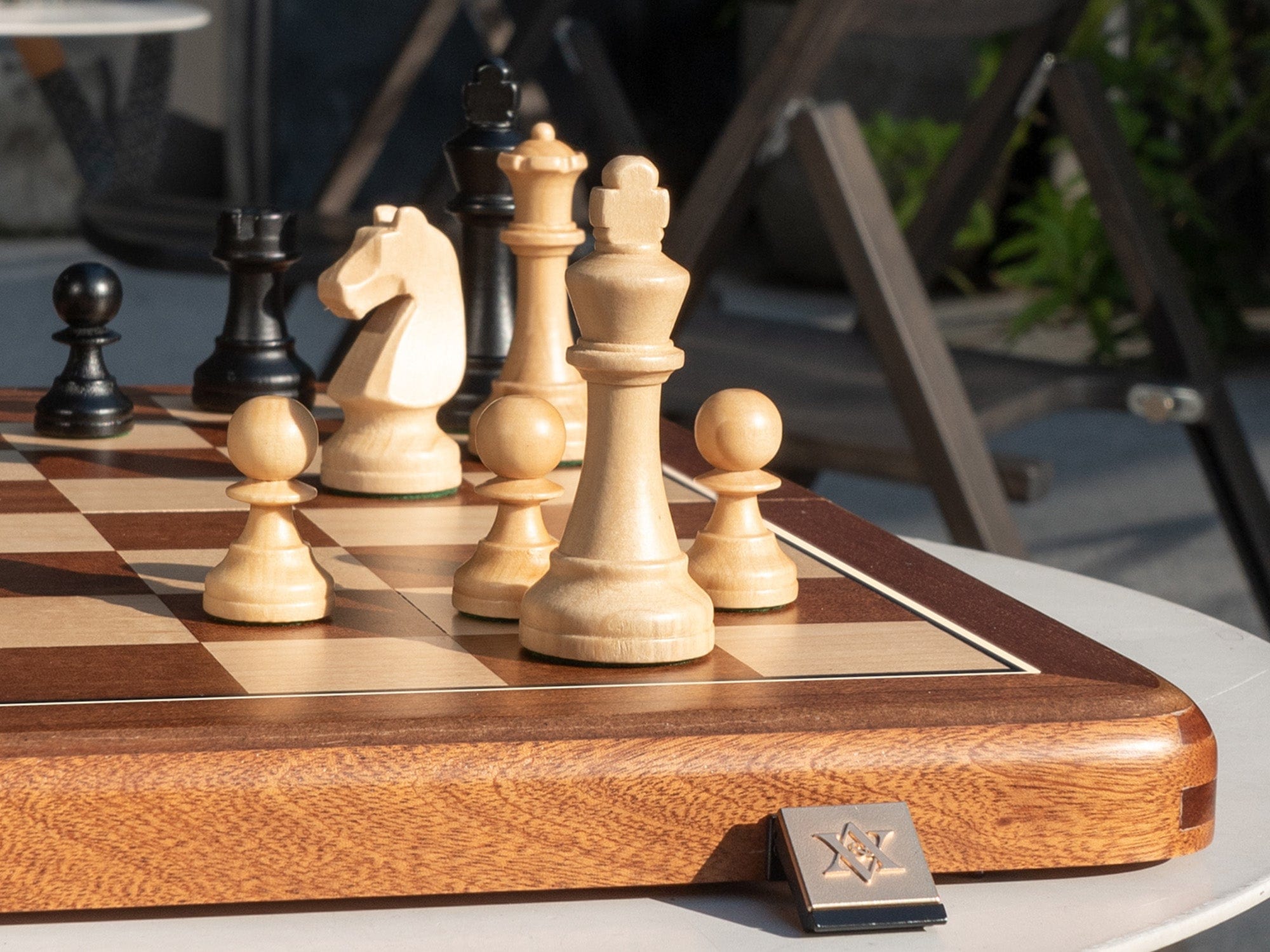
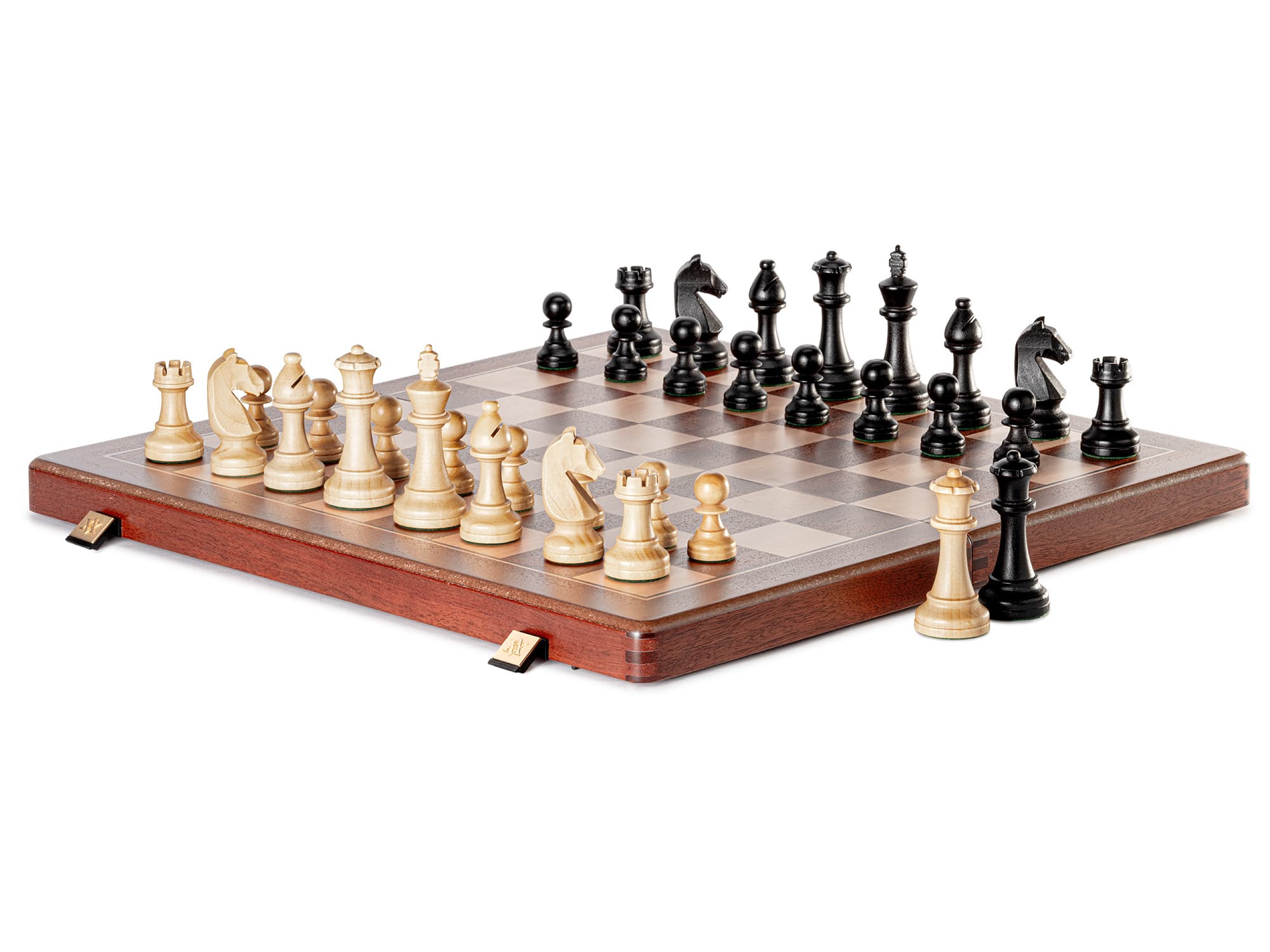
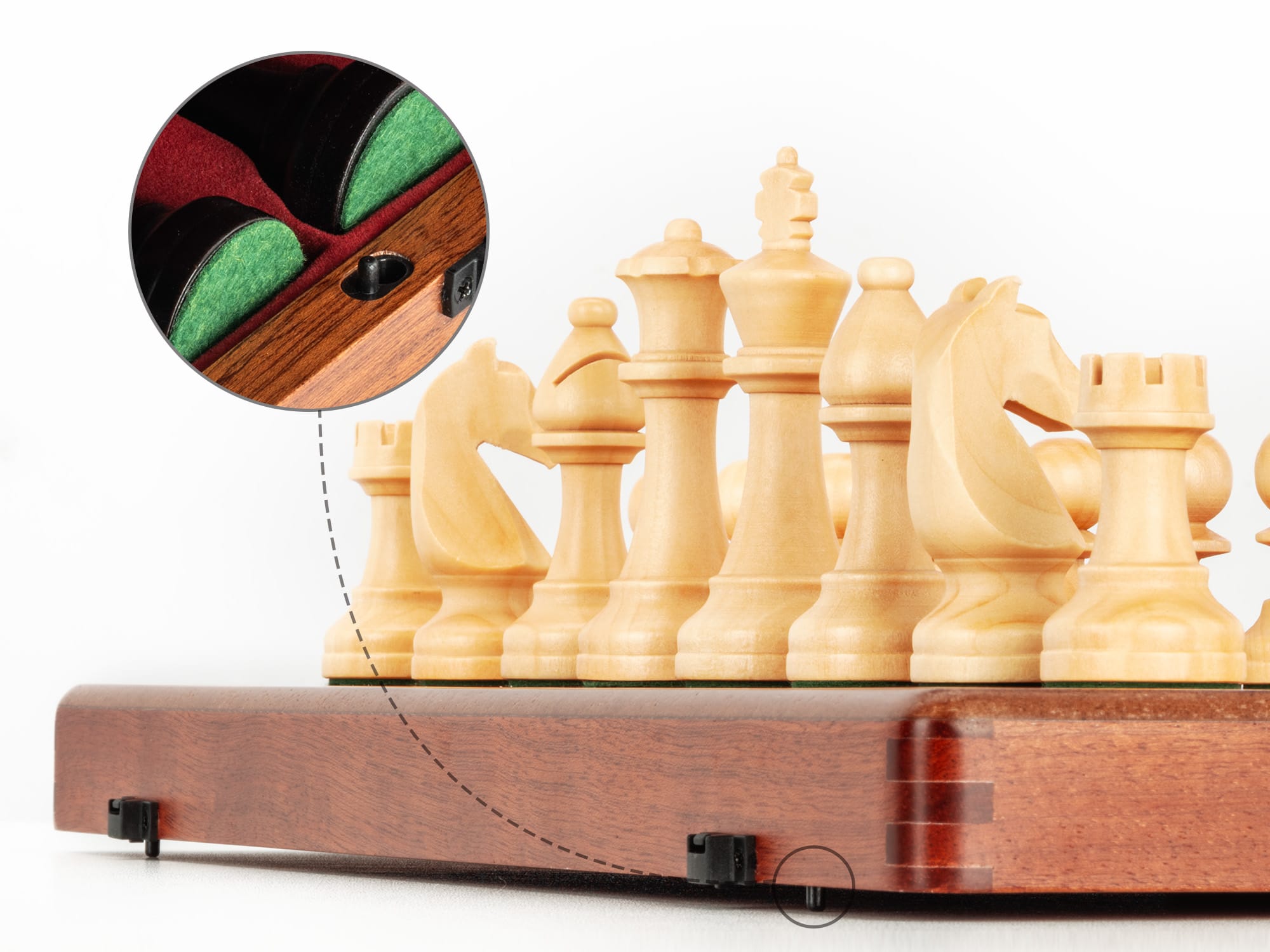
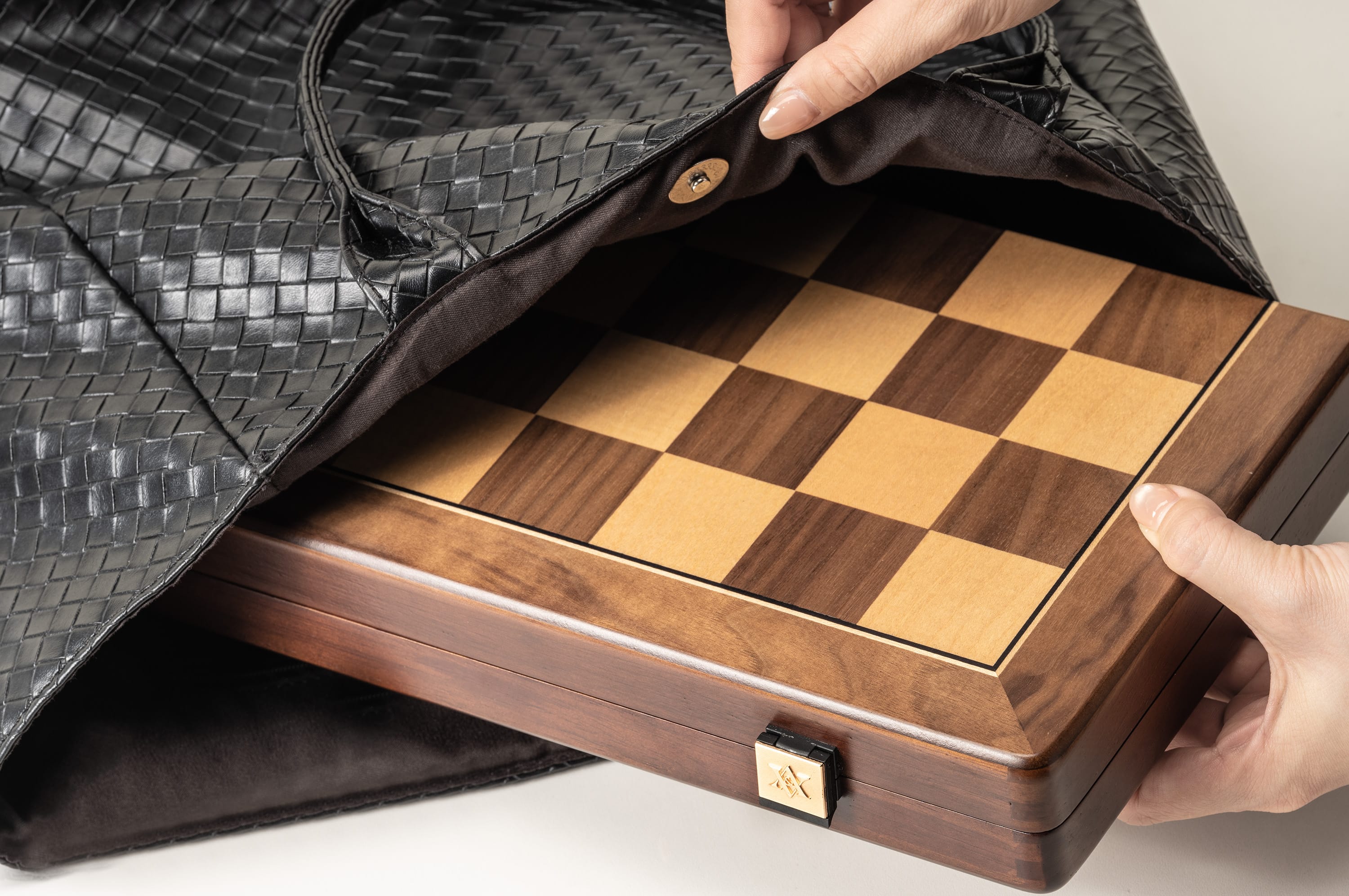
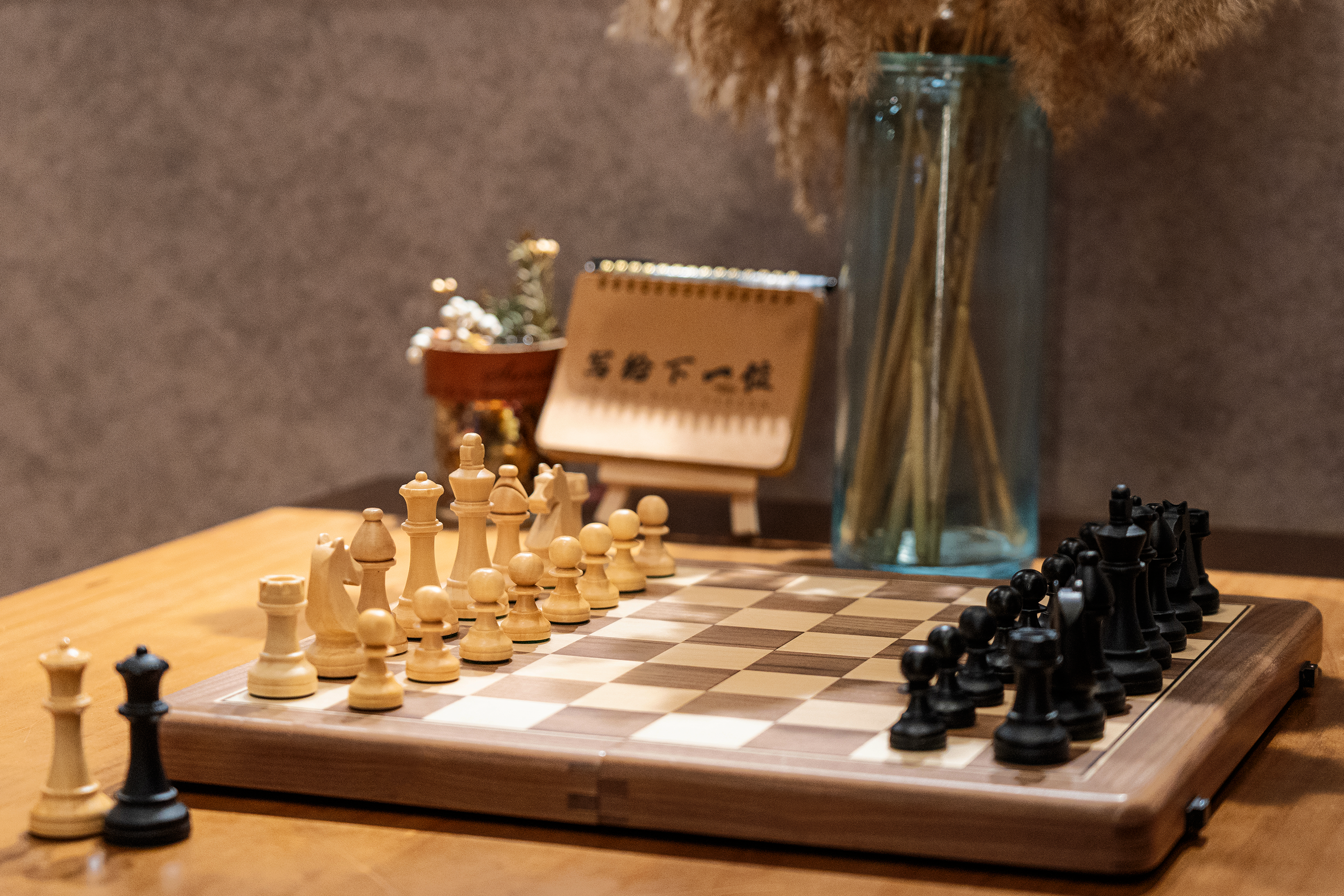
The A&A 15-inch Premium Walnut Wood Folding Chess Set combines a natural walnut appearance, Staunton-style wooden pieces, fitted velvet storage, and a folding design. (A&A CHESS)
Use a wooden board for:
-
The event’s featured table
-
Photography
-
A championship game
-
A guest-player exhibition
-
A hotel or luxury venue
-
A sponsor display
-
A date-night table
Most large events should still use durable silicone or plastic equipment for the majority of games.
Organizers looking for display-focused products can browse the Decorative Chess Sets collection.
Step 6: Create Different Playing Areas

Dividing the venue into simple zones makes the event easier to understand.
Beginner Zone
This area should include patient volunteers, basic instructions, and slower games.
Place a sign saying:
New to chess? Start here. No experience required.
Provide:
-
Beginner-friendly boards
-
Printed movement guides
-
Basic checkmate examples
-
Volunteers who enjoy teaching
-
Games without clocks
-
Short practice positions
Casual Play Zone
This is the main social area.
Players can choose their opponents, agree on a time control, and play without recording results.
Speed Chess Zone
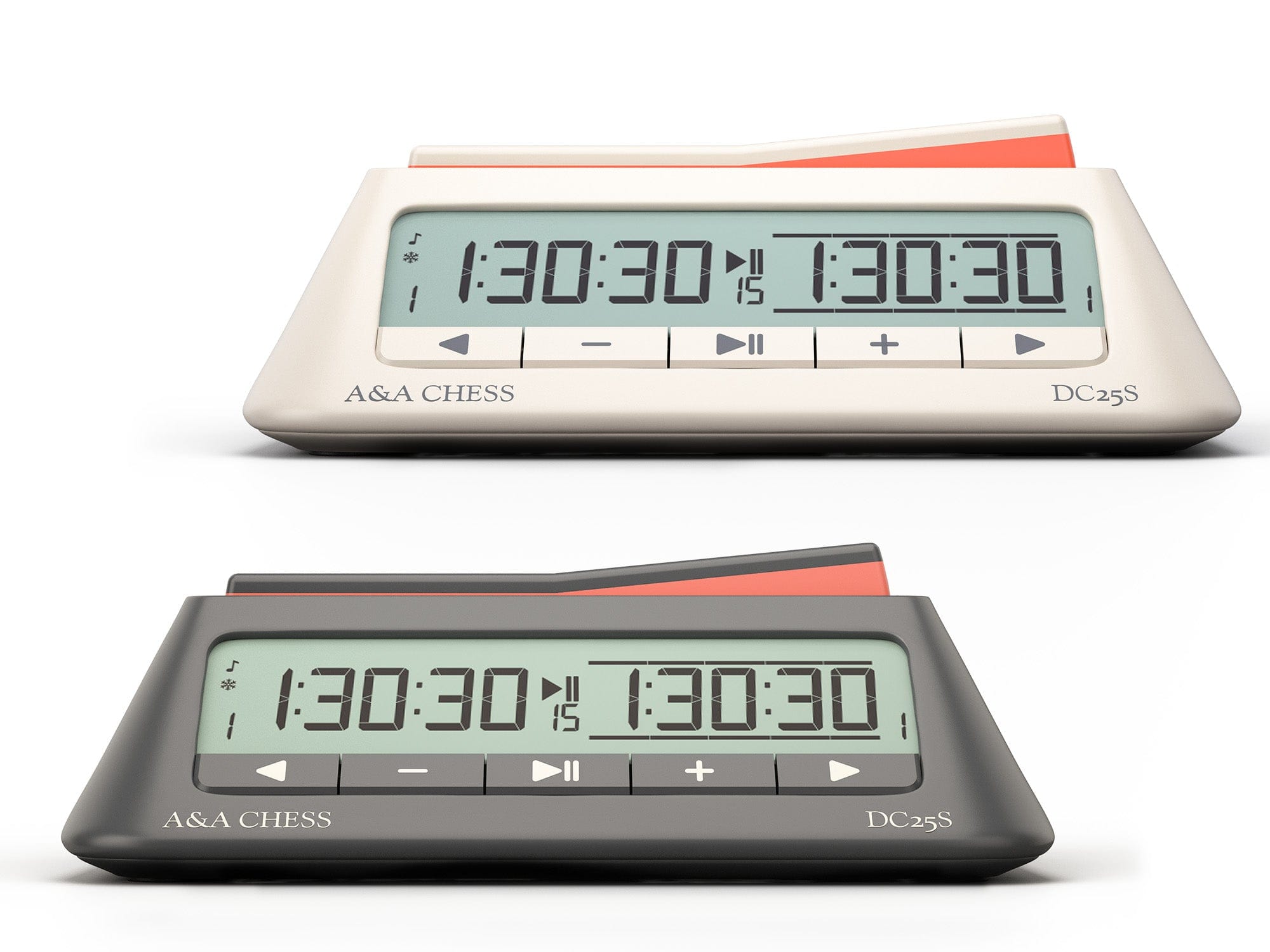
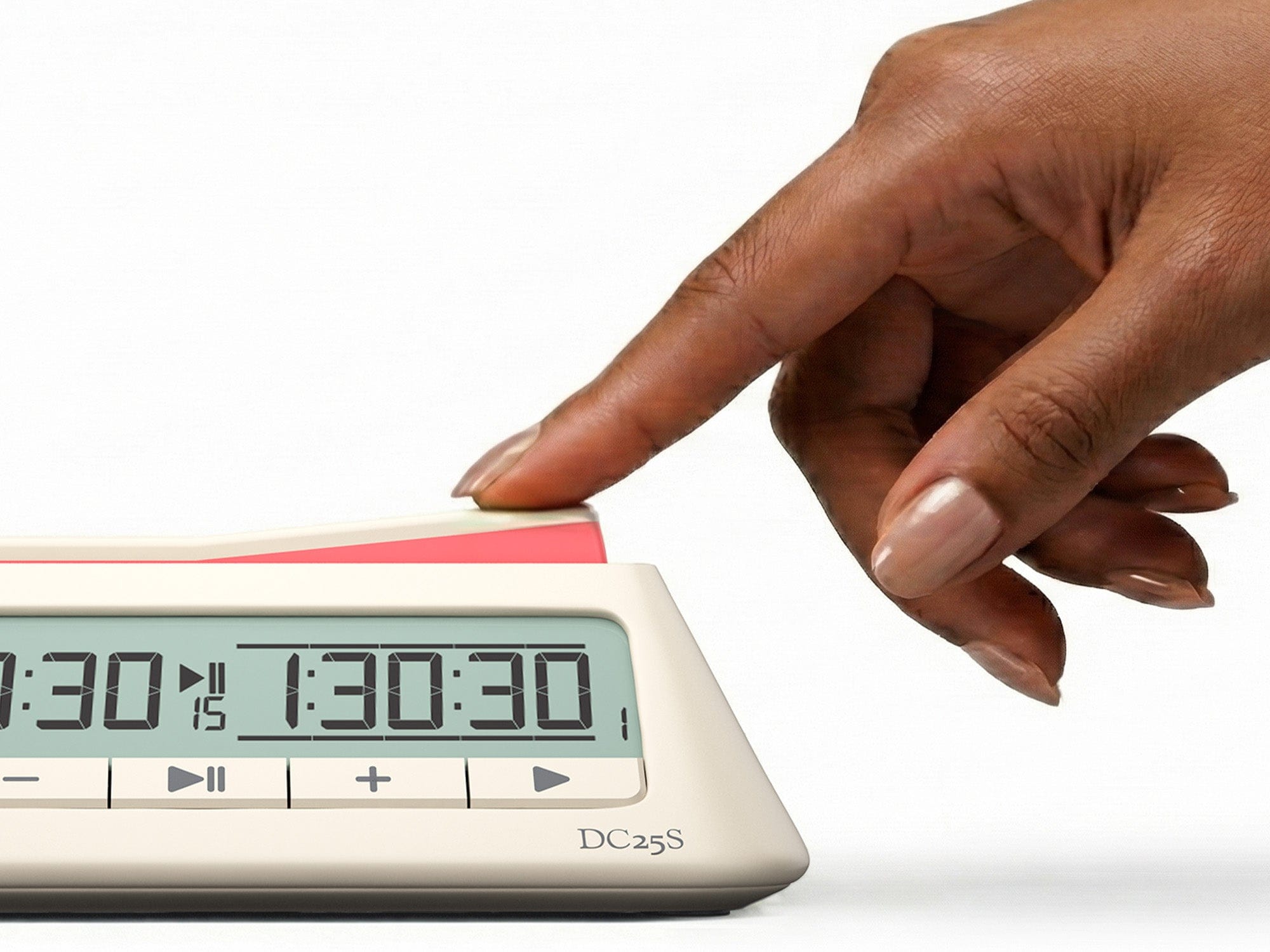
Use digital clocks for faster games.
The A&A Professional Digital Chess Clock includes preset timing modes for common formats such as Fischer increment and delay. (A&A CHESS)
Suitable casual formats include:
-
10 minutes per player
-
5 minutes plus 3 seconds per move
-
3 minutes plus 2 seconds per move
Avoid placing speed chess directly beside the beginner teaching area, as fast clock pressing and louder reactions may be distracting.
Challenge Table
Reserve one table for:
-
A local expert
-
The previous event winner
-
A guest coach
-
A simultaneous exhibition
-
A venue owner
-
A social-media challenge
A visible challenge table gives the event a central point of interest.
Step 7: Make Beginners Feel Welcome
Many people are interested in chess but avoid clubs because they believe they are not good enough.
Your event promotion should clearly say:
-
Complete beginners are welcome
-
No chess rating is required
-
Equipment is provided
-
Participants may come alone
-
Lessons are available
-
Casual games are encouraged
Avoid using only images of serious tournament players. Show a mixture of beginners, friends, couples, and different age groups.
At the event, give beginners an easy way to identify themselves.
You might provide:
-
Colored name stickers
-
“Learning” table signs
-
Beginner wristbands
-
Optional skill-level cards
-
Volunteer introductions
Possible player levels could be:
-
Learning the rules
-
Casual player
-
Regular player
-
Tournament player
These descriptions feel friendlier than labels such as weak, average, and strong.
New players can review the A&A CHESS Game Instructions before or after the event.
Step 8: Add Social Chess Activities
Standard games should remain the main activity, but a few variations can make the event more memorable.
Hand-and-Brain Chess
Two players form a team.
One player names the type of piece that must move, such as knight or pawn. The other player chooses the exact move.
This encourages teamwork and conversation.
Consultation Chess
Teams of two or three discuss every move.
Consultation chess works well when friends attend together or when experienced players are helping beginners.
Puzzle Table
Place several printed chess puzzles on a separate table.
Participants can solve them individually or in groups.
Offer a small prize for completing every puzzle.
Guess the Move
Display a position from an interesting game and ask participants to vote for the next move.
After everyone votes, reveal what happened.
Speed Chess Rotation
Players complete one fast game and then move to a different table.
This helps participants meet more people instead of staying with one opponent all evening.
Chess Bingo
Create cards containing challenges such as:
-
Play someone new
-
Win with a checkmate
-
Play a complete beginner
-
Use castling
-
Promote a pawn
-
Play a five-minute game
-
Solve a puzzle
-
Teach someone one rule
Chess bingo encourages interaction without making the event completely competitive.
Team Match
Divide the room into two teams.
Every player contributes one game result to the total score.
Team events create a shared objective and help guests feel part of the community.
Step 9: Use Music Without Distracting Players
Music can make a social chess night feel less formal, especially in a café, bar, or creative venue.
Choose music that supports conversation rather than dominating it.
Suitable styles may include:
-
Lo-fi
-
Jazz
-
Soul
-
Instrumental hip-hop
-
Electronic lounge music
-
Acoustic music
-
Light DJ sets
Keep the volume low enough for players to explain rules and speak across a table.
When using live DJs, place speakers away from the beginner and serious-game areas.
The purpose of music is to shape the atmosphere, not make calculation impossible.
Step 10: Offer Food and Drinks Carefully
Food and drinks can increase venue revenue and encourage guests to stay longer.
However, spilled drinks can damage boards, clocks, and wooden pieces.
Use a few simple rules:
-
Keep drinks to one side of the table
-
Use coasters
-
Avoid placing food directly beside the board
-
Clean tables before setting up equipment
-
Provide napkins
-
Keep premium wooden sets away from crowded food areas
-
Use washable silicone boards at high-traffic tables
Finger foods are easier to manage than meals requiring large plates.
The chess equipment should never block normal venue service.
Step 11: Organize a Casual Mini-Tournament
A mini-tournament can create excitement without turning the entire night into a formal competition.
Four-Round Social Swiss
Players complete four short games and face opponents with similar results.
Recommended time control:
-
5 minutes plus 3 seconds per move
-
10 minutes per player
Knockout Challenge
Players advance after winning, but eliminated participants return to casual play.
This format is easy for spectators to follow.
Beginner Championship
Reserve one tournament for players below an agreed experience level.
This prevents advanced players from winning every prize.
Team Tournament
Create teams based on:
-
Table number
-
Neighborhood
-
University
-
Company
-
Random color
-
Arrival time
Team competition can be more social than individual rankings.
Mystery Partner Tournament
Participants are randomly paired with a teammate. Both scores are combined.
This gives people an additional reason to meet someone new.
Awards do not need to be expensive.
Possible prizes include:
-
Free drinks
-
Venue vouchers
-
Event merchandise
-
Chess books
-
Discount codes
-
A small chess set
-
Priority entry to the next event
Also consider non-performance awards:
-
Best sportsmanship
-
Most creative game
-
Best beginner
-
Best teacher
-
Most social player
-
Puzzle champion
Step 12: Promote the Event
Good promotion should show the atmosphere rather than only the game.
Use photographs and videos featuring:
-
Groups talking
-
Different skill levels
-
Attractive boards
-
Food or drinks
-
Music
-
Beginner lessons
-
Smiling participants
-
The venue environment
Possible promotional channels include:
-
Instagram
-
TikTok
-
Local Facebook groups
-
Event platforms
-
University communities
-
Coworking newsletters
-
Café mailing lists
-
Community noticeboards
-
Local chess groups
-
WhatsApp or Discord communities
Example Event Description
Join us for a relaxed evening of chess, music, and conversation. All levels are welcome, including complete beginners. Chess sets are provided, and you can attend alone or bring a friend. Play casual games, join our beginner table, try a speed-chess challenge, and meet new people from the local community.
Useful event keywords include:
-
Social chess night
-
Chess meetup
-
Beginner-friendly chess
-
Community games night
-
After-work social
-
Screen-free social event
-
Casual chess tournament
-
Chess café night
Step 13: Create a Simple Check-In Process
Collect only the information you genuinely need.
A check-in form may ask for:
-
First name
-
Email address
-
Approximate chess level
-
Whether the participant wants a beginner lesson
-
Permission for event photography
-
Interest in future events
Provide name tags, especially when the event is designed for networking or friendship.
You may also add one conversation prompt to each name tag, such as:
-
Ask me about my favorite opening
-
Challenge me to a fast game
-
I am learning chess
-
I can teach beginners
-
I prefer slow games
-
I am looking for a rematch
These small prompts make interaction easier.
Step 14: Protect and Organize the Equipment
Number every chess set and storage bag.
For example:
-
Set 01
-
Set 02
-
Set 03
-
Clock 01
-
Clock 02
At the end of the event, confirm that each set contains 32 standard pieces and any included extra queens.
Assign one or two equipment volunteers to:
-
Set up boards
-
Replace missing pieces
-
Clean boards
-
Collect clocks
-
Check storage bags
-
Record damaged equipment
-
Pack sets correctly
A basic event kit should include:
-
Spare queens
-
Spare pawns
-
Cleaning cloths
-
Storage bags
-
Tape
-
Name tags
-
Pens
-
Printed rules
-
Charging equipment where required
-
Hand sanitizer
-
Table signs
Additional clocks, scorebooks, storage tools, and chess equipment are available through the A&A CHESS Accessories collection.
Step 15: Turn One Chess Night into a Community
The first event should lead naturally to the second.
Before guests leave, announce:
-
The next date
-
The venue
-
How to join the community group
-
Whether beginners can return
-
Upcoming tournaments
-
Volunteer opportunities
-
Special themes
A recurring schedule is easier to remember than changing dates.
Examples include:
-
Every Tuesday evening
-
The first Thursday of each month
-
Every second Sunday afternoon
-
The final Friday of each month
Create a communication channel using email, messaging apps, or social media.
Share:
-
Event photos
-
Puzzle challenges
-
Tournament results
-
Member introductions
-
Venue updates
-
New event dates
-
Beginner resources
Do not focus only on the strongest players. A social chess community survives when beginners and casual members also feel recognized.
Social Chess Night Equipment Checklist
Before the event, confirm that you have:
-
Enough chess sets
-
One or two spare boards
-
Extra pieces
-
Digital chess clocks
-
Storage bags
-
Beginner instruction sheets
-
Name tags
-
Pens
-
Table signs
-
Check-in form
-
Puzzle sheets
-
Tournament pairing sheet
-
Cleaning cloths
-
Venue contact details
-
Photography notice
-
Prizes or certificates
-
A plan for the next event
A&A CHESS organizes its product range into Beginner, Intermediate, Tournament, Decorative, Accessories, and New Products collections. (A&A CHESS)
Common Social Chess Night Mistakes
Making the Event Too Competitive
Ratings, rankings, and prizes can be exciting, but they should not dominate a social event.
Keep several boards available for casual games throughout the night.
Ignoring Beginners
Beginners who receive no support may leave after one visit.
Create a clearly marked beginner area and assign welcoming volunteers.
Playing Music Too Loudly
Participants should be able to talk comfortably and ask questions.
Using Too Few Chess Sets
Long waiting periods reduce engagement.
Prepare more boards than the minimum estimate whenever possible.
Failing to Introduce People
Do not assume everyone will start conversations independently.
Use hosts, name tags, rotating games, and team activities.
Choosing Fragile Equipment
A crowded event requires durable and easy-to-clean boards.
Reserve delicate wooden sets for controlled display or featured tables.
Not Announcing the Next Event
Guests may enjoy the evening but never return if they do not know when the group will meet again.
Allowing the Same Groups to Remain Separate
Friends may attend together and play only with one another.
Use rotations, team challenges, or bingo activities to encourage new connections.
Frequently Asked Questions
How many chess sets do I need for a chess night?
Prepare approximately one board for every two active players.
Because some guests may be talking or waiting, an event with 20 participants can usually begin with 10 to 12 boards.
Do participants need to know how to play chess?
No.
A well-designed social chess night should include a beginner table, simple instructions, and volunteers who can teach the basic rules.
What is the best chess set for a social event?
Silicone roll-up chess sets are practical for larger events because they are durable, portable, washable, and easy to store.
Magnetic folding sets work well on small café tables. Wooden sets are ideal for featured or decorative tables.
Should a social chess night use chess clocks?
Clocks are optional.
Use them for speed chess, tournaments, and advanced-player tables. Beginners and casual players should be allowed to play without time pressure.
Can a café make money from a chess event?
A chess night can bring customers during quieter periods and encourage longer visits.
The exact financial result depends on venue capacity, food and drink sales, entry fees, staffing, and local demand.
Should I charge an entry fee?
Free events are easier for first-time participants to try.
A small entry fee may be appropriate when the event includes venue rental, prizes, lessons, or reserved space. Explain clearly what the fee covers.
How long should a social chess night last?
Two to three hours is generally enough for several games and social interaction.
Regular guests can leave early or stay until the venue closes.
How can I help people attend alone?
State clearly that solo guests are welcome.
Use hosts, check-in introductions, name tags, rotating games, and beginner tables so that no participant needs to find a partner independently.
What time control is best for casual chess?
Ten minutes per player is simple and easy to understand.
Five minutes plus a three-second increment works well for more experienced players.
Can children attend a social chess night?
That depends on the venue, time, local rules, and event format.
Cafés, libraries, parks, and community centers can create family-friendly sessions. Bars and late-night venues may need age restrictions.
How often should the event take place?
Weekly or monthly schedules are both effective.
Choose a frequency the organizers and venue can maintain consistently.
How can I make the event visually attractive?
Use coordinated boards, clear signs, comfortable lighting, organized tables, a featured wooden chess set, and a simple photography area.
Avoid overcrowding the tables with decorations.
Final Thoughts
Social chess nights represent a modern use of a timeless game.
They offer something many people are looking for: an easy reason to leave the house, put away their phones, participate in a shared activity, and speak to someone new.
The strongest event is not necessarily the one with the best players or largest prize.
It is the event where a complete beginner feels comfortable sitting down, a person who arrived alone finds an opponent, and guests leave knowing they are welcome to return.
Start with a suitable venue, enough durable chess sets, a clearly marked beginner area, and one or two simple activities.
Keep the atmosphere relaxed. Encourage people to change opponents. Make competition optional, and announce the next event before the evening ends.
Explore A&A CHESS for silicone travel sets, magnetic folding boards, wooden chess sets, tournament equipment, digital chess clocks, and accessories for cafés, social clubs, community groups, universities, hotels, and modern chess events.


Leave a comment
This site is protected by hCaptcha and the hCaptcha Privacy Policy and Terms of Service apply.