









Introduction
Chess is often described as a game of logic, calculation, and strategy. While these elements are essential, they tell only part of the story. Anyone who has played competitive chess knows that emotions, focus, and psychological pressure influence decisions just as much as raw calculation ability.
Many games are not lost because a player failed to see a move, but because they lost concentration, panicked under time pressure, or played emotionally after a mistake. Conversely, strong players often win inferior positions simply by staying calm, focused, and resilient while their opponents collapse mentally.
This article explores the psychological side of chess. We will examine how focus works, why tilt occurs, how pressure affects decision-making, and what strong players do to maintain mental stability. Understanding these psychological factors is essential for consistent improvement and long-term enjoyment of the game.
Why Psychology Matters in Chess
Chess places unusual demands on the human mind. Unlike many sports, there are no teammates, no external cues, and no breaks during critical moments. Once a game begins, you are alone with your thoughts for hours.
Psychology matters in chess because:
· Decisions must be made continuously
· Mistakes are permanent
· Pressure increases as the game progresses
· Fatigue accumulates silently
Even players with excellent theoretical knowledge can underperform if their mental state deteriorates. Strong players learn to manage not only positions on the board, but also their internal state.

Focus: The Foundation of Good Play
What Is Focus in Chess?
Focus in chess is the ability to direct attention to the most relevant aspects of the position while ignoring distractions. This includes:
· Opponent threats
· Critical tactical motifs
· Strategic priorities
· Time management
Loss of focus often leads to simple blunders, even in otherwise winning positions.
Why Focus Breaks Down
Focus breaks down for several common reasons:
· Fatigue from long games or tournaments
· Emotional reactions to mistakes
· Overconfidence in winning positions
· External distractions
Strong players recognize these risks and actively protect their focus throughout the game.

Tilt: The Silent Rating Killer
What Is Tilt?
Tilt is a psychological state where emotions override rational thinking. It often occurs after a mistake, a loss, or a frustrating series of results. On tilt, players rush decisions, ignore plans, and repeat errors.
Tilt is not limited to online chess, but online environments amplify it due to rapid games and immediate rematches.
Common Triggers of Tilt
· Blundering a winning position
· Losing to a lower-rated opponent
· Time trouble panic
· Long losing streaks
Recognizing your personal tilt triggers is the first step toward controlling them.
How Strong Players Avoid Tilt
Strong players treat each game as an independent event. They do not carry emotional baggage from previous games into the next one. After a loss, they pause, reset, and regain emotional neutrality before continuing.
Simple techniques include:
· Taking short breaks between games
· Standing up and moving physically
· Writing down one objective observation about the loss
Decision-Making Under Pressure
Why Pressure Distorts Thinking
Under pressure, the brain shifts from deliberate reasoning to instinctive reactions. This is useful for survival, but harmful for chess. Players may:
· Rush moves
· Fixate on one idea
· Ignore opponent threats
· Overcalculate trivial lines
Pressure increases during time trouble, complex positions, and emotionally charged moments.
Strong Players’ Approach to Pressure
Strong players simplify decisions under pressure. Instead of calculating everything, they:
· Identify the most forcing moves
· Reduce candidate moves
· Rely on positional principles
This structured approach prevents mental overload.

Time Pressure and Psychological Stress
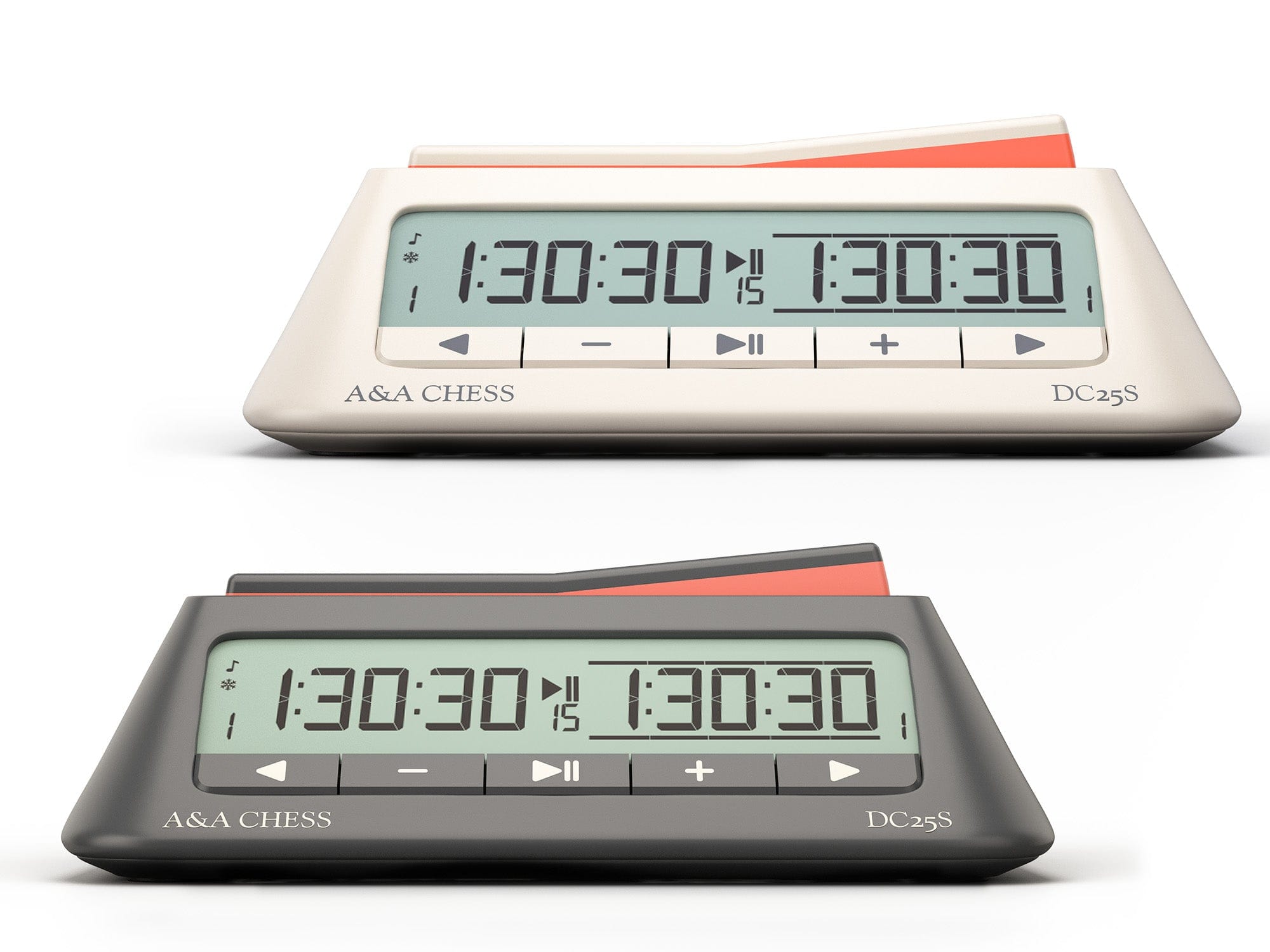
Time pressure is one of the most intense psychological stressors in chess. Many otherwise strong positions collapse simply because a player cannot manage the clock.
Strong players:
· Allocate time based on position complexity
· Avoid deep calculation in quiet positions
· Make quick, safe moves when necessary
Importantly, they accept that not every move must be perfect. Psychological acceptance of imperfection reduces panic.
Emotional Control After Mistakes
Mistakes are inevitable. What separates strong players from others is not the absence of mistakes, but their reaction to them.
After making a mistake, weaker players often:
· Mentally give up
· Try to force complications
· Play too aggressively or passively
Strong players acknowledge the mistake, reassess the position, and continue playing objectively. Many games are saved—or even won—after an early error simply because one player handles the situation better mentally.
Confidence vs Overconfidence
Confidence allows players to trust their judgment and play decisively. Overconfidence leads to carelessness.
Strong players maintain conditional confidence:
· Confidence in their process
· Humility toward the position
They respect their opponent regardless of rating and remain vigilant even in winning positions.

Psychological Preparation Before the Game
Mental preparation begins before the first move. Strong players establish routines to enter games calmly and focused.
Common preparation habits include:
· Brief breathing exercises
· Reviewing opening principles, not lines
· Setting process goals instead of result goals
For example, focusing on “checking opponent threats every move” is more productive than “winning the game.”
In-Game Mental Checklists
Many strong players use simple mental checklists to stay grounded during games:
· What is my opponent threatening?
· Which piece is least active?
· Is my king safe?
· Is there a simple improving move?
These questions anchor attention and prevent emotional drift.
Psychological Endurance in Long Games
Classical chess tests mental endurance as much as skill. Fatigue reduces calculation accuracy and emotional control.
Strong players:
· Maintain steady energy levels
· Stay hydrated
· Accept temporary discomfort
They avoid forcing decisions when tired and instead rely on solid principles.
The Role of Confidence in Practical Play
Confidence affects how risks are evaluated. A confident player chooses plans assertively, while an insecure player hesitates or chooses inferior safe moves.
Confidence grows through:
· Consistent analysis
· Familiar positions
· Clear thinking routines
It is built over time, not through positive thinking alone.
How Psychology Affects Improvement
Psychology also influences training. Players who react emotionally to losses may avoid analysis or jump between study methods. Strong improvers approach setbacks analytically rather than emotionally.
They ask:
· What failed?
· Why did it fail?
· What can I change?
This mindset turns frustration into progress.
Practical Psychological Training Methods
Improving psychological strength requires deliberate practice:
· Play longer time controls
· Analyze emotional reactions after games
· Practice stopping after losses
· Set non-rating-based goals
Mental training, like chess training, improves with repetition.
Common Psychological Myths in Chess
Myth 1: Strong players never get nervous.
They do—but they manage it.
Myth 2: Confidence means believing you will win.
Confidence means trusting your process.
Myth 3: Psychology matters only at high levels.
It matters at every level.

Conclusion
Chess is a psychological battle as much as a technical one. Focus, emotional control, and decision-making under pressure determine the outcome of countless games. By understanding tilt, managing stress, and developing strong mental habits, players gain a significant competitive edge.
Strong chess psychology does not eliminate mistakes—it ensures that mistakes do not control the rest of the game. Over time, mastering the mental side of chess leads to more consistent performance, greater enjoyment, and steady improvement.




Leave a comment
This site is protected by hCaptcha and the hCaptcha Privacy Policy and Terms of Service apply.