









Introduction
Many chess games are not decided by superior tactics or deeper strategy, but by the clock. A player may reach a winning position, only to blunder under time pressure. Another may consistently lose equal games simply because they panic when the clock drops below a certain threshold.
Time management is one of the most underrated chess skills. Unlike openings or tactics, it is rarely taught explicitly, yet it has a massive impact on results at every level. Good time management allows players to think clearly when it matters most, while poor time management turns even strong positions into liabilities.
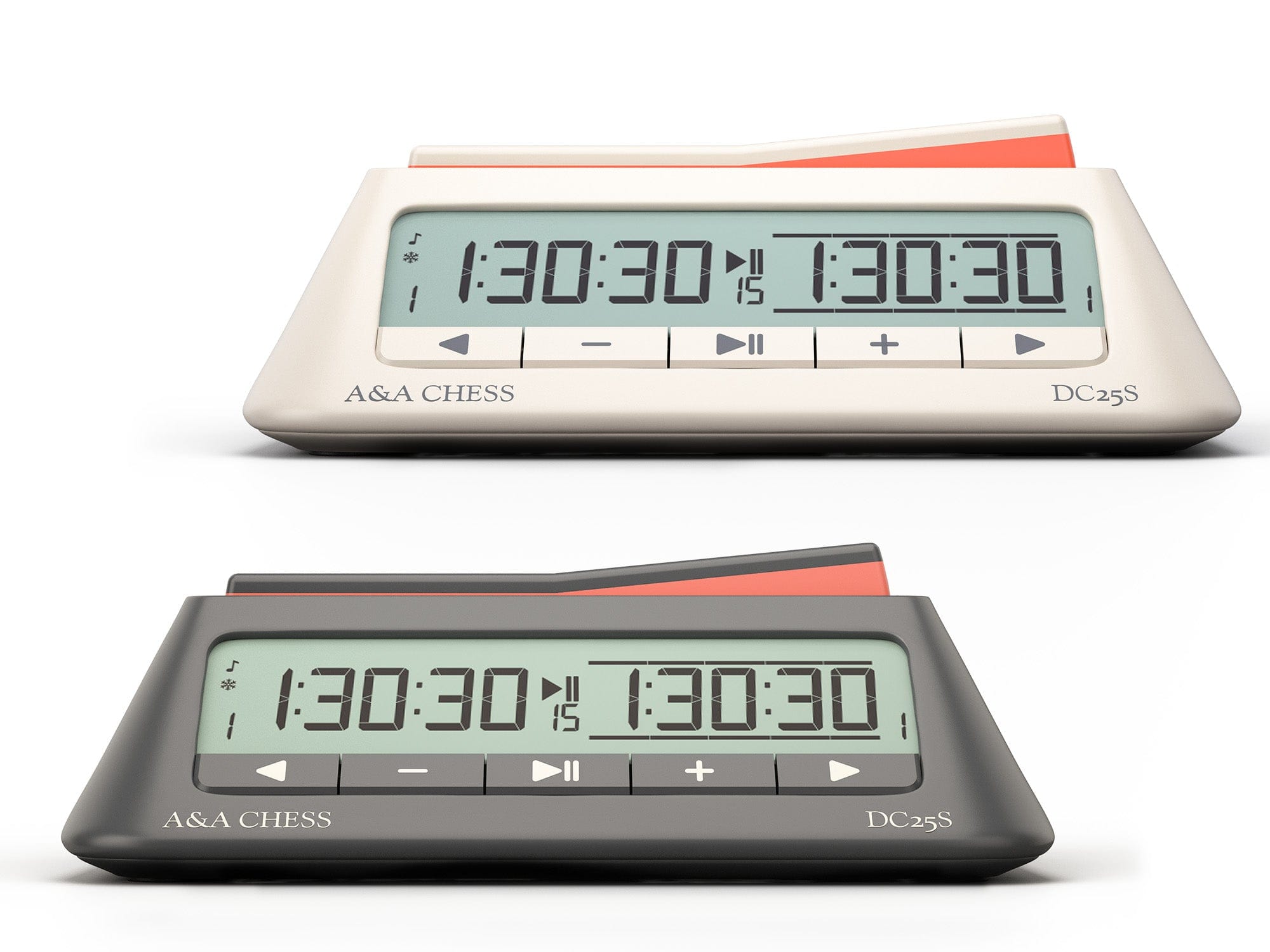
In this article, we will explore time management in chess across different time controls—blitz, rapid, and classical. You will learn how strong players allocate time, how decision-making changes under different clocks, and what practical habits can dramatically reduce time trouble.
Why Time Management Is a Core Chess Skill
Chess clocks impose artificial pressure that shapes decision-making. Two players with equal chess knowledge can have very different results based on how they manage time.
Time management matters because:
· Calculation accuracy drops under pressure
· Poor clock use leads to rushed decisions
· Psychological stress increases as time decreases
· Late-game mistakes often stem from earlier time misuse
Strong players understand that time is a resource, just like material or space. Spending it wisely is a skill that can be trained.
The Relationship Between Position Complexity and Time
Not all positions deserve the same amount of time. One of the most common mistakes is spending too much time on simple positions and too little on critical ones.
Strong players adjust time usage based on:
· Tactical complexity
· Strategic importance
· Irreversibility of decisions
For example:
· Quiet developing moves require little time
· Tactical crossroads deserve deep calculation
· Pawn structure changes justify extra thought
Learning to identify critical moments is the foundation of good time management.

Time Management in Blitz Chess
What Makes Blitz Unique
Blitz chess (typically 3–5 minutes per side) prioritizes speed and intuition over deep calculation. Decisions must be made quickly, often under constant time pressure.
In blitz:
· Perfect moves are less important than playable moves
· Intuition matters more than precision
· Psychological resilience is critical
Common Blitz Time Mistakes
· Spending too long early in the game
· Overcalculating non-forcing positions
· Playing emotionally after a mistake
Many blitz players lose on time not because they lack skill, but because they hesitate too often.
Strong Blitz Habits
Strong blitz players:
· Play openings they know well
· Rely on pattern recognition
· Make “good enough” moves quickly
· Avoid deep calculation unless forced
A key principle is momentum. Keeping the clock moving maintains psychological pressure on the opponent.
Time Management in Rapid Chess
Why Rapid Is the Most Educational Format
Rapid chess (10–30 minutes per side) balances calculation and intuition. It allows for deeper thinking than blitz, but still punishes inefficient time use.
Rapid is ideal for improvement because:
· Mistakes are easier to analyze
· Time pressure still exists
· Strategic planning is possible
Typical Rapid Time Problems
· Spending too much time on openings
· Overthinking simple positions
· Entering time trouble in endgames
Many players reach move 20 with half their time gone due to unnecessary early calculation.
Strong Rapid Time Strategy
Strong rapid players:
· Play opening moves confidently
· Save time for middlegame decisions
· Enter endgames with sufficient time
A practical guideline is to aim to have at least 30–40% of your time remaining after the opening phase.

Time Management in Classical Chess
The Mental Challenge of Long Games
Classical chess (60 minutes or more per side) demands sustained concentration and endurance. Time pressure is delayed, but mistakes accumulate silently.
In classical games:
· Fatigue becomes a factor
· Psychological swings are common
· Time trouble often appears late
Players who mismanage time early often pay the price hours later.
Common Classical Mistakes
· Spending excessive time on the opening
· Overanalyzing early middlegame positions
· Failing to budget time for the endgame
Strong players plan their time usage across the entire game, not just move by move.
Classical Time Budgeting
A simple classical time budget might look like:
|
Game Phase |
Time Allocation |
|
Opening |
15–20% |
|
Middlegame |
50–60% |
|
Endgame |
20–30% |
This is not rigid, but it provides a useful framework.

Identifying Critical Moments
The most important time management skill is recognizing when to slow down and when to speed up.
Critical moments include:
· Tactical confrontations
· Pawn breaks
· Exchanges of queens or rooks
· Transitions to endgames
Non-critical moments include:
· Forced recaptures
· Obvious developing moves
· Moves improving the worst piece
Strong players conserve time in non-critical moments to invest it when decisions truly matter.

Calculation vs Intuition
Time management is closely linked to the balance between calculation and intuition.
Under time pressure:
· Over-calculation leads to panic
· Pure intuition can lead to blunders
Strong players use selective calculation:
· Calculate forcing moves deeply
· Use principles for quiet positions
This approach maximizes decision quality without exhausting the clock.
Dealing With Time Trouble
Even strong players face time trouble. What matters is how they handle it.
Good time trouble habits include:
· Simplifying the position if possible
· Playing solid, safe moves
· Avoiding unnecessary complications
Panic is the real enemy. Calm, principled moves often outperform rushed tactical attempts.
Psychological Effects of the Clock
The clock affects emotions as much as decisions. Seeing time drop can trigger anxiety, even in good positions.
Strong players manage this by:
· Accepting imperfect play
· Trusting their process
· Focusing on the position, not the clock
Detaching emotionally from the clock improves clarity.
Training Time Management
Time management improves with deliberate practice:
· Play games with increment
· Analyze where time was spent
· Identify unnecessary thinking
After each game, ask:
· Where did I spend too much time?
· Which decisions deserved more attention?
· Did time pressure affect my choices?
This reflection gradually improves clock discipline.
Online vs Over-the-Board Time Management
Online chess often exaggerates time pressure due to fast interfaces and instant feedback. Over-the-board chess adds physical fatigue and longer focus requirements.
Strong players adapt:
· Faster decisions online
· More deliberate pacing over the board
Understanding these differences prevents bad habits from transferring between formats.

Common Myths About Time Management
Myth 1: Strong players never get into time trouble.
They do—but less often.
Myth 2: Thinking longer always leads to better moves.
Only at critical moments.
Myth 3: Blitz time skills don’t transfer to classical.
They do—if used correctly.
Practical Time Management Checklist
Before each move, consider:
· Is this a critical decision?
· Is calculation necessary?
· Can I play a solid improving move quickly?
This checklist keeps time usage aligned with position demands.
Conclusion
Time management is not just about avoiding flagging. It is about allocating mental energy effectively across the game. Blitz rewards intuition, rapid rewards balance, and classical rewards endurance—but all formats punish poor clock discipline.
By learning to identify critical moments, balancing calculation and intuition, and practicing conscious time usage, players can dramatically improve results without learning a single new opening. Mastering the clock is mastering an invisible but powerful part of chess.


Leave a comment
This site is protected by hCaptcha and the hCaptcha Privacy Policy and Terms of Service apply.