












Table of Contents
-
Why Your Chess Set Is Slowing Down Your Progress
-
Top 7 Common Chess Set Buying Mistakes (Costly for Beginners)
-
How to Choose a Chess Set That Grows With Your Skill Level
-
Chess Set Rule: Matching Board Size, Pieces, and Scenarios
-
Smart Budget Strategy for Chess Equipment in 2026
-
FAQs About Chess Set Selection & Upgrade
-
Quick Final Checklist Before You Buy
1. Why Your Chess Set Is Slowing Down Your Progress


Most chess players blame their slow improvement on poor tactics, lack of study, or insufficient practice time. However, one hidden factor is always overlooked: a mismatched, low-quality chess set ruins your gaming habits and slows skill growth.
In 2026, countless beginners and casual players fall into repetitive buying traps: purchasing overly fancy wooden sets that are impractical for training, choosing ultra-thin plastic boards that warp easily, or using unstandardized piece sizes that confuse board vision. Choosing a standardized chess set is the fundamental solution to eliminate these training obstacles and stabilize your daily practice quality. These seemingly minor equipment errors create bad muscle memory, disrupt thinking continuity, and even make players lose interest in long-term practice.
A qualified chess set is not just a toy for entertainment — it is your core training tool. The right set helps you stabilize your chess sense, adapt to tournament standards, and maintain continuous practice motivation. Avoiding typical buying mistakes is the fastest way to save money and level up your chess skills efficiently.
2. Top 7 Common Chess Set Buying Mistakes (Costly for Beginners)
Based on 2026 chess community feedback and equipment usage data, these seven mistakes are the most widespread and harmful for chess enthusiasts of all levels.
2.1 Prioritizing Appearance Over Practical Training Performance
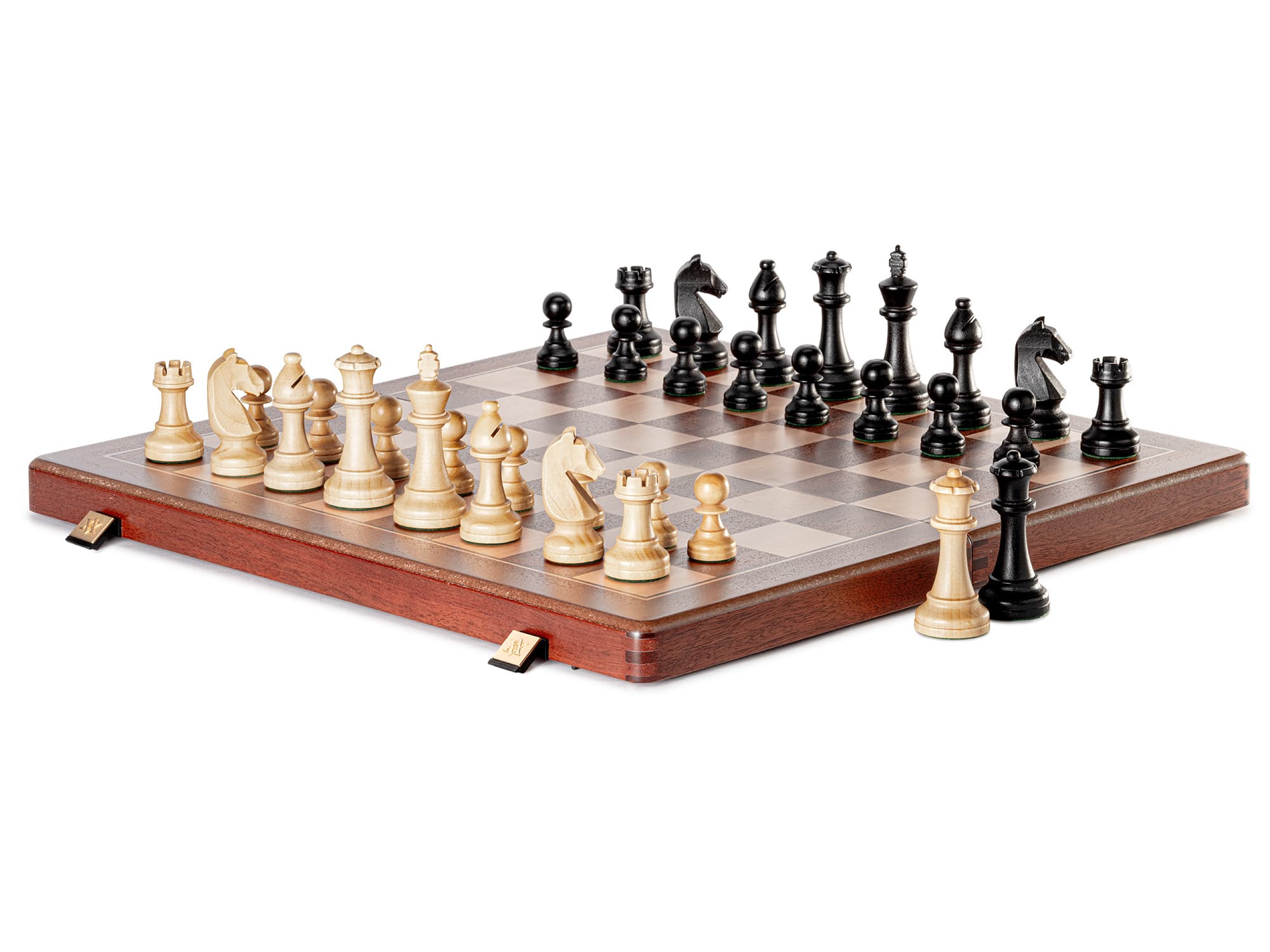
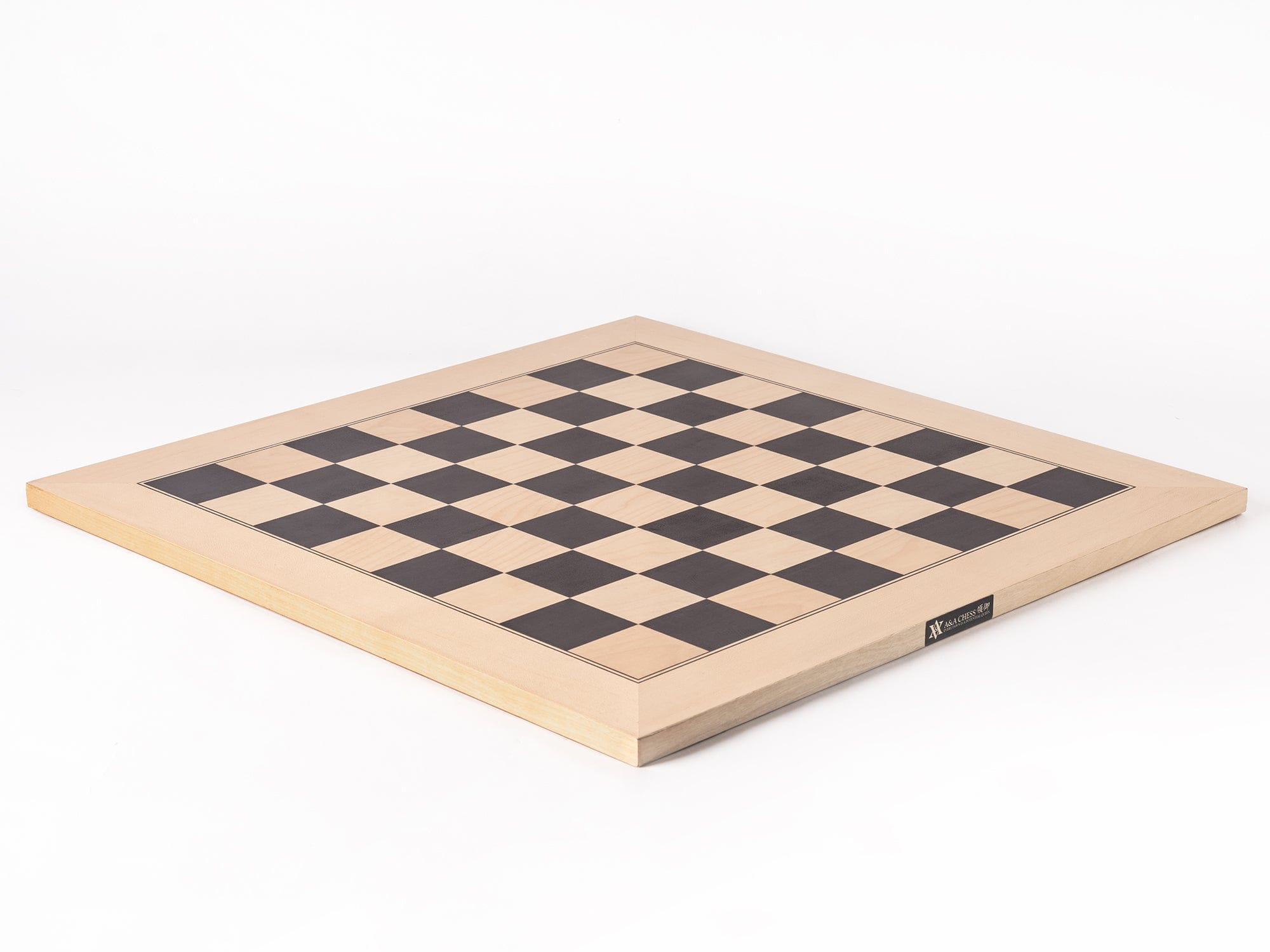
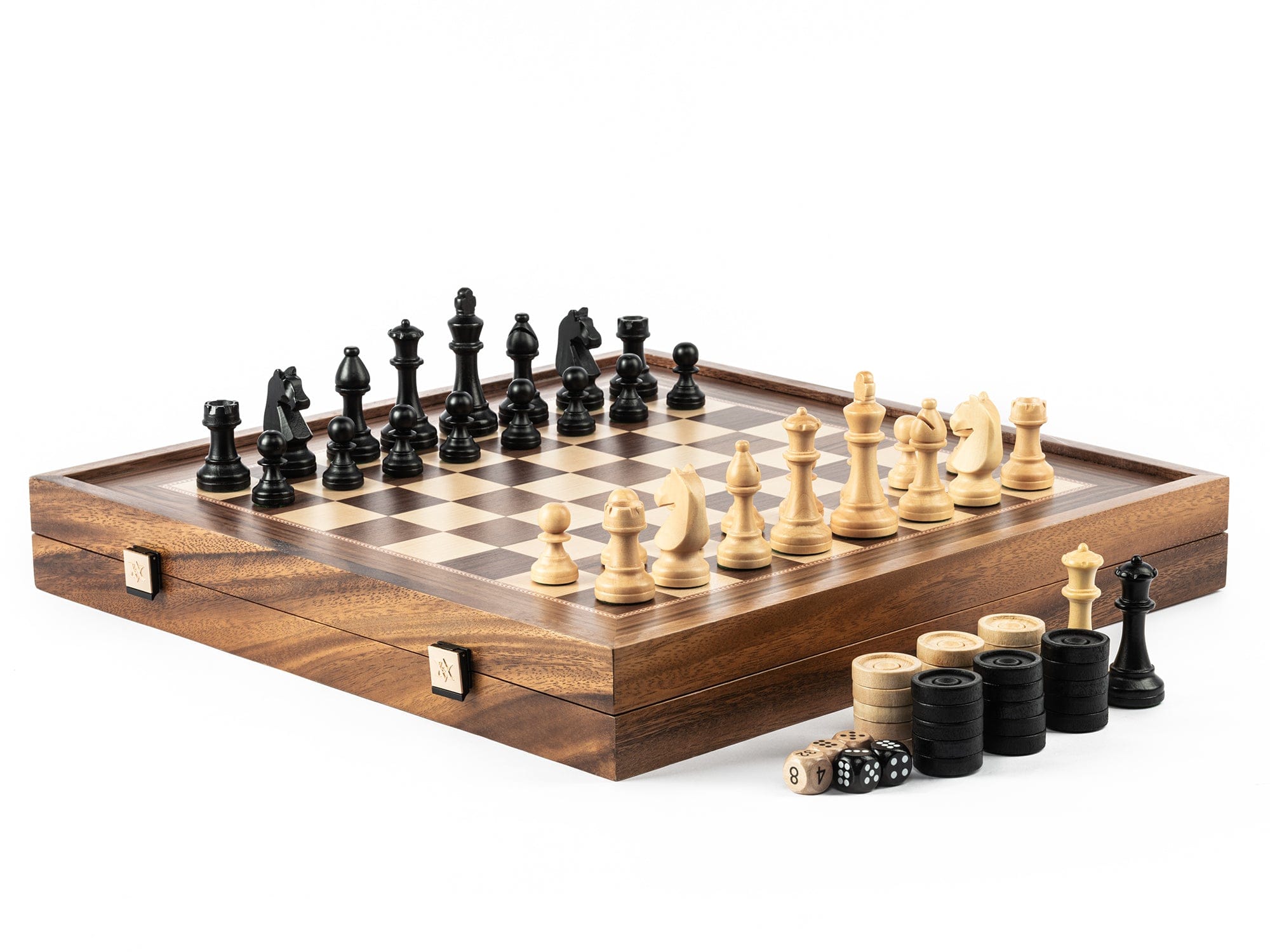
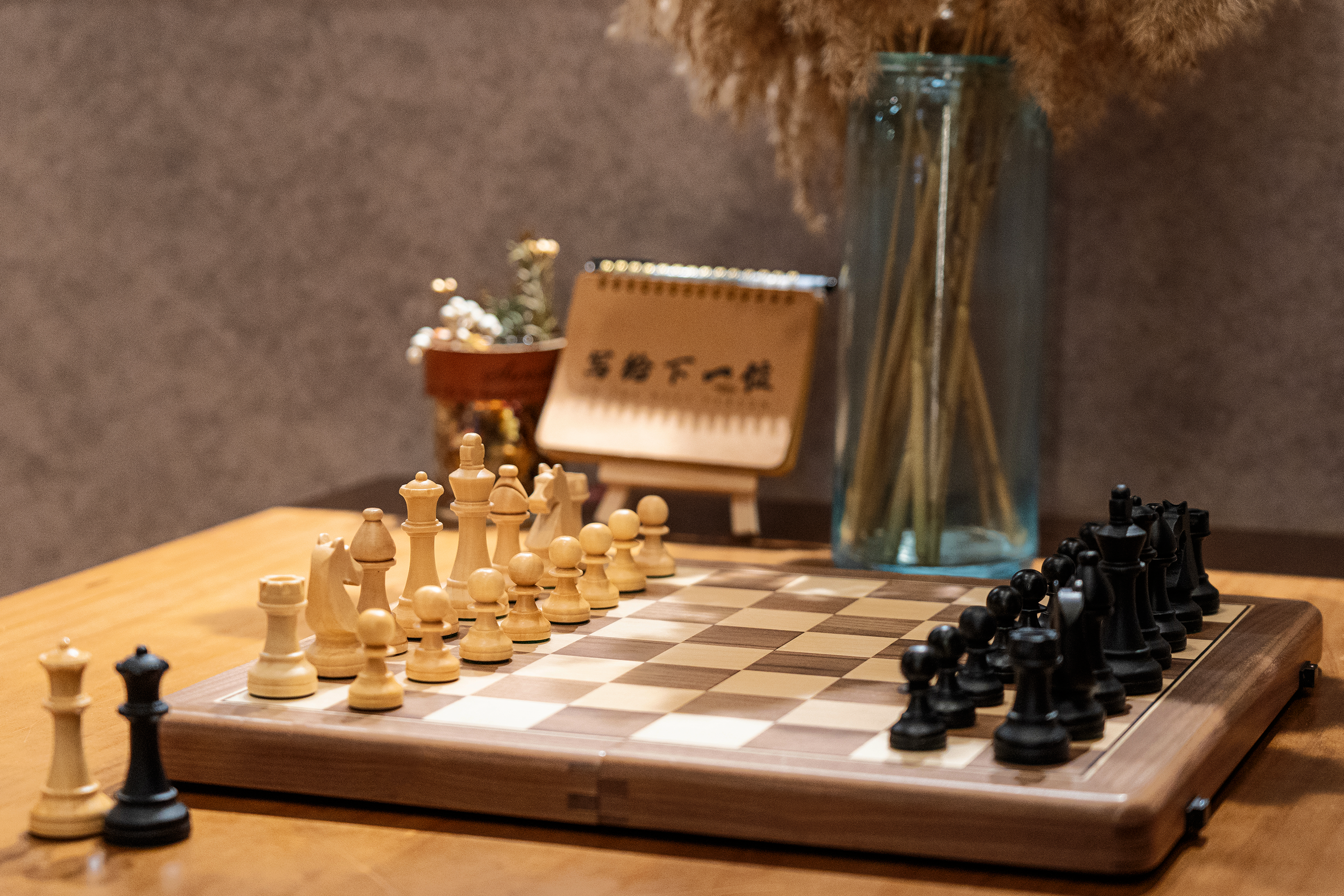
The biggest mistake new players make is buying chess sets purely for decoration instead of selecting a practical premium wooden chess set designed for daily training and skill improvement. Many luxurious carved wooden sets feature exquisite craftsmanship and high-end textures, but they come with oversized pieces, irregular proportions, and bulky sizes that are completely unsuitable for daily training.
Decorative chess sets look great on shelves, but they cannot simulate real tournament board spacing. Long-term use will distort your judgment of piece coordination, making it harder to adapt to standard competition boards later. For learning and skill improvement, practicality always comes before ornamental value.
2.2 Choosing Too Lightweight Unweighted Chess Pieces
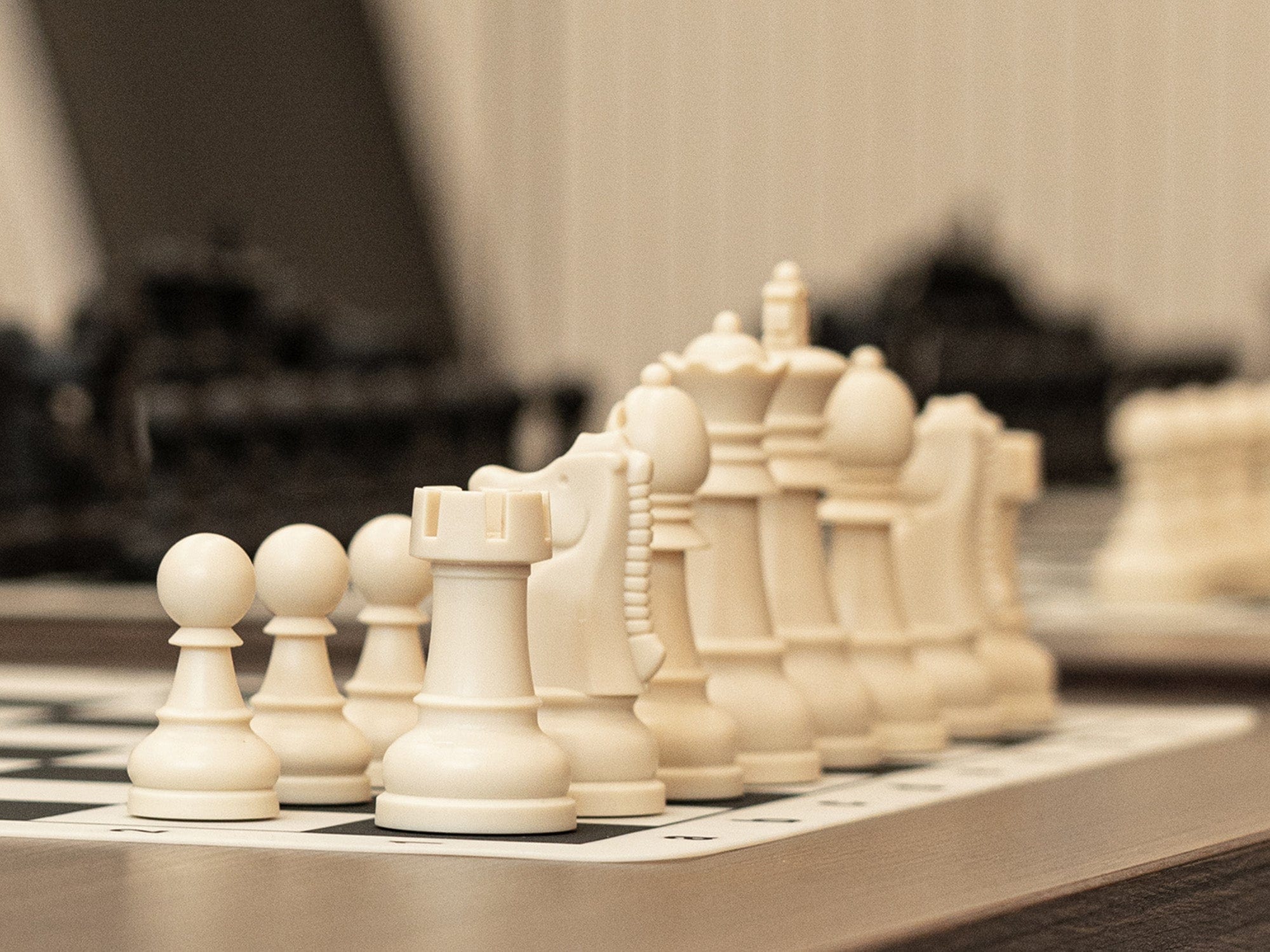
Ultra-light cheap plastic pieces are the standard configuration of low-end chess sets, and they bring terrible gaming experience and hidden training flaws. Light pieces slide randomly on slightly uneven boards, tip during fast moves, and lack stable tactile feedback.
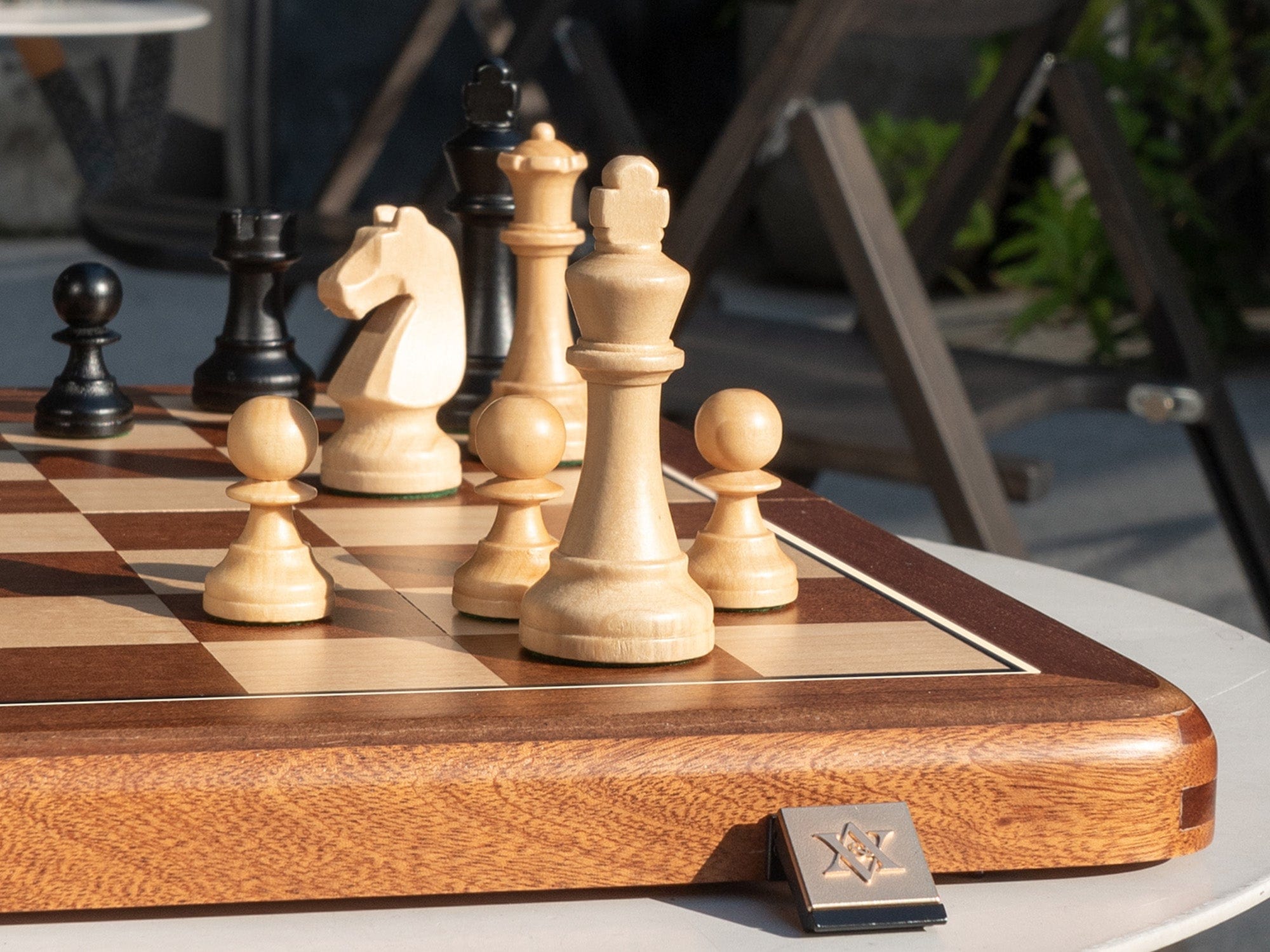
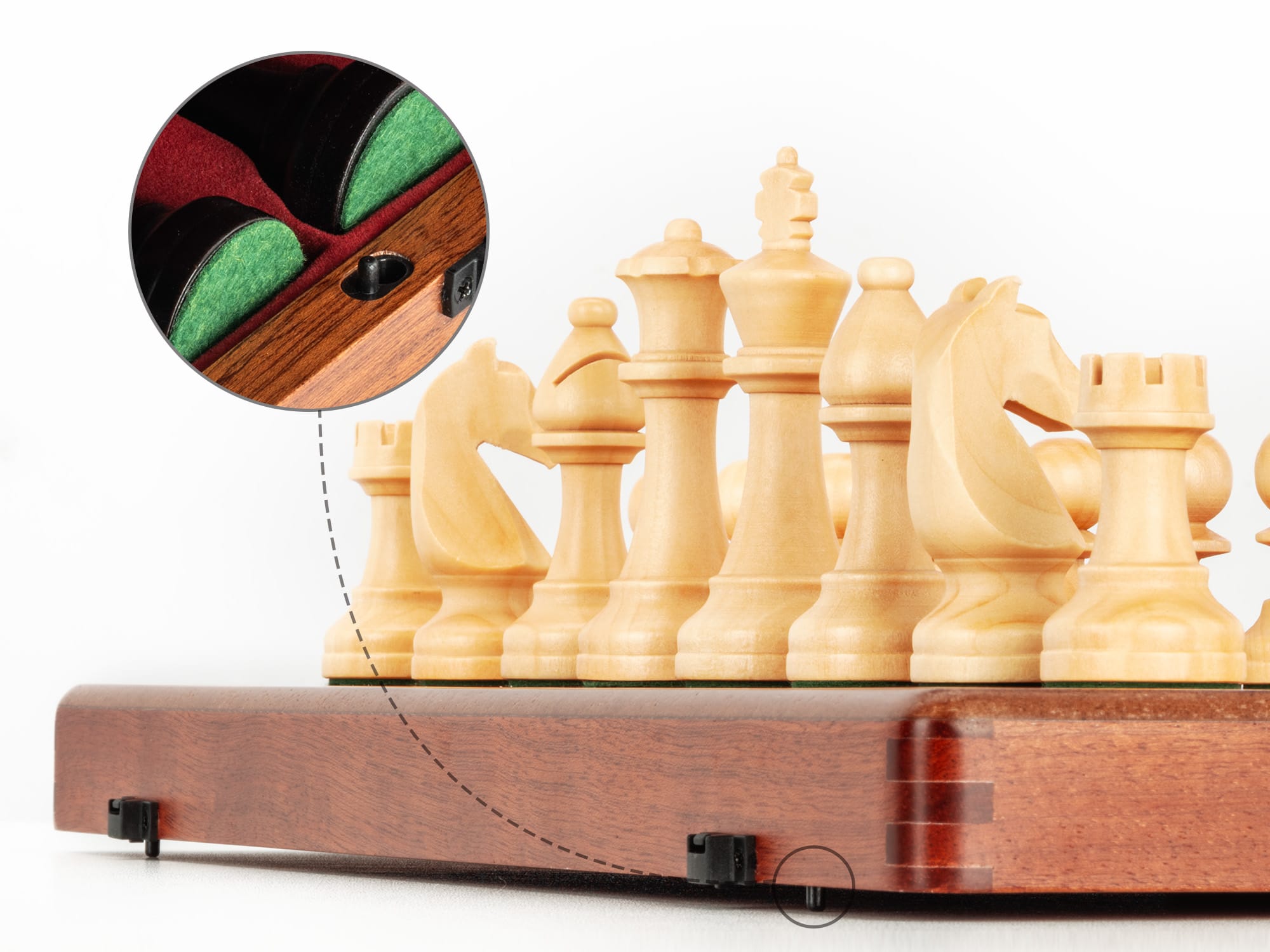
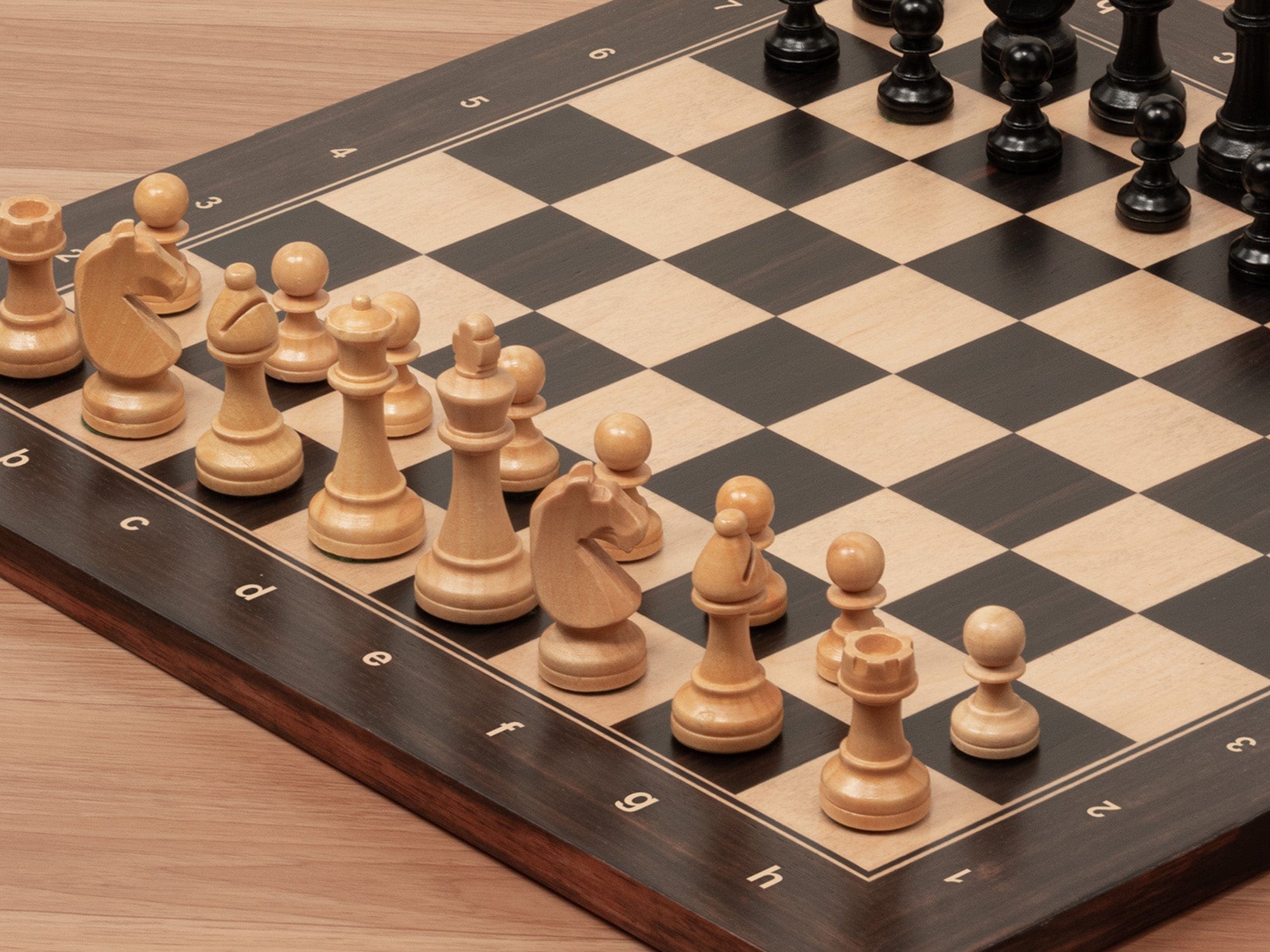
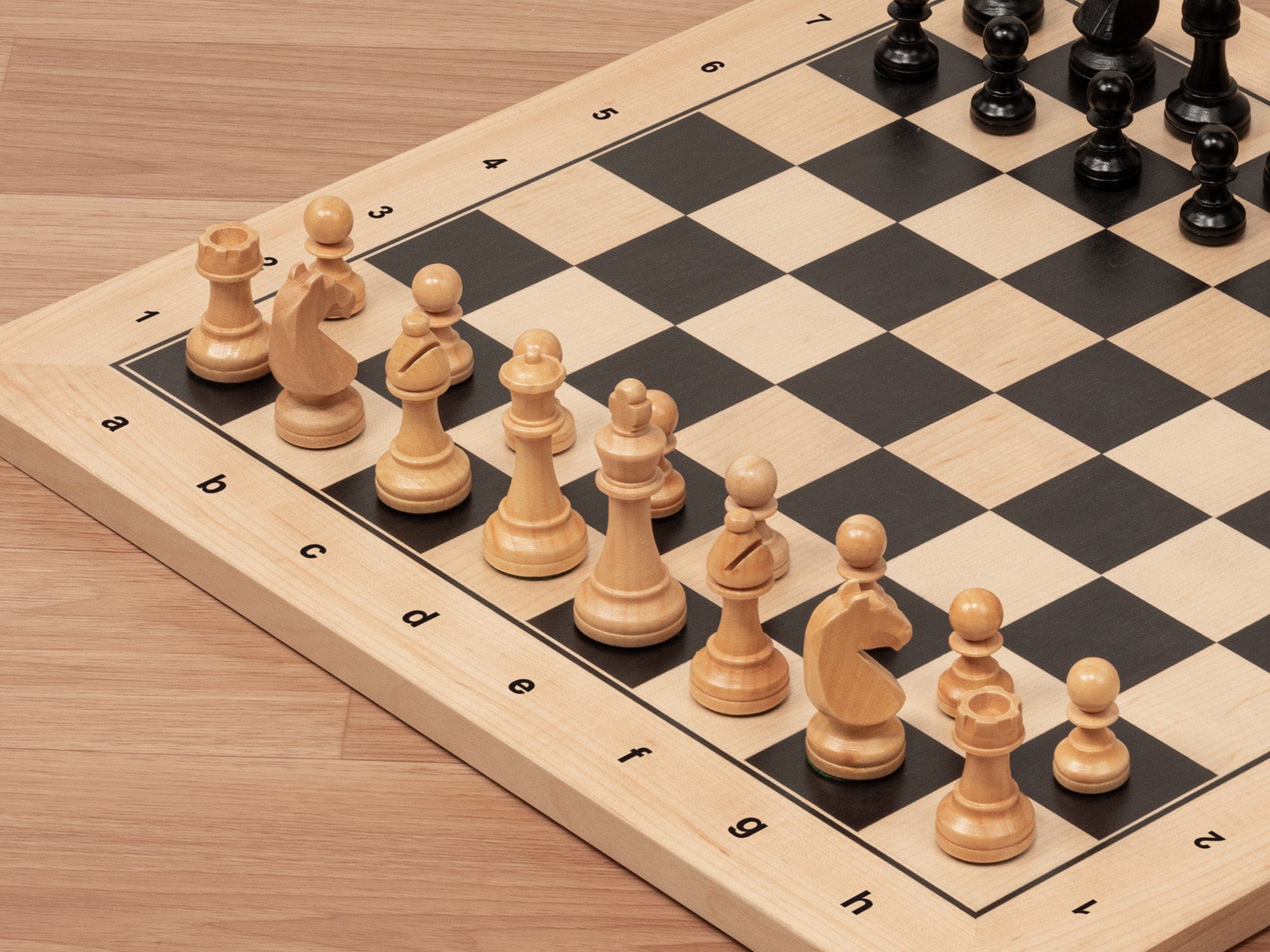
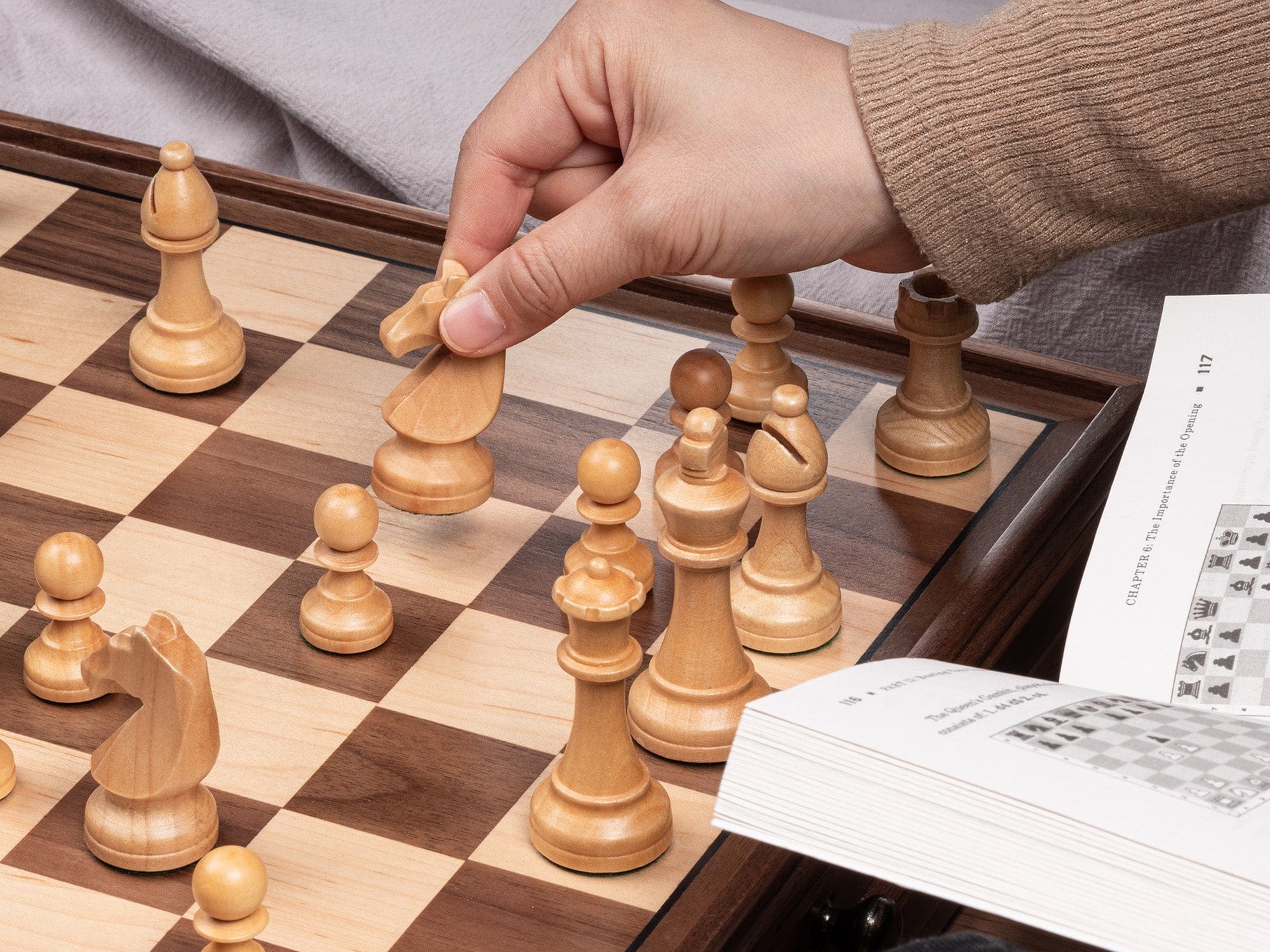
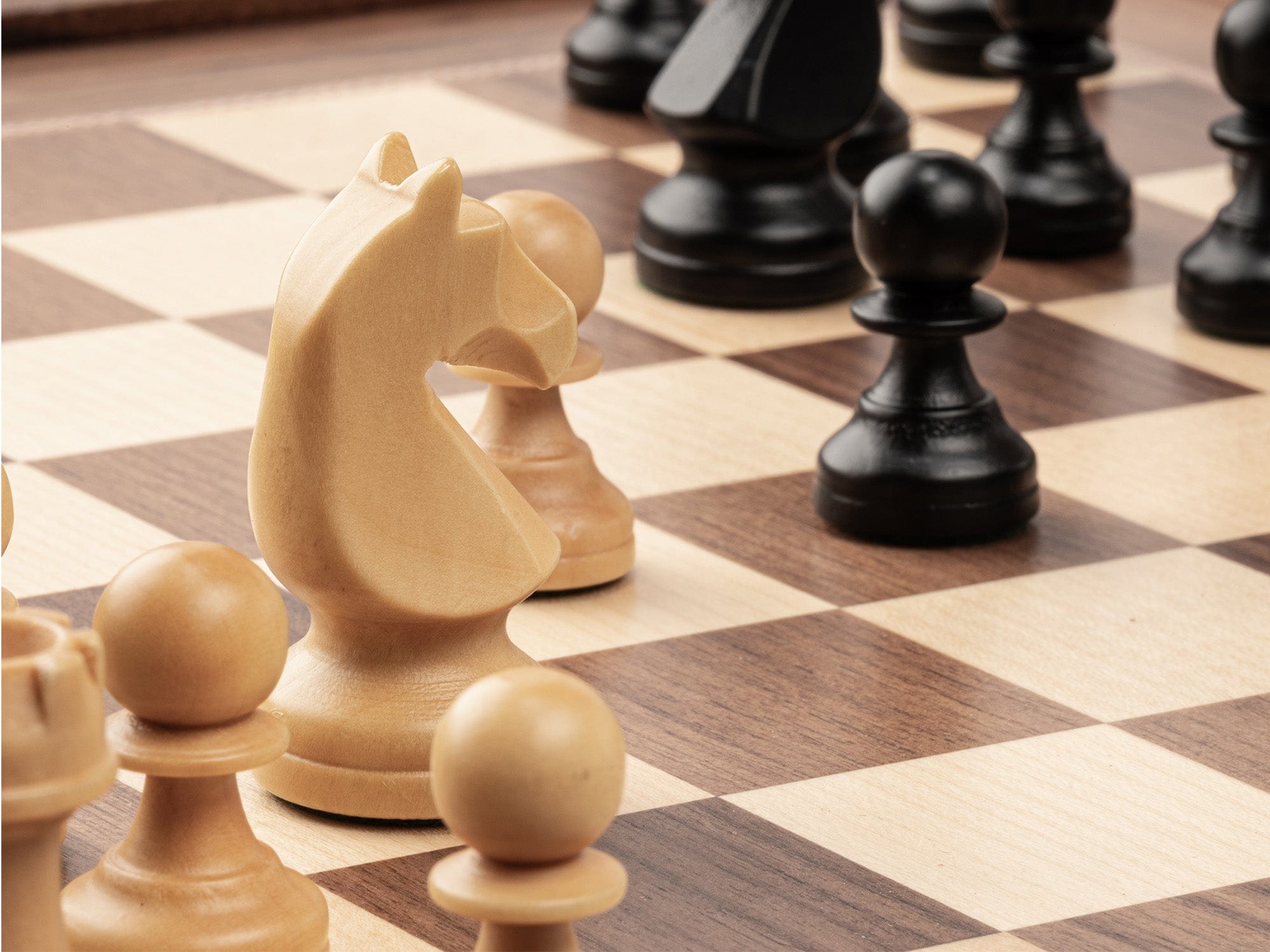
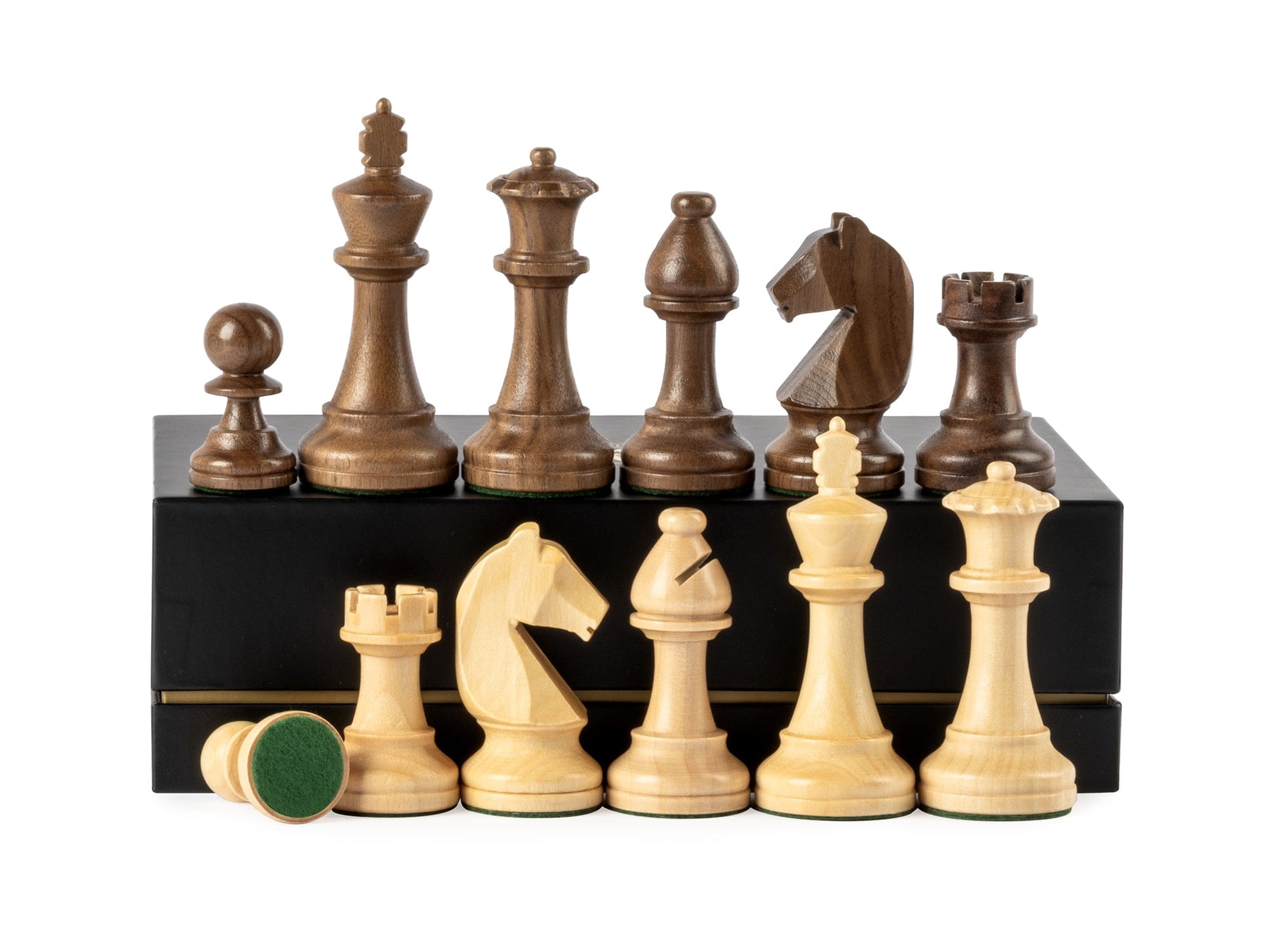
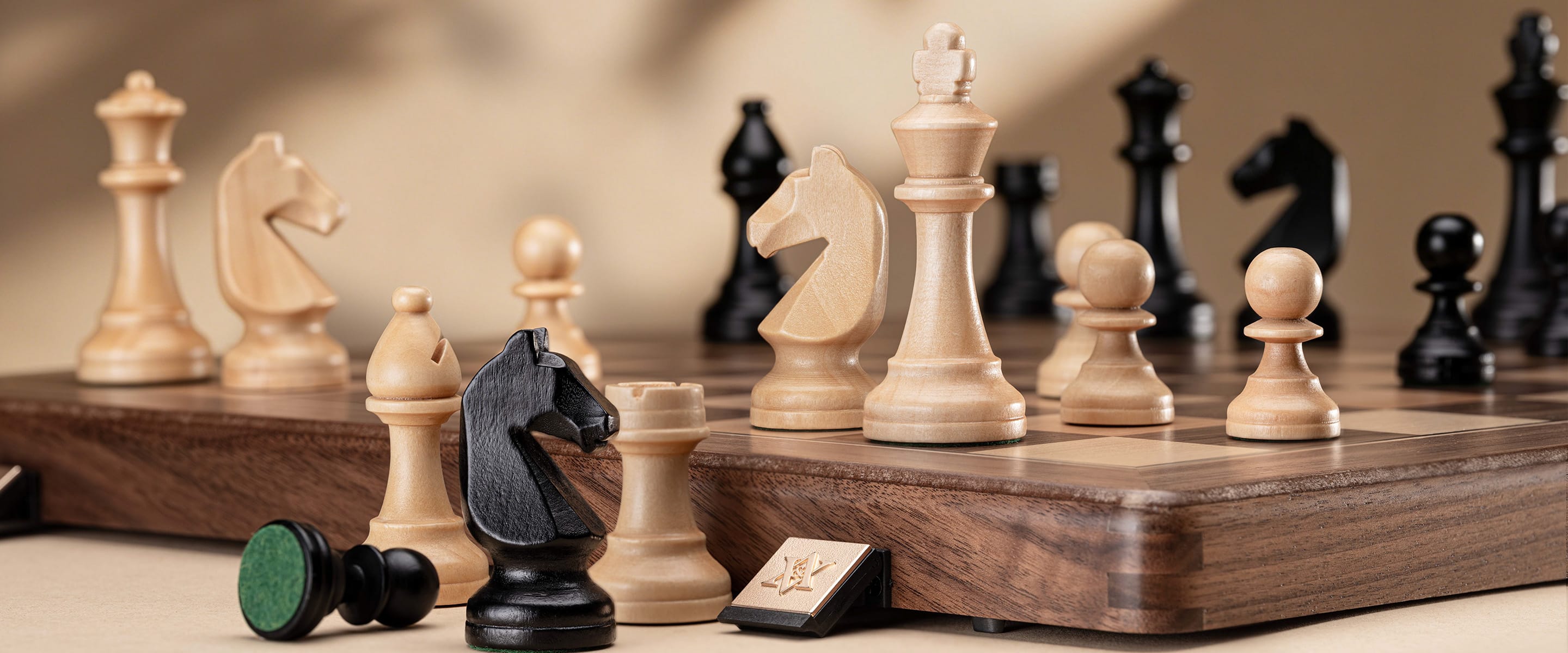
Professional chess training requires stable hand feel and clear operation feedback. Premium weighted Staunton chess pieces allow players to form precise movement habits, cultivate stable game mentality, and avoid the distraction caused by frequent piece slipping. This small detail directly affects the quality of long-hour chess practice.
2.3 Mismatched Board Grid and Piece Size Proportions
Few beginners know that chess sets have strict proportional standards. Many generic sets on the market have unreasonable matching: oversized pieces on narrow grids or tiny pieces on extra-large boards.
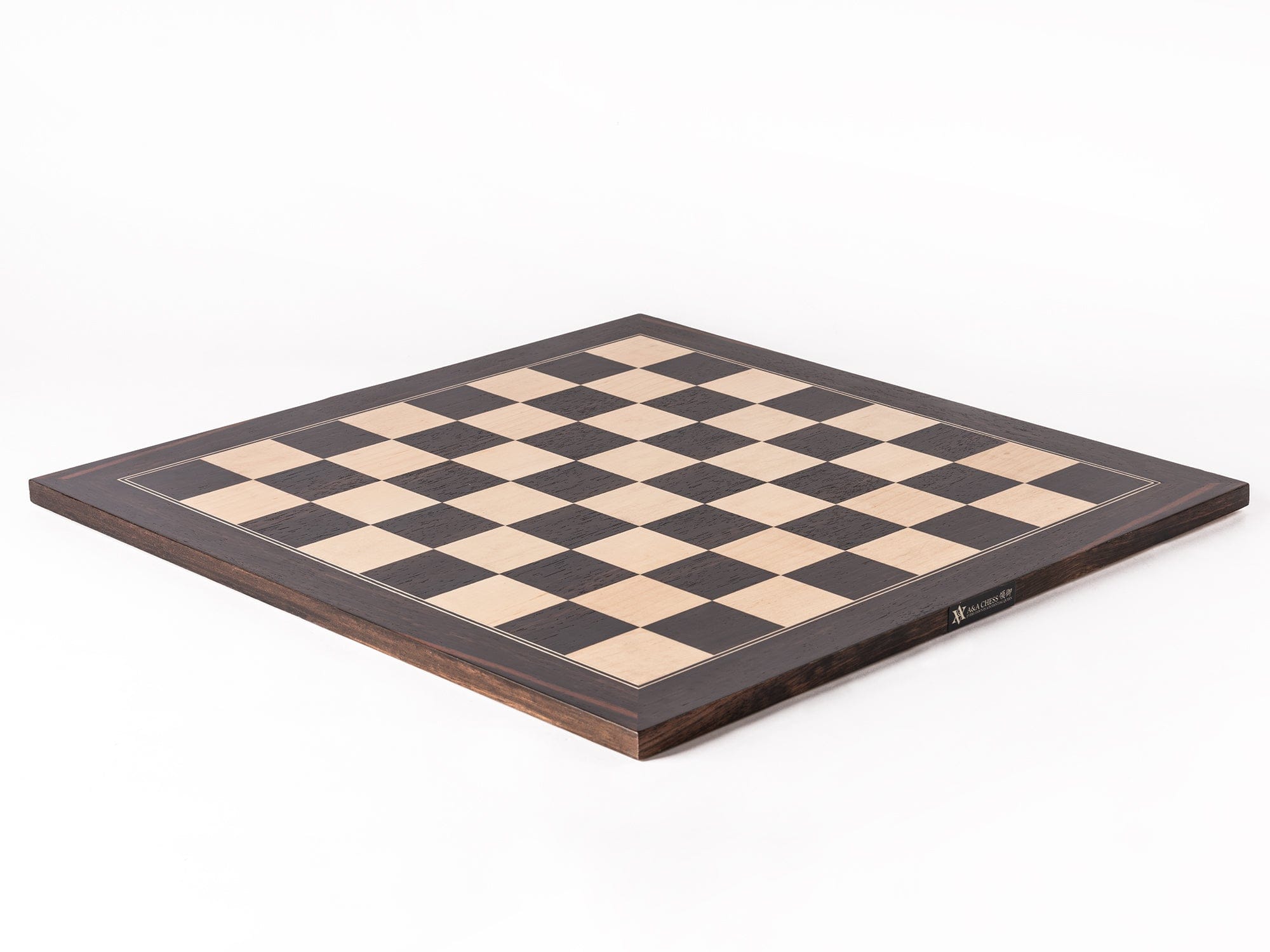
Crowded pieces block vision and affect tactical observation, while overly sparse layouts distort spatial judgment. Professional standard sets follow the classic 78% proportion rule, ensuring the piece base and grid size are perfectly coordinated. Only standardized proportions can help players build accurate board vision, which is the foundation of advanced chess tactics.
2.4 Ignoring Scenario Matching (Indoor Only vs Outdoor Portable)
Many players buy a single chess set without considering usage scenarios. Solid wooden sets are heavy, fragile, and afraid of water and moisture, completely unsuitable for outdoor camping, travel, and school activities. In contrast, cheap foldable paper or thin plastic boards cannot withstand long-term indoor repeated use.
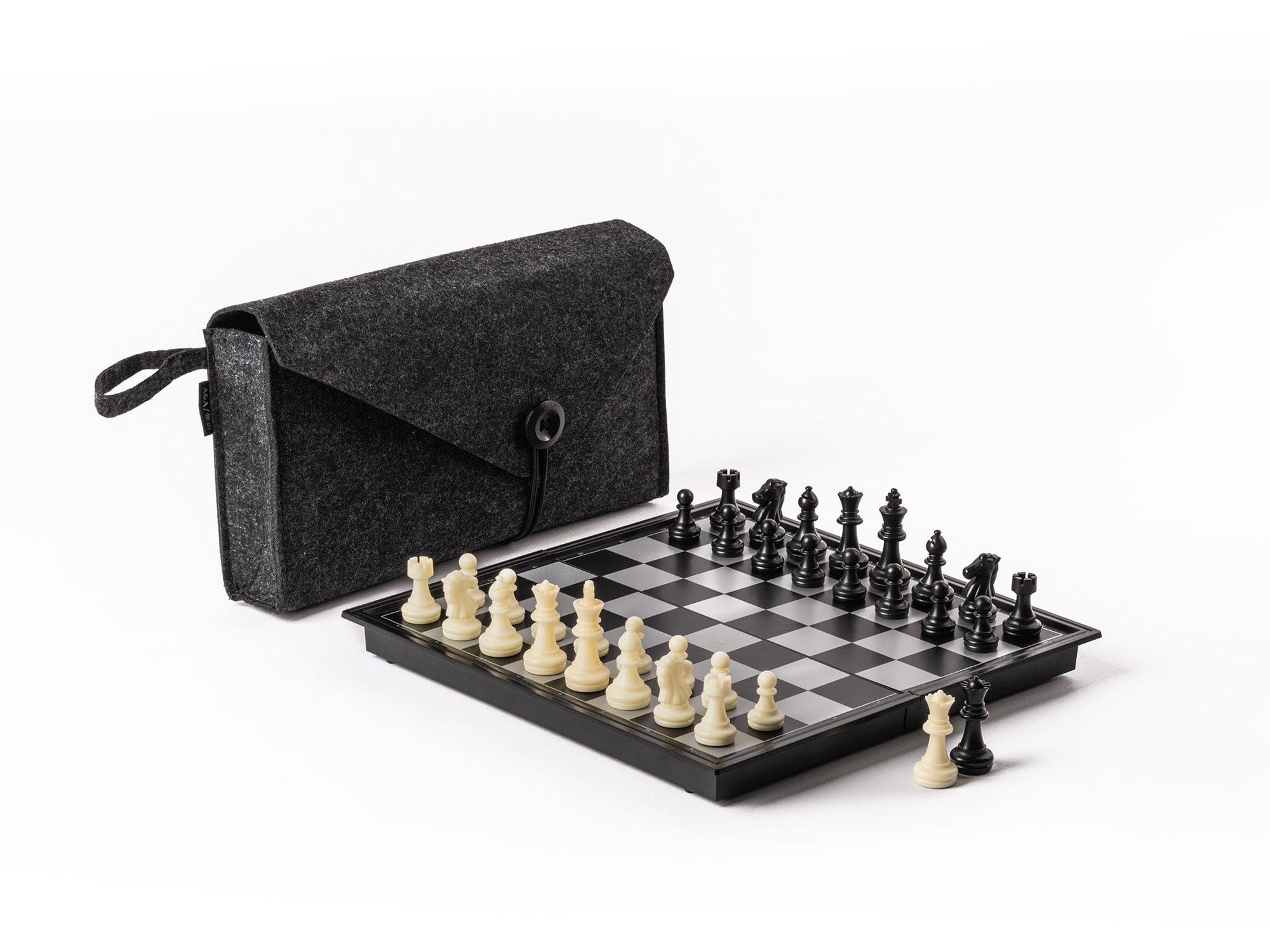
Using the wrong set in the wrong scenario leads to frequent damage, short service life, and additional repeated purchase costs. Fixed indoor scenarios are suitable for high-quality wooden sets, while mobile outdoor scenarios must choose waterproof, crease-resistant, portable silicone travel chess sets.
2.5 Skipping the Chess Clock for Long-Term Training
Most beginners think chess clocks are only for formal tournaments and ignore daily timed practice. This is a critical mistake that leads to slow thinking speed and poor time management in actual matches.
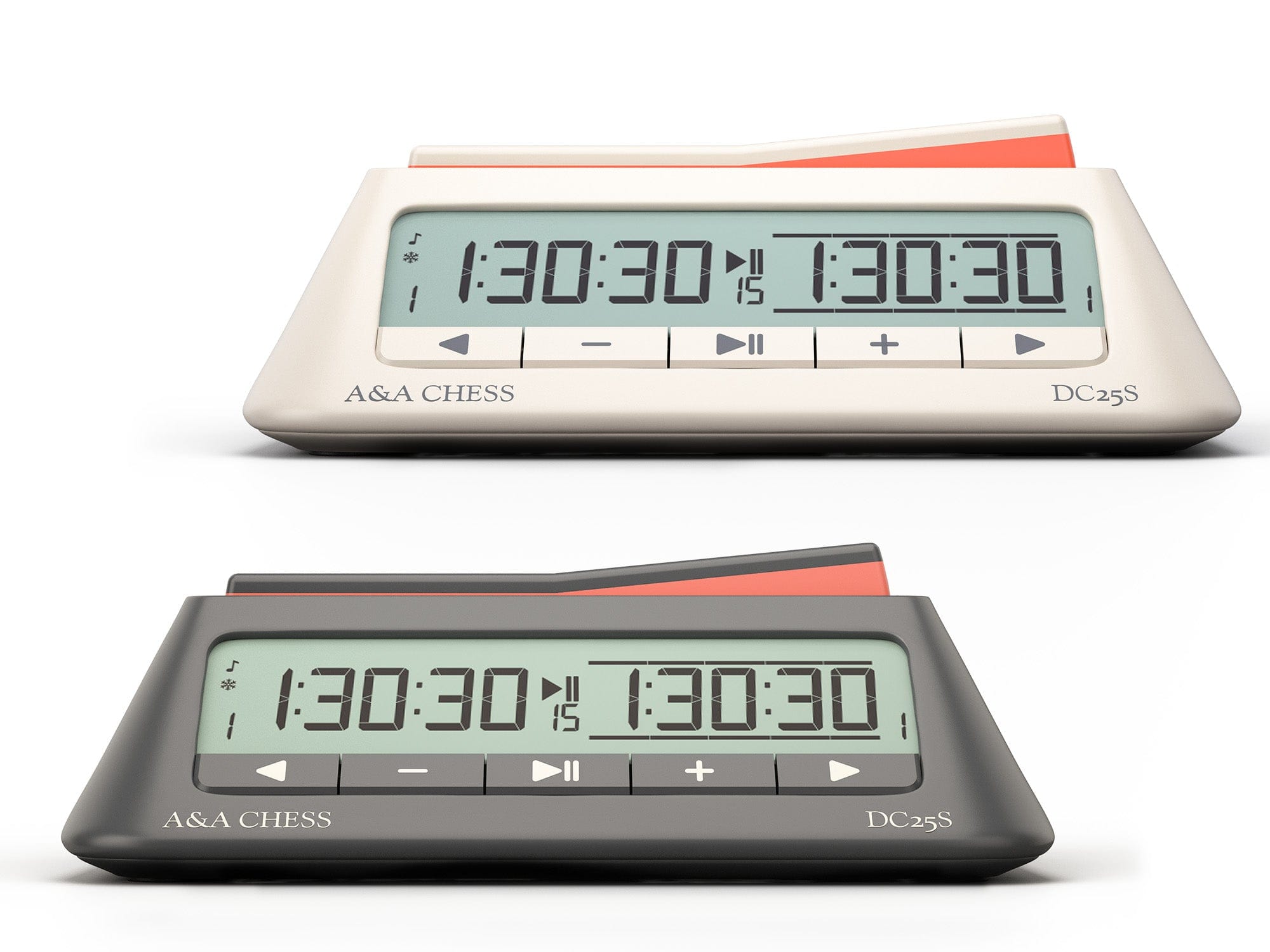
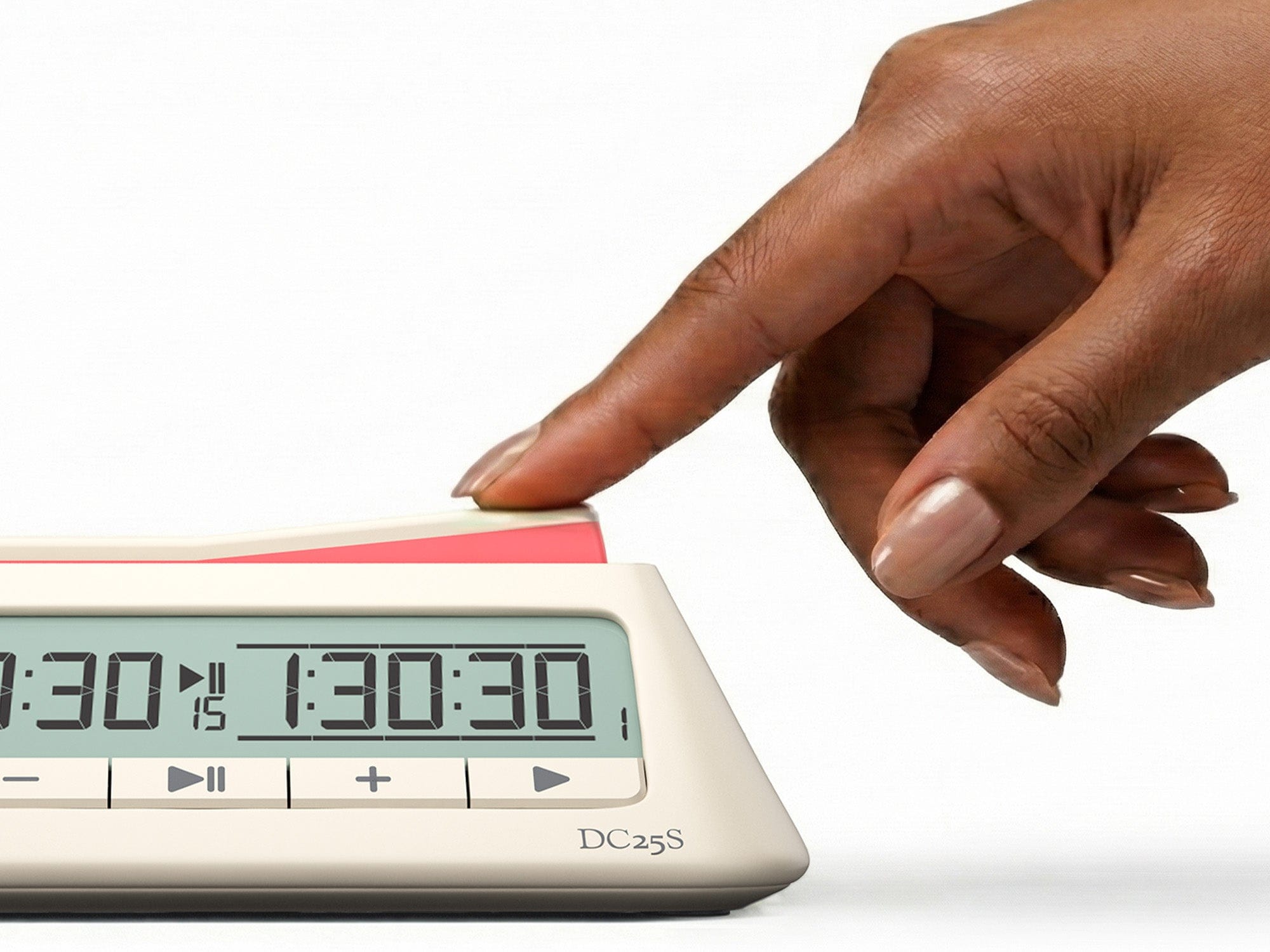
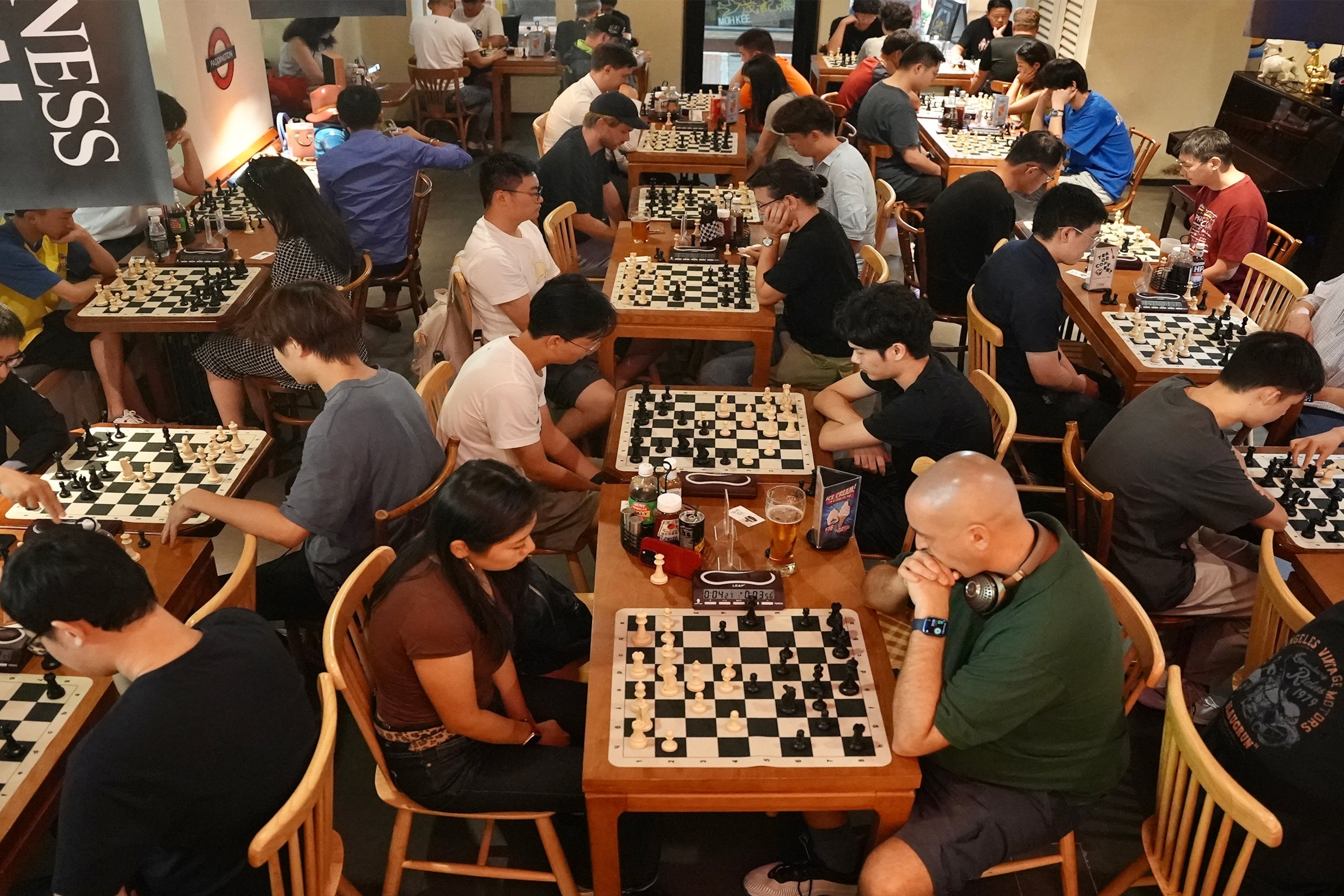
Practicing without a clock allows unlimited thinking time, forming lazy thinking habits. Once entering casual competitions or formal tournaments, players will face severe time pressure and make frequent low-level errors. Matching a professional digital chess clock with a standard board is a necessary investment for every player who wants to improve rapidly.
2.6 Blindly Pursuing Ultra-Low Budget Cheap Sets
It is reasonable for beginners to control costs, but blindly choosing the cheapest generic chess sets will only increase long-term costs. Low-cost sets are prone to board warping, paint peeling, piece deformation, and unbalanced proportions.
Frequent replacement of damaged equipment wastes more money than buying a cost-effective standard set at one time. High-quality commercial-grade chess sets have a service life of several years, with stable performance and no repeated maintenance costs, achieving real cost performance.
2.7 Neglecting Storage and Portability Design
Many chess sets lack professional storage structures, resulting in scattered pieces, easy loss, and messy storage. Ordinary flat boards cannot be folded or stored, occupying large desktop space and inconvenient for carrying and arrangement.
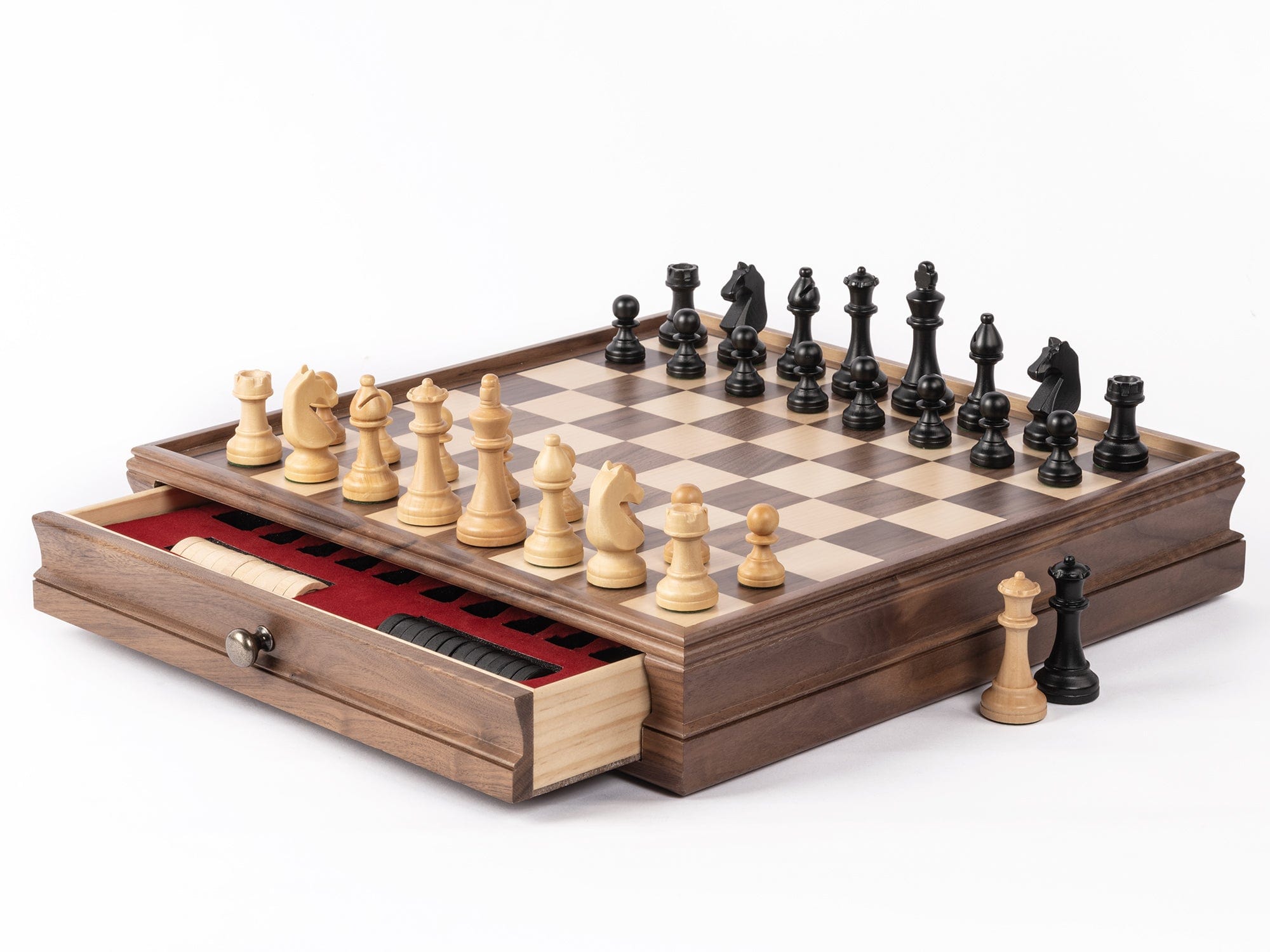
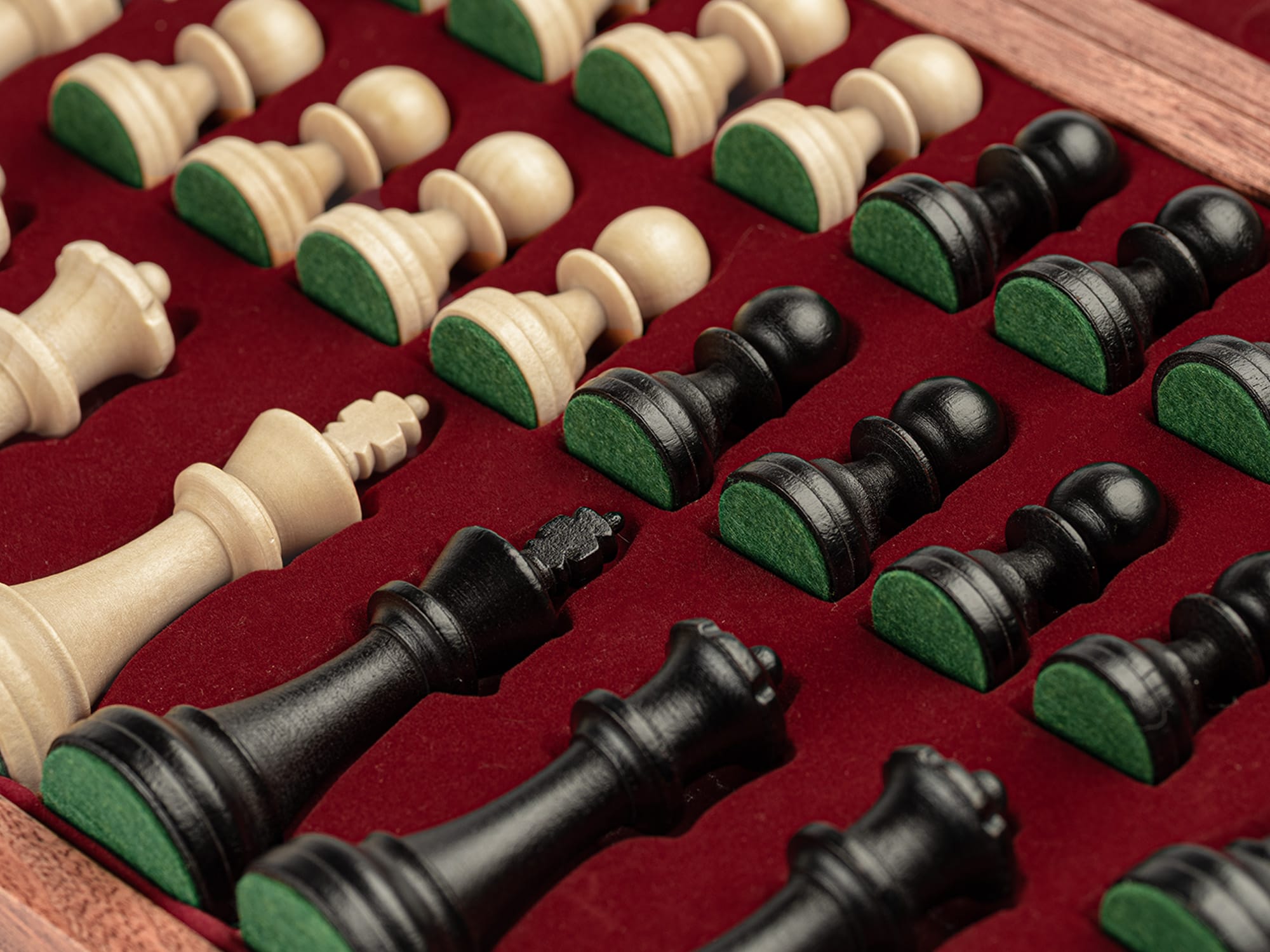
High-quality foldable wooden chess sets with built-in velvet storage slots and independent piece pouches can effectively protect equipment, avoid piece loss, and keep the chess set intact for long-term use. Good storage design greatly improves the sustainability of chess practice.
3. How to Choose a Chess Set That Grows With Your Skill Level
The best chess set is not the most expensive or the most luxurious, but the one that matches your current skill stage and can grow with your progress.
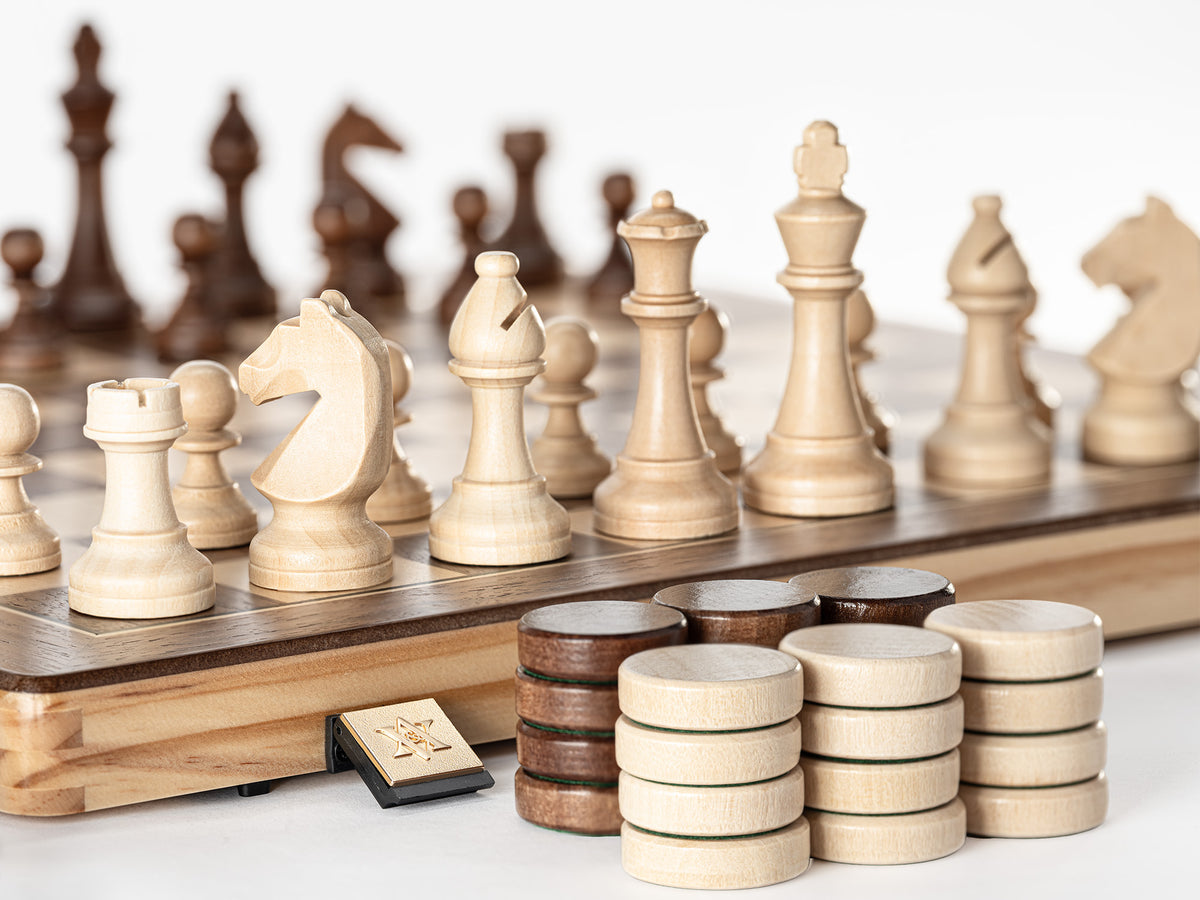
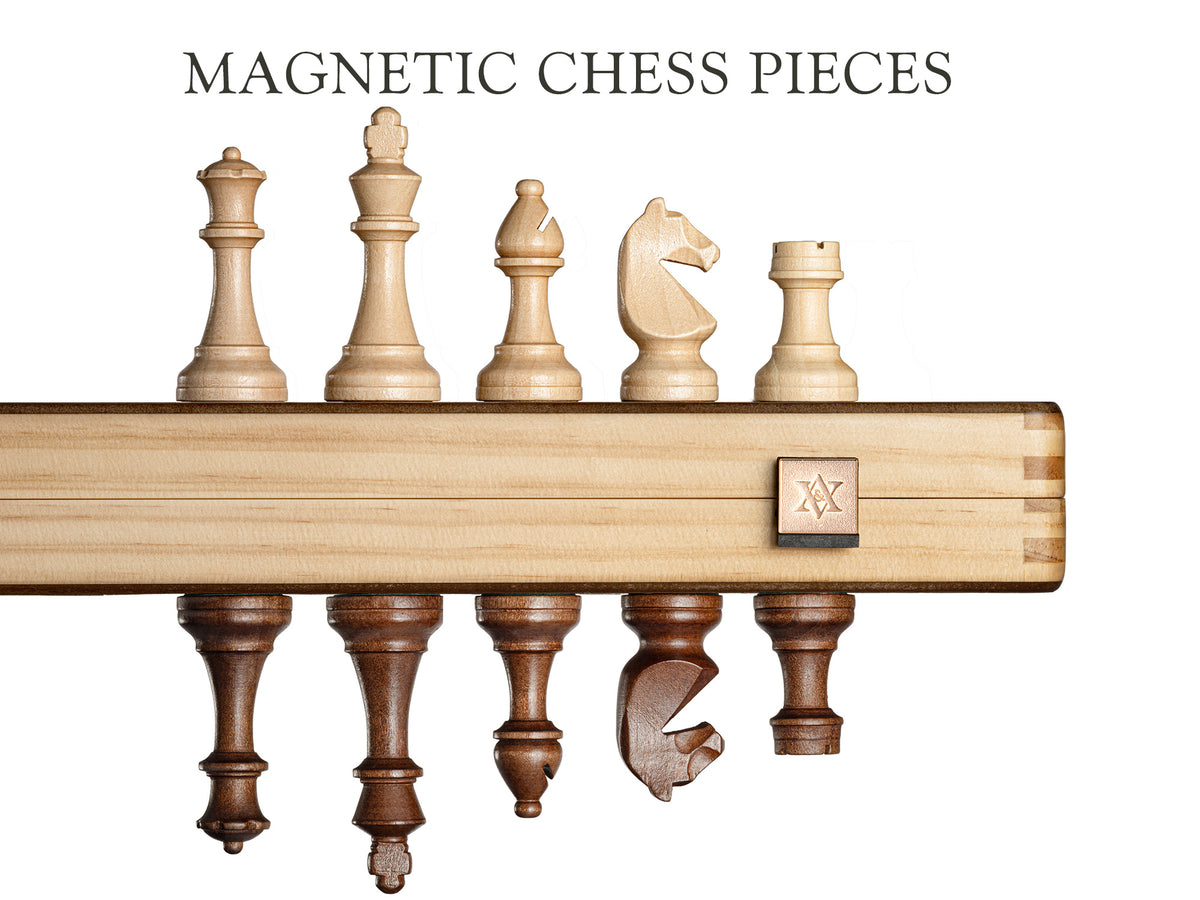
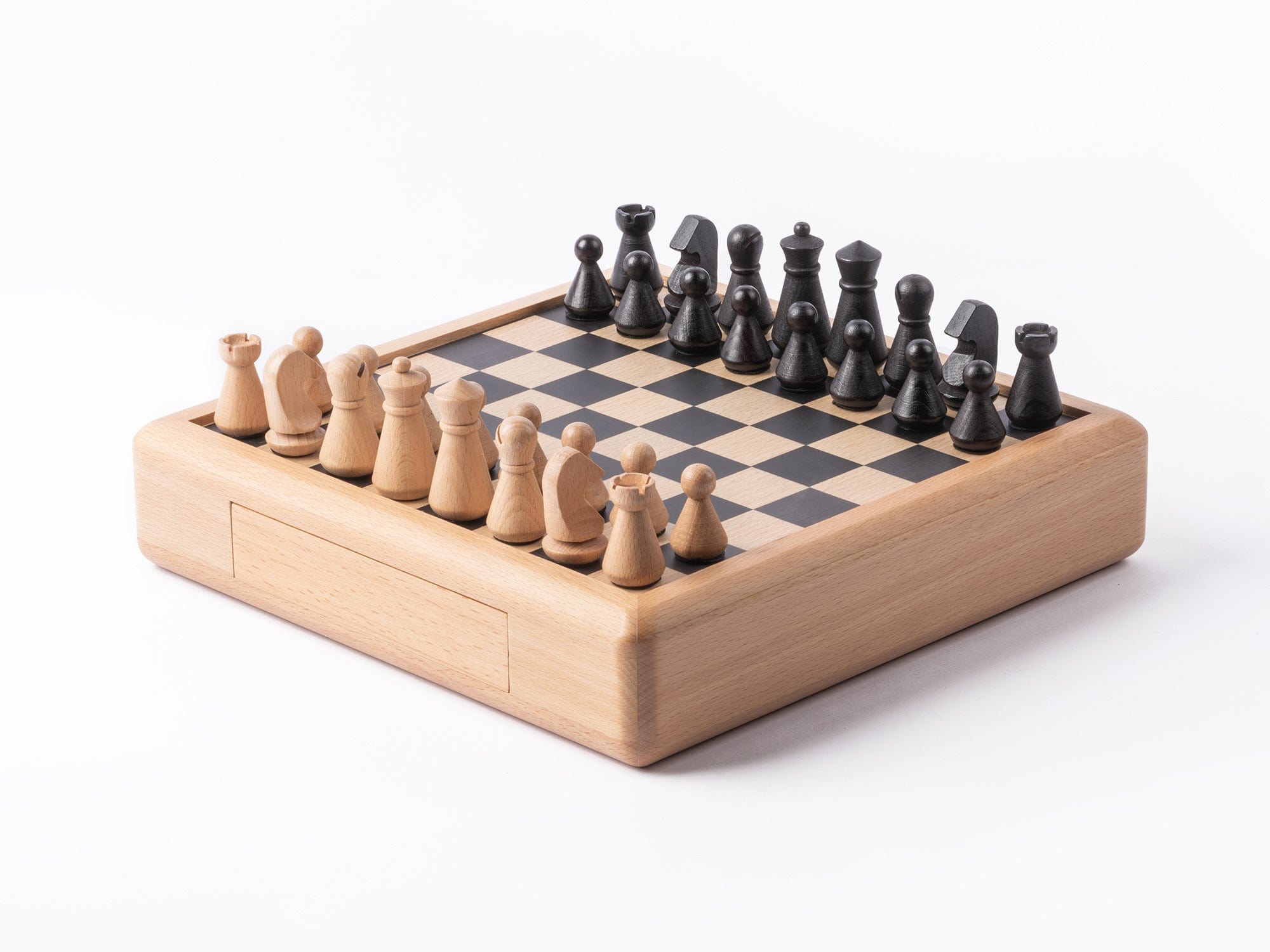
Absolute Beginners & Kids: Prioritize magnetic wooden chess sets. The anti-drop design reduces learning interference, the compact size is suitable for family learning, and the dual-game function enriches daily entertainment. Safety, practicality, and cost performance are the core selection criteria.
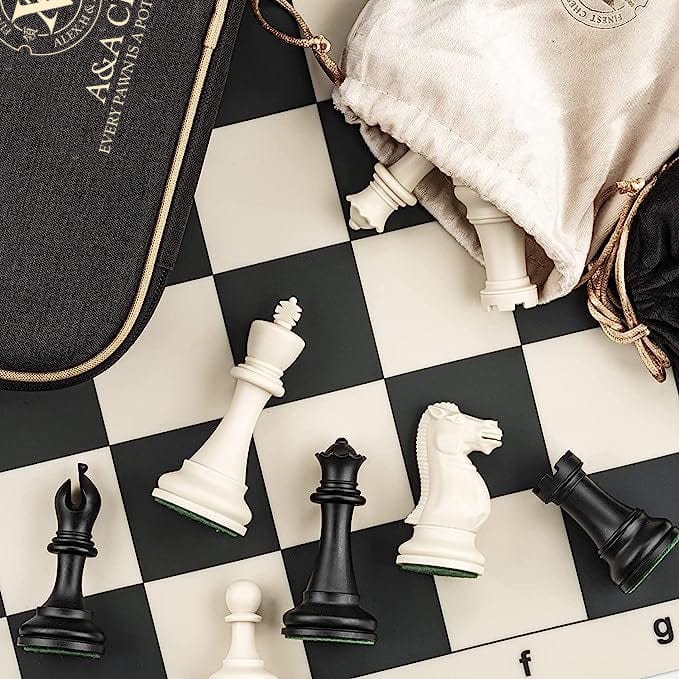
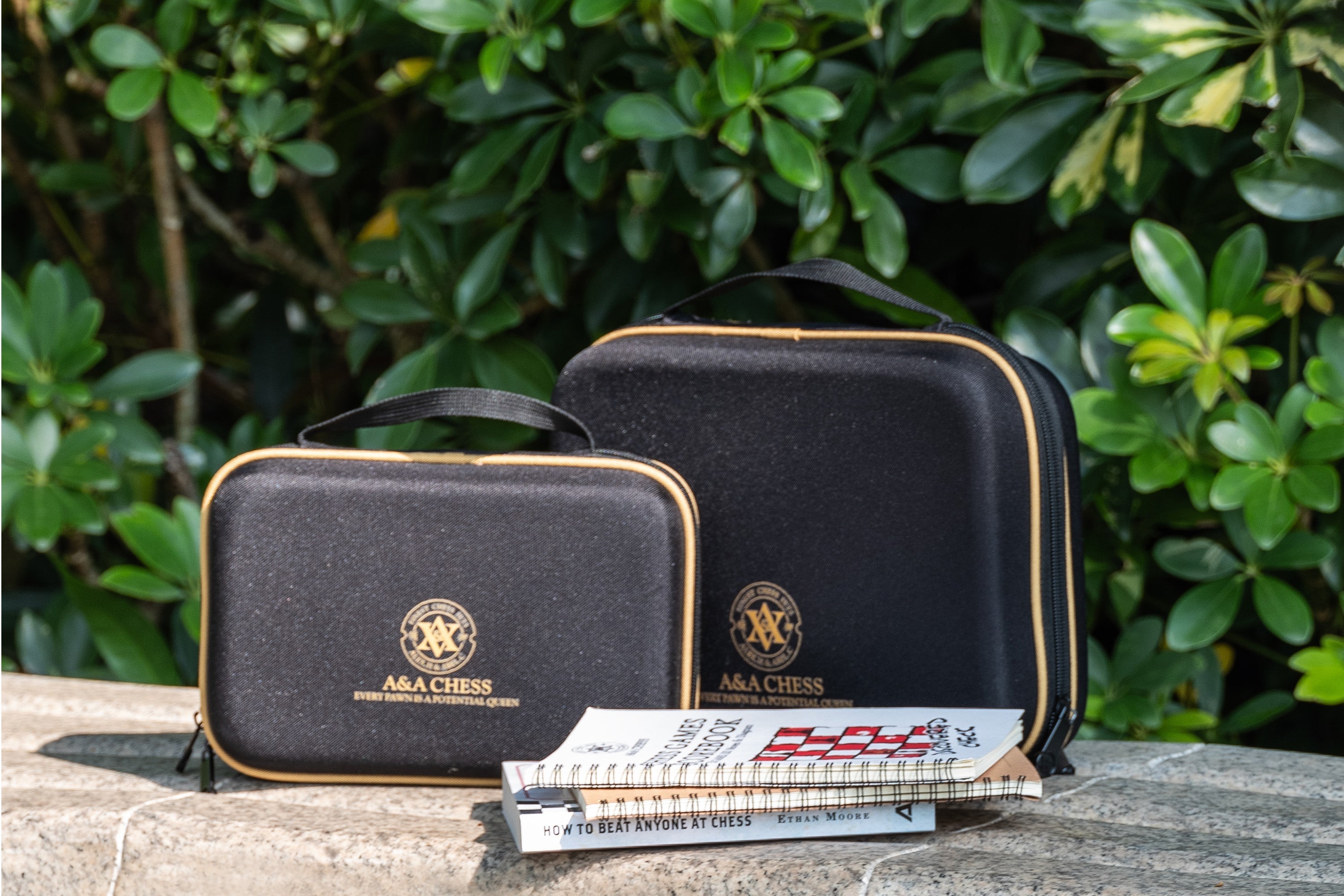
Casual Players & Students: Choose portable waterproof outdoor silicone chess sets. Lightweight, foldable, and durable, they adapt to school training, outdoor activities, and travel entertainment. Standard board size ensures basic standardized practice effects.
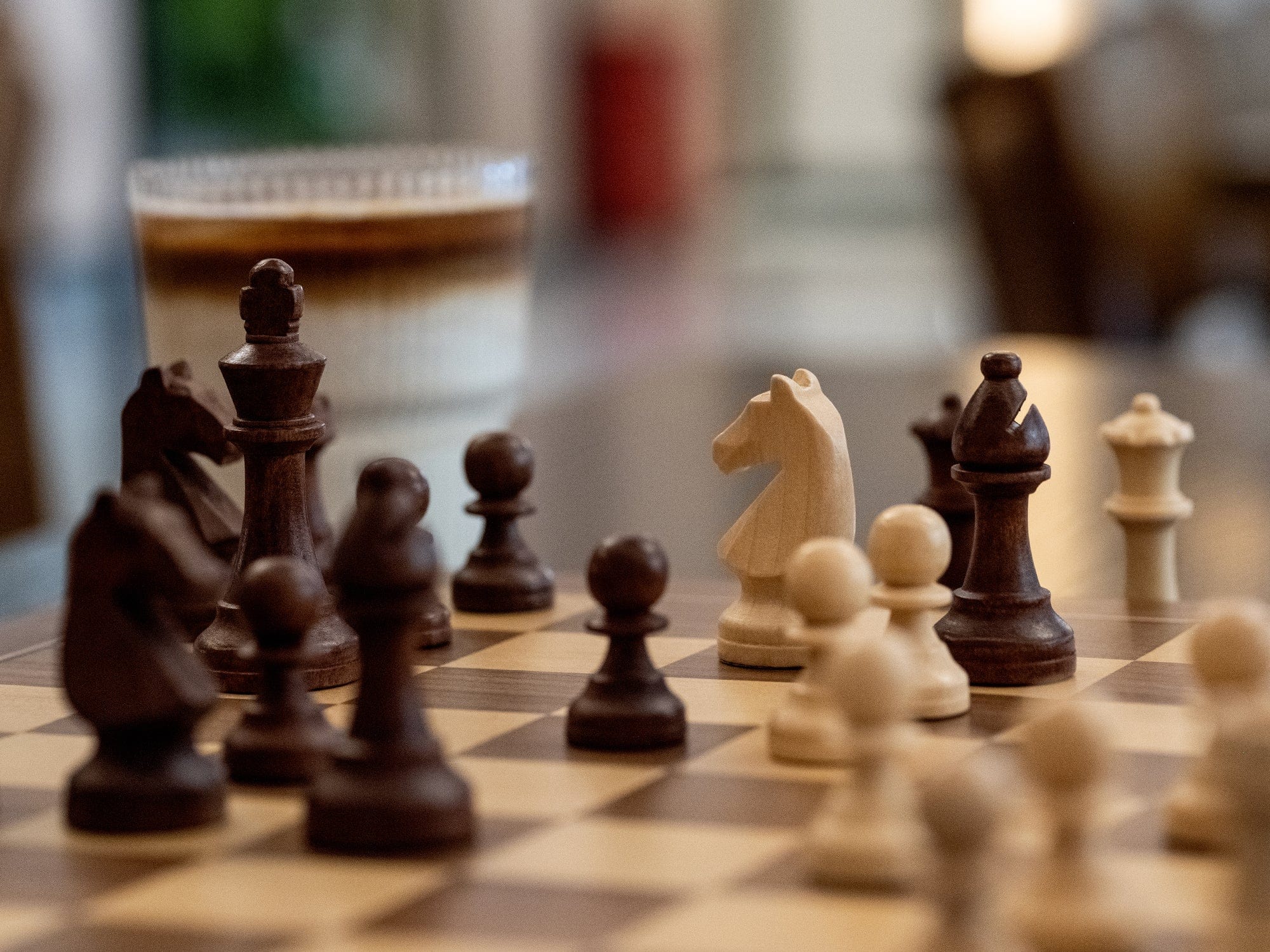
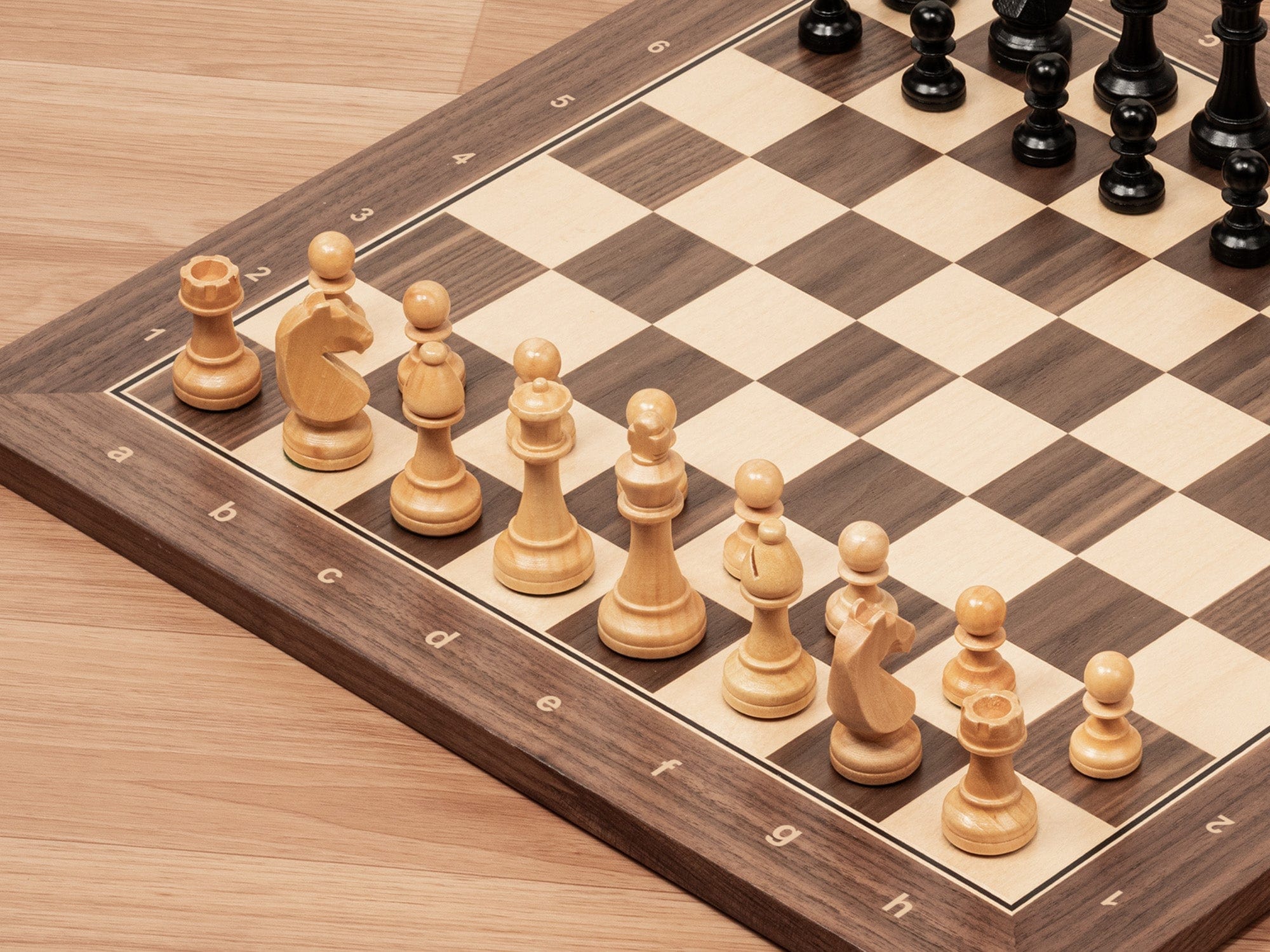
Intermediate Training Players: Upgrade to premium solid wood Staunton pieces + standard board + tournament chess clock. Fully restore tournament standards, cultivate professional thinking speed and operation habits, and prepare for formal competitions.
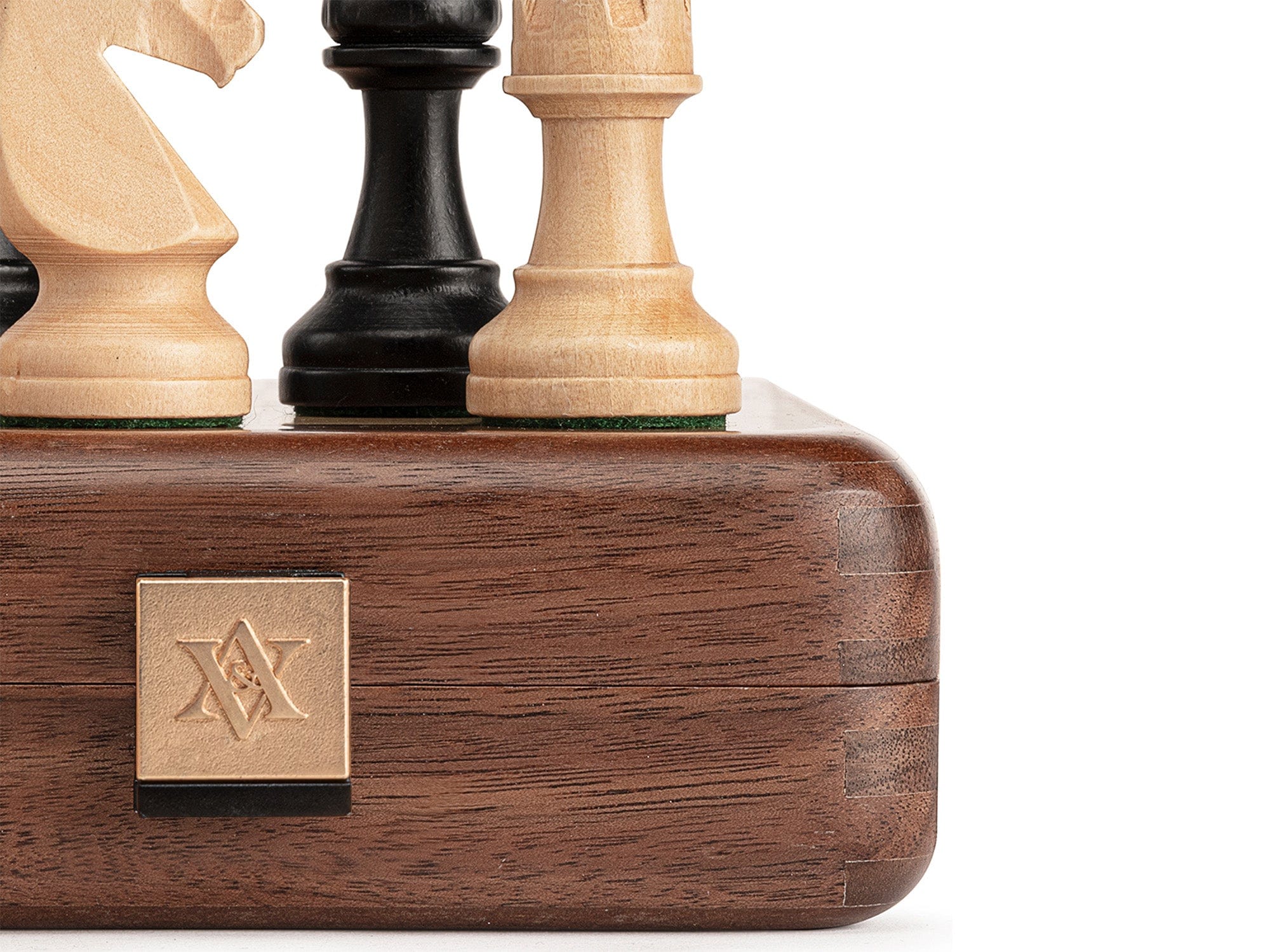
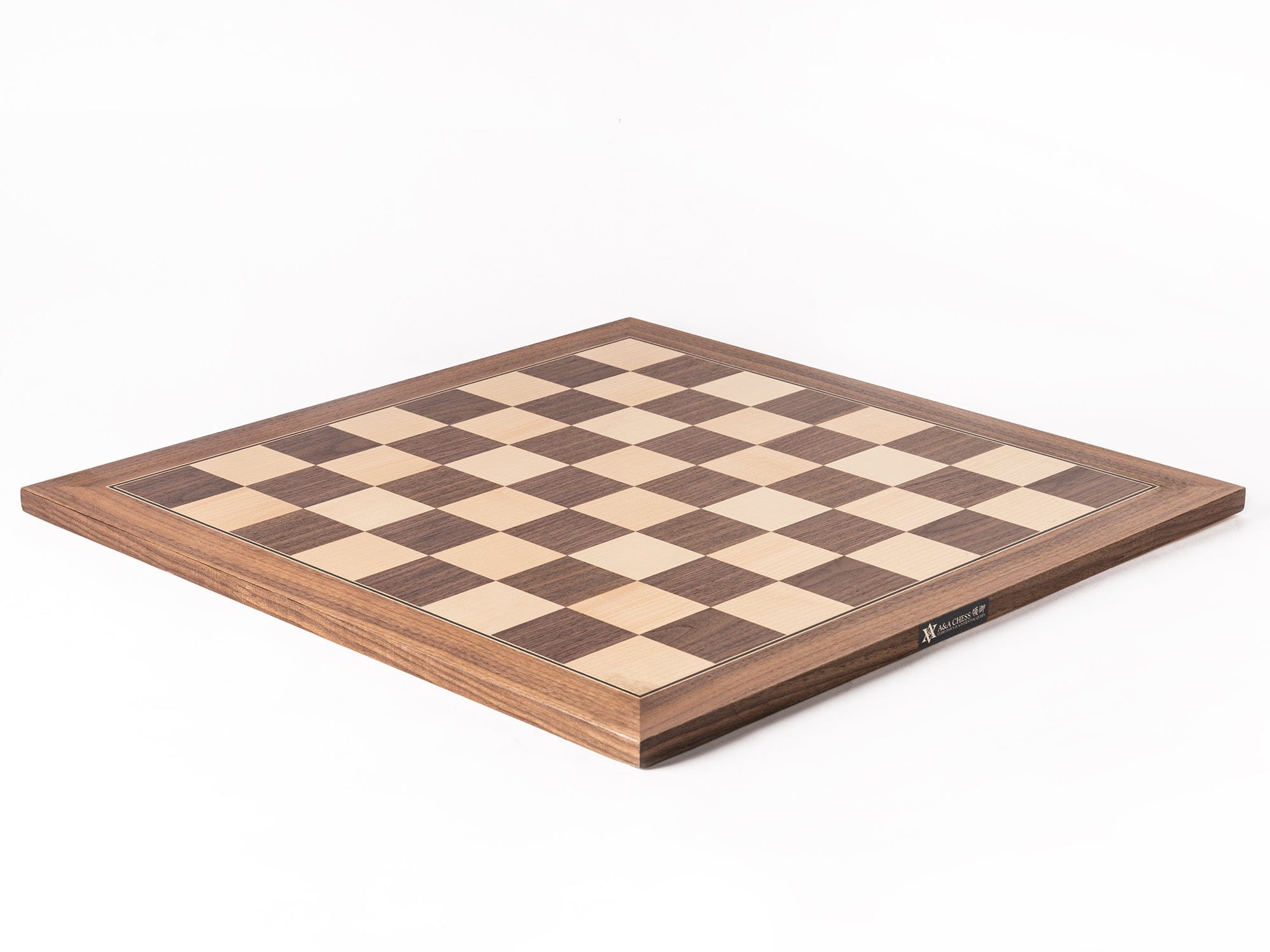
Collectors & Gifting Users: Select high-grade walnut wood chess sets. Balancing exquisite ornamental value and standard gaming performance, they are suitable for home display and high-end gifting scenarios.
4. Chess Set Rule: Matching Board Size, Pieces, and Scenarios

To avoid all buying mistakes, follow this simple and authoritative matching rule for zero-error selection:
|
Player Stage
|
Best Board Type
|
Piece Requirement
|
Necessary Accessories
|
|---|---|---|---|
|
Beginner Kids
|
15-inch magnetic wooden board
|
Light magnetic pieces
|
Built-in storage cabinet
|
|
Casual Outdoor Players
|
20-inch silicone waterproof board
|
Weighted plastic Staunton pieces
|
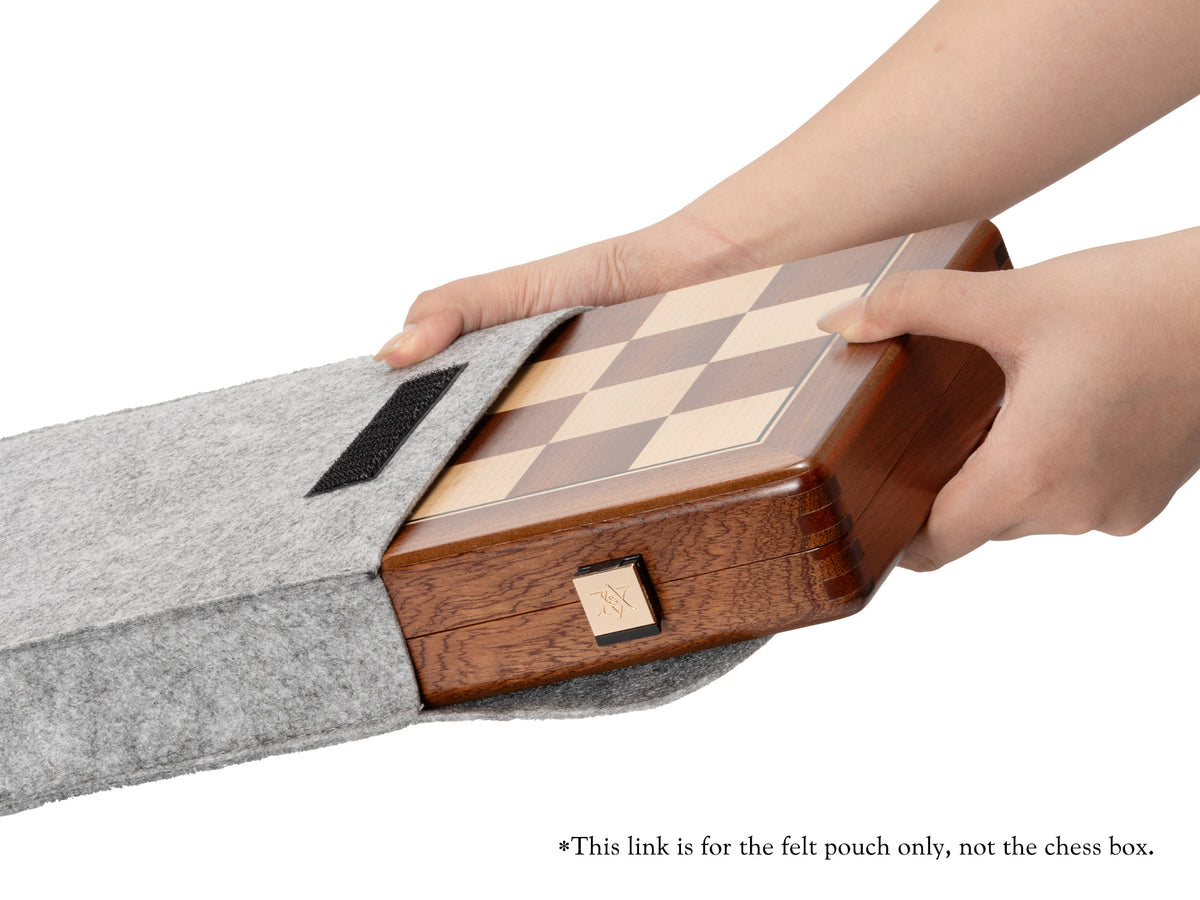
Protective carry pouch
|
|
Competitive Trainees
|
Standard tournament flat board
|
Solid wood weighted Staunton pieces
|
Digital chess clock
|
|
Collection & Gifting
|
Premium walnut wood folding board
|
Full polished wooden pieces
|
Velvet interior protection
|
5. Smart Budget Strategy for Chess Equipment in 2026
Reasonable budget allocation can help you avoid waste while ensuring training effects. For chess beginners, there is no need to invest in high-end luxury sets in the early stage. A cost-effective magnetic or silicone standard set is enough to meet daily learning needs.
When you enter the intermediate stage and start systematic tactical training and timed practice, you can upgrade high-quality solid wood pieces and professional chess clocks to complete equipment iteration. This phased investment mode perfectly matches skill growth, avoiding early over-investment or low-quality equipment waste.
6. FAQs About Chess Set Selection & Upgrade
Q1: Is an expensive chess set necessary for beginners? No. Beginners only need standardized, safe, and practical chess sets. High-end luxury sets do not help skill improvement and are easy to cause unnecessary budget waste.
Q2: Do weighted pieces really make a difference? Yes. Weighted pieces provide stable tactile feedback, prevent sliding, and help players form rigorous operation habits, which is very important for long-term chess training.
Q3: Can silicone boards replace wooden boards for daily practice? Absolutely. Standard-size silicone boards fully meet daily training and club practice needs, with better portability and durability than wooden boards, suitable for multi-scene use.
Q4: When should beginners upgrade their chess equipment? When you can proficiently master basic openings and tactics and start preparing for timed matches or offline competitions, it is the best time to upgrade to tournament-grade equipment.
Q5: What is the most useless chess set feature for training? Excessively complex carved decorations and oversized ornamental designs. These features only improve appearance but disrupt standard proportions and affect normal training.
7. Quick Final Checklist Before You Buy
Before purchasing any chess set in 2026, check these key points to avoid all common mistakes:
1. Confirm standard board and piece proportional matching, no visual crowding or sparseness;
2. Choose weighted pieces for stable gaming experience;
3. Match board material according to indoor/outdoor usage scenarios;
4. Prioritize sets with complete storage and protection design;
5. Reserve budget for a digital chess clock for long-term skill improvement.
8. Conclusion
Most players’ slow chess progress is not due to insufficient talent, but accumulated errors caused by inappropriate chess equipment. Avoiding the seven major chess set buying mistakes in 2026 can help every chess enthusiast save unnecessary costs, cultivate professional gaming habits, and achieve faster progress with high-quality chess equipment tailored to their skill level and usage scenarios.



Hinterlasse einen Kommentar
Diese Website ist durch hCaptcha geschützt und es gelten die allgemeinen Geschäftsbedingungen und Datenschutzbestimmungen von hCaptcha.