










Table of Contents
- Why Chess Openings Matter
- The Three Main Goals of a Chess Opening
- Basic Chess Opening Principles Every Beginner Should Know
- Common Mistakes Beginners Make in the Opening
- Popular Chess Openings for New Players
- How to Practice Chess Openings at Home
- Choosing the Right Chess Set for Learning Chess
- Chess Training Equipment for Better Improvement
- Chess Opening Comparison Table
- Frequently Asked Questions About Chess Openings
- Final Thoughts
Why Chess Openings Matter
Every chess game begins with the opening.
The first few moves determine how the rest of the game develops.
Many beginners focus only on attacking the opponent’s pieces, but strong chess players understand that the opening is mainly about:
- Controlling the board
- Developing pieces
- Protecting the king
- Creating future opportunities
A good opening does not mean winning immediately.
Instead, it creates a strong foundation for the middle game and endgame.
Learning basic opening principles allows beginners to improve faster and enjoy chess more.
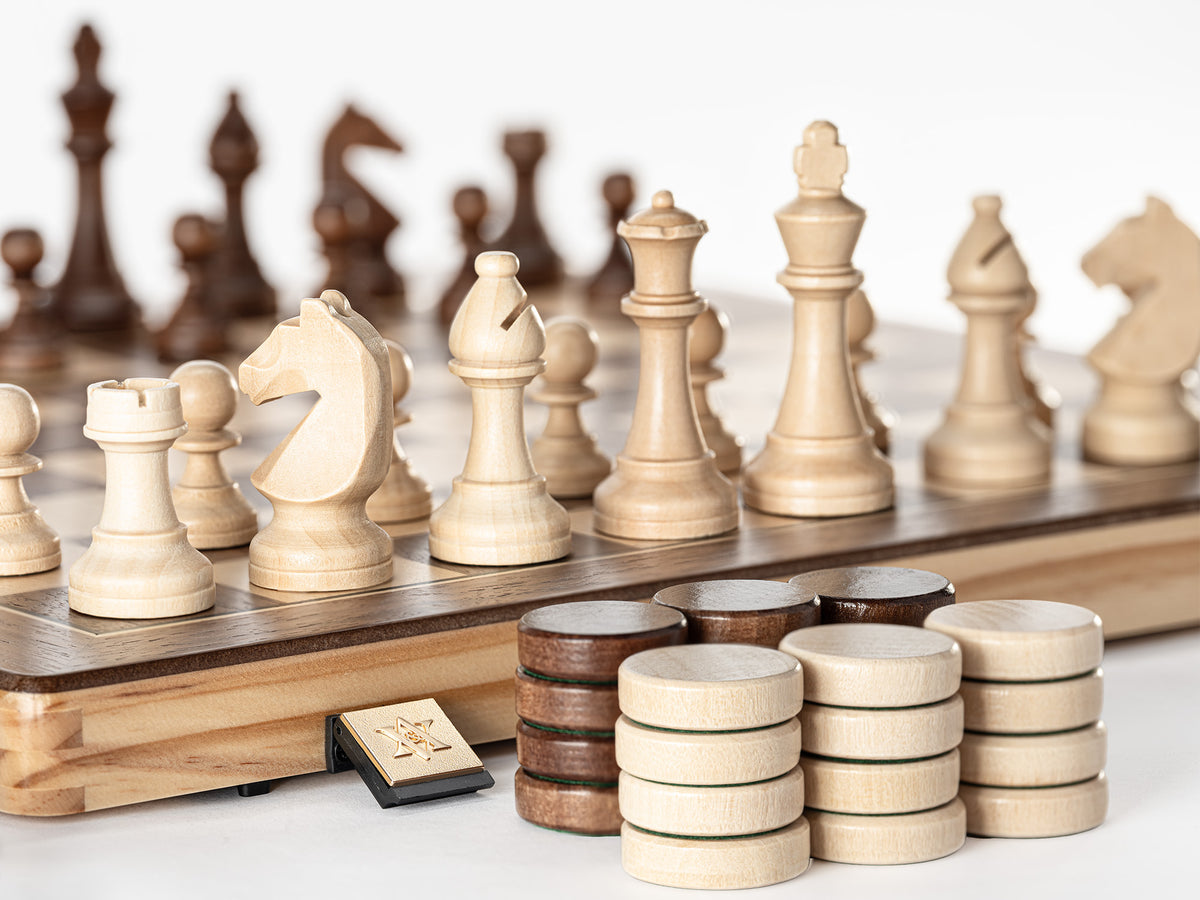
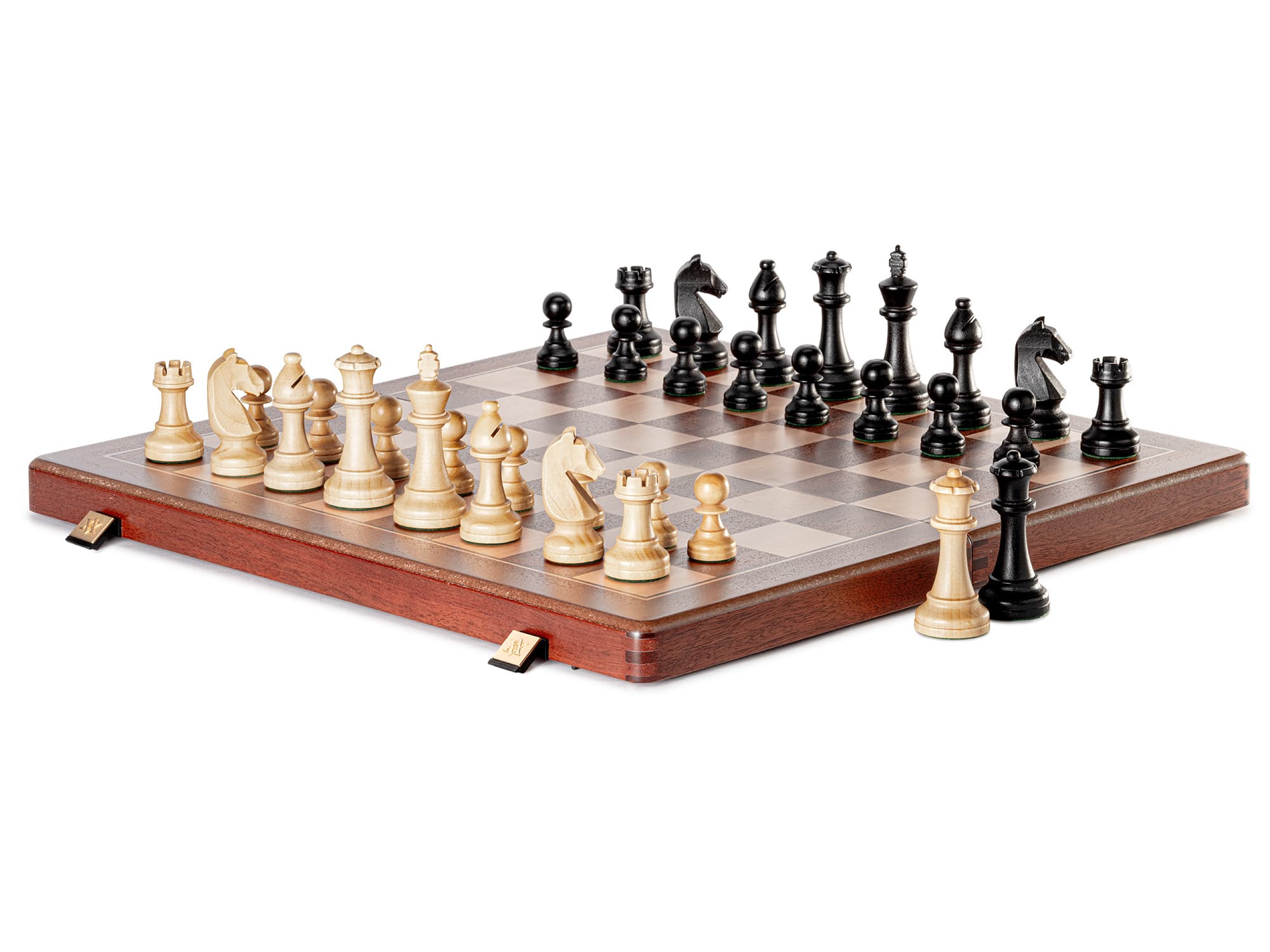
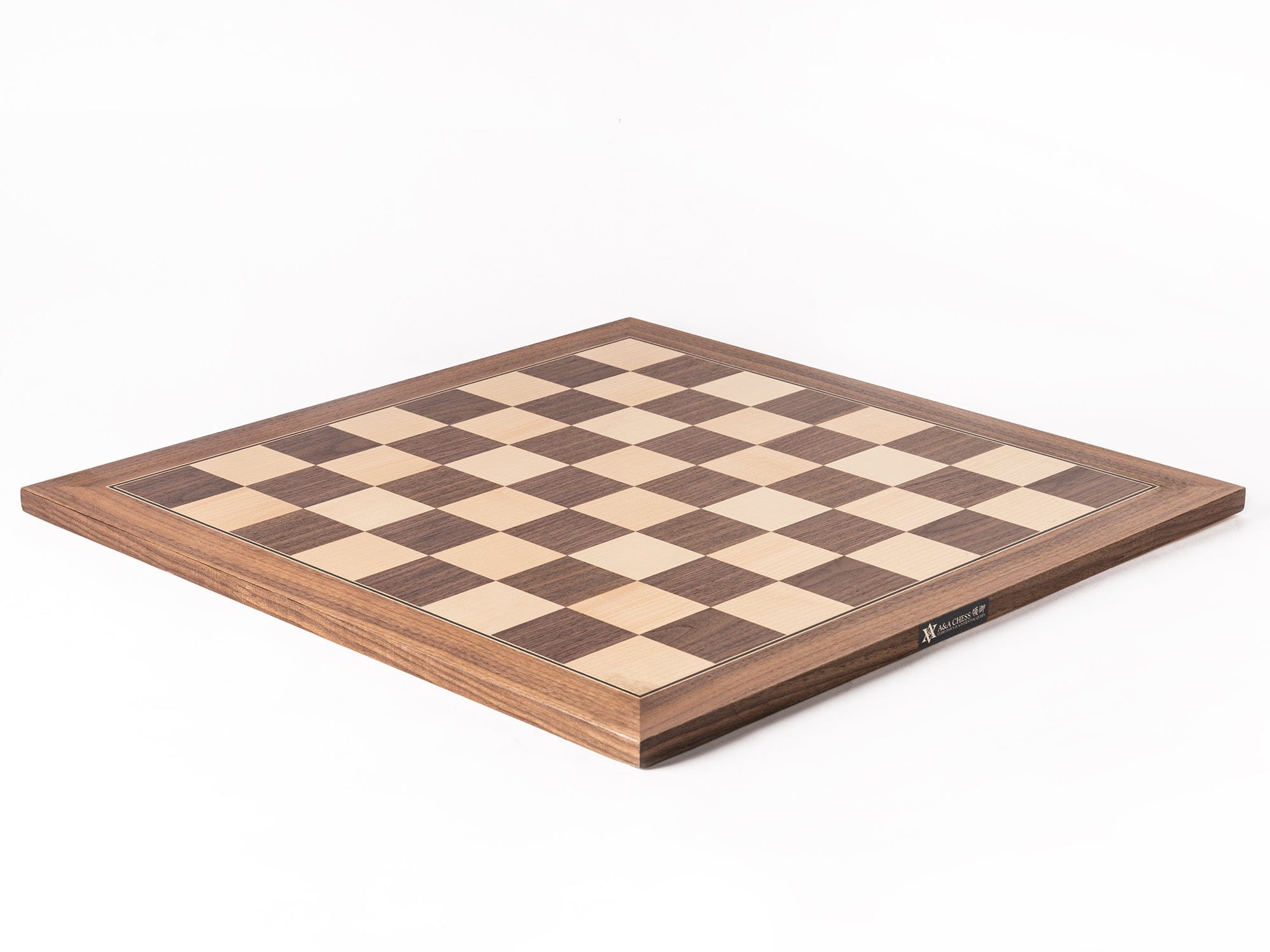
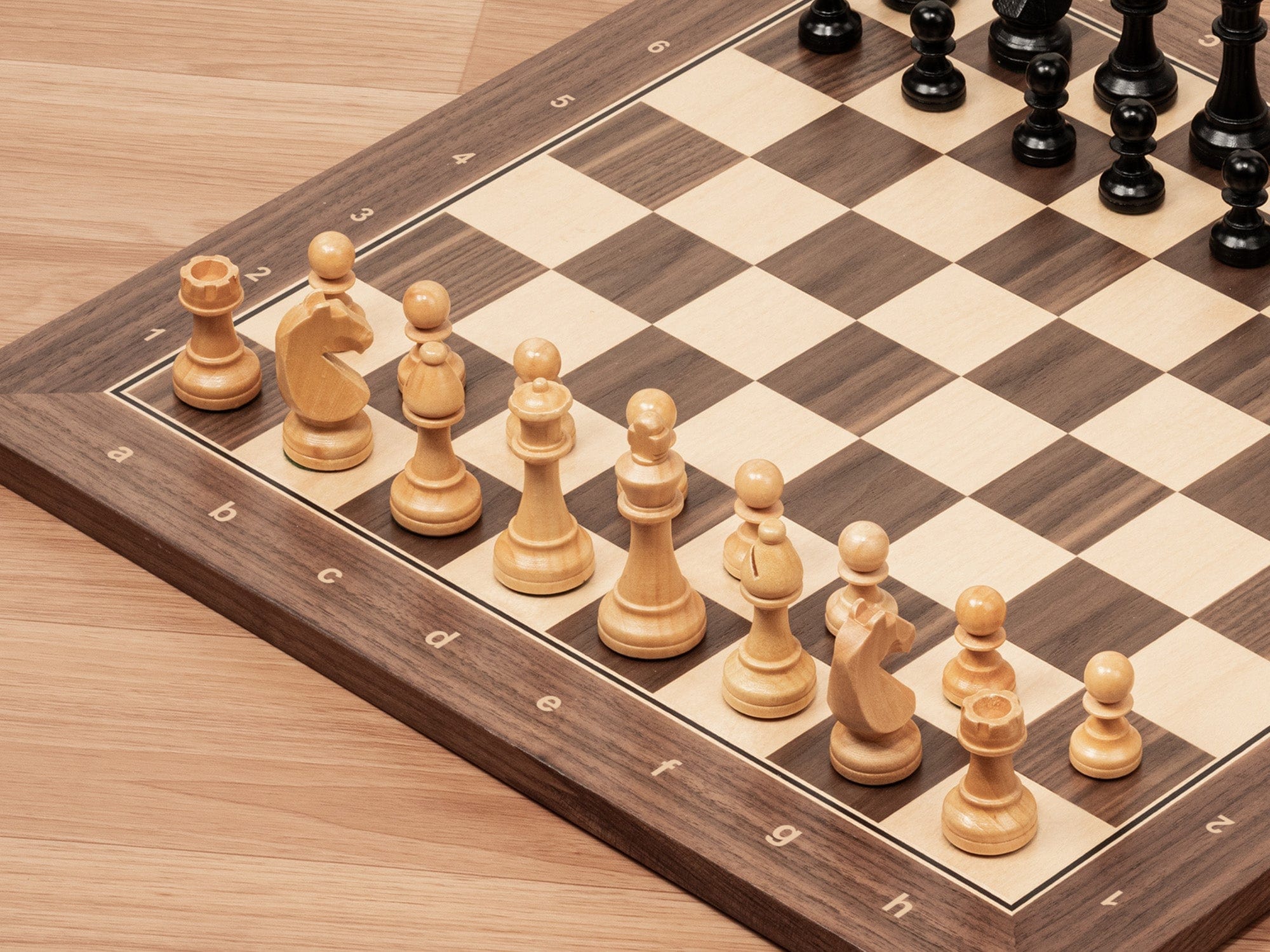
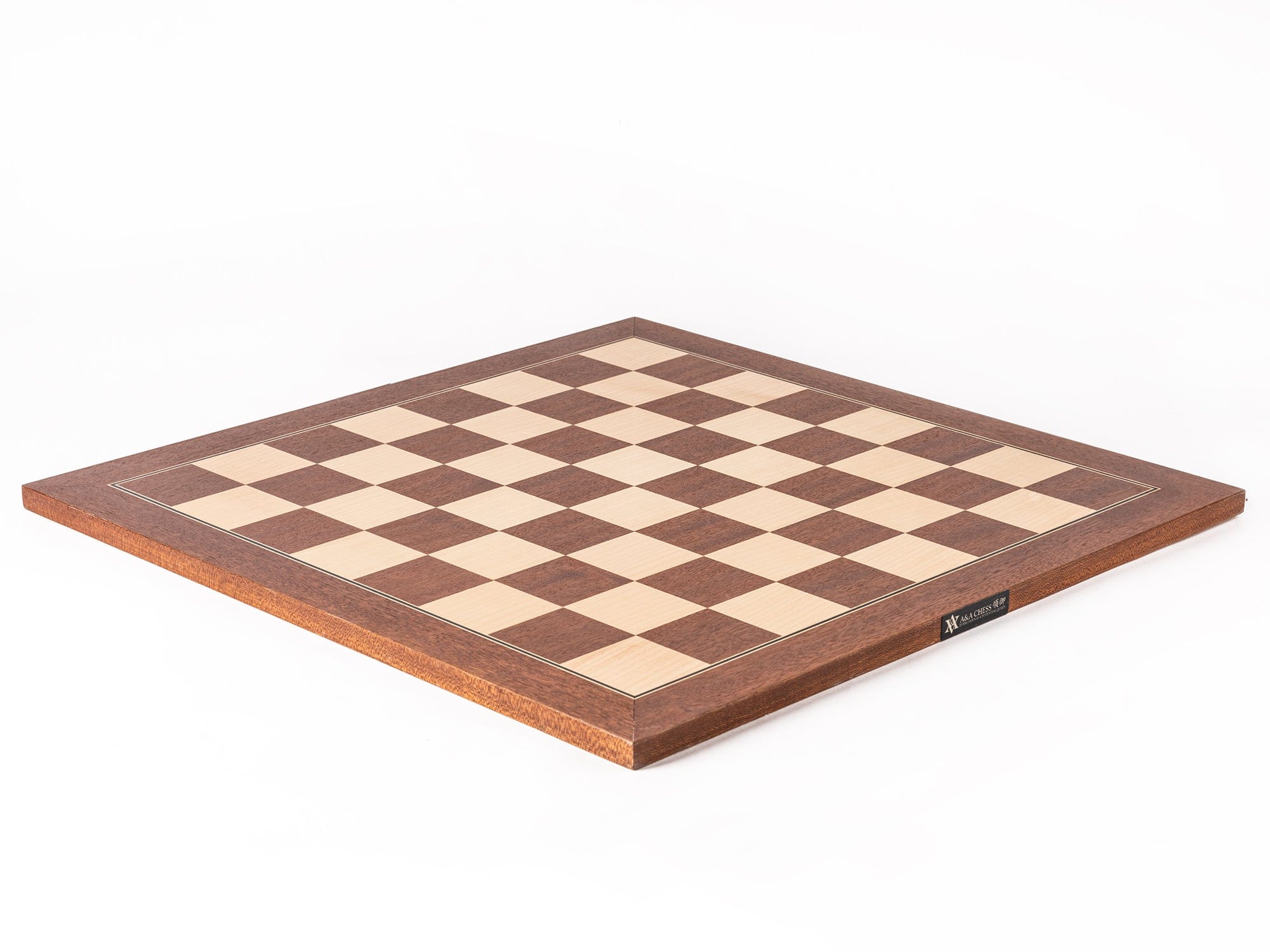
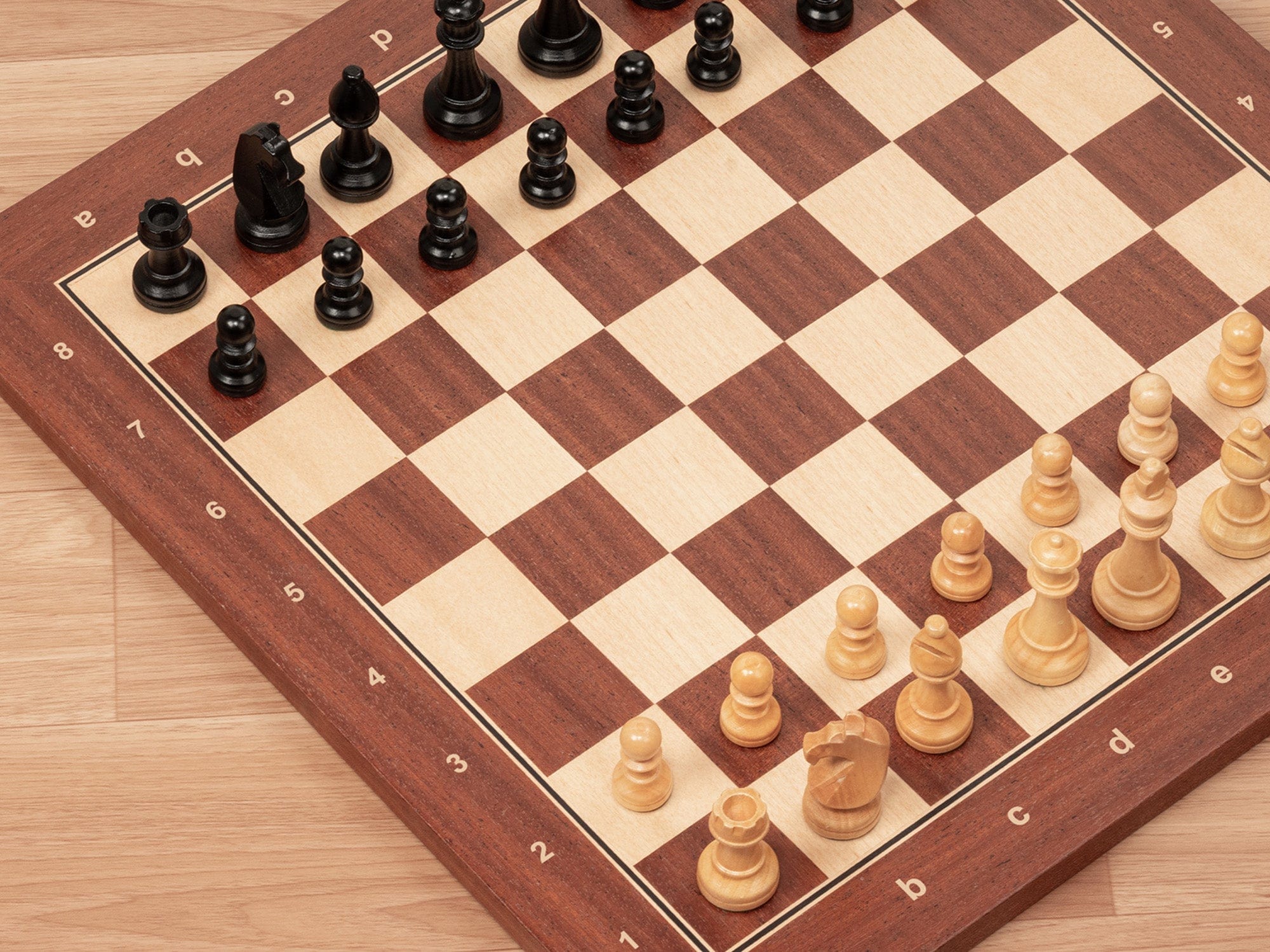
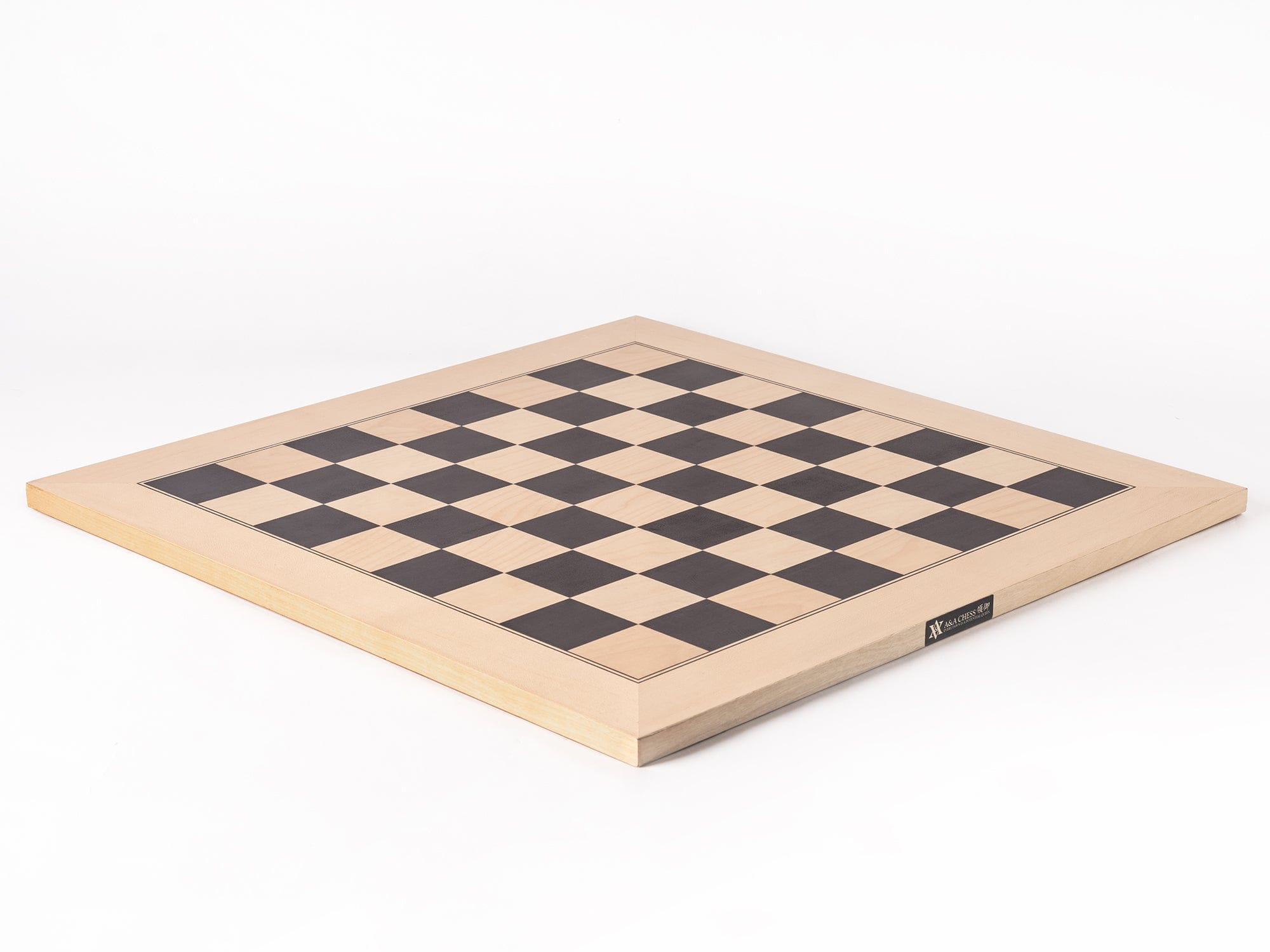
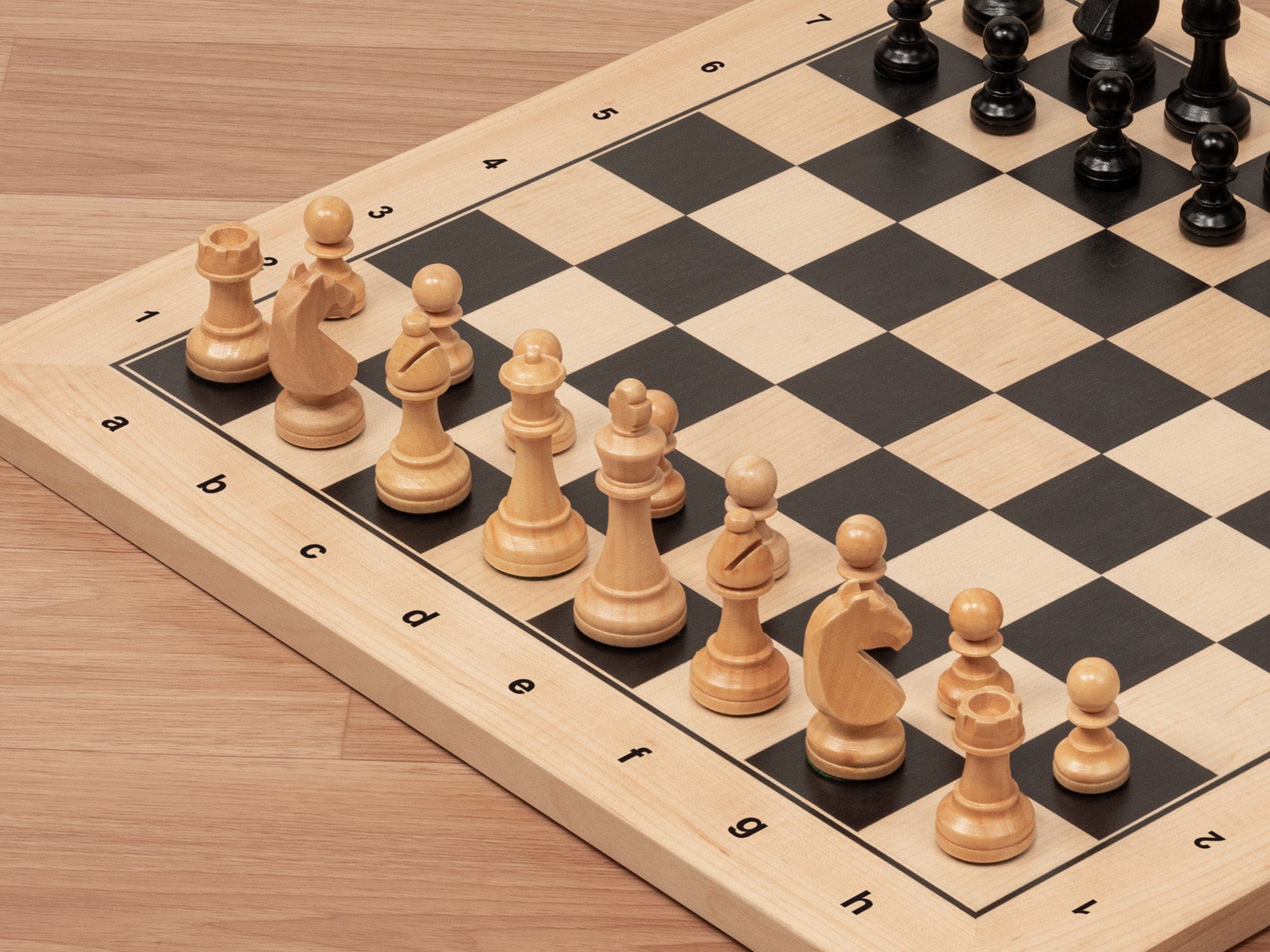
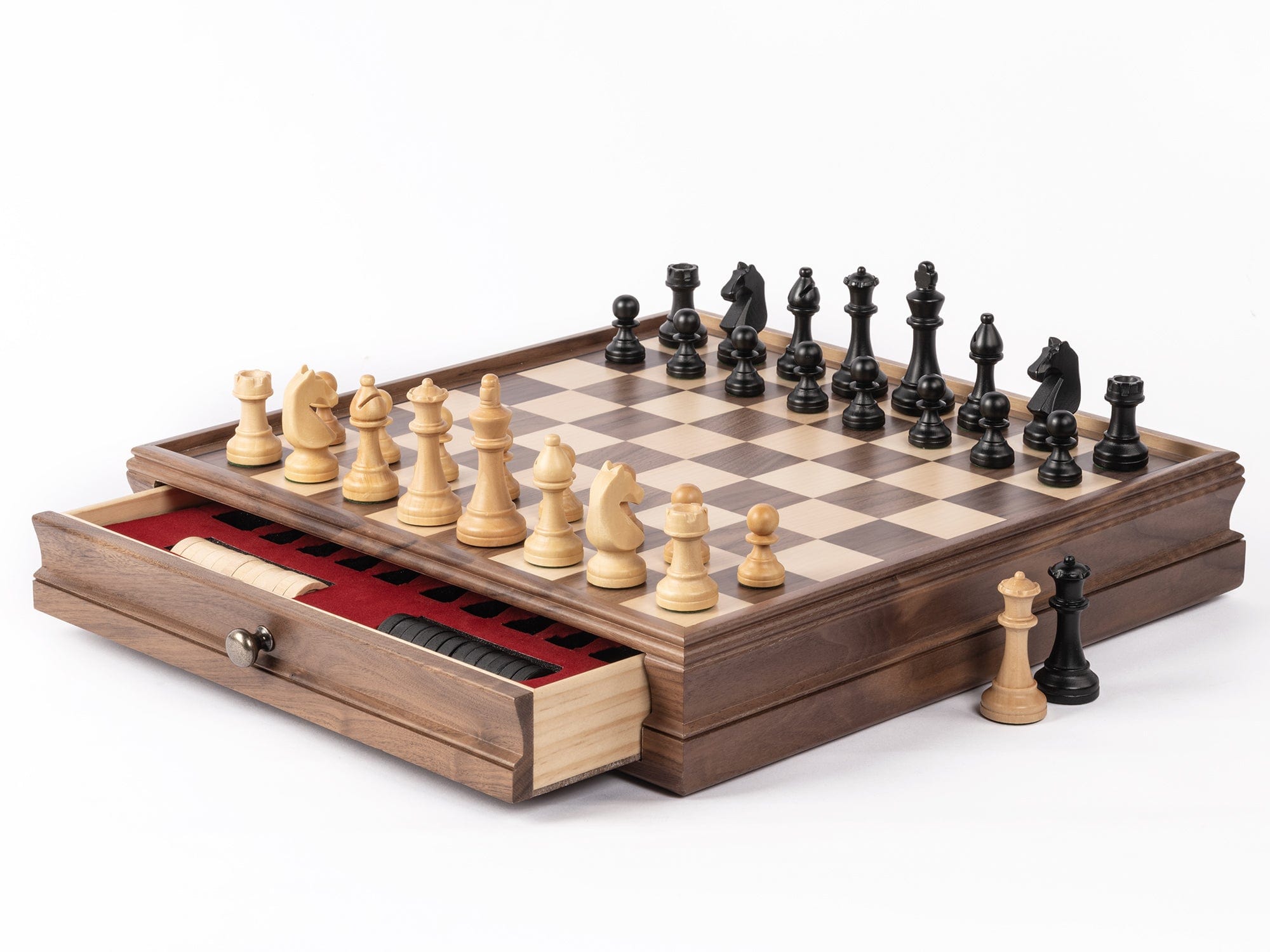
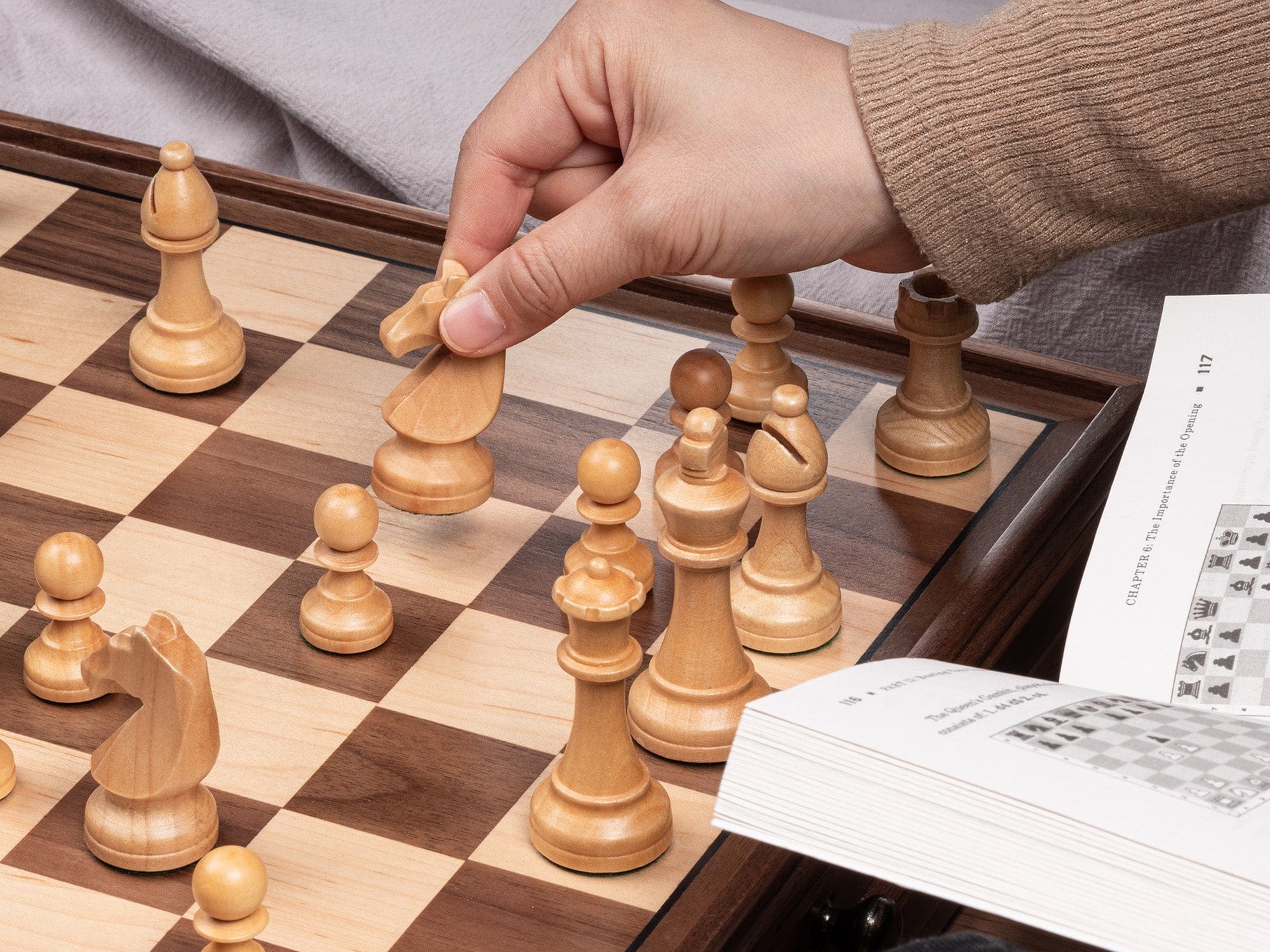
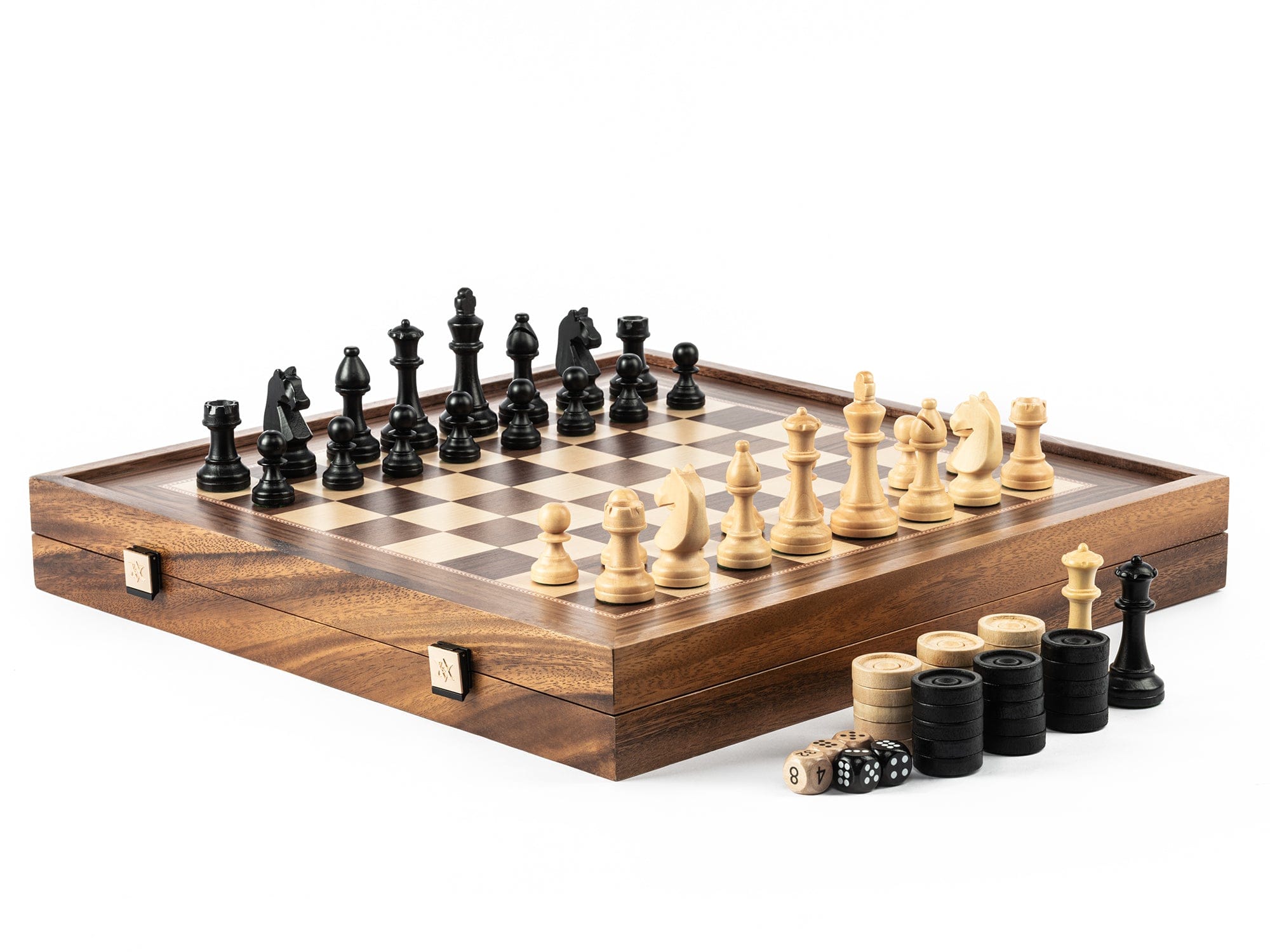
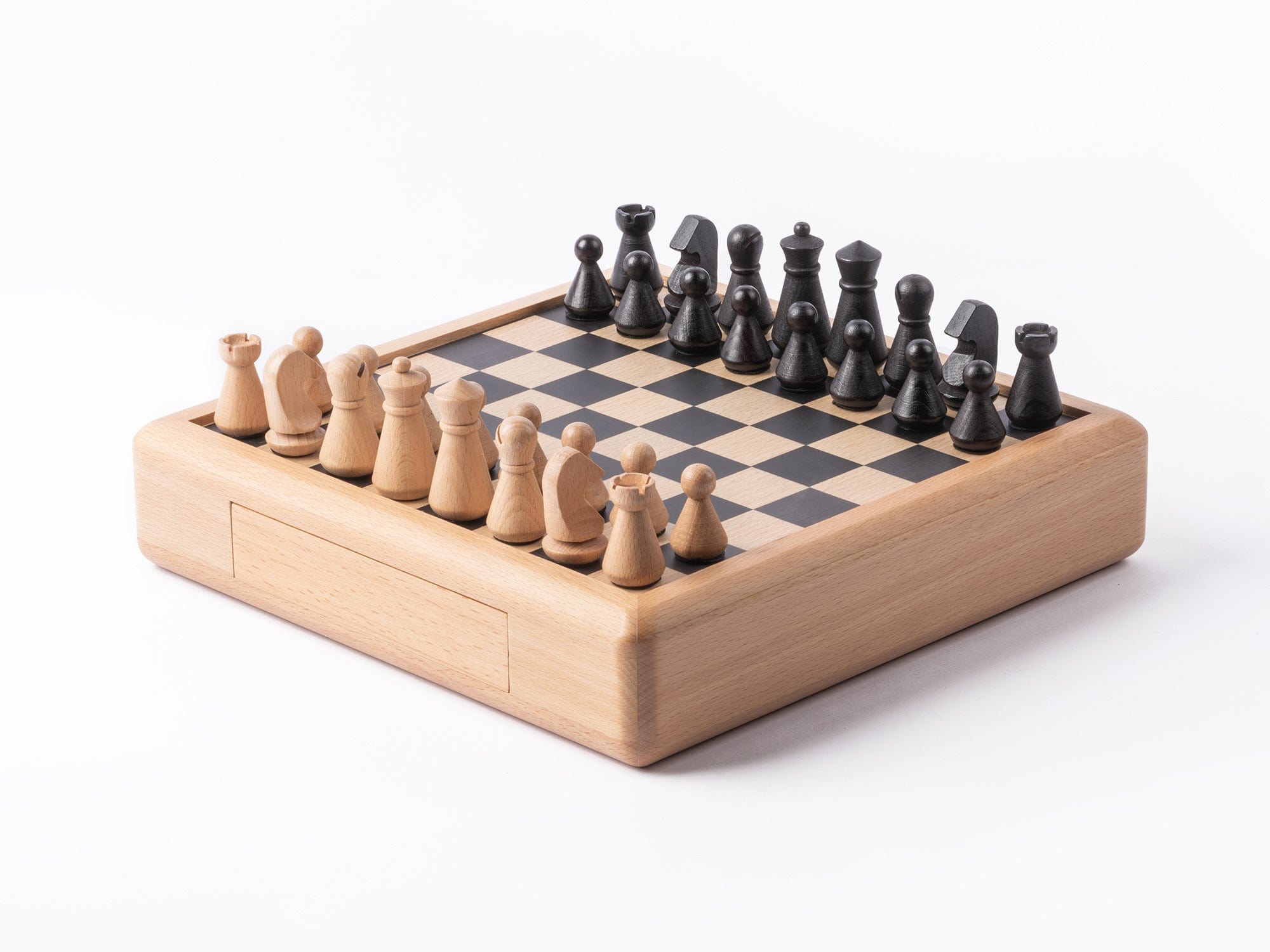
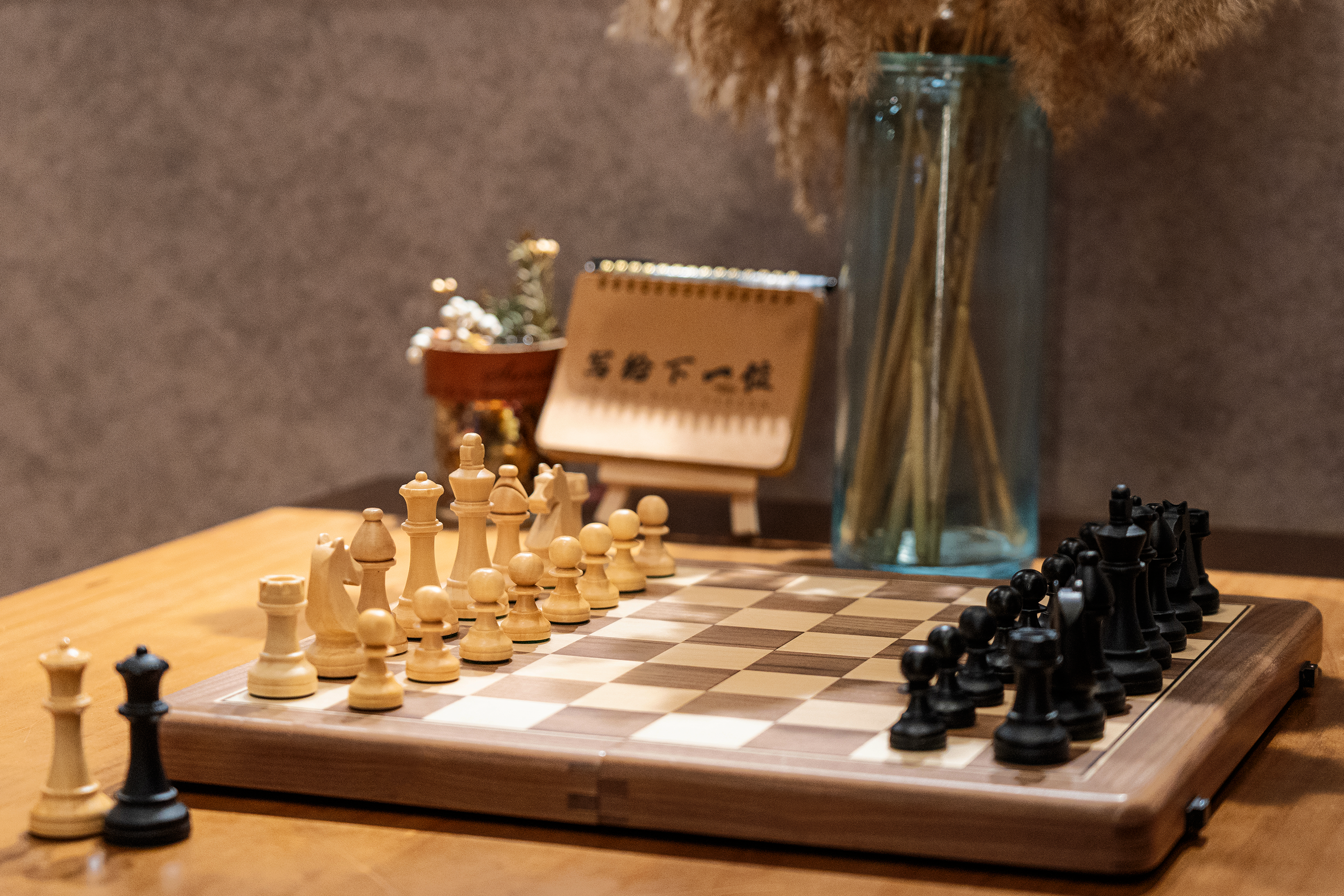
Having a proper physical board also helps beginners understand positions more clearly. A quality chess set for beginners allows players to practice moves and strategies away from digital screens.
The Three Main Goals of a Chess Opening

Most beginner chess openings follow three important goals.
1. Control the Center
The center of the chess board is the most important area.
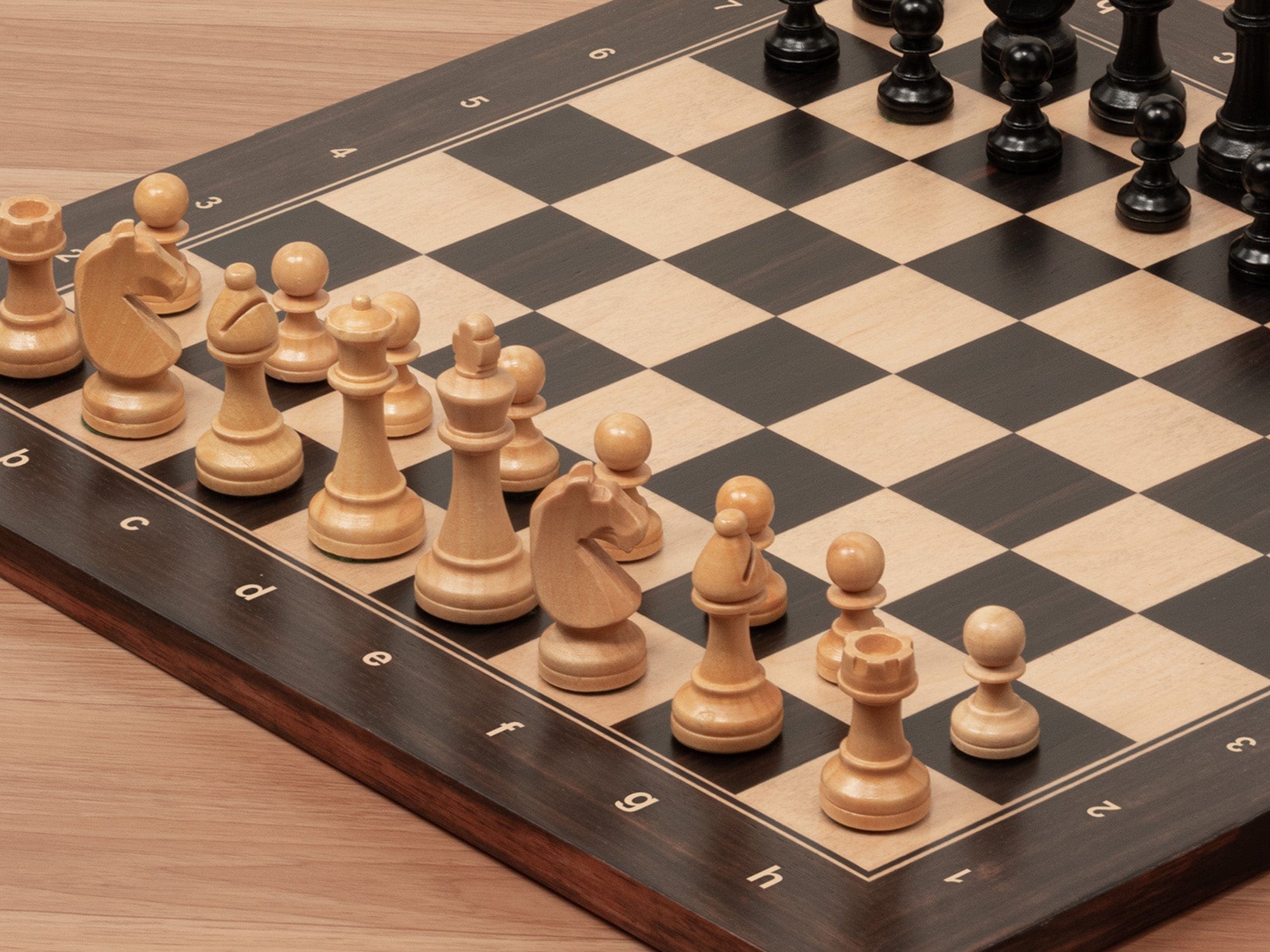
The four central squares are:
- e4
- d4
- e5
- d5
Controlling these squares gives pieces more freedom.
Players usually try to place their pawns and pieces toward the center.
2. Develop Your Pieces
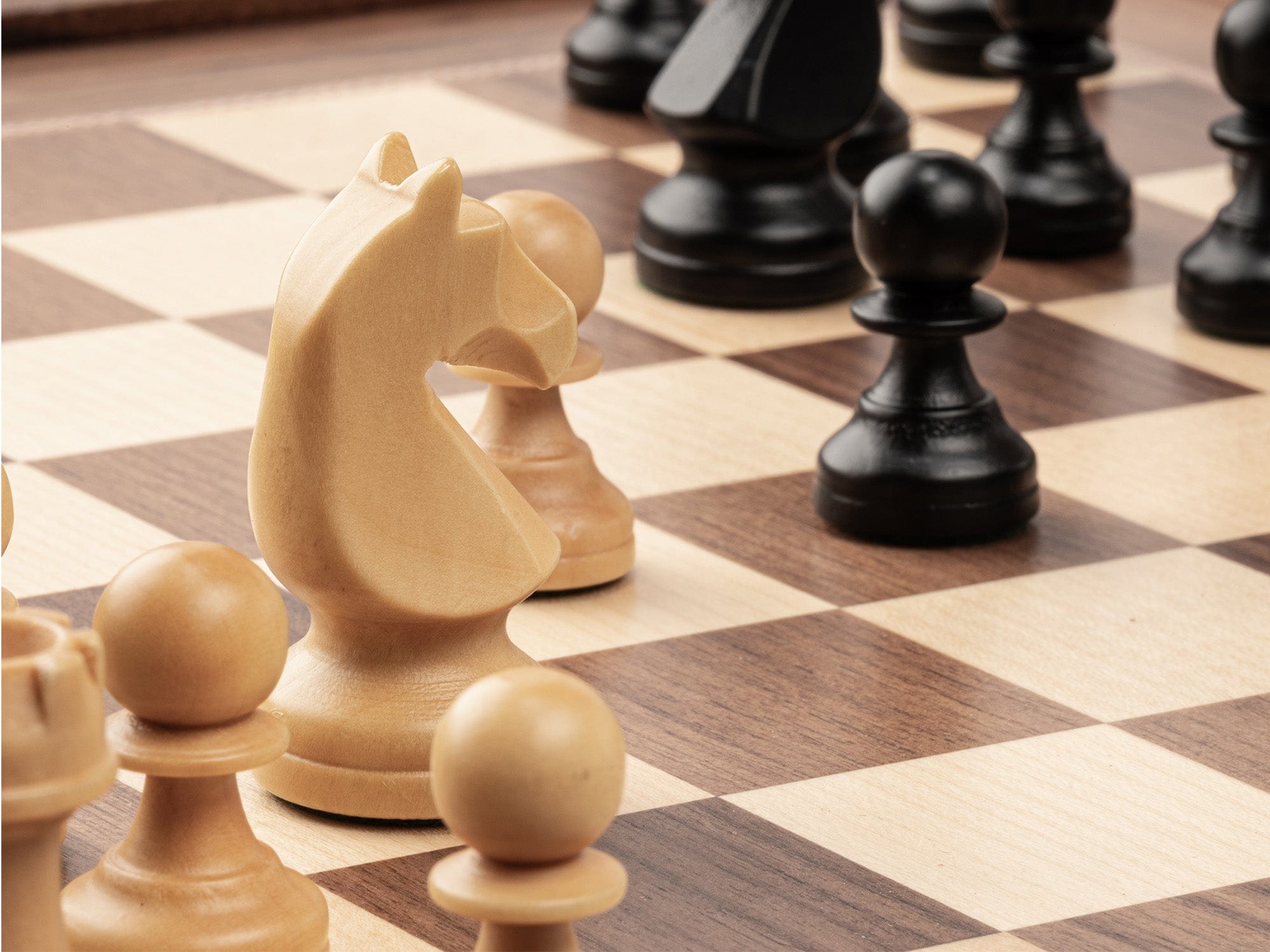
Development means bringing your pieces into useful positions.
During the opening, players should usually develop:
- Knights
- Bishops
before moving the same piece multiple times.
A simple opening goal:
| Piece | Opening Goal |
|---|---|
| Knight | Move toward the center |
| Bishop | Control important diagonals |
| Queen | Avoid moving too early |
| Rook | Connect after development |
| King | Prepare safety through castling |
3. Protect the King
A common beginner mistake is attacking too early while ignoring king safety.
A strong opening usually includes:
- Developing pieces
- Creating protection
- Castling early
A safe king allows players to focus on strategy.
Basic Chess Opening Principles Every Beginner Should Know
Beginners do not need to memorize hundreds of opening variations.
Understanding basic principles is more important.
Principle 1: Move Central Pawns
The first moves often involve central pawns.
Common examples:
- Pawn to e4
- Pawn to d4
These moves create space and allow pieces to develop.
Principle 2: Develop Knights and Bishops Early
Knights and bishops should usually move before the queen.
Why?
Because early queen movement can waste time and allow opponents to gain development advantages.
Principle 3: Avoid Moving the Same Piece Repeatedly
A beginner mistake:
Moving one knight several times while other pieces remain inactive.
A better strategy:
Develop multiple pieces and create a balanced position.
Principle 4: Castle Early
Castling helps:
- Protect the king
- Connect rooks
- Improve position
Many beginner games are lost because players delay king safety.
Common Chess Opening Mistakes Beginners Make
Understanding mistakes is one of the fastest ways to improve.
| Mistake | Why It Is a Problem |
|---|---|
| Moving the queen too early | Queen can become a target |
| Ignoring the center | Opponent gains control |
| Attacking too soon | Development becomes slower |
| Moving too many pawns | Pieces remain undeveloped |
| Forgetting king safety | Creates tactical problems |
Learning from mistakes helps beginners develop stronger habits.
Popular Chess Openings for New Players
Beginners do not need complicated theory.
Simple openings are usually better.
1. Italian Game
Moves:
- e4 e5
- Nf3 Nc6
- Bc4
Advantages:
- Easy to understand
- Develops pieces naturally
- Teaches basic strategy
2. Queen's Gambit
Moves:
- d4 d5
- c4
Advantages:
- Controls the center
- Develops strategic thinking
- Used by advanced players as well
3. Sicilian Defense
Moves:
- e4 c5
Advantages:
- Active counterplay
- Popular among experienced players
For beginners, understanding ideas is more important than memorizing moves.
How to Practice Chess Openings at Home

Improvement comes from consistent practice.
A good training routine includes:
Step 1: Learn Basic Ideas
Understand:
- Why moves are played
- What each piece wants to achieve
Step 2: Practice Repeatedly
Play the same opening many times.
This helps develop:
- Pattern recognition
- Confidence
- Strategic understanding
Step 3: Review Your Games
After playing, ask:
- Did I control the center?
- Did I develop my pieces?
- Did I protect my king?
These questions help improve quickly.
Choosing the Right Chess Set for Learning Chess
A good learning environment improves progress.
Beginners often benefit from equipment that makes positions easy to understand.
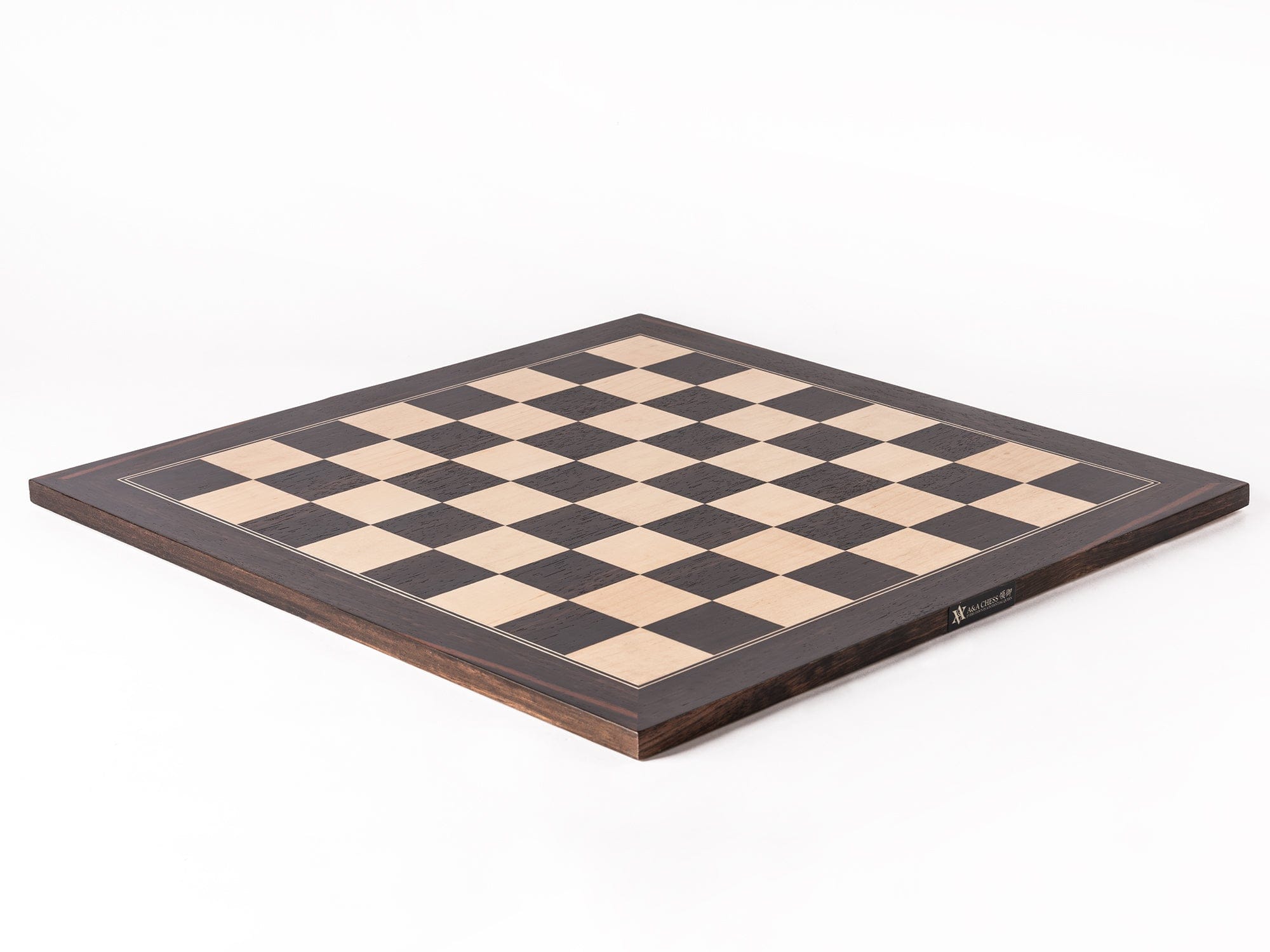
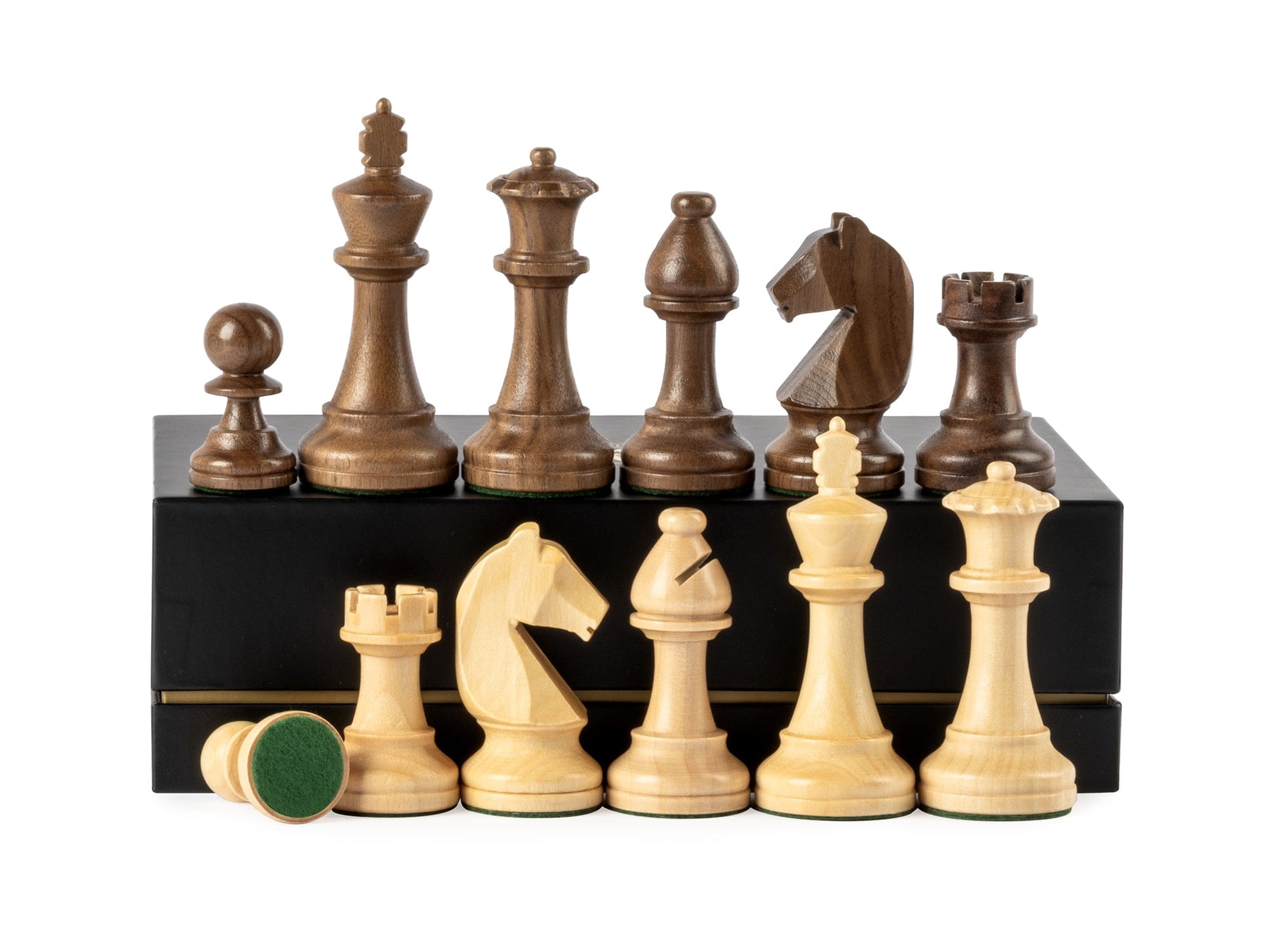
Wooden Chess Sets
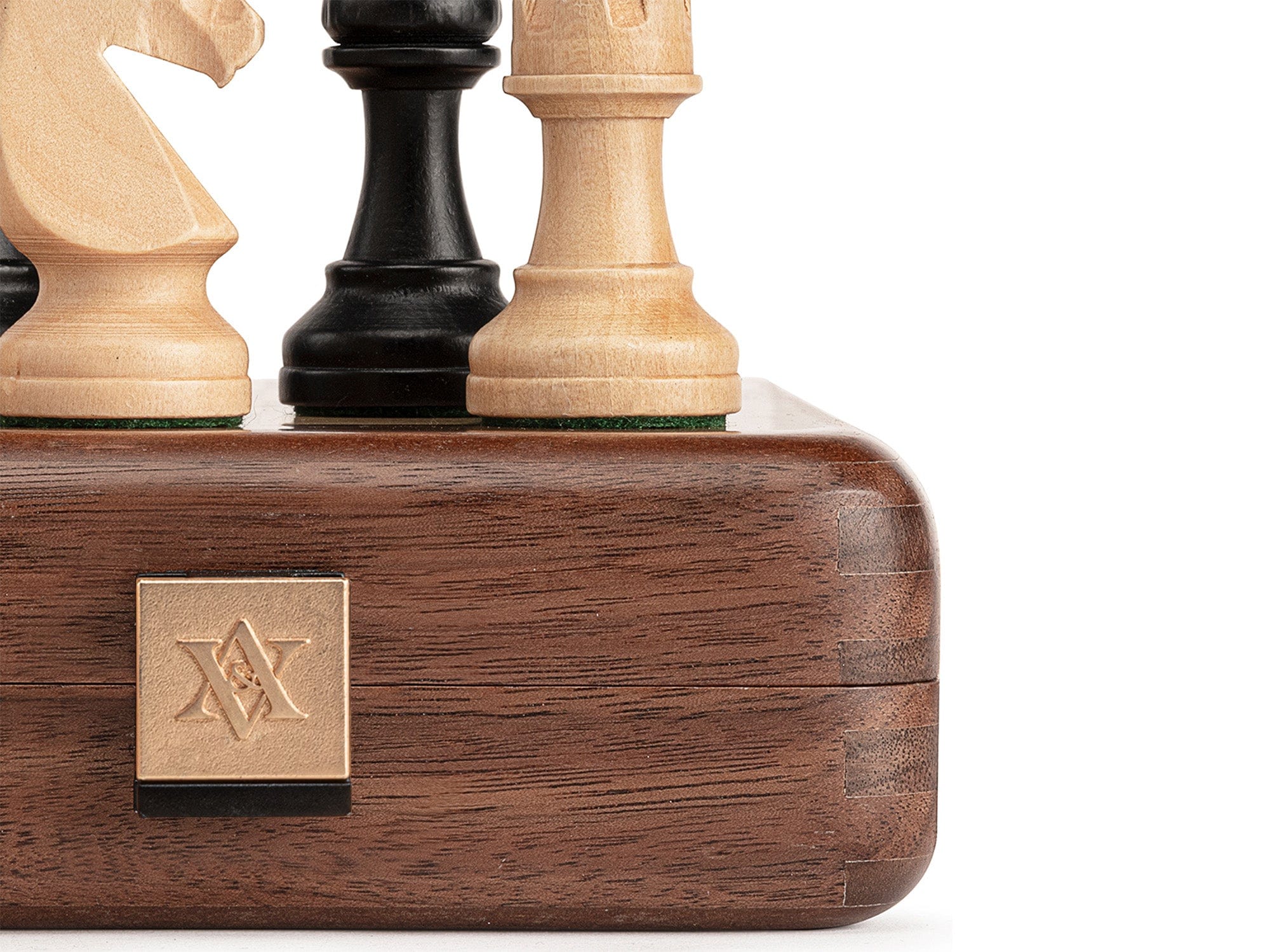
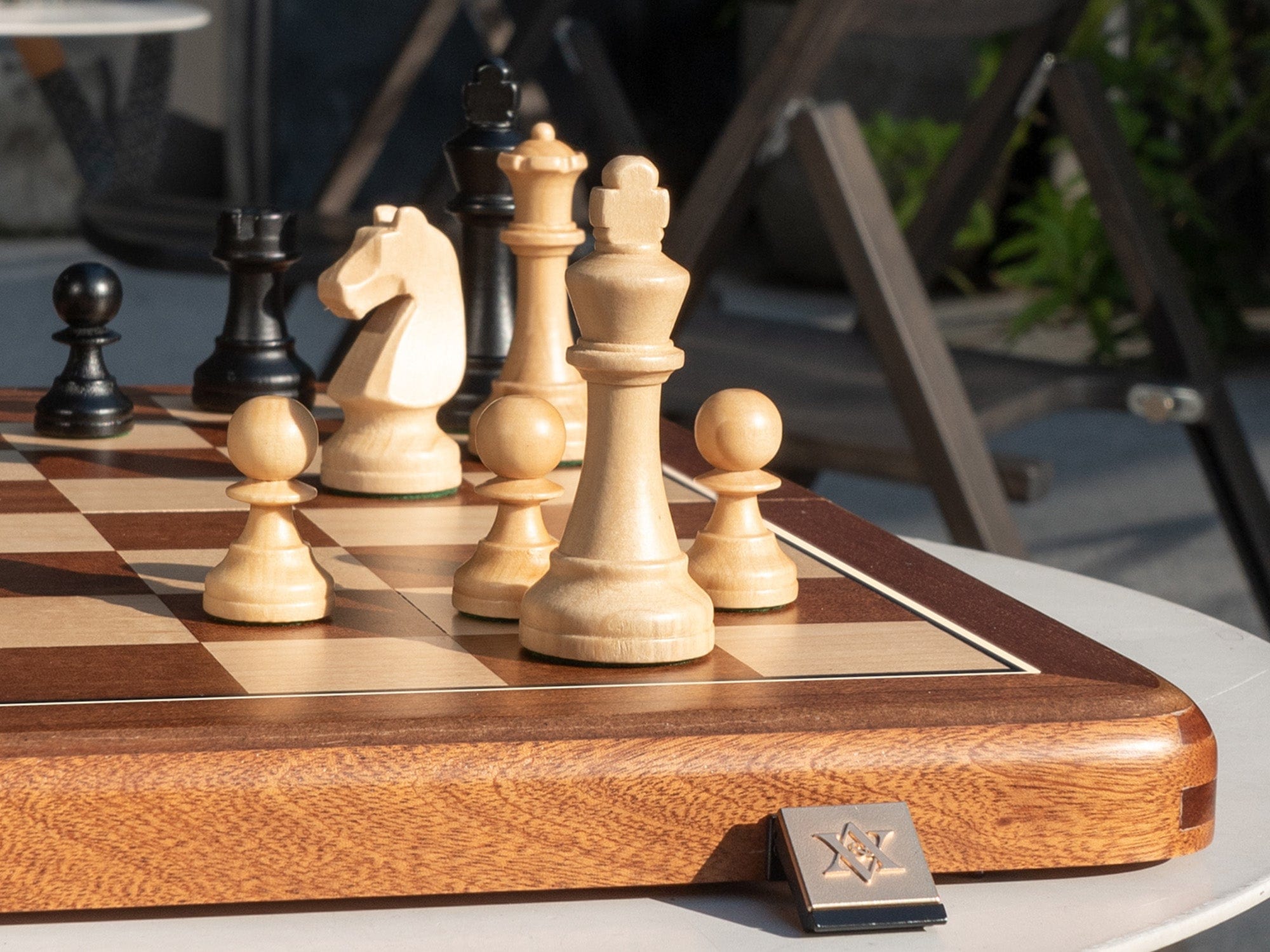
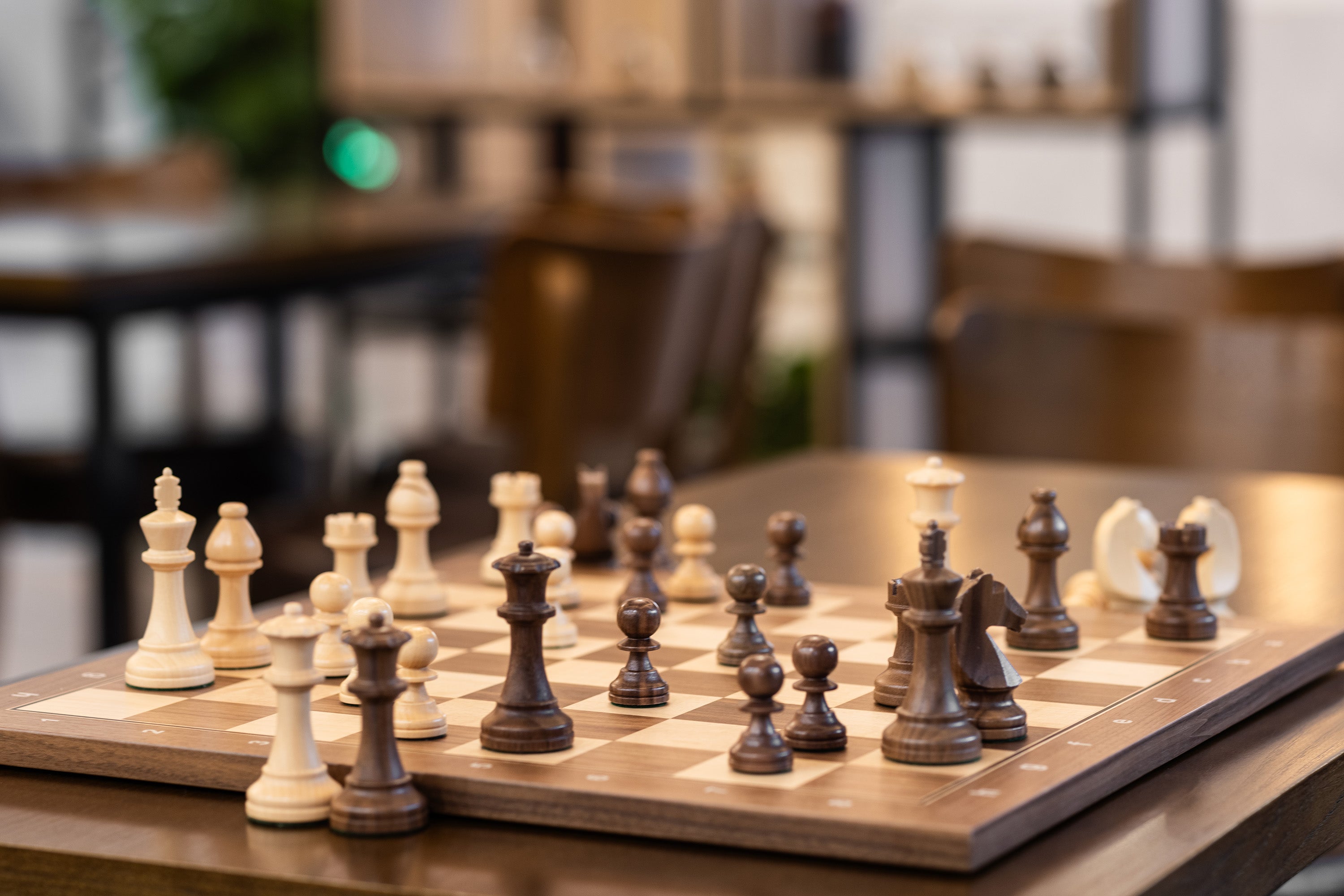
A wooden chess set provides:
- Traditional experience
- Clear piece visibility
- Comfortable gameplay
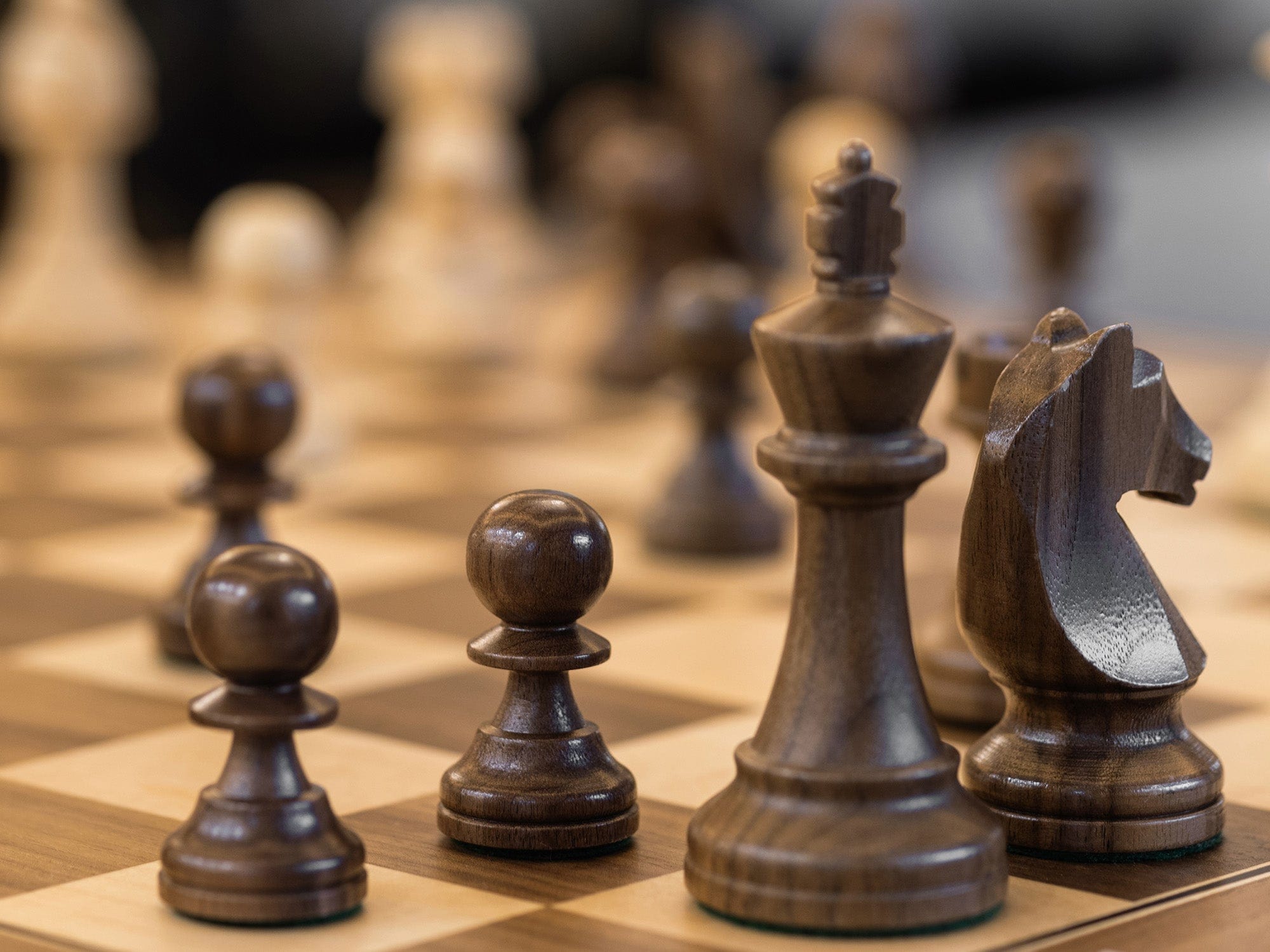
Many players prefer wooden boards because they create a more focused learning environment.
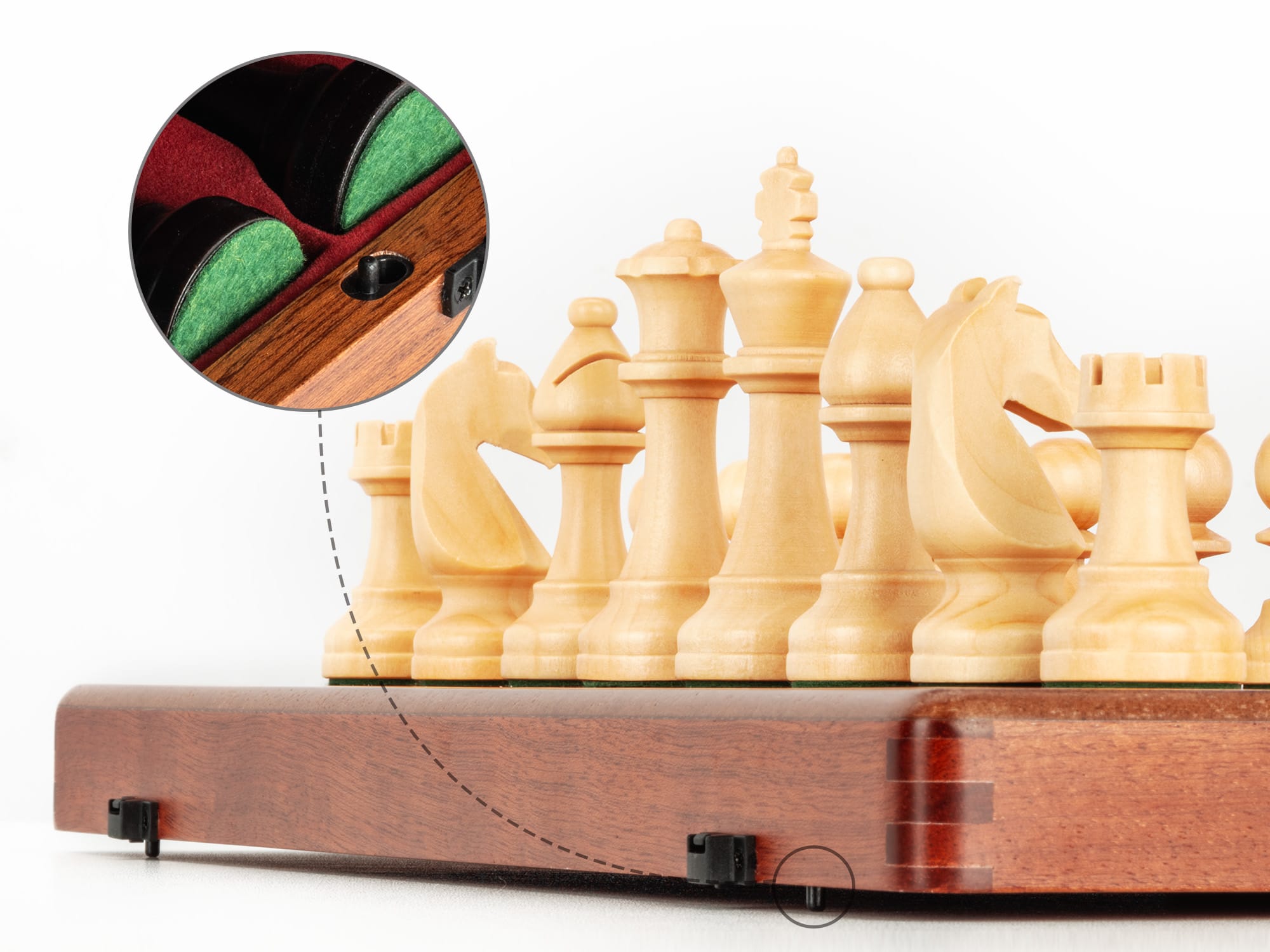
Folding Chess Sets
A folding chess set is useful for beginners because:
- Pieces are easy to store
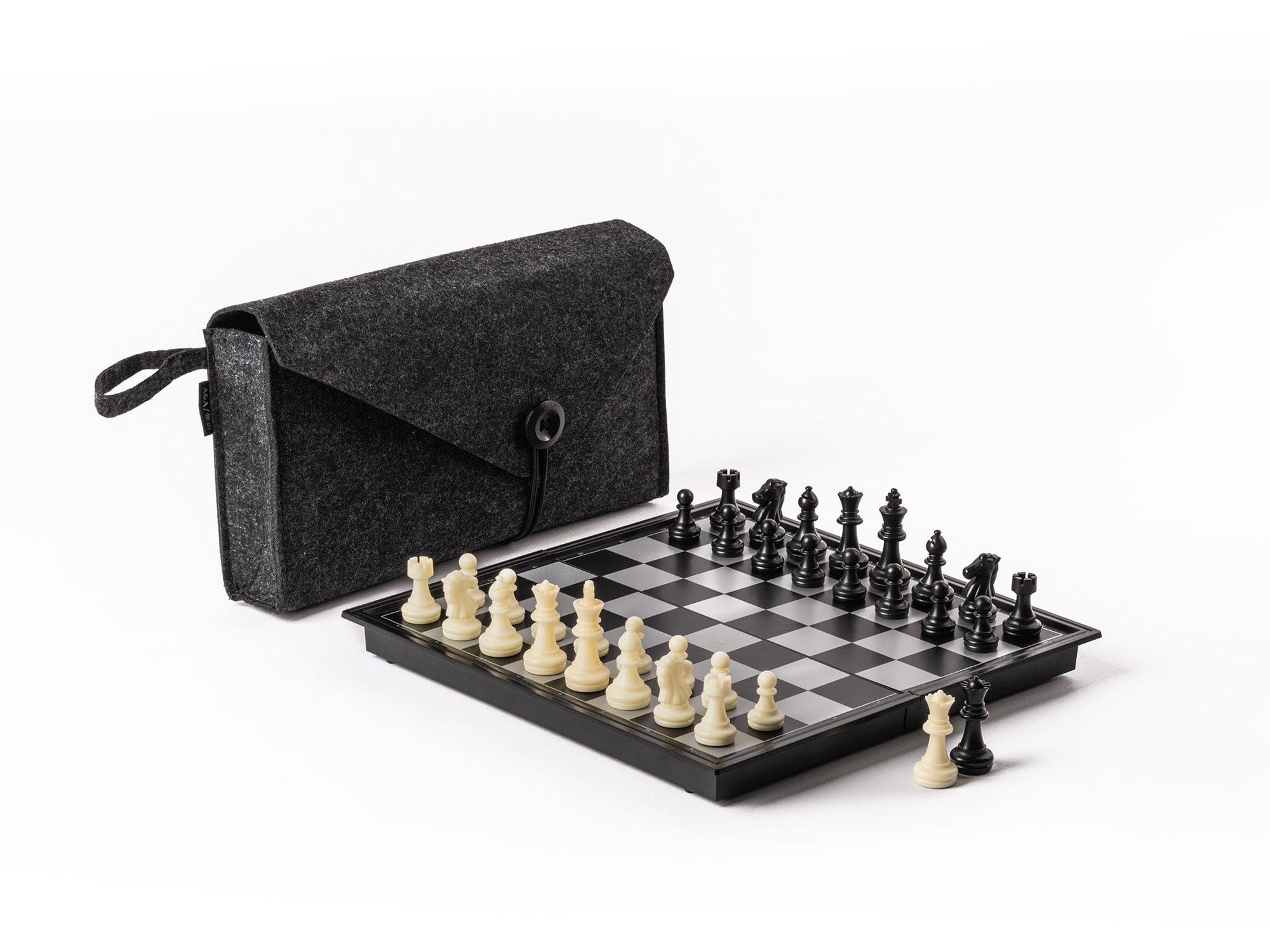
- The board is portable
- Practice can happen anywhere
Magnetic Chess Sets
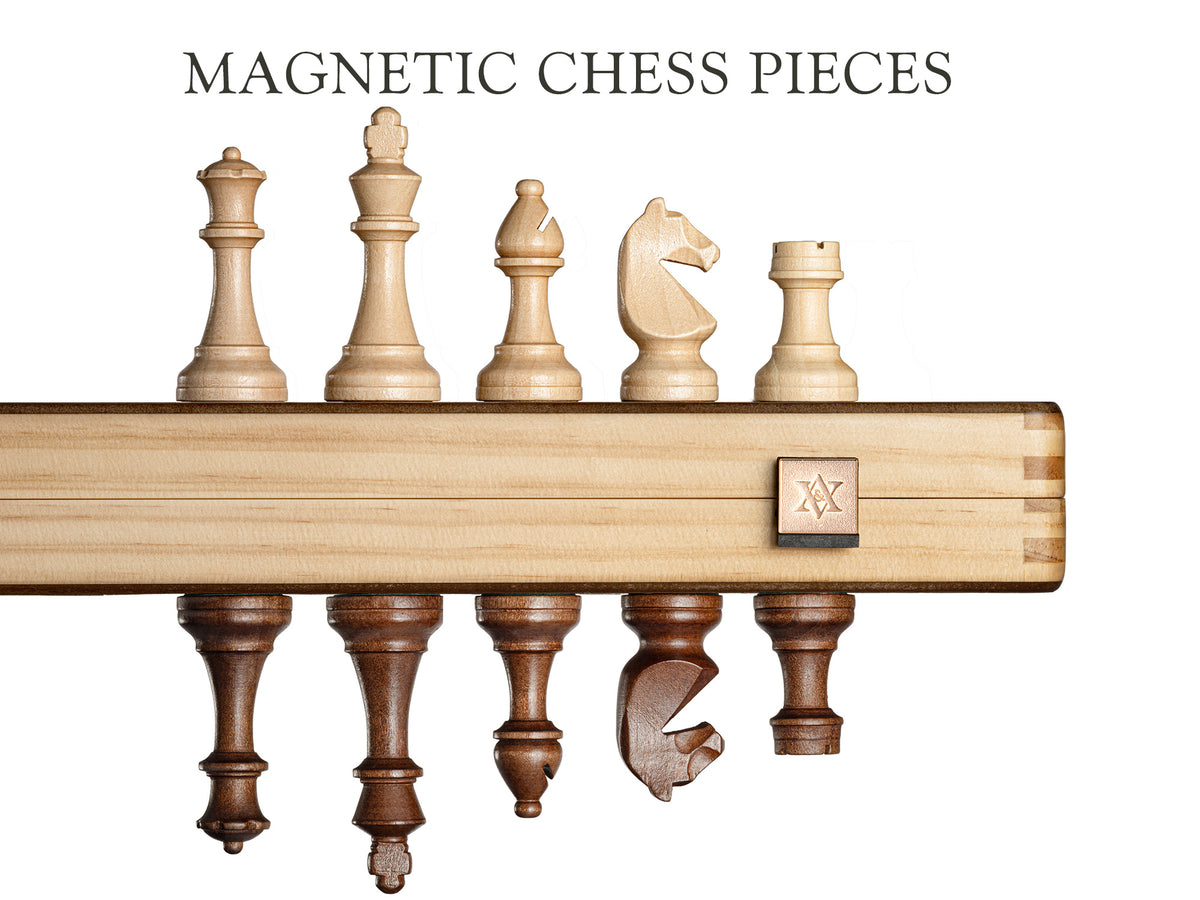
A magnetic chess set helps beginners because pieces stay stable during learning.
This is especially useful for:
- Children
- Travel practice
- Casual games
Chess Training Equipment for Better Improvement
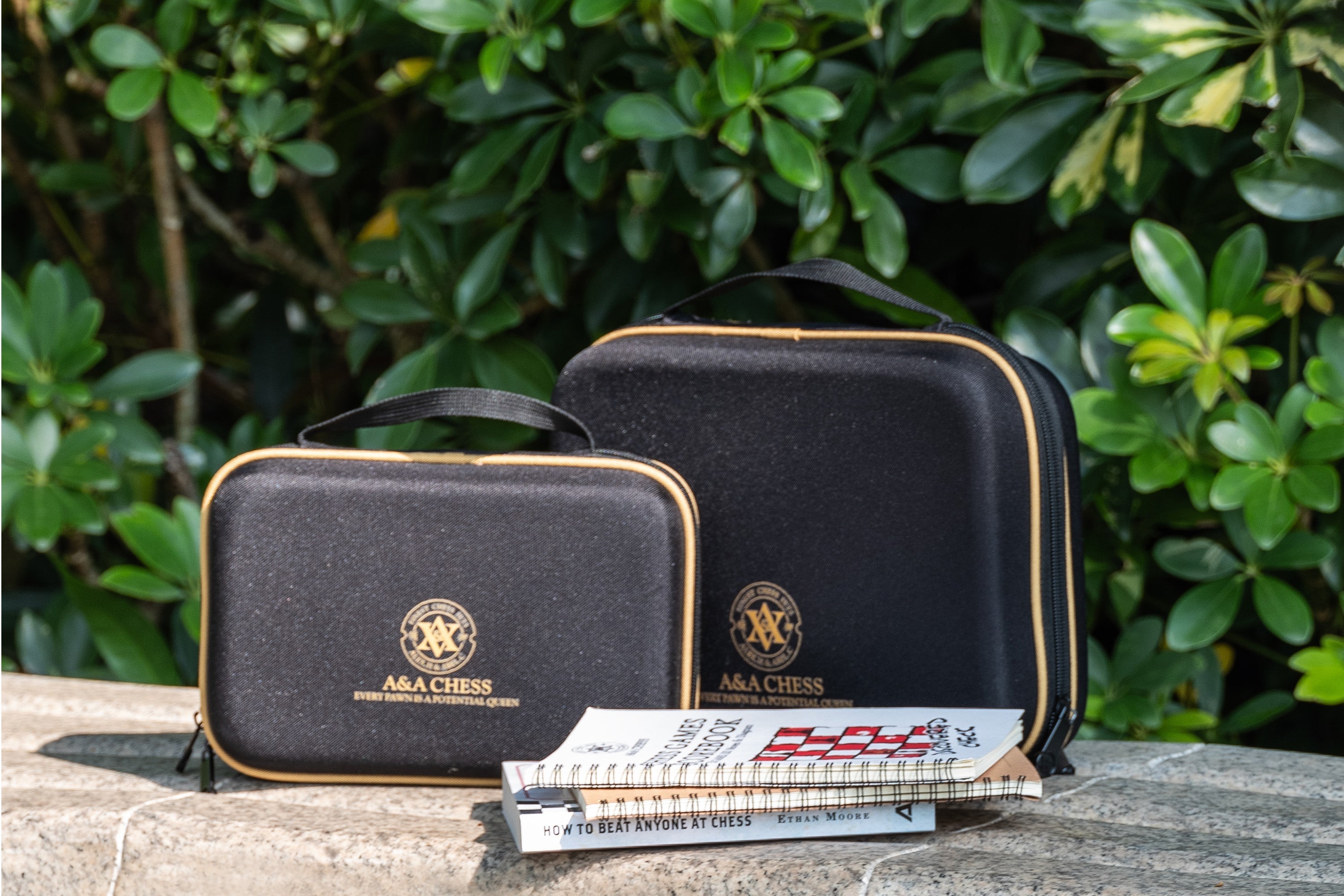
Besides the chess board itself, additional tools can improve learning.
Useful accessories include:
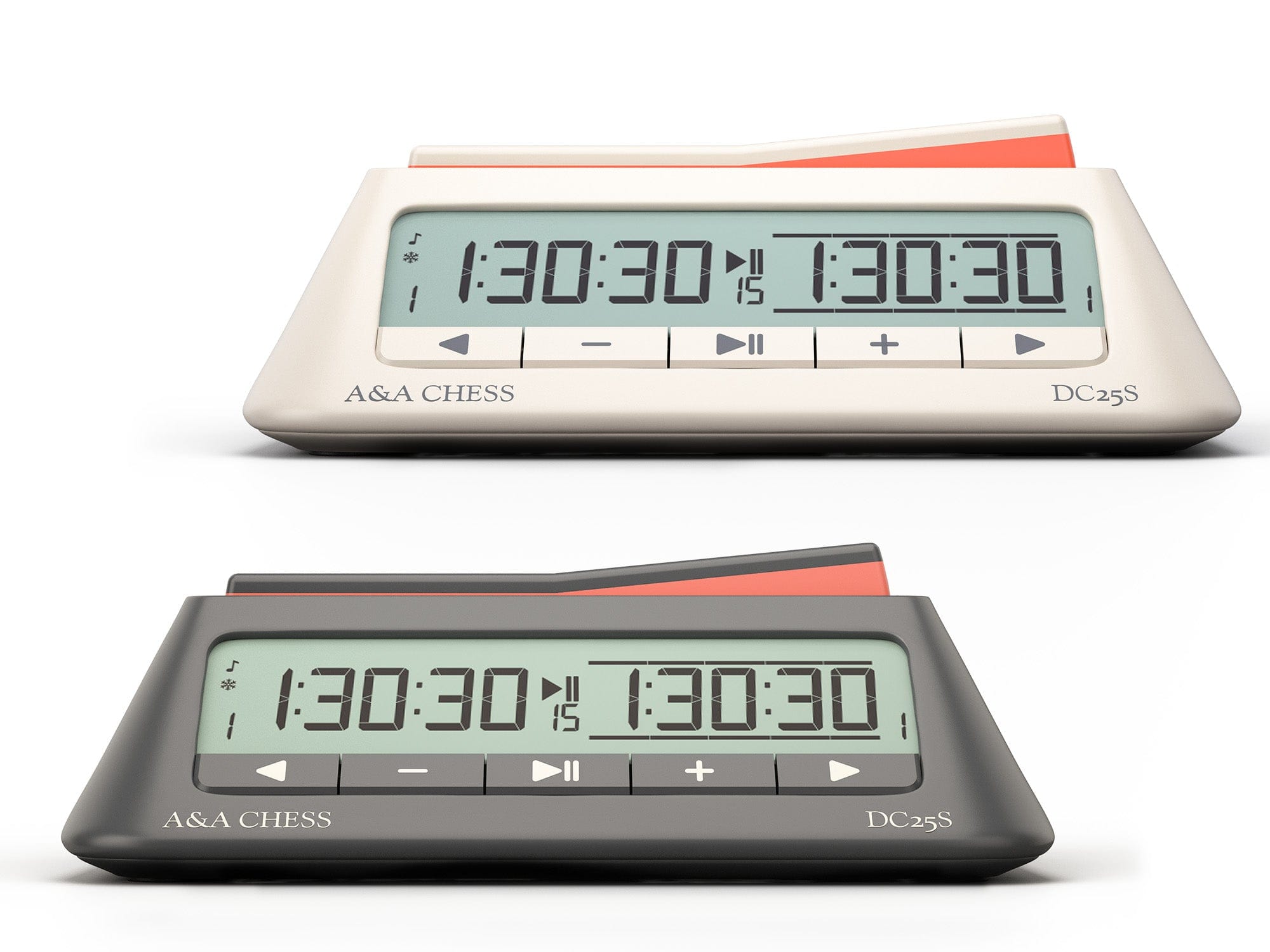
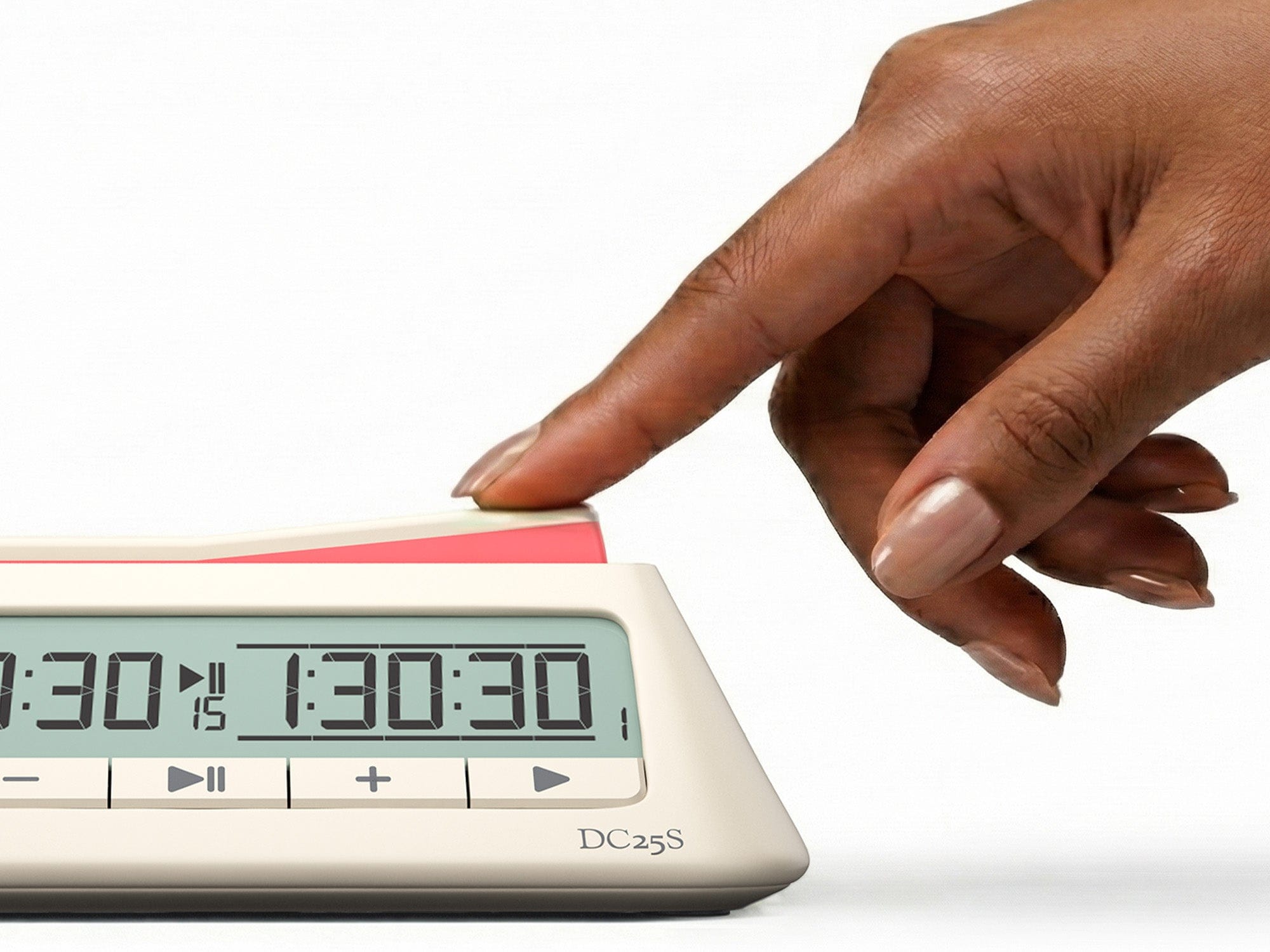
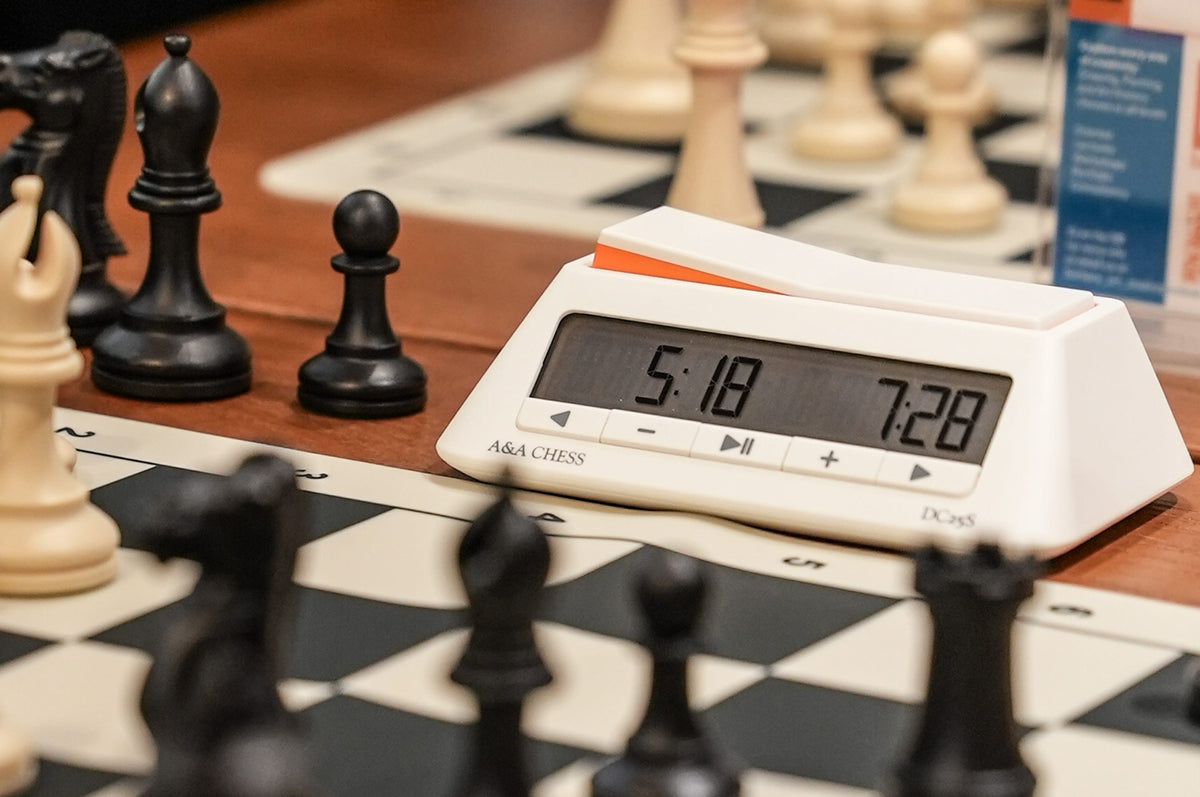
- Chess clock
- Storage case
- Replacement pieces
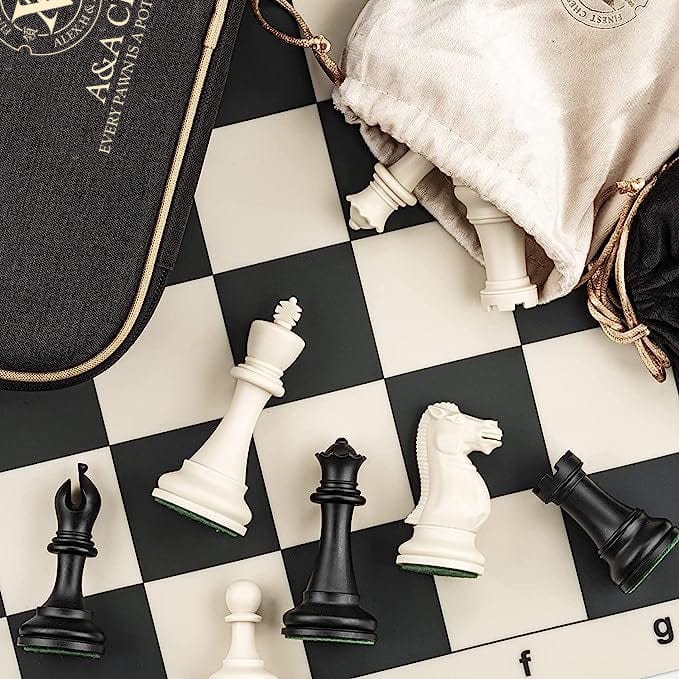
- Carrying bag
A complete setup can make regular practice easier.
Explore chess accessories to organize your chess training equipment.
Chess Opening Comparison Table
| Opening | Difficulty | Best For | Main Idea |
|---|---|---|---|
| Italian Game | Easy | Beginners | Fast development |
| Queen's Gambit | Medium | Strategic players | Center control |
| Sicilian Defense | Medium-Hard | Advanced players | Active counterplay |
| French Defense | Medium | Defensive players | Strong structure |
Beginner Chess Improvement Plan
A simple weekly training plan:
| Day | Practice Activity |
|---|---|
| Monday | Learn one opening idea |
| Tuesday | Play practice games |
| Wednesday | Review mistakes |
| Thursday | Study basic tactics |
| Friday | Practice openings |
| Weekend | Play longer games |
Consistency is more important than studying for many hours occasionally.
Frequently Asked Questions About Chess Openings
What is the best chess opening for beginners?
The Italian Game is often recommended because it teaches basic development and center control.
Do beginners need to memorize chess openings?
No. Beginners should understand opening principles before memorizing moves.
How many moves should beginners learn?
Learning the first few moves and understanding the ideas behind them is usually enough.
Is chess good for improving thinking skills?
Yes. Chess encourages:
- Planning
- Problem solving
- Decision making
- Concentration
What chess set is best for learning?
A wooden, folding, or magnetic chess set can all work well depending on the player's needs.
Final Thoughts
Learning chess openings is the first step toward becoming a stronger player.
Beginners do not need complicated strategies.
The most important lessons are:
- Control the center
- Develop pieces
- Protect the king
- Practice consistently
With the right knowledge and a quality chess set, anyone can improve their chess skills.
Whether you practice with a wooden chess board at home, a folding chess set while traveling, or a magnetic chess set for convenience, every game provides an opportunity to learn.
Chess is not only about the first move.
It is about developing better thinking, patience, and strategy with every game.



Hinterlasse einen Kommentar
Diese Website ist durch hCaptcha geschützt und es gelten die allgemeinen Geschäftsbedingungen und Datenschutzbestimmungen von hCaptcha.