








Introduction
Many parents introduce chess to their children because they have heard that it improves intelligence, concentration, and problem-solving skills. Chess is often associated with academic success, logical thinking, and mental discipline, which makes it an appealing activity for young learners. Schools, educators, and even neuroscientists frequently recommend chess as a “brain-boosting” game.
However, once parents actually begin teaching chess, reality often feels different. Some children lose interest after only a few weeks. Others enjoy playing but seem stuck at the same level. In certain cases, well-meaning parents unintentionally turn chess into a source of pressure, frustration, or even conflict.
The truth is that children can learn chess very effectively—but only if the learning process matches their developmental stage, emotional needs, and natural motivation. Chess is not a short-term skill. Progress happens slowly, unevenly, and differently for every child. The real goal should not be quick results or early ratings, but long-term enjoyment and steady improvement.
This practical guide explains how children can learn chess effectively and what parents can do to support that journey. It focuses on age-appropriate expectations, proven learning methods, healthy routines, and the most common mistakes parents should avoid when teaching chess to children.
Why Chess Is Especially Beneficial for Children
Chess offers unique benefits that go far beyond simple entertainment. Unlike many games, chess combines logic, creativity, patience, and emotional control in a single activity.
Key benefits of chess for children include:
· Improved concentration and attention span
· Development of logical and critical thinking
· Stronger decision-making skills
· Learning to plan ahead and anticipate consequences
· Emotional resilience after mistakes and losses
Perhaps most importantly, chess teaches children how to fail safely. Losing a game is disappointing, but it is not dangerous. Over time, children learn that mistakes are part of learning and that improvement comes from reflection rather than blame. These lessons transfer naturally to school, sports, and everyday life.
However, these benefits do not appear automatically. Chess only supports development when it is taught in a supportive, age-appropriate, and emotionally healthy way.
Understanding a Child’s Motivation
Before teaching chess, parents should pause and ask an important question: Why is my child playing chess?
Children are usually motivated by:
· Fun and curiosity
· Social interaction with peers or parents
· Small successes and encouragement
· Feeling capable and improving
They are rarely motivated by abstract promises such as “this will make you smarter” or “this will help your future career.” When chess is framed purely as a tool for achievement, many children lose interest quickly.
Parents should present chess as a game first and a learning activity second. If a child feels forced to play, progress will be limited no matter how high-quality the instruction is. Genuine curiosity is far more powerful than discipline alone.

Age-Appropriate Expectations
Children of different ages learn chess in very different ways. Adjusting expectations is one of the most important responsibilities for parents.
Ages 4–6: Exploration and Play
At this stage, chess should feel like discovery.
Focus on:
· Learning how each piece moves
· Recognizing the board and basic rules
· Playing very short sessions (10–20 minutes)
· Using mini-games instead of full games
For example, children can play games where only pawns and kings are used, or try simple challenges like “can the rook catch the pawn?” Expecting deep strategy, long games, or perfect rule knowledge at this age is unrealistic and unnecessary.
Ages 7–9: Structure and Patterns
Children in this age range are ready for more structure.
They can:
· Play full games with guidance
· Recognize simple tactics and threats
· Understand basic goals such as checkmate and material advantage
This is an ideal age to introduce forks, pins, basic checkmates, and simple opening ideas. Learning should still feel playful, but more consistency and repetition can now be added.
Ages 10–12: Skill Development
At this stage, many children show real improvement.
They can:
· Focus for longer periods
· Handle structured lessons
· Understand cause-and-effect relationships in games
· Feel motivated by competition and improvement
Many strong youth players begin more serious training during this period, but even then, enjoyment should remain the foundation.
How Children Actually Learn Chess
Children learn chess primarily through experience, not lectures. Long explanations about strategy often overwhelm young learners and reduce engagement.
Effective learning methods include:
· Playing many short games
· Solving simple, age-appropriate puzzles
· Watching games explained verbally
· Reviewing mistakes in a positive, supportive tone
Repetition builds pattern recognition. Over time, children begin to “see” tactics and ideas automatically, just like reading words rather than spelling them out letter by letter.

Teaching the Rules Without Killing Interest
One of the most common mistakes parents make is teaching all the rules at once. This often leads to confusion and boredom.
A better approach is gradual learning:
1. Teach how each piece moves
2. Introduce check and checkmate
3. Play simplified games
4. Slowly add special rules like castling and en passant
Learning rules through play keeps curiosity alive and helps children remember concepts naturally.
The Role of Tactics in Kids’ Chess
For children, tactics matter far more than long-term strategy.
Most kids naturally enjoy:
· Capturing pieces
· Spotting threats
· Delivering checkmate
Tactical puzzles build confidence and pattern recognition. Even five minutes of puzzle practice a day can produce noticeable improvement over time. Parents should choose puzzles that are challenging but solvable. Success fuels motivation far more effectively than constant struggle.

How Parents Should Review Games
Game review is valuable, but only if done correctly.
Healthy review habits include:
· Focusing on one or two key moments
· Asking guiding questions instead of giving lectures
· Praising good ideas, even when execution fails
Avoid pointing out every mistake. Children learn best when they feel safe to experiment and take risks without fear of criticism.
Competition: When and How
Competition can be motivating, but timing matters.
Signs a child may be ready for competition include:
· Enjoying regular play
· Recovering emotionally after losses
· Showing curiosity about improving
Early tournaments should emphasize experience, learning, and fun—not trophies or rankings. Parents should never link a child’s self-worth to results.
The Role of Coaches and Classes
Not every child needs a private chess coach.
Common options include:
· School chess clubs
· Group classes
· Online beginner programs
· Occasional private coaching sessions
A good coach focuses on encouragement, patience, and clear explanations. Pressure-driven instruction often leads to burnout, especially for young players.
Online Chess for Children: Pros and Cons
Online chess offers both opportunities and challenges.
Benefits:
· Easy access to games anytime
· Learning tools and puzzles
· Playing peers from around the world
Risks:
· Excessive screen time
· Emotional frustration after losses
· Overfocus on ratings
Parents should monitor online activity, set time limits, and remind children that ratings are tools—not judgments.

Building a Healthy Chess Routine
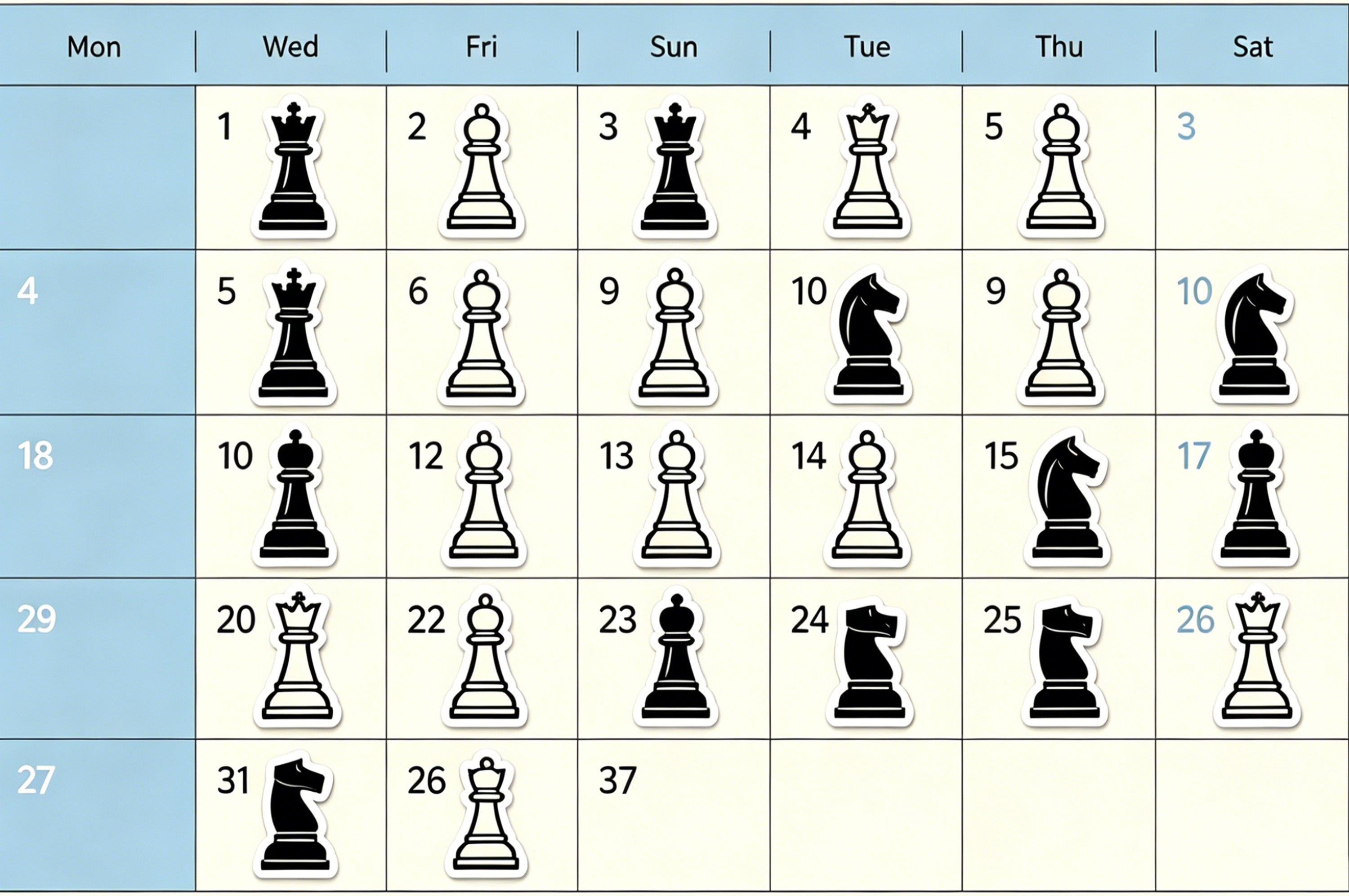
Consistency matters more than intensity.
A healthy routine might include:
· Two or three play sessions per week
· Short daily puzzle practice
· Occasional game review
· Plenty of breaks and variety
Chess should fit into a balanced lifestyle alongside school, sports, and free play.
Dealing With Frustration and Plateaus
Every child experiences frustration and plateaus in chess.
Parents can help by:
· Normalizing setbacks
· Praising effort rather than results
· Encouraging breaks when motivation drops
Progress in chess is rarely linear. Plateaus are a natural part of learning, especially for children.
What Parents Should Avoid
Common mistakes when teaching chess include:
· Comparing children to others
· Obsessing over ratings or rankings
· Turning chess into an obligation
· Expecting rapid improvement
Chess is a marathon, not a sprint. Long-term enjoyment always matters more than short-term success.
Long-Term Development: Keeping Chess Enjoyable
The ultimate goal of teaching chess is not to raise a grandmaster. It is to help a child enjoy learning, thinking, and problem-solving.
Children who enjoy chess are more likely to:
· Continue playing for years
· Develop strong analytical skills
· Use chess as a positive mental outlet
Skill follows enjoyment—not pressure.
Conclusion
Children can learn chess effectively when the learning process respects their developmental stage, motivation, and emotional needs. Chess offers powerful cognitive and emotional benefits, but only when taught with patience, flexibility, and understanding.
Parents play a crucial role—not as critics or taskmasters, but as supporters and role models. By keeping chess fun, structured, and pressure-free, parents can help their children build skills that extend far beyond the chessboard and last a lifetime.


Hinterlasse einen Kommentar
Diese Website ist durch hCaptcha geschützt und es gelten die allgemeinen Geschäftsbedingungen und Datenschutzbestimmungen von hCaptcha.