

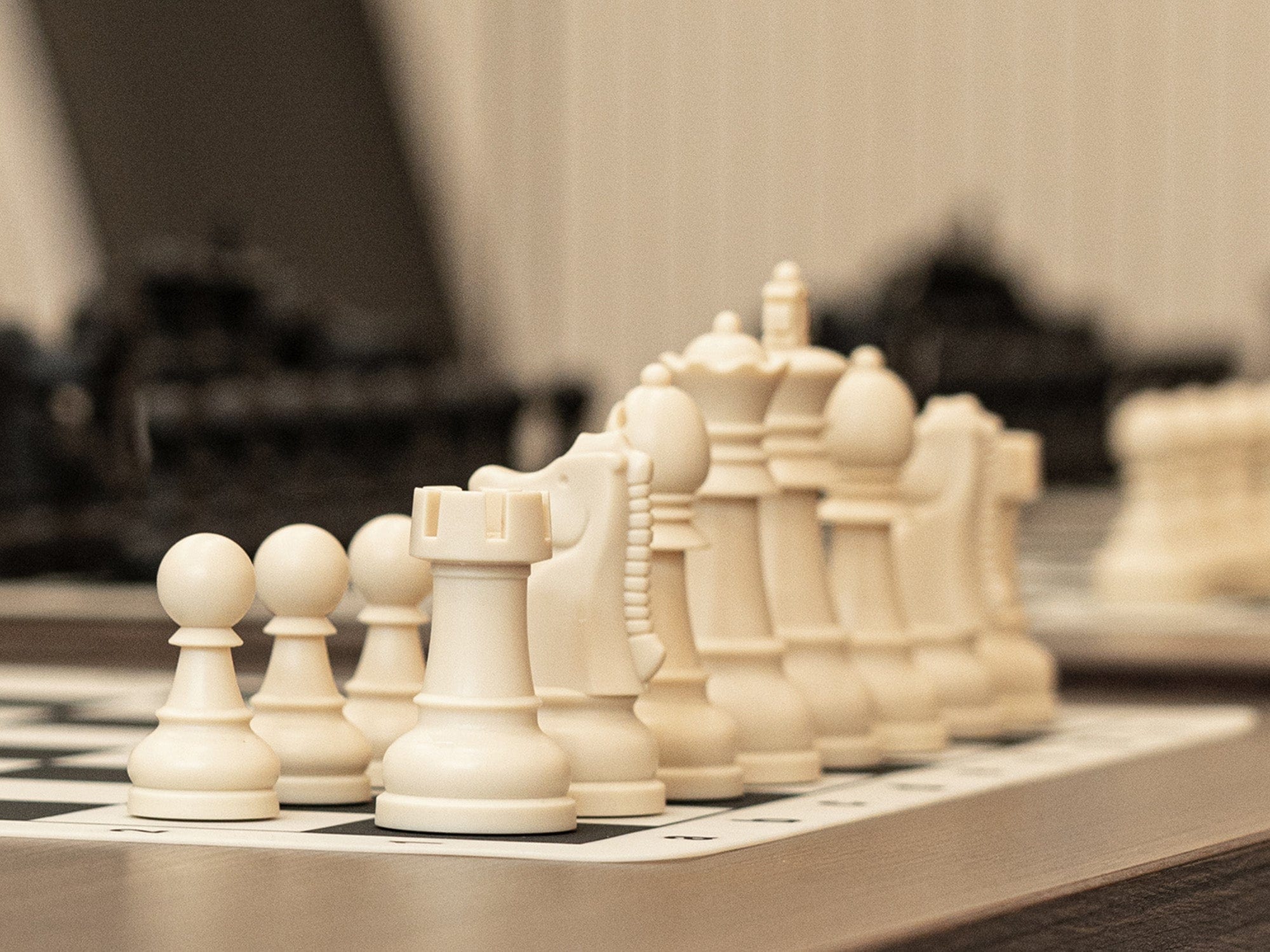








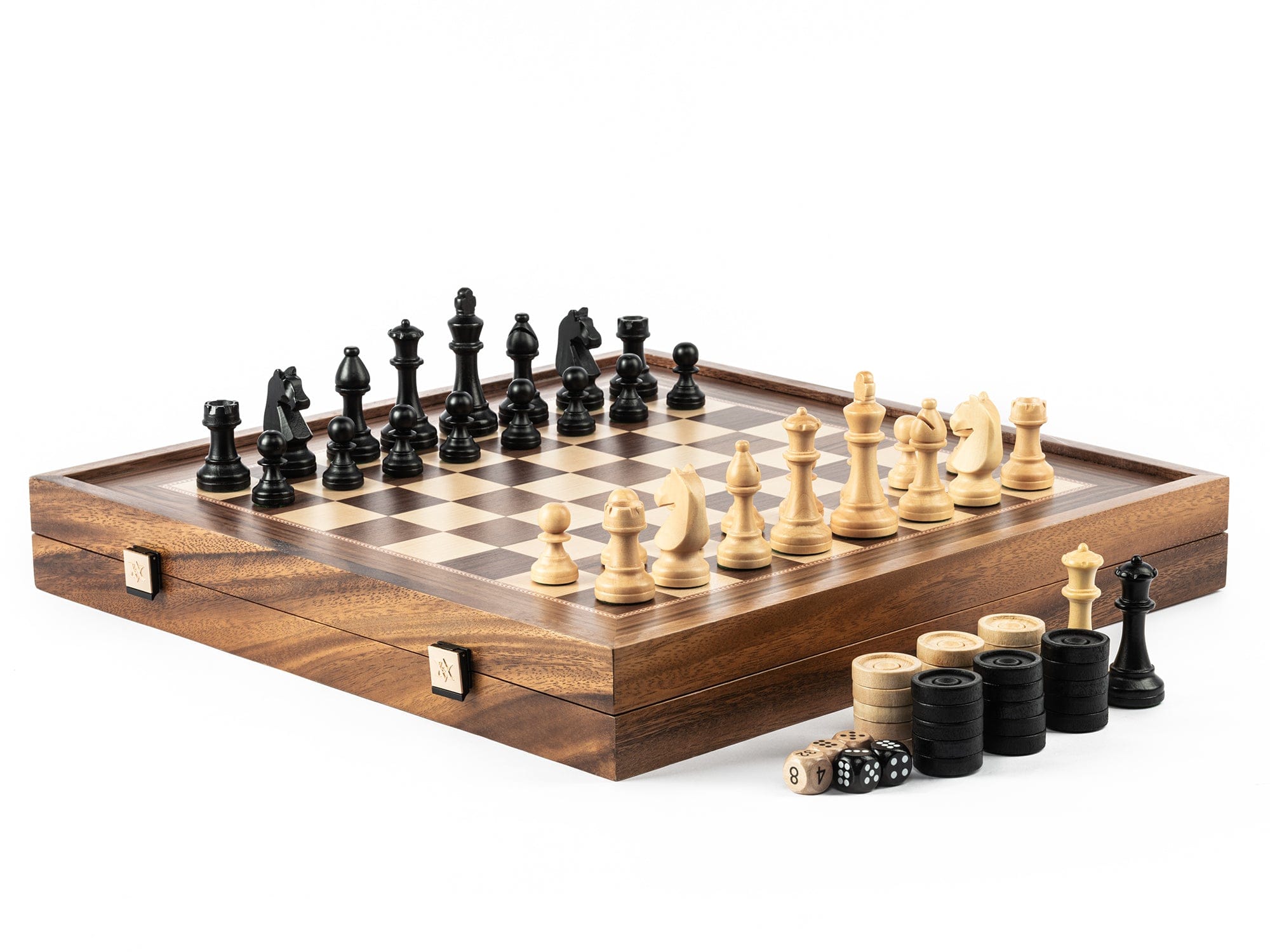
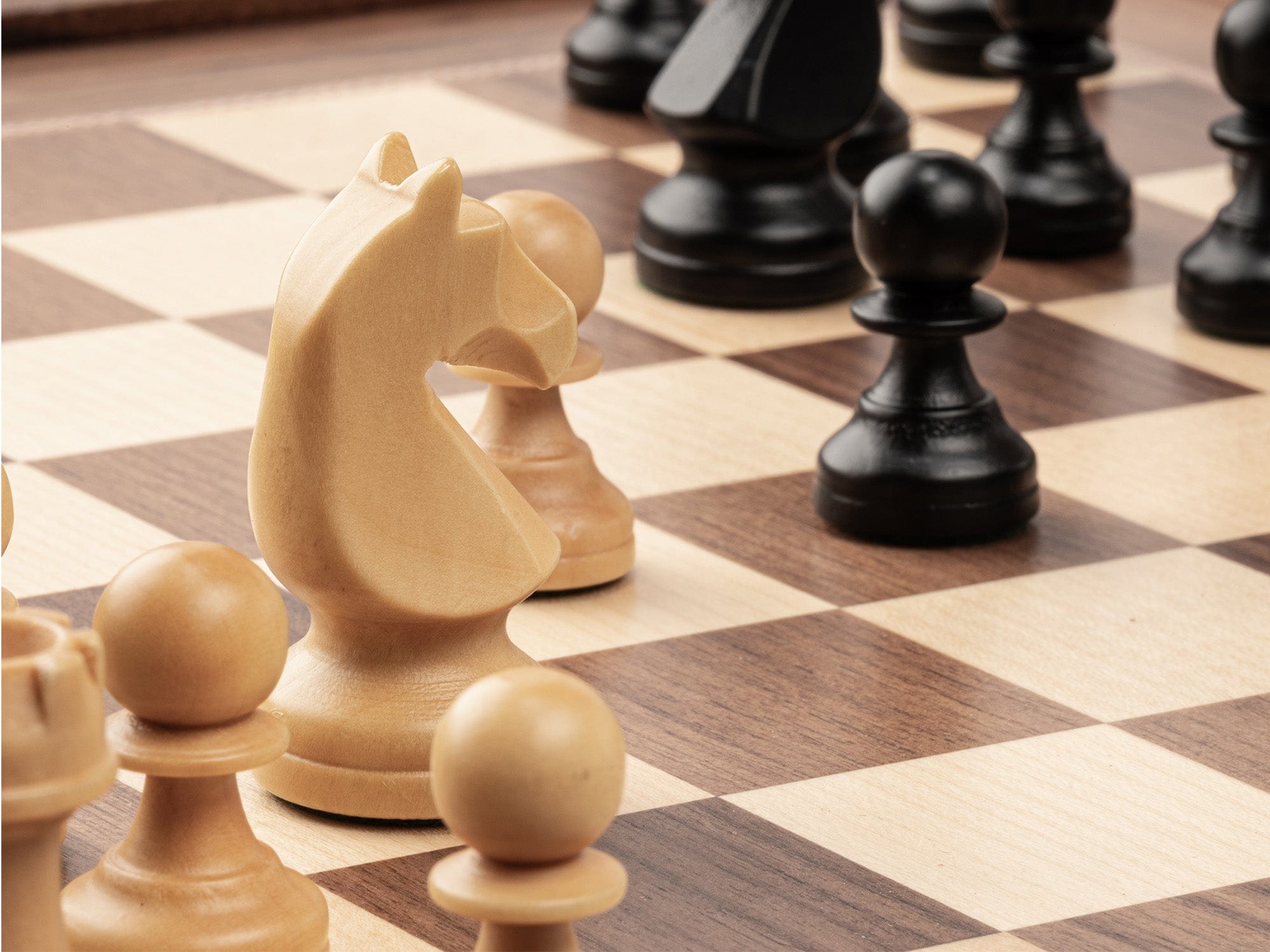
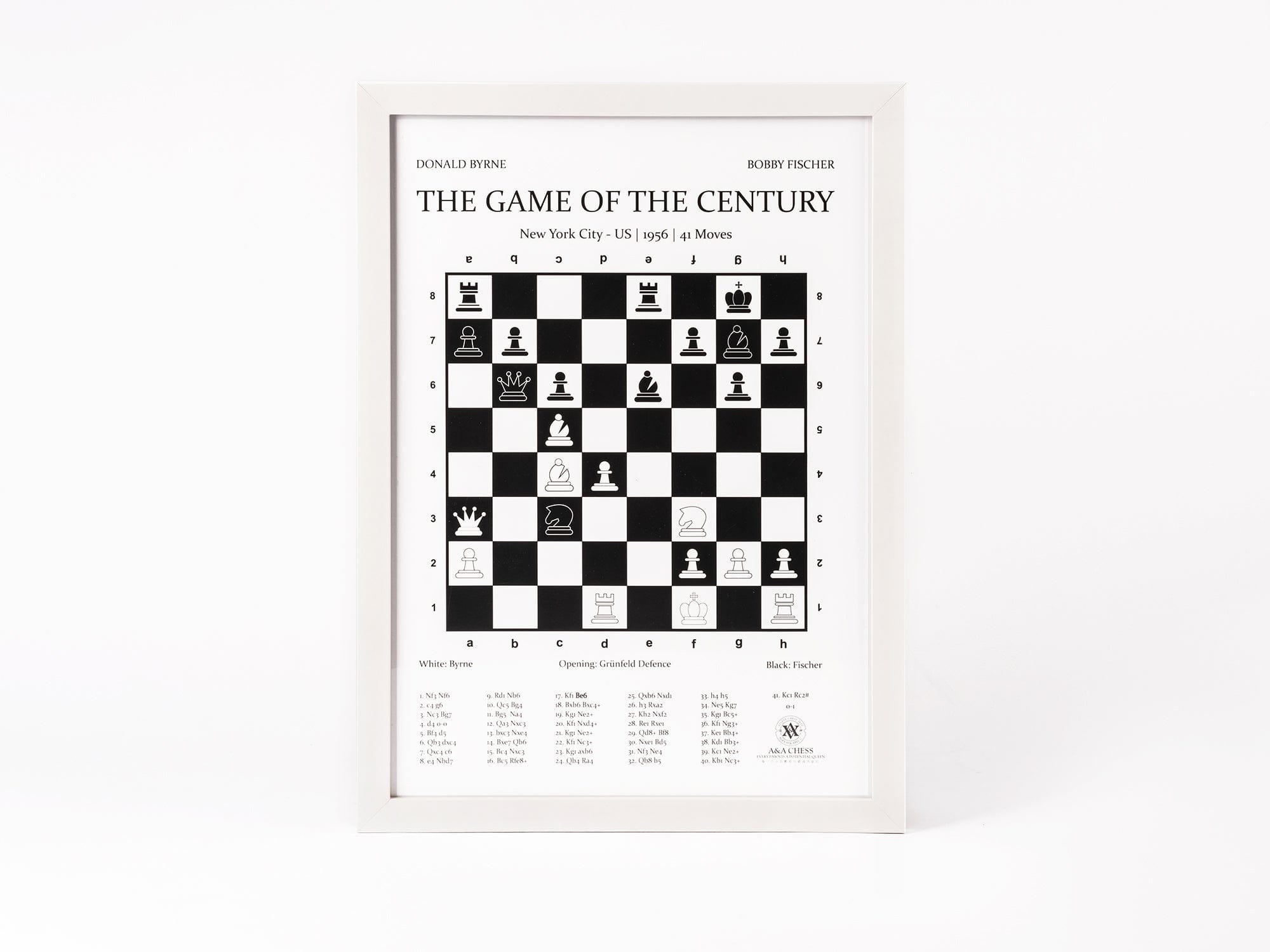
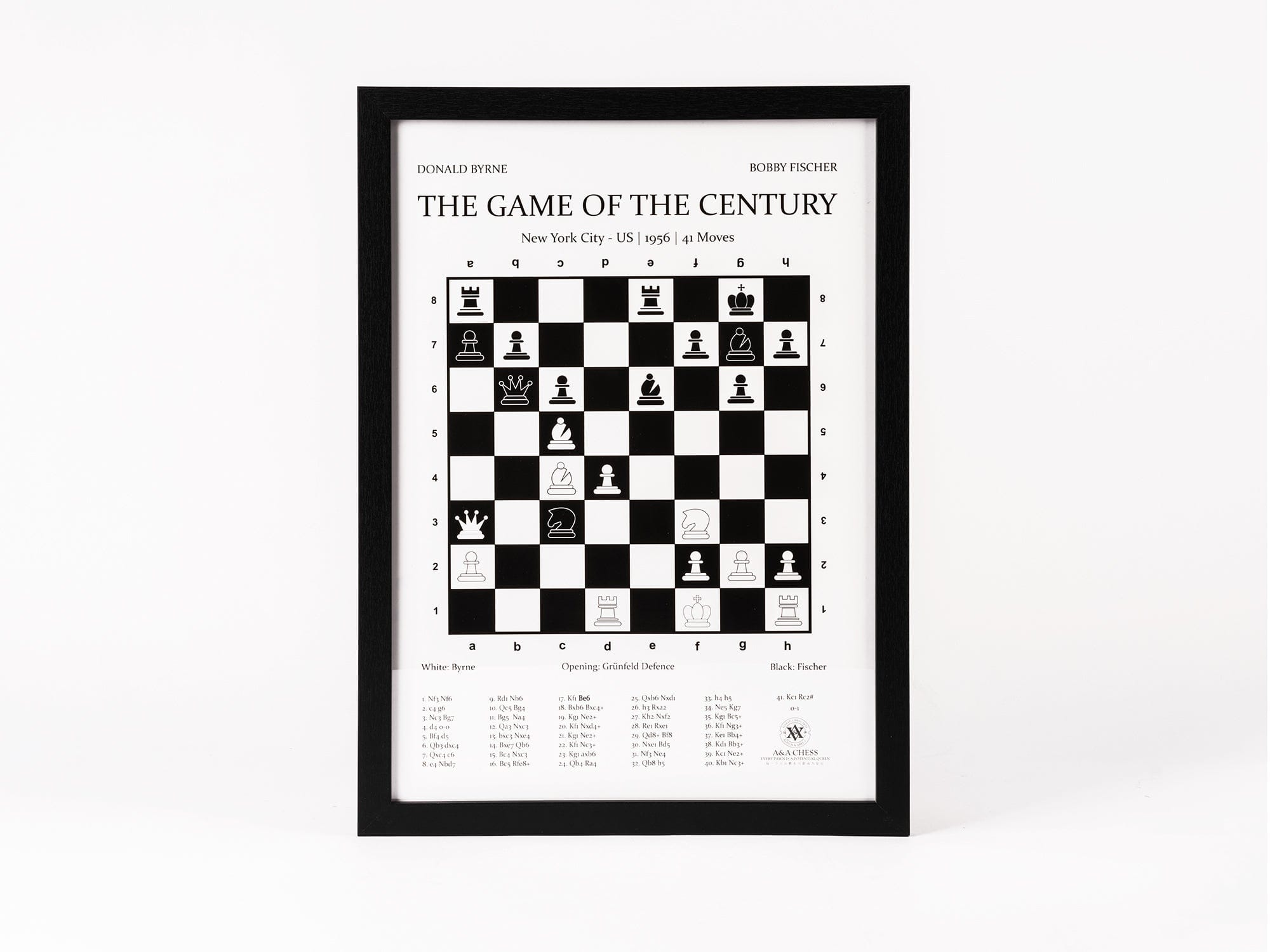

Chess is often called the “game of kings,” but it’s also one of the most powerful tools for improving your brain. Whether you're a beginner or an experienced player, the benefits of chess go far beyond entertainment.
From boosting memory to improving decision-making skills, playing chess regularly can significantly enhance your cognitive abilities. In this article, we’ll explore why chess is so good for your brain—and how you can use it to improve your mental performance.
How Chess Trains Your Brain
Unlike many games, chess requires deep thinking, planning, and problem-solving. Every move involves:
- Analyzing multiple possibilities
- Predicting outcomes
- Adapting to your opponent
This constant mental exercise strengthens your brain over time.
If you're new, you can start building these skills with learn chess basics to understand how the game works.
Top Cognitive Benefits of Playing Chess
1. Improves Memory
Chess players constantly remember:
- Patterns
- Openings
- Tactical ideas
This improves both short-term and long-term memory.
Studies have shown that regular chess practice enhances memory performance in both children and adults.
2. Enhances Concentration and Focus
A single mistake in chess can cost the entire game. That’s why players learn to:
- Stay focused for long periods
- Avoid distractions
- Think carefully before acting
Practicing with online chess practice can help improve your attention span.
3. Develops Problem-Solving Skills
Every chess position is like a puzzle. You need to:
- Identify threats
- Find the best move
- Evaluate outcomes
This strengthens logical thinking and analytical skills.
4. Boosts Strategic Thinking
Chess teaches you to think ahead:
- Plan multiple moves in advance
- Anticipate your opponent’s strategy
- Adapt when things change
You can deepen this skill through chess strategy resources.
5. Encourages Creativity
Chess is not just logical—it’s also creative.
Players often:
- Find unexpected moves
- Create unique strategies
- Solve problems in innovative ways
Chess for Different Age Groups
For Kids
Chess helps children:
- Improve concentration
- Develop patience
- Strengthen academic performance
For Adults
Adults benefit by:
- Reducing stress
- Keeping the mind sharp
- Improving decision-making
For Seniors
Chess may help:
- Slow cognitive decline
- Maintain mental activity
- Improve memory retention
Real-Life Example: How Chess Improves Thinking

Imagine this situation:
You’re playing a game and your opponent threatens your queen.
Instead of reacting instantly, you:
- Analyze the threat
- Consider alternatives
- Look for counterattacks
This process strengthens your brain’s decision-making ability.
Chess vs Other Brain Activities
| Activity | Focus | Strategy | Memory | Problem Solving |
|---|---|---|---|---|
| Chess | ⭐⭐⭐⭐⭐ | ⭐⭐⭐⭐⭐ | ⭐⭐⭐⭐⭐ | ⭐⭐⭐⭐⭐ |
| Video Games | ⭐⭐⭐ | ⭐⭐ | ⭐⭐ | ⭐⭐⭐ |
| Sudoku | ⭐⭐⭐⭐ | ⭐⭐ | ⭐⭐⭐ | ⭐⭐⭐⭐ |
| Reading | ⭐⭐⭐⭐ | ⭐⭐⭐ | ⭐⭐⭐⭐ | ⭐⭐⭐ |
👉 Chess stands out because it combines all major cognitive skills.
How Often Should You Play Chess to See Benefits?
You don’t need hours every day. Even:
- 15–30 minutes daily
- Regular practice sessions
- Solving puzzles
can lead to noticeable improvement.
Try combining physical play with chess tactics training to maximize results.
Does Playing Chess Increase IQ?
Research suggests that chess can:
- Improve cognitive performance
- Enhance problem-solving ability
- Support academic growth
While it may not directly increase IQ, it definitely makes your brain more efficient.
Common Misconceptions About Chess
❌ “Chess is only for geniuses”
👉 Anyone can learn and improve
❌ “It’s too difficult for beginners”
👉 With the right approach, it’s very accessible
❌ “It’s boring”
👉 Once you understand tactics, it becomes exciting
How to Start Playing Chess Today
Getting started is easier than ever:
- Learn the rules
- Practice regularly
- Study basic tactics
- Play with others
You can begin your journey with chess opening guides to build a strong foundation.
Combining Chess with Daily Life
You don’t need to dedicate your entire day to chess.
You can:
- Play during breaks
- Practice while traveling
- Solve puzzles before bed
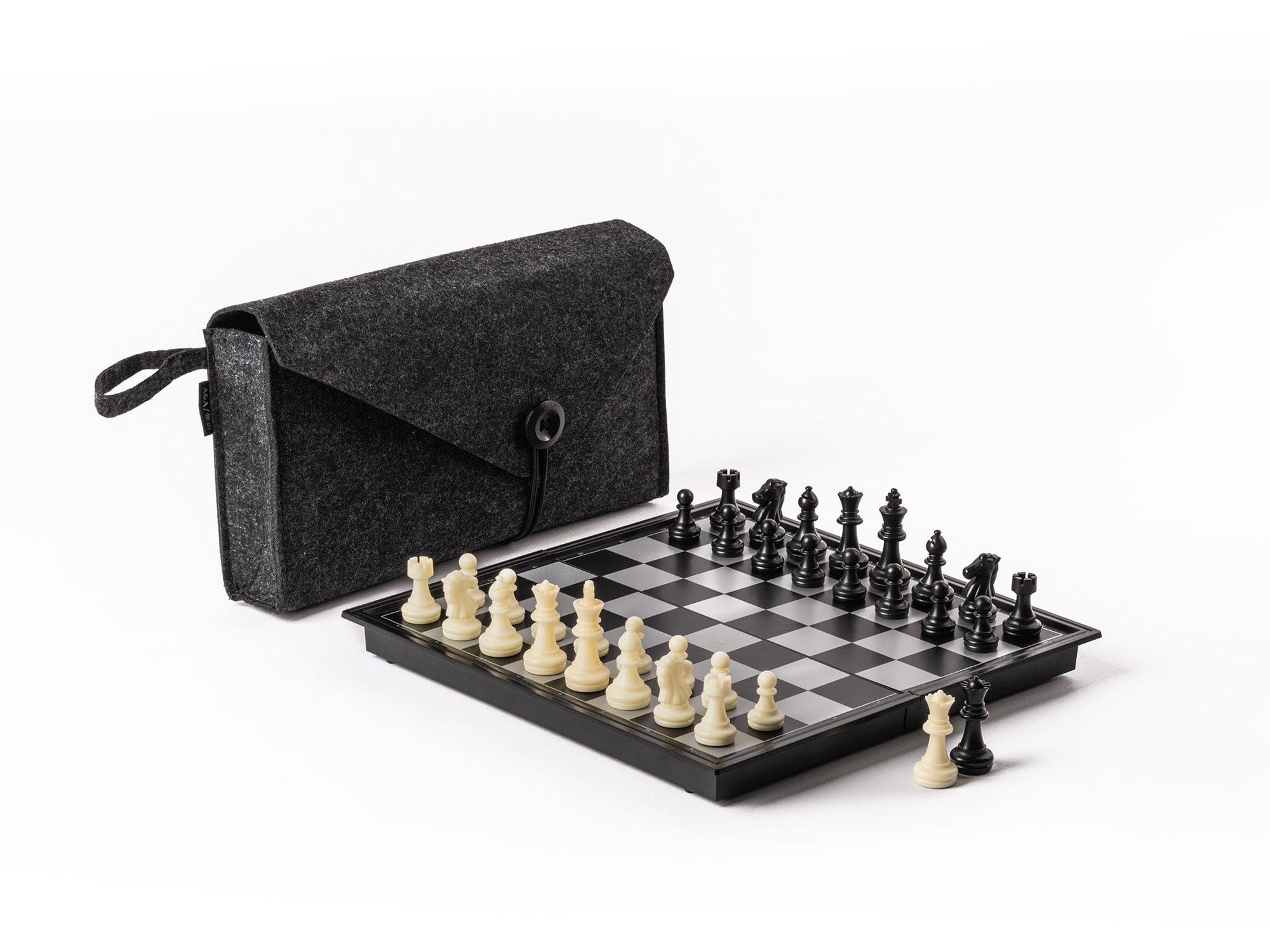
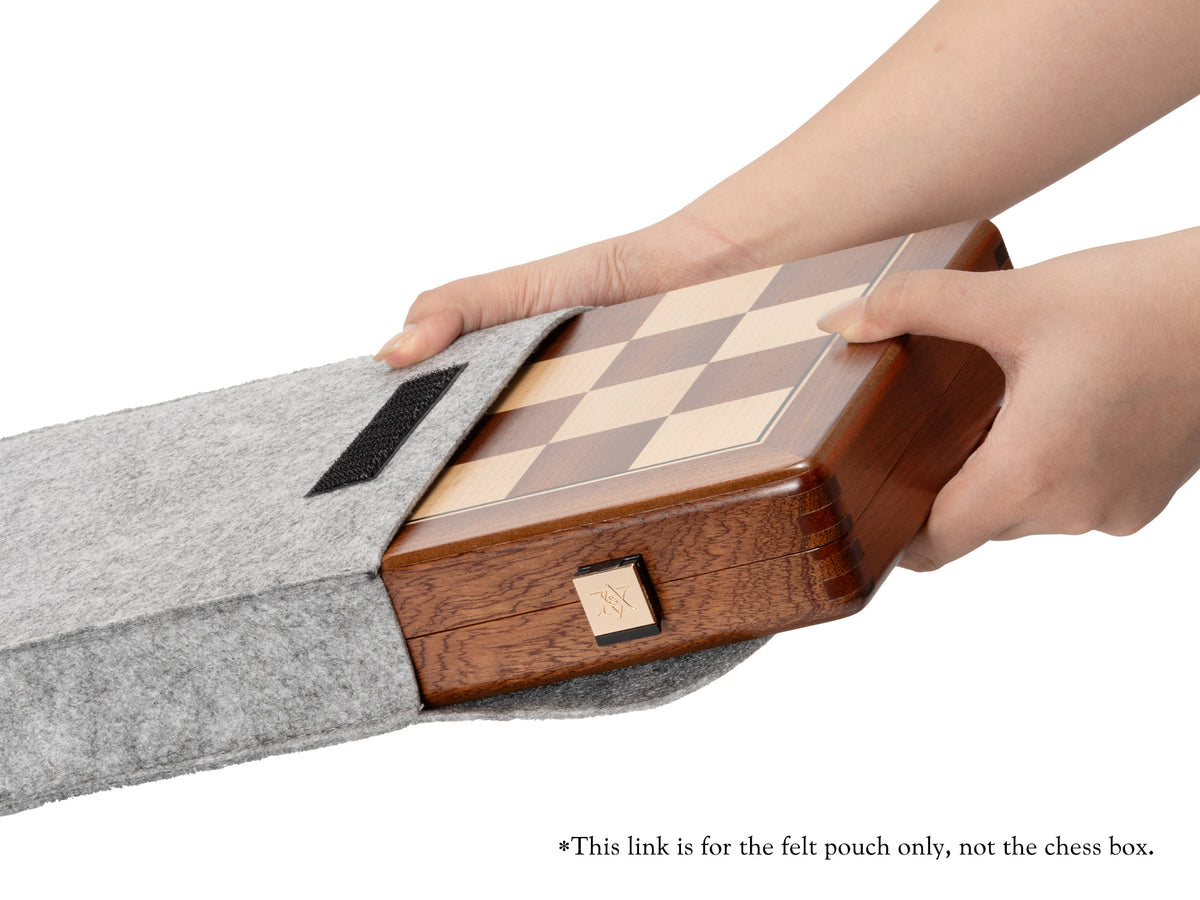
Even a portable chess set can help you stay consistent anywhere.
Final Thoughts
So, is chess good for your brain? Absolutely.
From improving memory and focus to enhancing creativity and problem-solving skills, chess is one of the most effective mental exercises available.
Whether you're a child, student, professional, or senior, incorporating chess into your routine can bring long-term cognitive benefits.




Hinterlasse einen Kommentar
Diese Website ist durch hCaptcha geschützt und es gelten die allgemeinen Geschäftsbedingungen und Datenschutzbestimmungen von hCaptcha.