

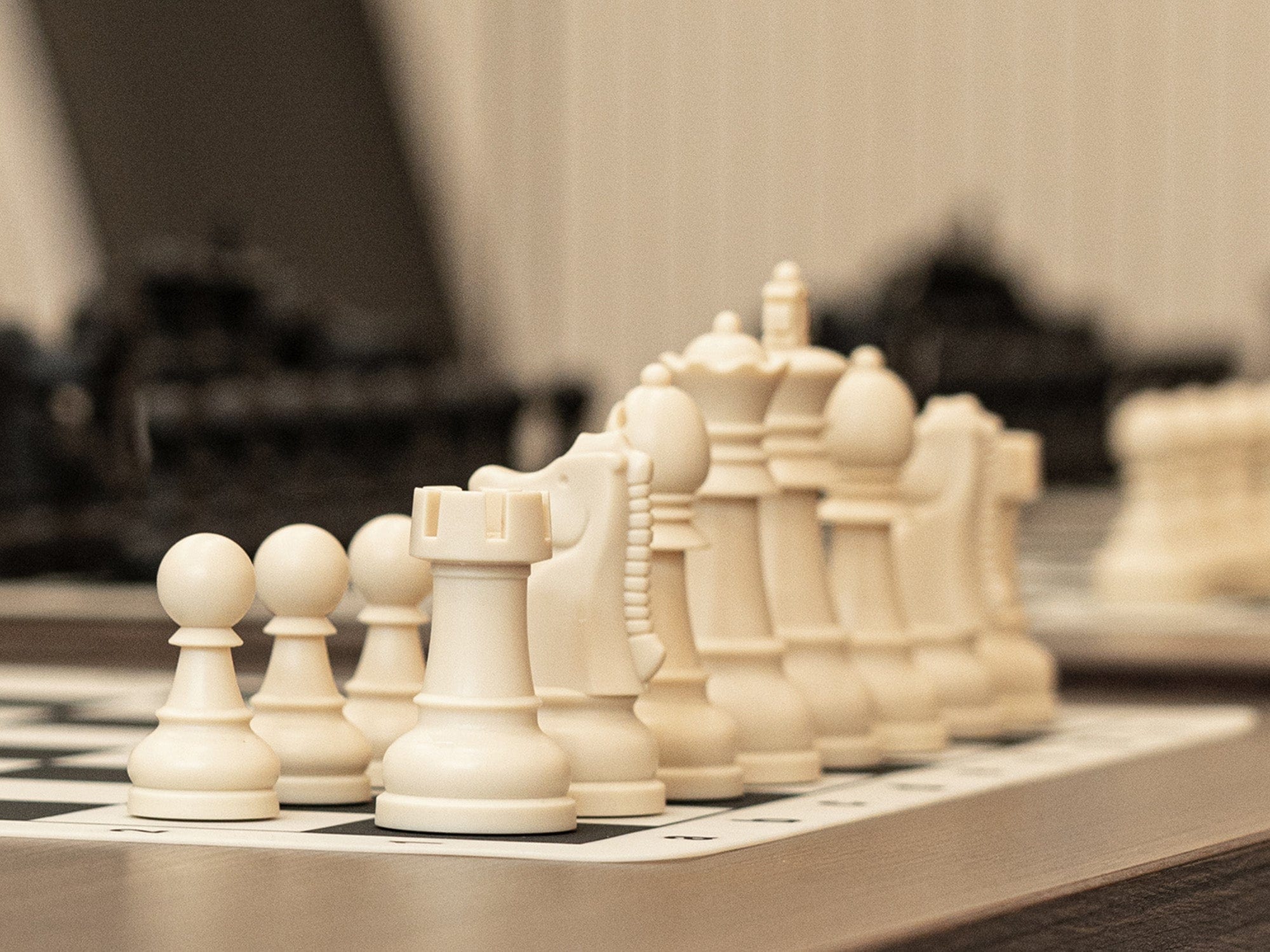







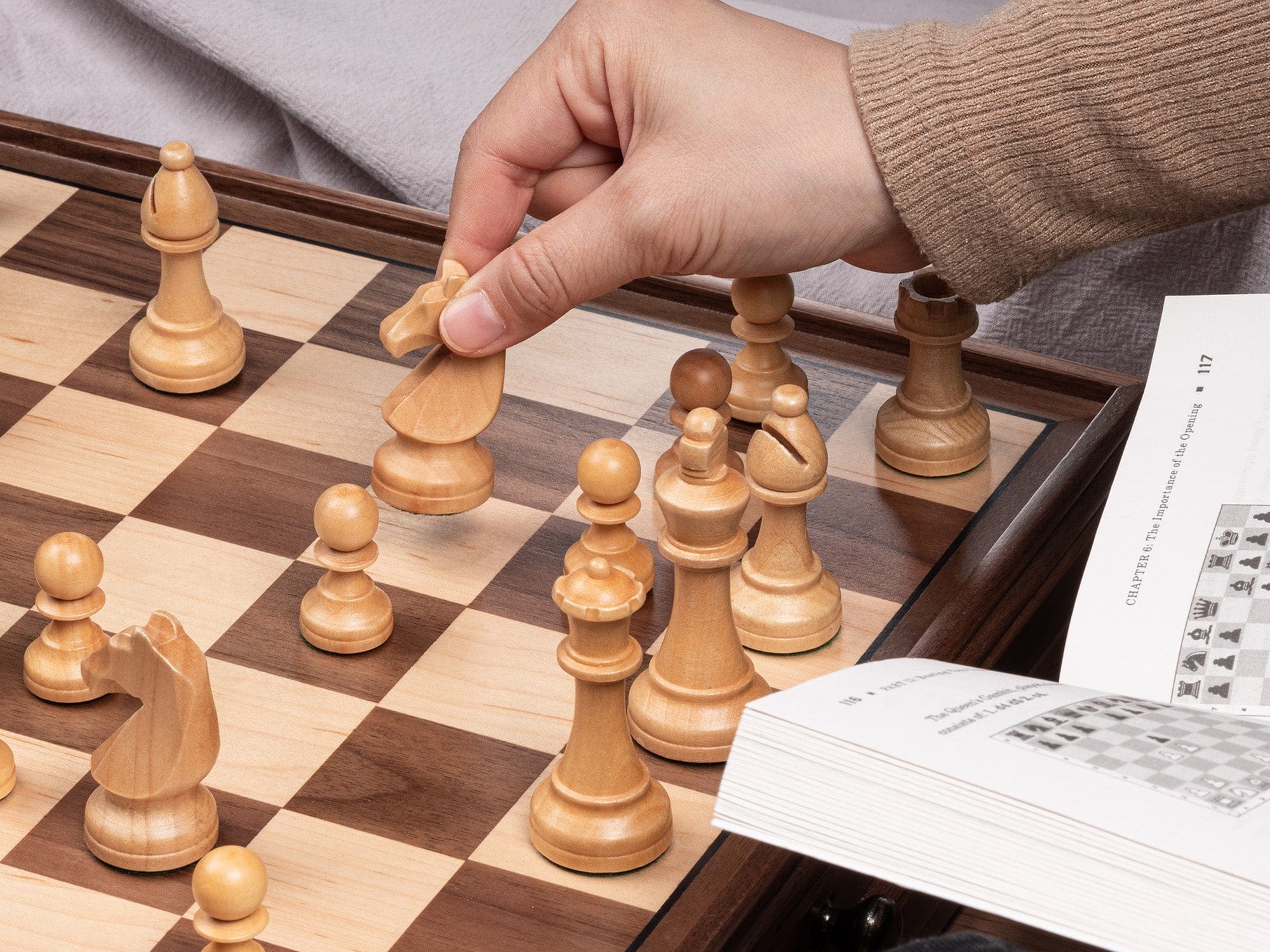
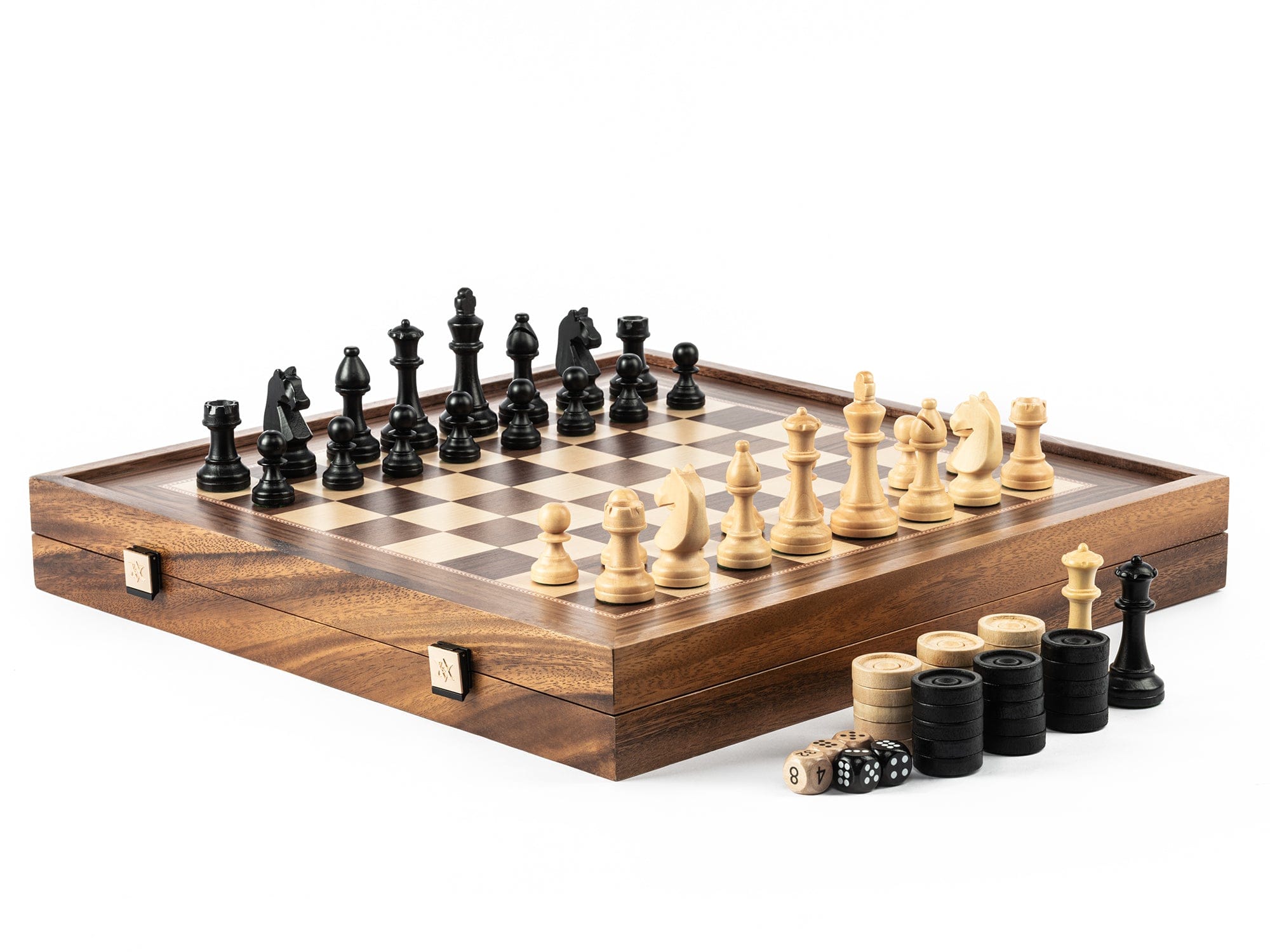

Chess isn’t just a board game. It’s a mental battlefield, a strategic war, and a timeless sport that has fascinated players for over a thousand years. From ancient kings to modern grandmasters, chess continues to challenge the human mind in ways few other games can.
At AA Chess, we believe chess is more than a hobby — it’s a skill that sharpens your thinking, strengthens your focus, and builds discipline. Whether you’re a beginner learning how the pieces move or an advanced player studying complex tactics, this game offers unlimited depth.
Let’s explore why chess remains one of the greatest games ever created — and how you can improve your skills today.
The History of Chess: A Game That Conquered the World

From Ancient India to Modern Champions
Chess originated in India as Chaturanga around the 6th century. It later spread to Persia and then to Europe, evolving into the modern version we play today.
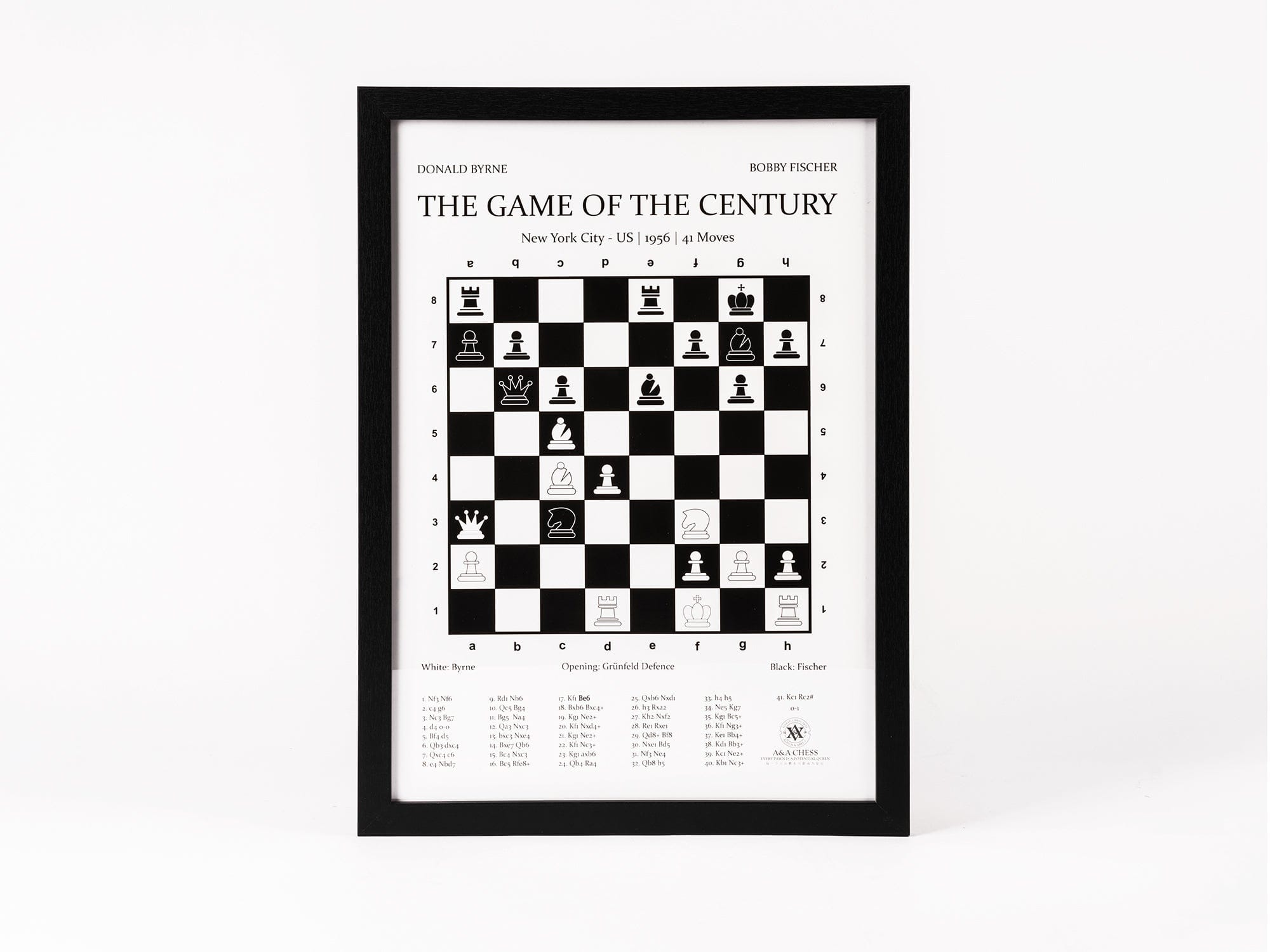
Over centuries, chess became a symbol of intelligence and strategic mastery. World champions like Bobby Fischer, Garry Kasparov, and Magnus Carlsen turned chess into a global competitive sport.
Today, thanks to online platforms like AA Chess, anyone can learn and play from anywhere in the world.
Why Chess Is More Than Just a Game
1. Chess Trains Your Brain
Scientific studies show that playing chess improves:
-
Memory
-
Concentration
-
Problem-solving skills
-
Logical reasoning
-
Pattern recognition
Think of chess as a gym workout — but for your brain.
2. Chess Teaches Patience and Discipline
In a fast-paced digital world, chess forces you to slow down and think. Every move has consequences. Impulsive decisions often lead to defeat.
Sound familiar? That’s life.
3. Chess Improves Decision-Making Skills
Good chess players constantly ask:
-
What is my opponent planning?
-
What happens if I move here?
-
Is this move safe?
Learning to evaluate risks and rewards is a powerful real-world skill.
Understanding the Basics of Chess
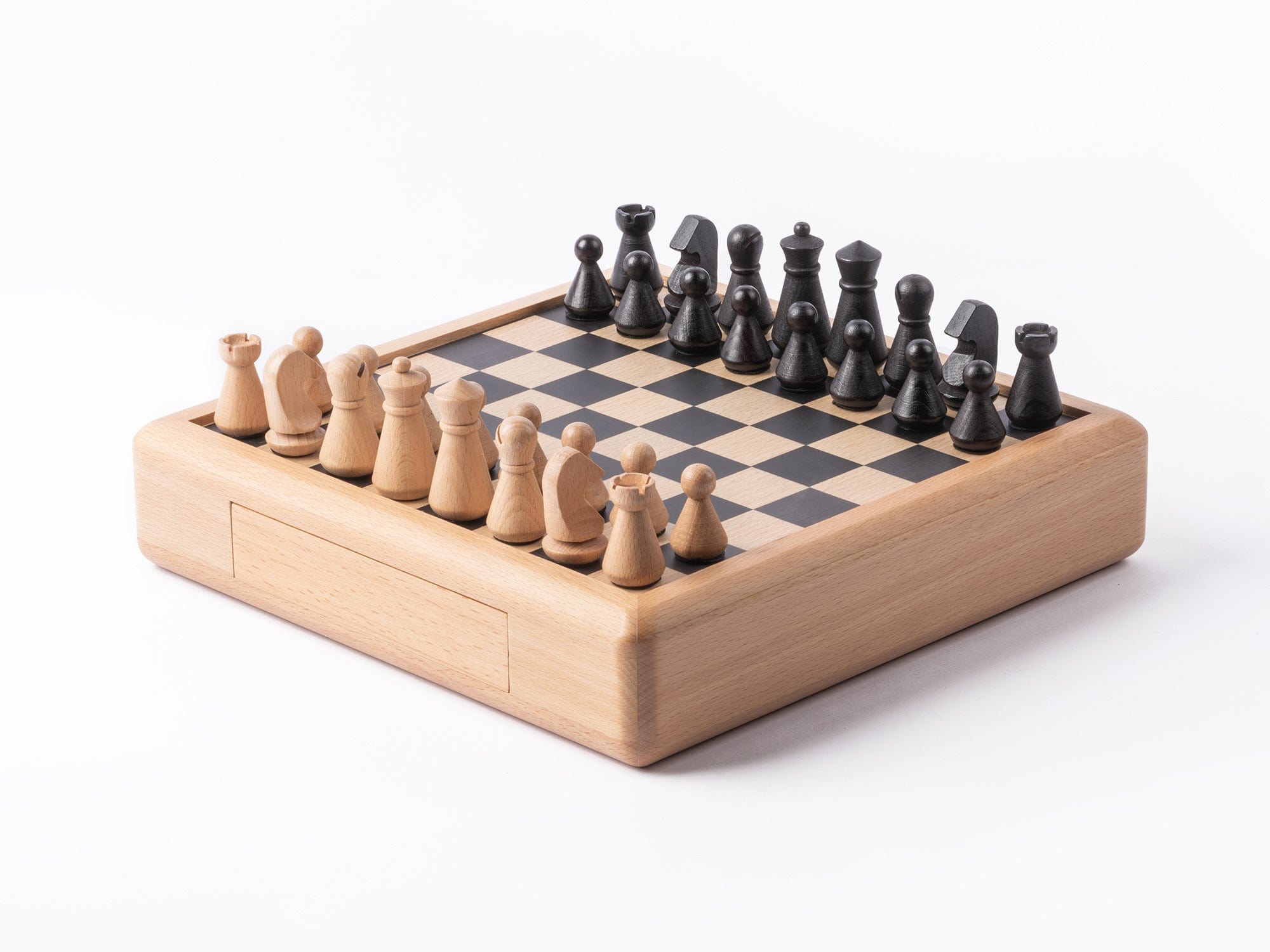
The Chessboard
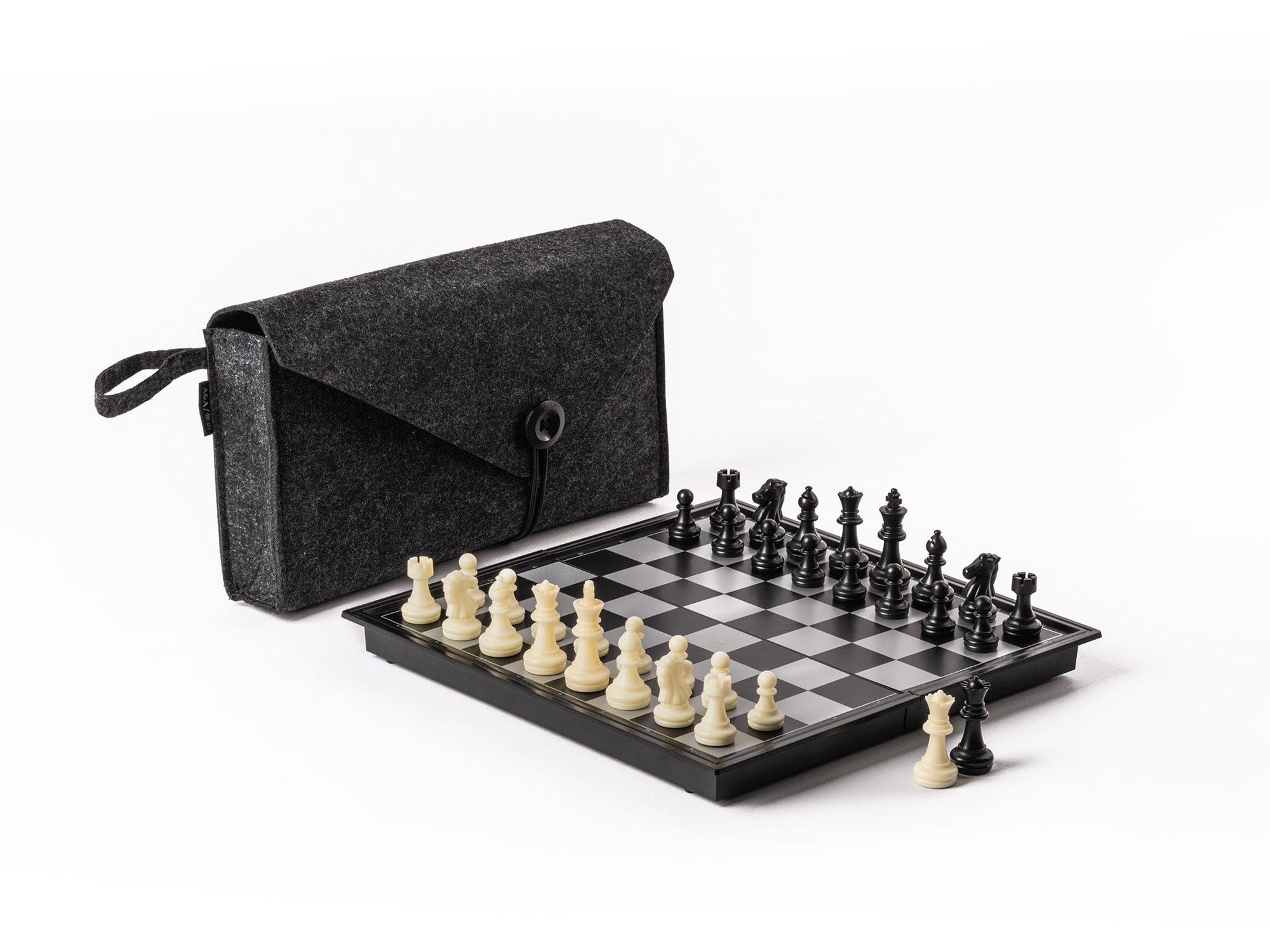
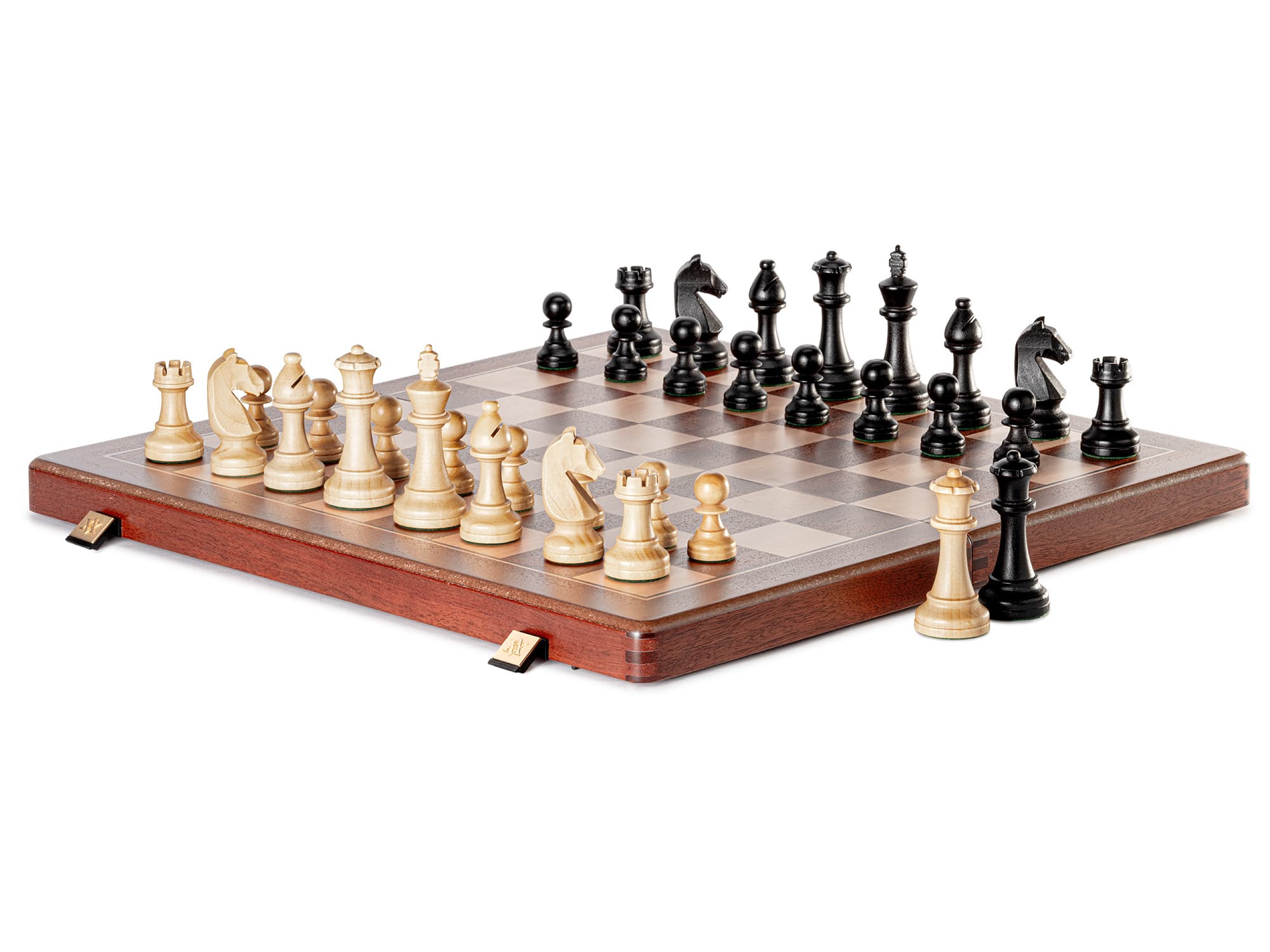
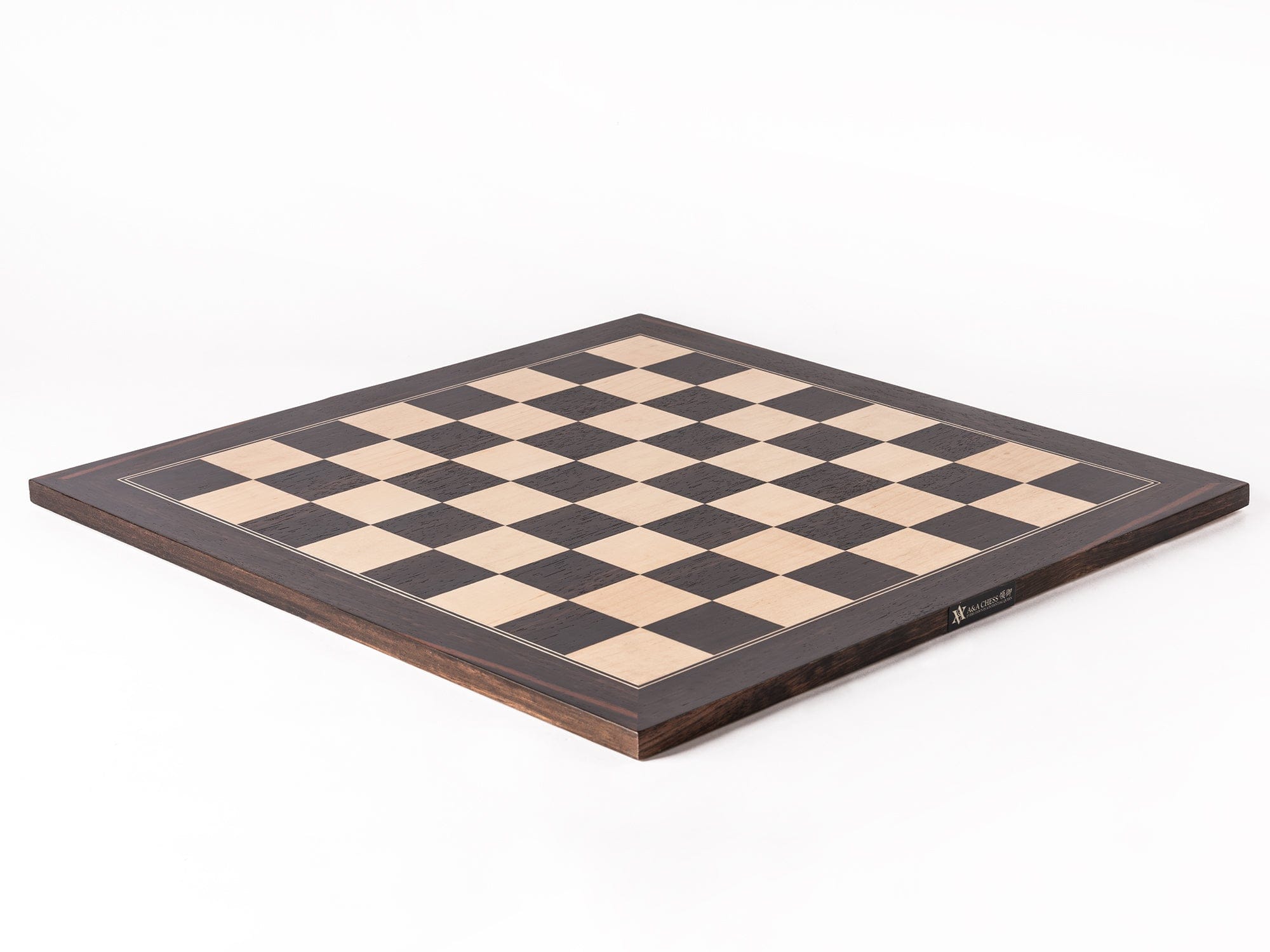
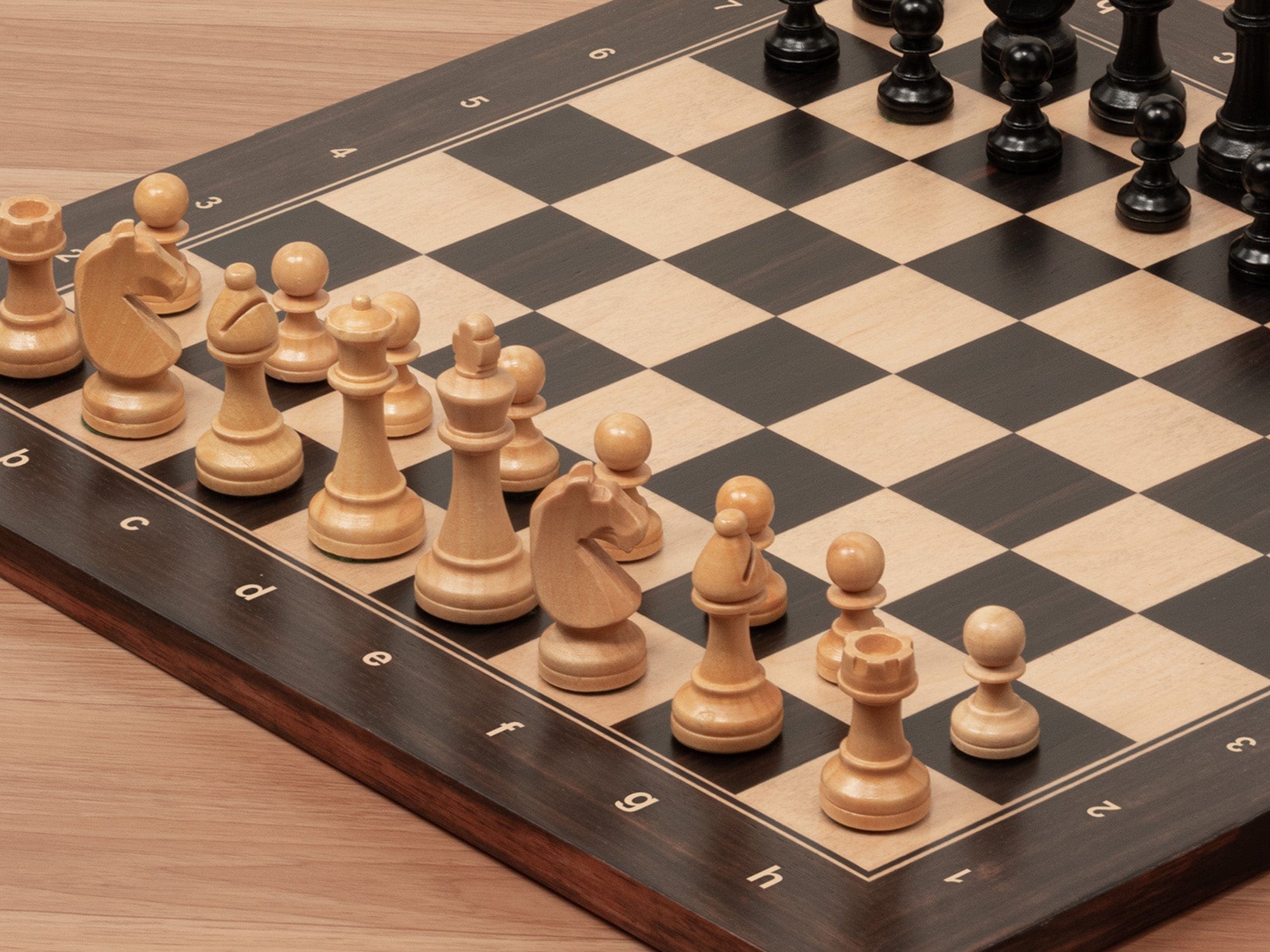
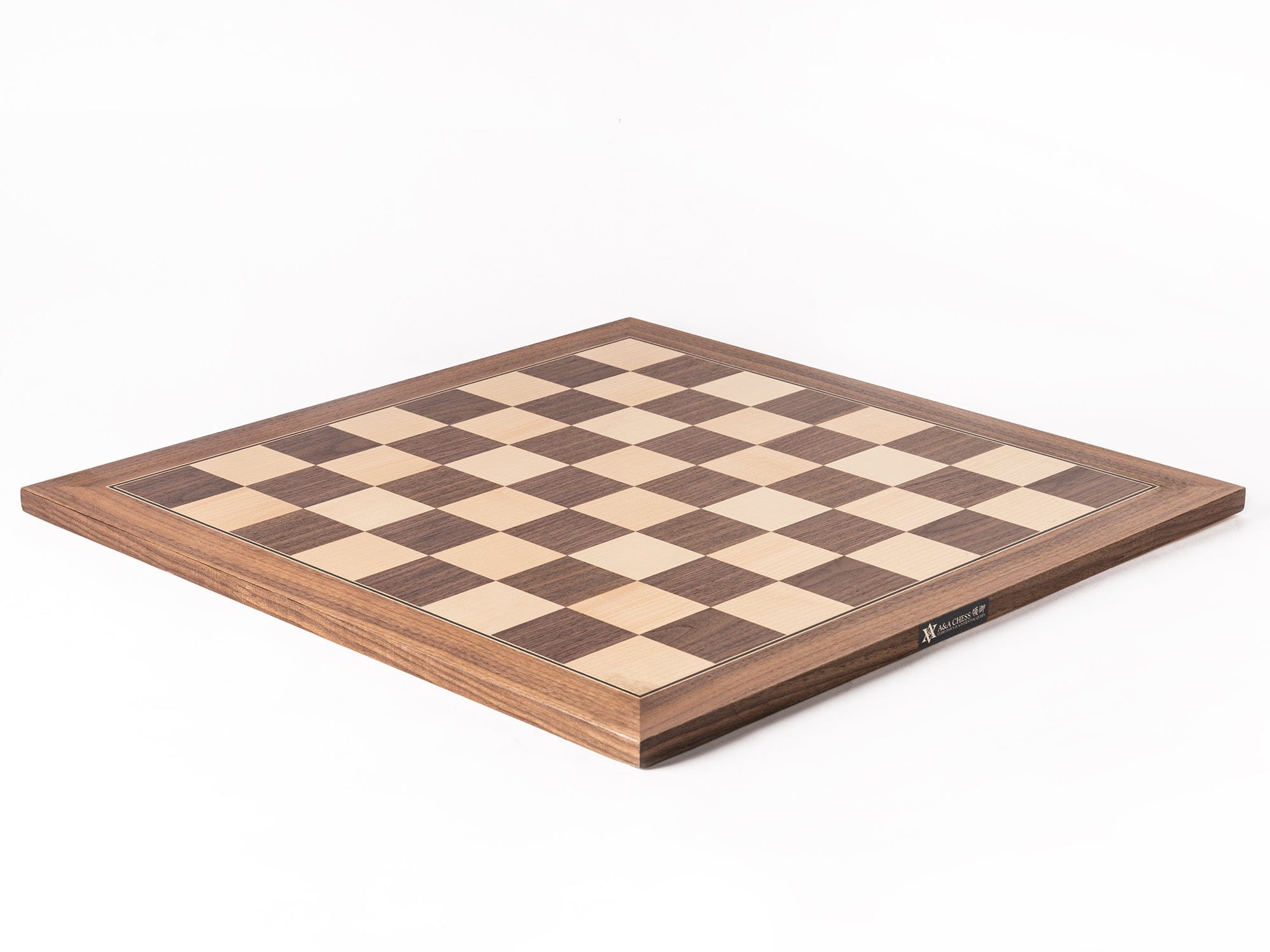
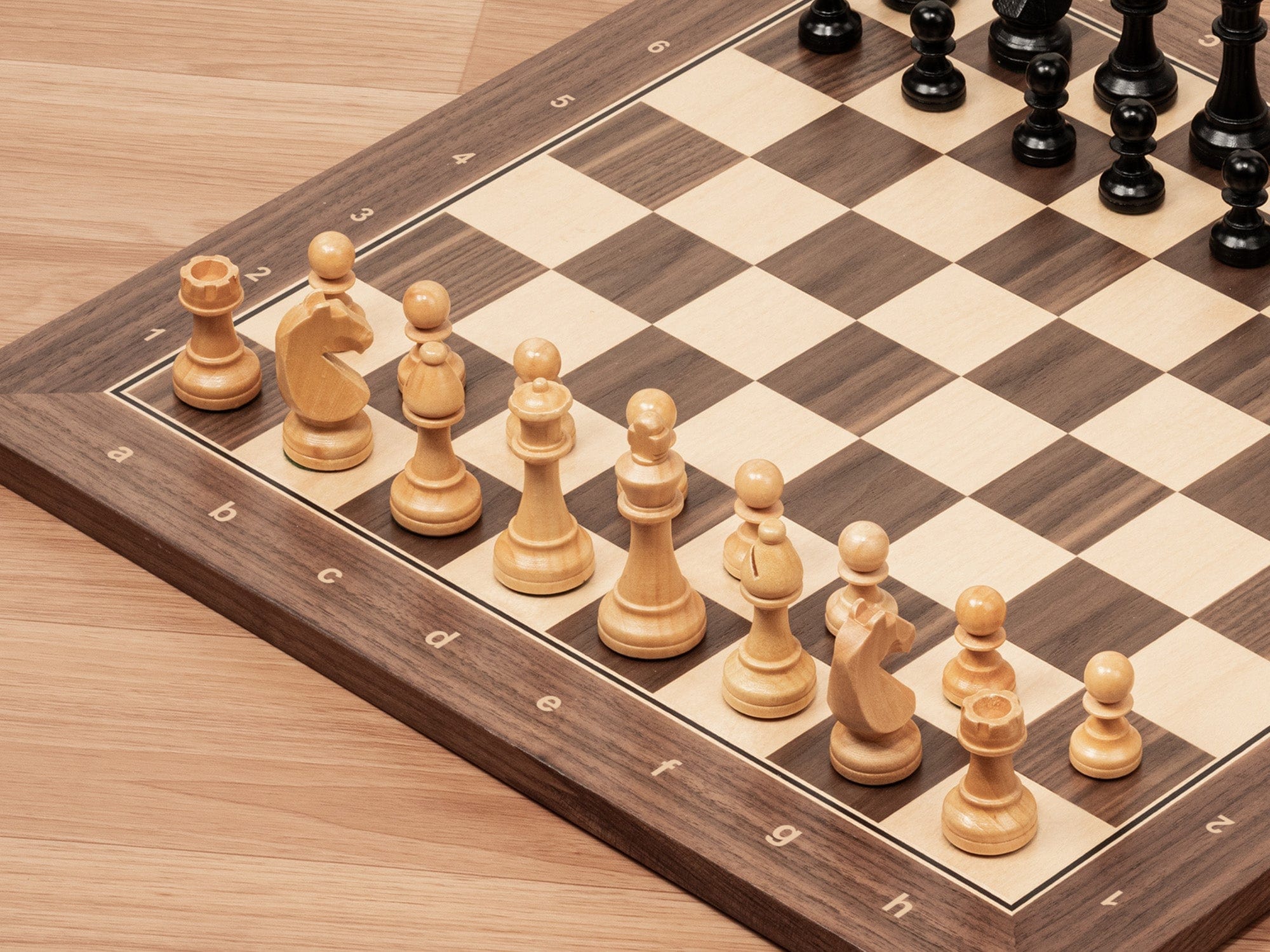
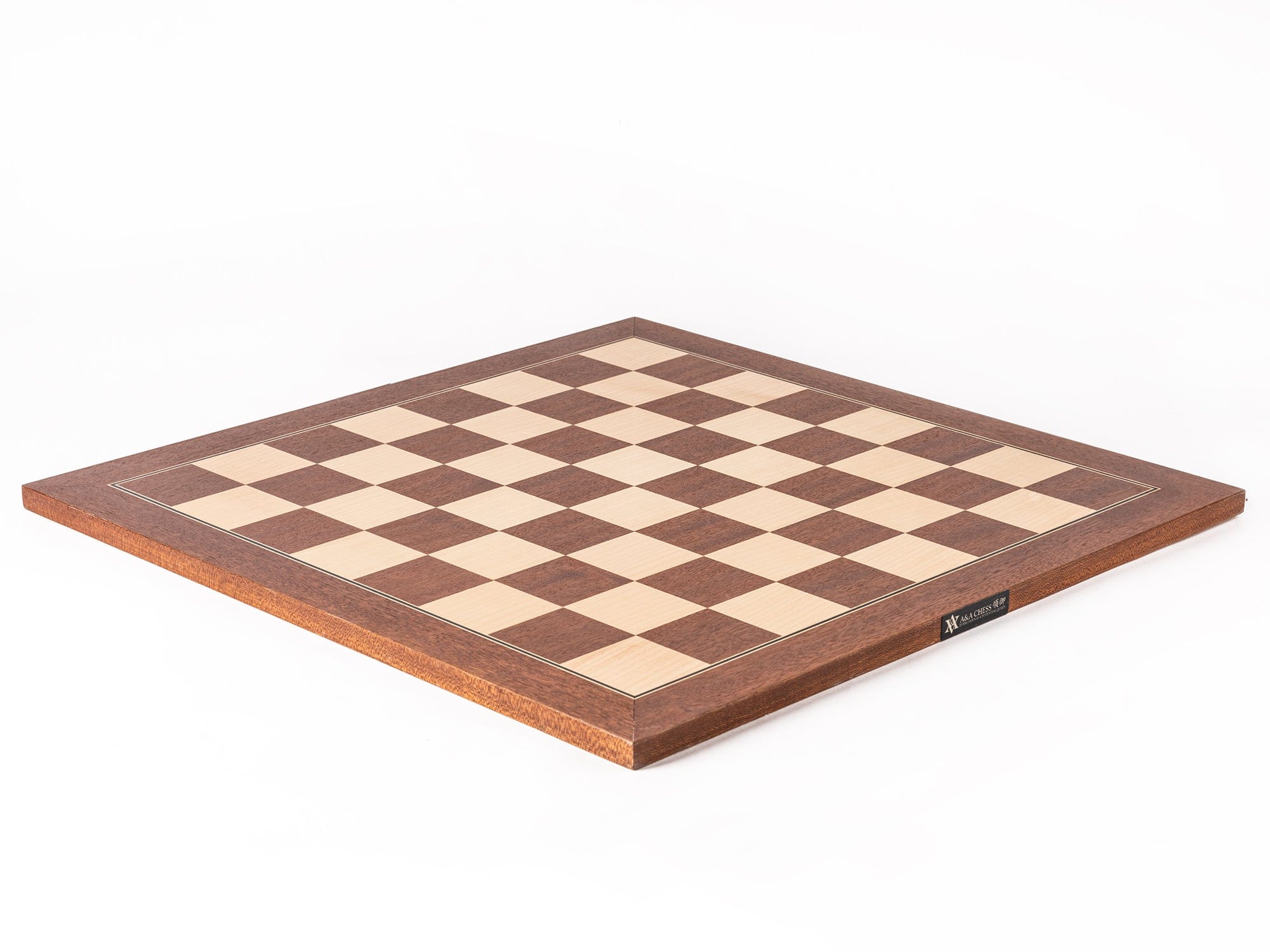
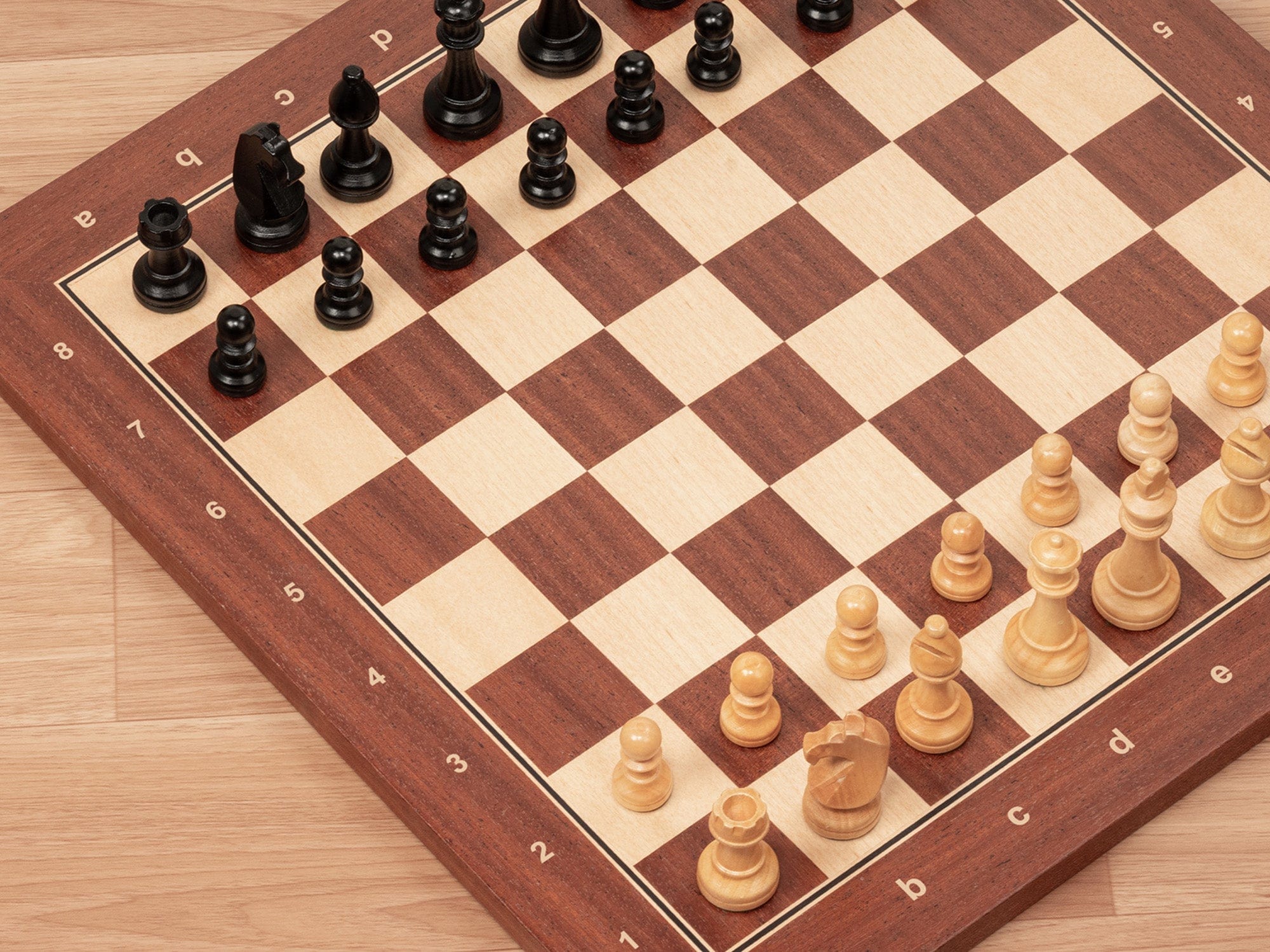
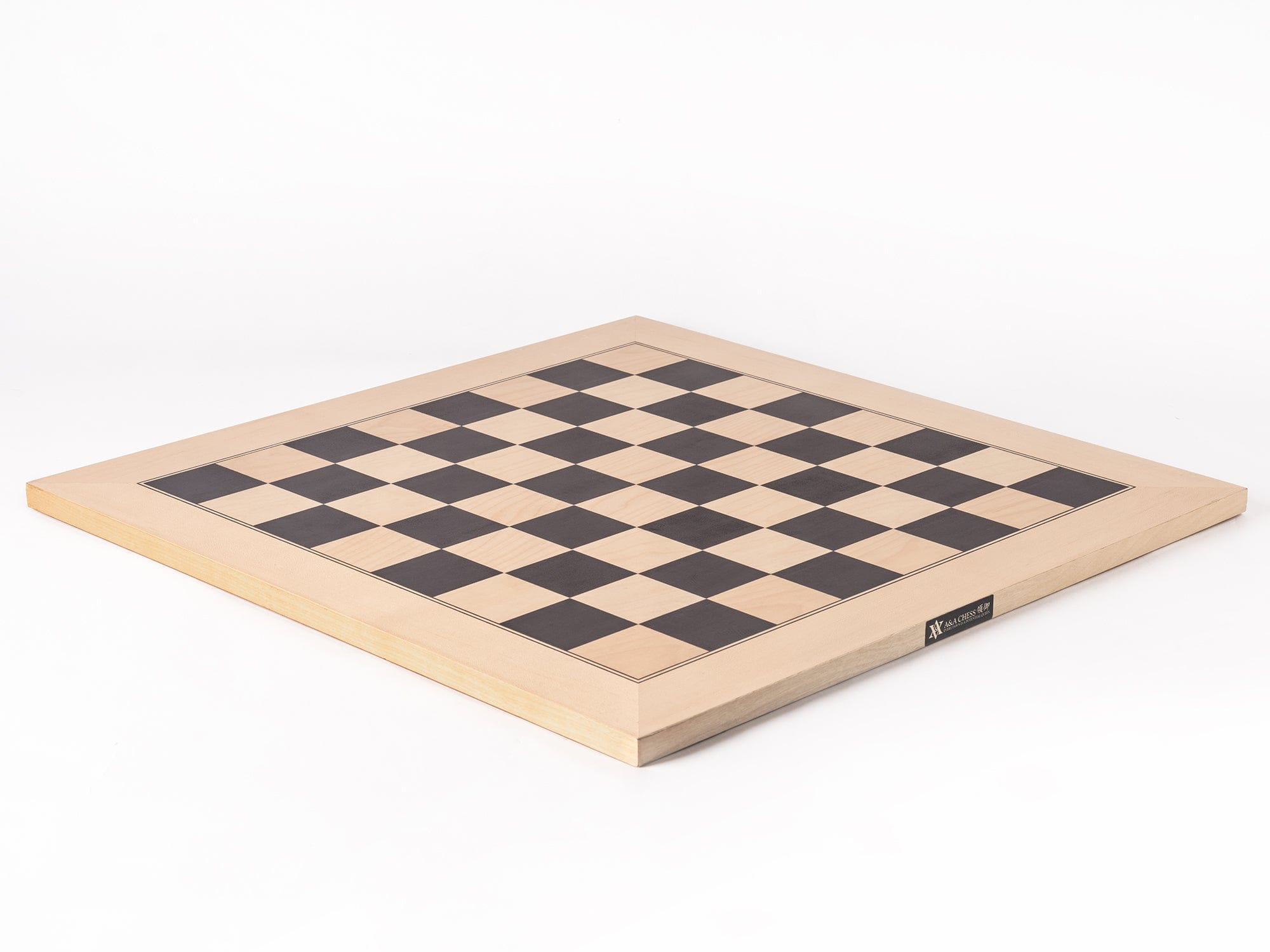
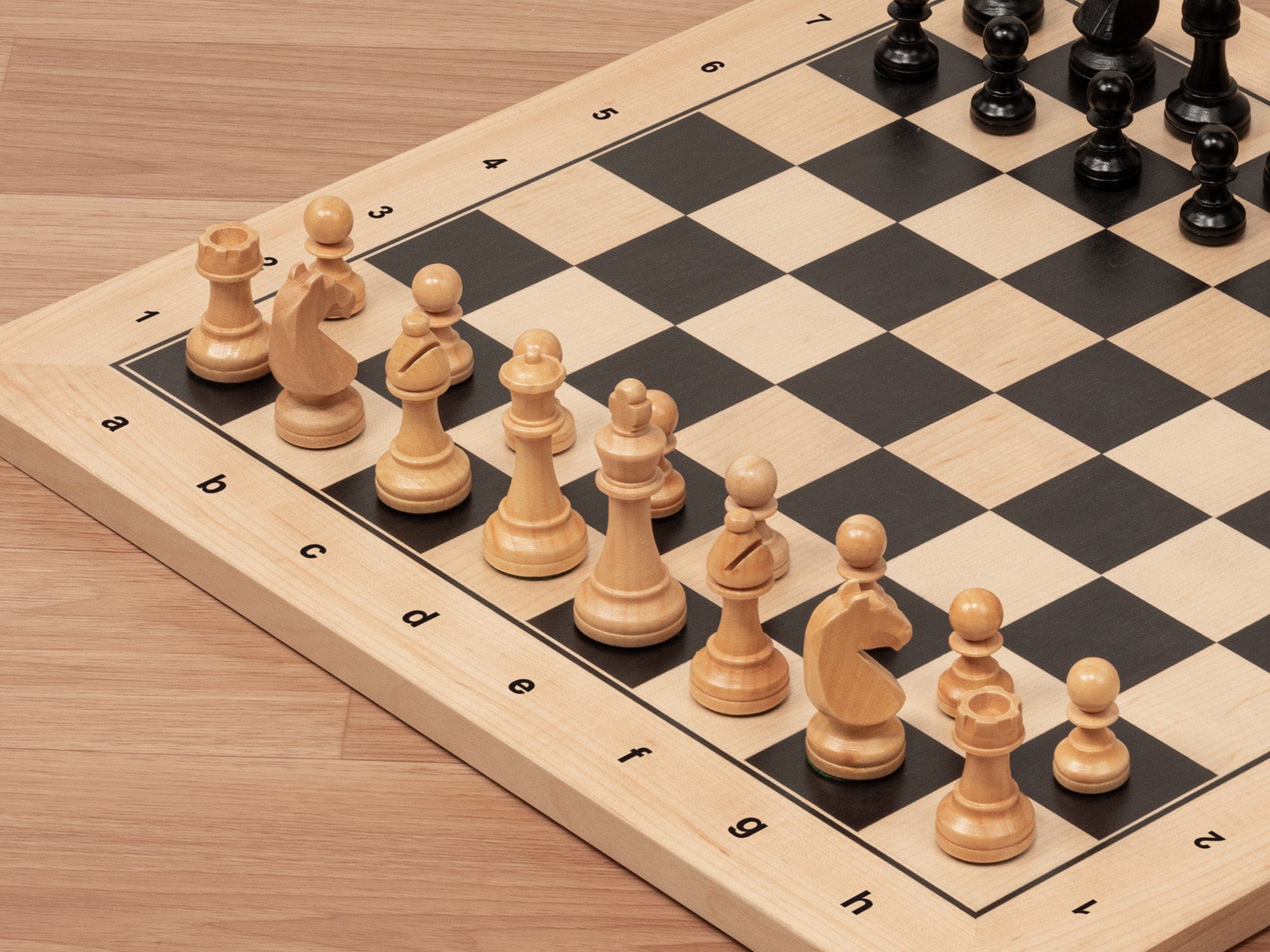
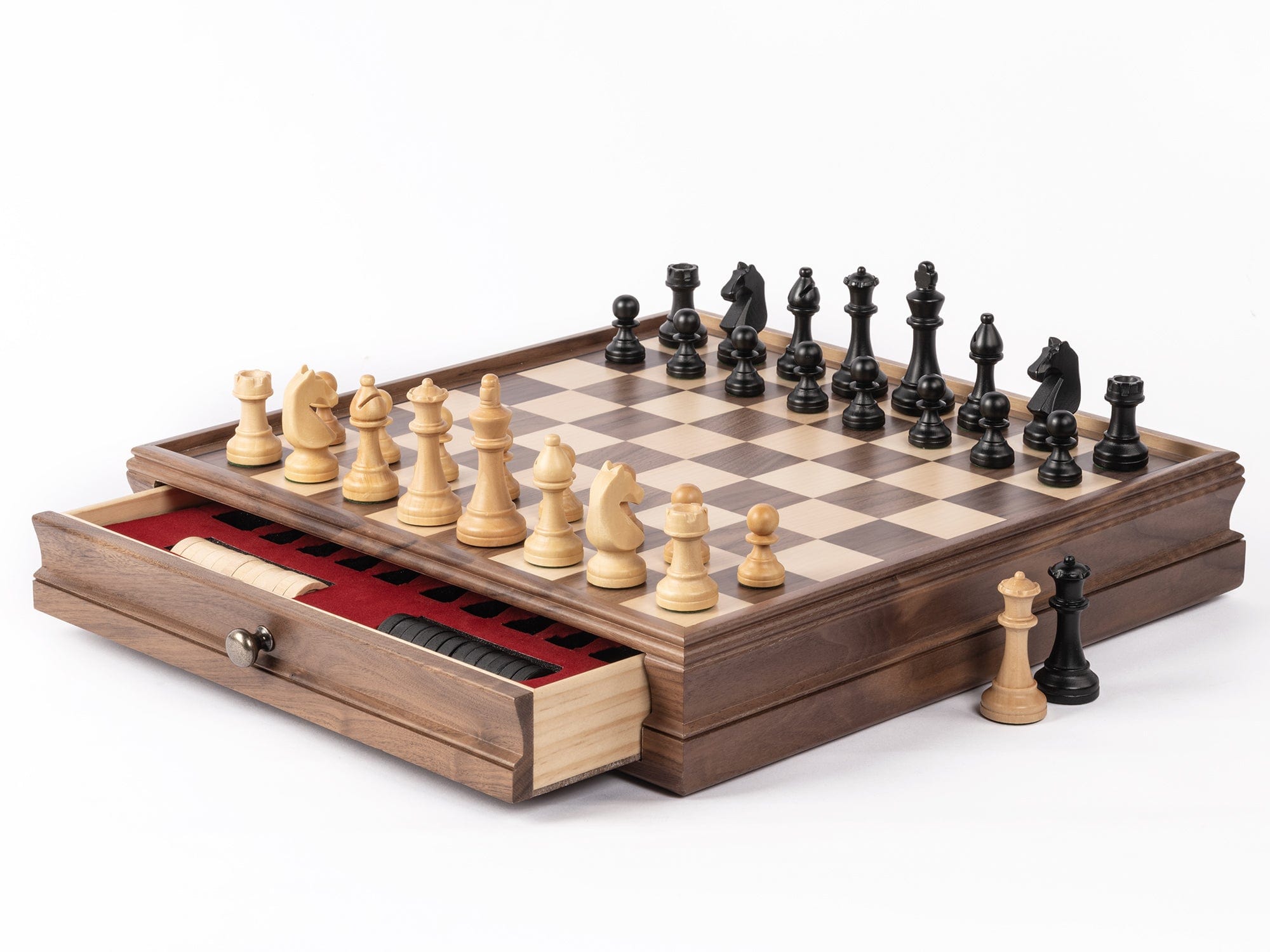
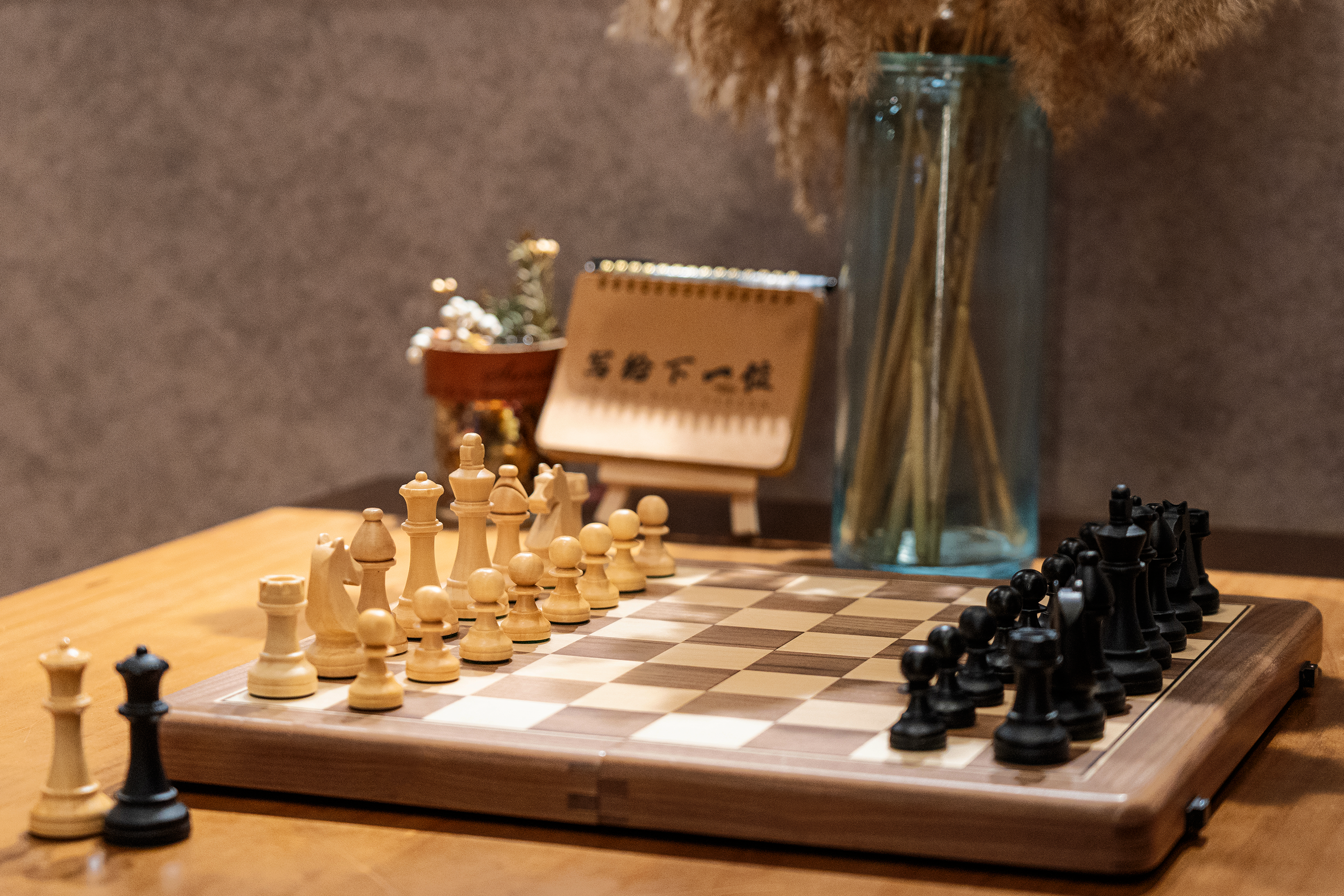
A chessboard has 64 squares arranged in an 8x8 grid. Each player starts with 16 pieces.
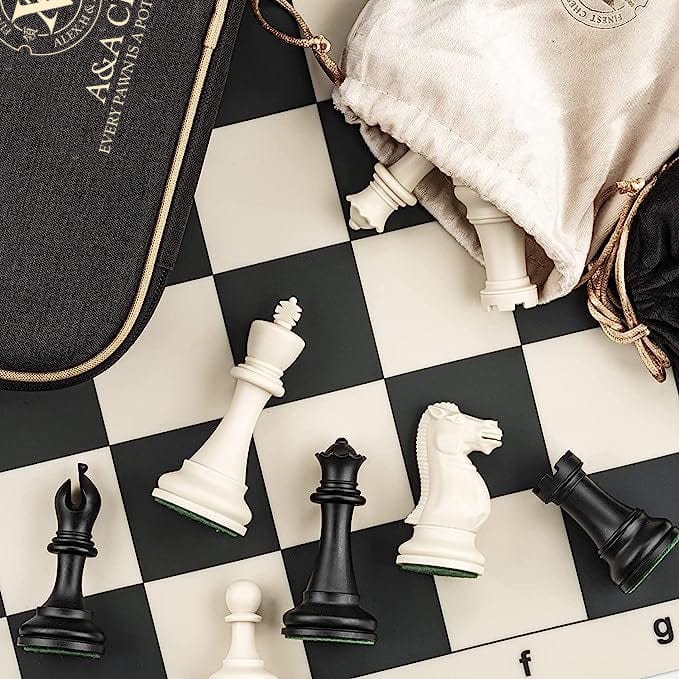
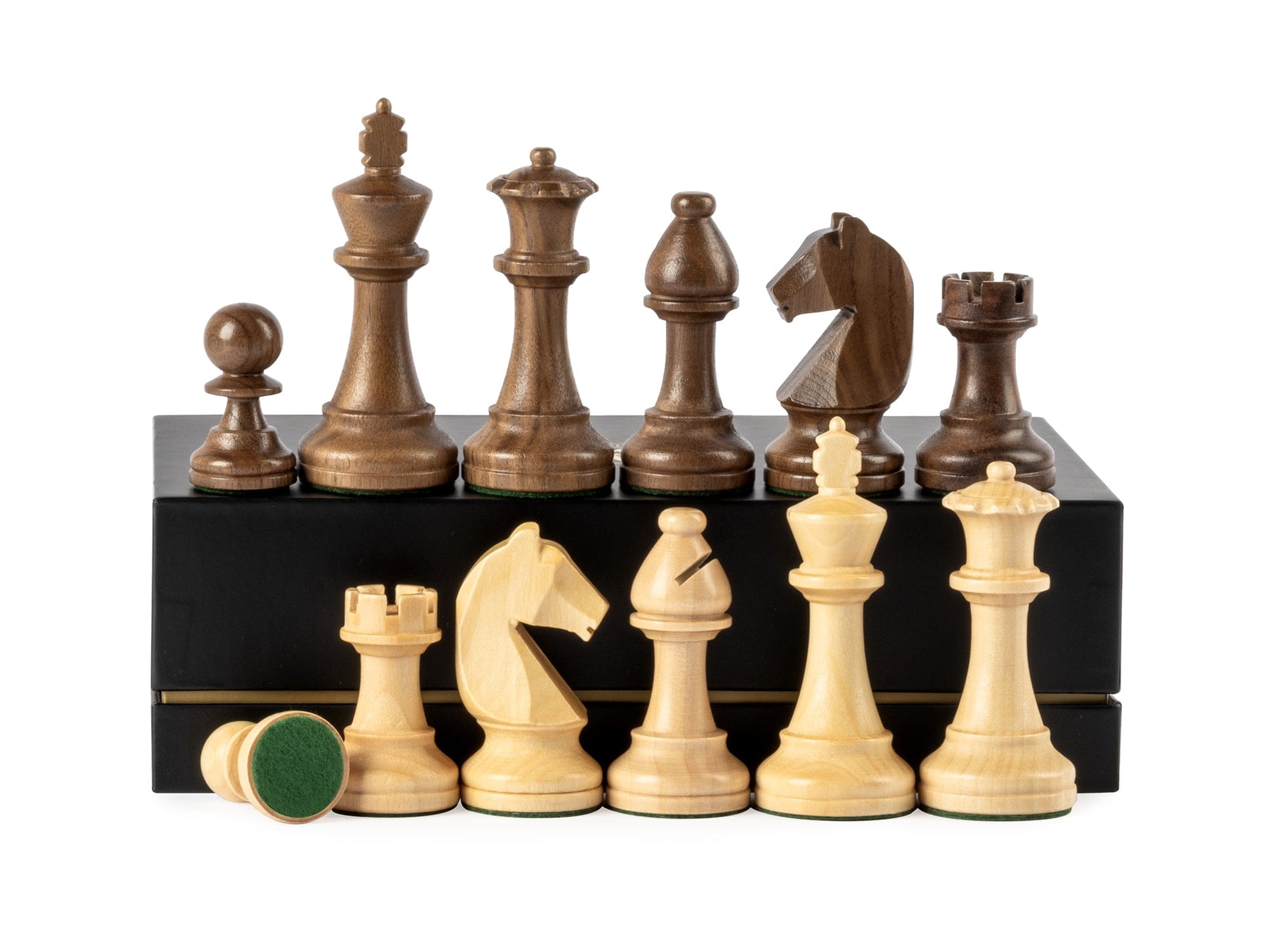
The Chess Pieces
-
King – Protect at all costs.
-
Queen – The most powerful piece.
-
Rooks – Strong on open files.
-
Bishops – Control long diagonals.
-
Knights – Jump over pieces in L-shapes.
-
Pawns – The backbone of your position.
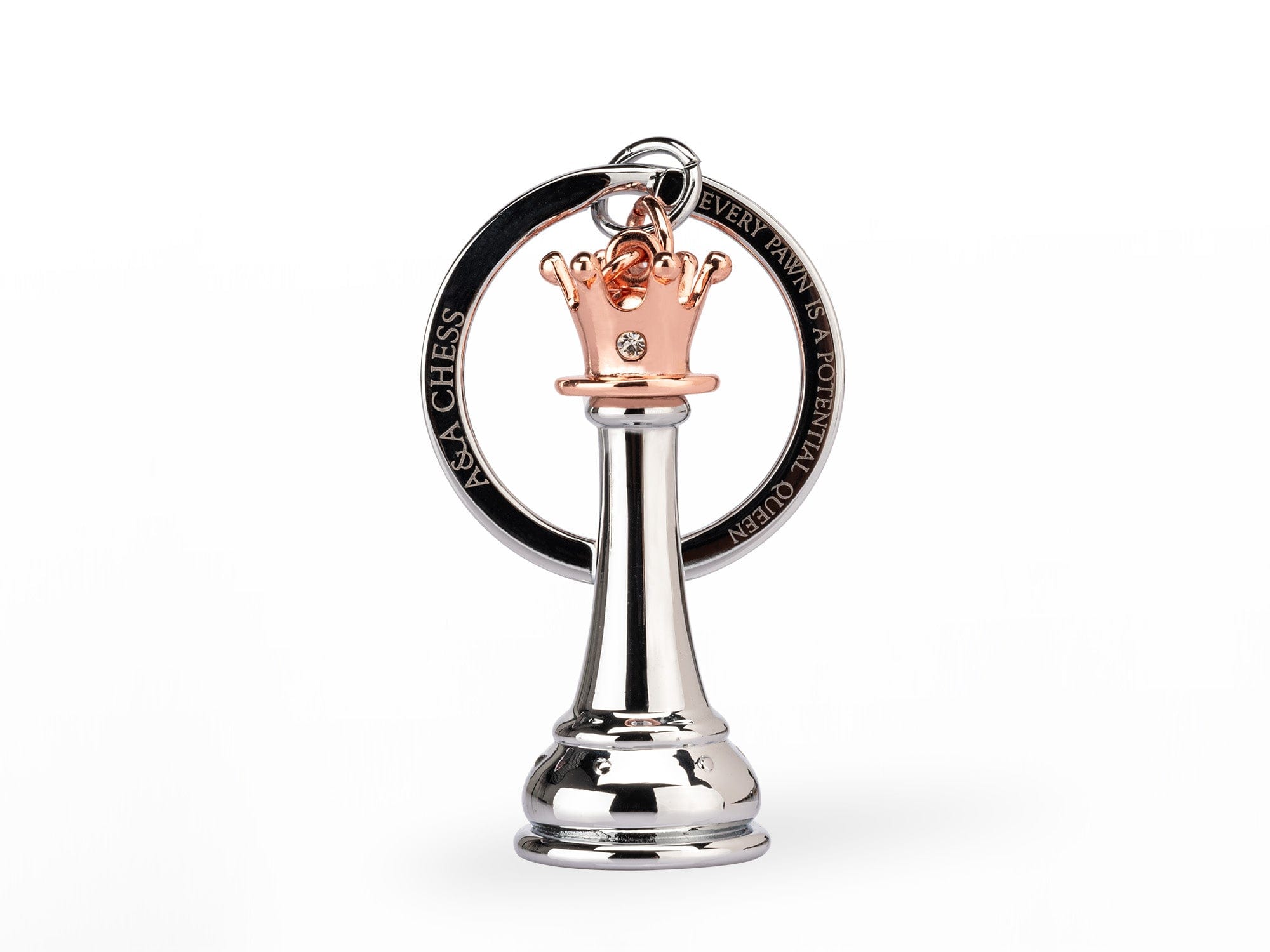
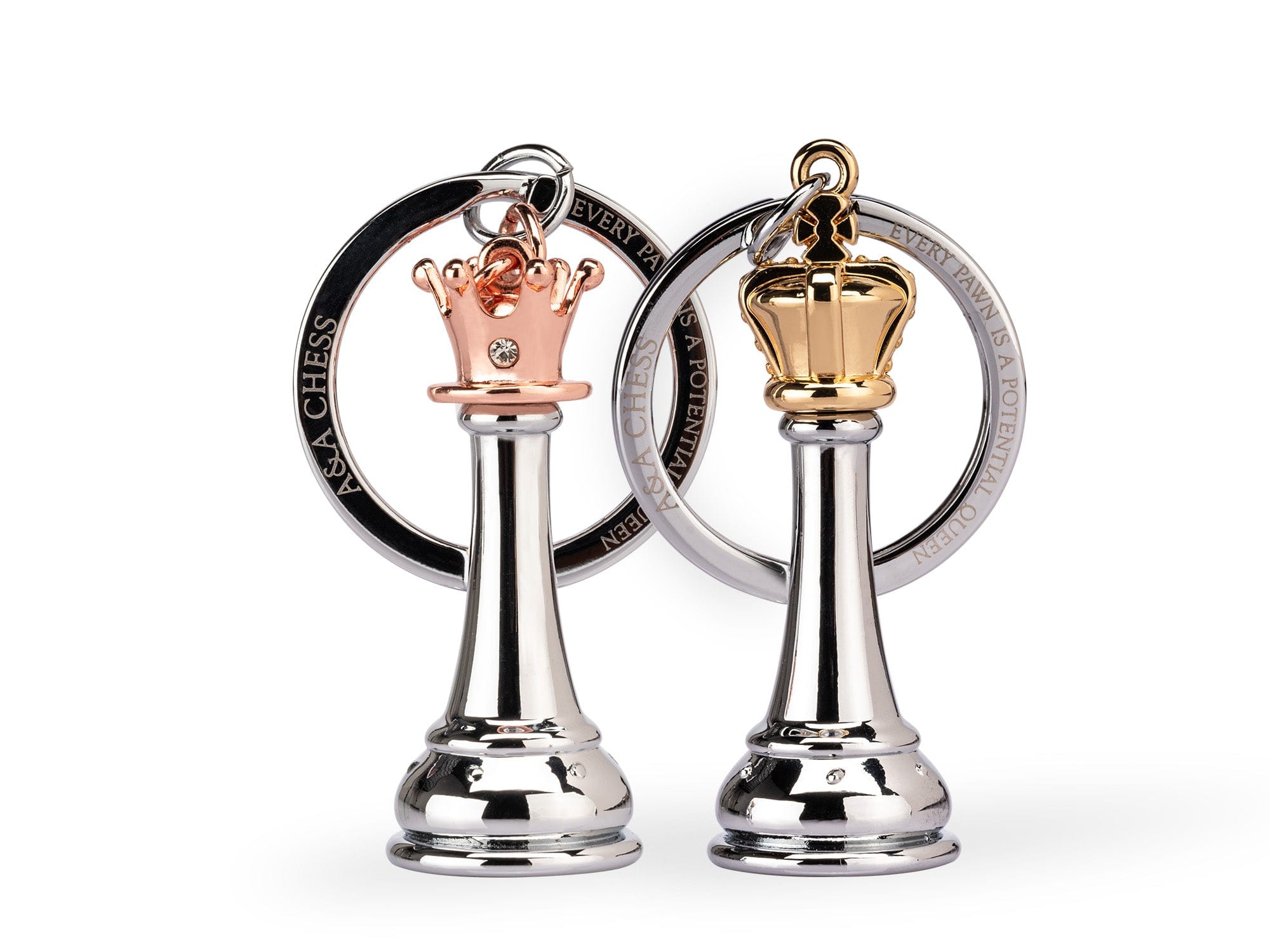
Even the smallest pawn can become a queen if it reaches the opposite side. That’s strategy and opportunity combined.
The Three Phases of a Chess Game

Opening: Build Your Foundation
In the opening:
-
Control the center
-
Develop your pieces
-
Protect your king (usually by castling)
Beginners often move too many pawns. Instead, focus on activating your pieces efficiently.
Middlegame: Where Battles Happen
This is where tactics dominate.
Common tactics include:
-
Forks
-
Pins
-
Skewers
-
Discovered attacks
-
Sacrifices
Training tactics daily is one of the fastest ways to improve.
Endgame: Precision Wins
With fewer pieces on the board, every move matters more. Endgames teach calculation, king activity, and pawn promotion strategy.
Many games are decided here — not in the opening.
Common Mistakes Beginners Make
If you’re new to chess, avoid these errors:
-
Ignoring king safety
-
Moving the same piece repeatedly in the opening
-
Attacking too early
-
Not checking opponent threats
-
Playing too fast
At AA Chess, we encourage players to review their games. Improvement comes from understanding your mistakes.
How to Improve at Chess Faster
Want to level up? Here’s a practical improvement roadmap.
1. Practice Chess Tactics Every Day
Spend 15–20 minutes solving puzzles. Tactics improve pattern recognition and calculation speed.
2. Analyze Your Games
After every match, ask:
-
Where did I lose control?
-
Did I miss any tactics?
-
Was my king safe?
Self-analysis accelerates growth.
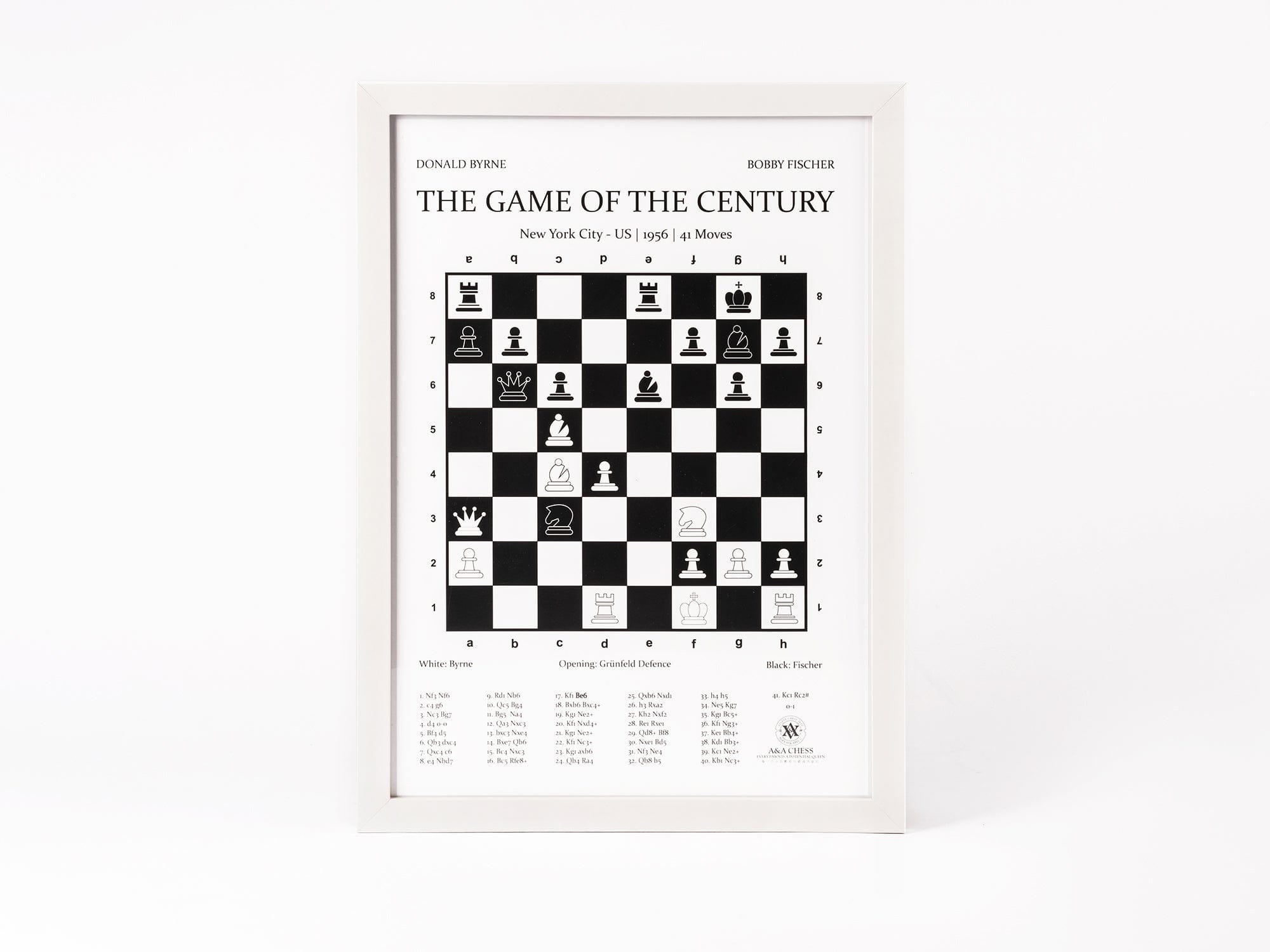
3. Study Classic Games
Watching grandmasters play is like taking a masterclass. Study how they:
-
Control space
-
Coordinate pieces
-
Transition into winning endgames
4. Play Consistently
Improvement comes from repetition. The more positions you see, the stronger your intuition becomes.
The Rise of Online Chess
Chess has exploded in popularity thanks to:
-
Streaming platforms
-
Online tournaments
-
AI analysis engines
-
Global accessibility
Players no longer need a physical board. You can compete anytime, anywhere.
At AA Chess, our mission is to create a space where players of all levels can learn, compete, and grow.
Why AA Chess Is the Right Place for You
If you’re serious about improving your chess skills, you need:
-
Structured learning
-
Tactical training
-
Game analysis tools
-
A strong community
AA Chess provides a focused environment to help you build strategic thinking and sharpen your competitive edge.
Whether your goal is casual improvement or tournament-level mastery, consistency and guidance make the difference.
The Psychology of Chess
Chess isn’t only about calculation. It’s about mindset.
Strong players:
-
Stay calm under pressure
-
Manage time wisely
-
Recover quickly from mistakes
-
Adapt their strategy mid-game
Confidence matters. But so does humility. Every loss is a lesson.
Chess for Kids and Adults
For Children
Chess helps children develop:
-
Critical thinking
-
Patience
-
Focus
-
Academic performance
It’s one of the best educational tools disguised as a game.
For Adults
Chess keeps the mind sharp and engaged. Many adults discover chess later in life and find it incredibly rewarding.
Age doesn’t limit improvement — dedication does.
Final Thoughts: One Game, Infinite Possibilities
Chess is simple to learn but impossible to fully master. That’s what makes it beautiful.
Every game tells a story.
Every move carries intention.
Every mistake teaches wisdom.
If you’re ready to challenge yourself, strengthen your thinking, and experience the thrill of strategic competition, there’s no better time to start.
Visit https://aa-chess.com/ and begin your journey today.
Your next move matters.
Frequently Asked Questions (FAQs)
1. How long does it take to become good at chess?
With regular practice, noticeable improvement can happen within 3–6 months.
2. Is chess good for mental health?
Yes. Chess improves focus, memory, and cognitive flexibility while reducing stress through deep concentration.
3. What’s the fastest way to improve in chess?
Daily tactical training combined with analyzing your own games.
4. Can beginners play online chess?
Absolutely. Online platforms are perfect for beginners to gain experience quickly.
5. Is chess mainly strategy or tactics?
Both. Strategy creates long-term plans, while tactics execute short-term winning opportunities.




Hinterlasse einen Kommentar
Diese Website ist durch hCaptcha geschützt und es gelten die allgemeinen Geschäftsbedingungen und Datenschutzbestimmungen von hCaptcha.