












Table of Contents
-
Does Chess Board Material Actually Affect Your Playing Skill?
-
3 Main Types of Chess Board Materials (Pros & Cons Full Comparison)
-
How Each Board Material Changes Your Playing Habits & Game Performance
-
Best Board Material for Different Player Levels & Scenarios
-
Perfect Material + Piece + Accessory Combos for Maximum Progress
-
FAQs About Chess Board Material Selection
-
Final Material Selection Tips for 2026
1. Does Chess Board Material Actually Affect Your Playing Skill?

Most amateur chess players focus solely on opening tactics, endgame strategies, and puzzle training, completely ignoring a critical factor:chess board material directly impacts your playing experience, muscle memory, and long-term skill growth. Many people assume all standard-sized chess boards deliver the same practice effect, but this is a huge misconception.
Different board textures, hardness, friction, and durability change how you move pieces, judge board distance, and maintain focus during long training sessions. A mismatched board material can cause distracted thinking, unstable piece placement, and even form bad playing habits that hinder your improvement speed. Choosing boards made of professional-grade materials from premium chess equipment collections is an easy yet effective way to stabilize your daily training quality.
Whether you are a beginner building basic chess sense or an intermediate player preparing for tournaments, matching the right board material to your usage habits will greatly optimize your learning efficiency and gaming performance.
2. 3 Main Types of Chess Board Materials (Pros & Cons Full Comparison)
In the current chess equipment market, three mainstream board materials dominate daily practice, competition, and collection scenarios: solid wood, food-grade silicone, and magnetic wood. Each material has unique advantages and limitations that suit different player groups.
2.1 Solid Walnut Wood Board (Premium Indoor & Collection Grade)
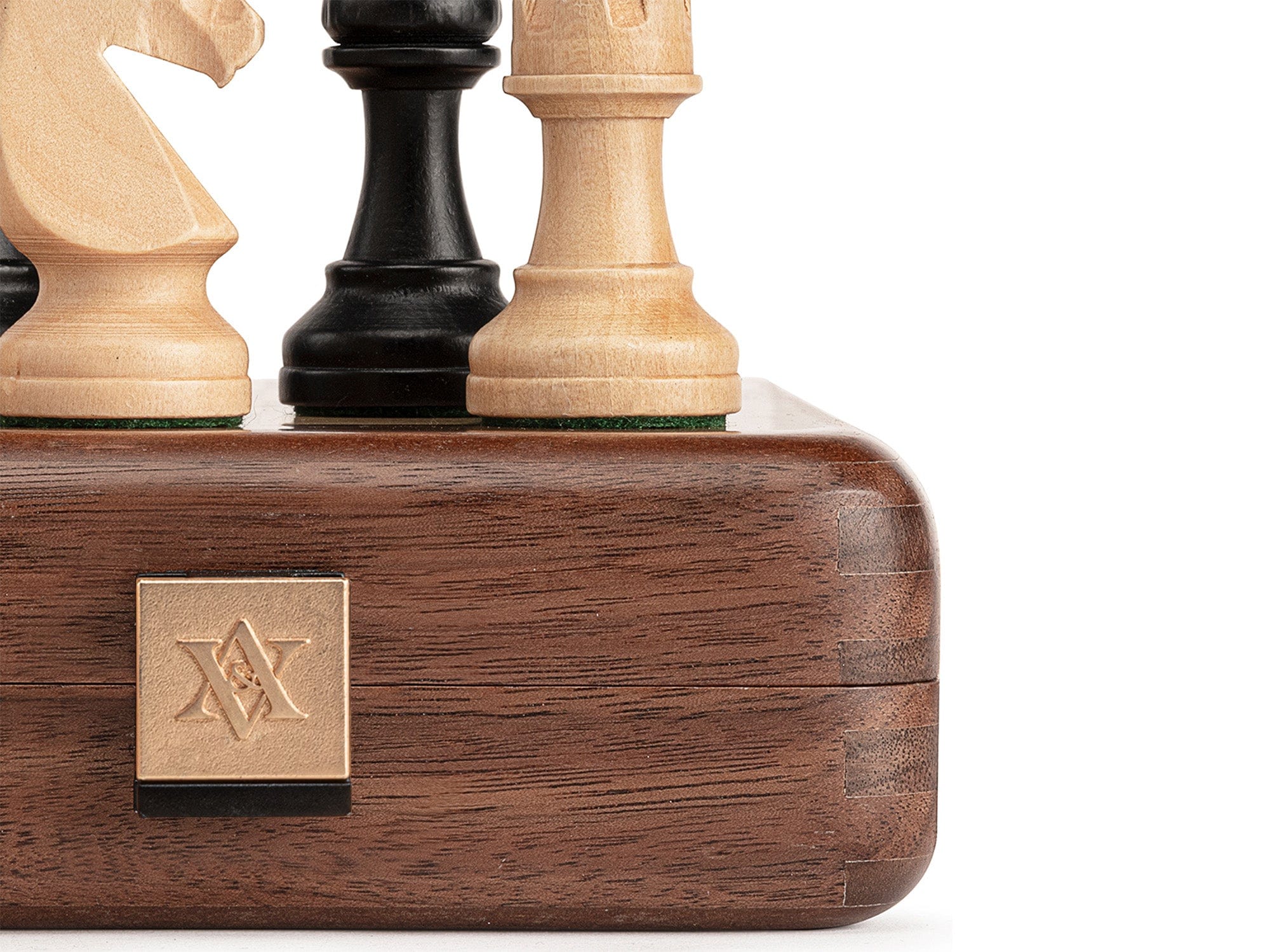
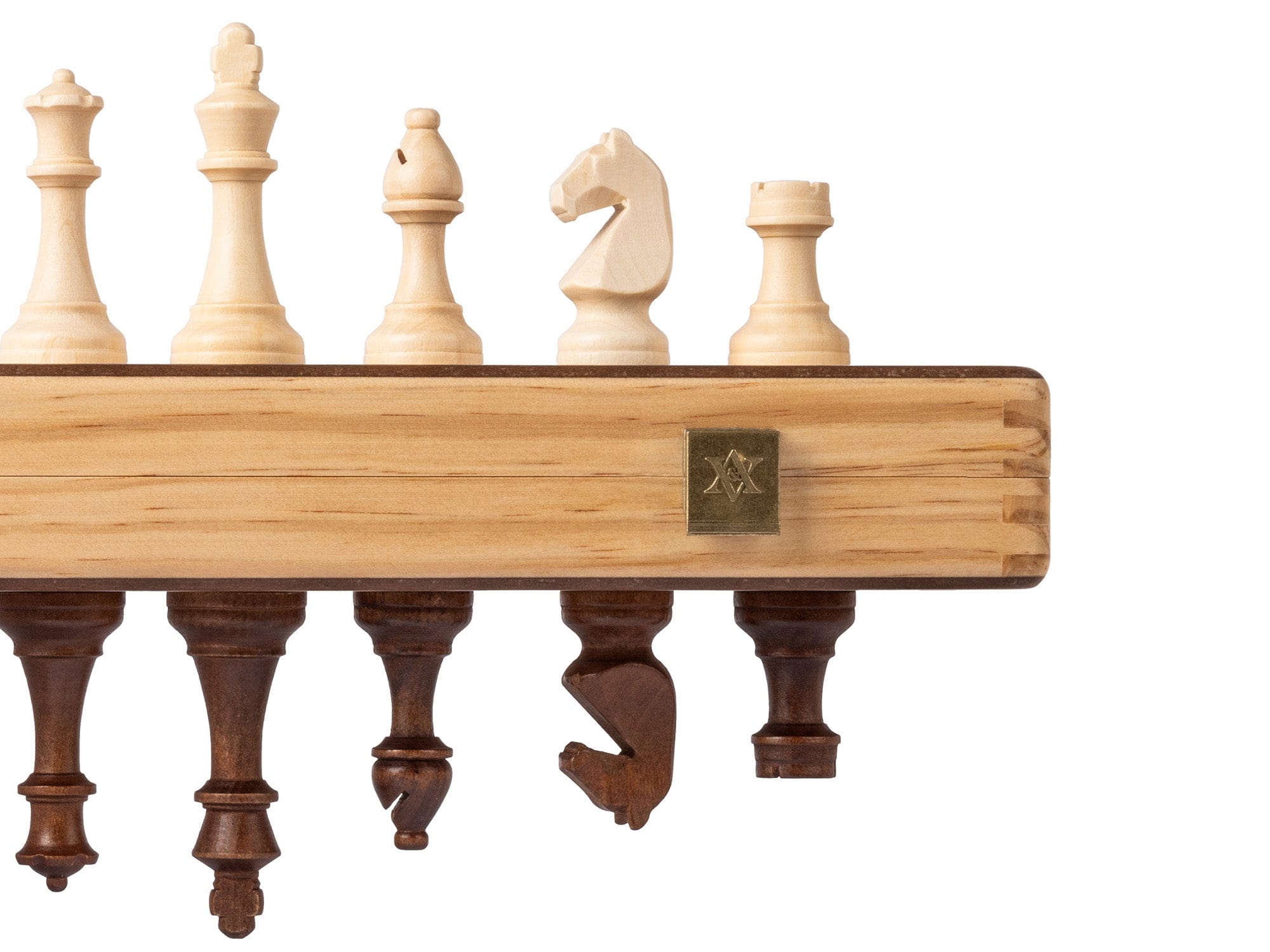
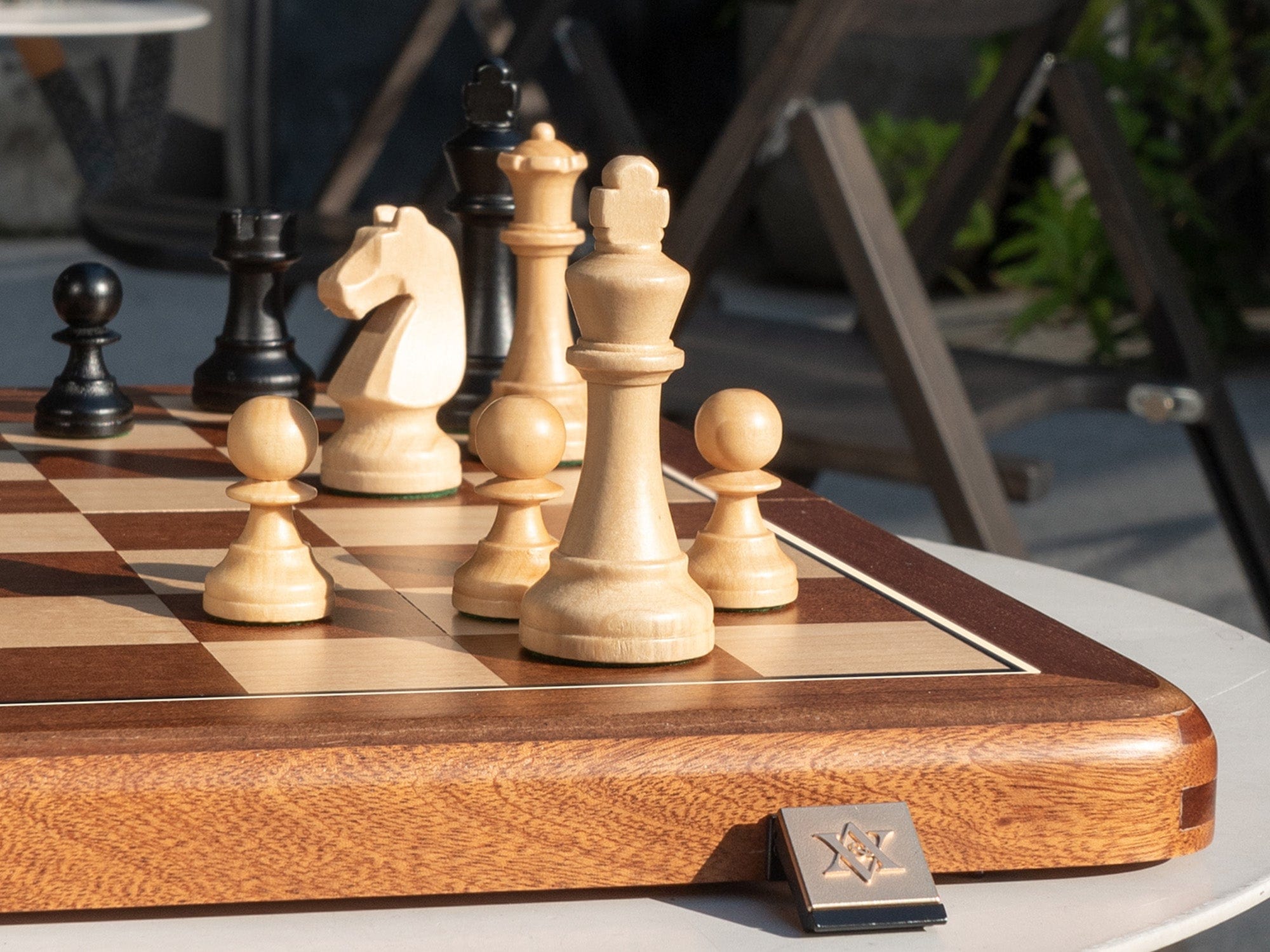
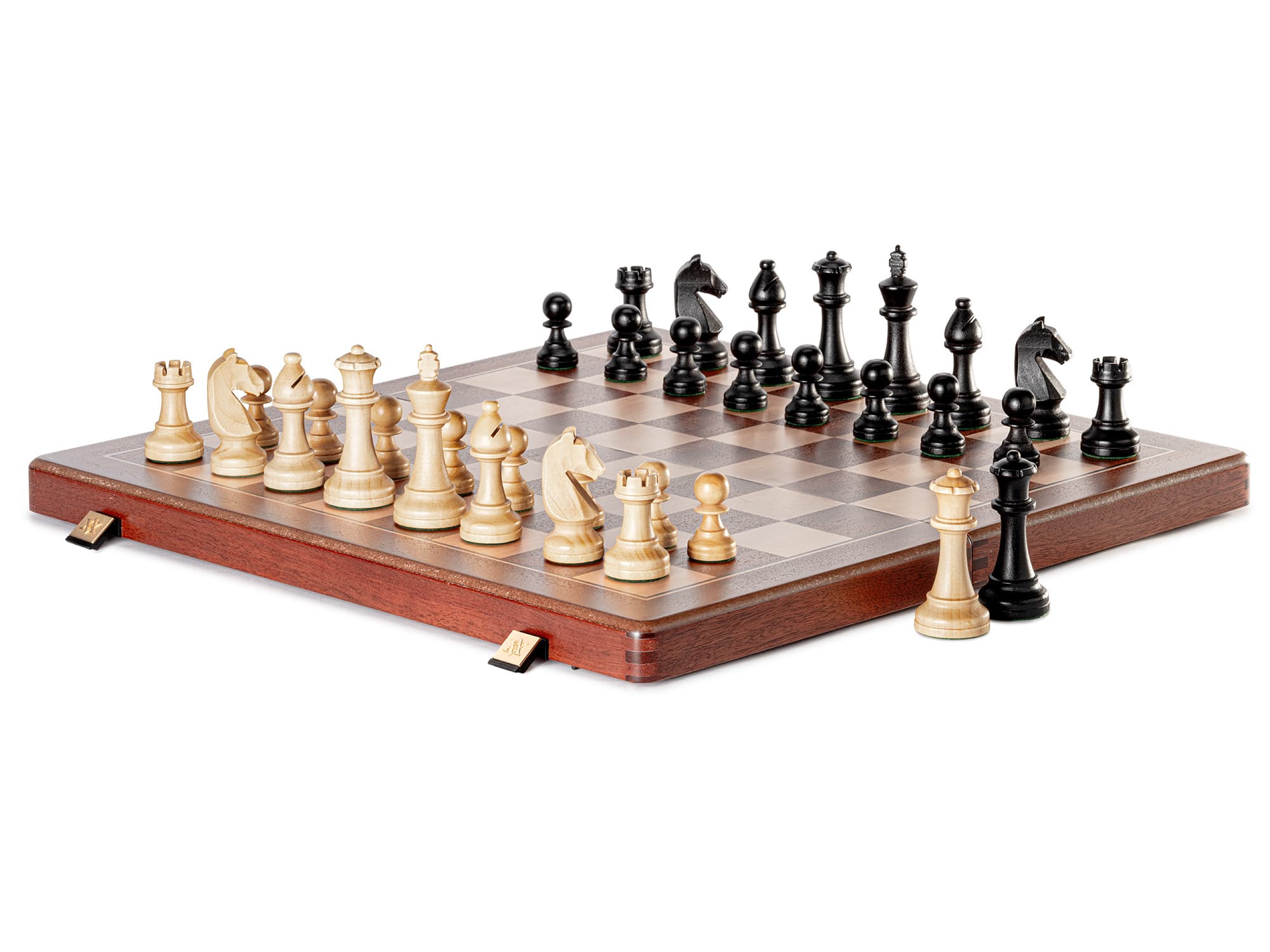
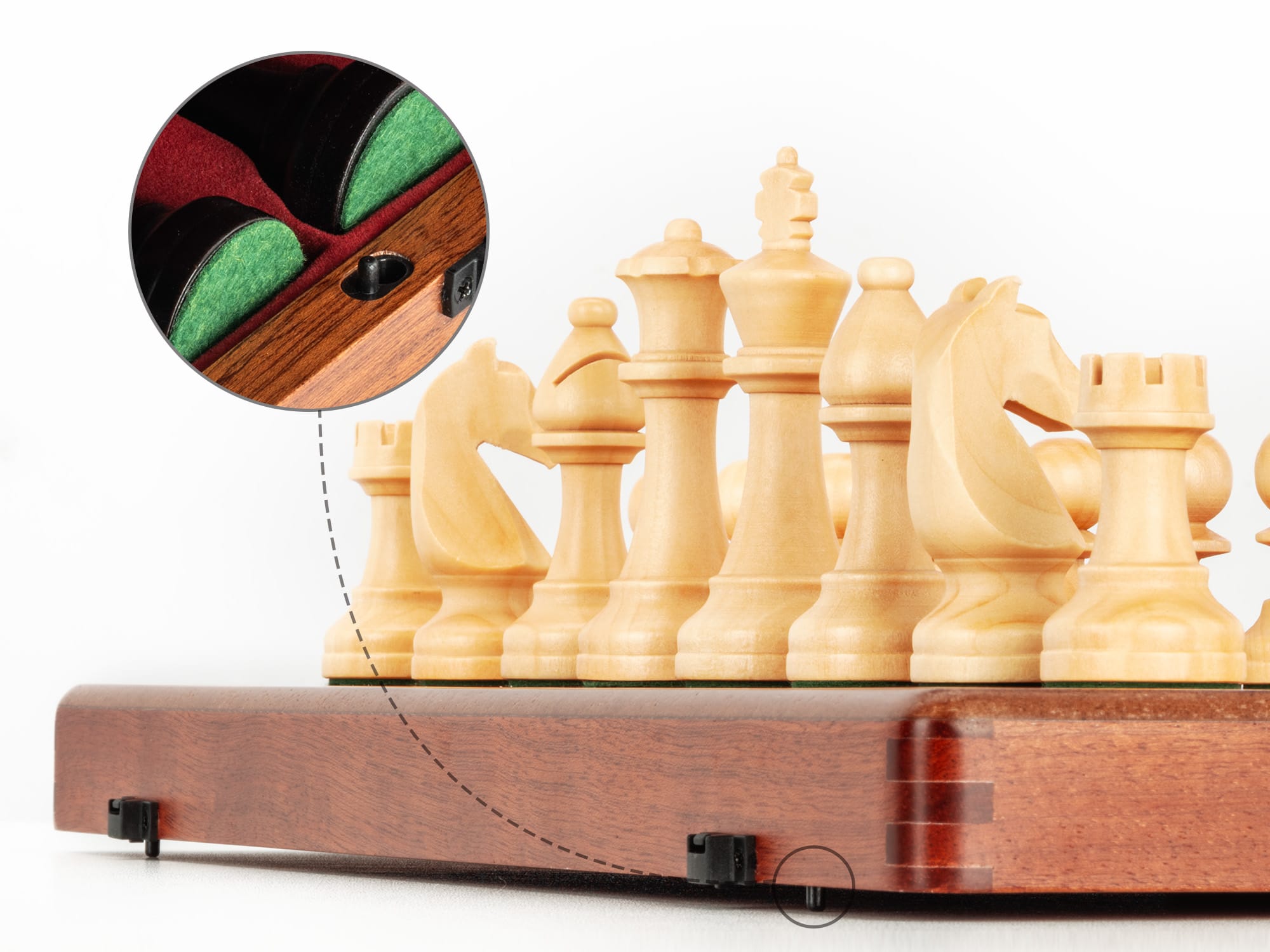
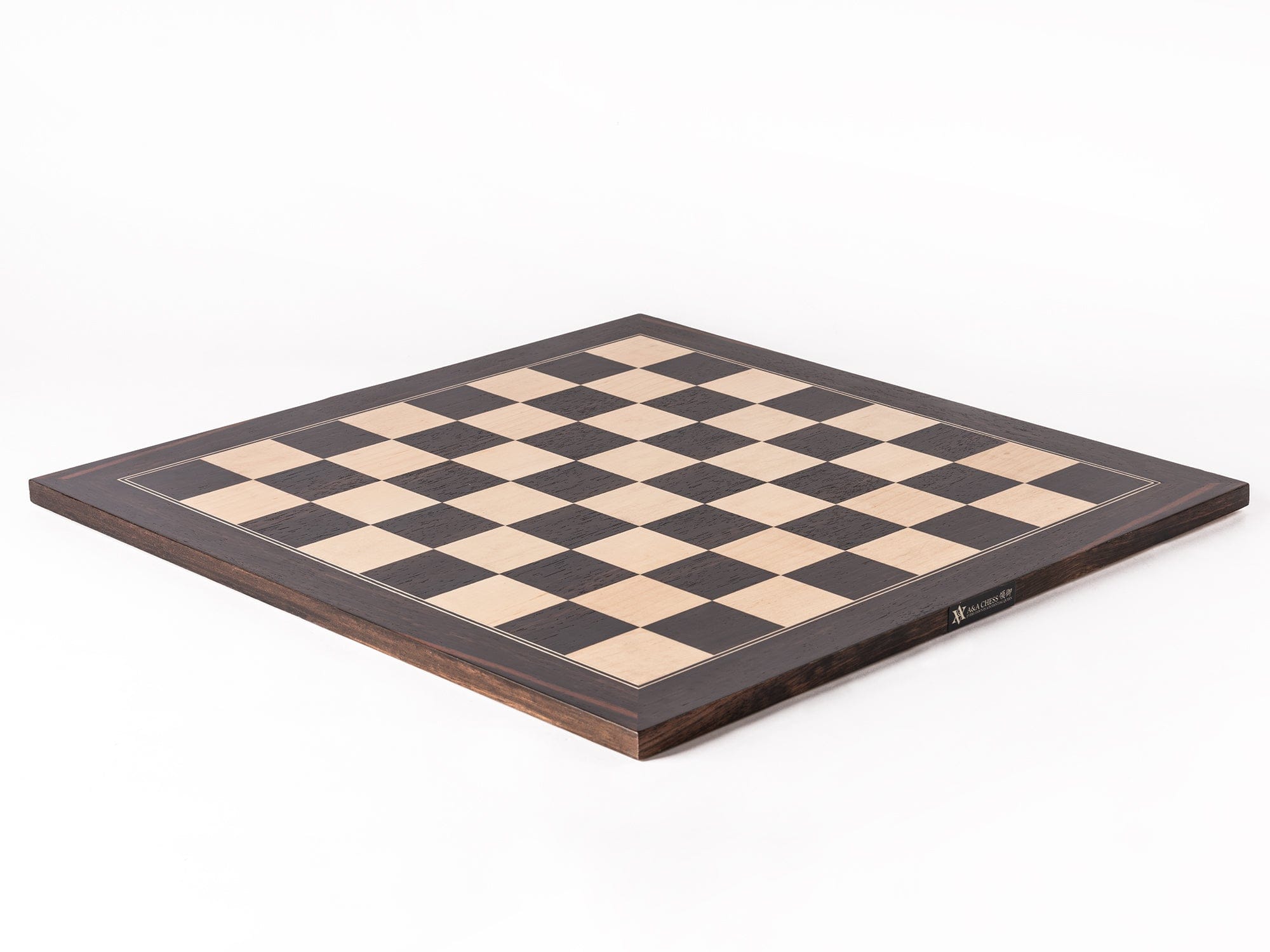
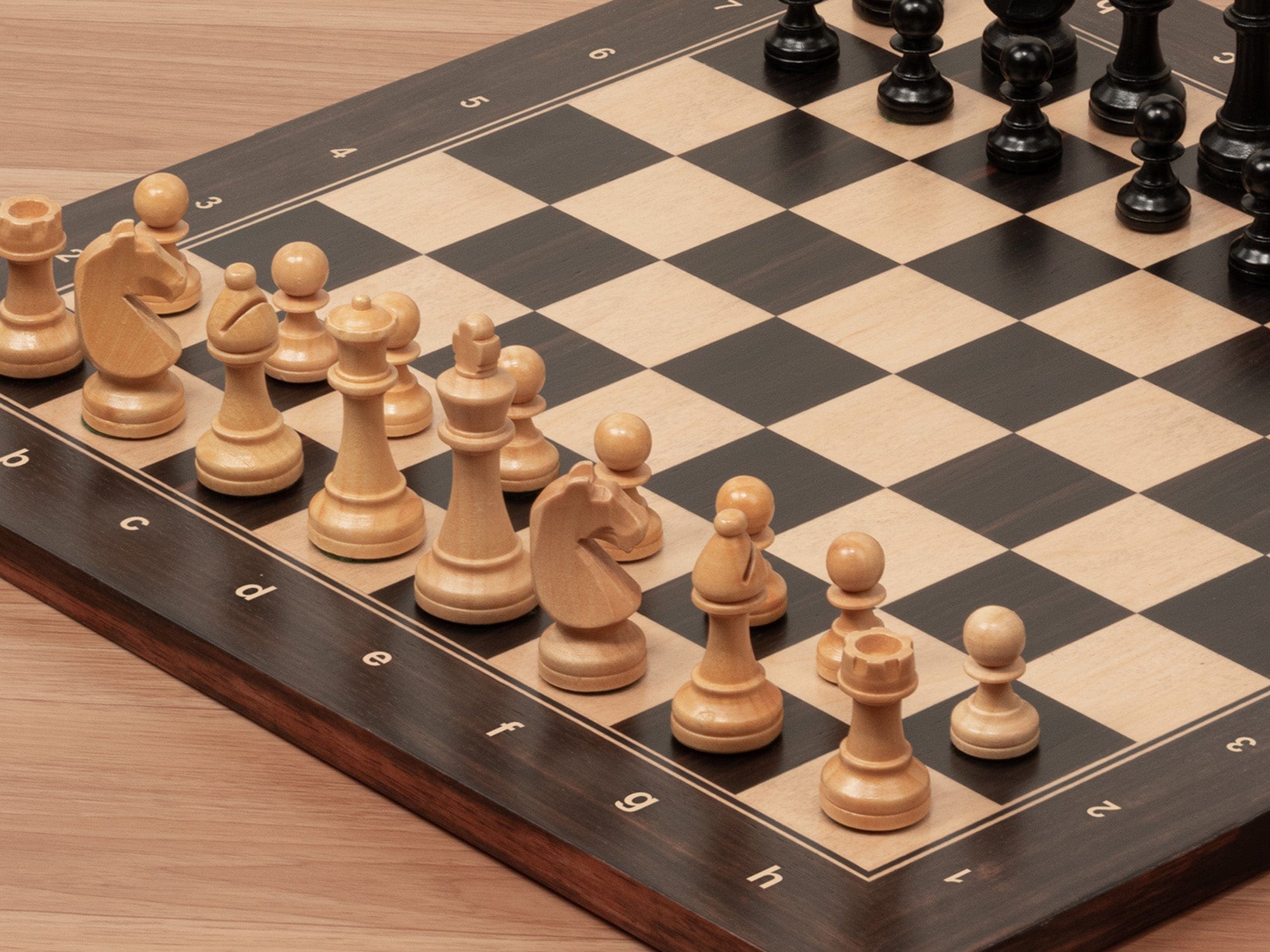
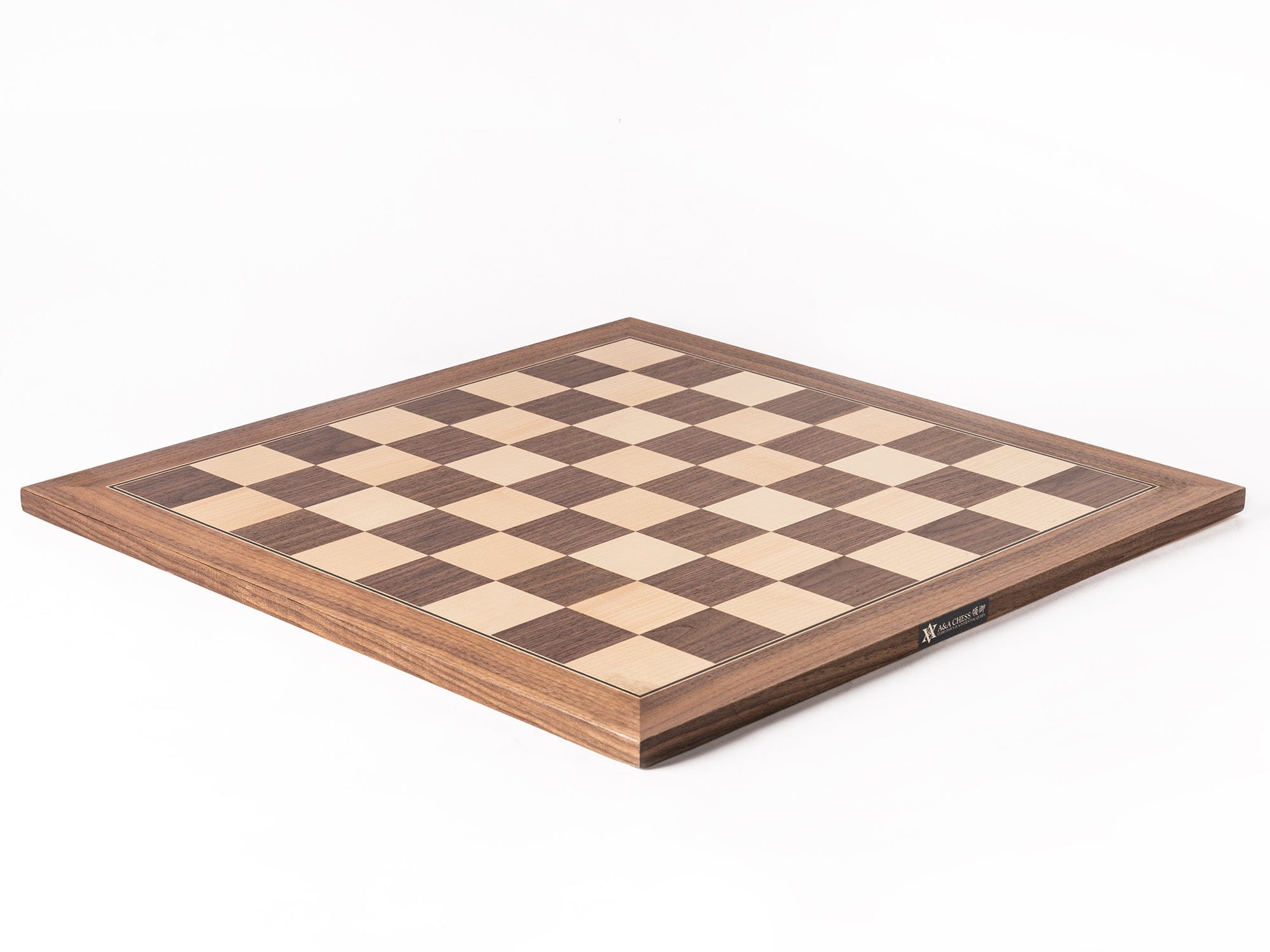
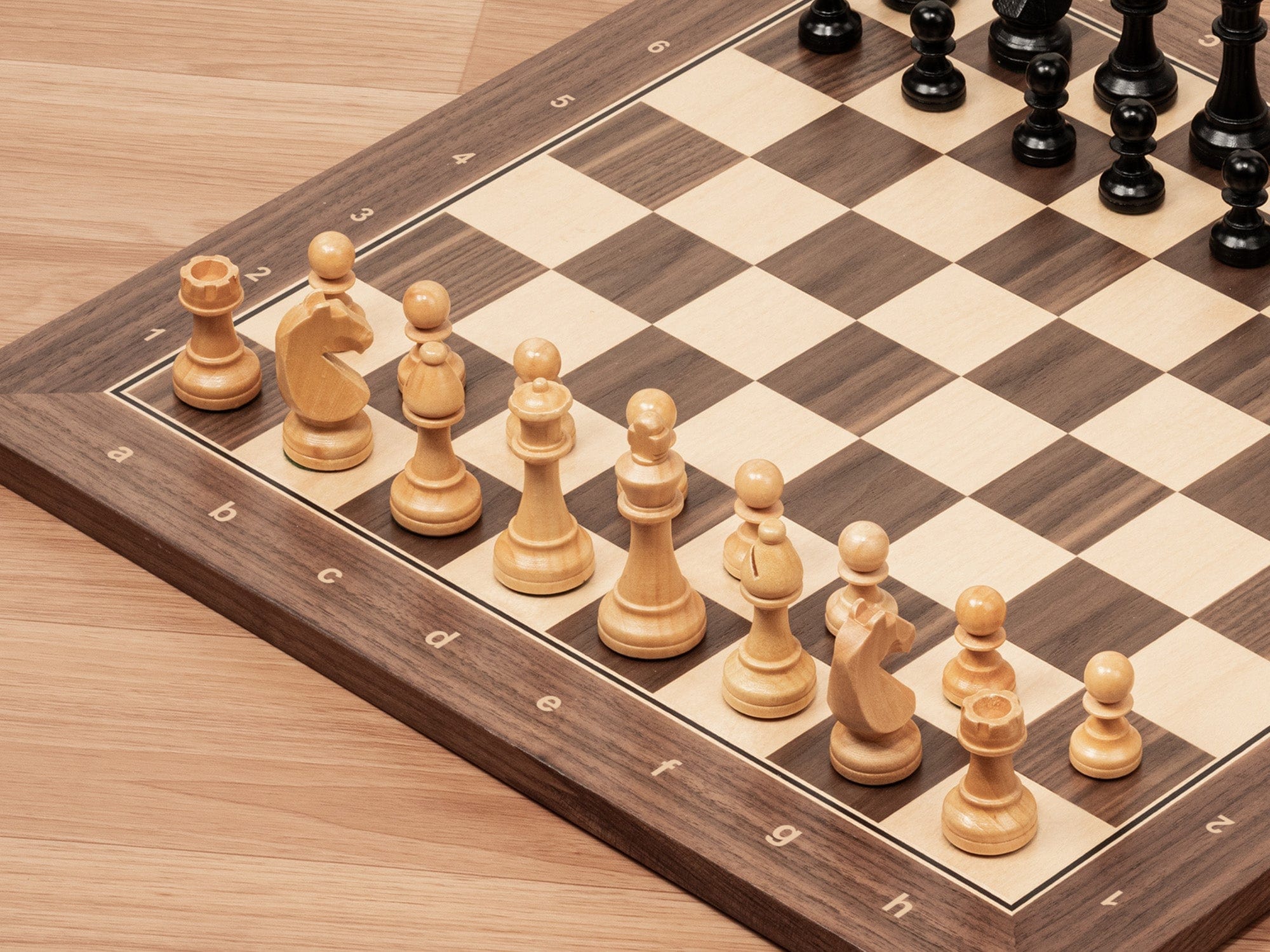
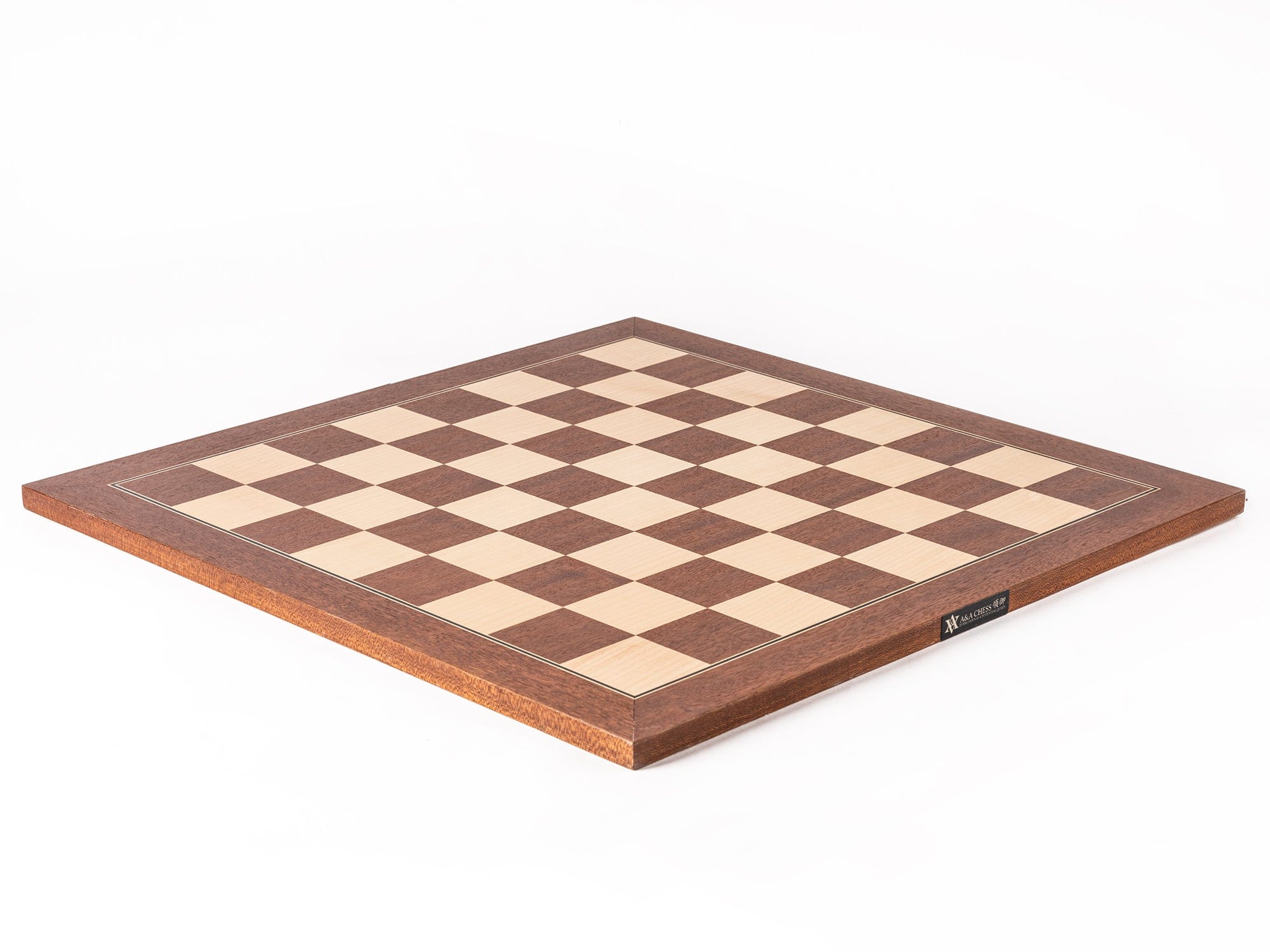
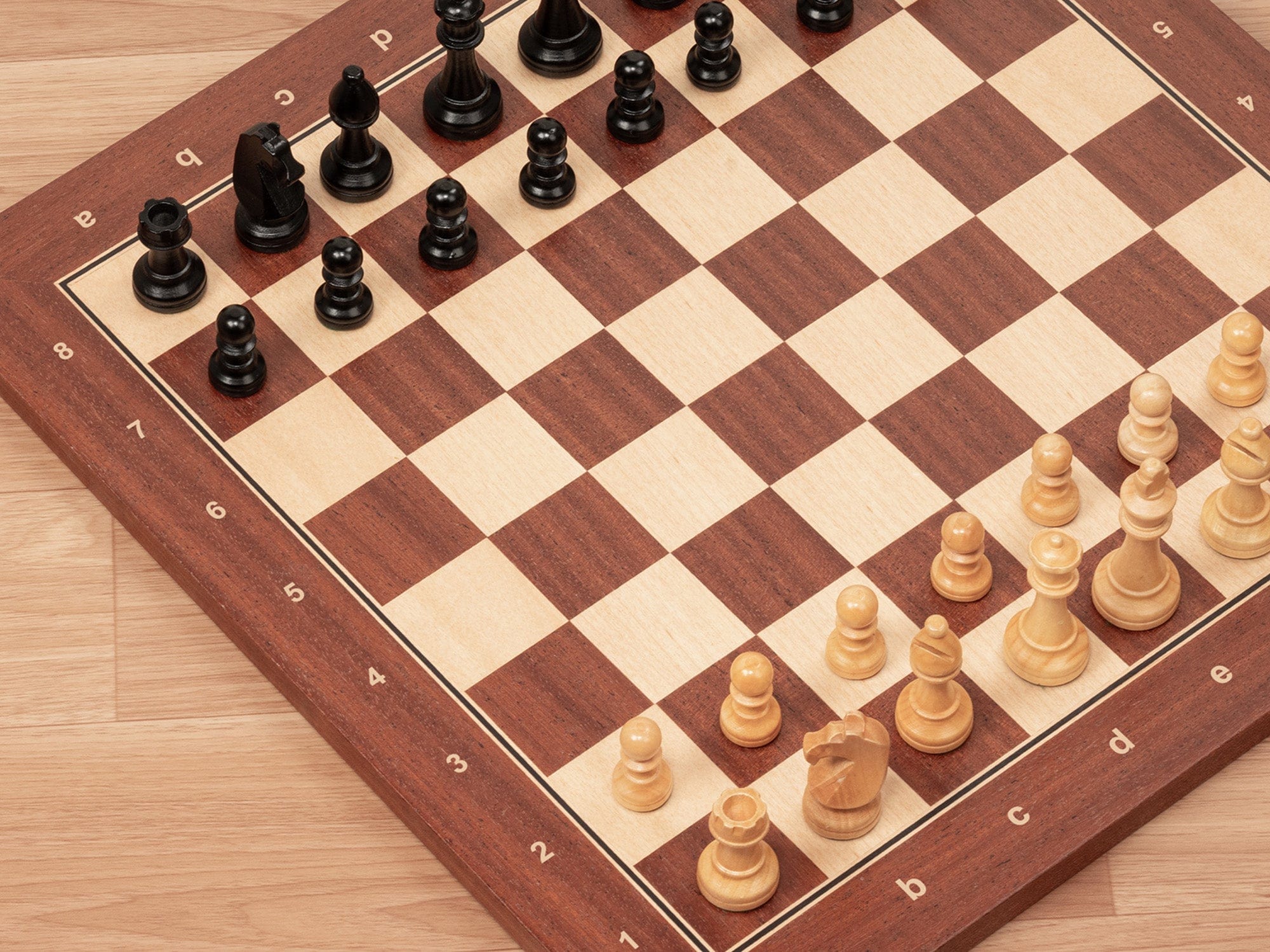
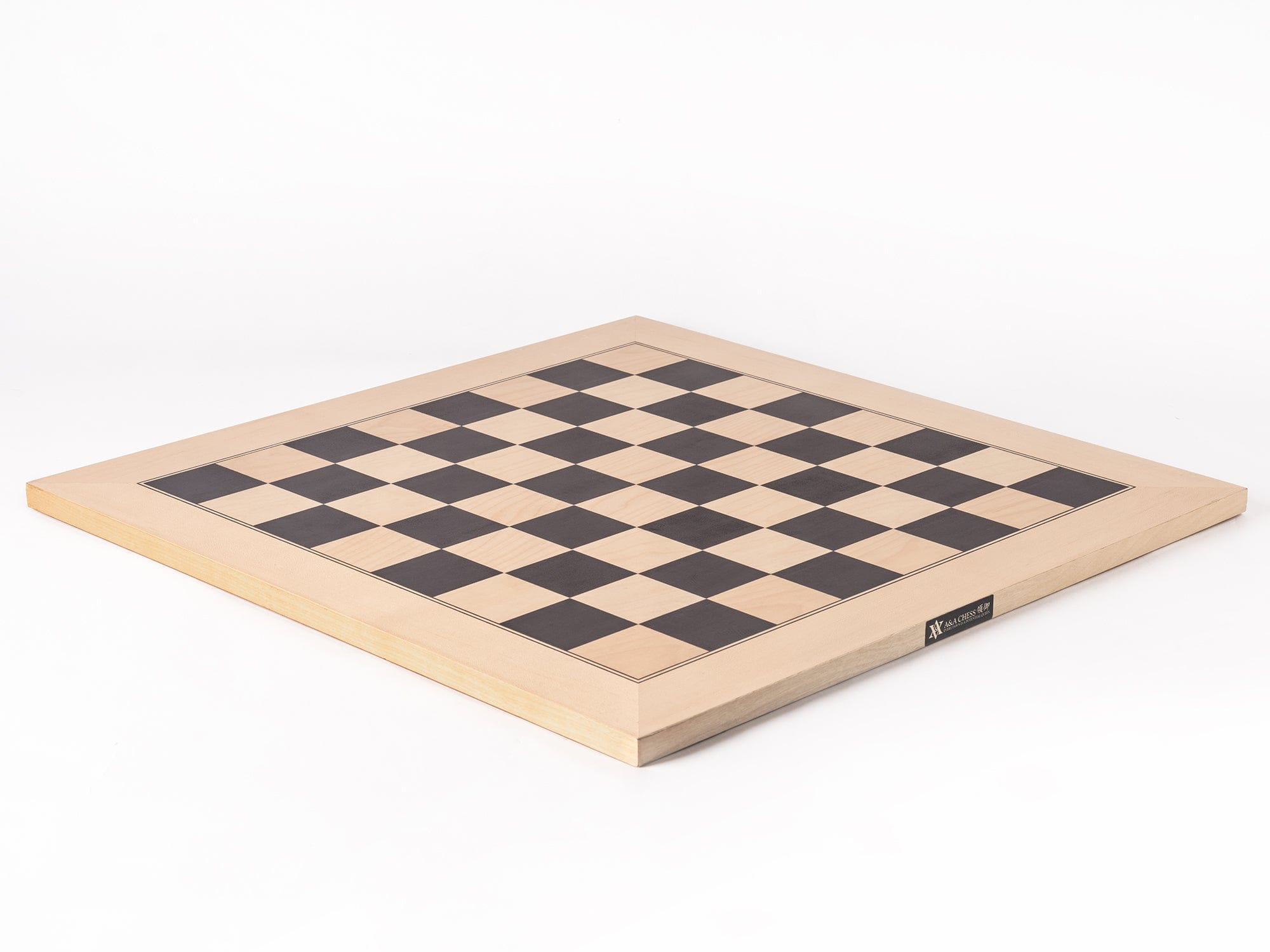
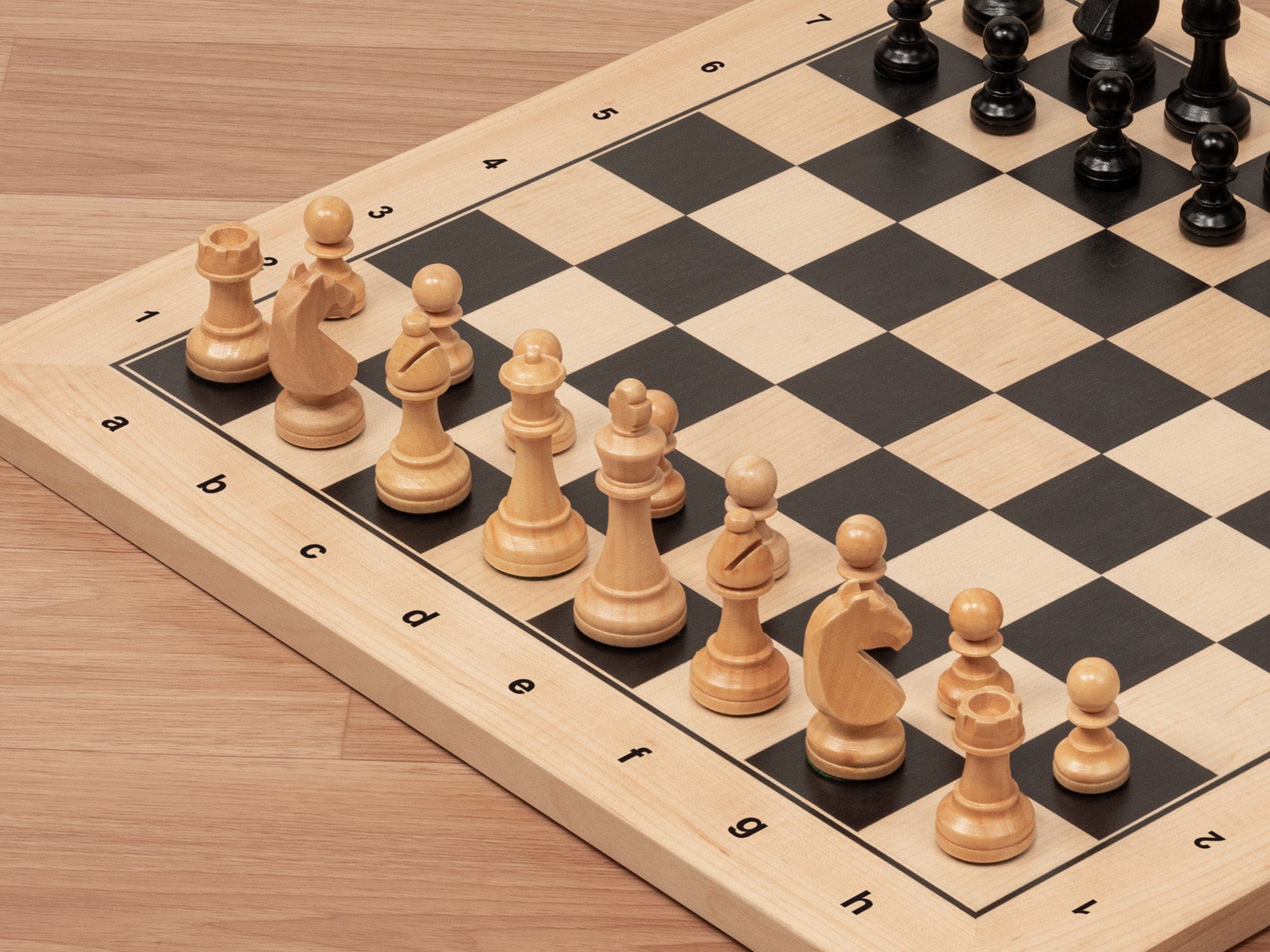
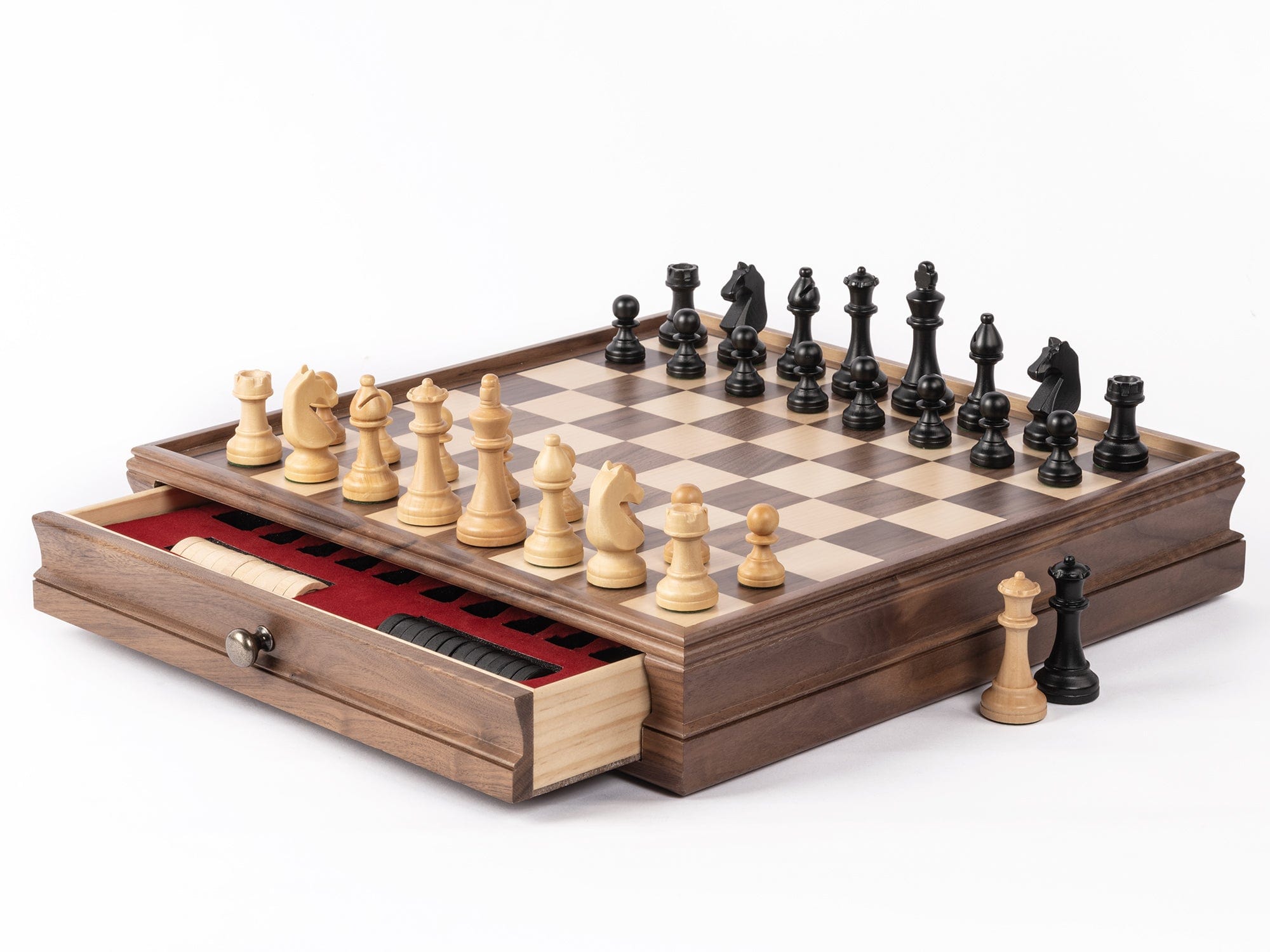
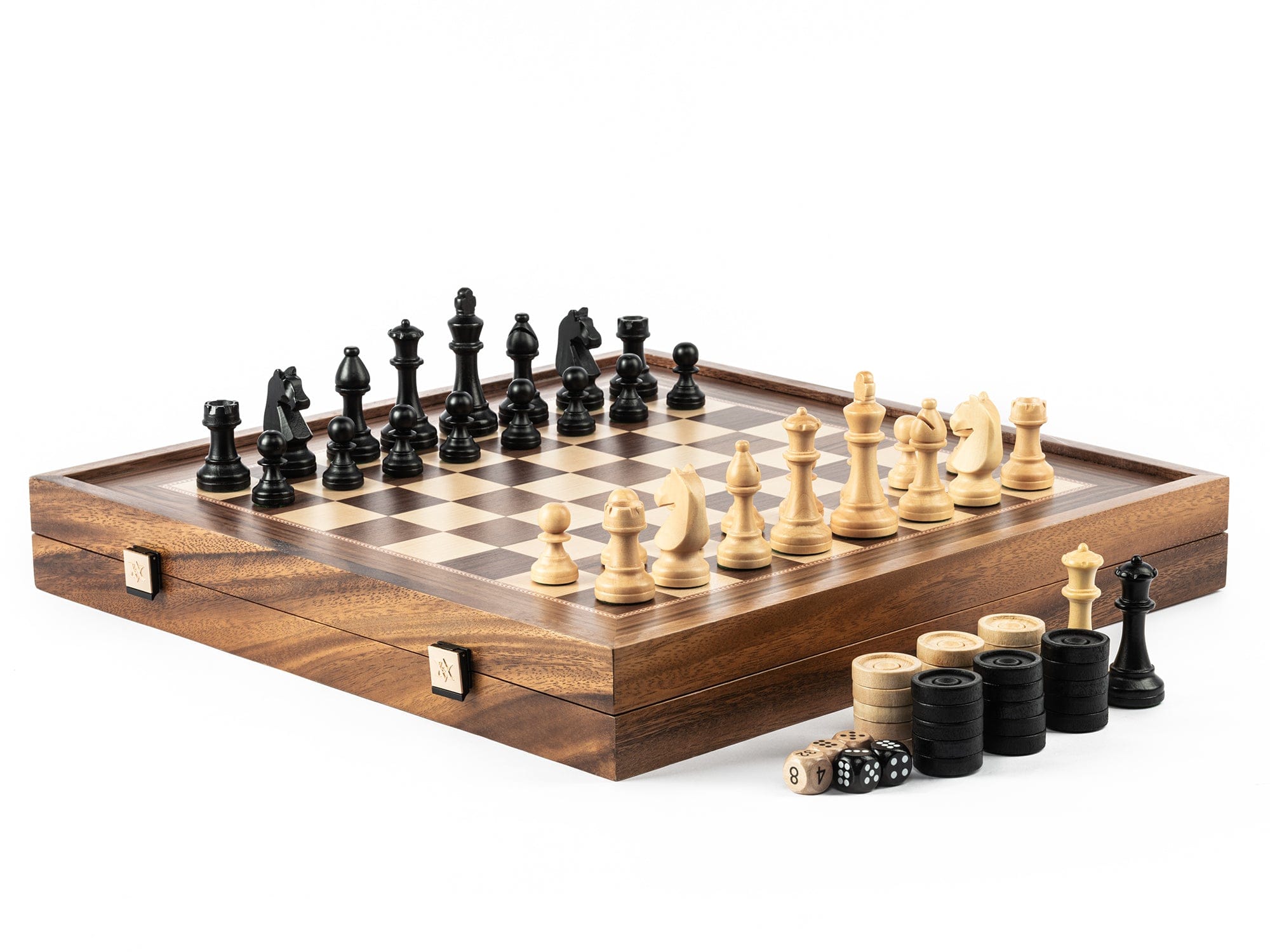
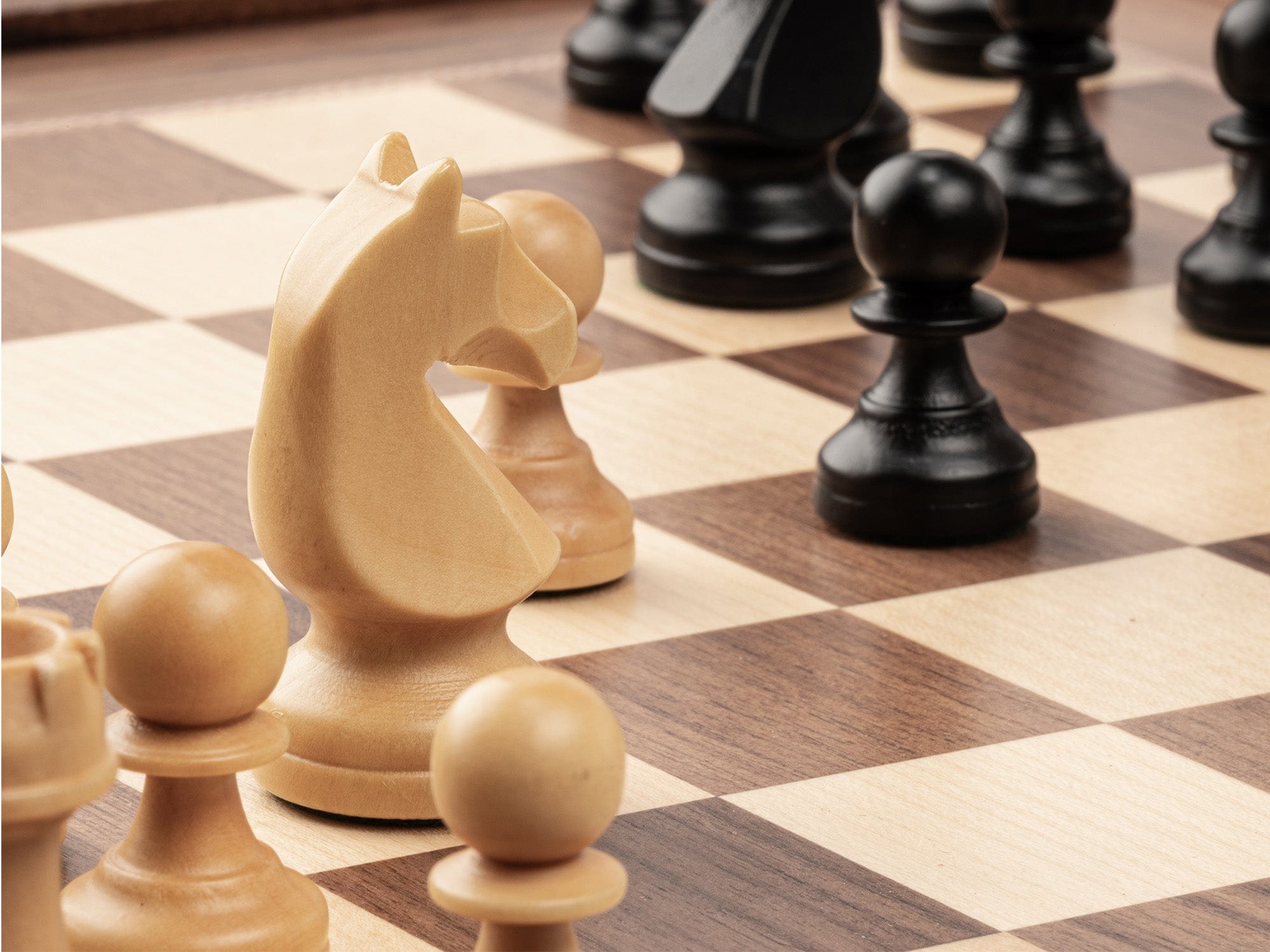
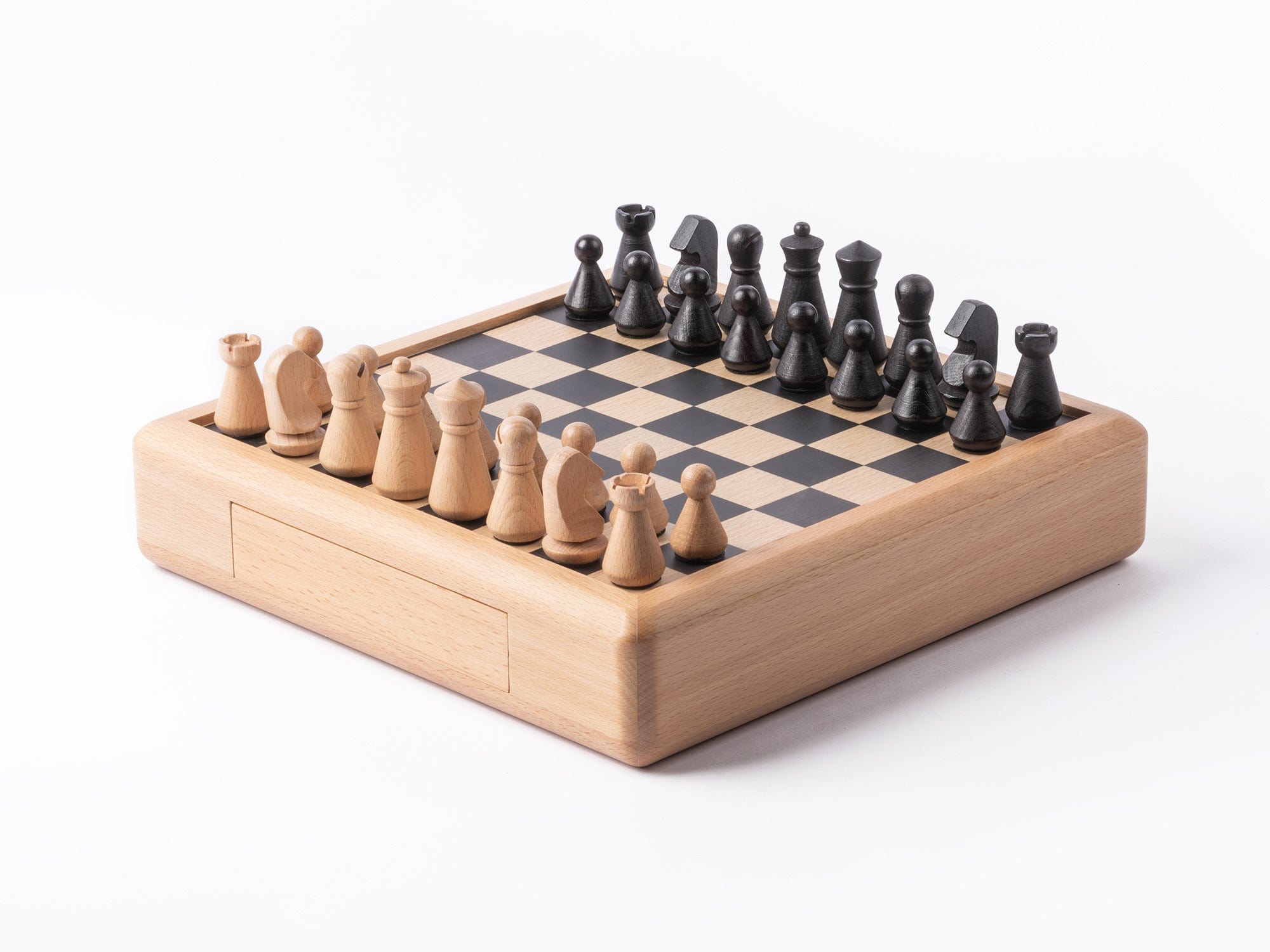
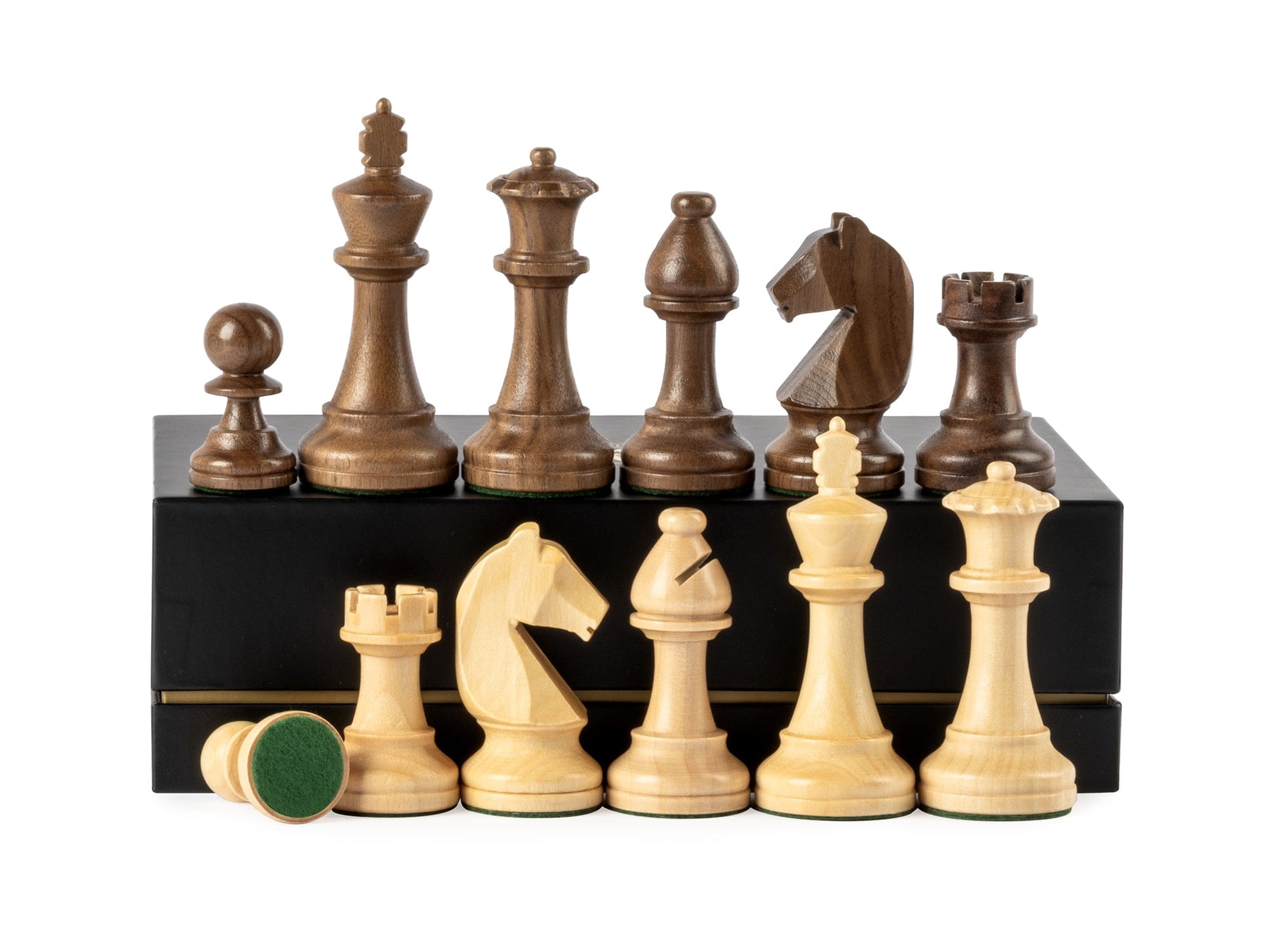
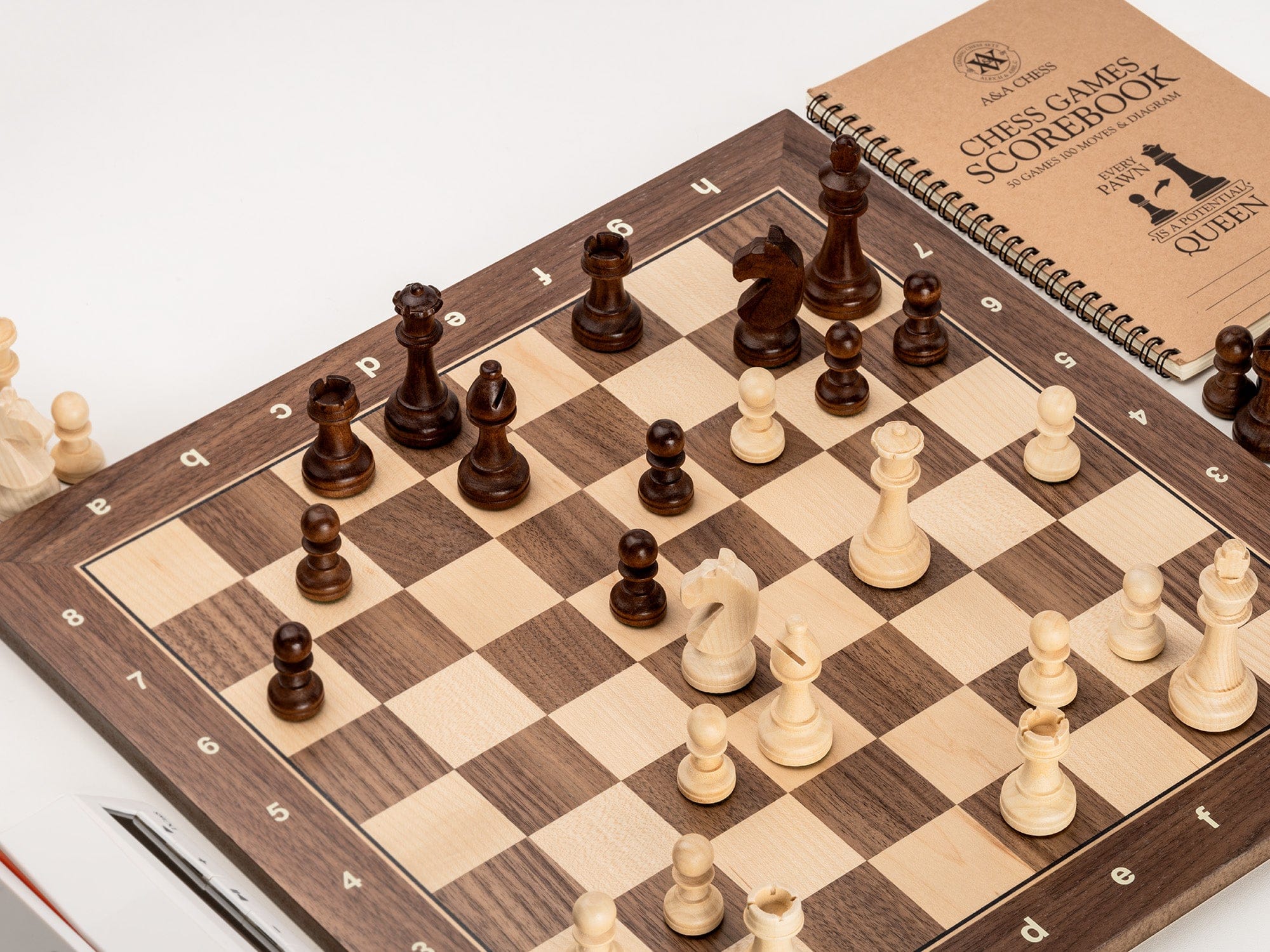
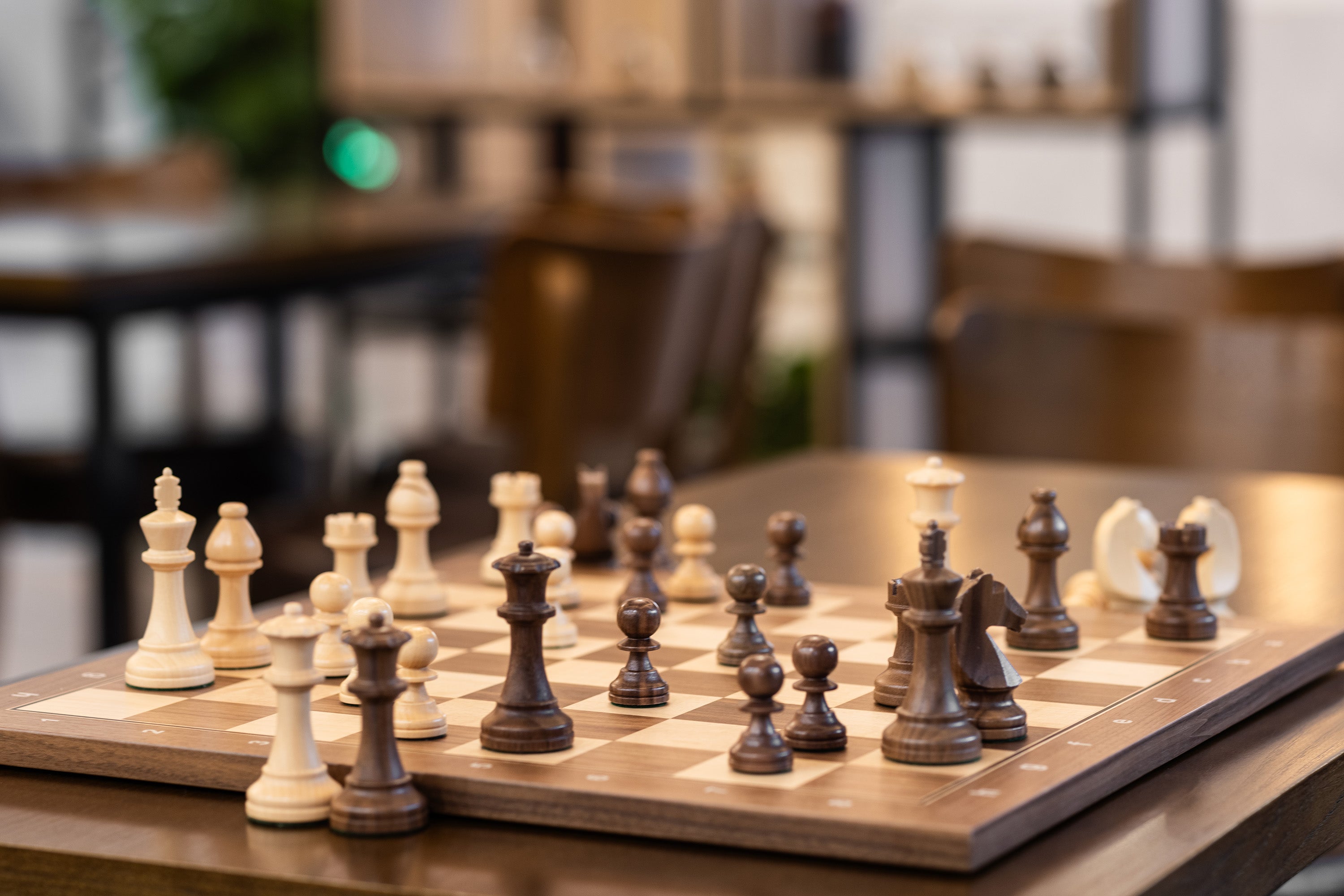
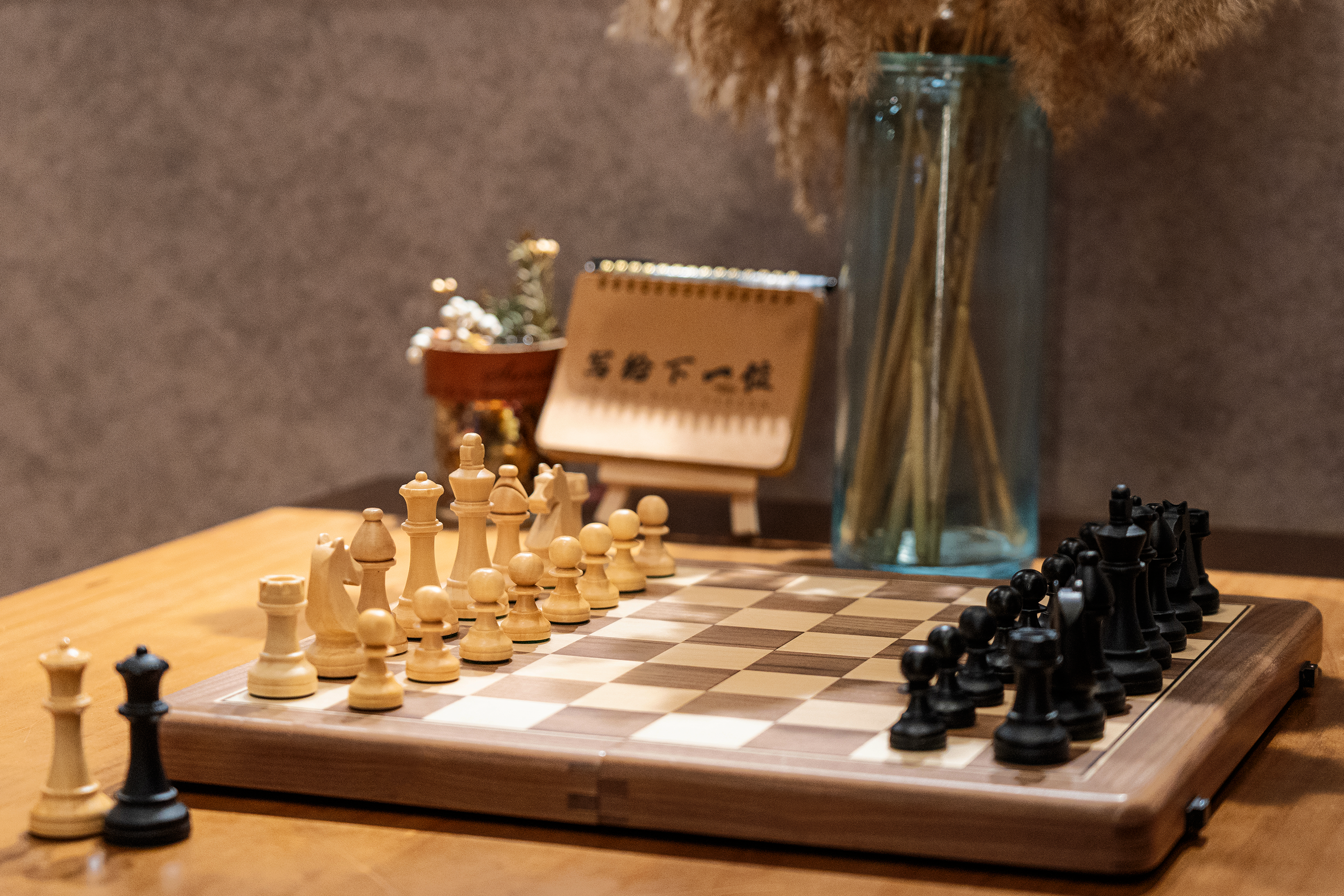
Solid walnut wood boards are the top-tier choice for home practice, high-end gifting, and chess collection, widely adopted in formal casual matches and chess club indoor training. The premium walnut wood folding chess set features natural wood grain, polished smooth surfaces, and moderate hardness, creating the most authentic professional gaming atmosphere.
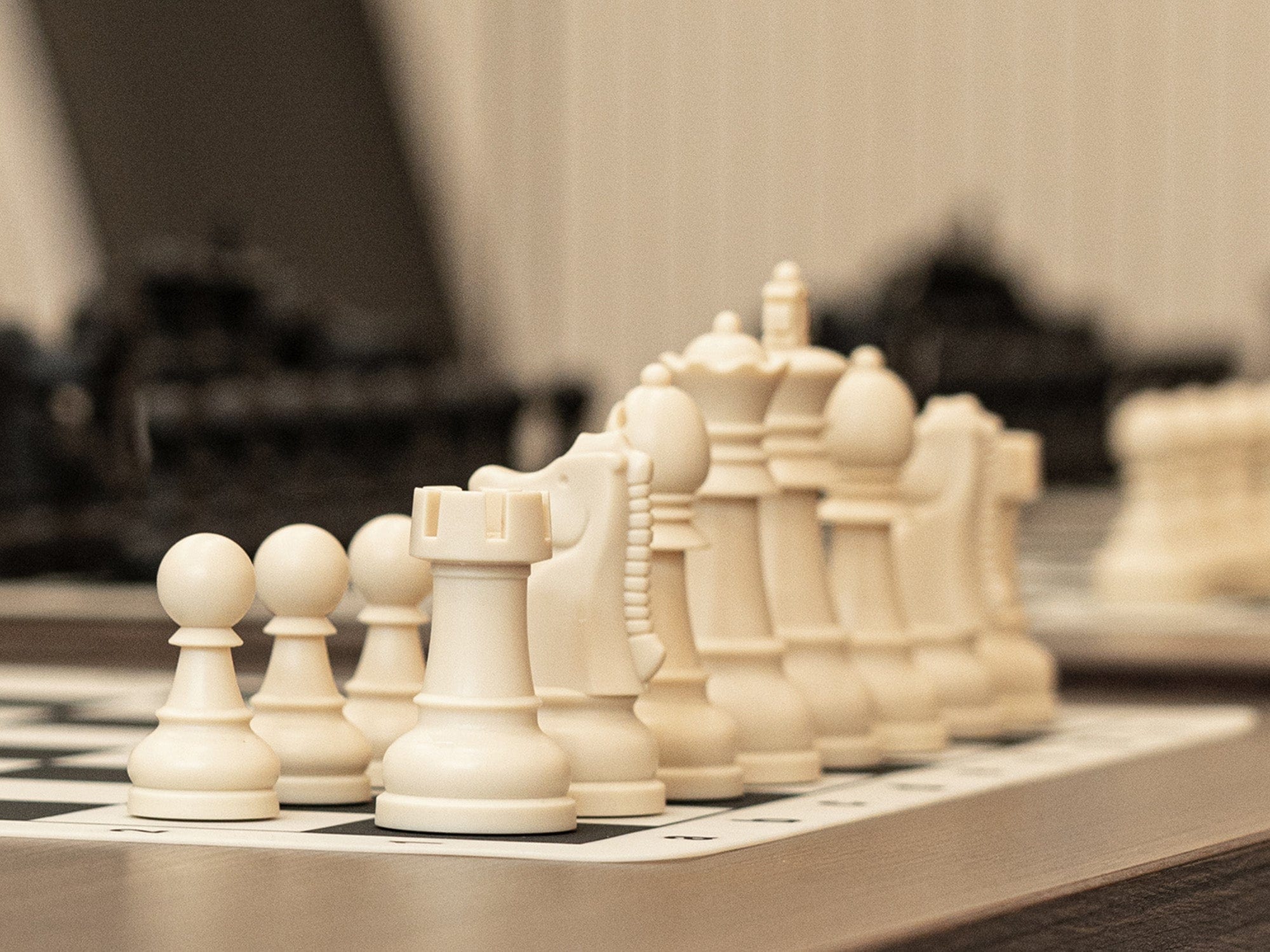
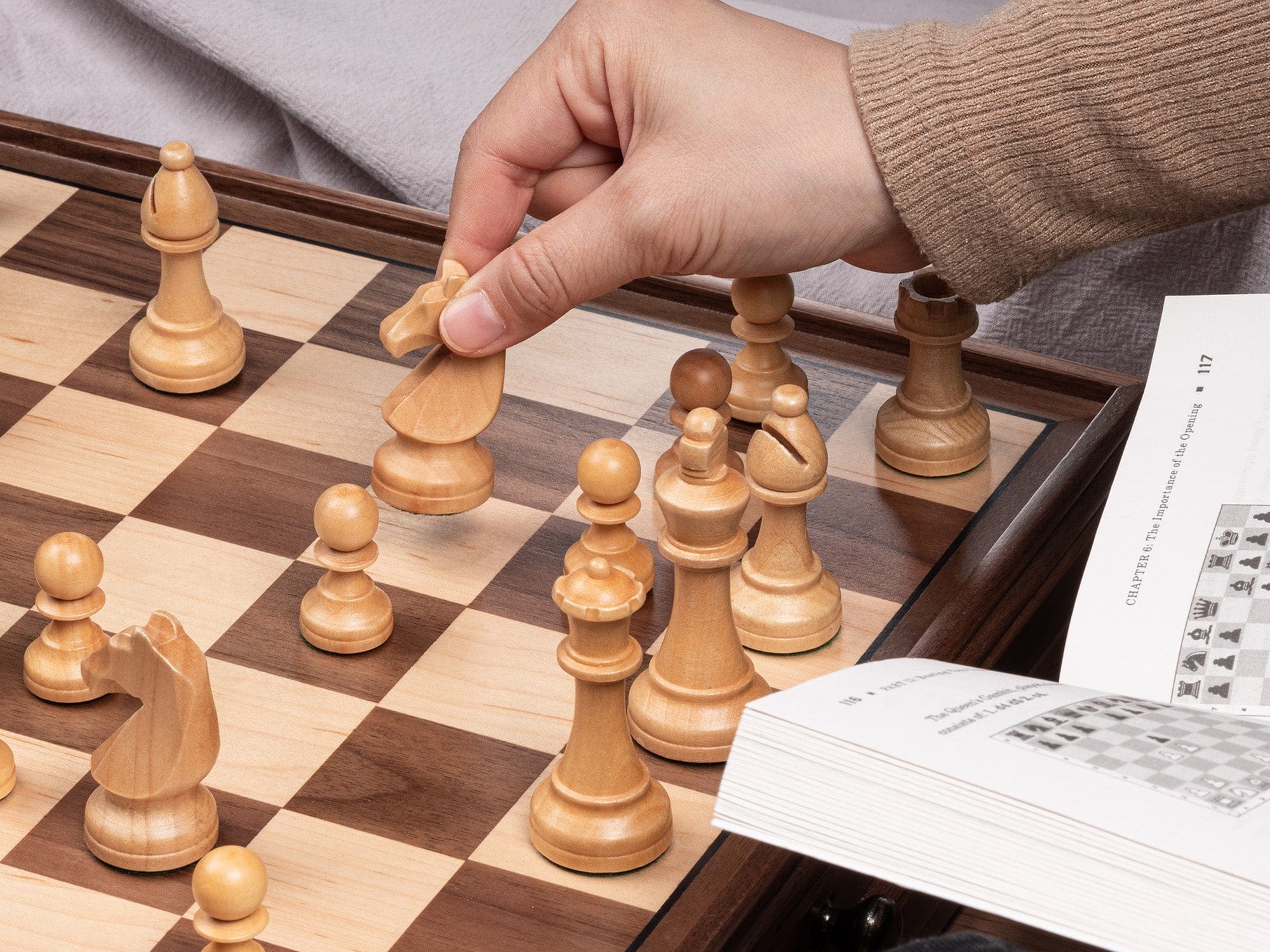
The biggest advantage of wooden boards is their moderate friction. Weighted Staunton wooden chess pieces slide smoothly on the wood surface without excessive slipping or stuttering. The classic clicking sound during piece movement enhances gaming immersion, helping players stay focused during long-hour tactical training. Additionally, solid wood boards are wear-resistant, pressure-resistant, and not easy to deform after long-term use.
The only limitation is poor environmental adaptability. Wooden boards are afraid of water, moisture, and high-temperature exposure, making them unsuitable for outdoor or travel use. They are exclusively designed for fixed indoor desktop practice and display collection.
2.2 Waterproof Silicone Board (Portable Outdoor & Daily Training Grade)
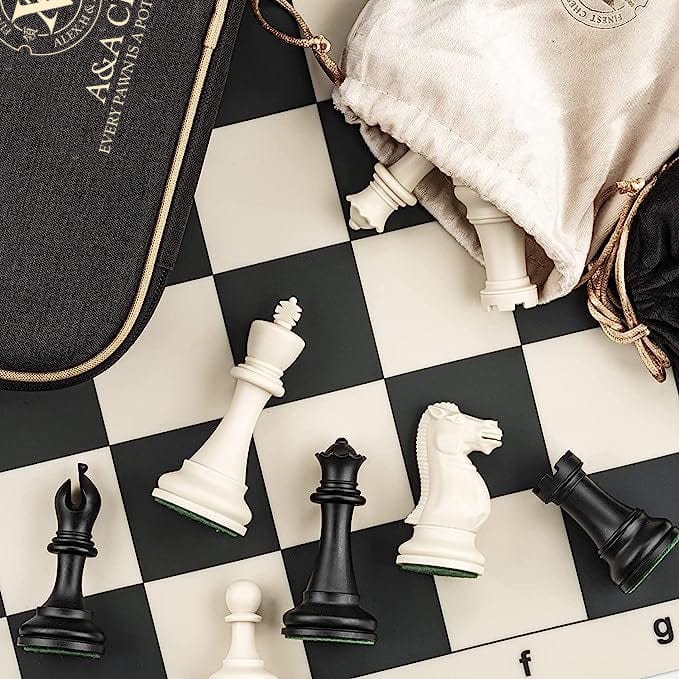
Silicone chess boards have become the most popular practical chess equipment for students, outdoor enthusiasts, and frequent travelers in 2026. The 20-inch silicone travel chess set uses thickened food-grade silicone material, featuring waterproof, crease-resistant, tear-resistant, and anti-slip properties that wooden boards cannot match.
The matte silicone surface provides uniform friction, ensuring stable placement of pieces on uneven surfaces such as lawns, picnic tables, and car desktops. Unlike rigid wooden boards, silicone boards can be rolled up freely without permanent creases, ultra-light and easy to carry. They support wet wiping and direct water cleaning, with extremely low maintenance costs and strong durability.
This material is perfectly suitable for high-frequency daily practice, outdoor chess communication, campus club activities, and travel entertainment, solving the pain point that traditional wooden chess sets cannot be moved casually.
2.3 Magnetic Wooden Board (Beginner & Kid-Friendly Grade)
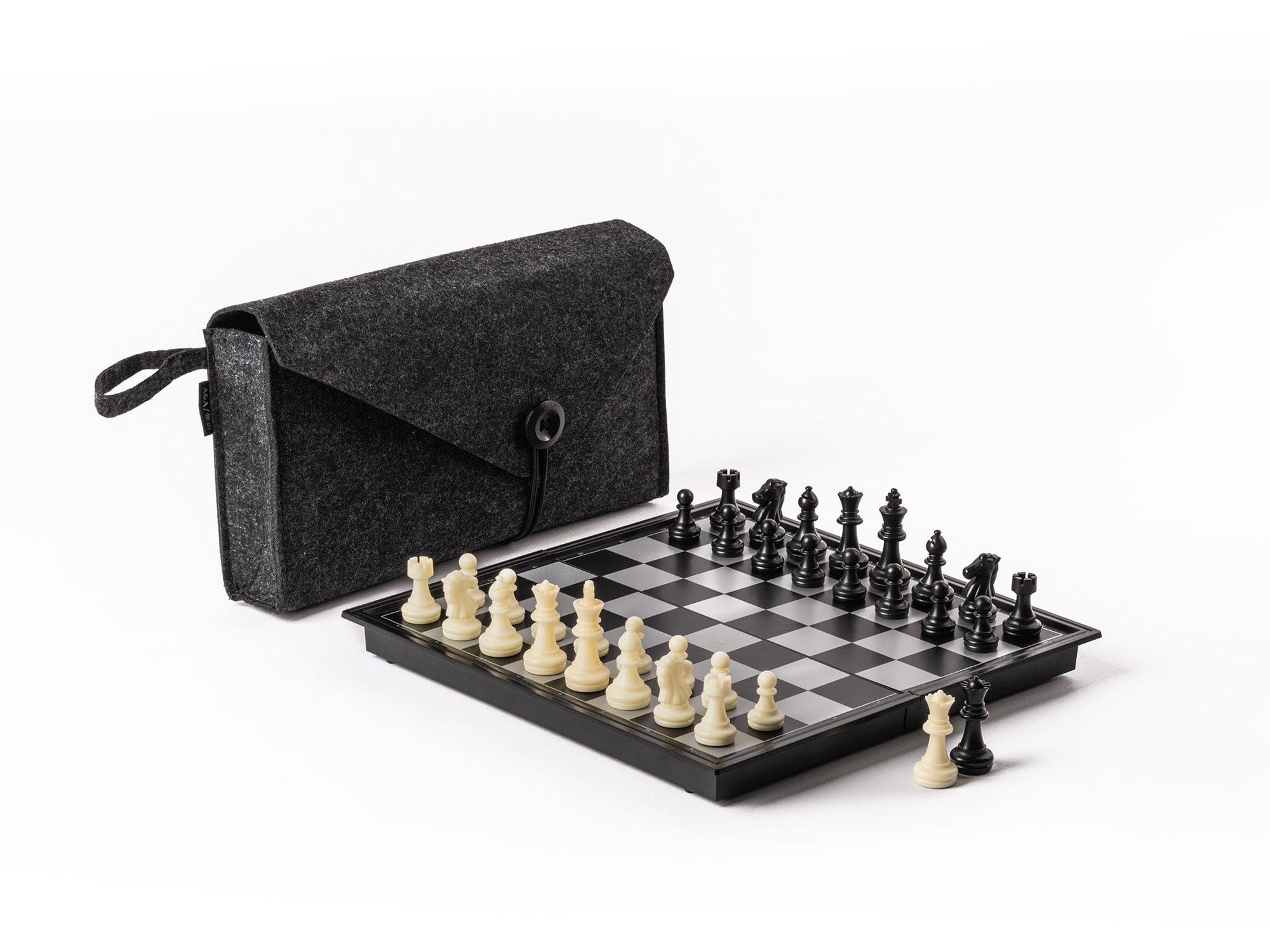
Magnetic wooden boards are tailor-made for chess beginners and children, with safety and anti-interference as the core design. The 15-inch magnetic wooden chess set embeds high-quality magnetic strips inside the board, which can firmly adsorb magnetic chess pieces to prevent slipping, dropping, and disordering.
For kids who are just learning chess, piece dropping and board messy are the biggest factors affecting concentration. The magnetic material completely avoids such problems, allowing children to focus on learning openings, tactics, and chess rules. The lightweight foldable design and safe polished edges further improve the practicability of family parent-child chess teaching.
The minor disadvantage is that magnetic adsorption force limits the fluency of fast piece movement, so it is not recommended for intermediate and advanced players who need to simulate fast-paced tournament matches.
3. How Each Board Material Changes Your Playing Habits & Game Performance
Different board materials subtly shape your chess operation habits and tournament adaptability, which is the key to affecting skill growth speed.
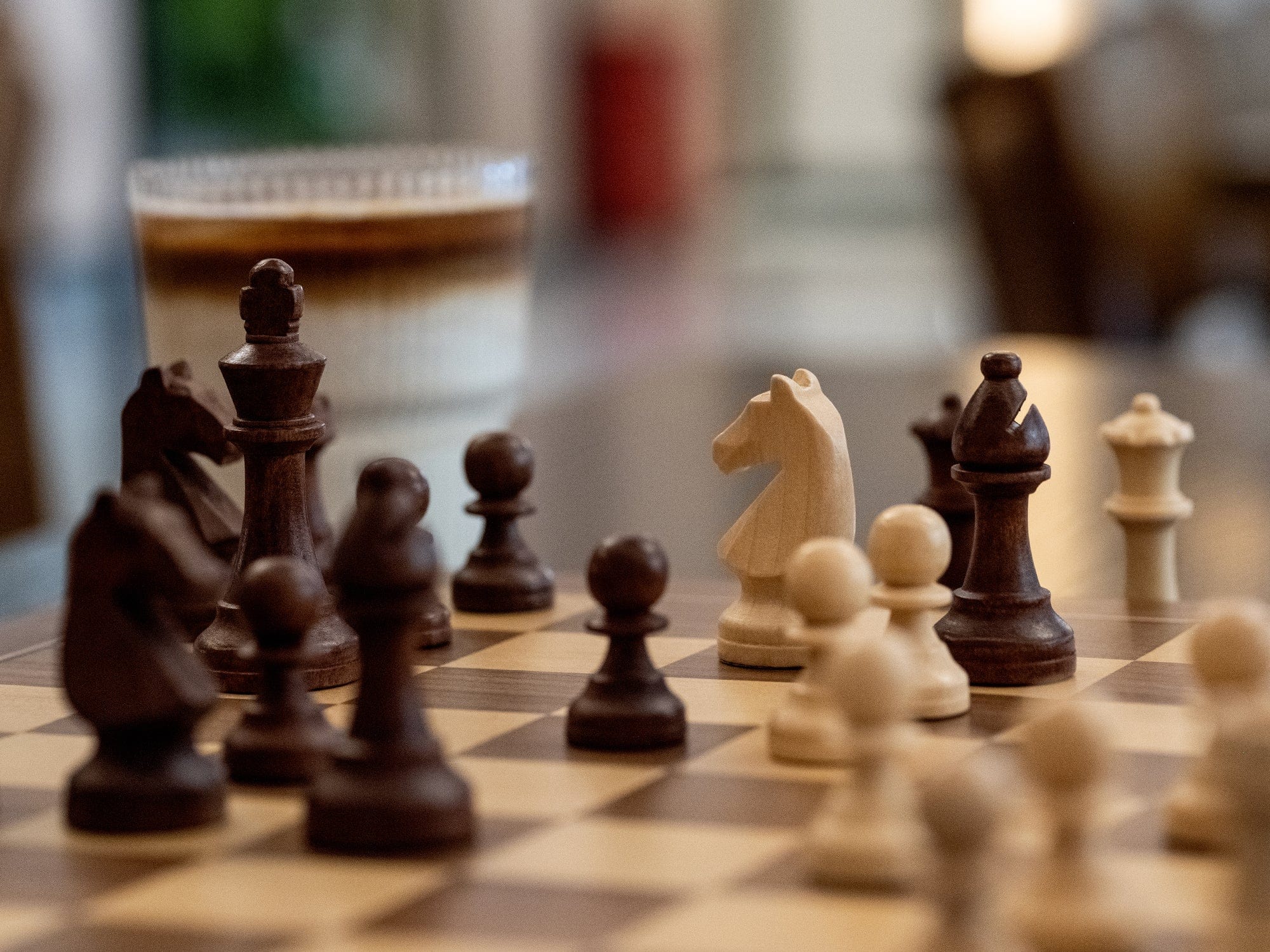
Wooden Board Training Effect: The standard smooth sliding feel and authentic gaming sense allow players to form precise piece movement muscle memory. Long-term practice on wooden boards helps players adapt to formal tournament venue equipment, reducing operational errors caused by unfamiliar board touch during competitions. It is the best material for improving tactical stability and concentration.
Silicone Board Training Effect: The stable anti-slip surface and consistent friction provide a neutral gaming feel, not too smooth nor too rough. It is very suitable for mass daily repeated training. Players who practice regularly on silicone boards have stronger adaptability to various venue environments and will not be affected by on-site board differences in temporary competitions.
Magnetic Board Training Effect: The anti-drop and anti-disorder design minimizes external interference, helping new learners quickly build basic chess logic and cultivate continuous thinking habits. It greatly shortens the beginner’s adaptation cycle and lays a solid foundation for subsequent advanced training.
4. Best Board Material for Different Player Levels & Scenarios

There is no absolute "best" chess board material, only the most suitable one for your current level and usage scene. Here is the authoritative 2026 material selection guide:
Kids & Absolute Beginners: Prioritize magnetic wooden boards. The magnetic anti-drop design eliminates learning distractions, safe material protects children, and the compact size is perfect for family teaching and beginner practice.
Students & Casual Daily Players: Choose silicone portable boards. Waterproof, foldable, and durable, they adapt to multi-scene use such as classrooms, campuses, outdoor activities, and travel, supporting high-frequency daily training.
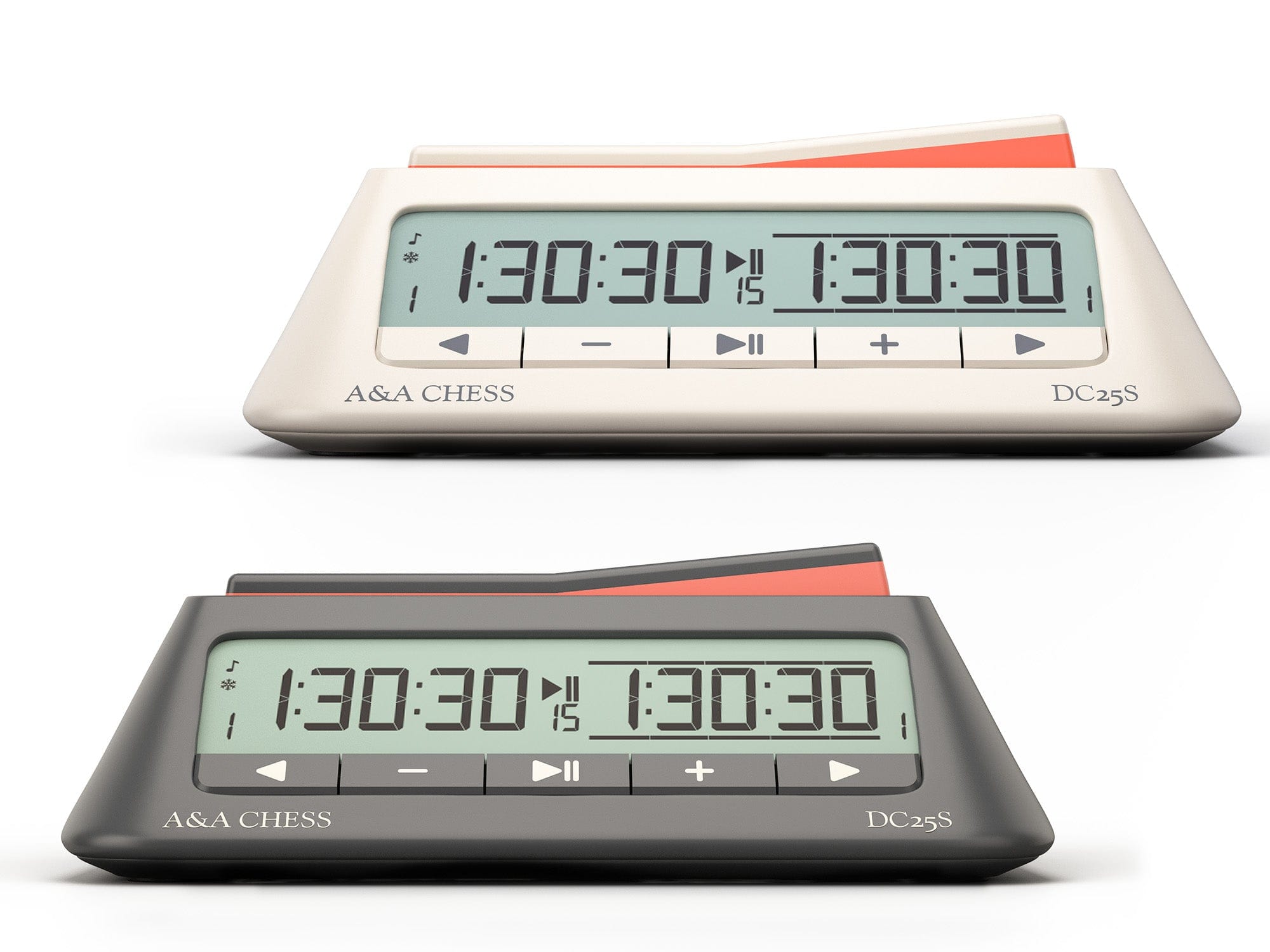
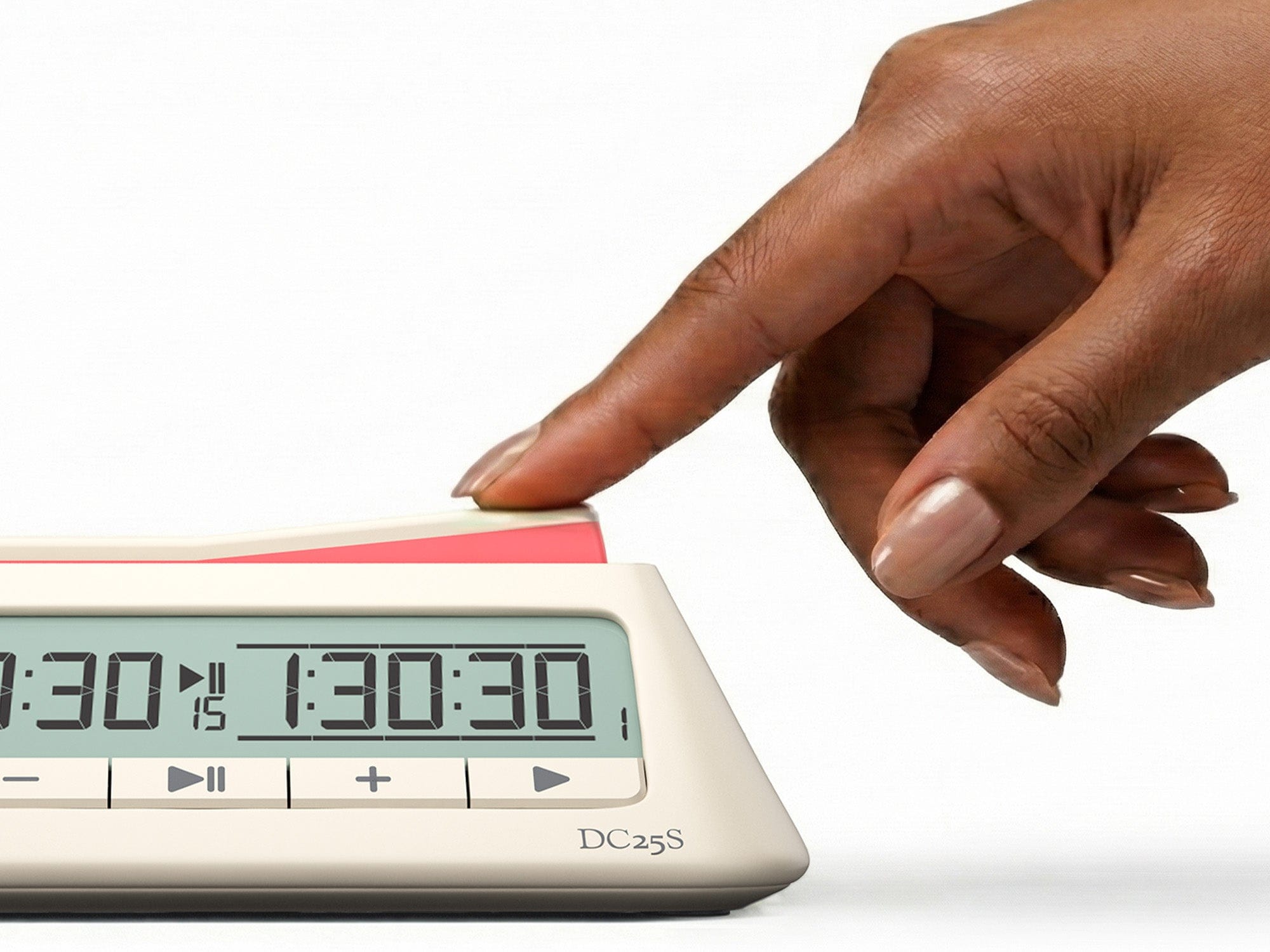
Intermediate & Tournament Candidates: Stick to solid wood boards matched with professional weighted pieces. Restore official tournament gaming feel, polish operational details, and cooperate with a digital chess clock to complete systematic tournament simulation training.
Collectors & Gifting Users: Select high-grade walnut wood boards. The natural texture and exquisite craftsmanship have both practical gaming value and ornamental collection value, suitable for home decoration and high-end holiday gifts.
5. Perfect Material + Piece + Accessory Combos for Maximum Progress
To maximize training efficiency, matching board material with supporting accessories is essential. These tailored combinations bring the best skill growth effect:
Beginner Learning Combo: magnetic wooden chess board + magnetic chess pieces. Zero piece loss, stable learning environment, helping beginners quickly master basic chess rules and simple tactics.
Daily High-Frequency Practice Combo: silicone travel chess board + weighted plastic Staunton pieces. Durable and portable, supporting anytime, anywhere practice to accumulate chess experience rapidly.
Professional Tournament Training Combo: walnut wood chess board + solid wood Staunton pieces + digital chess clock. Fully restore official competition standards, exercise time management ability and on-the-spot adaptability.
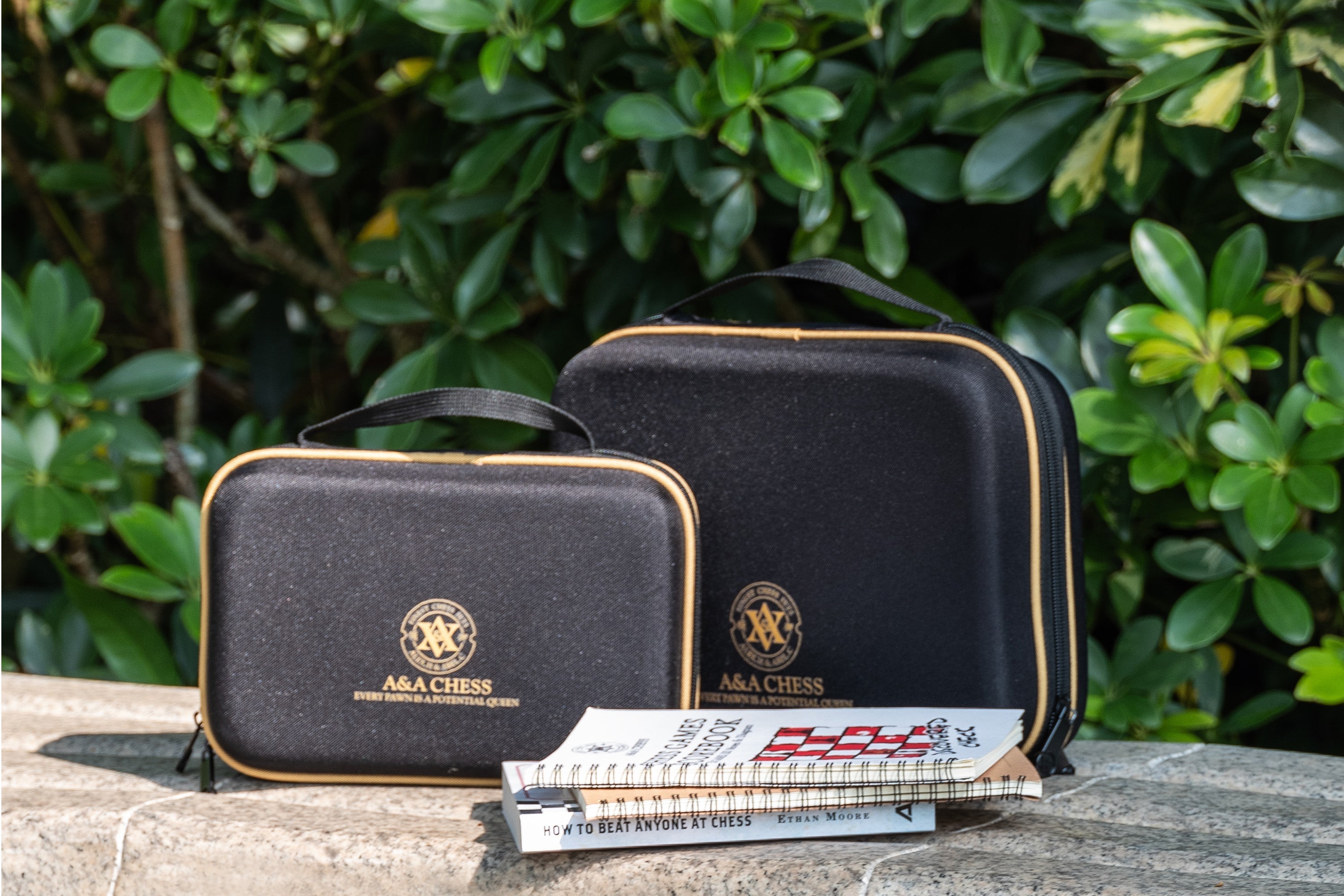
Premium Gift & Collection Combo: Complete solid wood folding chess set with velvet storage interior, integrating practice, decoration and collection in one.
6. FAQs About Chess Board Material Selection
Q1: Which chess board material is best for long-term daily practice? Silicone boards are the most cost-effective for long-term daily practice due to their durability, waterproof performance, and low maintenance. Wooden boards are ideal for indoor dedicated training to pursue professional gaming feel.
Q2: Do professional chess players use wooden or silicone boards? Official tournaments use high-standard wooden or hard flat boards. Professional players usually practice on wooden boards at home to maintain hand feel, and use silicone boards for outdoor mobile training.
Q3: Are magnetic chess boards only suitable for kids? Mainly for kids and beginners. Advanced players do not need magnetic adsorption, as it will reduce the fluency of fast piece movement and affect tournament simulation effect.
Q4: Can silicone boards replace wooden boards for tournament training? Yes for basic tactical practice, but for pre-competition simulation, wooden boards are better to restore the real tournament hand feel and avoid adaptation gaps.
Q5: How to maintain different material chess boards? Wooden boards need dry storage to avoid moisture and sun exposure; silicone boards can be washed directly with water; magnetic boards only need regular dust wiping to keep clean.
7. Final Material Selection Tips for 2026
Chess board material is a hidden key factor that determines your chess improvement speed. Instead of blindly pursuing high-end wooden boards or ultra-cheap generic boards, selecting materials based on your player level and usage scenarios is the most scientific choice. Beginners use magnetic boards to lay a foundation, daily players use silicone boards to improve practice frequency, and competitive players use wooden boards to polish professional skills. With reasonable matching of high-quality chess equipment, every training session can bring effective skill growth.



Dejar un comentario
Este sitio está protegido por hCaptcha y se aplican la Política de privacidad de hCaptcha y los Términos del servicio.