










Table of Contents
- Your Chess Journey Starts Here
- Tip 1: Control the Center
- Tip 2: Develop Your Pieces Early
- Tip 3: Castle Within the First 7 Moves
- Tip 4: Think Before Every Move
- Tip 5: Protect Your King
- Tips 6-10: More Essential Advice
- How to Practice Effectively
- Frequently Asked Questions
Chess is a game of infinite possibility, but when you are just starting out, a few foundational principles will take you further than memorizing openings. Every grandmaster was once a beginner who had to learn how the pieces move, how to plan, and how to think about their opponent's threats. In this guide, we share 10 essential tips for new players that will help you understand the game, avoid common mistakes, and start winning your first matches. Whether you are picking up a chess set for the first time or returning to the game after years away, these principles will give you a solid foundation.

Your Chess Journey Starts Here
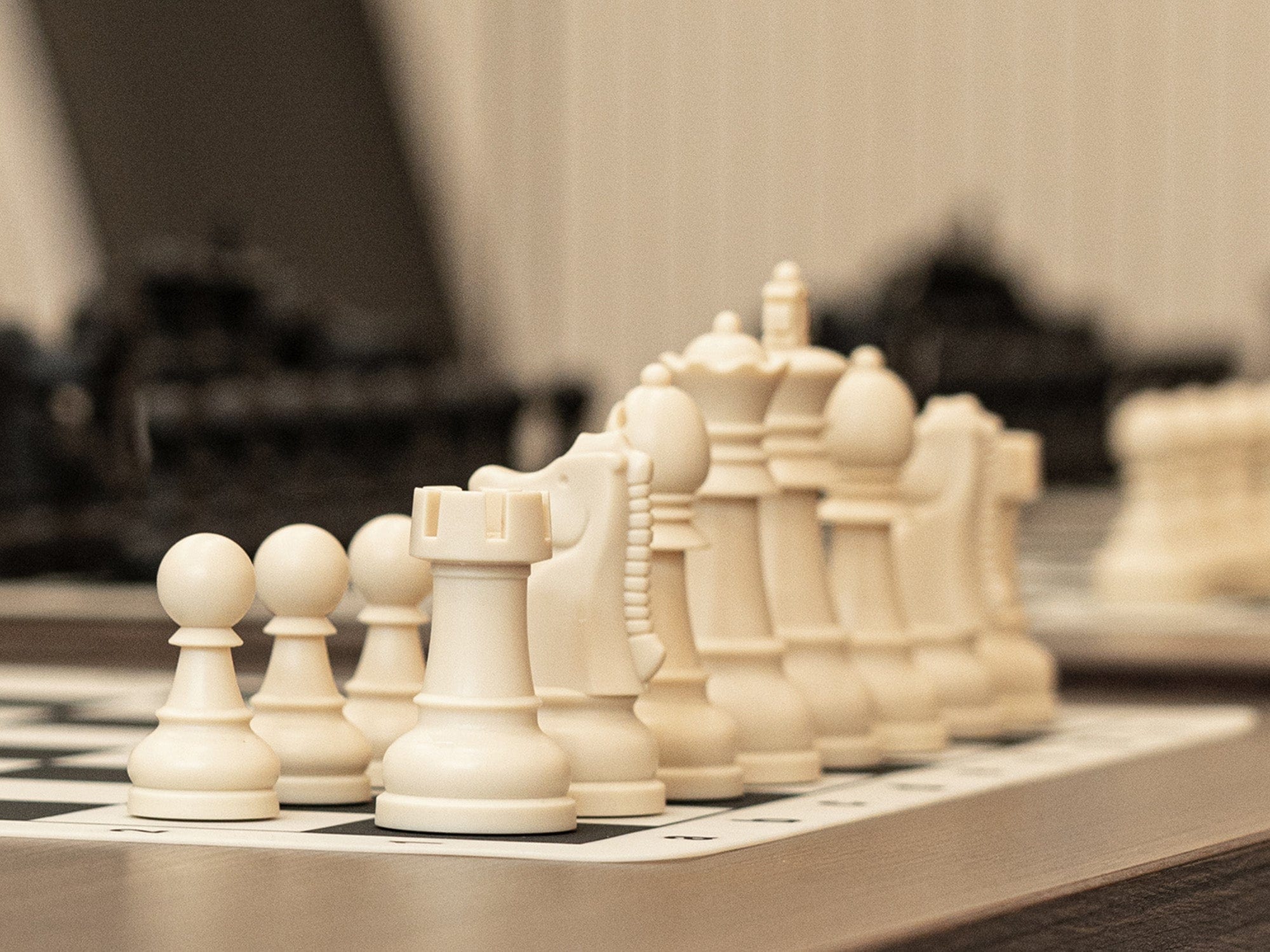
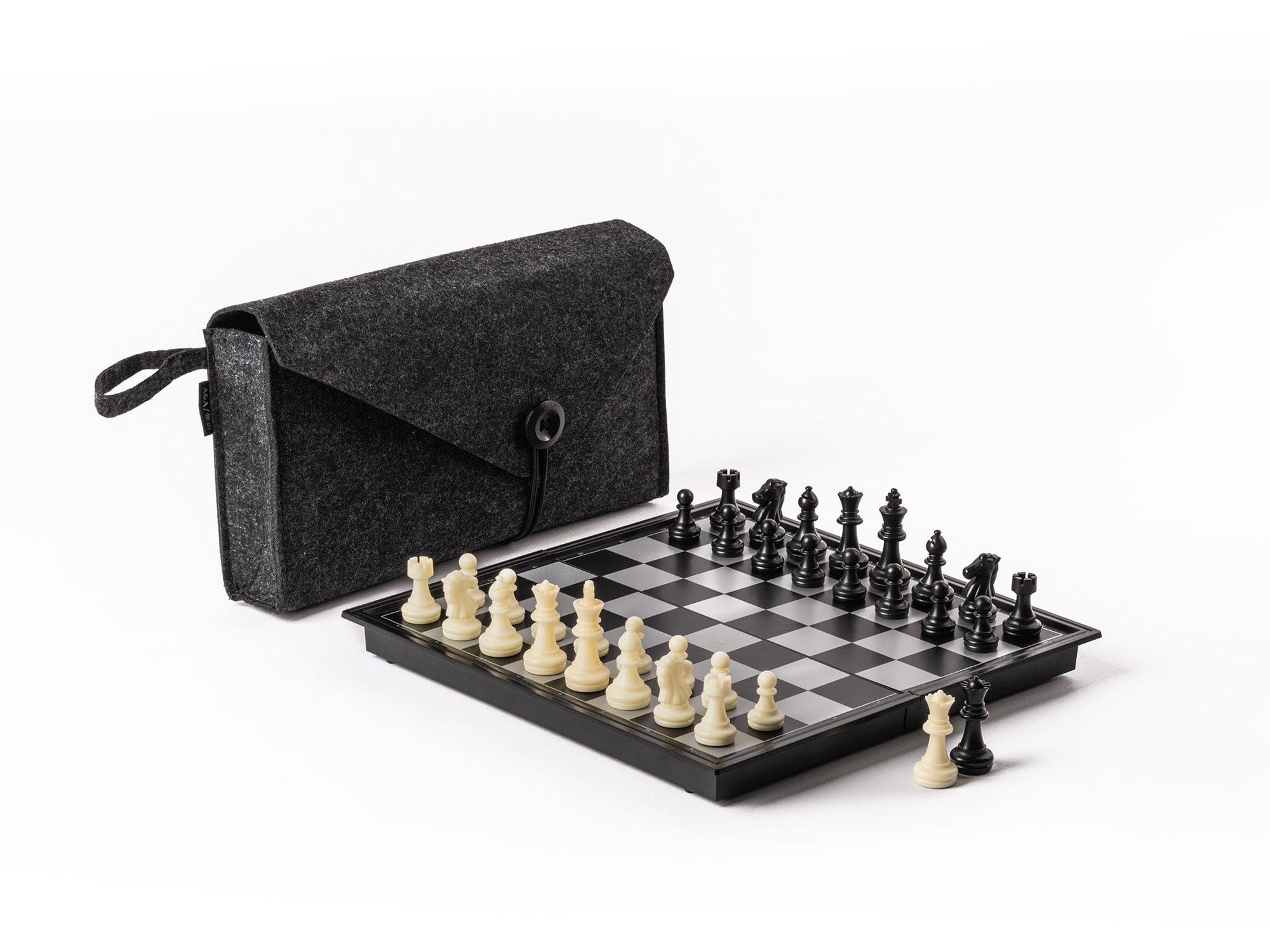
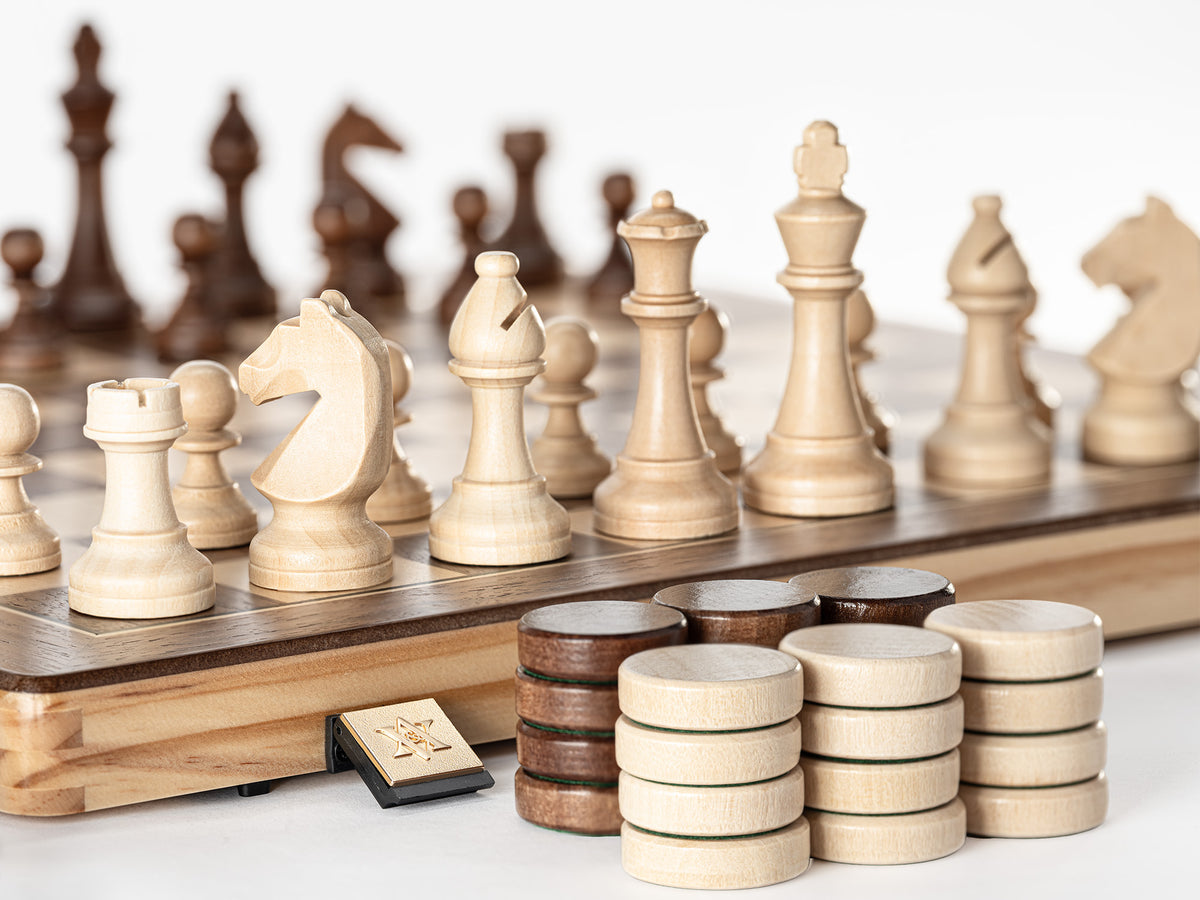
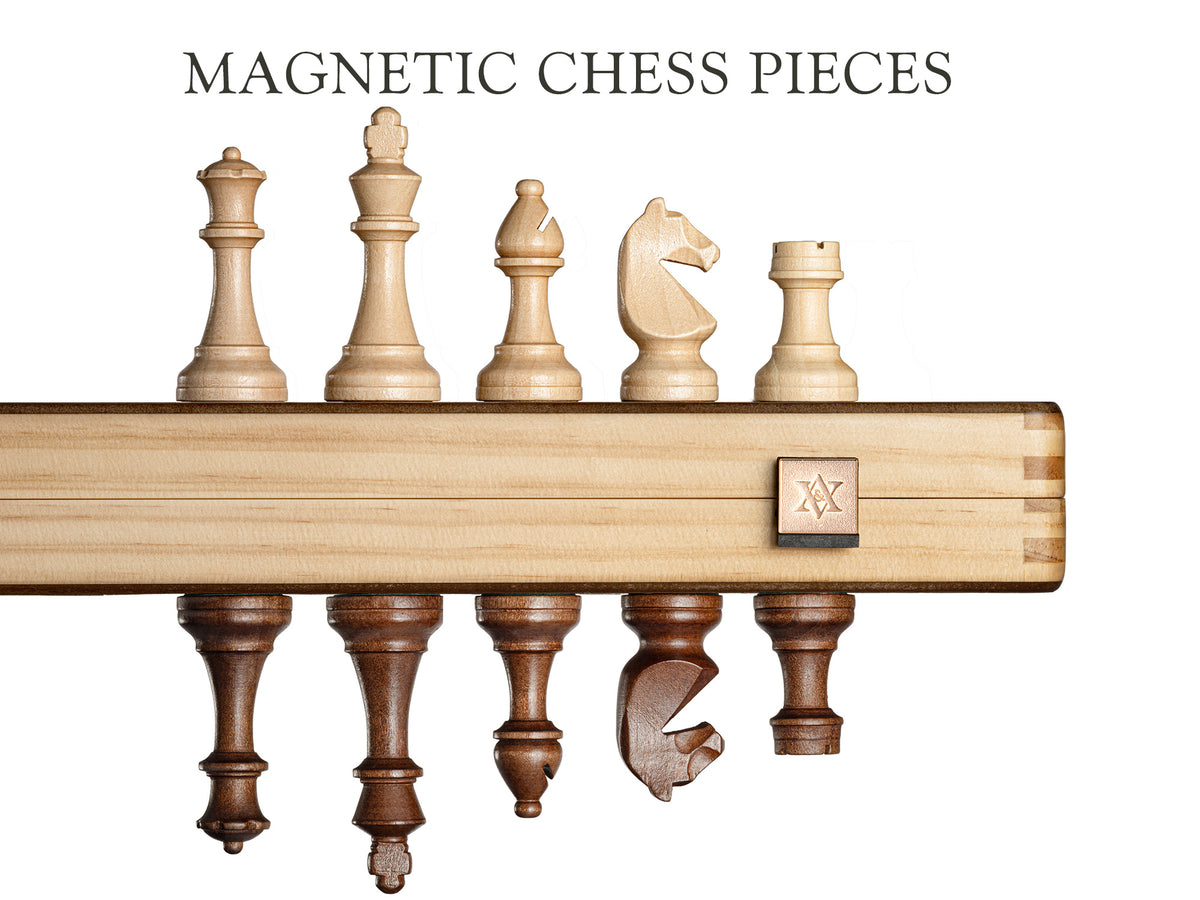
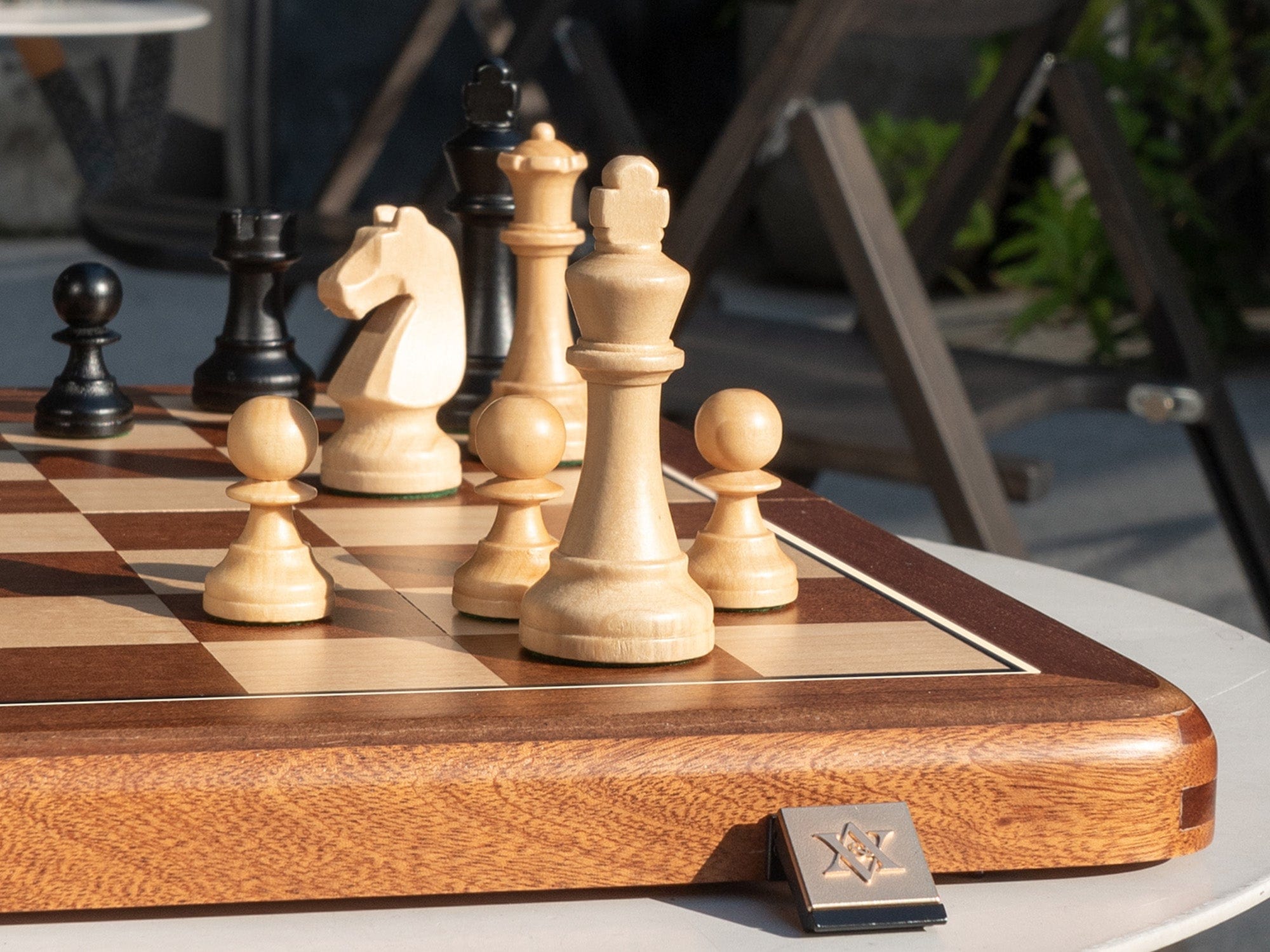
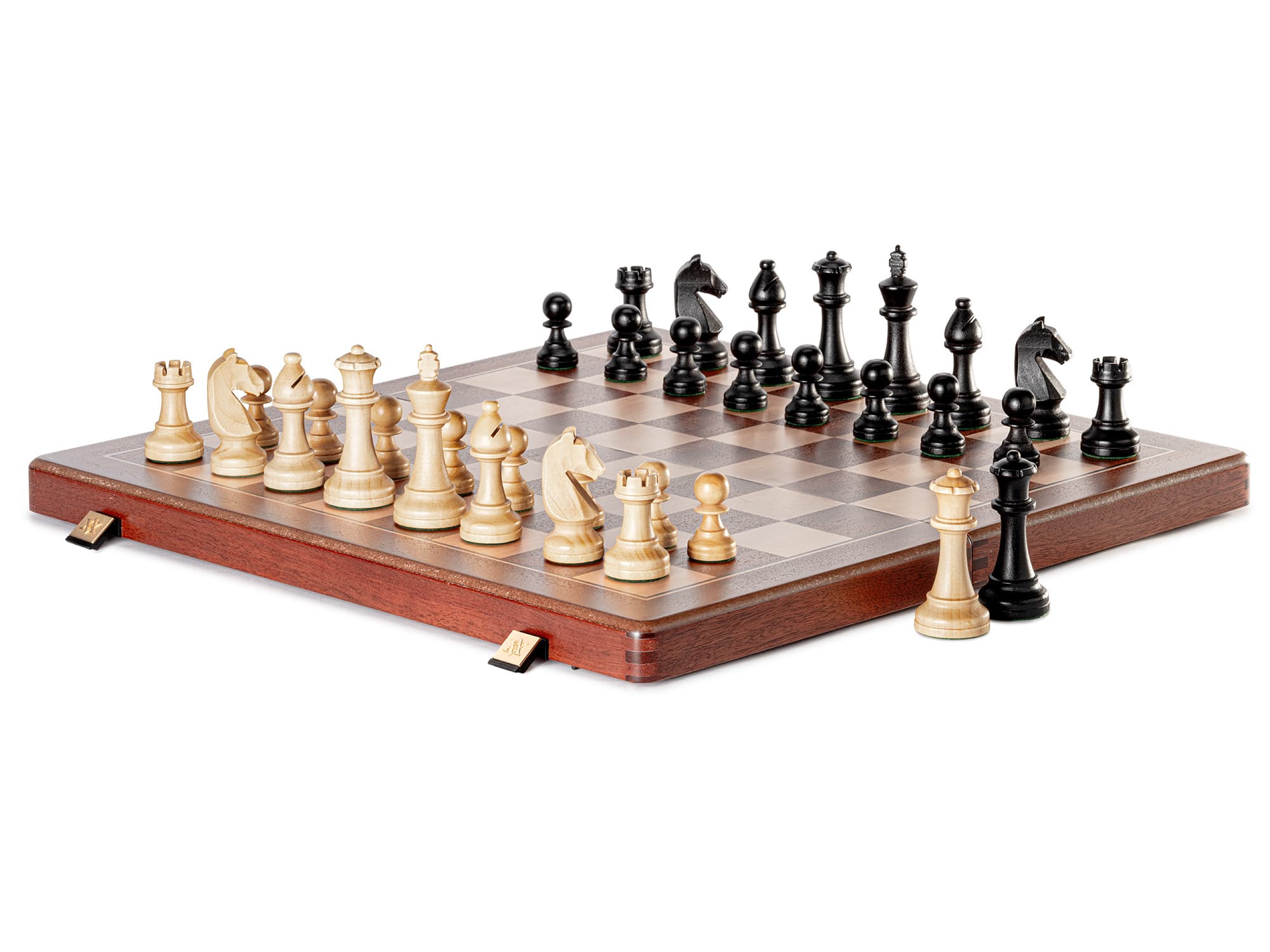
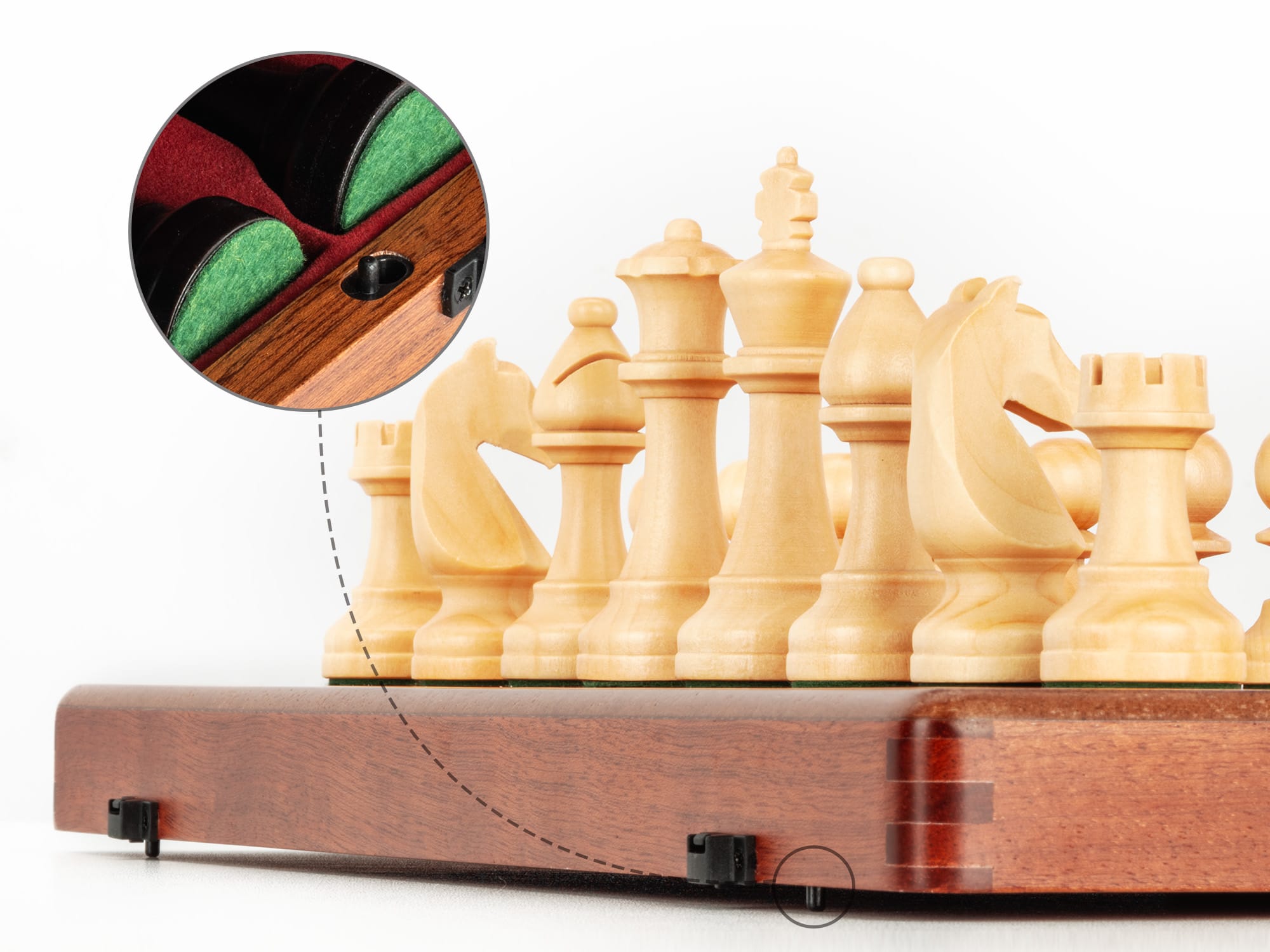
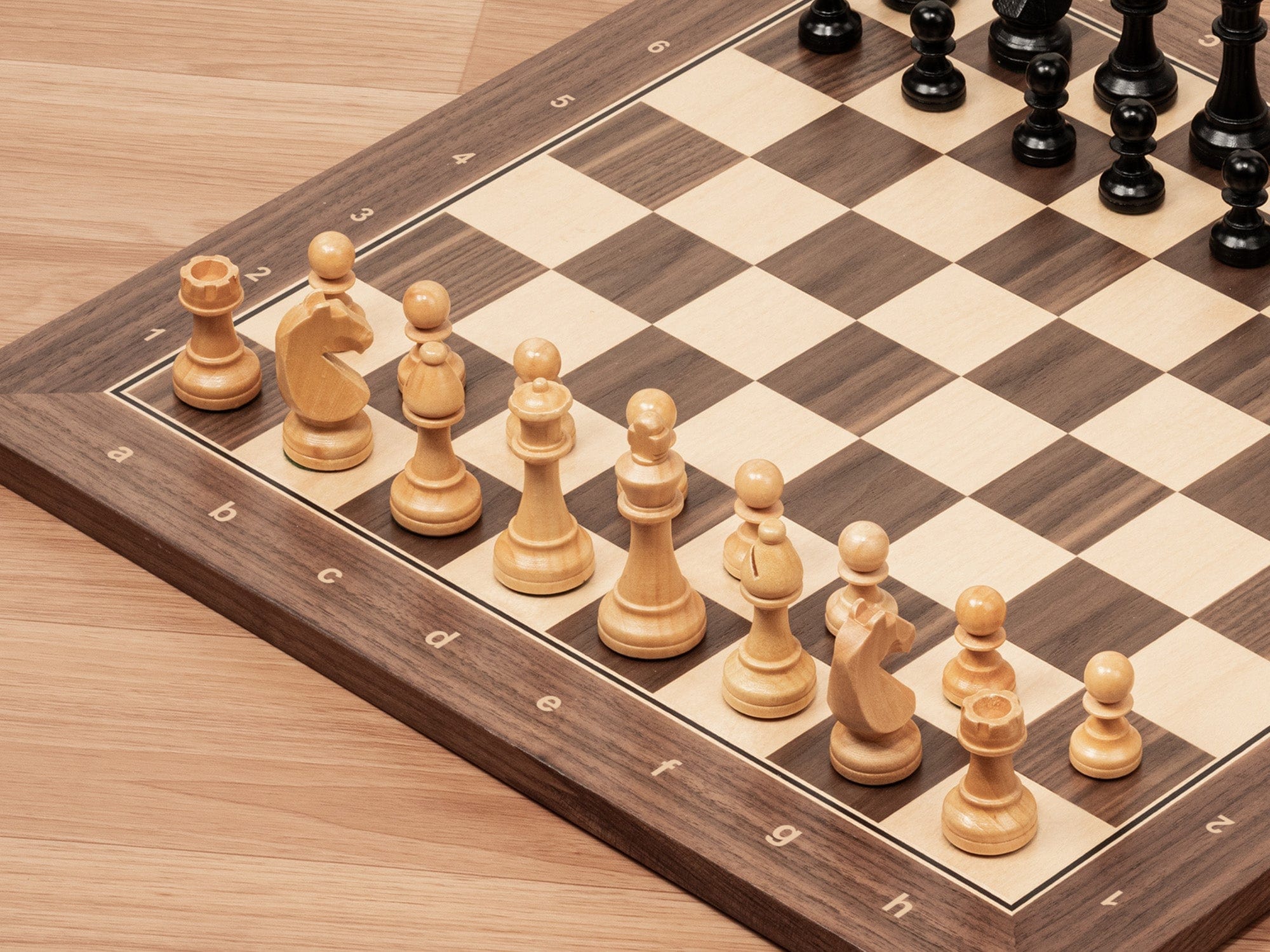
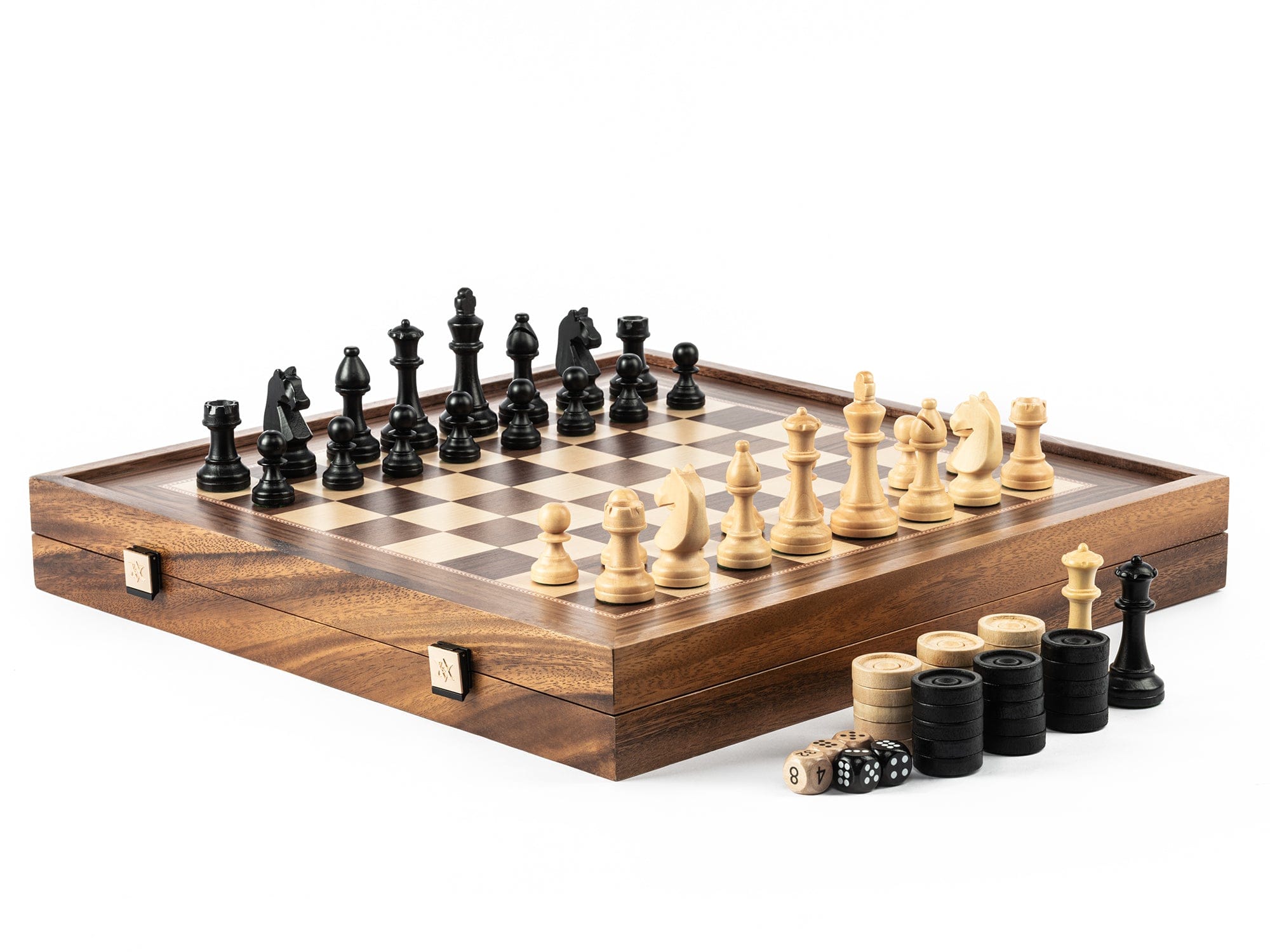
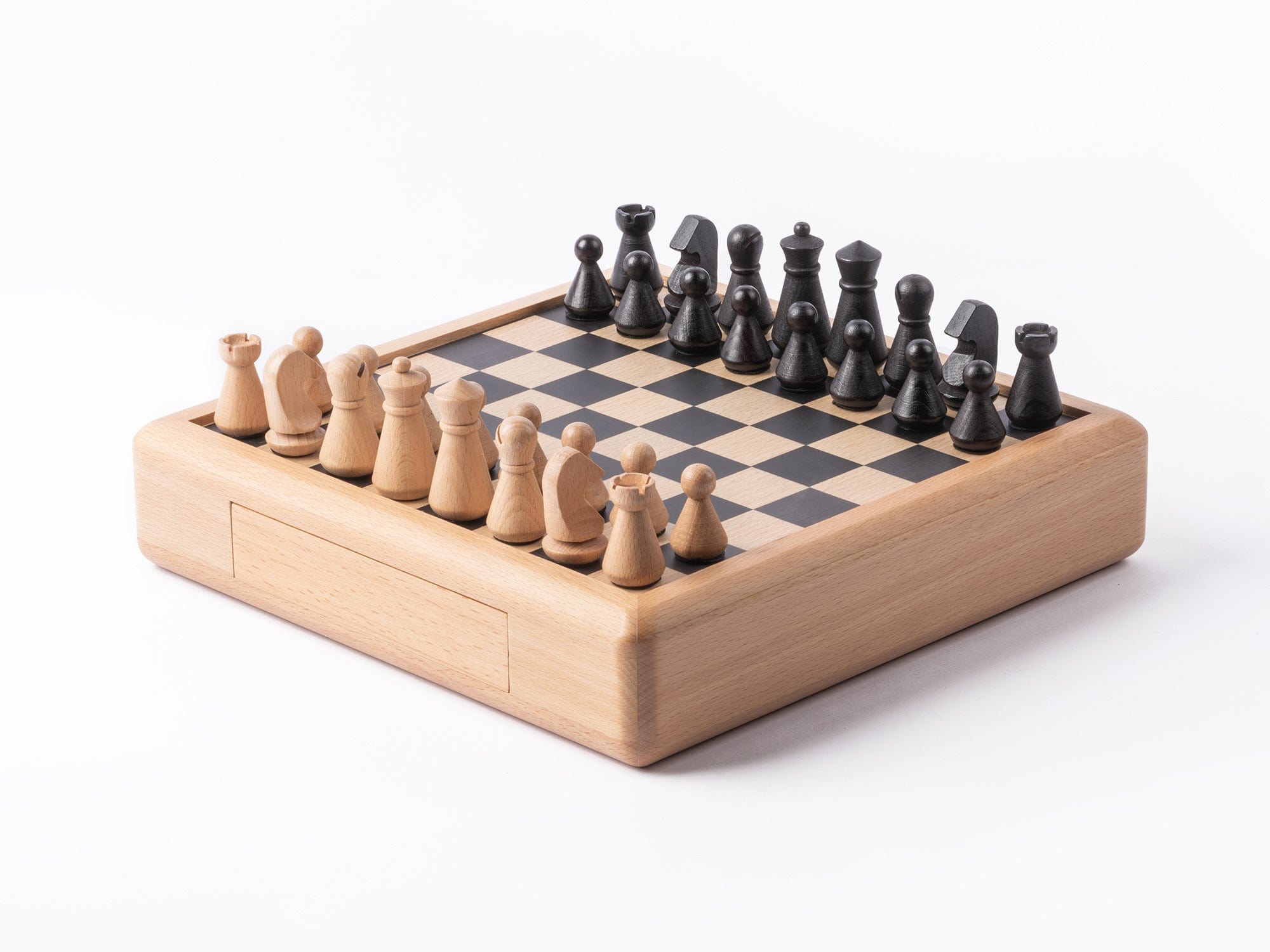
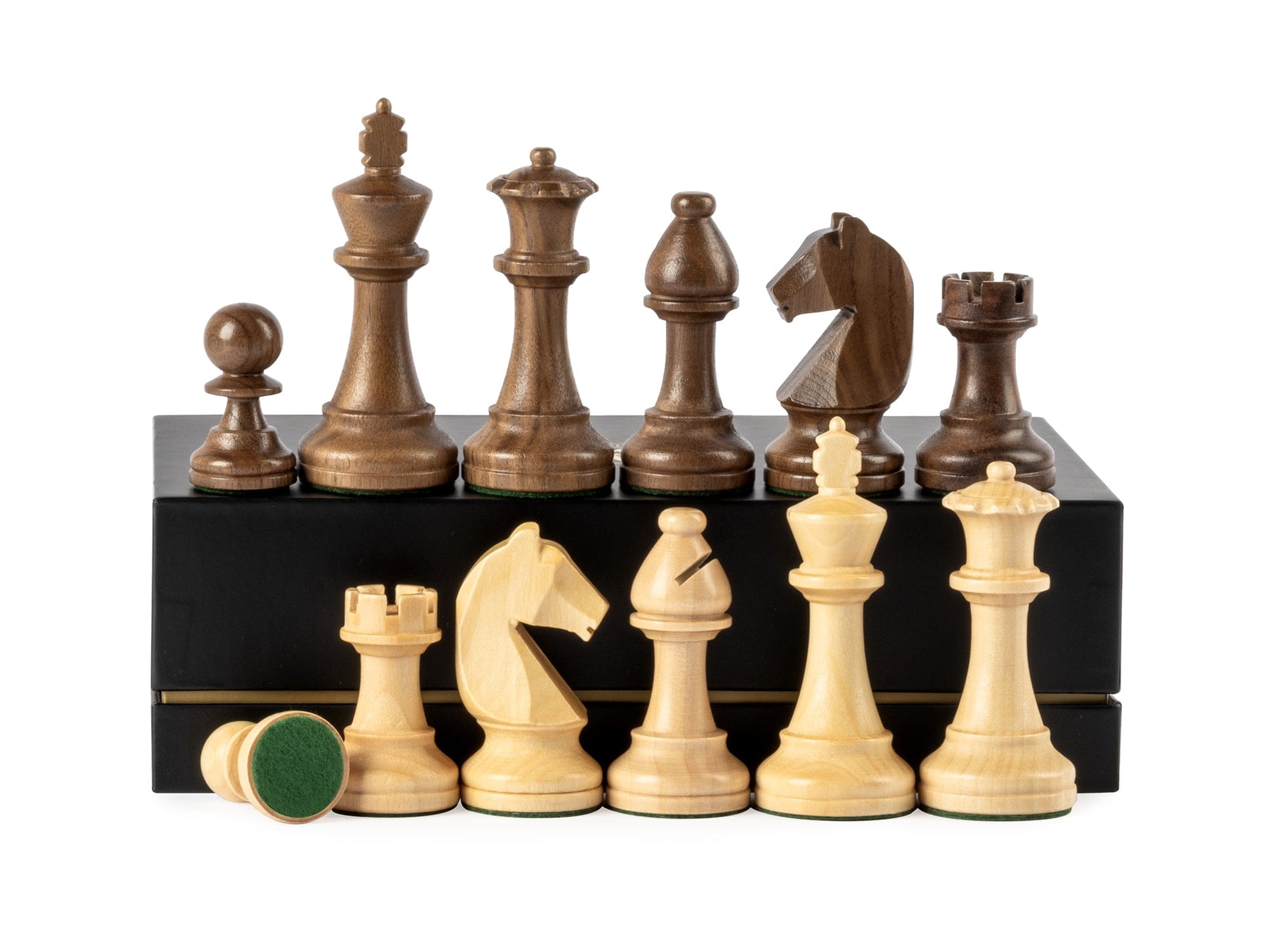
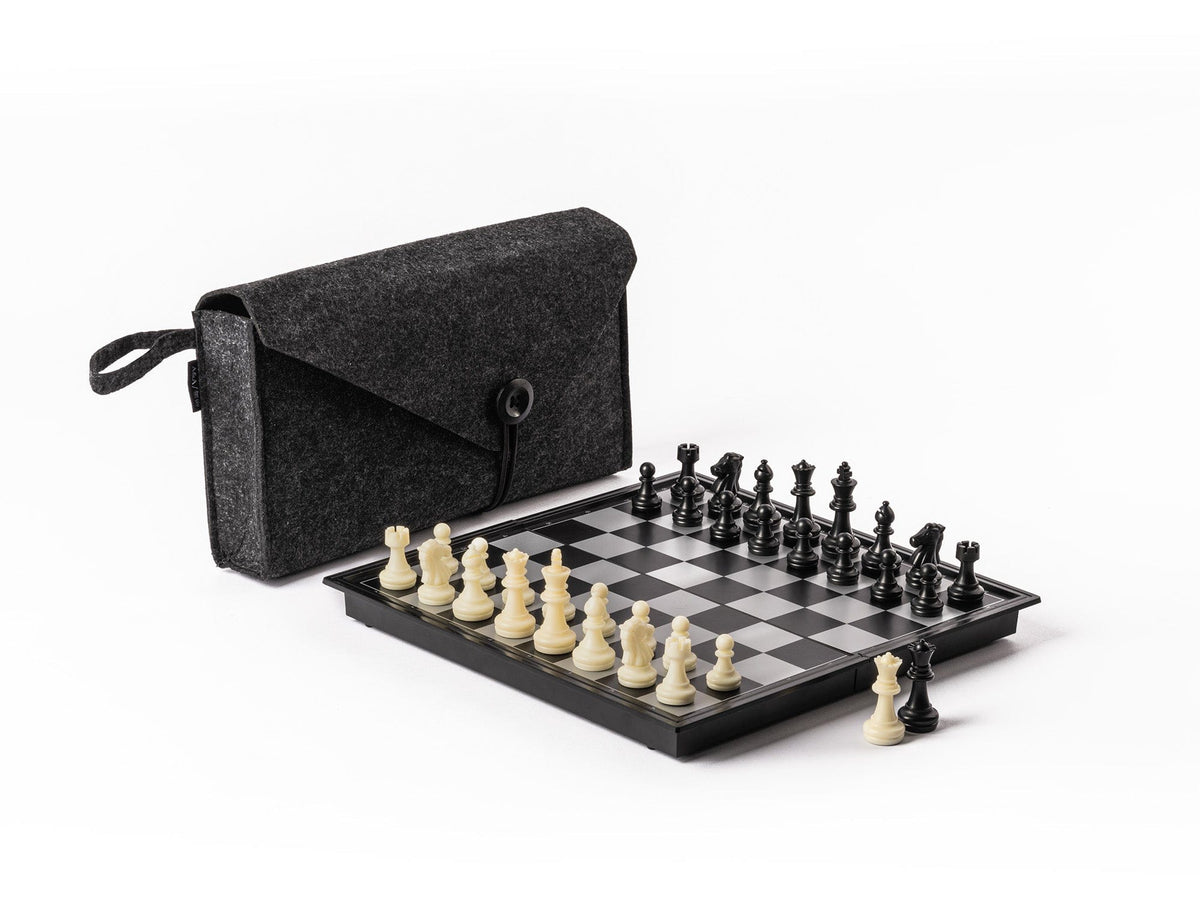
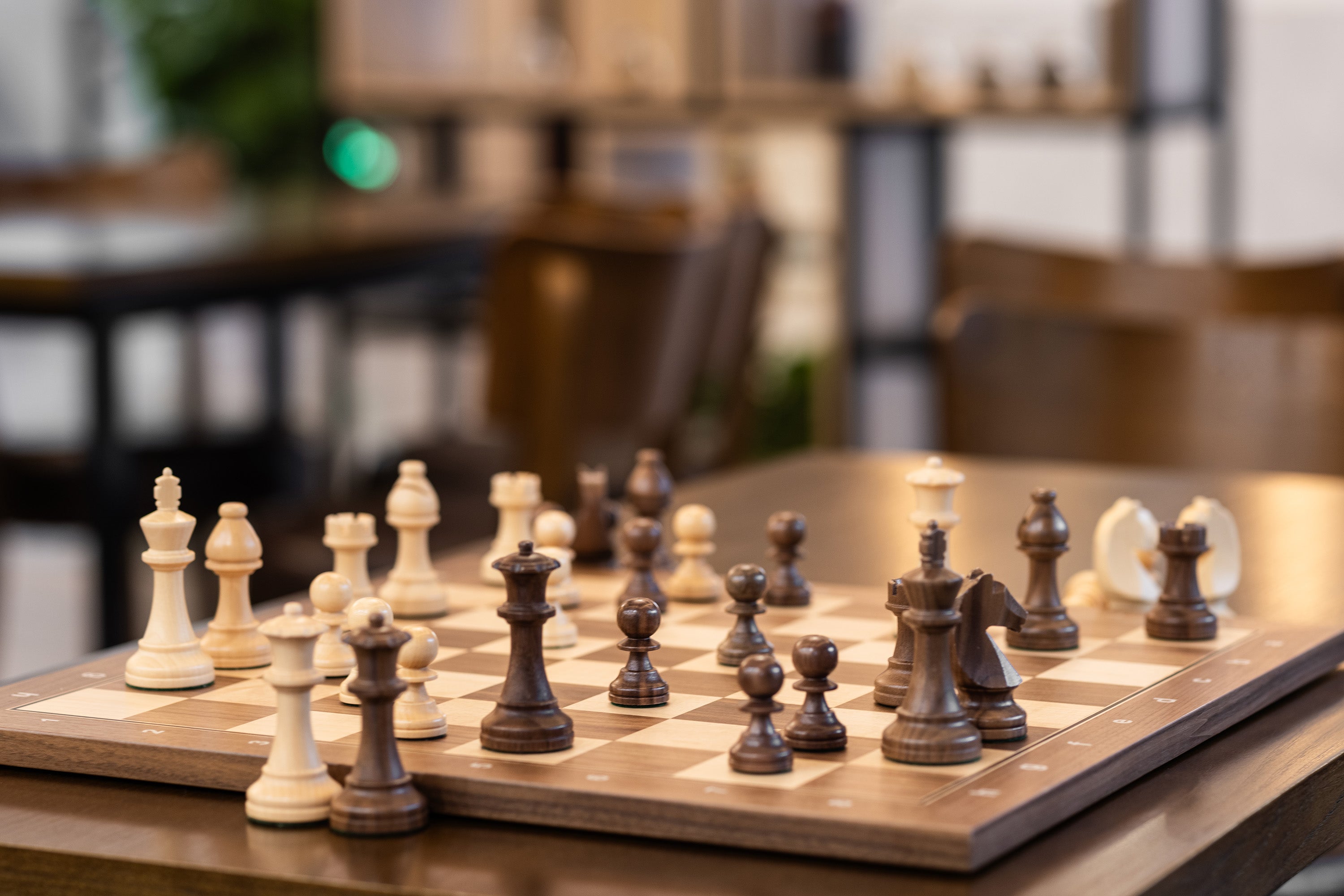
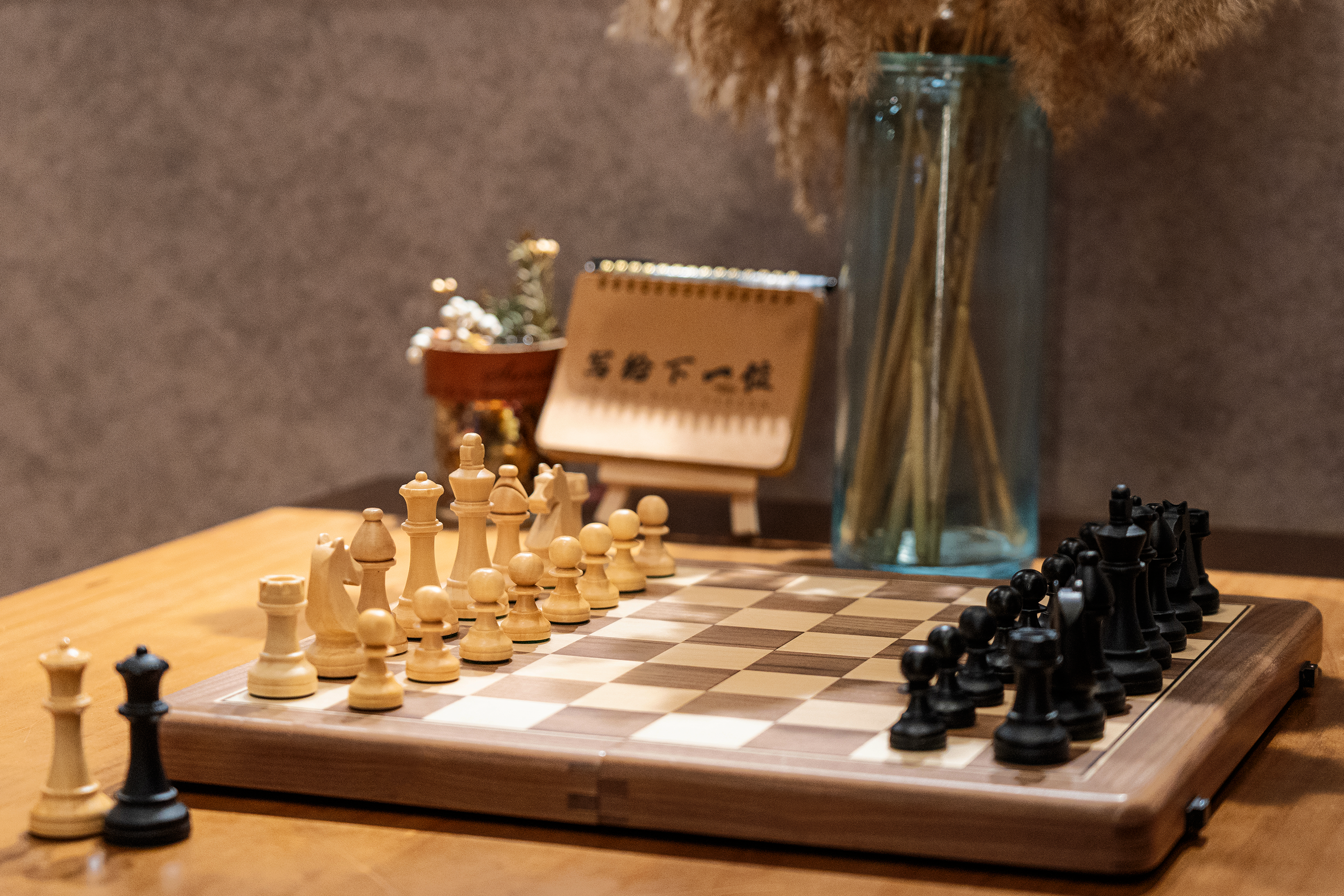
Every grandmaster started as a beginner. The key is to learn the fundamental principles, practice regularly, and not be afraid to lose — every defeat is a lesson. Start with a quality board and pieces like our beginner-series chess sets, which are designed for new players with clear, easy-to-recognize Staunton pieces. A magnetic folding set like the natural wood magnetic set is perfect for beginners because pieces stay in place while you learn.
Before diving into tips, make sure you know how each piece moves. If you need a refresher, our chess learning guide covers the basics of piece movement, board notation, and basic rules. Once you have the movement down, these 10 tips will accelerate your progress dramatically.
Tip 1: Control the Center
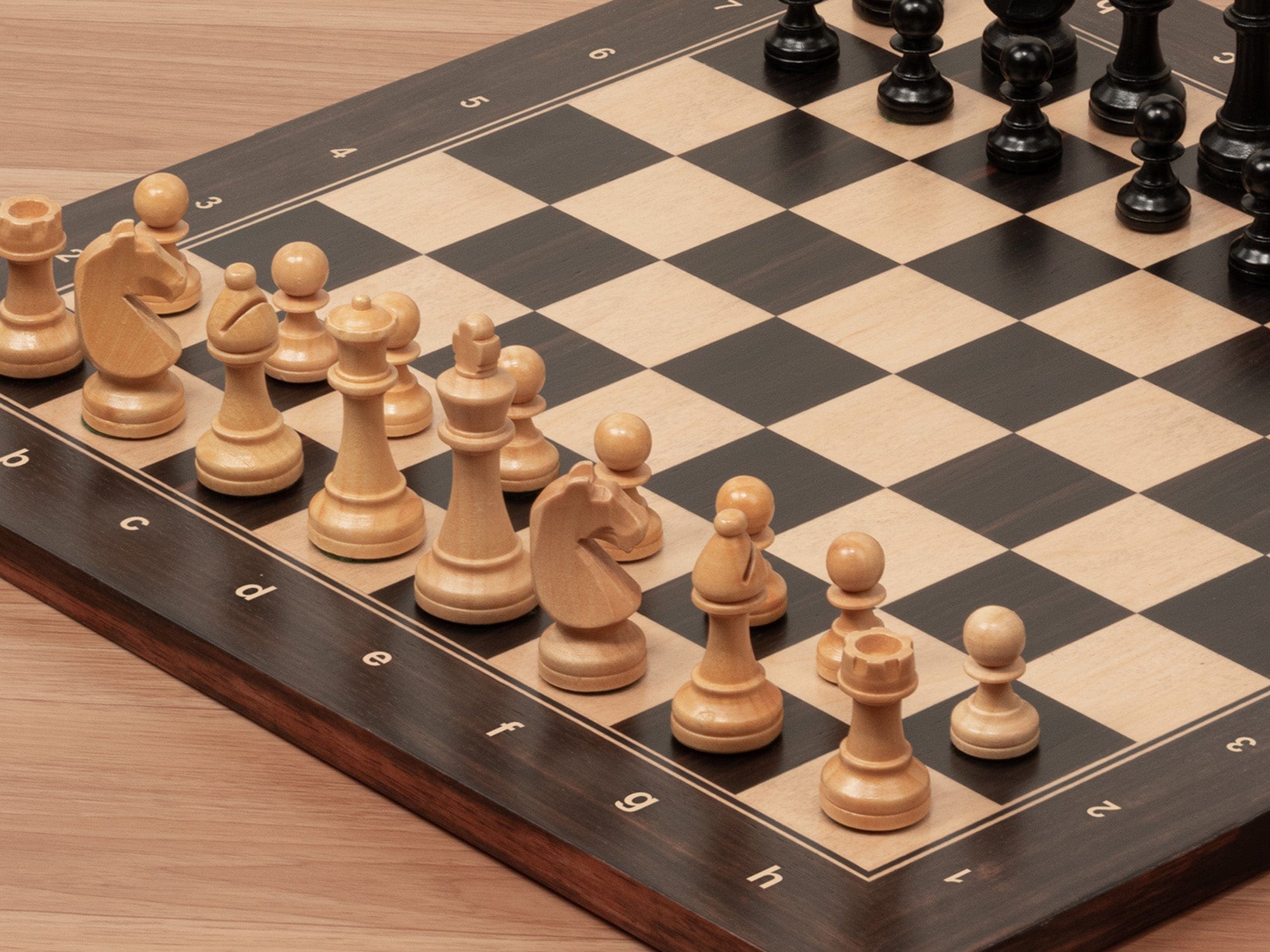
The four central squares — d4, d5, e4, and e5 — are the heart of the board. Controlling the center gives your pieces more mobility and restricts your opponent's options. Start by moving your e-pawn or d-pawn forward two squares on your first move. This single move fights for the center, opens lines for your bishop and queen, and sets up your development.
Players who ignore the center and move pawns on the edge of the board usually find their pieces with nowhere to go. The center is where the action happens, and controlling it early gives you a spatial advantage that can snowball into a winning position.
Tip 2: Develop Your Pieces Early
In the opening, bring out your knights and bishops before moving your queen or rooks. Knights should come out to f3 and c3, bishops to c4 and b5. A well-developed army controls more space, prepares you for castling, and puts pressure on your opponent. Resist the temptation to move the queen out early — she is powerful but vulnerable to being chased around by minor pieces.
Spend your first 5-7 moves bringing out your minor pieces. By move 8, you should have both knights and at least one bishop developed, your king castled, and your rooks ready to connect. This simple principle will immediately improve your opening play.
Tip 3: Castle Within the First 7 Moves
Castling moves your king to safety behind a wall of pawns and brings your rook into the game. Aim to castle kingside (O-O) within the first 5-7 moves. This is the fastest and safest way to get your king off the open e-file. A king stuck in the center is a target — open files will come, and your king will be exposed.
Before castling, make sure the squares between your king and rook are empty, and that your king is not in check or moving through check. Once castled, avoid moving the pawns in front of your king unless absolutely necessary — each pawn move creates a weakness.
Tip 4: Think Before Every Move
Before every move, ask yourself: What does my move attack? What does my opponent threaten? A quick five-second pause prevents blunders. Track your games with a chess scorebook to review mistakes later. Most beginner losses come from one careless move, not a flawed strategy.
Make it a habit to look at every opponent move as a threat. Did they just attack one of your pieces? Are they setting up a fork? Is your king safe? Taking this moment before responding will eliminate the majority of blunders that cost beginners games.
Tip 5: Protect Your King
Do not move pawns in front of your castled king unless necessary. Each pawn move creates a weakness that your opponent can exploit. Keep your king behind a solid pawn shield and avoid opening files toward your king. If you must create a pawn break, do it carefully and watch for counterplay.
A common beginner mistake is pushing the f-pawn after castling, which opens a direct diagonal to the king. Leave your pawn structure intact and let your pieces do the attacking.
Tips 6-10: More Essential Advice
- Do not bring the queen out early. Your queen is the most powerful piece, but she can be harassed by knights and bishops. Develop minor pieces first, then unleash the queen when the position is safe.
- Avoid moving the same piece twice. Develop all your pieces before repeating moves. Moving the same knight twice in the opening wastes time and lets your opponent develop faster.
- Connect your rooks. After castling and clearing the back rank, your rooks should protect each other. Connected rooks control open files and are a force to be reckoned with.
- Learn basic checkmates. Practice king and queen vs. king, and king and rook vs. king. These endgames win games — there is no point winning material if you cannot deliver checkmate.
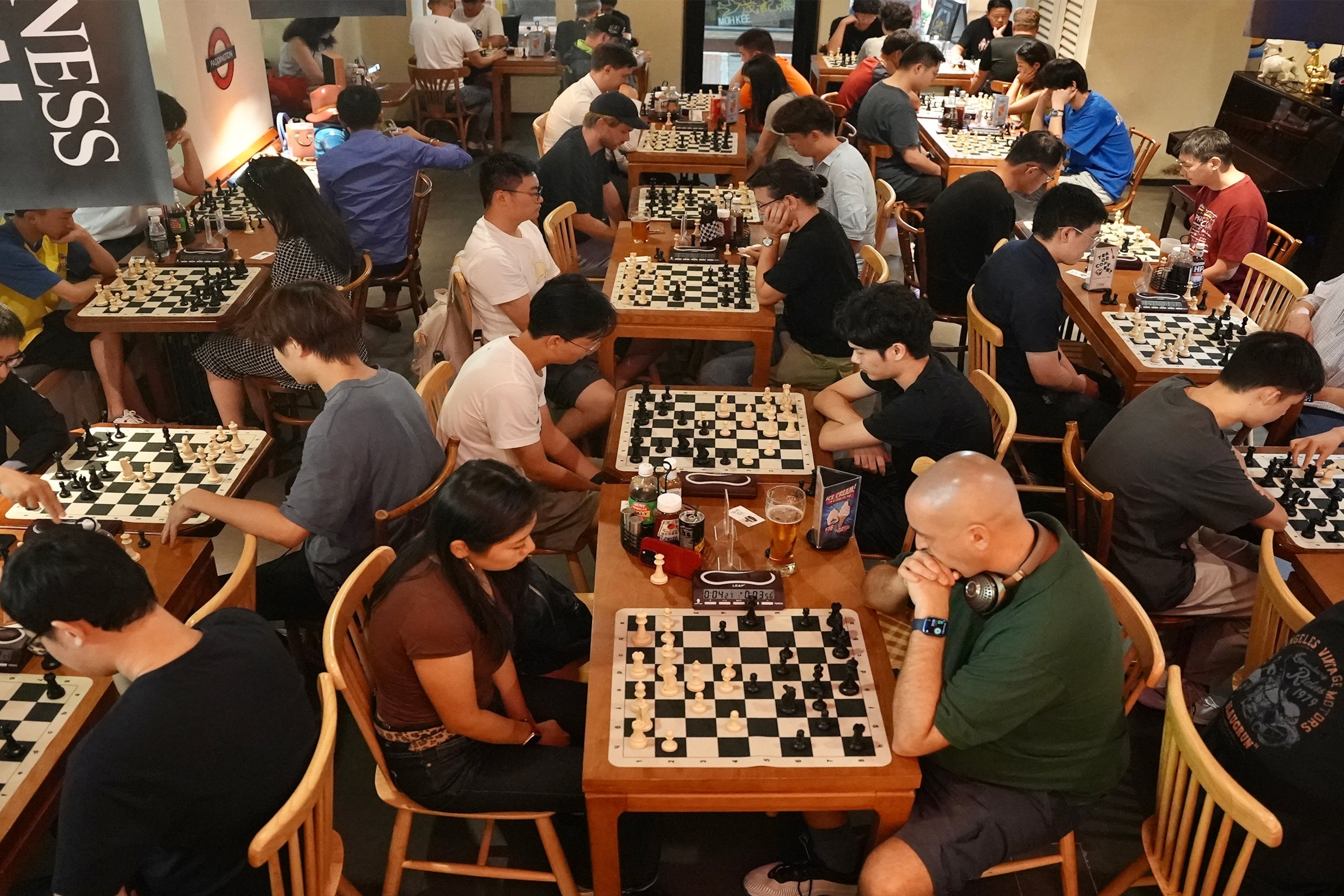
- Play regularly. Consistency beats intensity. Even 15 minutes a day on a quality board like our beech wood set will sharpen your skills. Join a local club or play online to get regular games.
How to Practice Effectively
Practice should be focused, not just random play. Review your lost games in a scorebook and ask: where did I go wrong? Study basic tactics — forks, pins, skewers — using online trainers or books. As you progress, explore our intermediate-series collection for upgraded boards and pieces that grow with your game. Set up tactics positions on your board and solve them without moving pieces. Over time, you will begin to see patterns automatically.
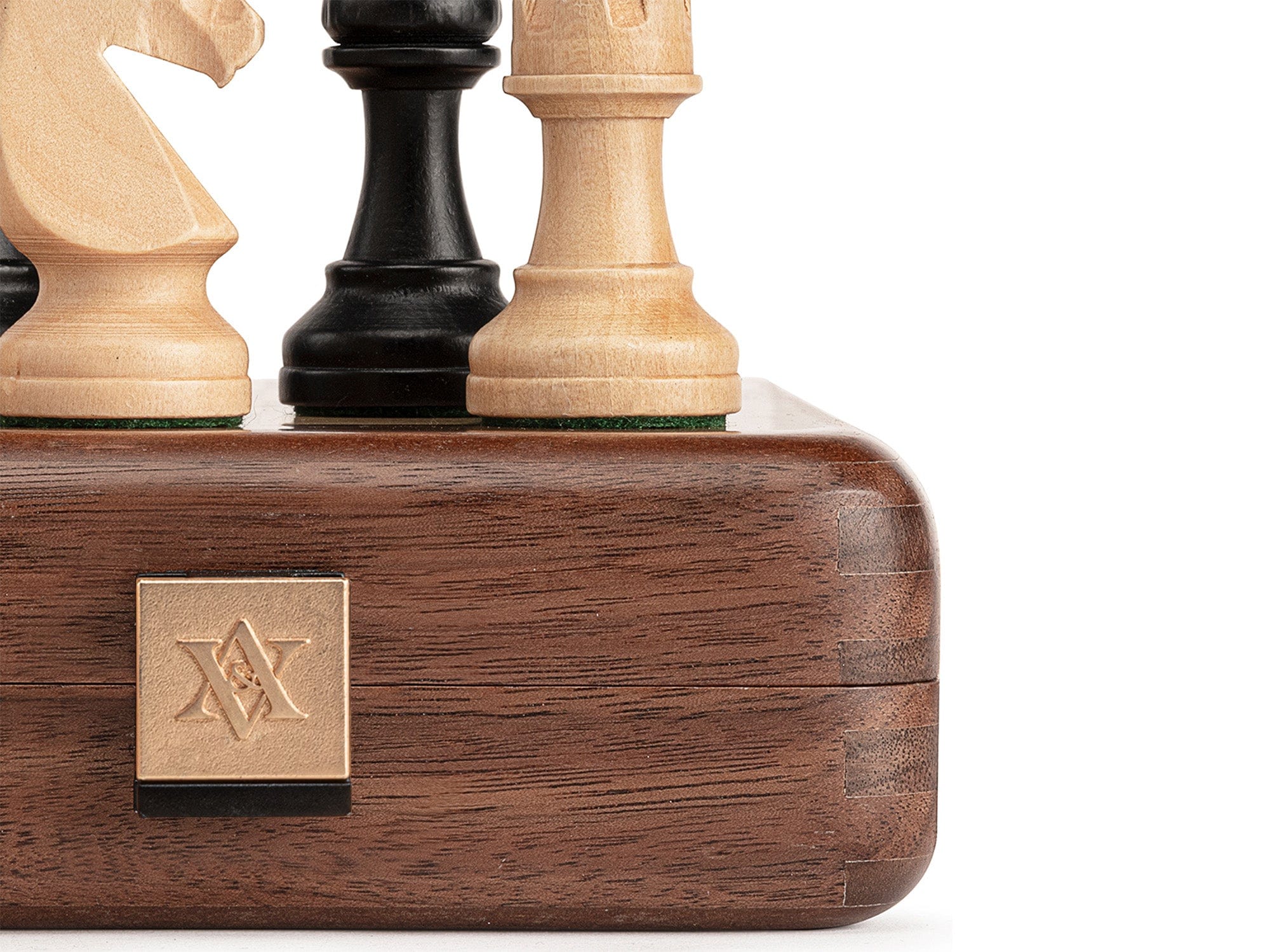
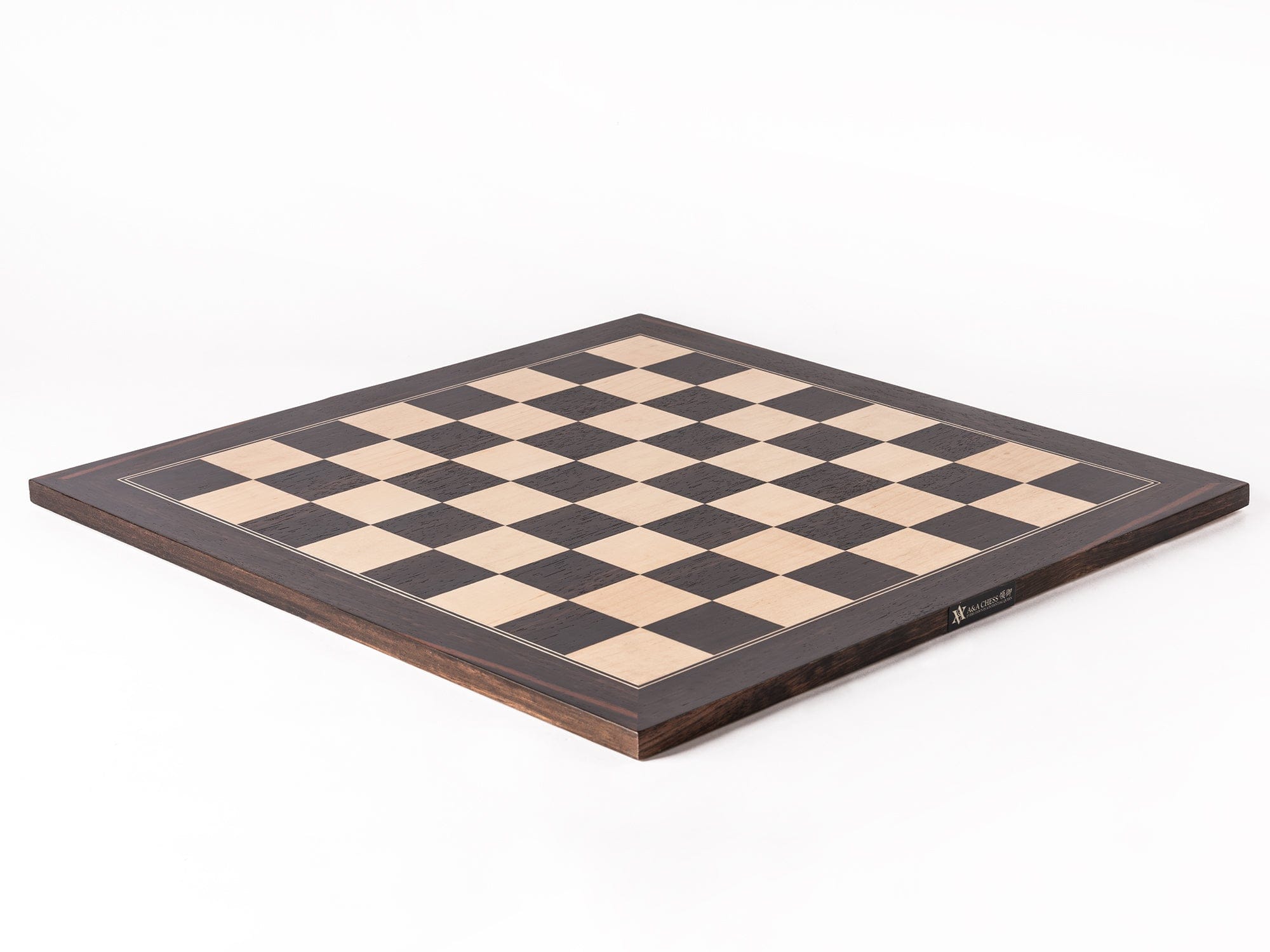
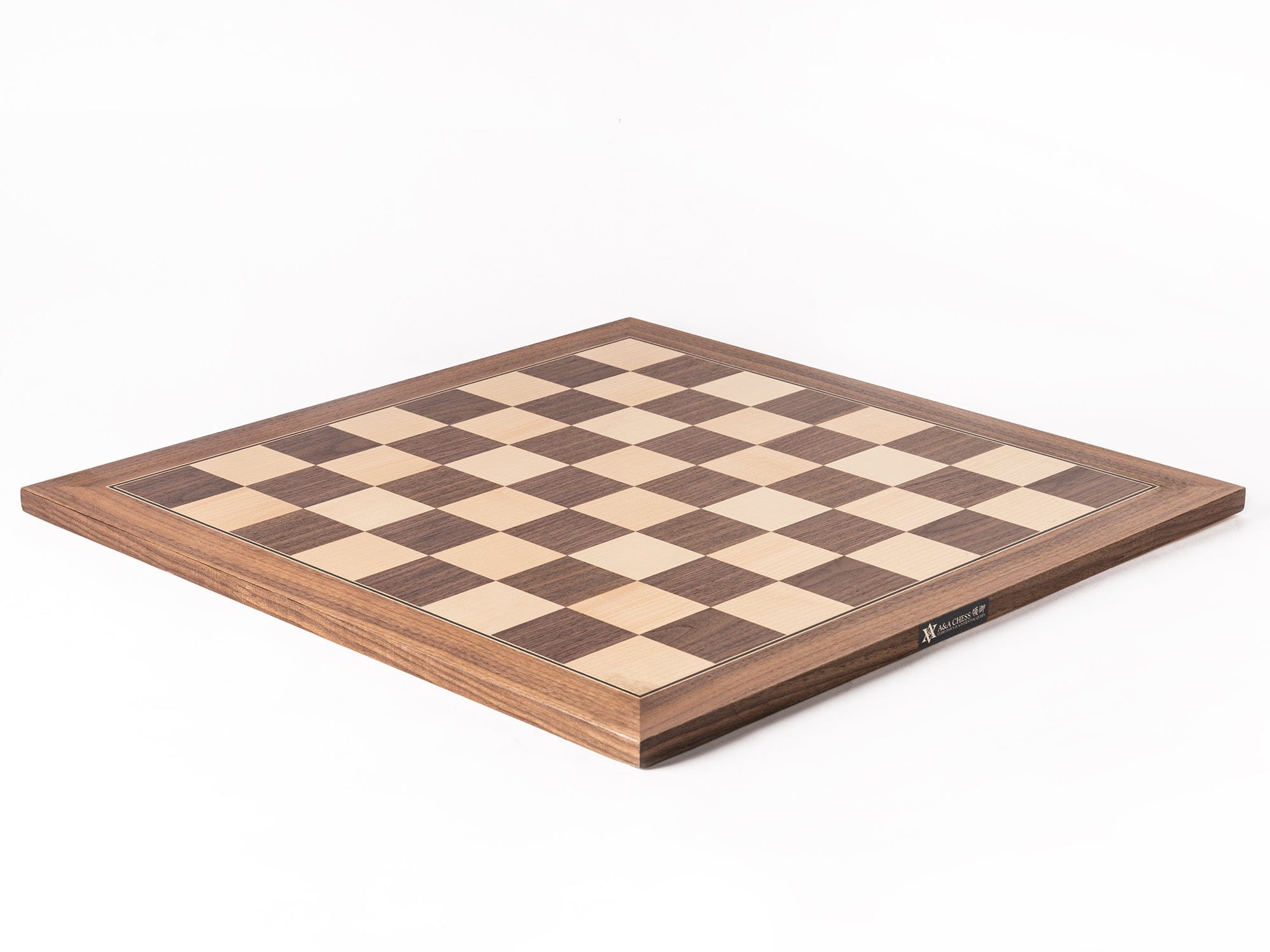
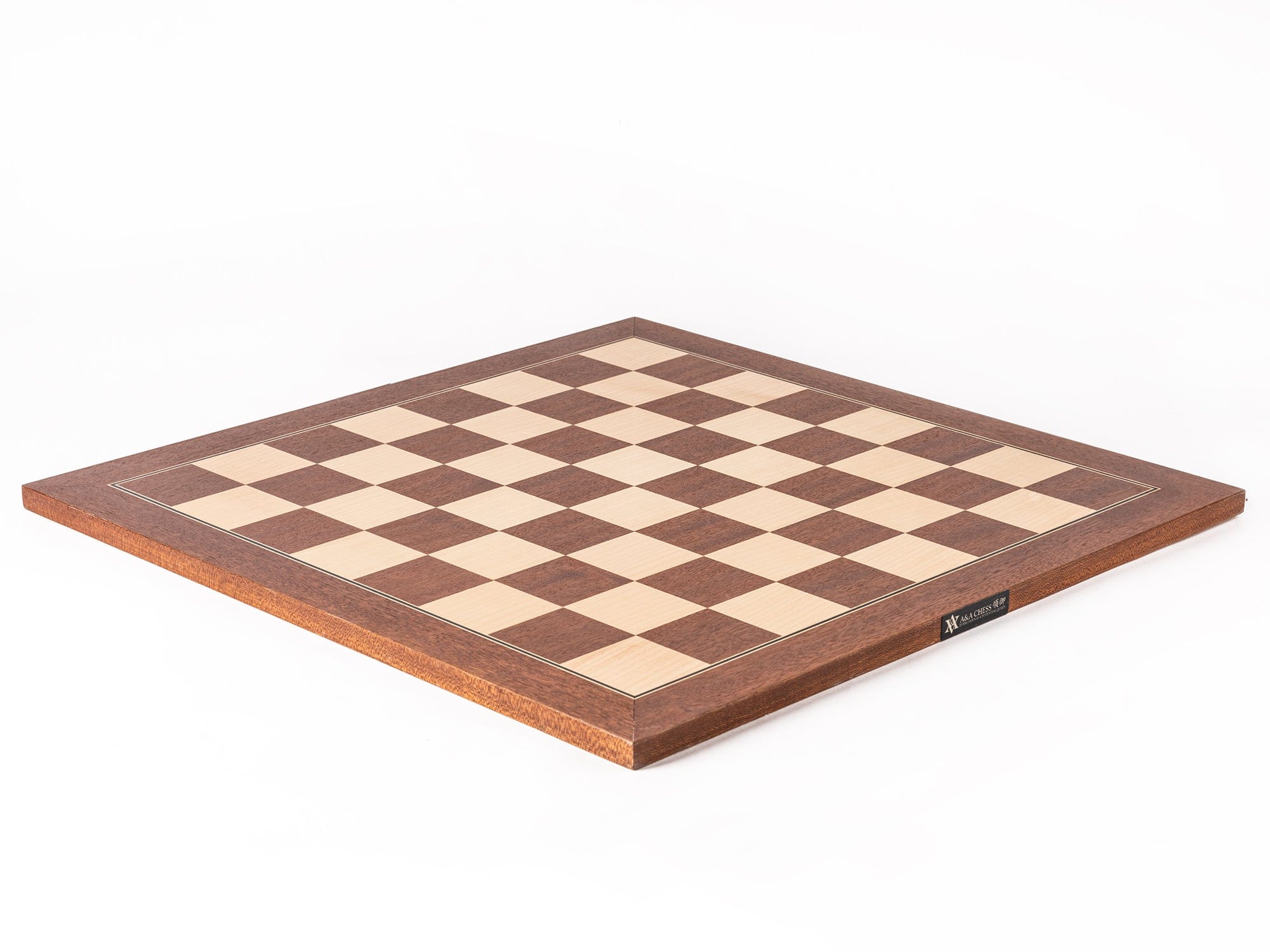
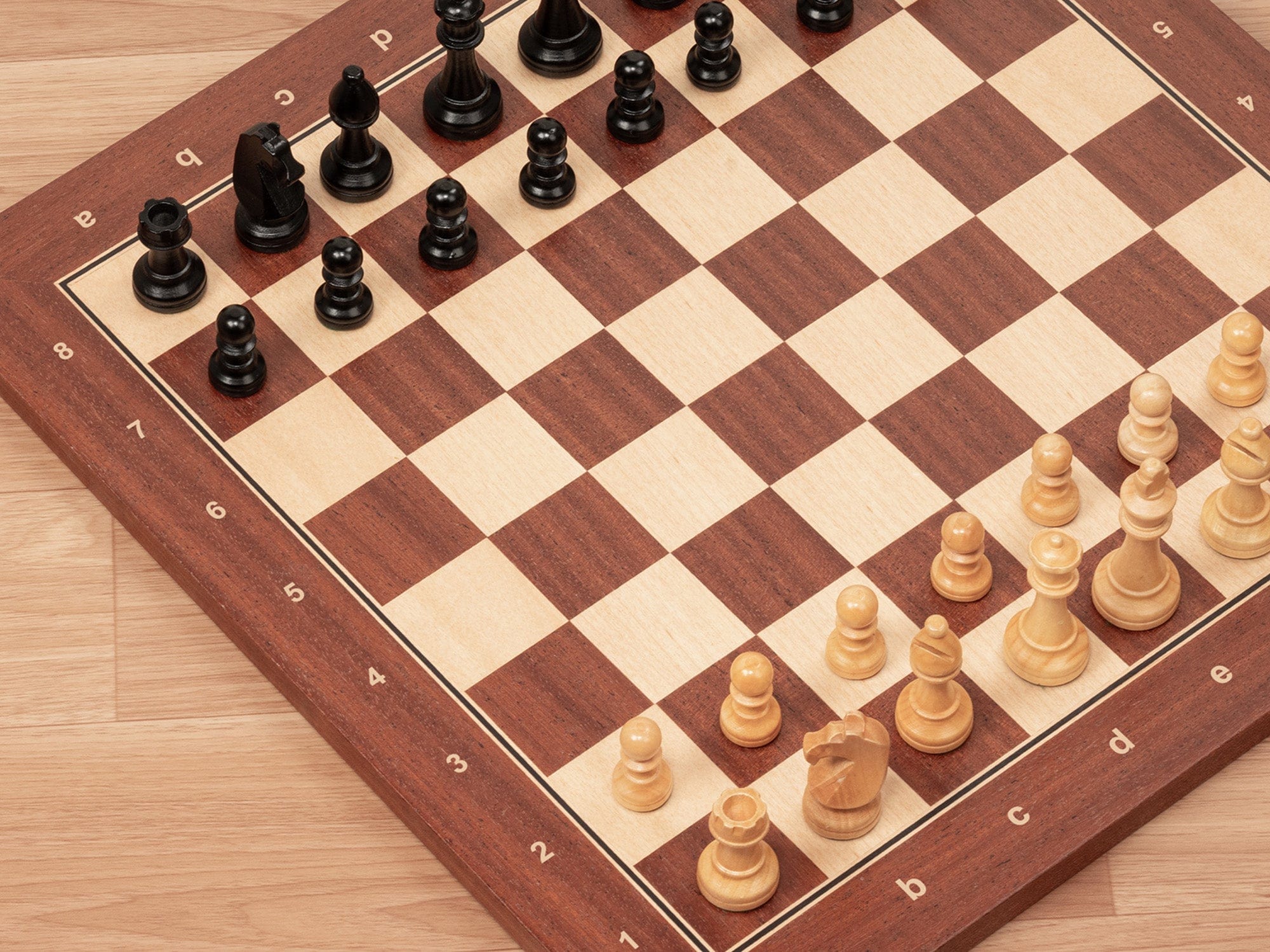
A quality setup matters too. Playing on a beautiful board like the mahogany inlaid board makes practice something to look forward to rather than a chore.
Frequently Asked Questions
How long does it take to learn chess?
You can learn the rules in an afternoon, but mastery takes years. Most beginners see meaningful improvement within 3-6 months of regular play. Consistent practice of 3-5 games per week plus tactics study produces the fastest results.
What is the best first move in chess?
e4 (king's pawn opening) is the most popular and beginner-friendly first move. It fights for the center and opens lines for the bishop and queen. 1. d4 is another solid choice. Both are excellent starting points.
Should I buy an expensive chess set as a beginner?
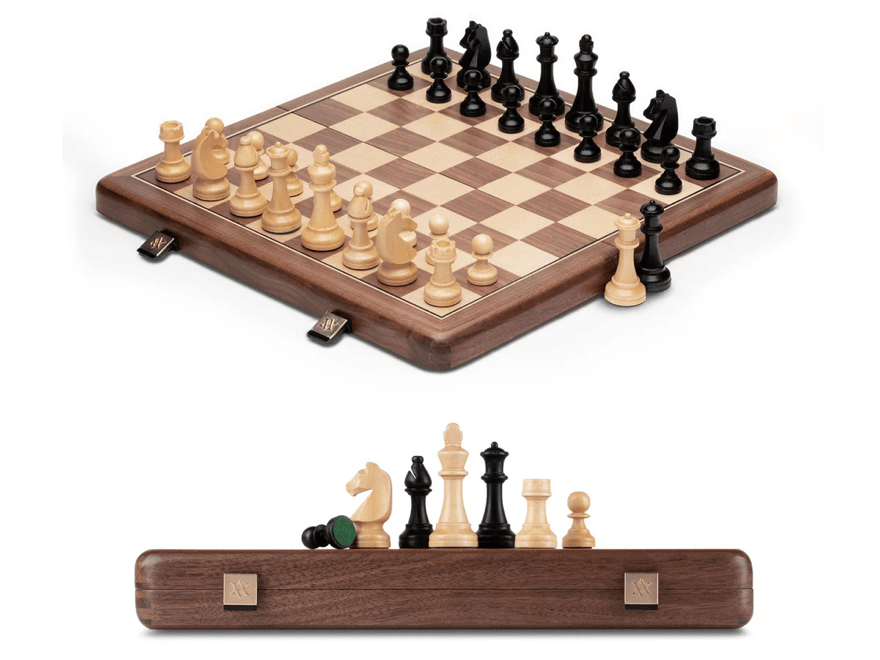
A mid-range set like our beginner series is perfect. You can upgrade as your skills develop. The most important thing is a board with clear, weighted Staunton pieces. The walnut folding set is a great starter choice.
How do I stop making blunders?
Slow down. Before each move, look at every opponent threat. Using a scorebook to review your games helps identify repeated mistakes. The habit of asking "what does my opponent threaten?" before moving eliminates most blunders.
Should I study openings as a beginner?
Focus on principles first, not specific openings. Once you understand center control, development, and castling, learning 1-2 simple openings will be much more effective. The Italian Game (1.e4 e5 2.Nf3 Nc6 3.Bc4) is a great opening to learn early.



Dejar un comentario
Este sitio está protegido por hCaptcha y se aplican la Política de privacidad de hCaptcha y los Términos del servicio.