









Table of Contents
- Chess and the Brain: What Science Says
- The Cognitive Benefits of Chess
- Chess for Children: Building Mental Skills
- Chess for Adults: Lifelong Brain Health
- The Chess Mindset: Emotional Resilience
- How to Start Playing Chess
- Frequently Asked Questions
Chess has been called the gymnasium of the mind — and science backs it up. Studies show that regular chess play improves memory, pattern recognition, problem-solving, and emotional regulation. It is one of the most effective brain-training activities available, requiring no expensive equipment beyond a quality set. In this in-depth article, we explore the psychology of chess, why it is gaining popularity as a brain-training tool, what the research says about its benefits, and how you can start reaping the rewards with a quality board at home. Whether you are a curious beginner or a seasoned player, understanding why chess makes you smarter will deepen your appreciation for the game.
Chess and the Brain: What Science Says
When you play chess, multiple brain regions work in concert: the frontal lobe handles planning and executive function, the parietal lobe processes spatial reasoning, and the temporal lobe supports pattern recognition. Neuroimaging studies of chess masters show enhanced connectivity across these regions. Over time, regular play strengthens these neural pathways — essentially giving your brain a full workout that improves performance in other mental tasks.
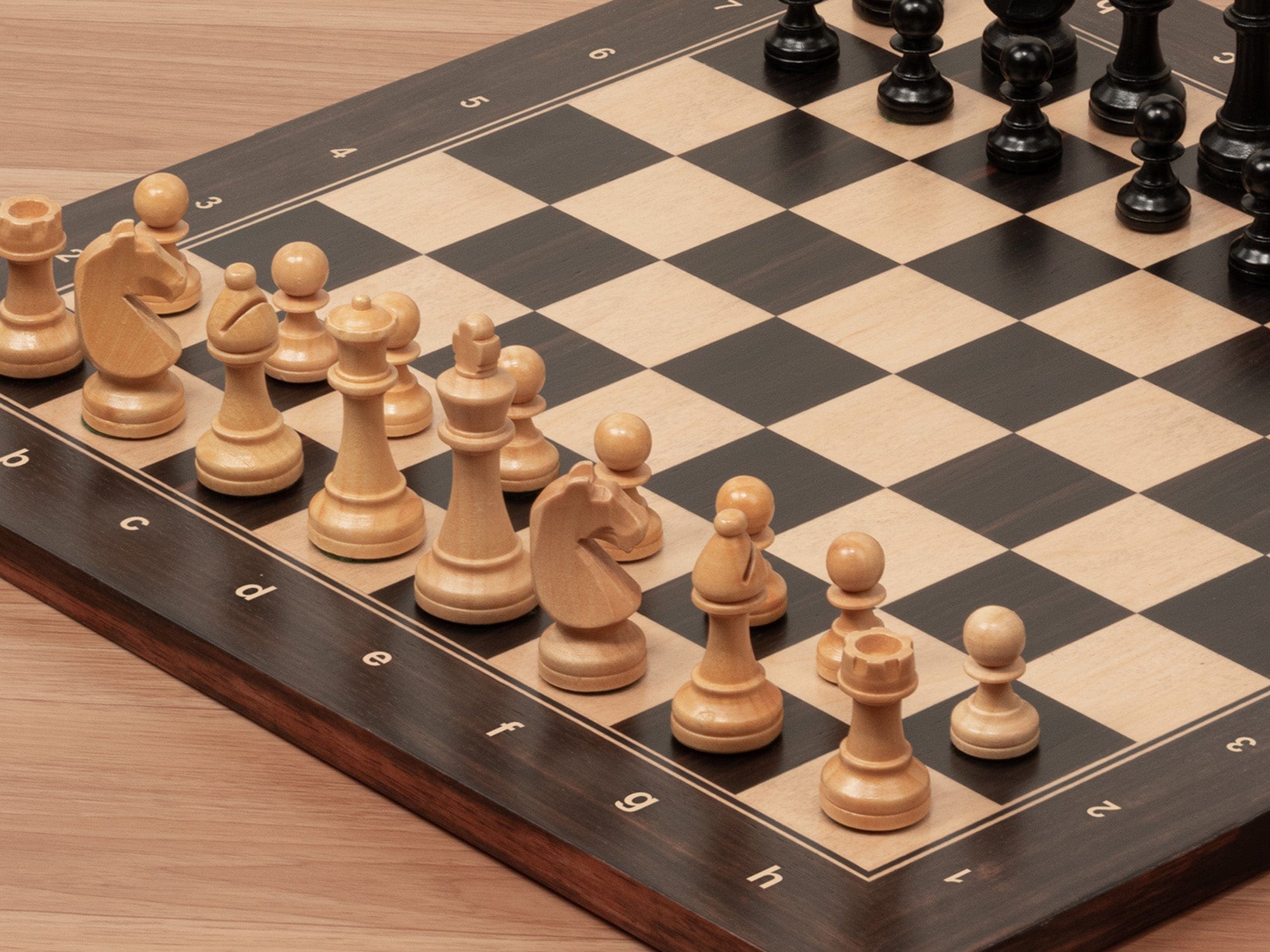
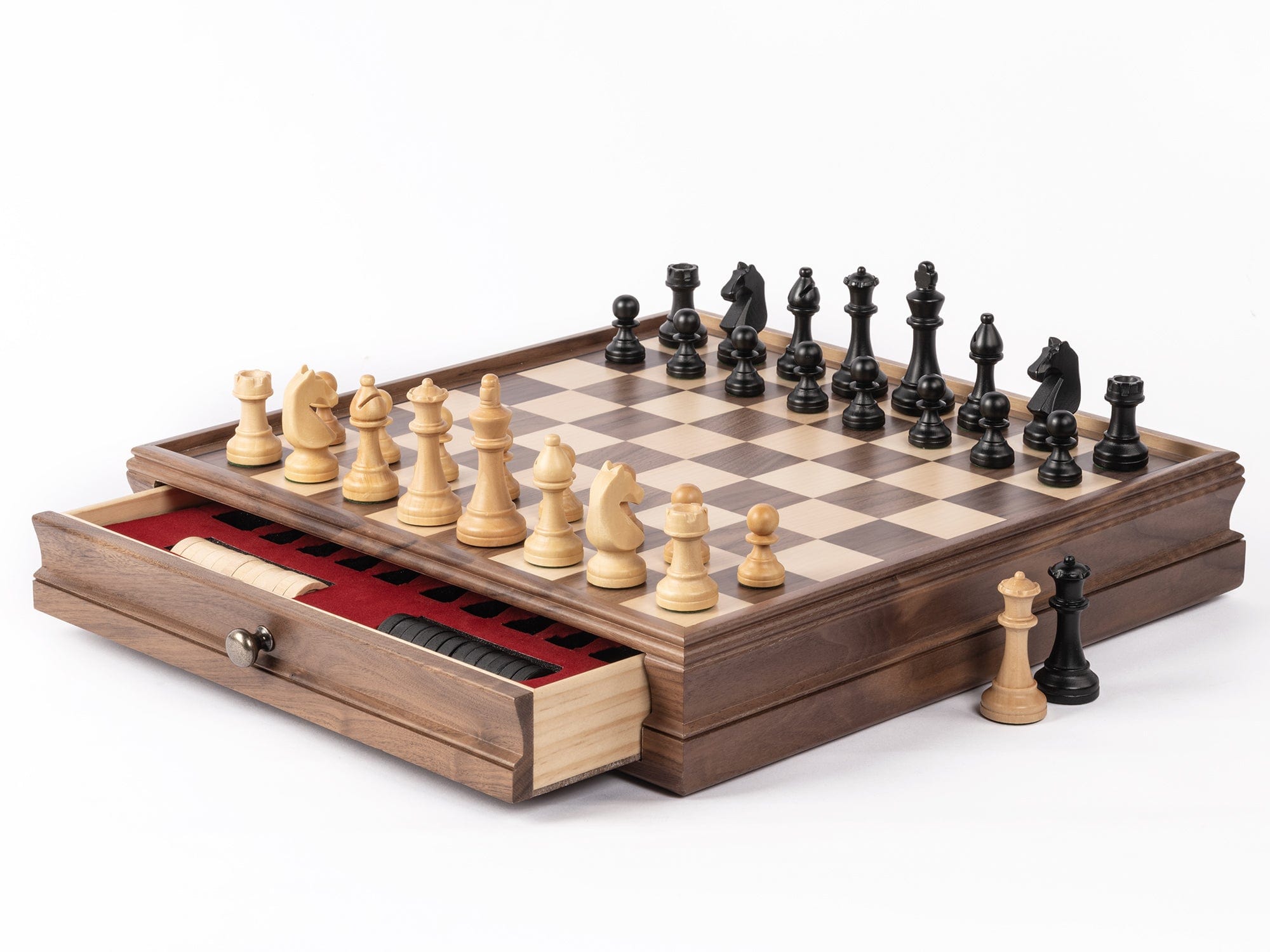
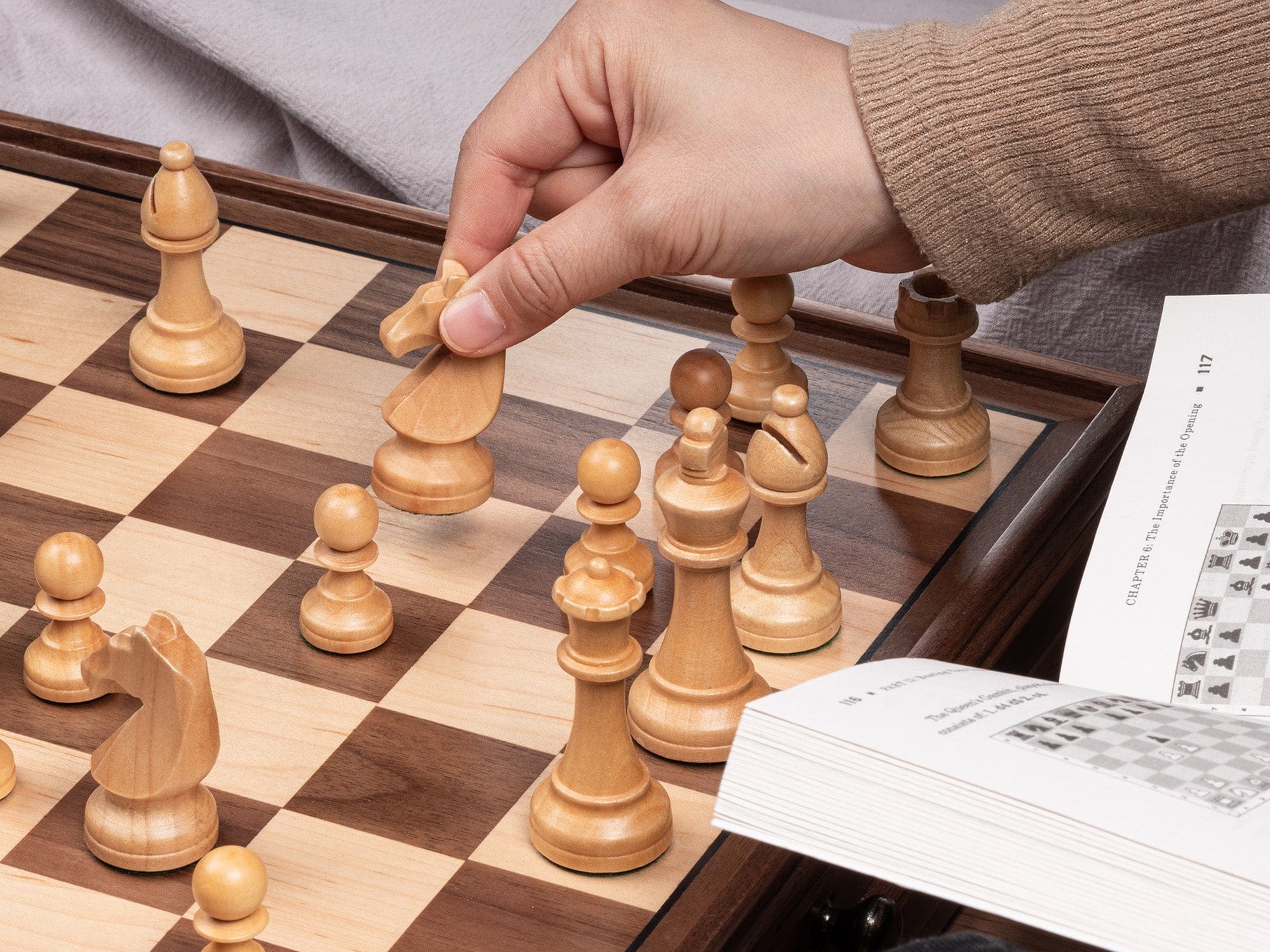
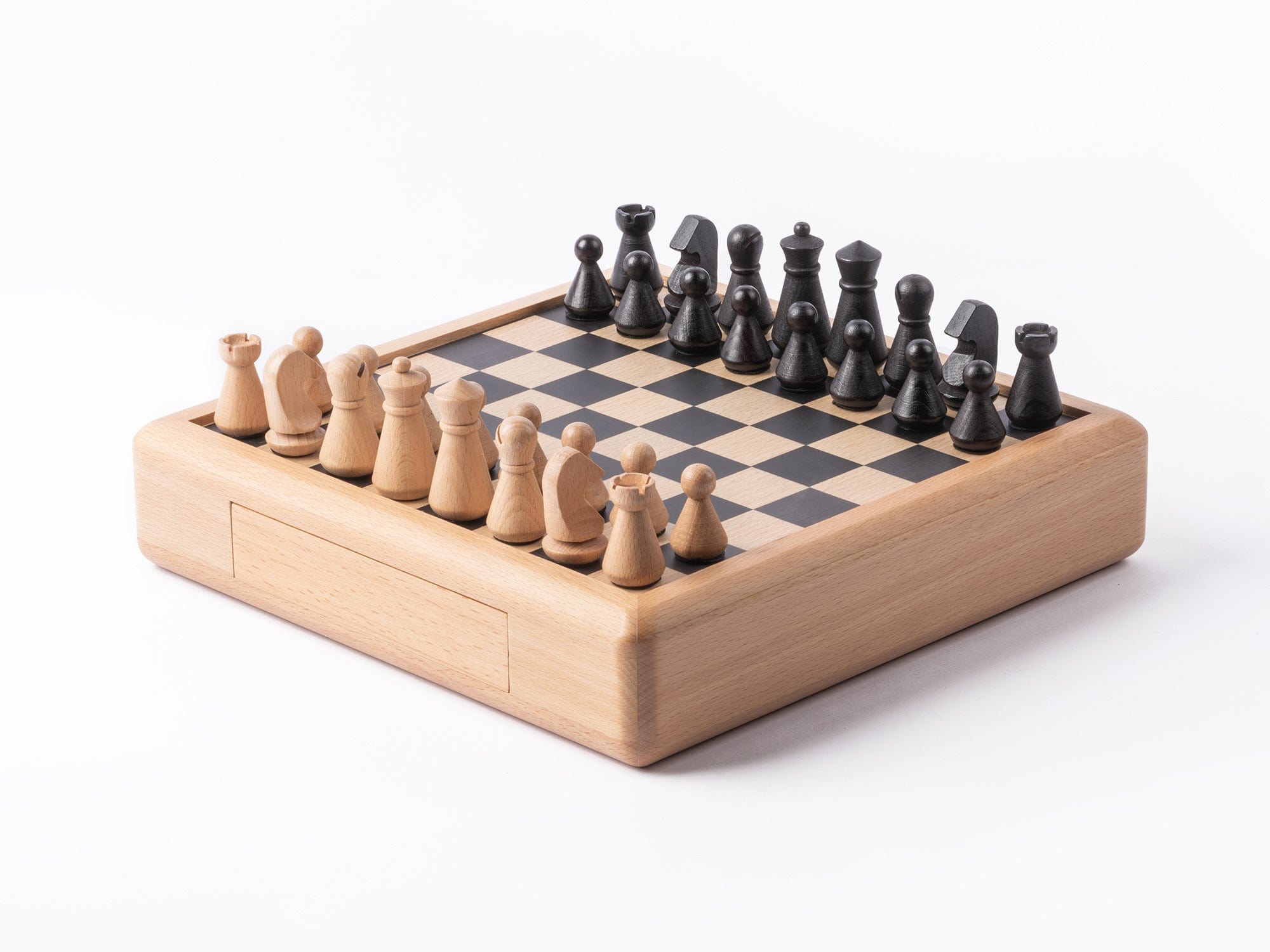
Research has consistently shown that chess players perform better on tests of memory, concentration, and problem-solving. A landmark study in Venezuela found that students who received 4 months of chess instruction improved their IQ scores significantly compared to non-chess peers. Other studies have linked chess play to improved academic performance, especially in math and reading. Having a dedicated set at home makes it easy to play daily. Our beech wood drawer set keeps pieces organized and ready for spontaneous games.
The Cognitive Benefits of Chess
- Improved focus: Chess demands sustained attention. A single move requires evaluating multiple possibilities, which trains the brain to concentrate deeply.
- Better working memory: Players must remember piece positions, threats, and plan variations across many moves. This exercise strengthens working memory capacity.
- Enhanced pattern recognition: Over time, players recognize common openings, tactics, and endgame positions instantly. This ability transfers to other pattern-based thinking.
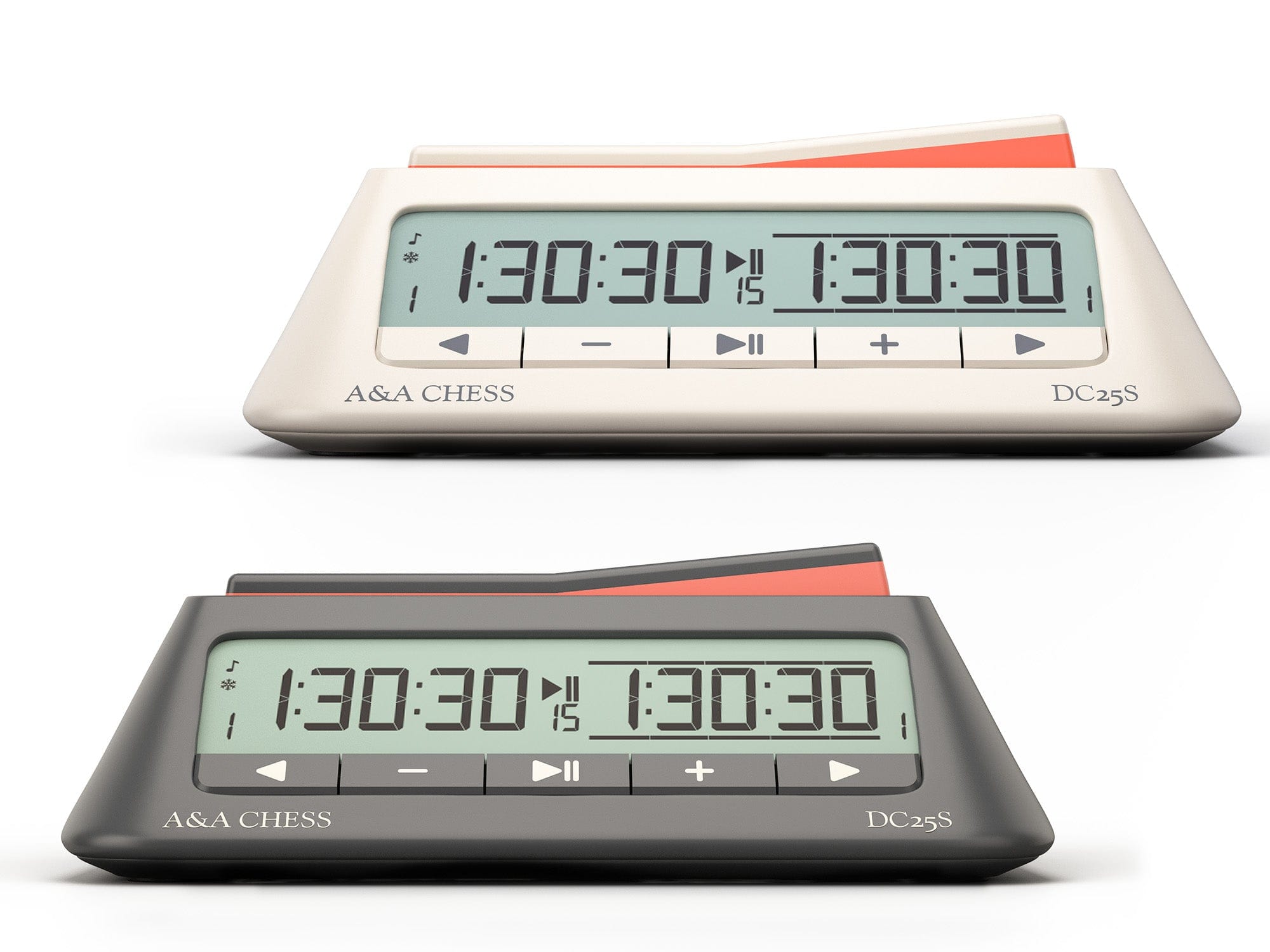
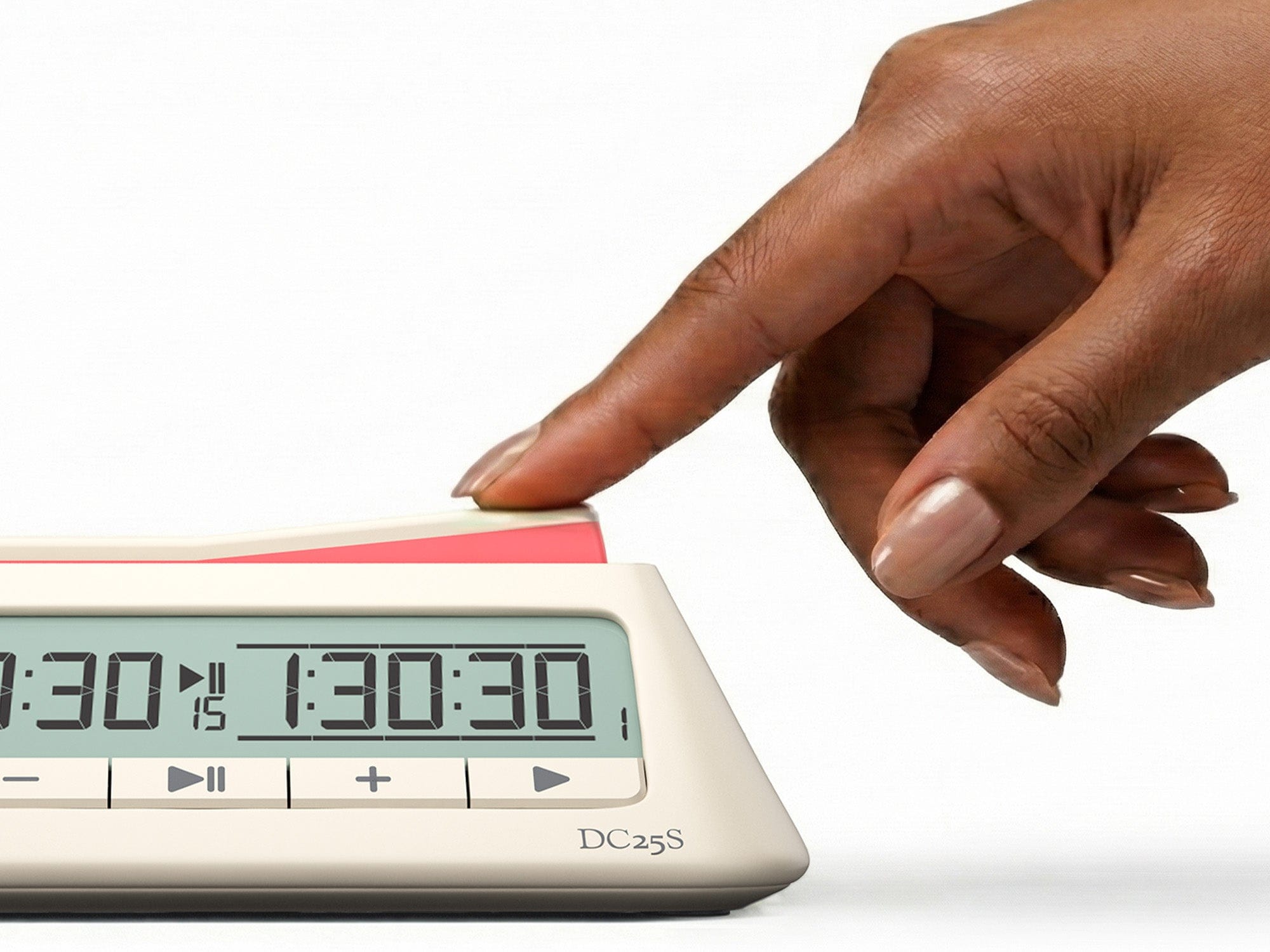
- Decision-making under pressure: The chess clock teaches calm, rational choices with limited time — a skill valuable in business and daily life.
- Planning and foresight: Players learn to think several moves ahead, anticipating consequences. This forward-thinking habit extends beyond the board.
- Creativity: Chess requires finding novel solutions to unfamiliar positions. Each game is unique, encouraging creative problem-solving.
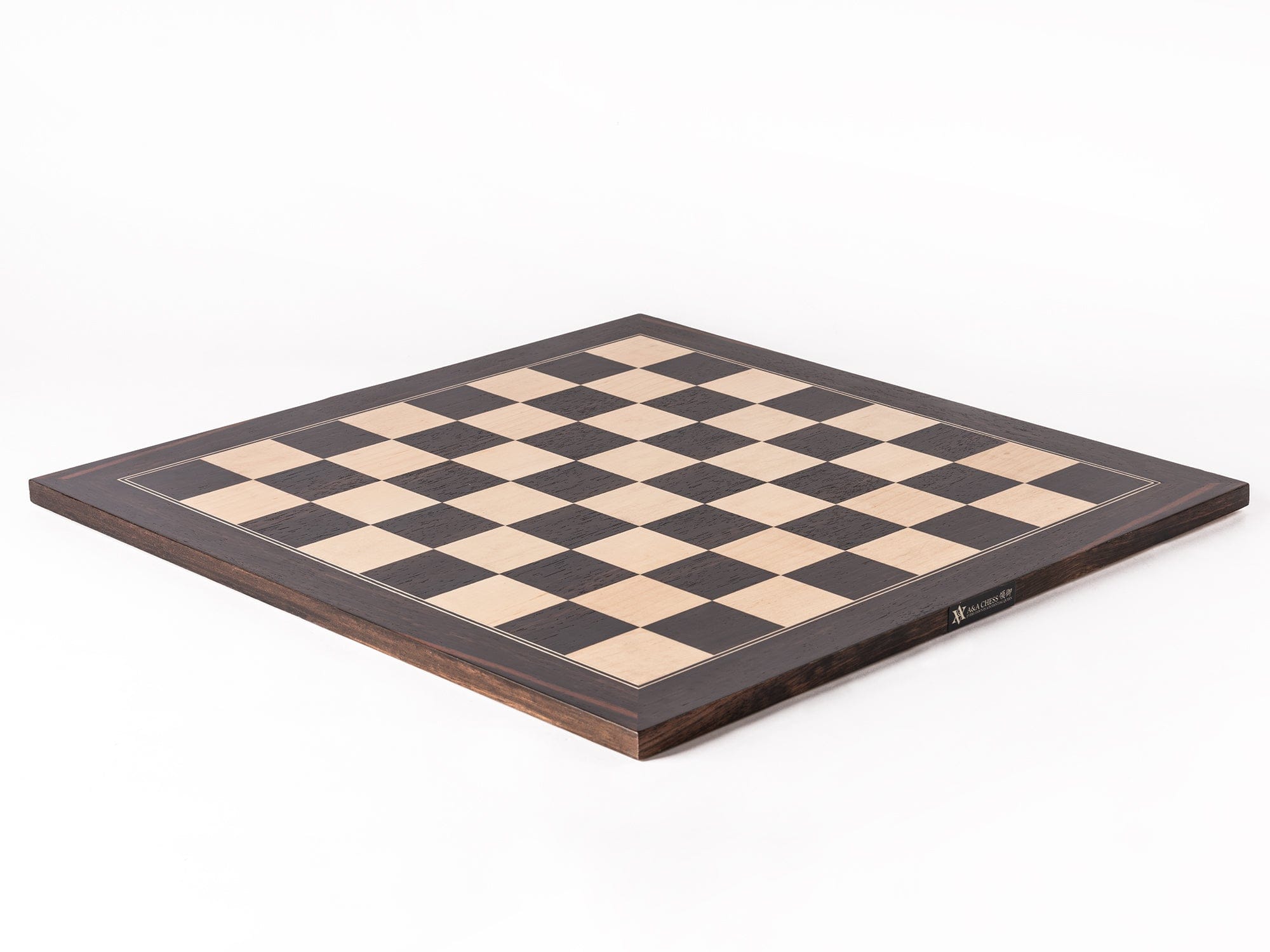
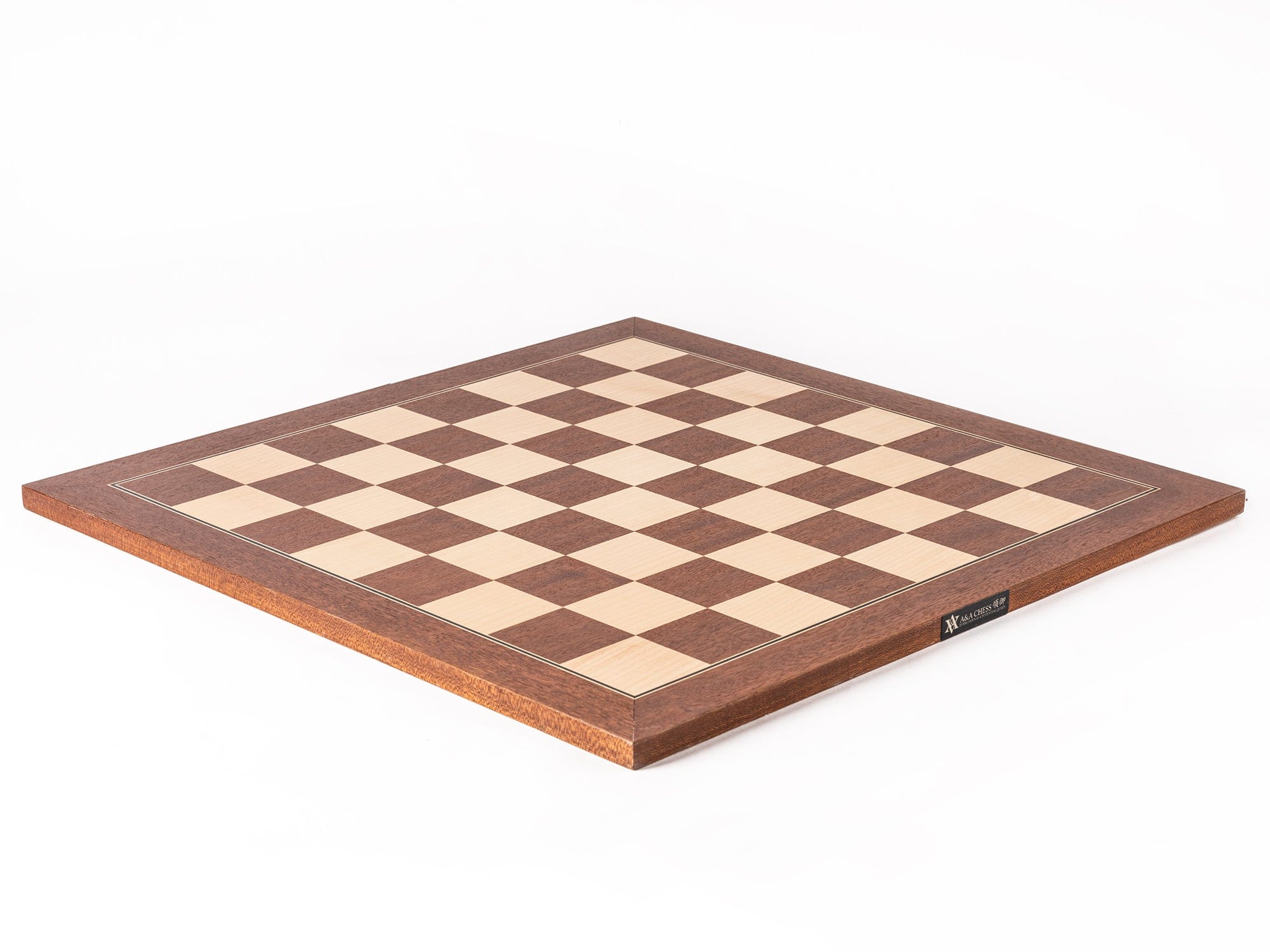
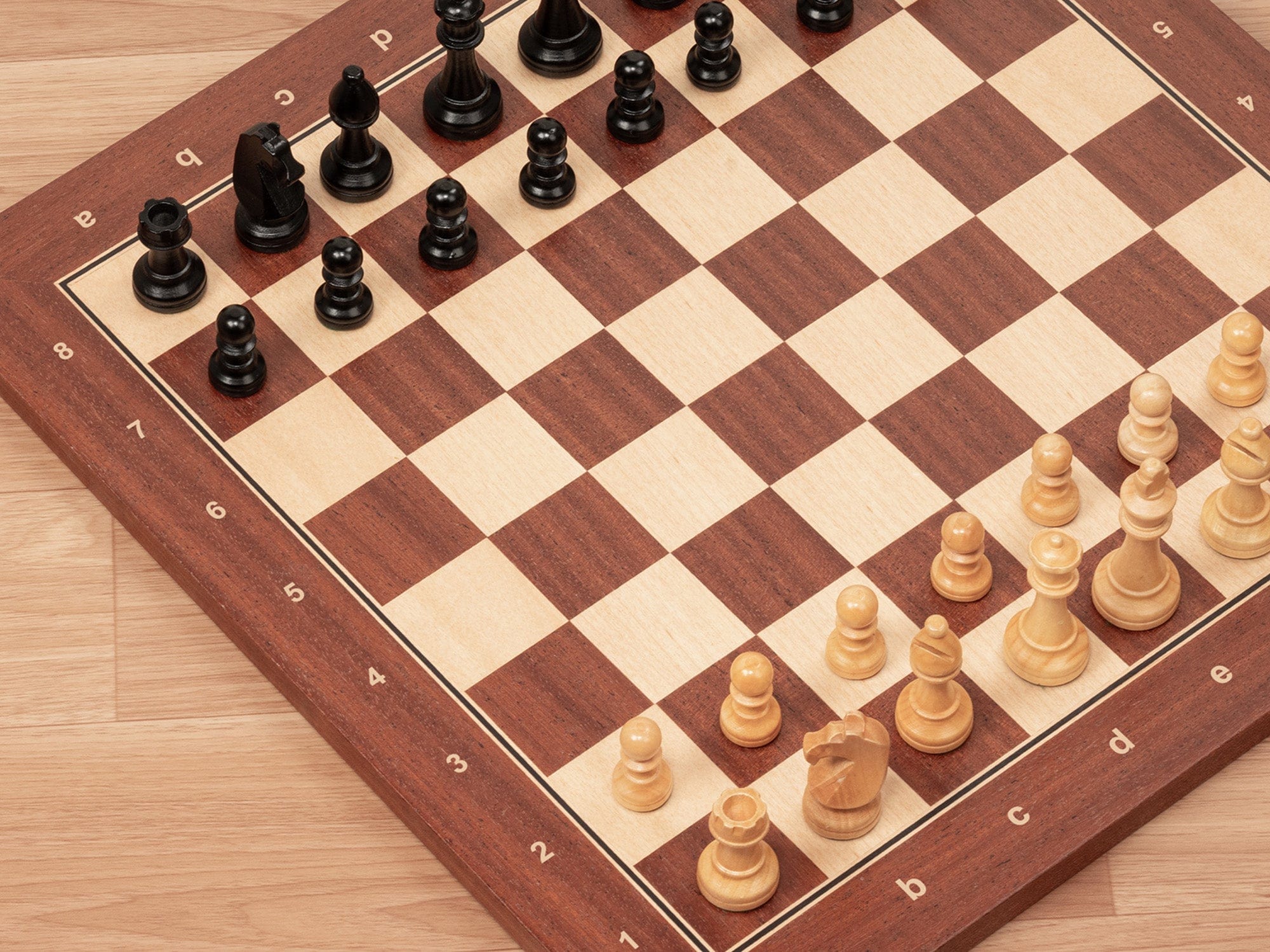
A quality board like our mahogany inlaid board makes the daily practice ritual something to look forward to. Research shows that consistent, focused practice produces the best cognitive benefits — 15-30 minutes a day is enough.
Chess for Children: Building Mental Skills
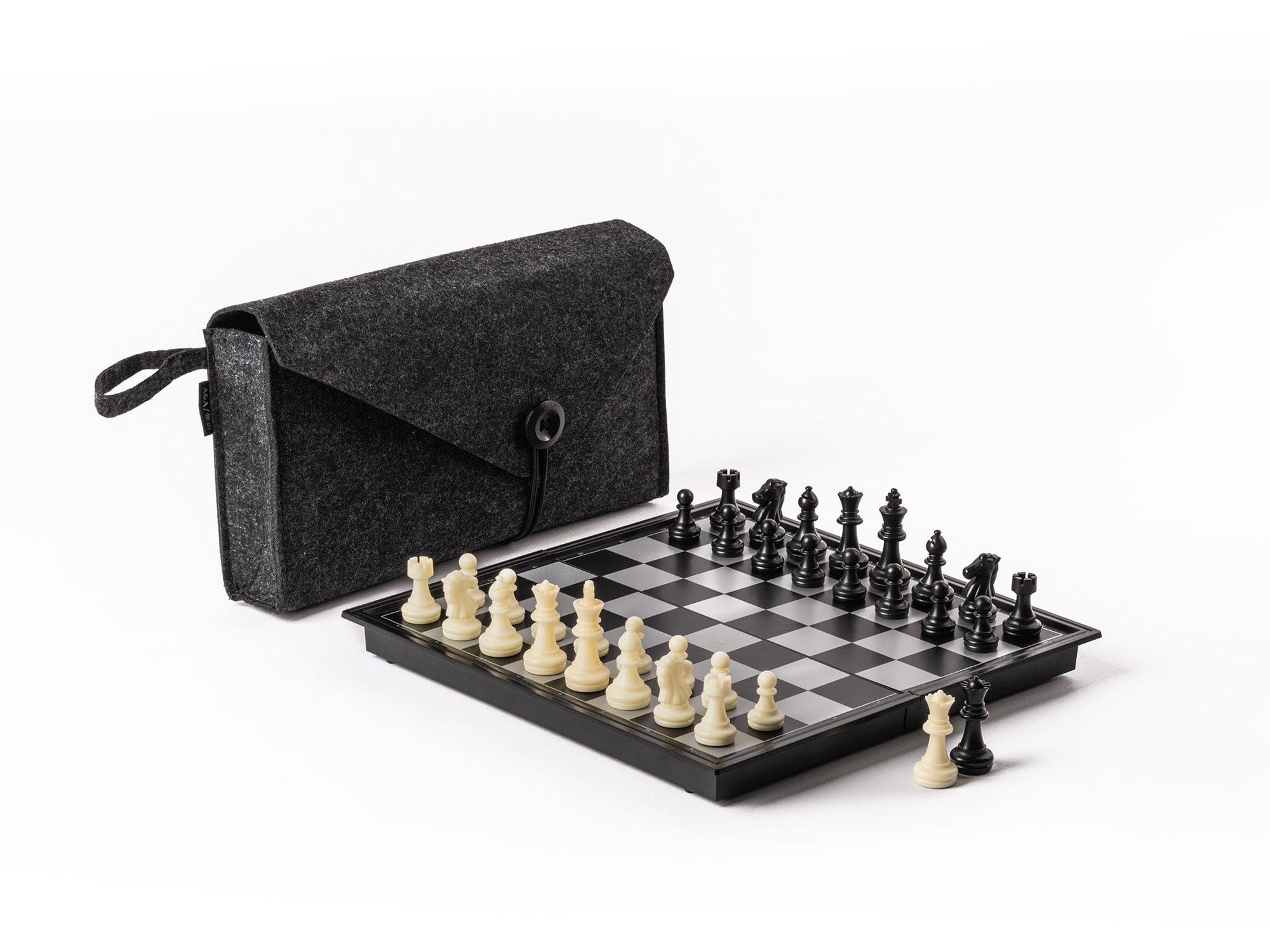
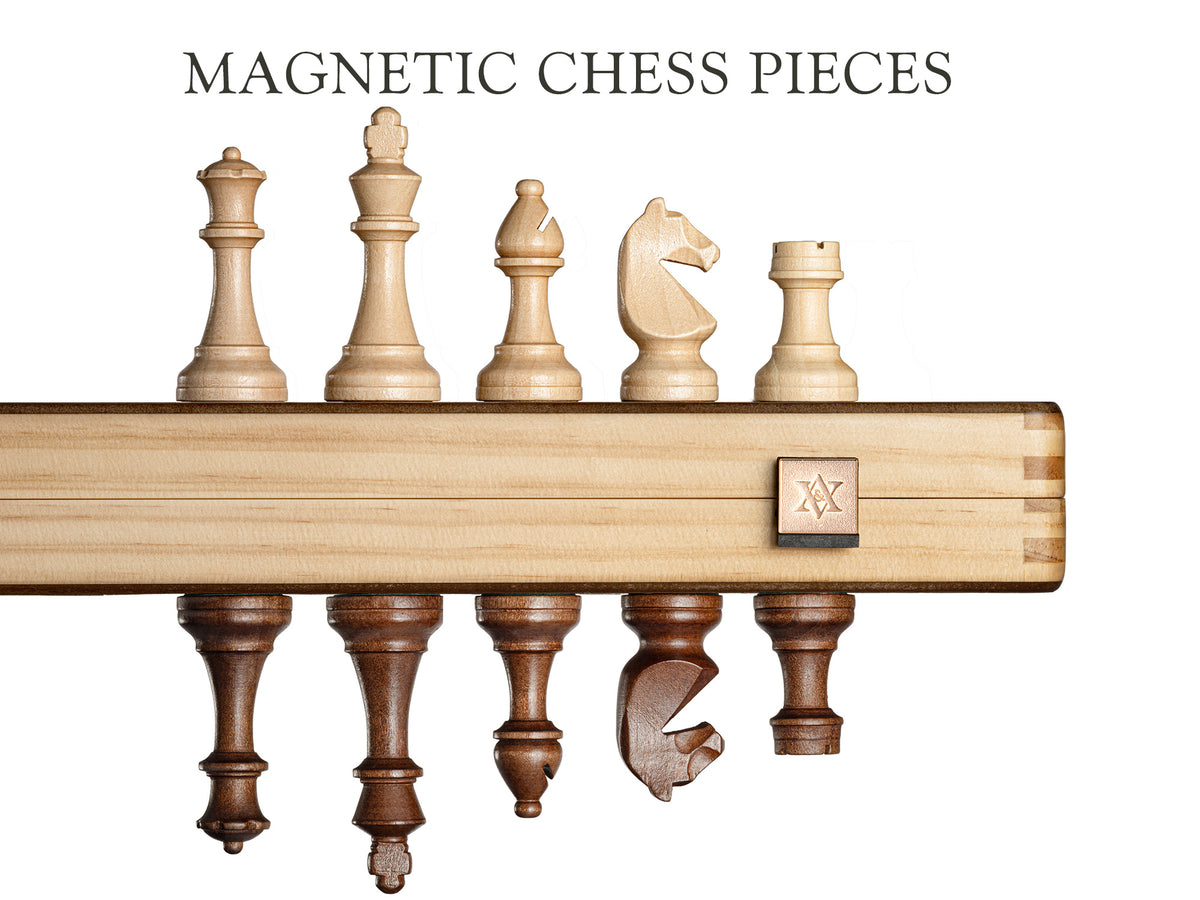
Schools that introduce chess report improved math scores, better classroom behavior, and higher graduation rates. Chess teaches children to: think before acting, accept losses gracefully, and learn from mistakes. These are life skills that benefit them in every subject and throughout adulthood. A magnetic chess and checkers set is perfect for kids — durable, portable, and frustration-free.
For young beginners, coordinate stickers like our board coordinate stickers help them learn algebraic notation, a foundational skill for growth. Chess also teaches patience — children learn that impulsive moves lead to bad outcomes, and careful consideration pays off. Schools with chess programs report that children who play chess show better self-discipline and emotional regulation.
Chess for Adults: Lifelong Brain Health
It is never too late to start. Adult beginners often see improvements in strategic thinking, patience, and stress management within months. The game provides a screen-free mental break, a social activity through clubs, and a lifelong hobby. Our intermediate series offers the perfect board for adults starting out.
Beyond cognitive benefits, research suggests that learning new complex skills like chess in adulthood may help maintain brain health and delay cognitive decline. Chess is a form of active learning that creates new neural connections. Many adults also use chess as a mindfulness practice — focusing entirely on the board becomes a form of active meditation that reduces stress.
The Chess Mindset: Emotional Resilience
Beyond cognitive benefits, chess builds emotional resilience. Every game contains losses and mistakes. Learning to analyze what went wrong without self-criticism is a skill that extends far beyond the board. Players develop patience, humility, and the confidence to make decisions under uncertainty. Chess teaches that losses are not failures — they are data points for improvement.
Track your progress with a chess scorebook, and review your games like a coach would. Over months and years, you will see not just tactical improvement, but a calmer, more focused approach to challenges. The discipline of thinking before acting transfers to work, relationships, and decision-making. This is the often-overlooked psychological benefit of chess: it builds mental toughness.
How to Start Playing Chess
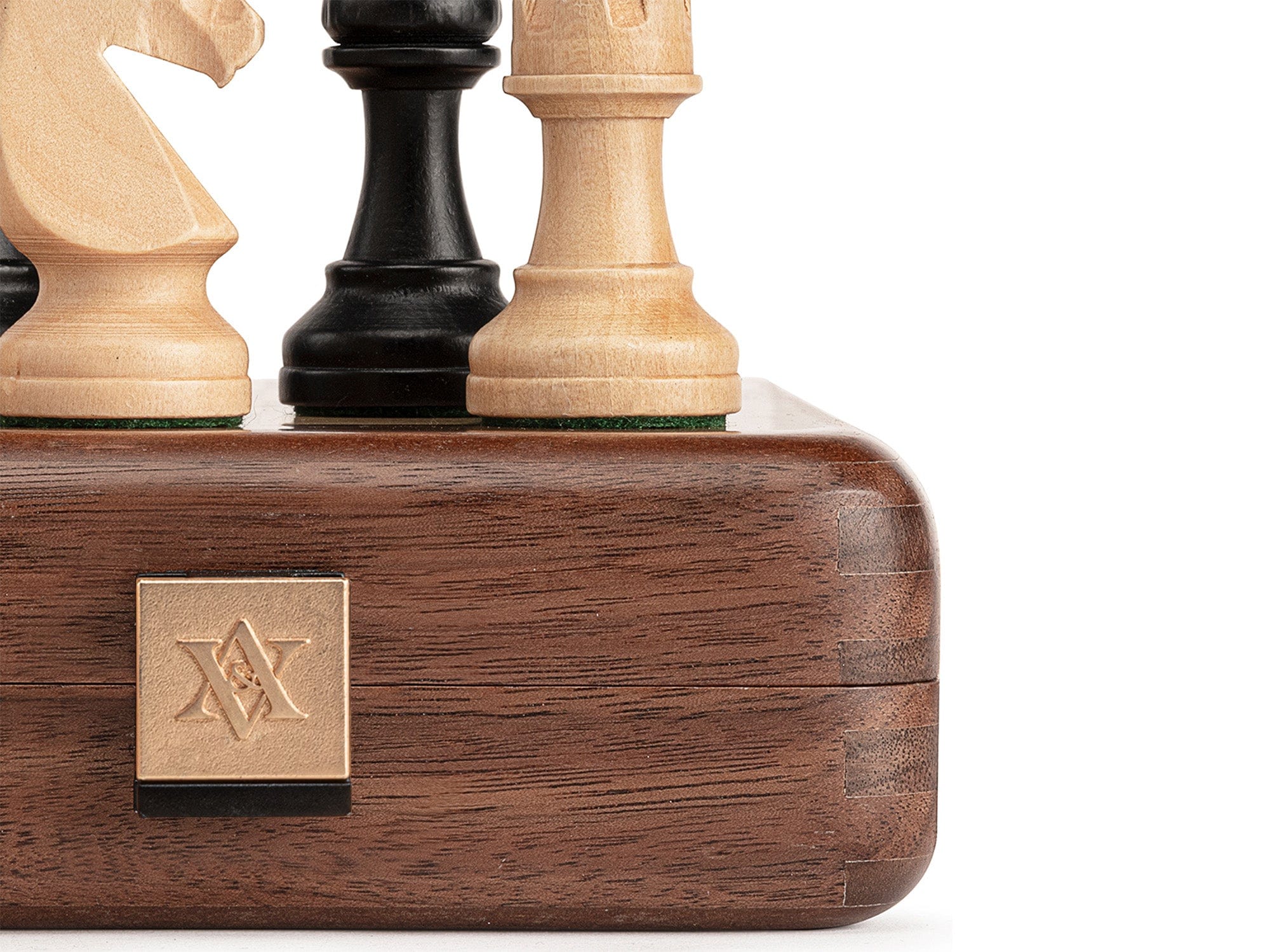
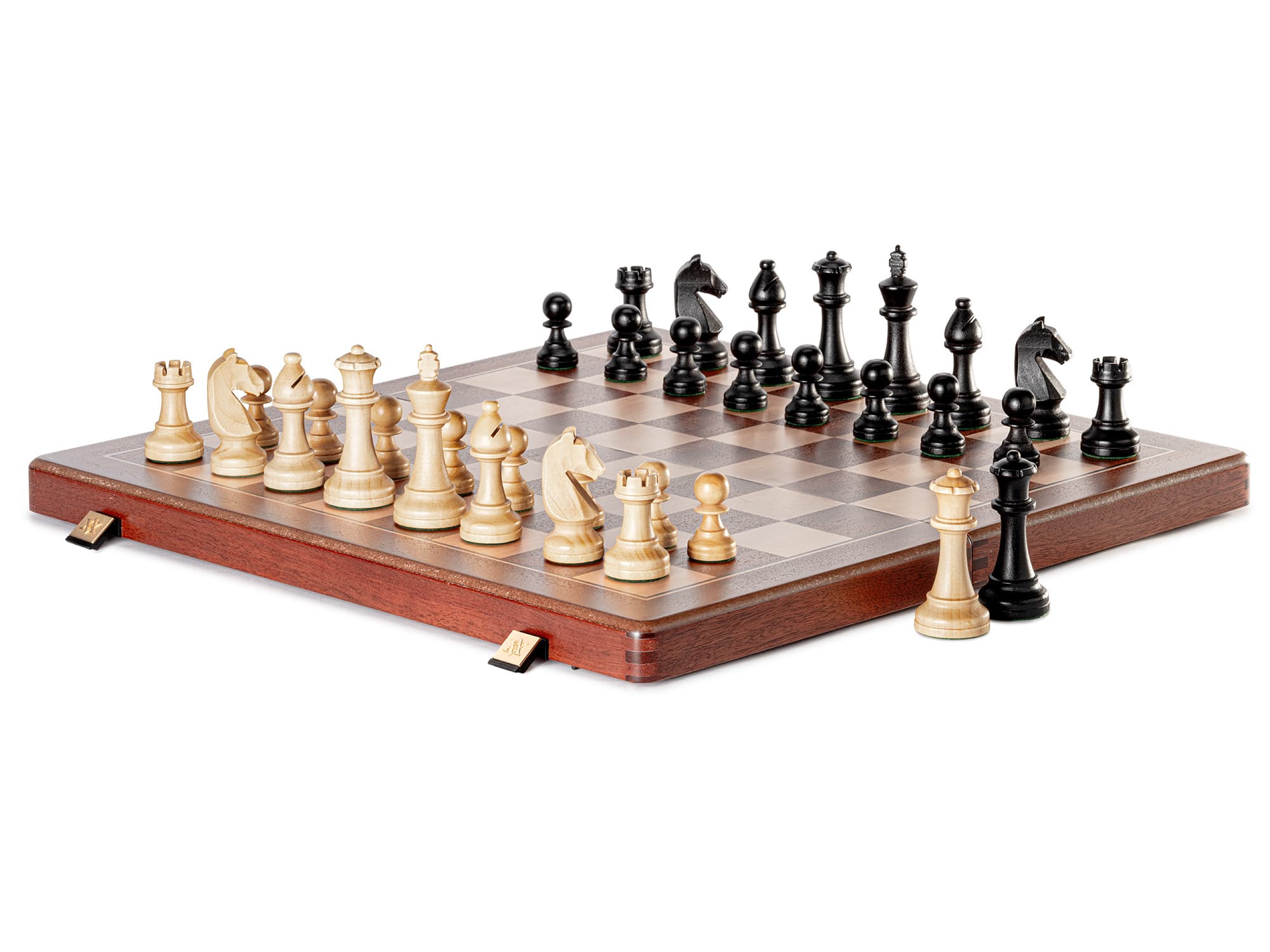
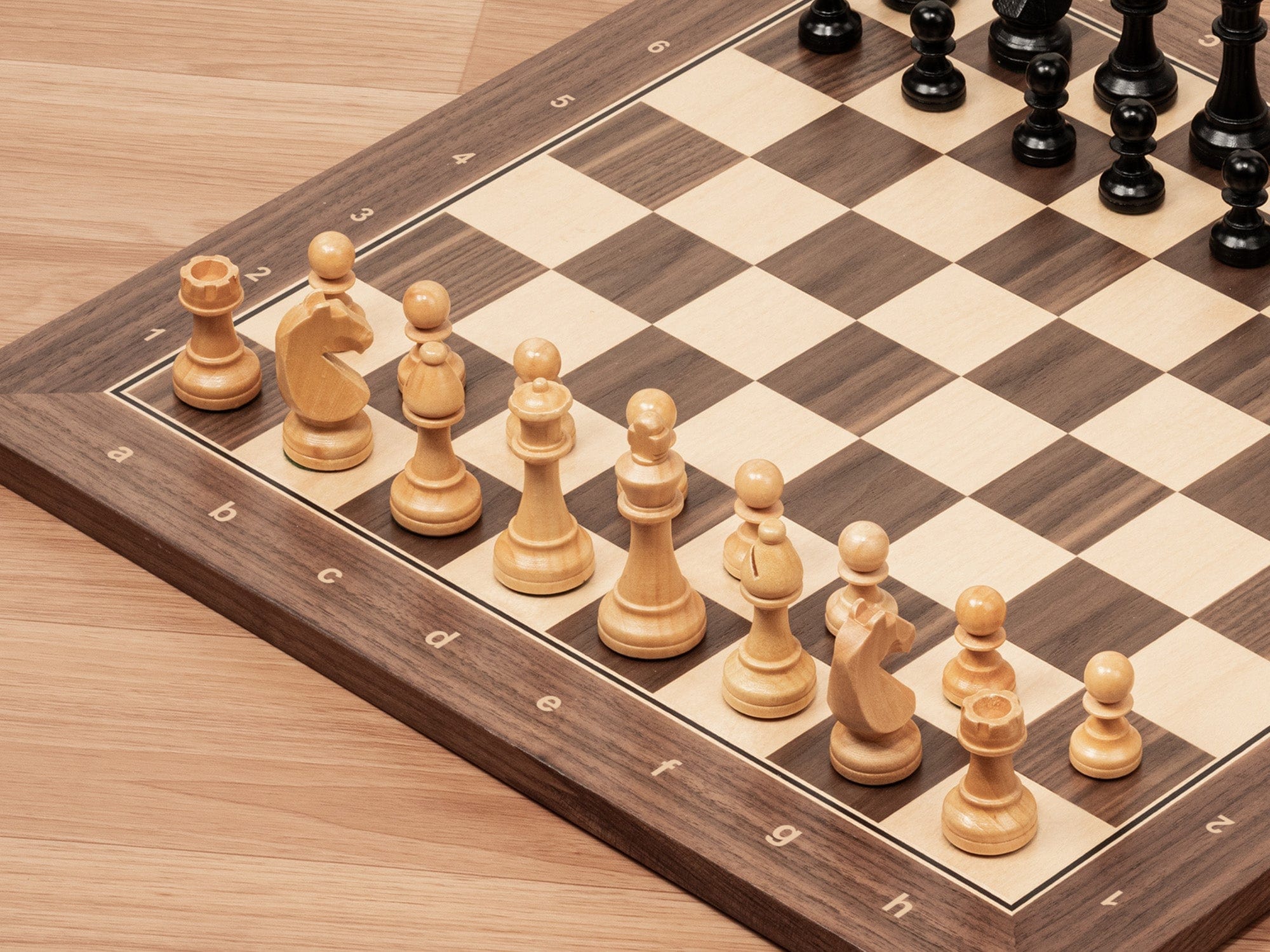
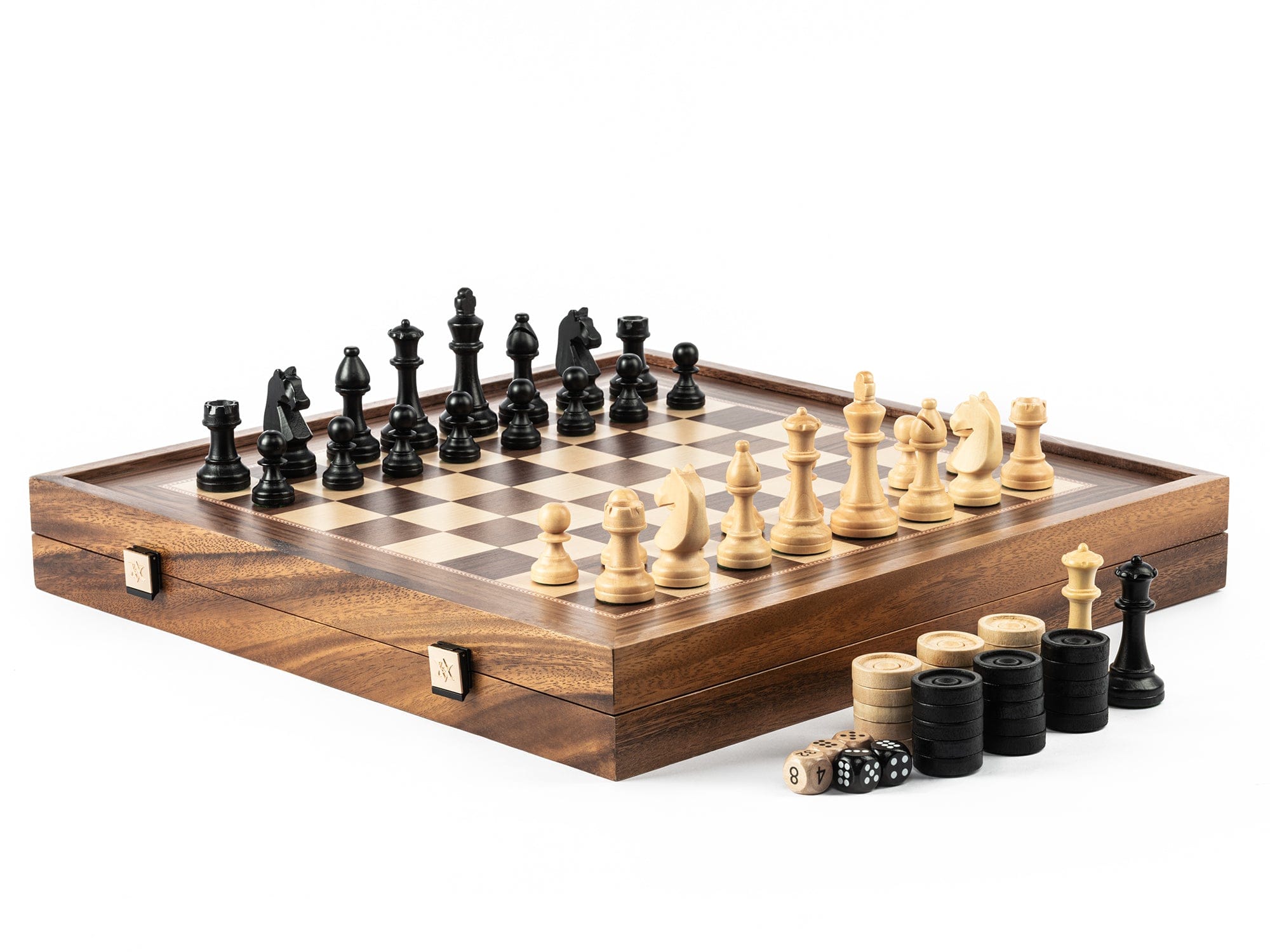
Starting is simple. Get a quality beginner set like our beginner series, learn the basic rules of piece movement, and start playing. There are countless free resources online for learning openings and tactics. Join a local chess club or play online to get regular games. Start with 15-minute games and gradually increase your understanding. The most important thing is consistency — play a little every day, review your games, and you will see improvement within months. A beautiful board like the walnut folding set makes daily practice feel rewarding.
Frequently Asked Questions
Does chess actually make you smarter?
Chess improves specific cognitive skills like problem-solving, pattern recognition, and memory. While it does not raise overall IQ, it strengthens mental abilities that transfer to academics and professional tasks. Research consistently shows benefits for focus, memory, and strategic thinking.
At what age should a child start chess?
Children can begin as early as 5 or 6 with a simple magnetic set. Many schools introduce chess in first or second grade. The magnetic feature keeps the game frustration-free while young children learn.
Can adults learn chess if they did not play as kids?
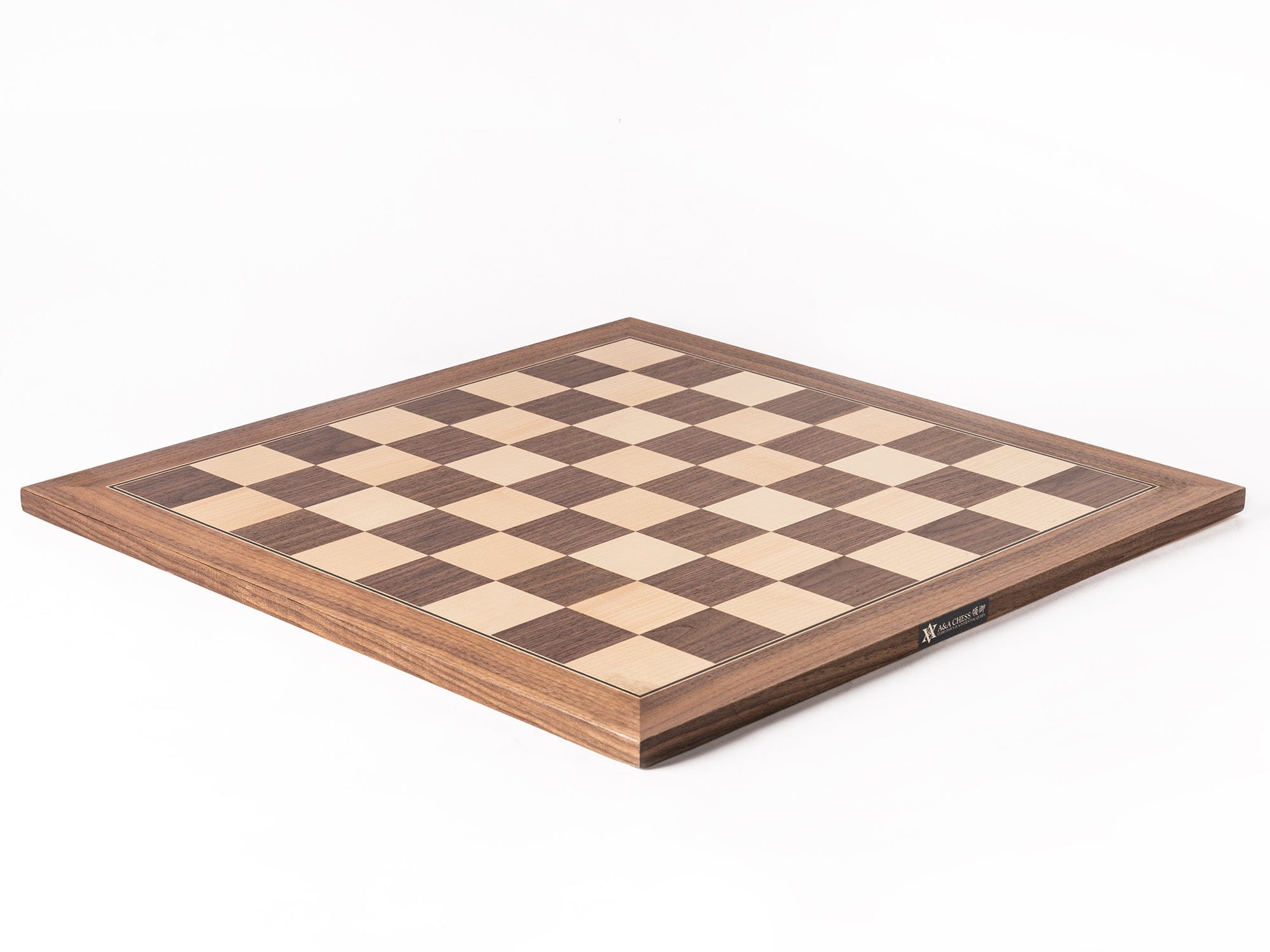
Absolutely. Many adults reach competitive levels starting in their 30s, 40s, or later. The key is consistent practice and a quality board like our walnut folding set. Adults often learn faster than children due to stronger reasoning skills.
How much should I play to see benefits?
Even 15-30 minutes a day, several times a week, produces measurable cognitive benefits. The important thing is regular, focused practice. Short daily sessions are more effective than occasional marathon sessions.
Is chess good for mental health?
Yes. Chess provides a focused, screen-free activity that reduces stress through mindful engagement. It builds emotional resilience by teaching players to handle losses gracefully and learn from mistakes. Many players find it meditative.




Dejar un comentario
Este sitio está protegido por hCaptcha y se aplican la Política de privacidad de hCaptcha y los Términos del servicio.