

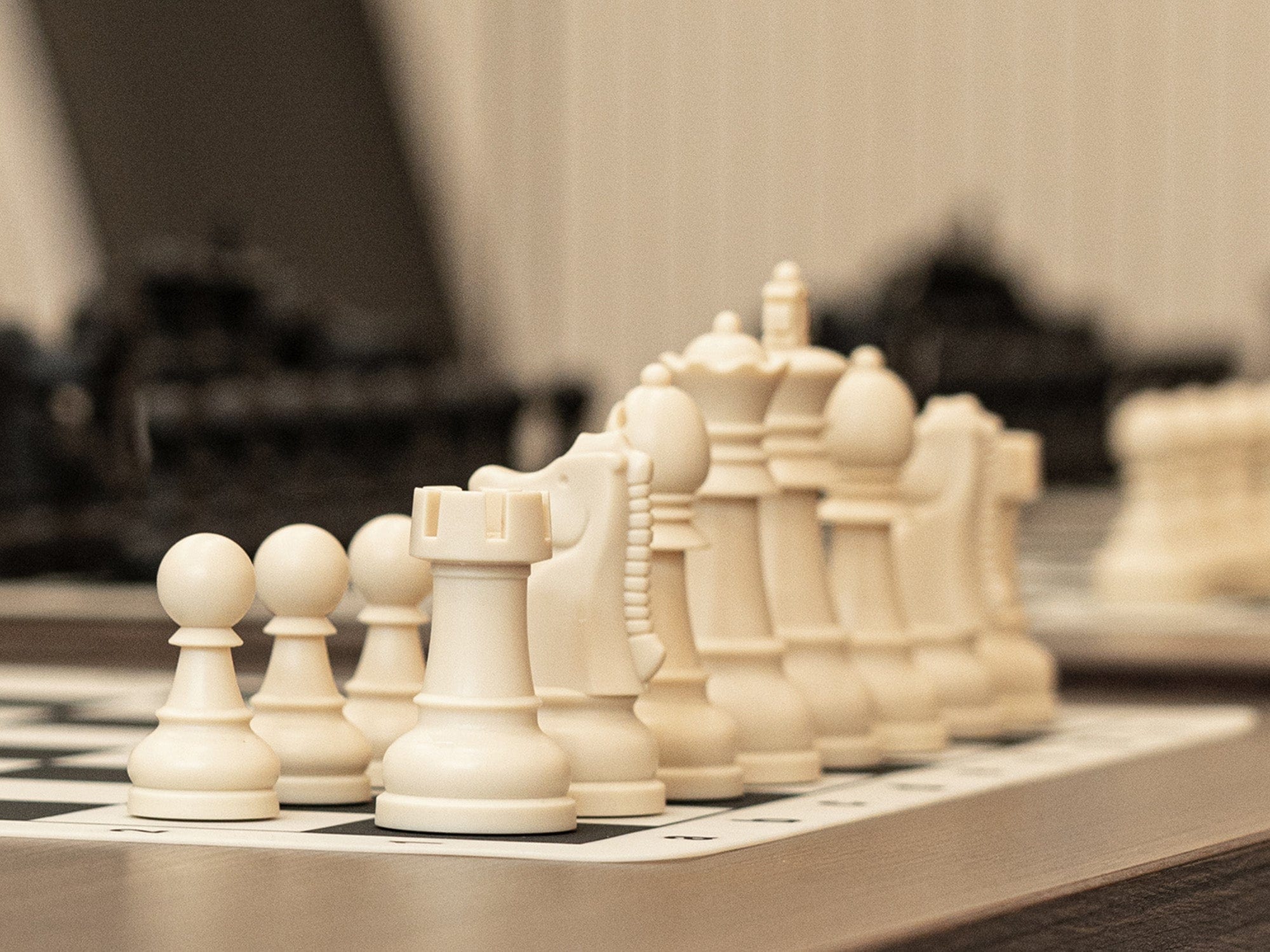






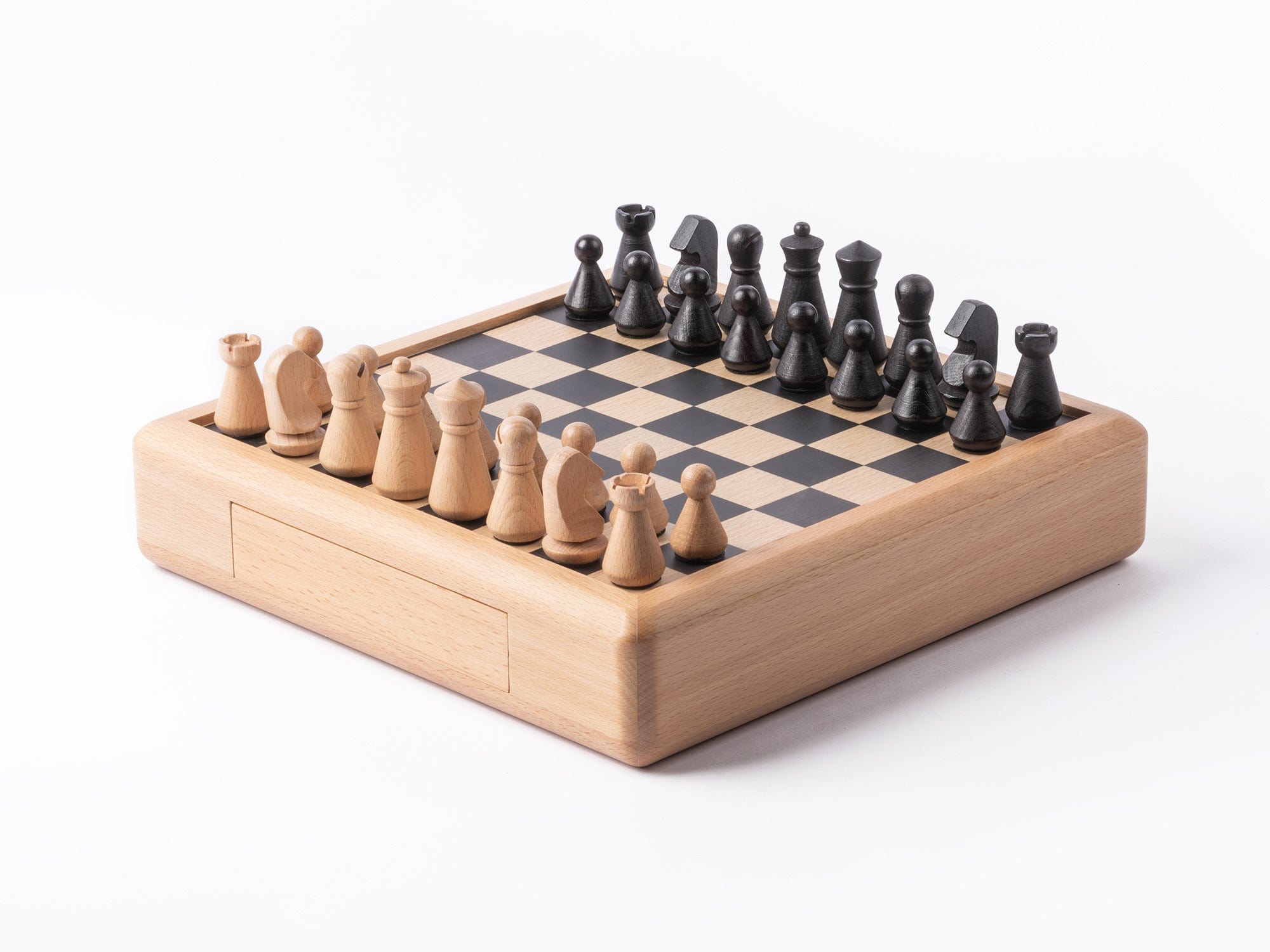
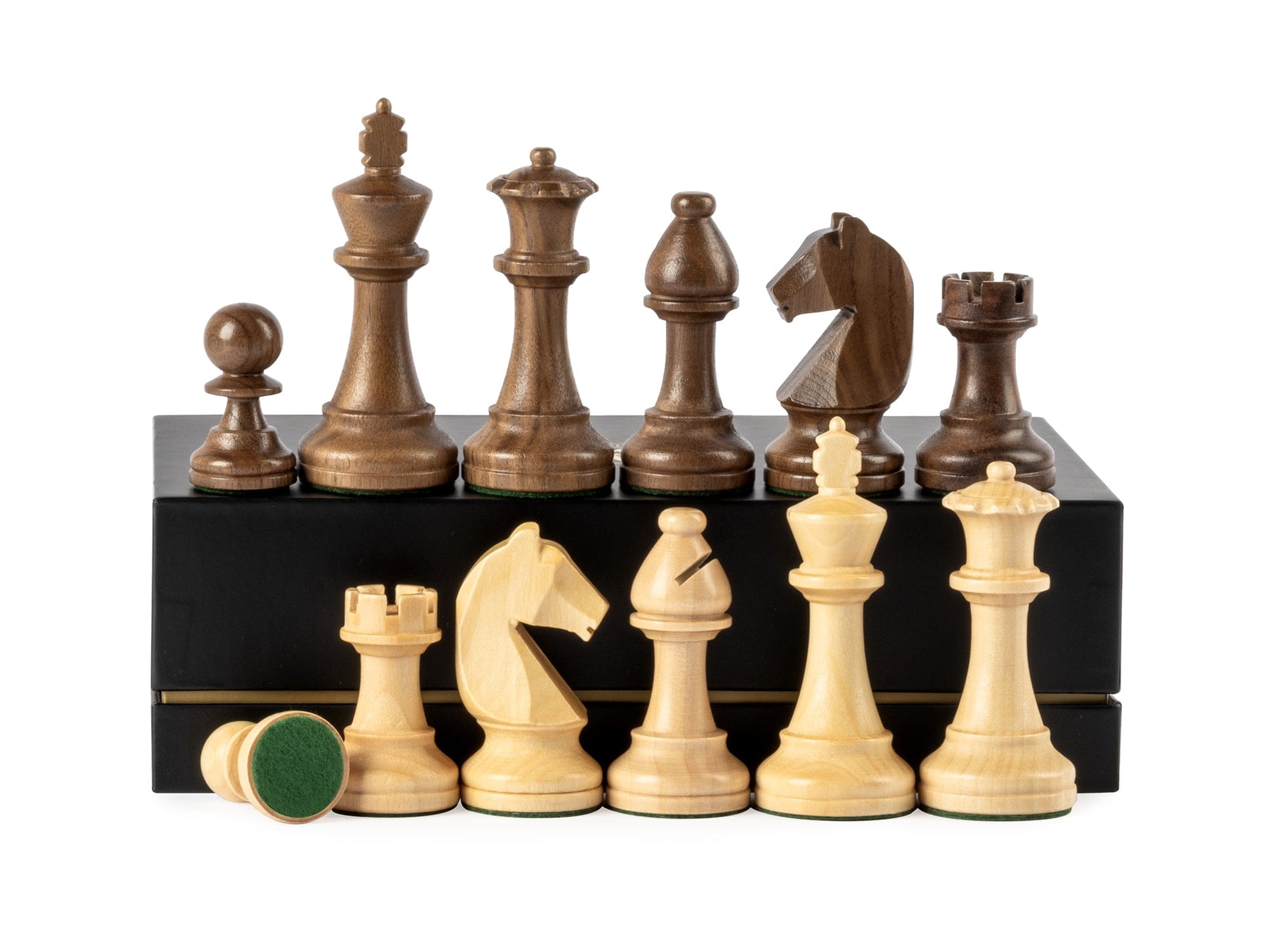
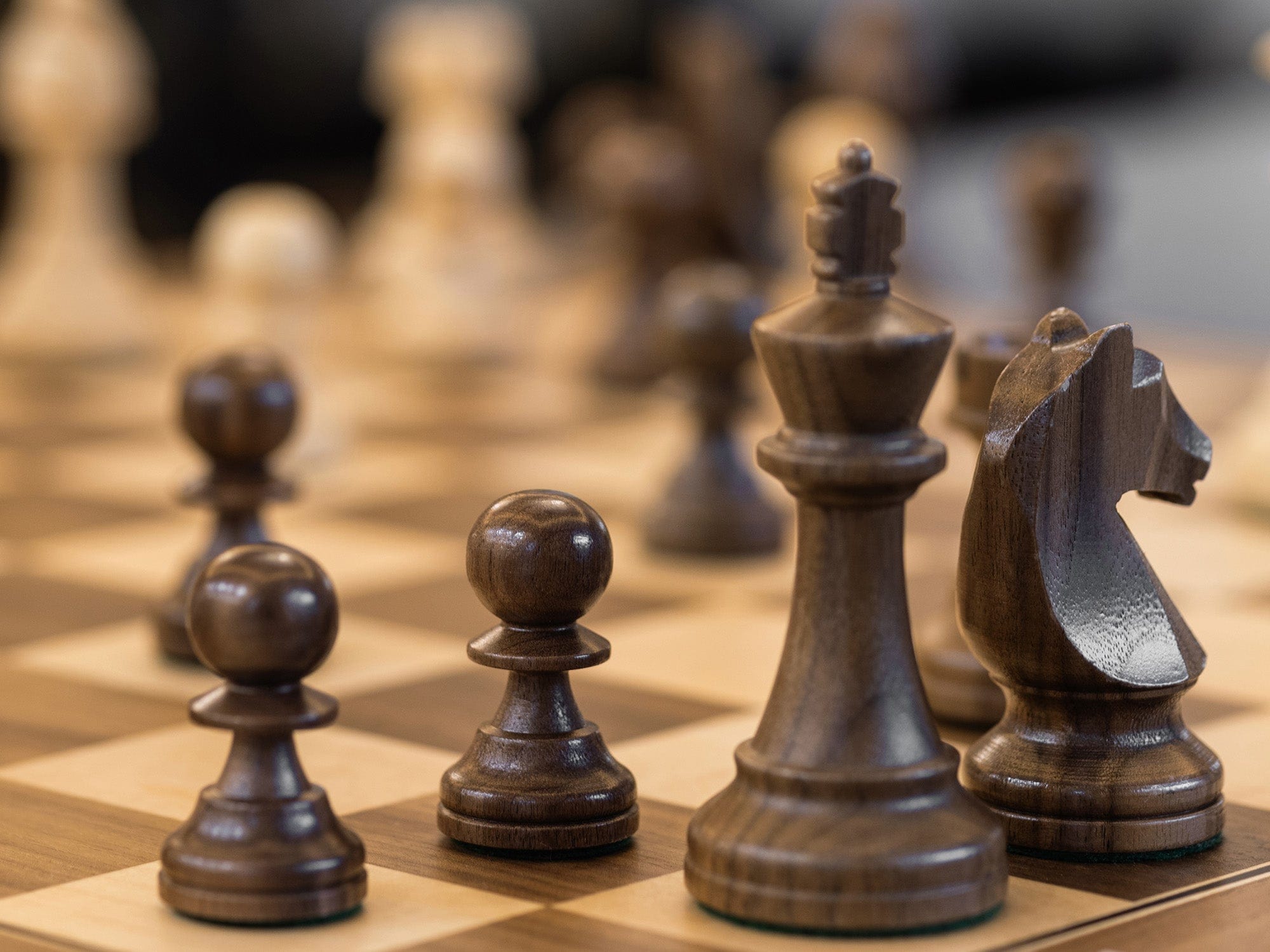

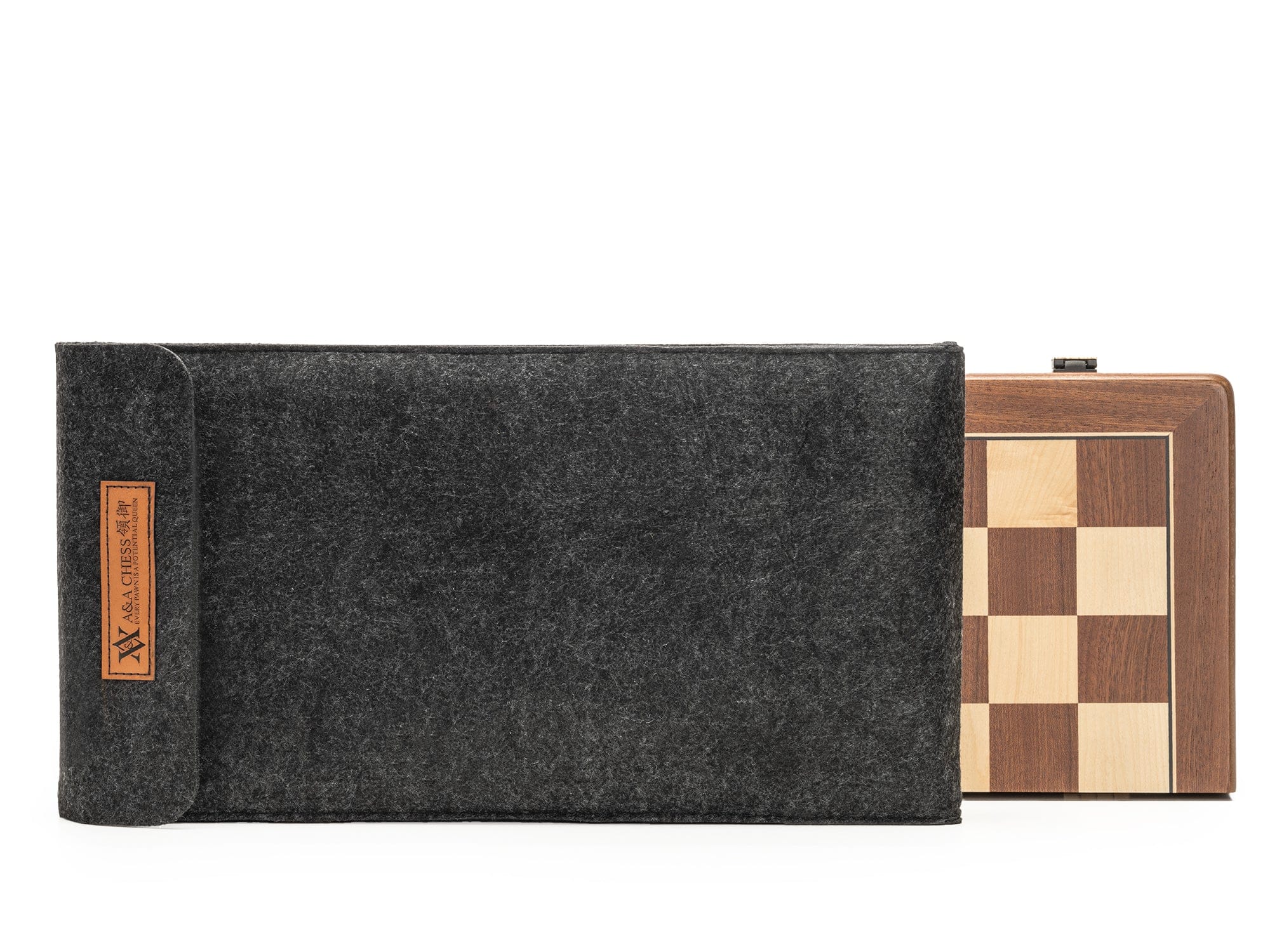
Chess has experienced a remarkable resurgence worldwide. Thanks to online tournaments, streaming platforms, educational programs, and the popularity of competitive players, millions of people are rediscovering the game.
But chess is more than just a board game.
Researchers, educators, and business leaders have long recognized chess as one of the most effective activities for developing critical thinking, concentration, memory, and problem-solving skills.
Whether you're a student, professional, parent, or competitive player, chess offers lifelong benefits that extend far beyond the board.
In this guide, we'll explore seven proven ways chess can improve your cognitive abilities while recommending the best equipment to maximize your playing experience.
1. Chess Strengthens Critical Thinking Skills

Every move in chess requires evaluation and planning.
Unlike games that rely heavily on luck, chess rewards logical analysis.
Players constantly ask themselves:
-
What is my opponent threatening?
-
What is my best move?
-
What happens three or four moves later?
-
Should I attack or defend?
These thought processes train the brain to analyze situations from multiple perspectives before making decisions.
According to research published by Harvard University, strategic games such as chess encourage analytical thinking and improve decision-making capabilities.
External Reference:
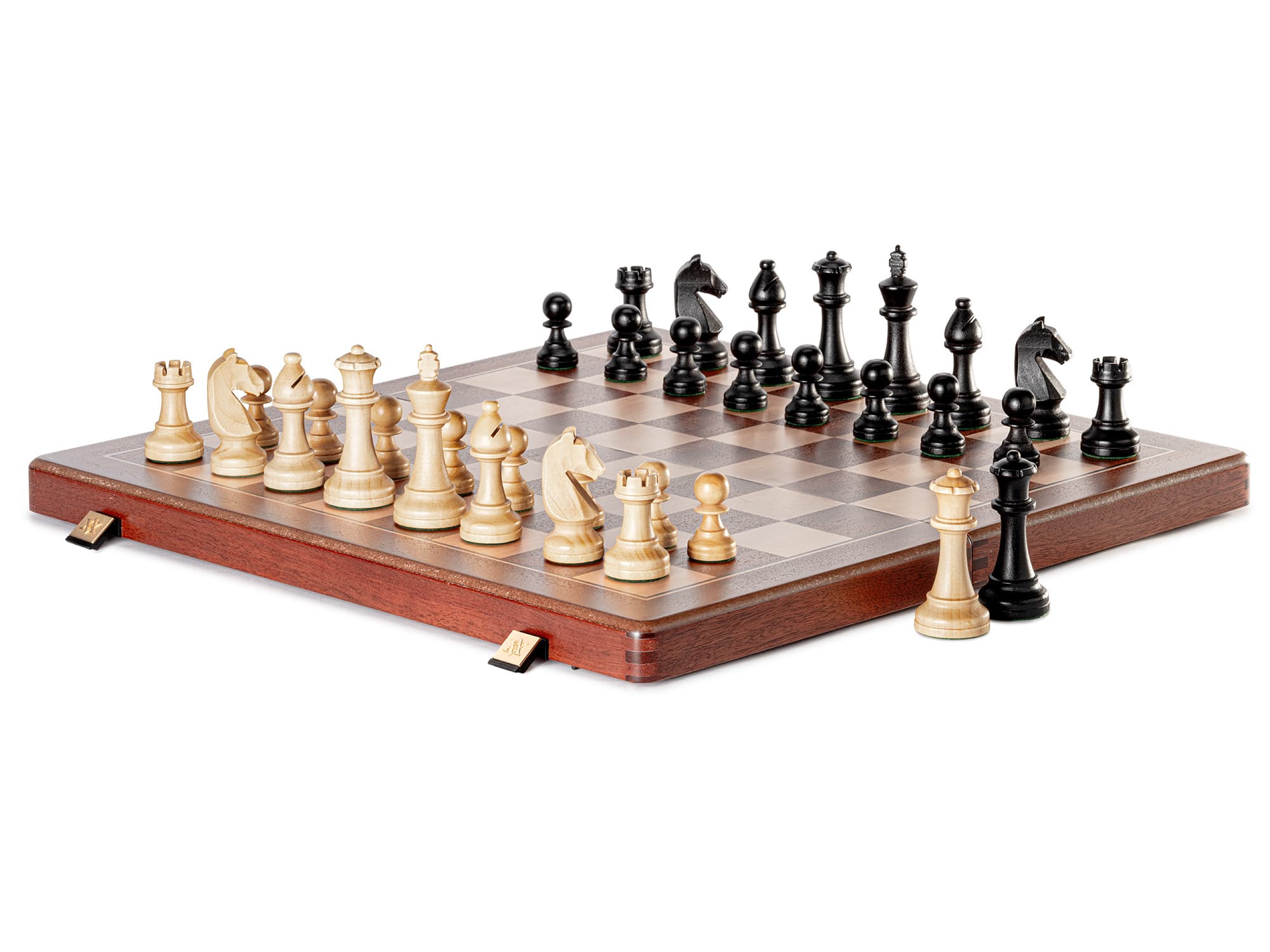
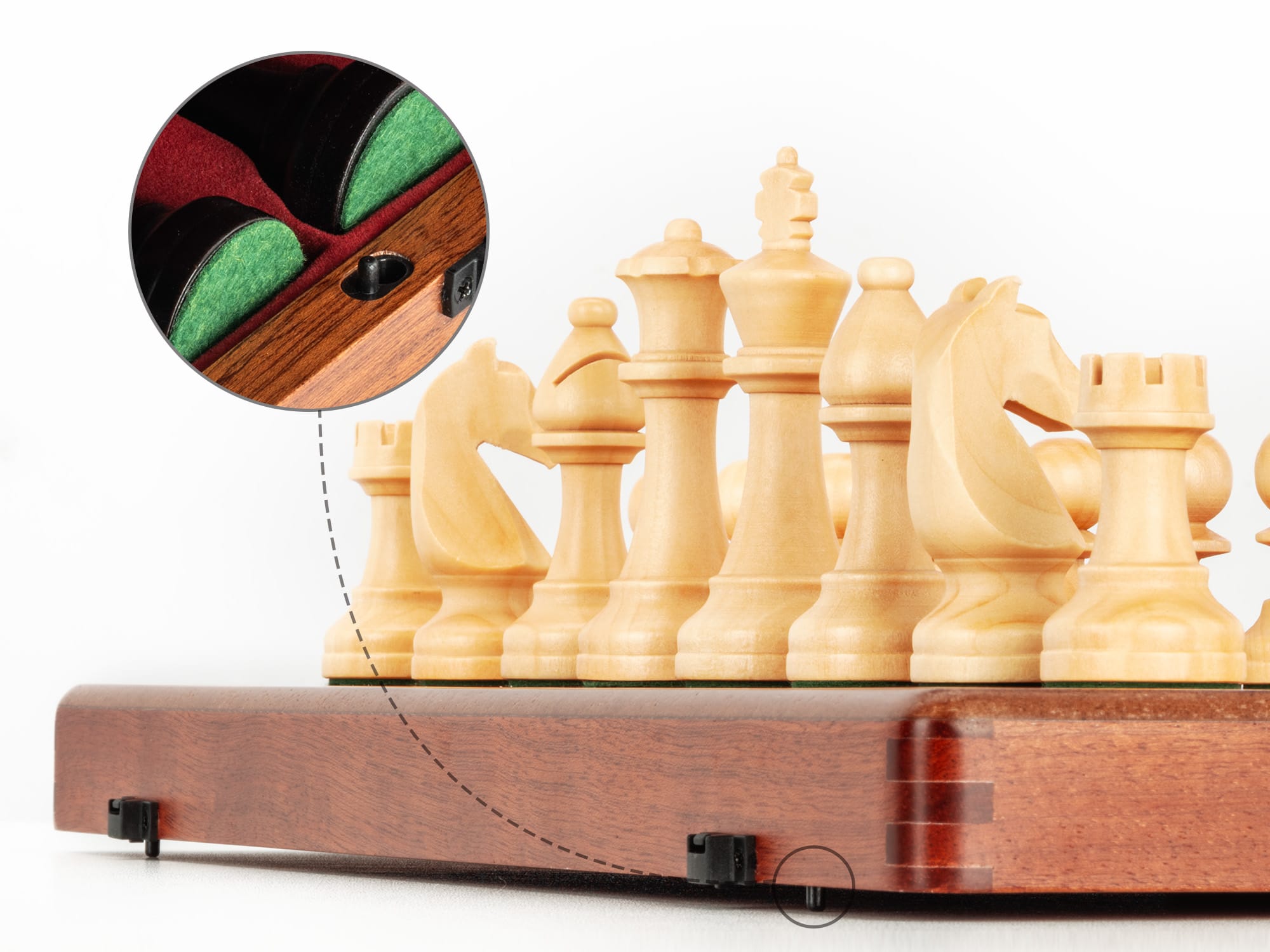
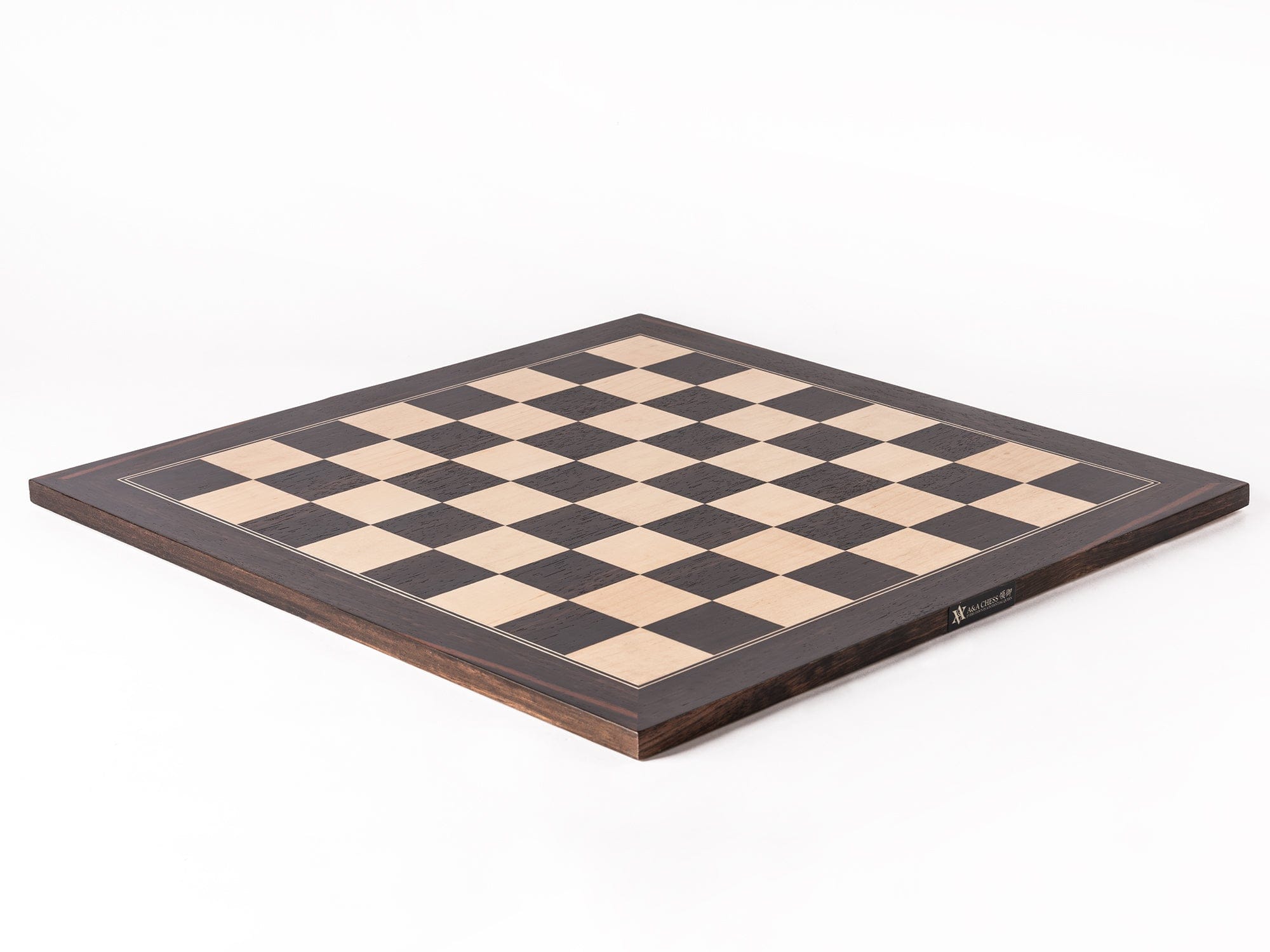
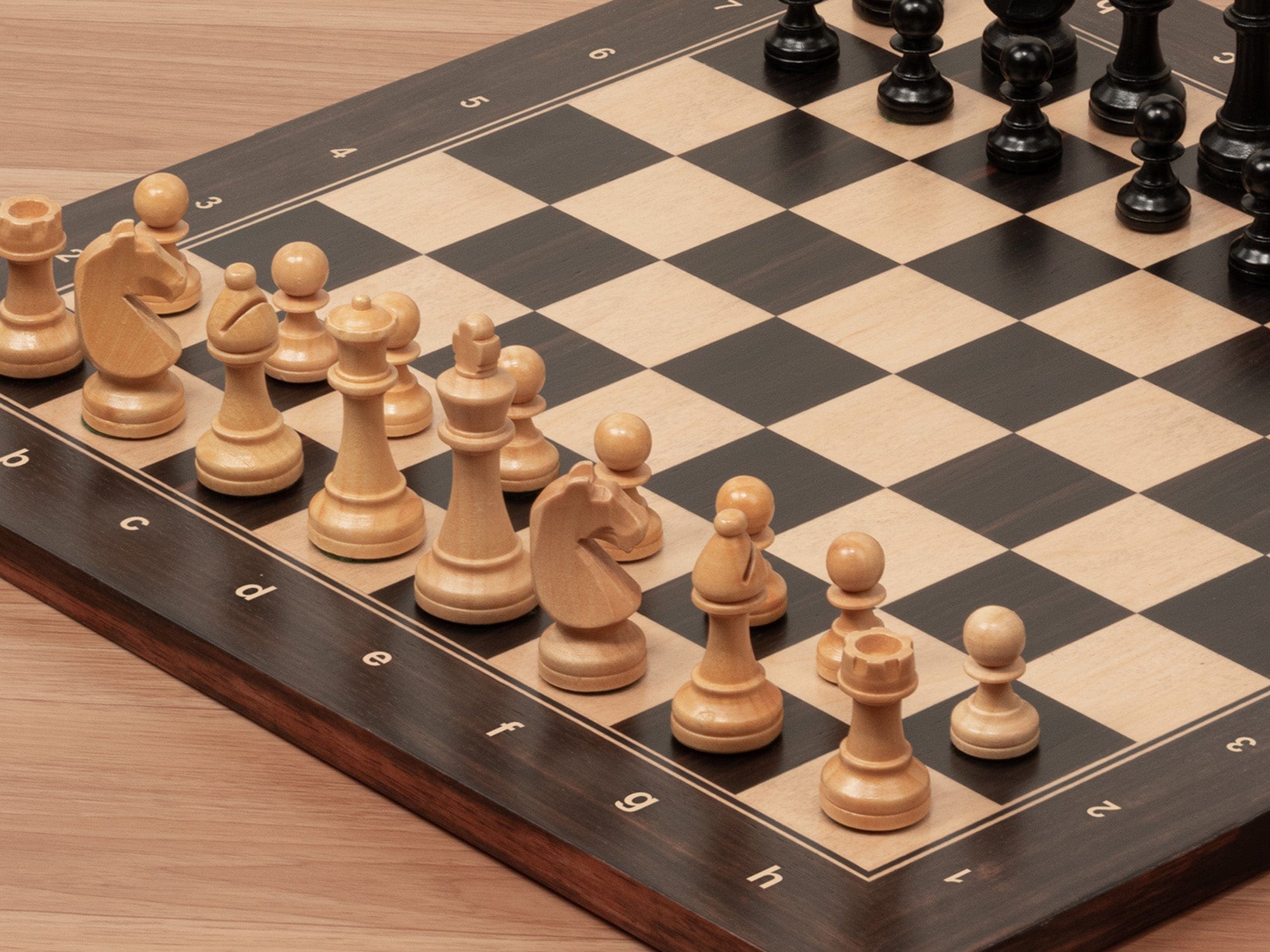
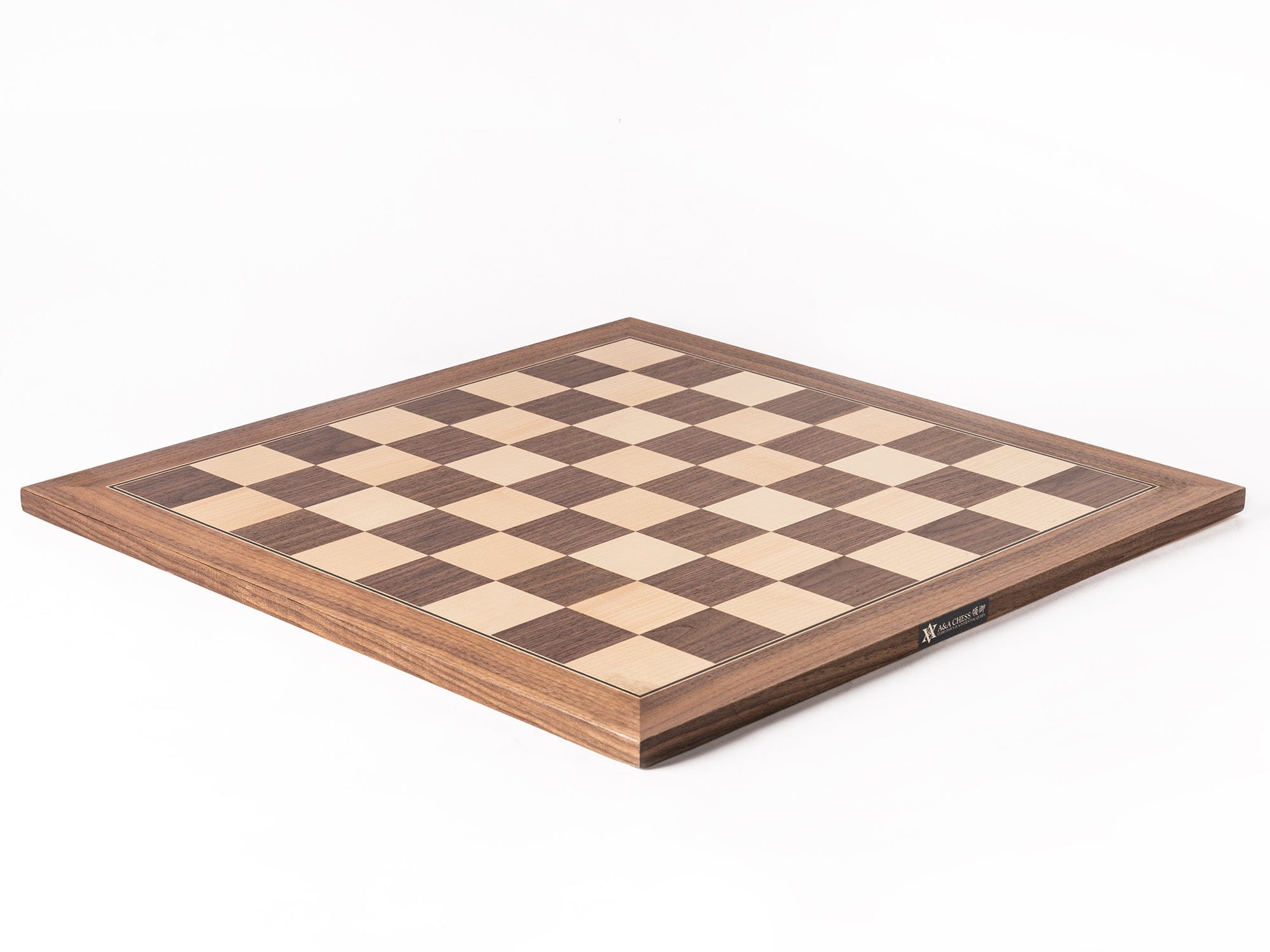
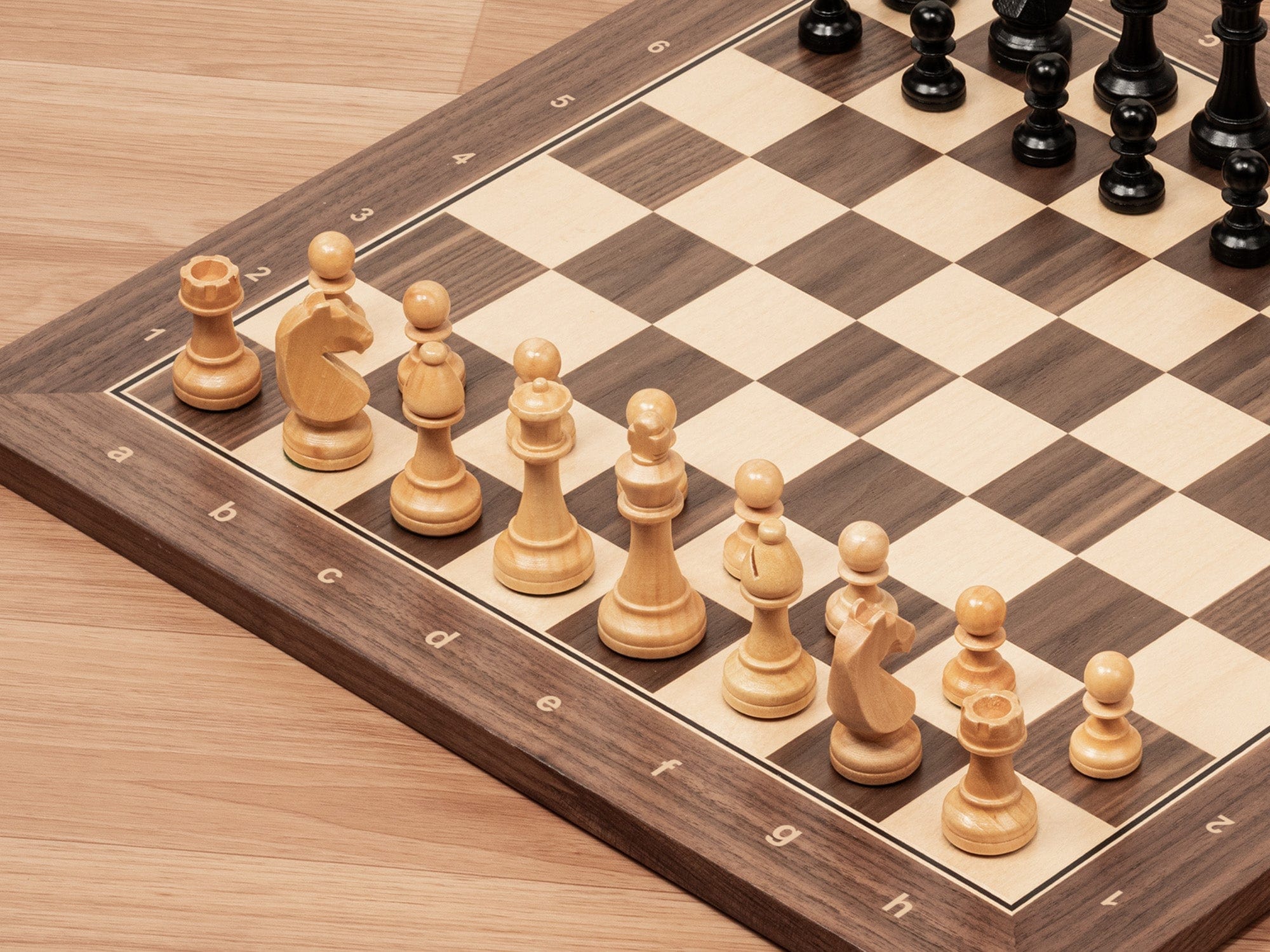
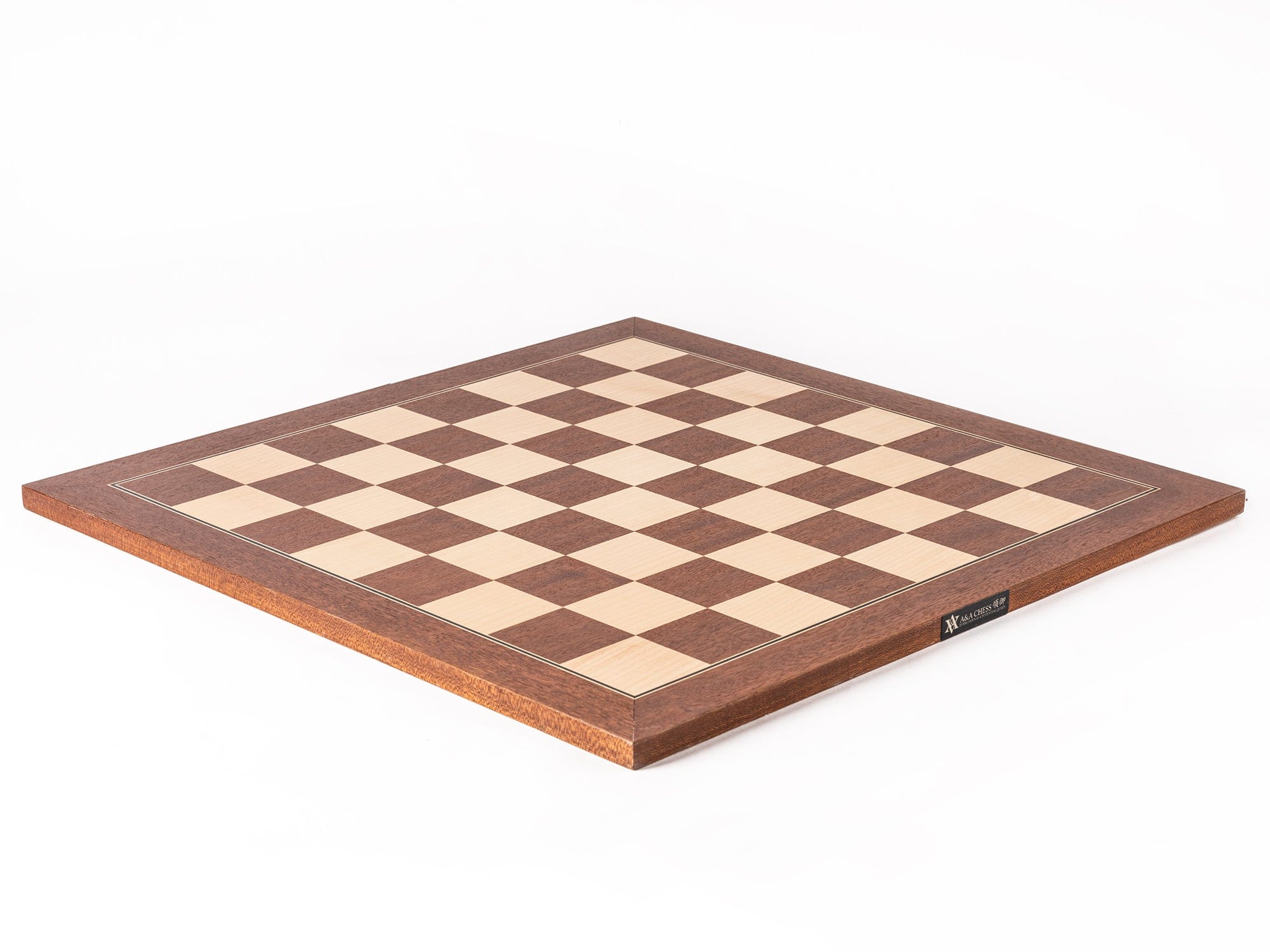
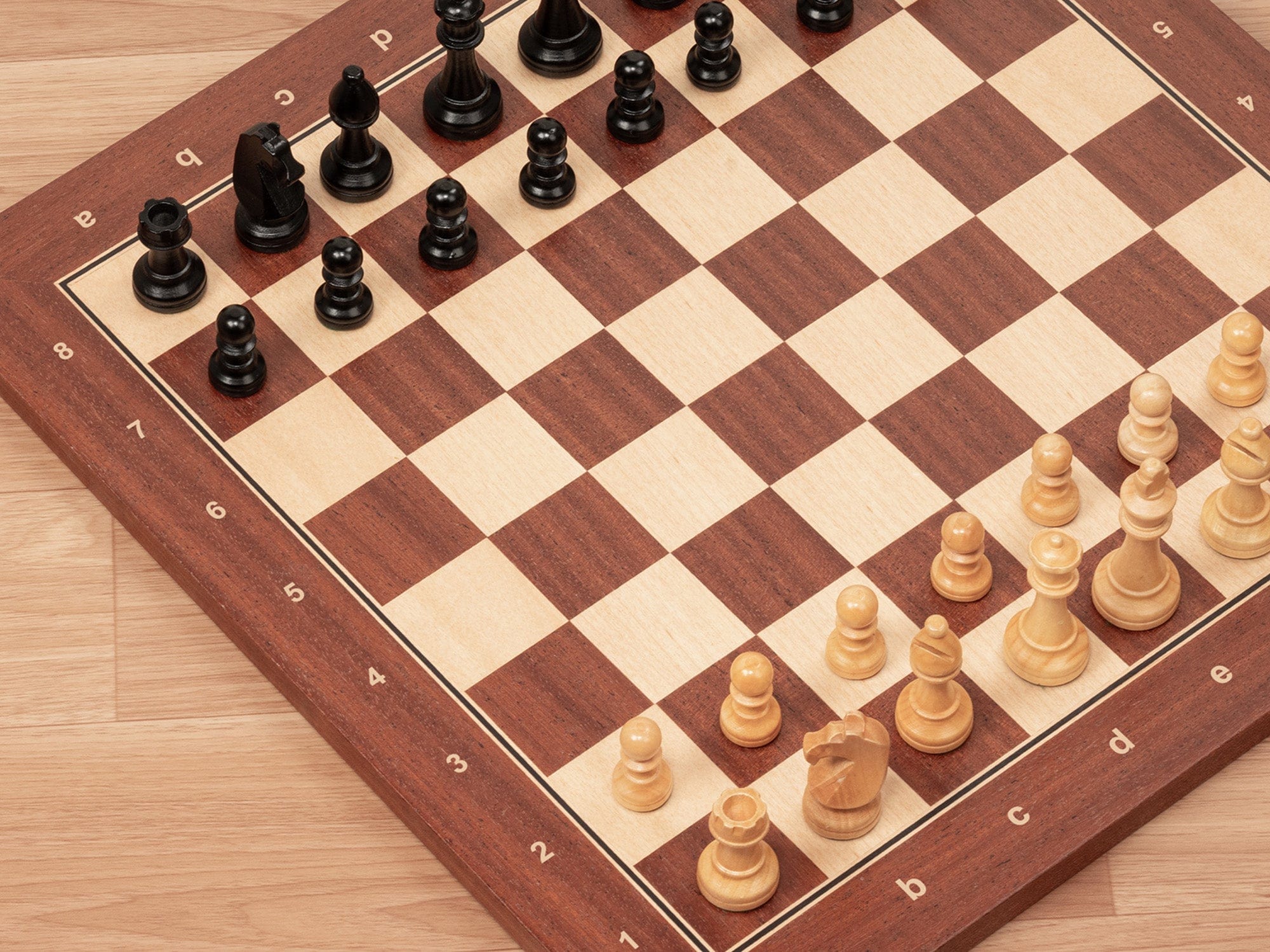
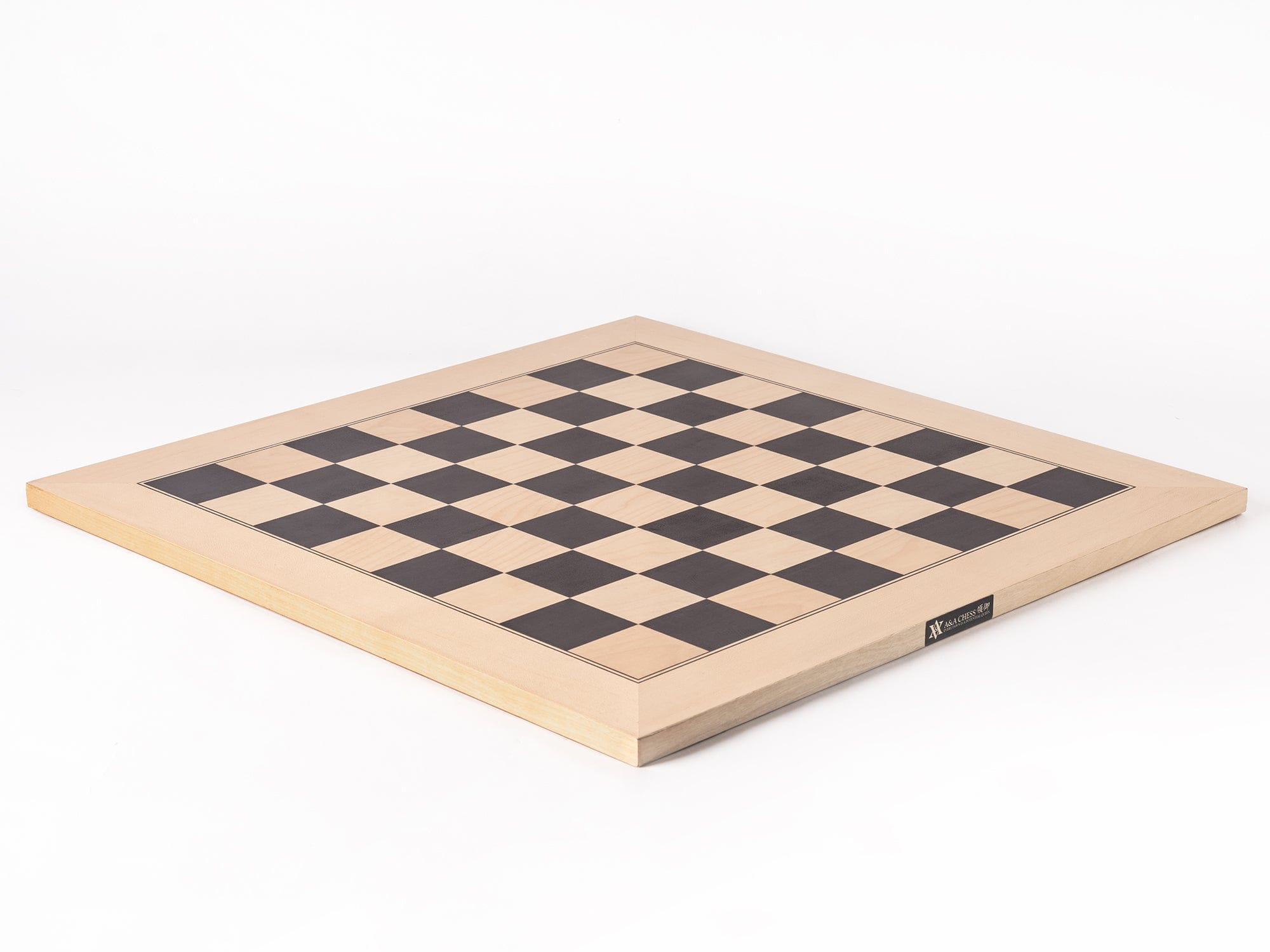
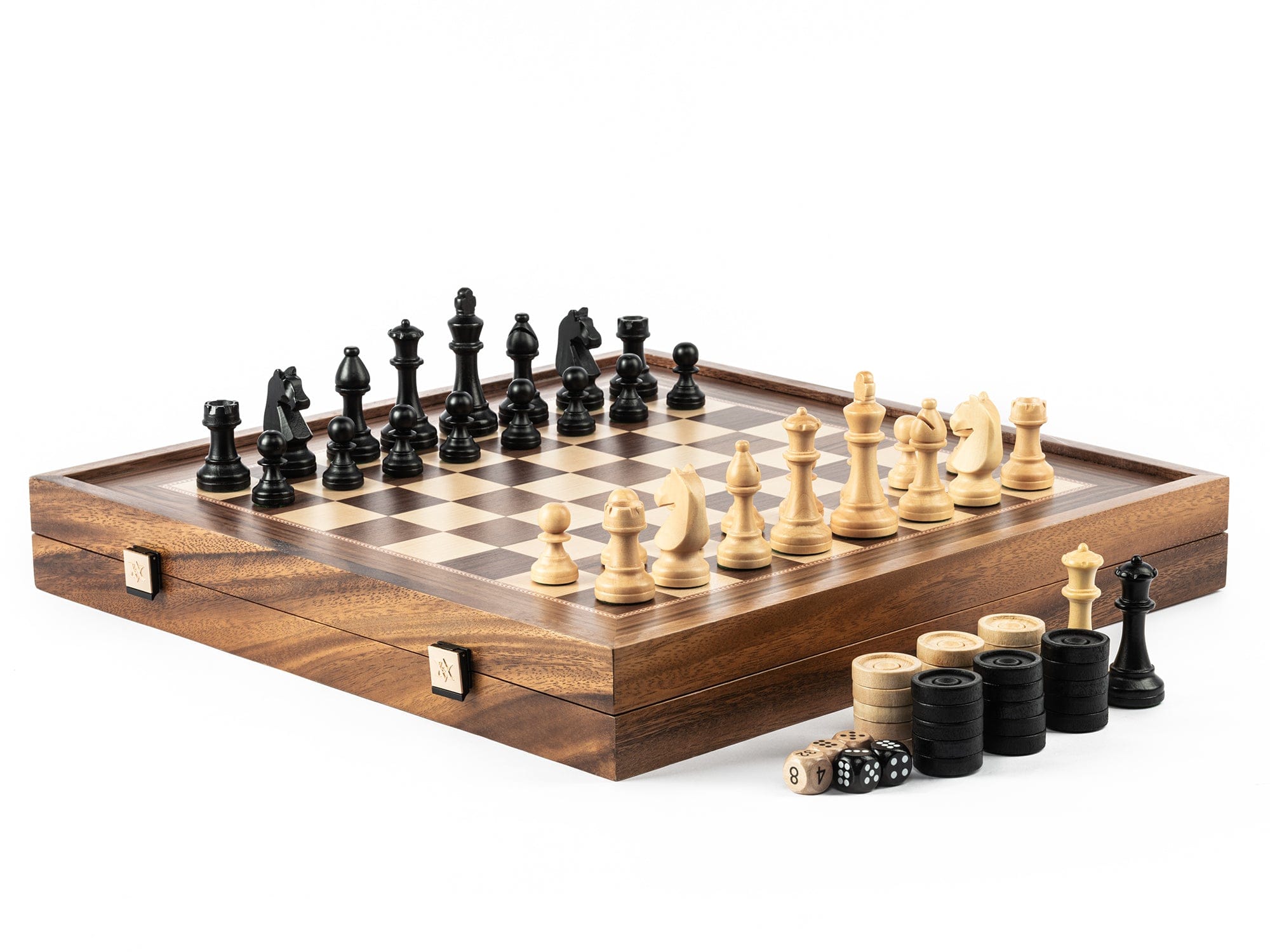
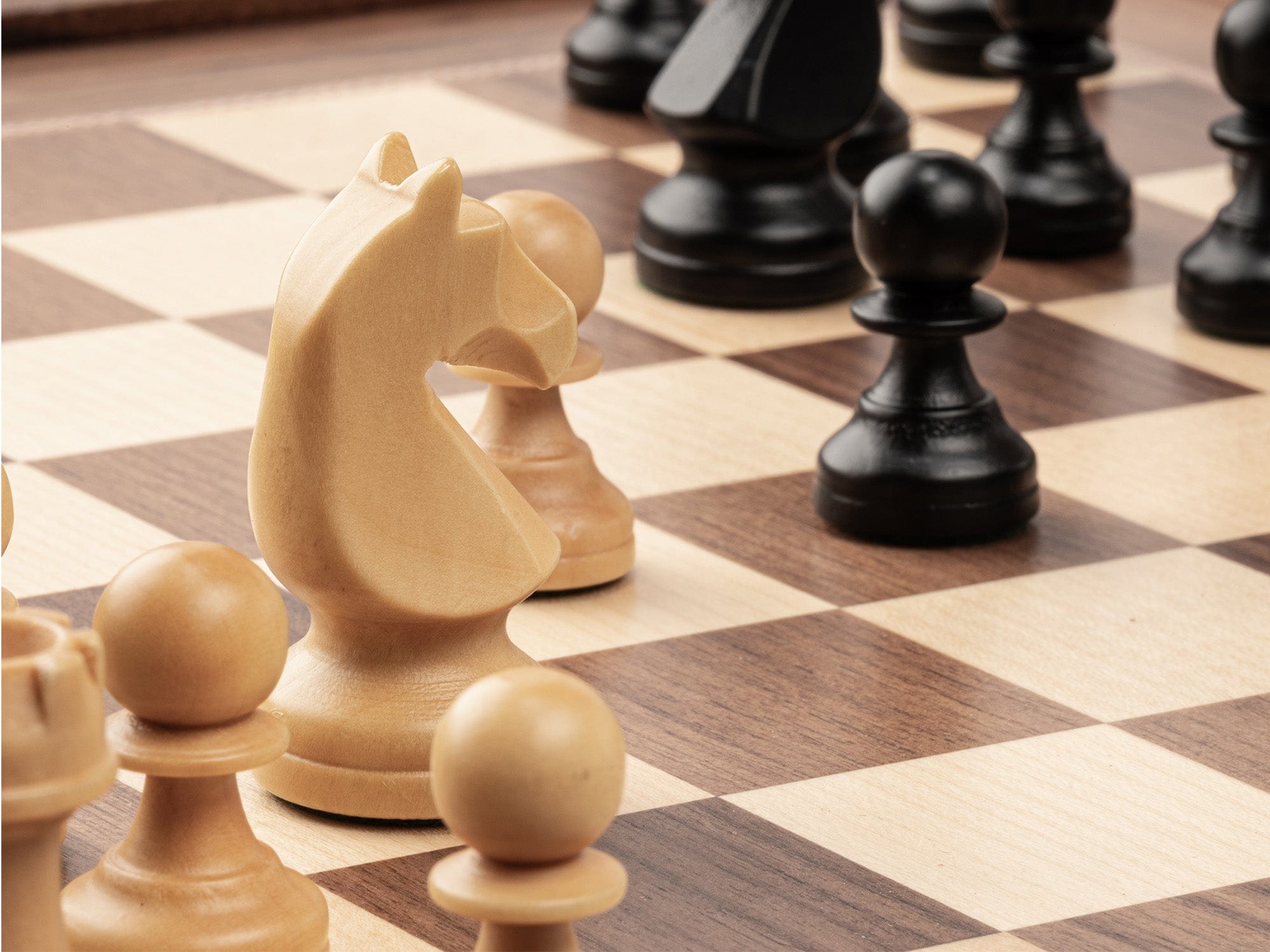
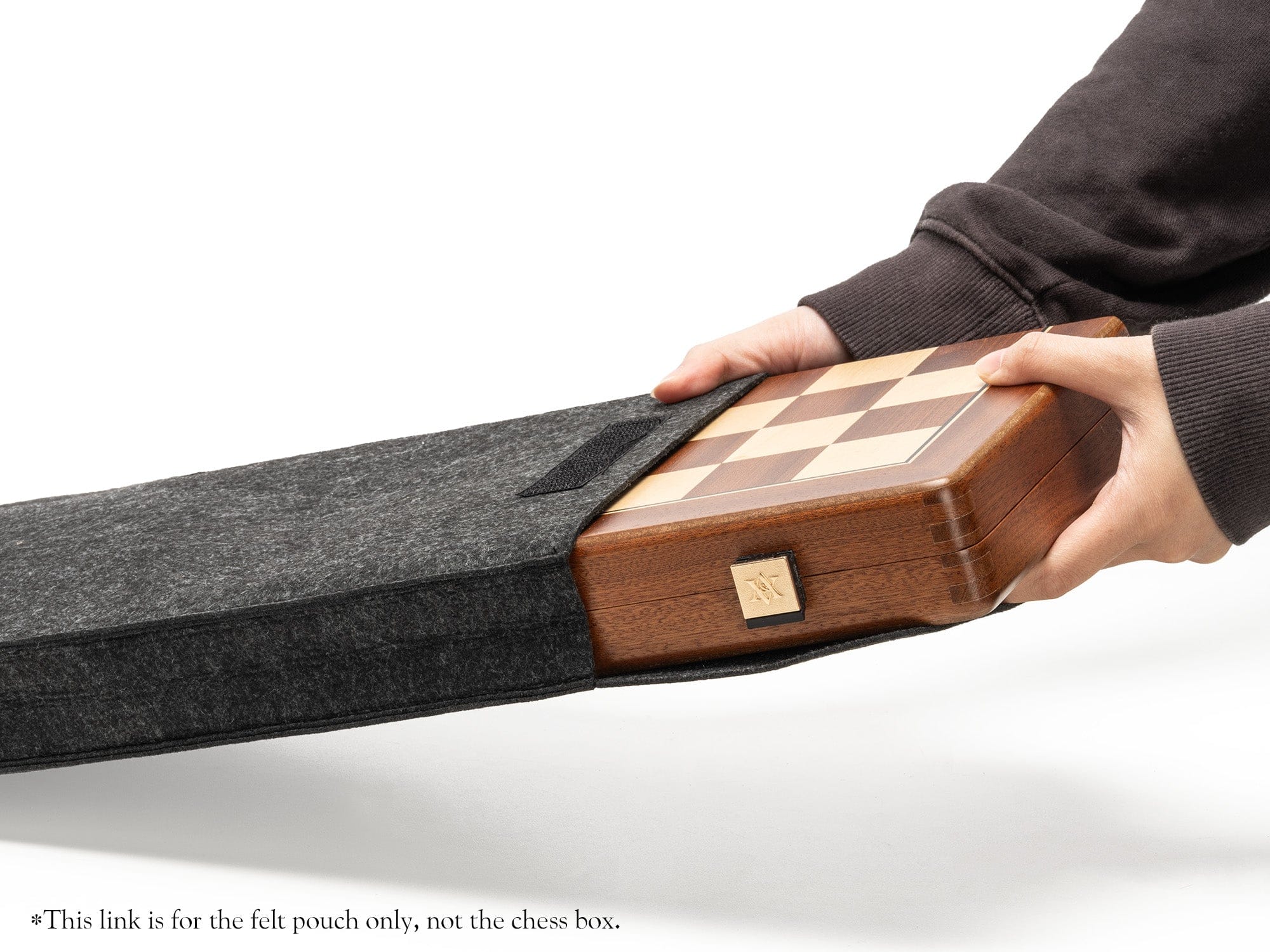
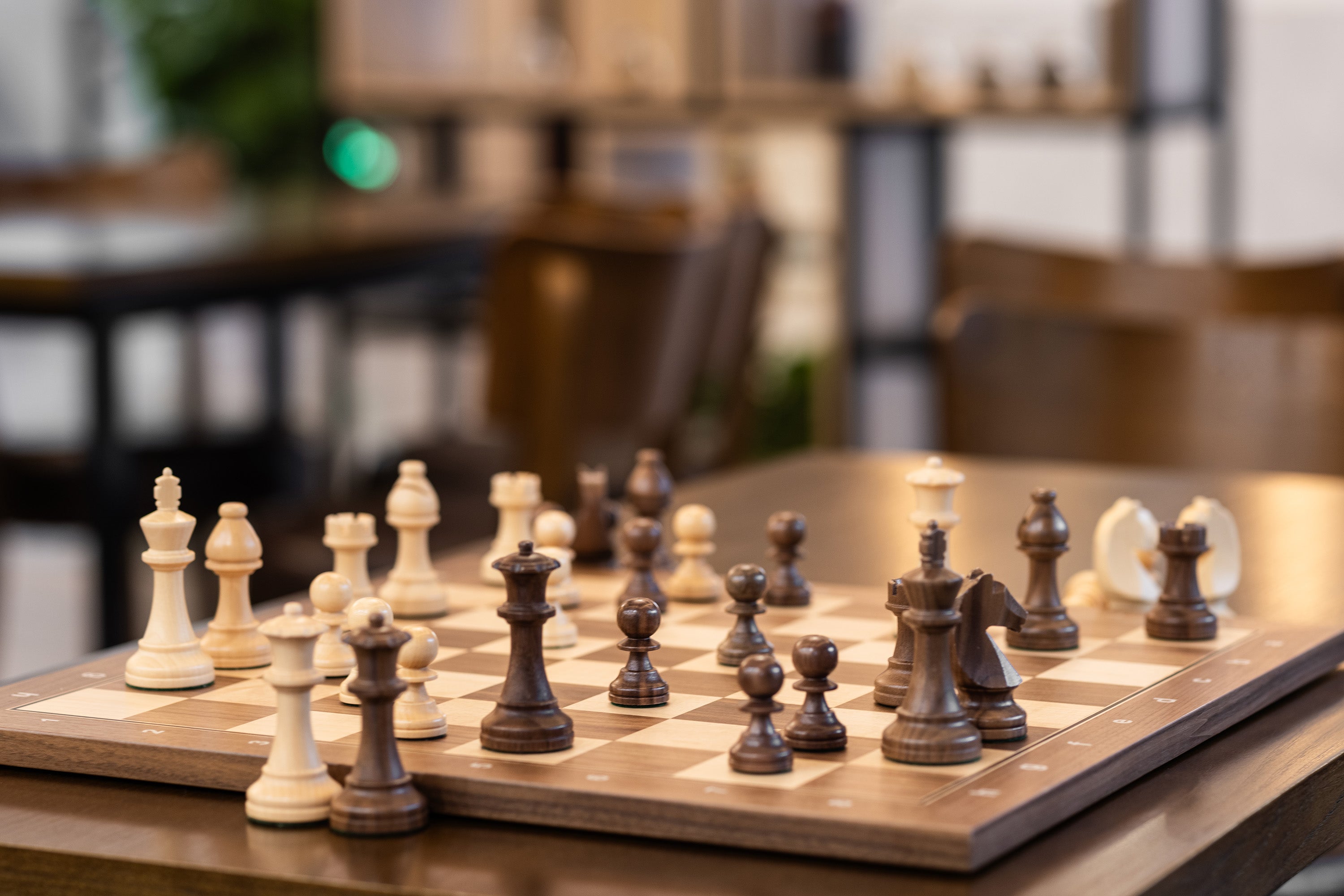
For players seeking a professional playing experience, a quality chess board significantly enhances focus and game analysis.
Explore:
2. Chess Improves Memory Retention
Strong chess players memorize:
-
Opening sequences
-
Tactical patterns
-
Endgame positions
-
Common checkmate structures
As players repeatedly recognize these patterns, their memory retention naturally improves.
Studies suggest that regular chess practice can help strengthen both short-term and long-term memory functions.
This is one reason why many schools incorporate chess into educational programs.
3. Chess Develops Better Problem-Solving Skills
Every chess game is essentially a series of problems waiting to be solved.
Players constantly encounter challenges such as:
-
Defending against attacks
-
Finding tactical combinations
-
Converting winning positions
-
Escaping difficult situations
Unlike traditional puzzles, chess problems evolve in real time.
This dynamic environment encourages flexible thinking and creative solutions.
Players who regularly practice often become more effective at solving real-world problems in business, education, and daily life.
4. Chess Teaches Patience and Discipline

Modern life often rewards instant gratification.
Chess does the opposite.
Successful players learn to:
-
Think before acting
-
Manage emotions
-
Avoid impulsive decisions
-
Remain focused under pressure
These habits translate directly into professional and personal environments.
Many executives and entrepreneurs view chess as a valuable tool for strengthening long-term decision-making skills.
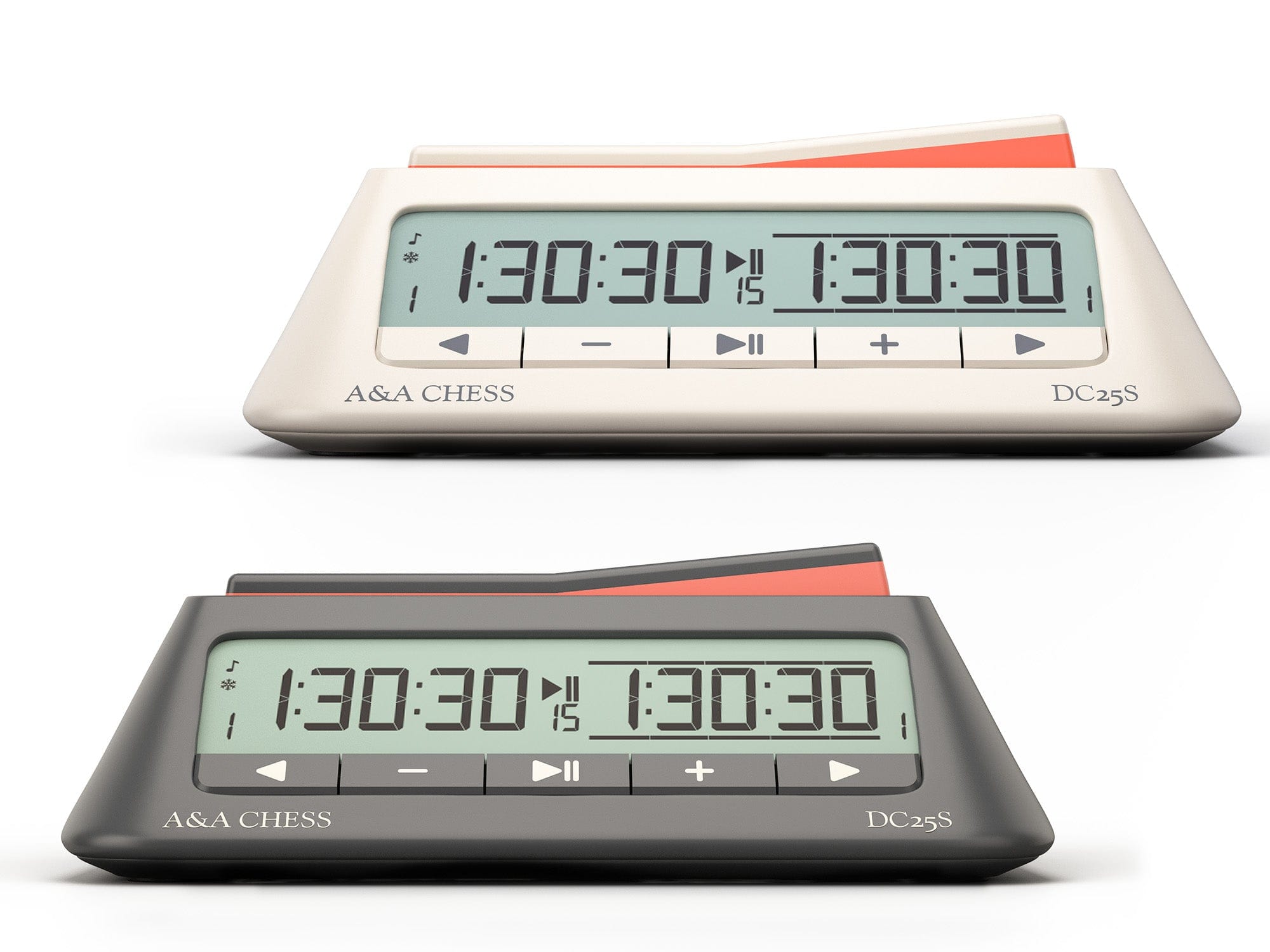
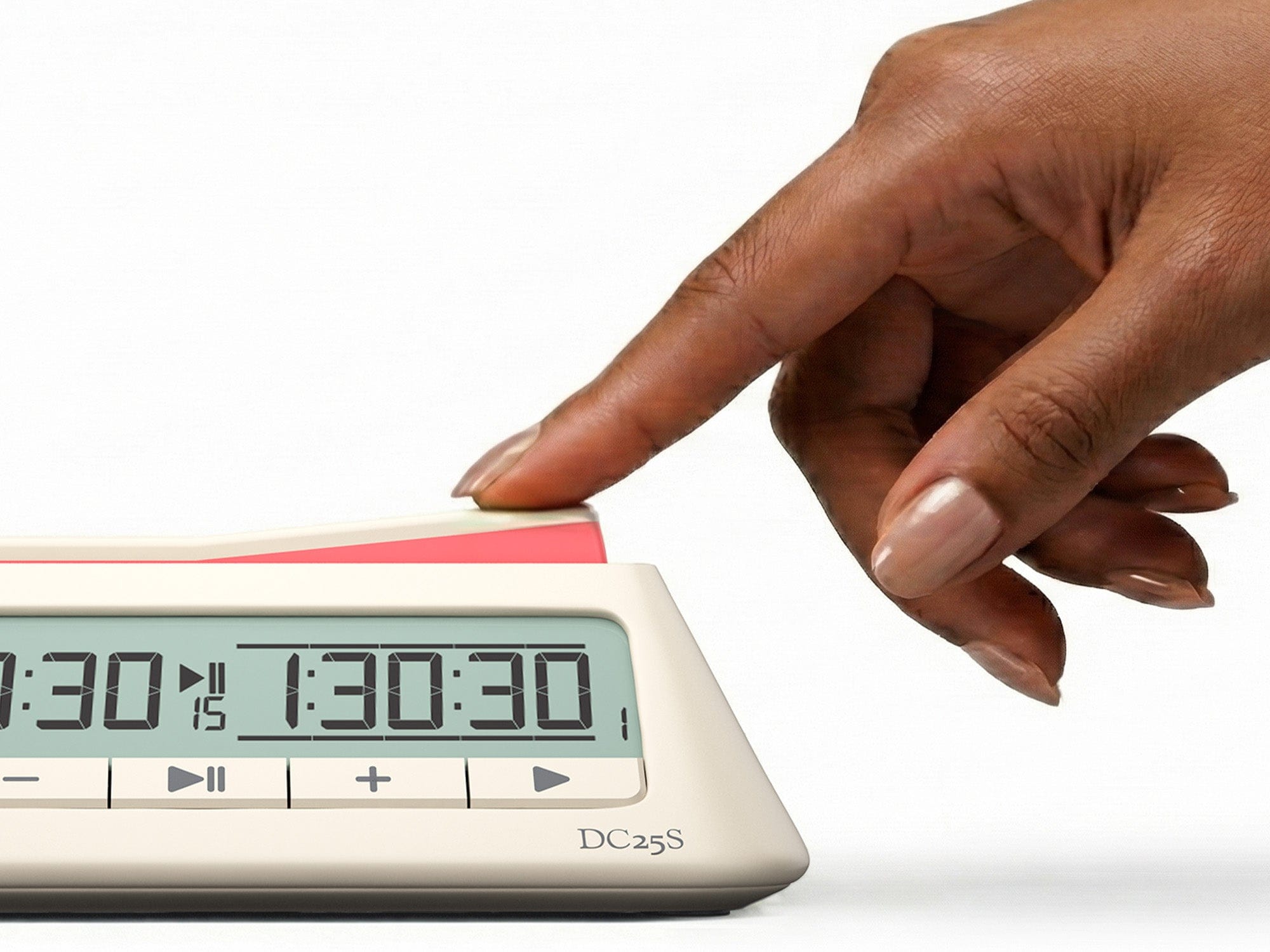
For serious training sessions, using a proper chess clock can further develop discipline and time management.
Recommended Product:
5. Chess Enhances Concentration
One of the biggest challenges in today's digital world is maintaining attention.
A single chess game often requires:
-
Sustained focus
-
Position evaluation
-
Threat recognition
-
Strategic planning
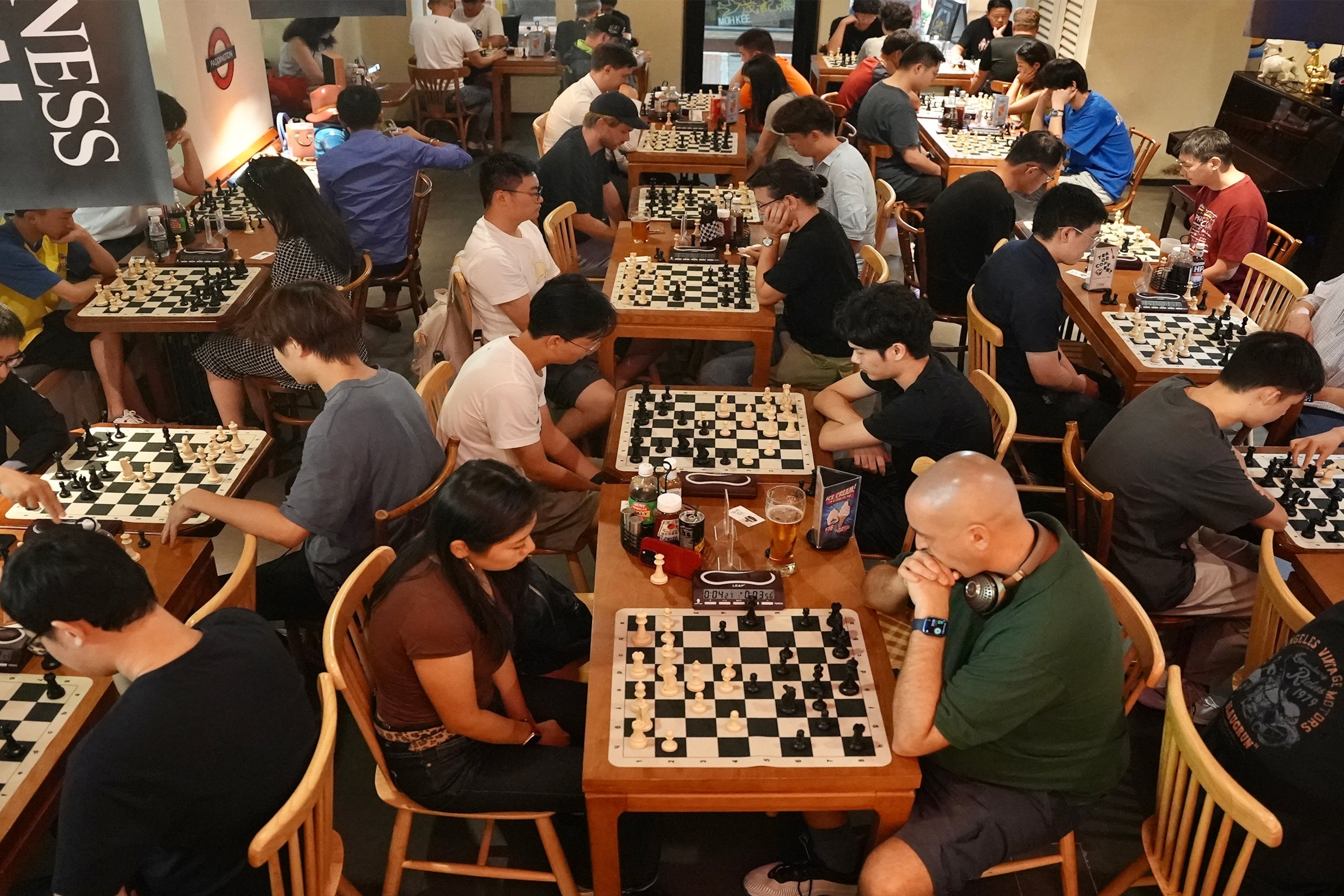
During tournament games, players may remain fully concentrated for several hours.
This ability to focus deeply can positively impact:
-
Academic performance
-
Workplace productivity
-
Learning speed
A comfortable playing environment can help maintain concentration during long sessions.
Explore:
6. Chess Builds Strategic Planning Abilities
The most successful chess players think several moves ahead.
Strategic planning involves:
| Chess Skill | Real-Life Application |
|---|---|
| Opening Preparation | Project Planning |
| Resource Management | Budgeting |
| Risk Assessment | Business Decisions |
| Long-Term Strategy | Career Development |
| Adaptability | Problem Solving |
Chess teaches players how to evaluate risks while balancing short-term opportunities against long-term objectives.
These strategic skills remain valuable throughout life.
For players looking to develop stronger planning abilities, tournament-style equipment provides the most realistic training environment.
Recommended:
7. Chess Encourages Lifelong Learning
One of chess's greatest strengths is that there is always something new to learn.
Players continue improving through:
-
Opening theory
-
Middlegame tactics
-
Endgame technique
-
Positional understanding
-
Tournament experience
Even world champions spend years studying and refining their skills.
This continuous learning process helps keep the mind active and engaged throughout life.
According to the World Chess Federation (FIDE), chess remains one of the most widely played intellectual sports globally.
External Reference:
Choosing the Right Chess Set for Skill Development
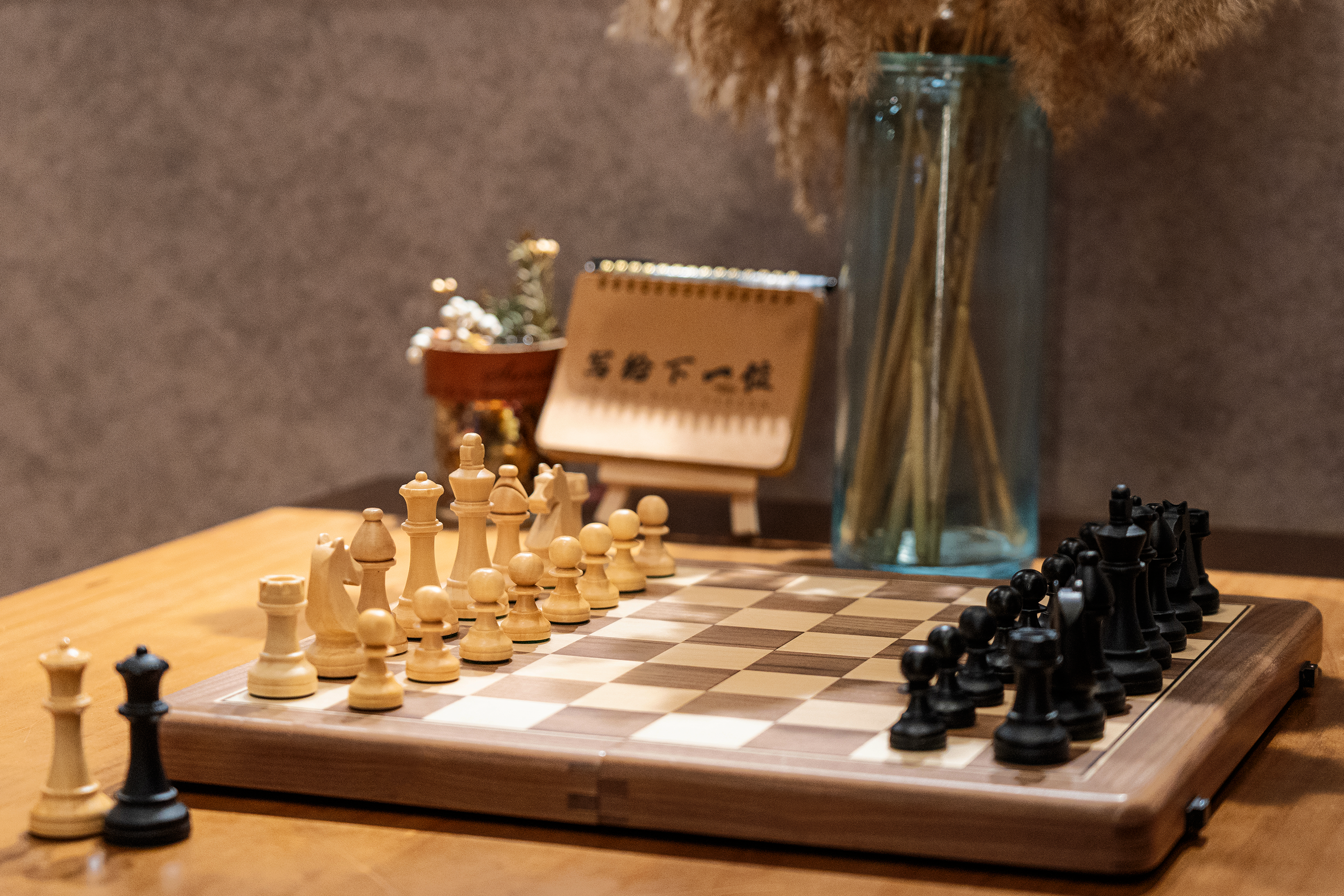
The quality of your chess equipment can significantly influence your overall playing experience.
Recommended Chess Set Comparison
| Player Type | Recommended Product |
|---|---|
| Beginner | Magnetic Folding Chess Set |
| Student | Travel Chess Set |
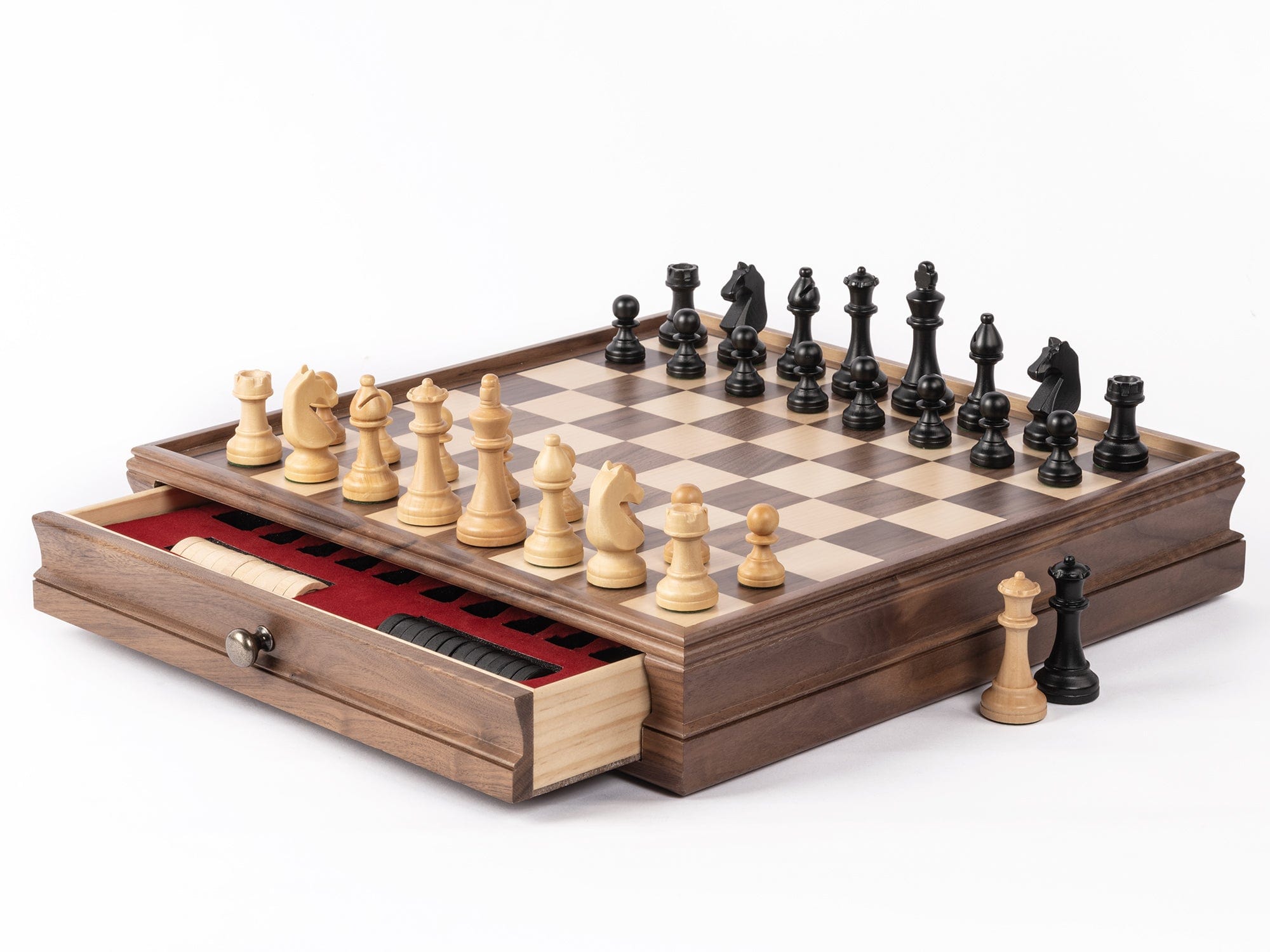
| Home Player | Premium Wooden Chess Set |
| Club Player | Staunton Chess Pieces |
| Tournament Player | Chess Clock + Tournament Board |
Browse:
Frequently Asked Questions
Does chess increase IQ?
Research suggests chess can improve cognitive abilities such as reasoning, memory, and problem-solving, although intelligence is influenced by many factors.
How often should I play chess to improve?
Most players see noticeable improvement when practicing at least three to five times per week.
Is chess good for children?
Yes. Chess helps children develop concentration, patience, memory, and analytical thinking skills.
Is chess good for adults?
Absolutely. Adults benefit from improved strategic thinking, mental stimulation, and decision-making abilities.
What chess set is best for beginners?
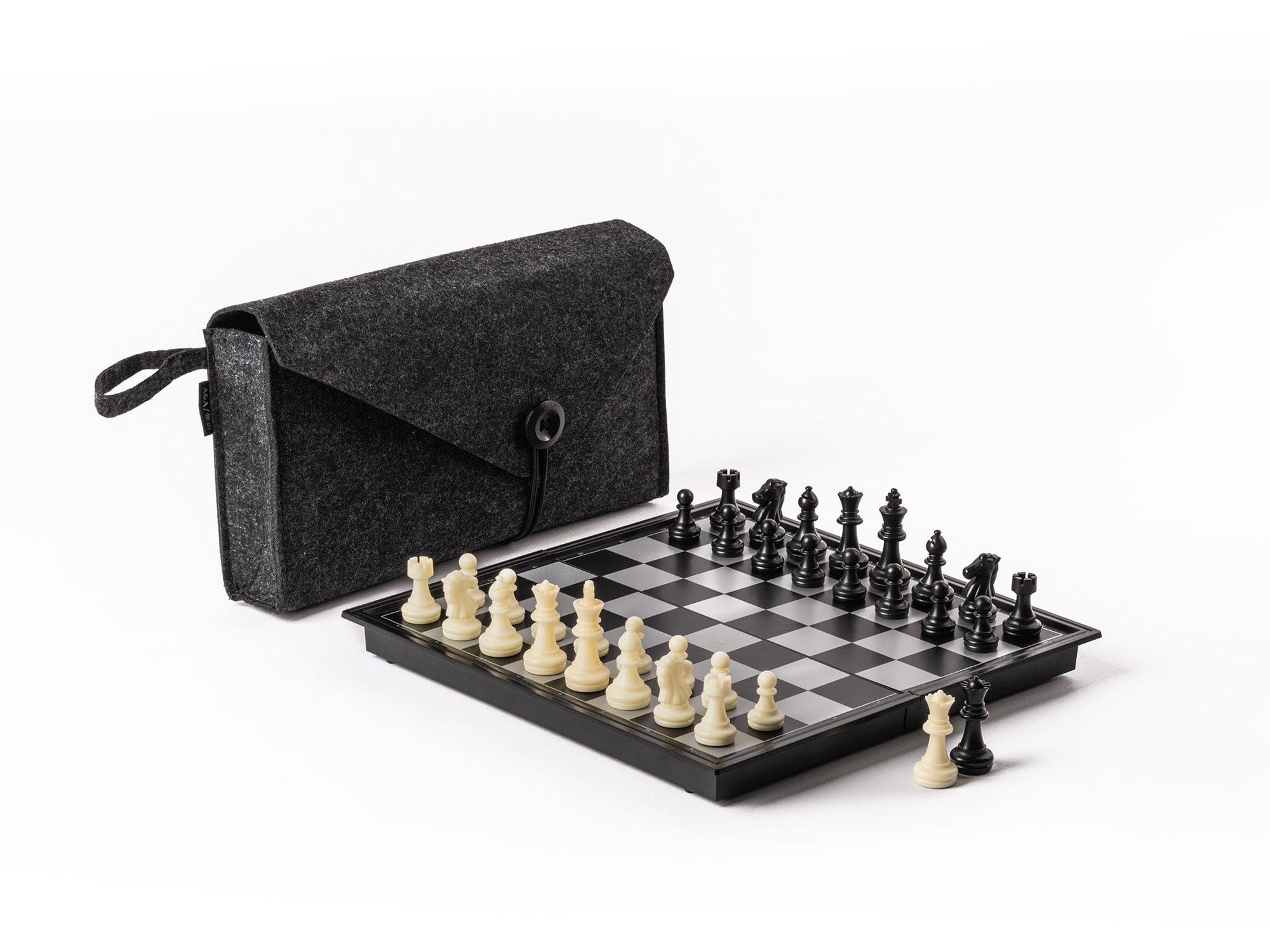
A magnetic folding chess set is often the most practical option due to portability and ease of use.
Why do tournament players use Staunton pieces?
Staunton pieces are recognized worldwide and provide clear visual distinction during play.
Final Thoughts
Chess remains one of the most effective tools for strengthening the mind.
From critical thinking and memory enhancement to concentration and strategic planning, the benefits of chess extend far beyond the game itself.
Whether you're introducing your child to chess, improving your own cognitive skills, or preparing for competitive play, investing in quality equipment can elevate the experience.
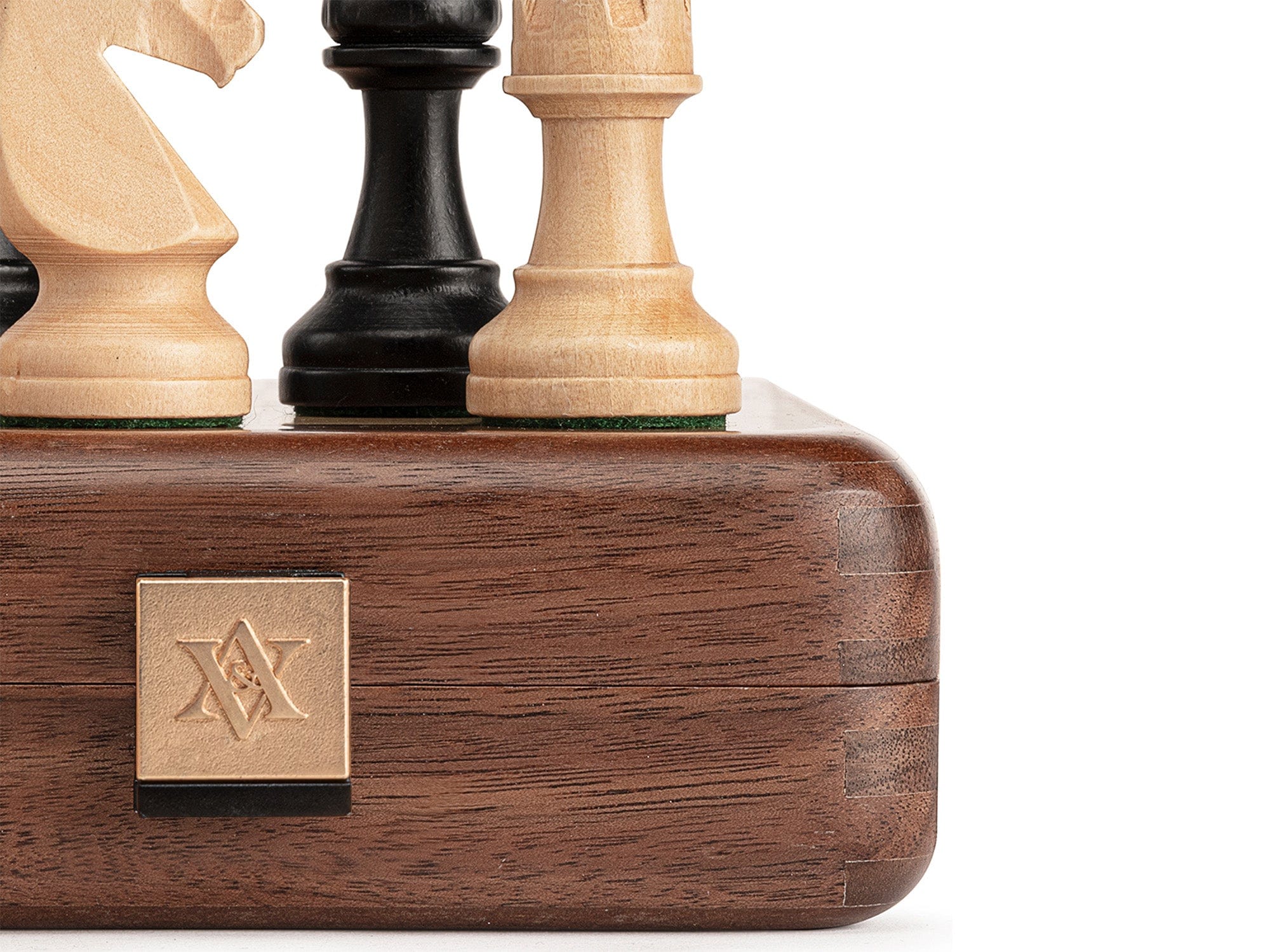
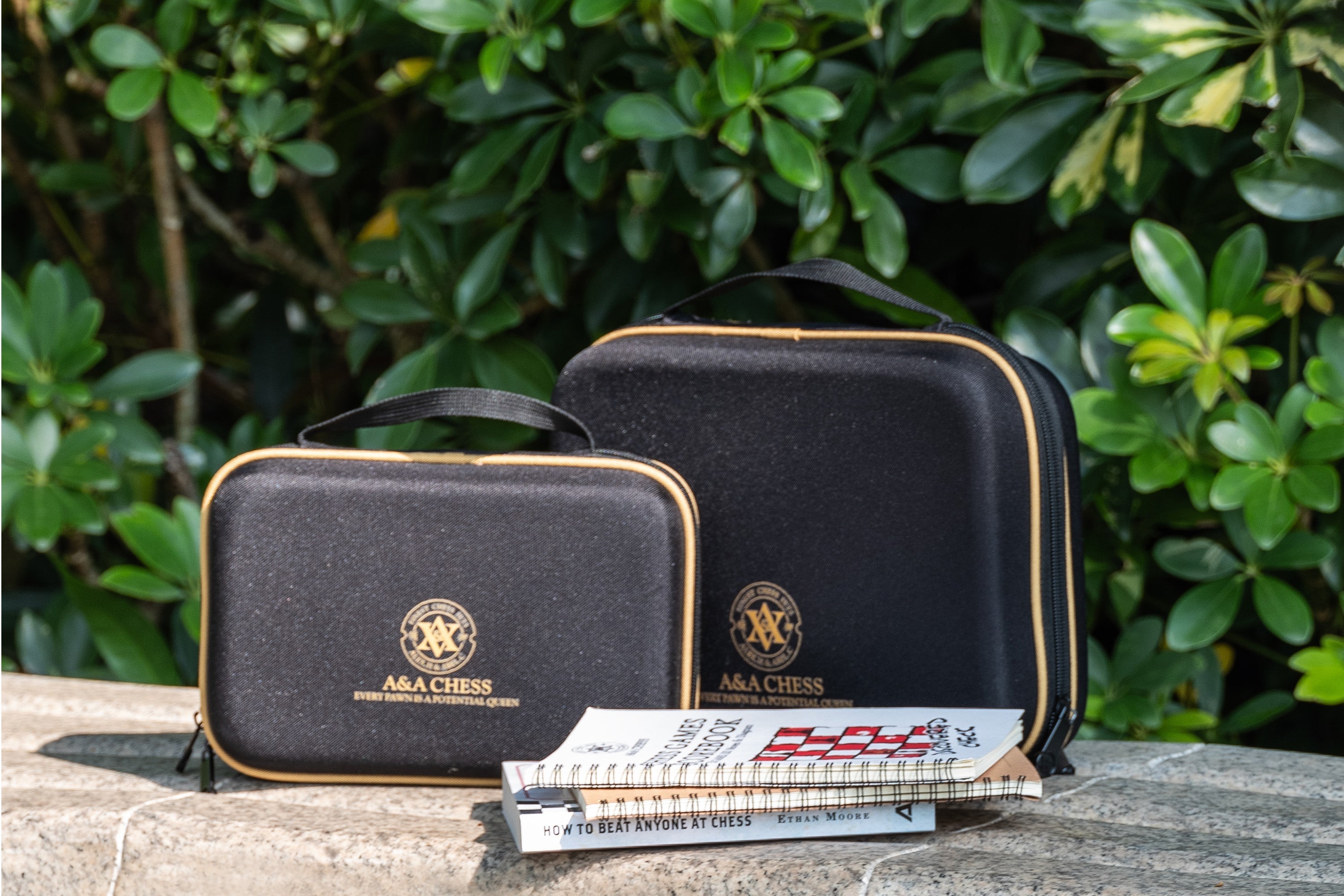
Explore A&A CHESS's complete collection of premium chess sets, Staunton pieces, travel boards, and chess accessories to begin your journey toward becoming a stronger player both on and off the board.



Commenta
Questo sito è protetto da hCaptcha e applica le Norme sulla privacy e i Termini di servizio di hCaptcha.