




Introduction: Why Chess Notation is Key to Improving Your Game
As a chess player, recording your games isn’t just for official tournaments—it’s one of the best tools for improvement. Chess notation allows you to analyze your moves, understand your mistakes, and learn from your victories.
Whether you're a beginner or an experienced player, understanding how to record your games using chess notation is a crucial skill that can take your gameplay to the next level. In this article, we’ll explain the basics of algebraic notation, how to use it to record your games, and how it can help you analyze your strategies and improve over time.
Quick Answer: How Do You Use Chess Notation?
· Learn the symbols: Each move is recorded using letters (for pieces) and numbers (for squares on the board).
· Use algebraic notation: Moves are written in the form of piece initials (e.g., R for rook) and the square they land on (e.g., e4).
· Record every move: Each player’s moves are written down, one after the other, so the game can be replayed and analyzed later.
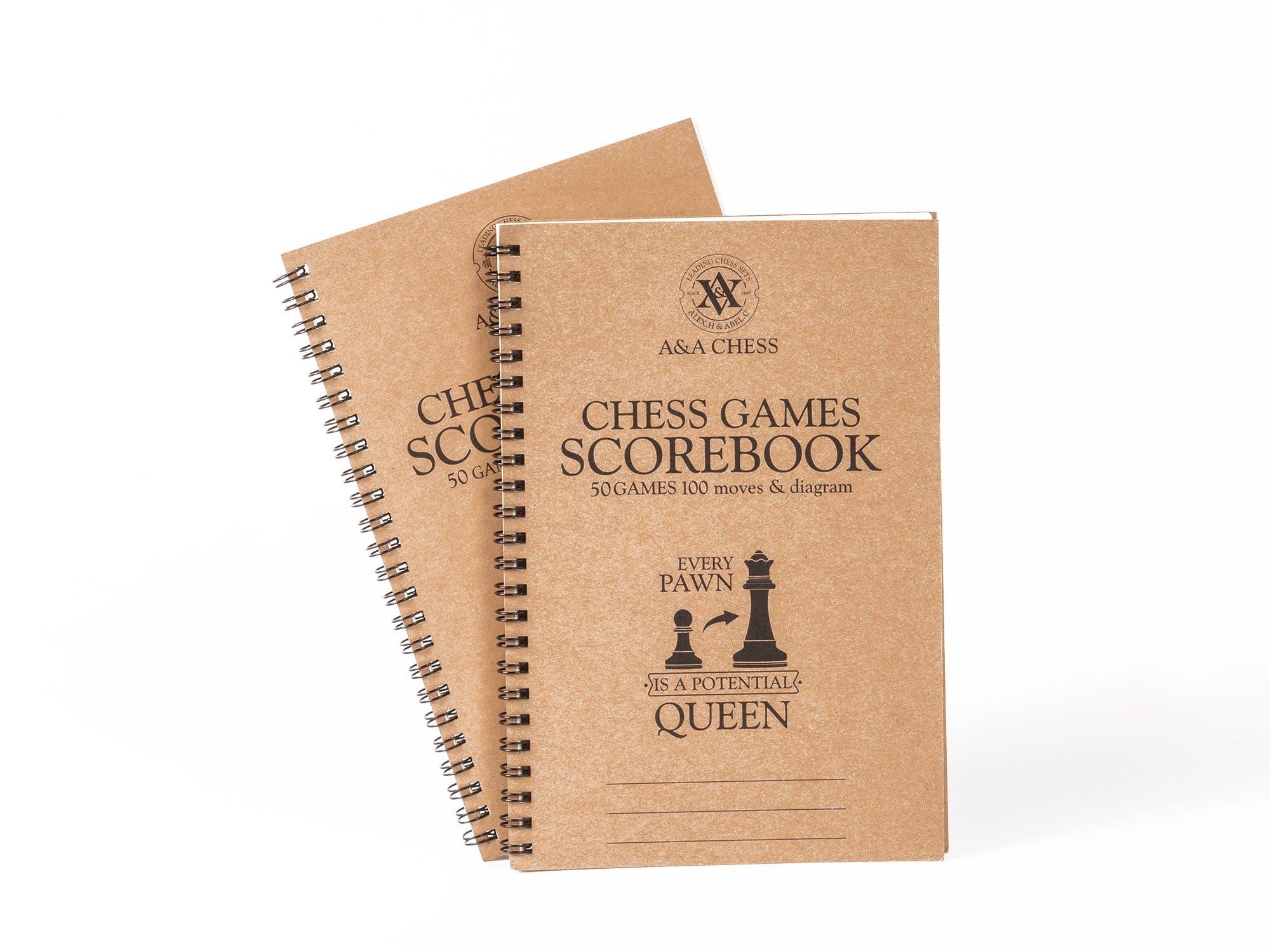
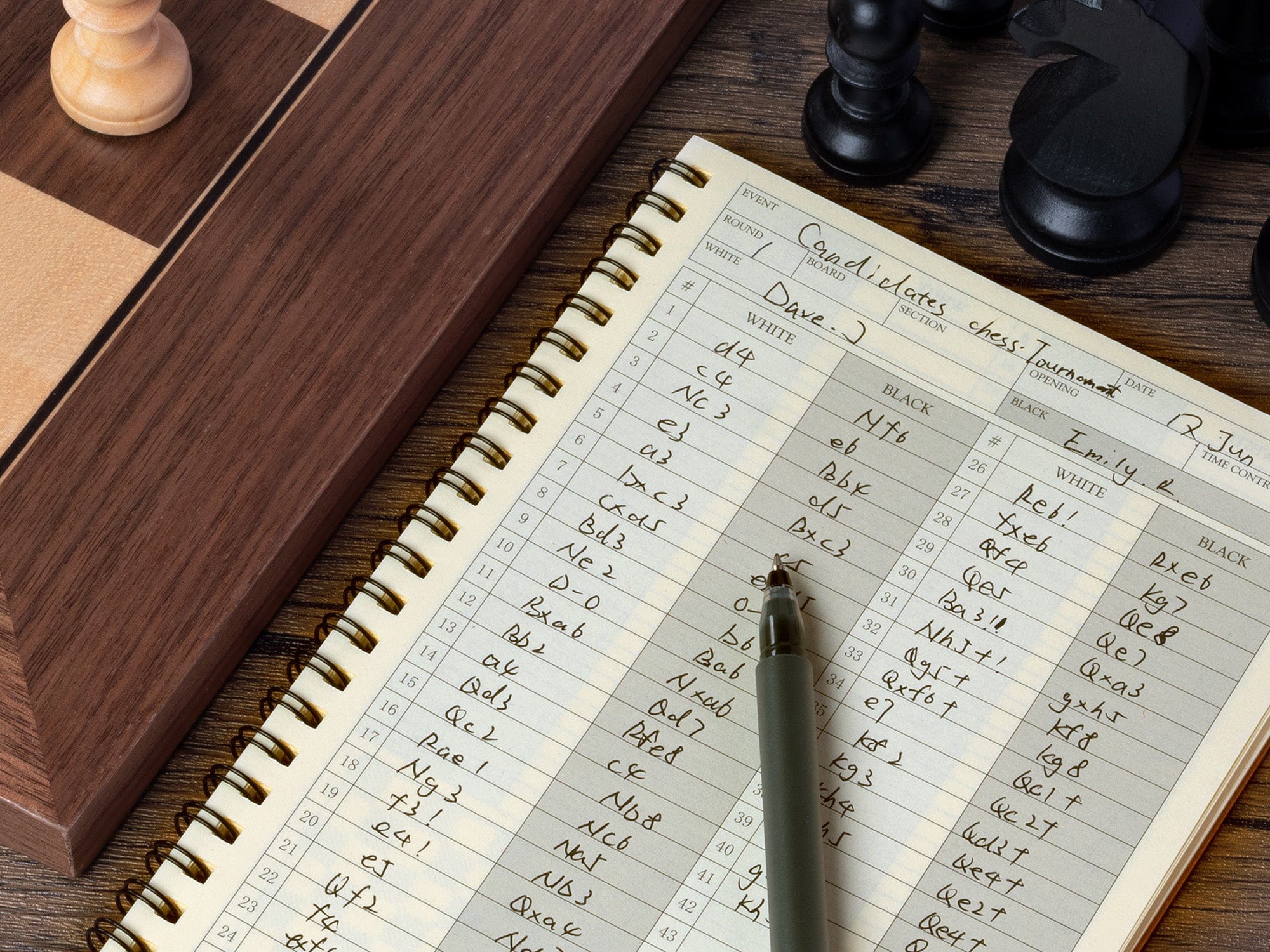
· Use a chess scorebook: Write down your games in a chess scorebook for easy tracking and future analysis.
Let’s break it down step by step to make chess notation easy and understandable.
What is Chess Notation?

Chess notation is the system used to record chess moves in written form. By writing down your moves, you can:
· Replay the game: It allows you to go back over your game and review decisions.
· Analyze your performance: Helps in identifying mistakes or missed opportunities.
· Study openings, tactics, and strategies: You can compare your moves to games played by masters.
There are two main types of chess notation: descriptive notation and algebraic notation. While descriptive notation was historically used, algebraic notation is the standard today due to its simplicity and efficiency.
Algebraic Notation: The Standard for Modern Chess
In algebraic notation, each square on the chessboard is represented by a unique coordinate, and each piece is designated by a letter.
1) How to Read and Write Chess Notation: The Basics
1.1) Chessboard Coordinates
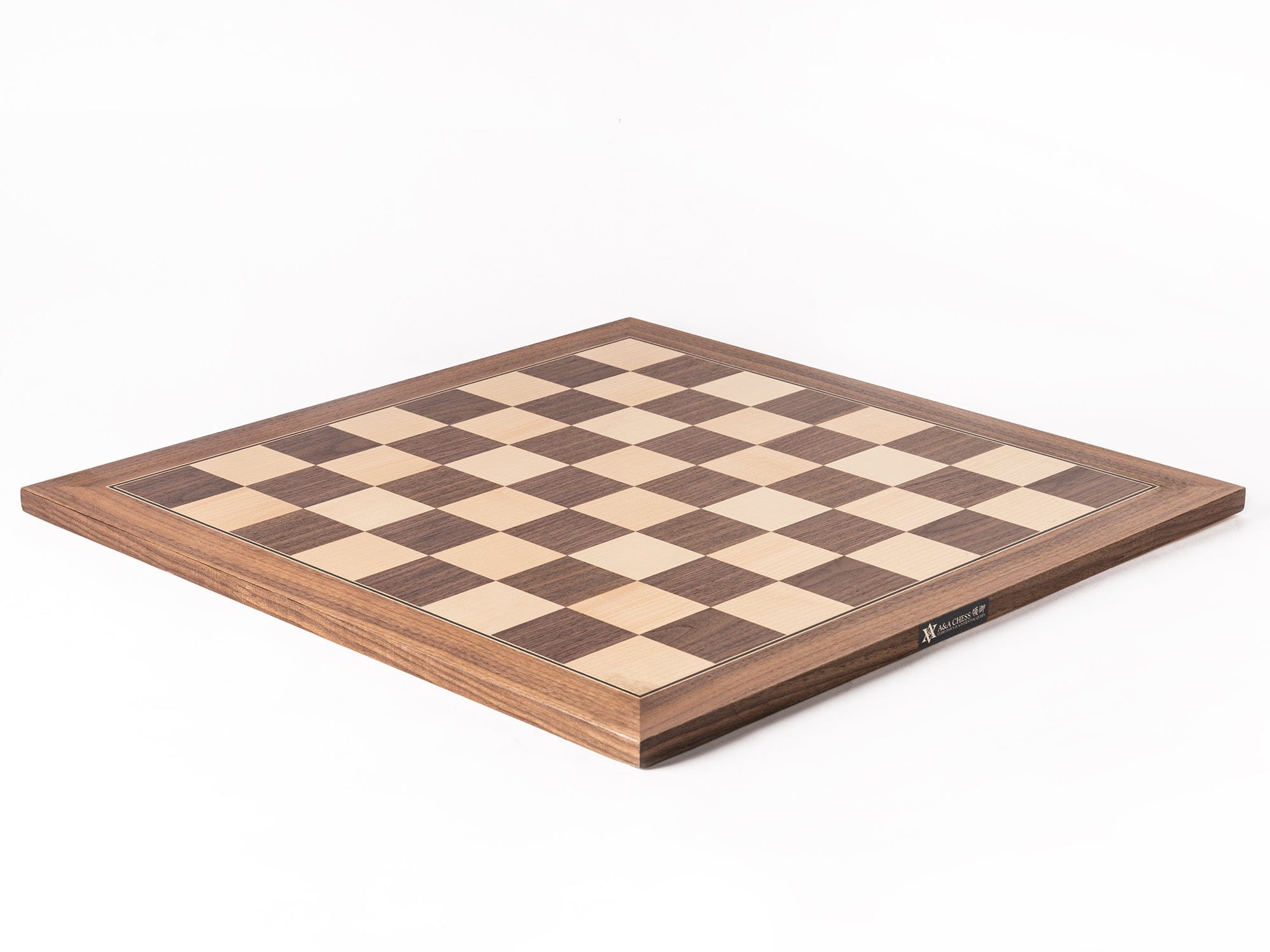
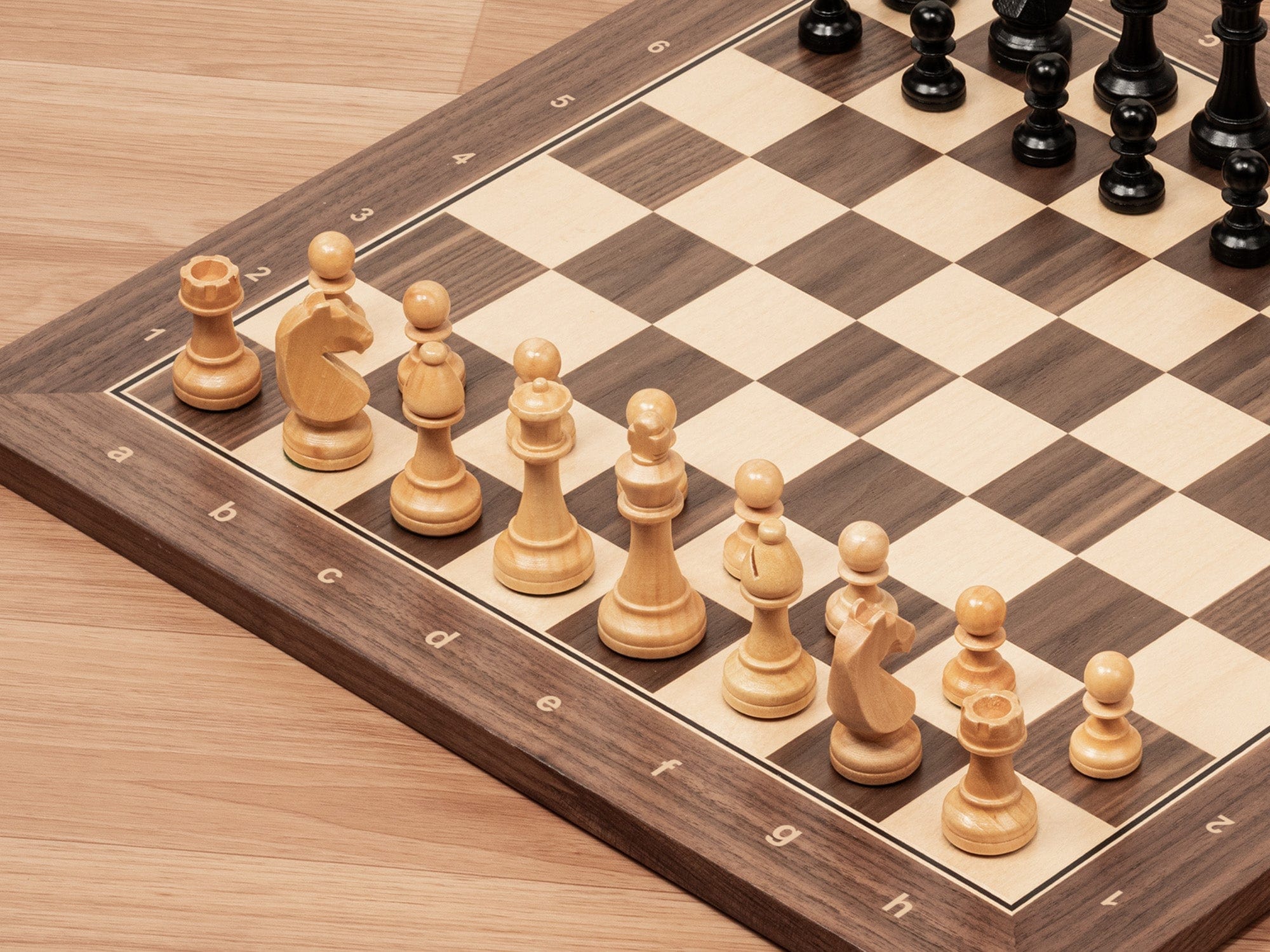
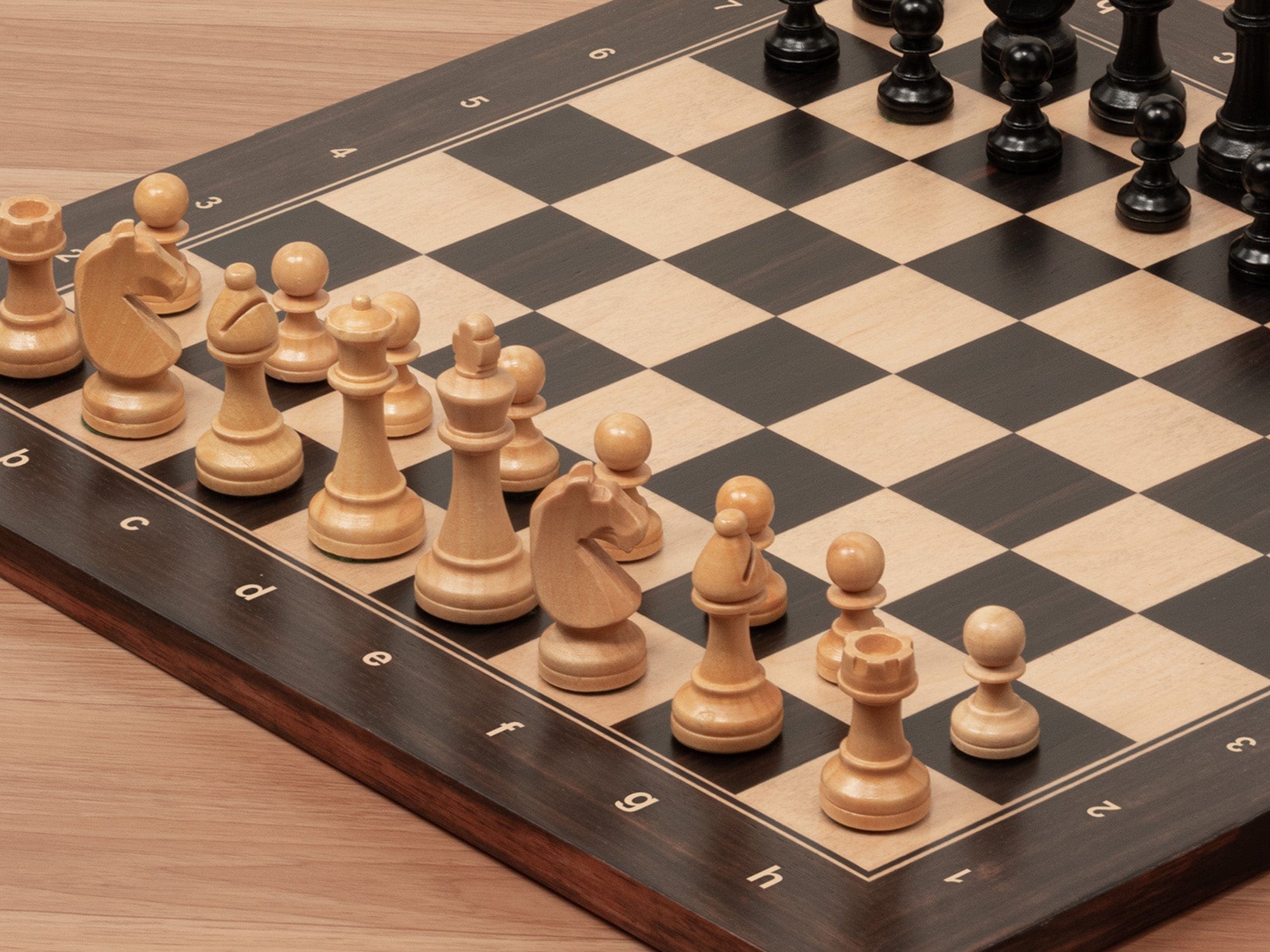
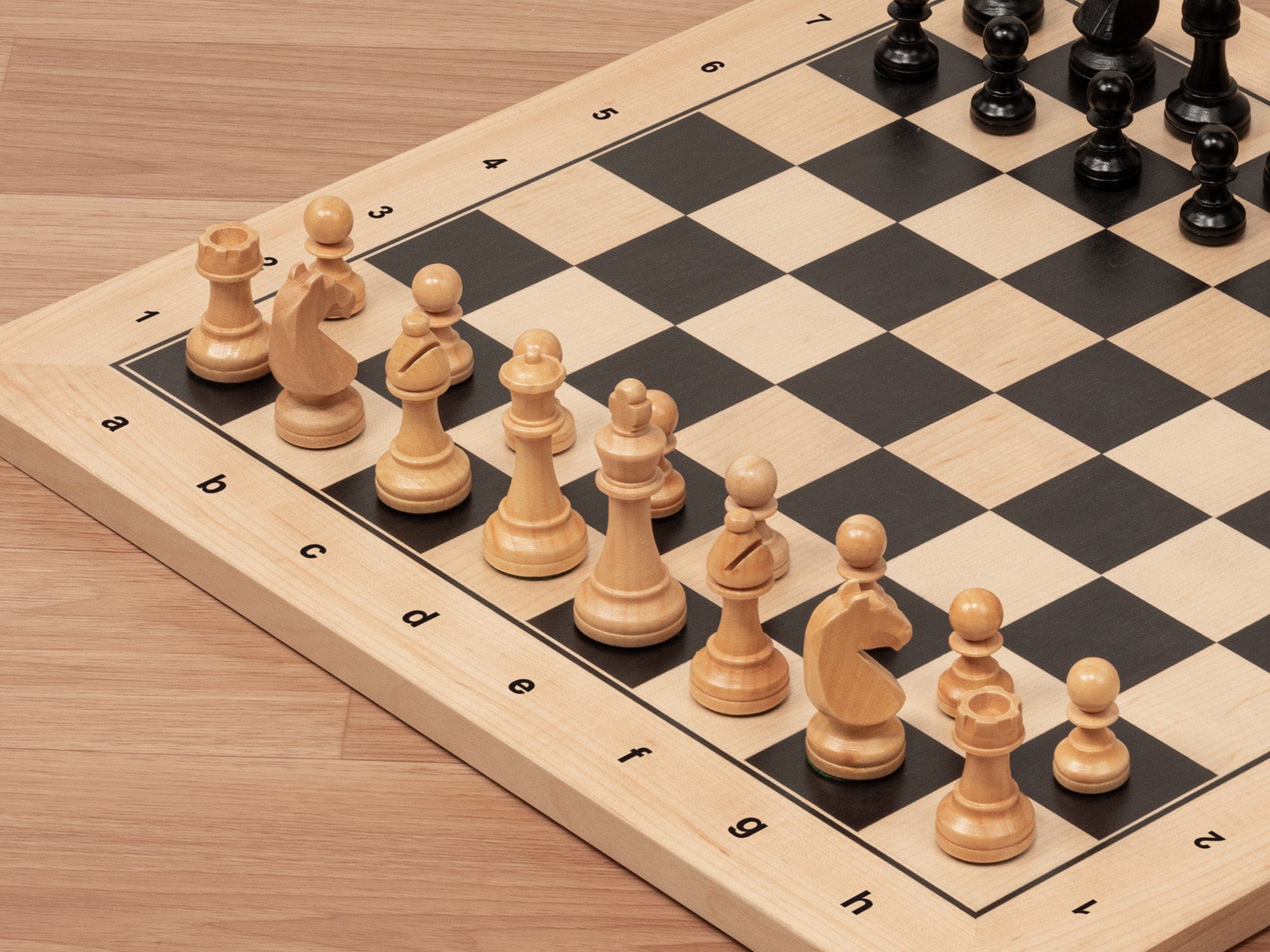
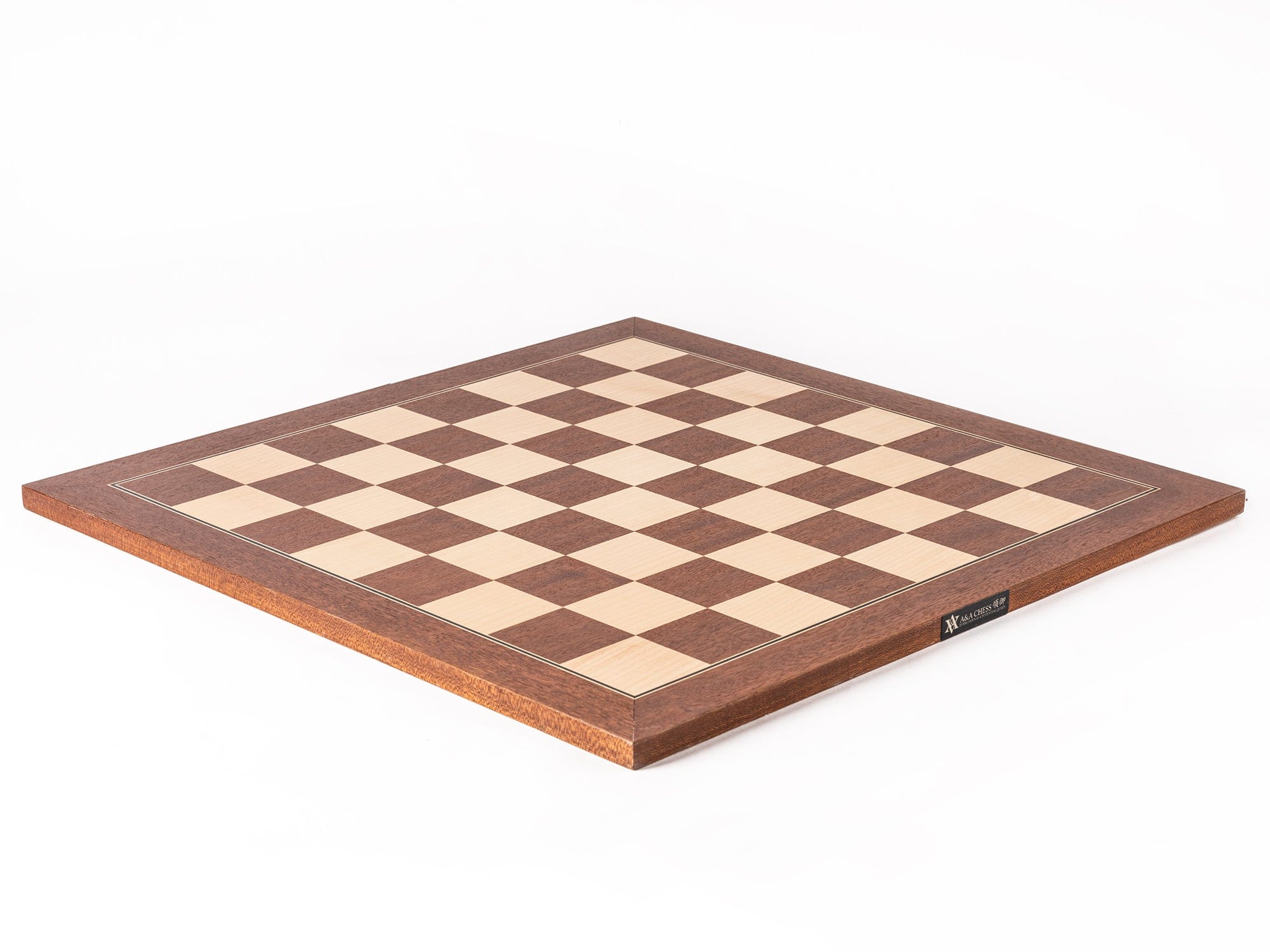
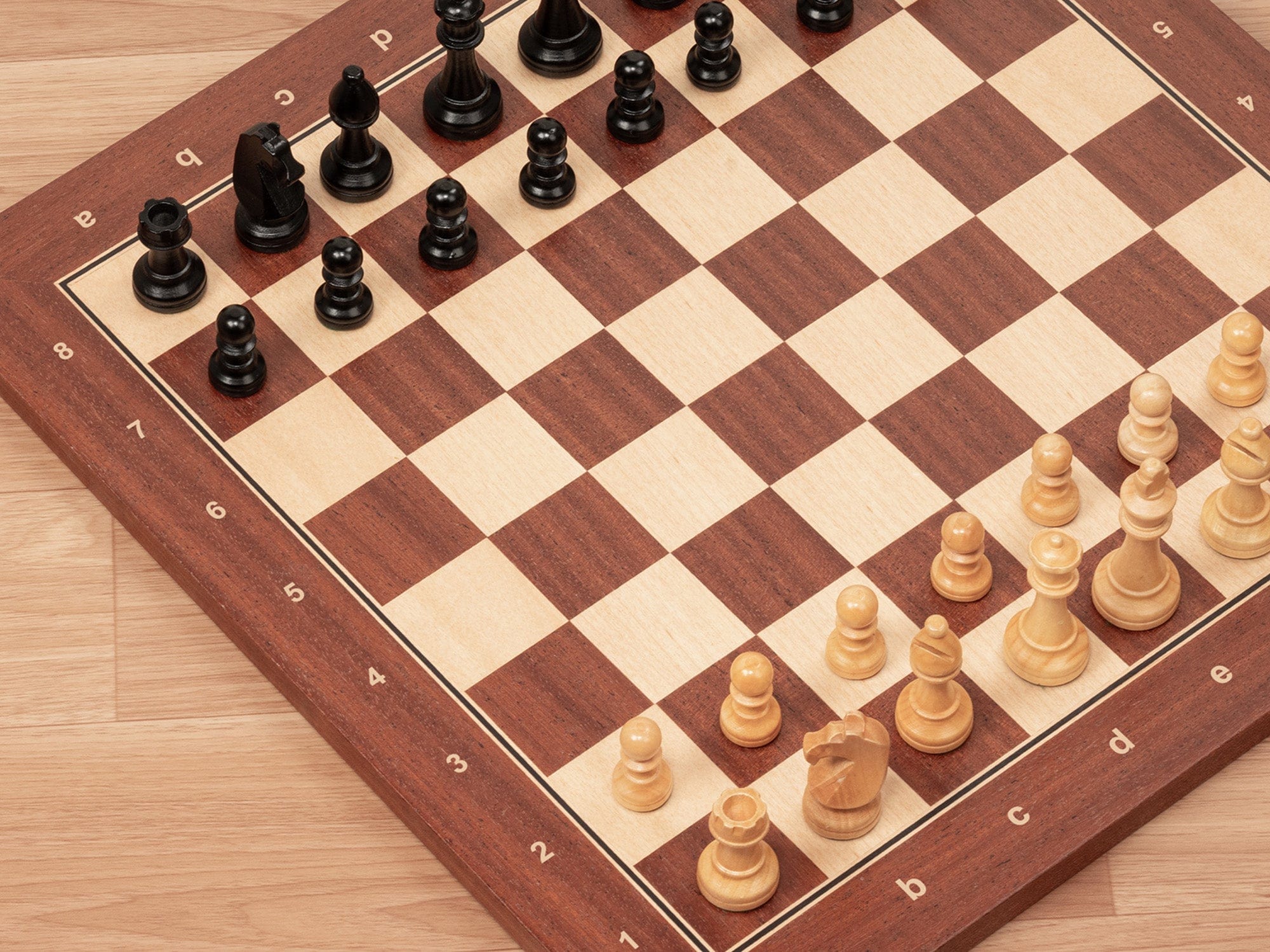
The chessboard consists of 8 ranks (numbered 1–8) and 8 files (labeled a–h). Together, these create 64 squares. The square coordinates are written as a combination of a letter (file) and a number (rank). For example:
· e4 means the square on the e-file and 4th rank.
· d5 means the square on the d-file and 5th rank.
1.2) Piece Symbols
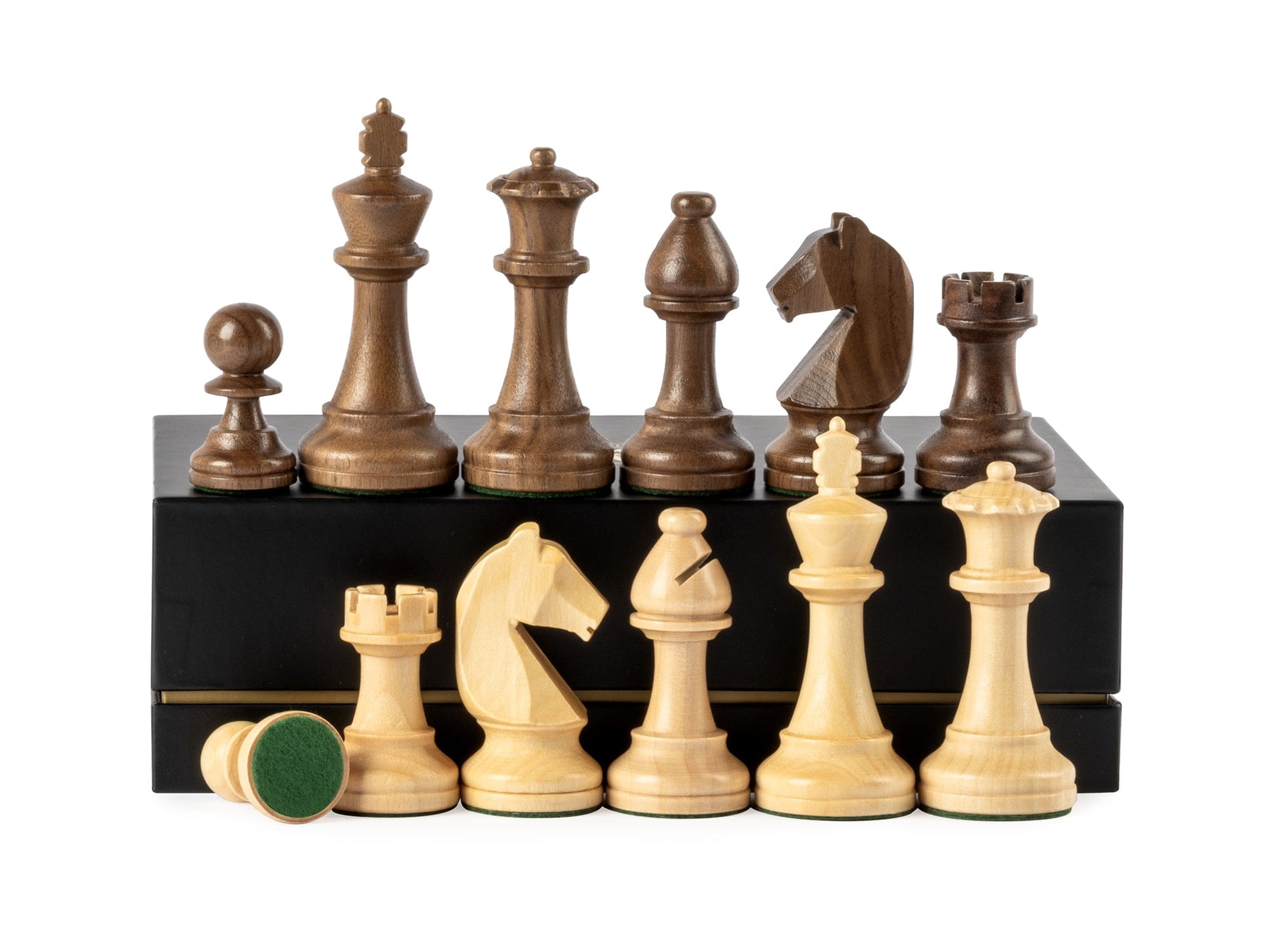
Each piece is represented by an uppercase letter:
· K = King
· Q = Queen
· R = Rook
· B = Bishop
· N = Knight
· P = Pawn (no letter needed for pawns)
1.3) Writing the Moves
In algebraic notation, the pieces are noted by their letter, followed by the square they move to. For example:
· e4: A pawn moves to e4 (this is assumed for pawns, so no “P” is written).
· Nf3: A knight moves to f3.
· Qd5: The queen moves to d5.
If a piece captures another piece, an “x” is placed between the piece and the destination square. For example:
· Nxe5: A knight captures a piece on e5.
1.4) Special Moves

Some moves have special notation:
· Castling: Written as O-O (kingside) or O-O-O (queenside).
· En passant: This is recorded as the capturing pawn’s move followed by “e.p.”, such as exd6 e.p. (meaning a pawn on the “e” file captures en passant).
· Pawn promotion: If a pawn reaches the 8th rank and is promoted, the move is written with the promoted piece: e8=Q (pawn on e-file is promoted to a queen).
2) How to Record Your Chess Game
Recording your moves during a chess game is simple once you know the basics of notation. Here’s how you can write down each move:
2.1) Recording White’s Move
White always moves first. Each move is recorded sequentially:
· For example, 1. e4 is written as White’s first move: Pawn to e4.
2.2) Recording Black’s Move
After White makes their move, Black responds. Black’s moves are written with the same notation system:
· For example, 1... e5 is written as Black’s first move: Pawn to e5.
2.3) Numbering the Moves
Each move is numbered to indicate which turn it is. For example:
· 1. e4 e5: White moves e4, and Black responds with e5.
· 2. Nf3 Nc6: White moves Nf3, and Black responds with Nc6.
You should always record both players’ moves in sequence under the same move number. The notation goes in this format:
1. e4 e5 2. Nf3 Nc6.
2.4) Adding Annotations
Sometimes, players will add notations or symbols to their moves to indicate the quality of a move:
· ! indicates a good move.
· !! indicates an excellent move.
· ? indicates a bad move.
· ?? indicates a blunder.
· !? indicates a questionable move with some merit.
· !? indicates an interesting move, not necessarily bad.
3) Why Chess Notation is Essential for Analyzing and Improving

Recording your games with chess notation is a powerful tool for improving your play. Here's why:
3.1) Replay and Review Your Games
Notating your moves allows you to replay your game later. By going over your moves, you can:
· Analyze your good moves to understand what made them effective.
· Identify your mistakes or missed opportunities and learn from them.
· Compare your games to those of stronger players to see what they do differently.
3.2) Study Openings and Endgames
Chess notation lets you study openings, middlegame tactics, and endgame techniques in a structured way. By recording your games, you can track:
· Which openings you used and how they performed.
· Key moments in the game where the outcome was decided.
· Endgame positions and the strategies you employed to win or draw.
3.3) Track Your Progress
By keeping a record of your games, you can track your growth as a player:
· Look at how your strategy changes over time.
· Compare your games from different periods to see where you've improved.
· Reflect on your time management, decision-making, and tactics.
4) Tools to Help You Record and Analyze Your Games
There are several tools and resources available to help you with chess notation and game analysis:
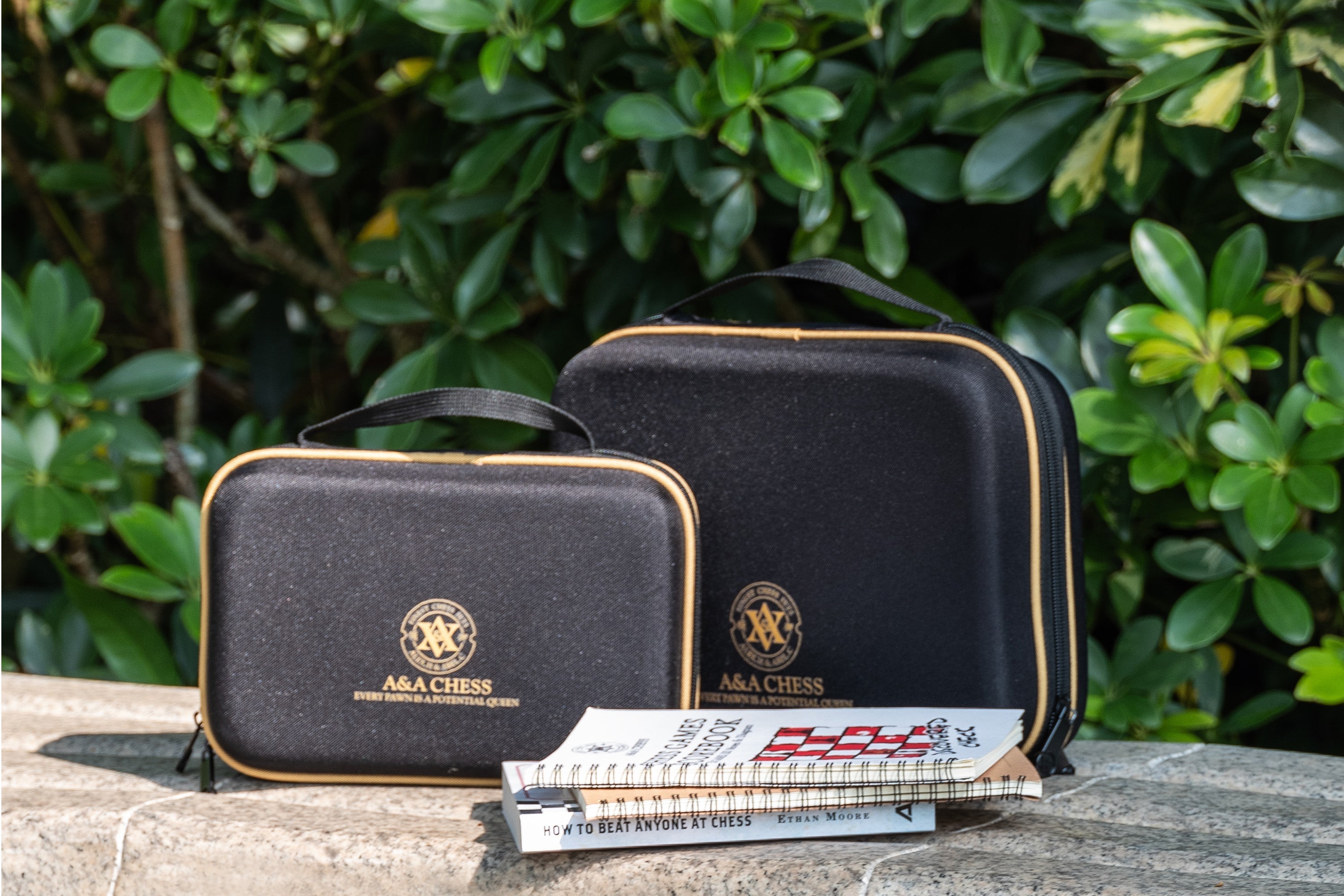
· Chess Scorebooks: A simple, physical way to record your games. These books have a grid to write your moves and often include space for additional annotations.
· Online Chess Platforms: Many online platforms (e.g., Chess.com, Lichess) automatically record your moves, and allow you to analyze your games afterward with advanced computer analysis.
· Chess Notation Software: There are programs like ChessBase that help you track and analyze your games using notation.
Internal Links You Should Add (for SEO + conversions)
Within this article, naturally link these phrases to your relevant pages:
· “chess scorebook” → Chess Accessories collection (scorebook section)
· “chess for beginners” → Beginner-Friendly Chess Sets
· “chess notation software” → Chess Notation Tools page
· “chess sets” → Chess Sets collection
FAQ

1) Why should I learn chess notation if I’m a beginner?
Learning chess notation helps you track your progress, replay your games, and analyze your strategies. It also prepares you for tournament play, where recording moves is required.
2) Can I use chess notation for online games?
Yes! Many online platforms automatically record your moves, and you can use notation software to analyze and replay your online games.
3) Is there a simpler way to record chess moves for beginners?
If you're just starting out, you can record your moves in a simpler way—e.g., just write down your main pieces and their movements without focusing on every pawn move.
4) How do I know if my move is correct when using notation?
You can compare your moves with games played by masters or use notation analysis tools (like ChessBase) to check the accuracy of your moves.
5) What’s the best way to practice chess notation?
Start by recording your own games, then try replaying them without looking at the board, and finally, compare your recorded games with high-level games to see where you can improve.
Conclusion: Master Chess Notation and Improve Faster
Chess notation is a fundamental skill that every chess player, whether casual or competitive, should learn. By mastering algebraic notation, you can record your games, analyze your strategies, and track your improvement over time.
So, whether you're reviewing a recent game, studying openings, or learning from top players, chess notation is an essential tool for taking your game to the next level.







Commenta
Questo sito è protetto da hCaptcha e applica le Norme sulla privacy e i Termini di servizio di hCaptcha.