



Introduction
Many chess players spend years playing games without seeing consistent improvement. They play online every day, experiment with new openings, and occasionally solve puzzles, yet their rating remains stubbornly flat. This leads to frustration and the belief that progress requires more talent, more time, or more complicated study material.
In reality, the biggest difference between players who improve steadily and those who stagnate is not how much they play, but how they analyze what they play. Strong players do not simply move on after a game ends. They study their games carefully, looking for patterns in their thinking, not just mistakes on the board.
Game analysis is the engine of chess improvement. It transforms random experience into structured learning. When done correctly, every game—win or loss—becomes a personalized training lesson tailored to your weaknesses. When done poorly, analysis becomes either superficial or overwhelming, often reduced to blindly checking engine evaluations.
In this guide, you will learn how to analyze your chess games like a professional coach. The focus is not on finding perfect moves, but on understanding decision-making, recognizing recurring errors, and extracting practical lessons you can apply in future games. This step-by-step method is suitable for club players at all levels and can be sustained long term.

Why Game Analysis Is More Important Than Playing More Games
Playing games is necessary, but it is not sufficient for improvement. Without analysis, games only reinforce your existing habits. If those habits include missing tactics, misjudging positions, or mismanaging time, playing more games simply makes those mistakes more familiar.
Game analysis serves three critical purposes:
1. It reveals your real weaknesses.
Generic advice does not help if it does not match your actual problems. Analysis shows whether you lose games due to tactics, planning, endgames, psychology, or time pressure.
2. It improves your thinking process.
Strong players ask better questions during games. Analysis teaches you what questions you should have asked at critical moments.
3. It makes training efficient.
Instead of studying everything, you study what matters most for you.
Professional coaches often say that one well-analyzed game is worth more than ten games played without reflection. This is why strong players analyze fewer games but do so deeply.
Adopting the Coach’s Mindset
Before discussing the steps, it is important to understand how coaches think about games. Coaches are rarely obsessed with individual moves. They care about decisions.
A coach analyzing a game will ask:
· What was the player trying to achieve?
· Did the plan match the position?
· Were alternatives considered?
· Was time used wisely?
· Did psychological factors influence decisions?
When you analyze your own games, you should aim to think like a coach rather than a spectator. The goal is not to criticize yourself, but to understand how and why decisions were made.
This shift in mindset is essential. If you only look for tactical blunders, you miss deeper issues such as poor planning or repeated positional misunderstandings.
Step 1: Reconstruct the Game From Memory
Before opening a board, database, or engine, take a few minutes to recall the game from memory. This may feel uncomfortable, but it is extremely revealing.
Write down:
· Moments where you felt confident
· Moments where you felt lost or unsure
· Positions where you spent a lot of time
· Decisions you remember regretting immediately
This step highlights psychological patterns. Many players discover that their worst moves were made when they felt rushed, overconfident, or emotionally affected by a previous mistake.
Remember, chess is played by humans, not engines. Understanding your emotional state is part of serious analysis.

Step 2: First-Pass Analysis Without an Engine
This is the most important step, and the one most players skip.
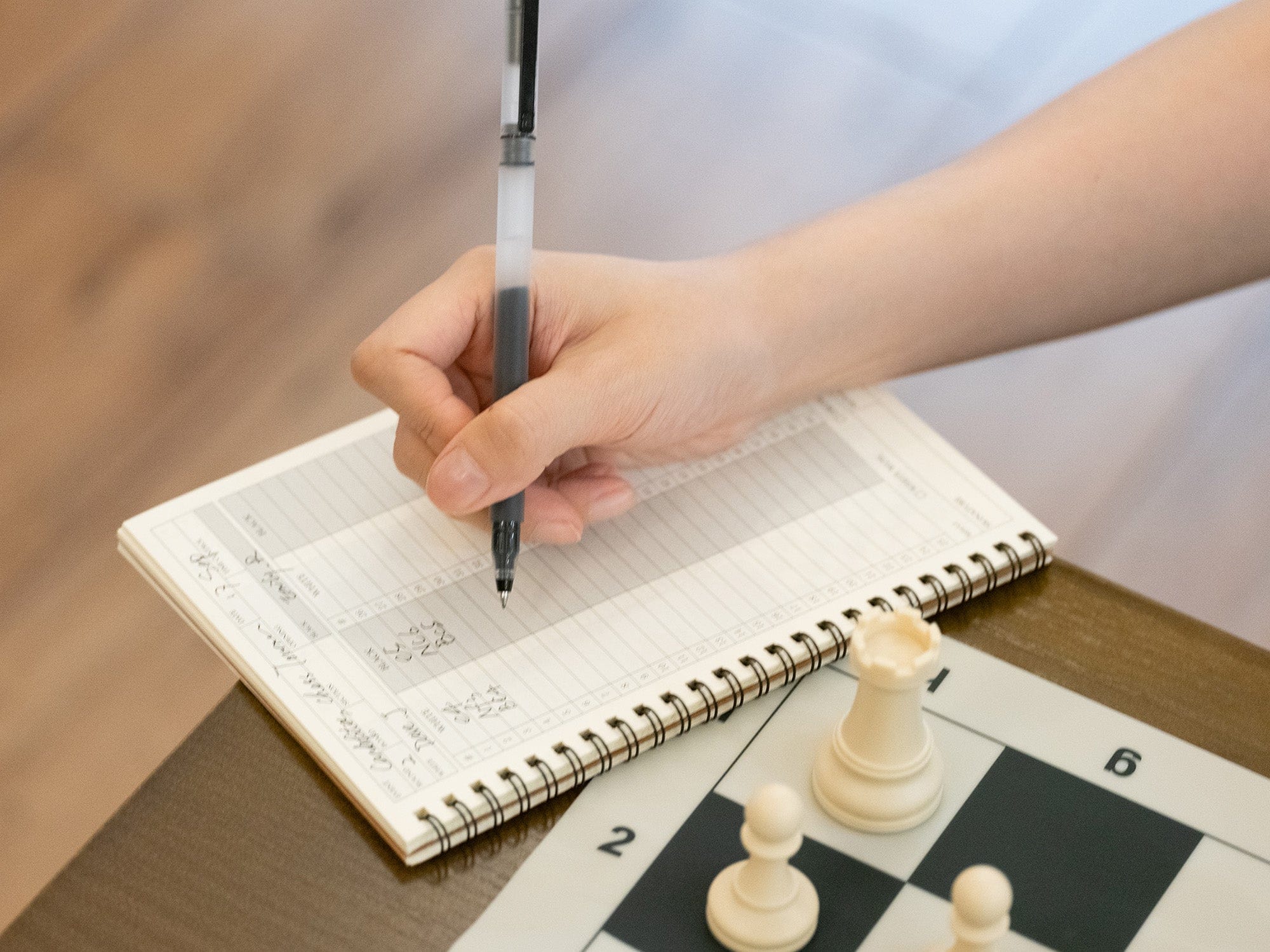
Replay the game slowly without using an engine. At each critical moment, pause and write down what you were thinking during the game. Be honest. If you played a move because it “felt natural” or because you did not know what else to do, write that down.
Focus on questions such as:
· What was my plan here?
· What alternatives did I consider?
· What did I think my opponent was threatening?
· Was I calculating or guessing?
This step builds independent thinking. If you skip it and go straight to the engine, you train yourself to depend on evaluations instead of understanding positions.
Step 3: Identify Critical Positions
Not every move deserves equal attention. Strong players focus on critical positions—moments where the direction of the game could change.
Typical critical positions include:
· Tactical complications
· Pawn structure changes
· Major exchanges (queens or rooks)
· Transitions into endgames
· Moments of time pressure
A practical rule is to select three to five critical positions per game. Analyzing too many positions leads to overload and reduces the quality of reflection.
Step 4: Second-Pass Analysis With Engine Support
Only after completing your own analysis should you turn on the engine.
Use the engine as a verification tool, not an authority. Compare your candidate moves with the engine’s recommendations and ask why they differ.
If the engine suggests a move you do not understand:
· Look at the idea behind the move
· Check whether it relies on a tactic or a long-term concept
· Ask whether the move was realistic for a human to find
The goal is understanding, not memorization. Blindly copying engine moves adds very little to long-term improvement.
Step 5: Classify Your Mistakes
After analyzing the game, classify your mistakes into categories. Over time, patterns will emerge.
Common categories include:
· Tactical oversights
· Poor planning
· Misjudging pawn structures
· Inaccurate exchanges
· Endgame technique
· Time management
· Psychological errors
Most players are surprised to find that a majority of their losses come from one or two recurring categories. This insight is extremely valuable, as it allows you to focus your training efficiently.
Step 6: Extract Concrete Lessons
Each analyzed game should produce one or two clear lessons. Avoid vague conclusions like “play more accurately” or “calculate better.”
Good lessons are specific and actionable, for example:
· Improve the worst-placed piece before launching an attack
· Always check opponent threats before making a forcing move
· Avoid pawn pushes that weaken key squares around the king
· Simplify when ahead in material and under time pressure
These lessons should be written down. Over time, they form a personalized improvement guide based entirely on your own games.
Step 7: Build a Personal Error Database
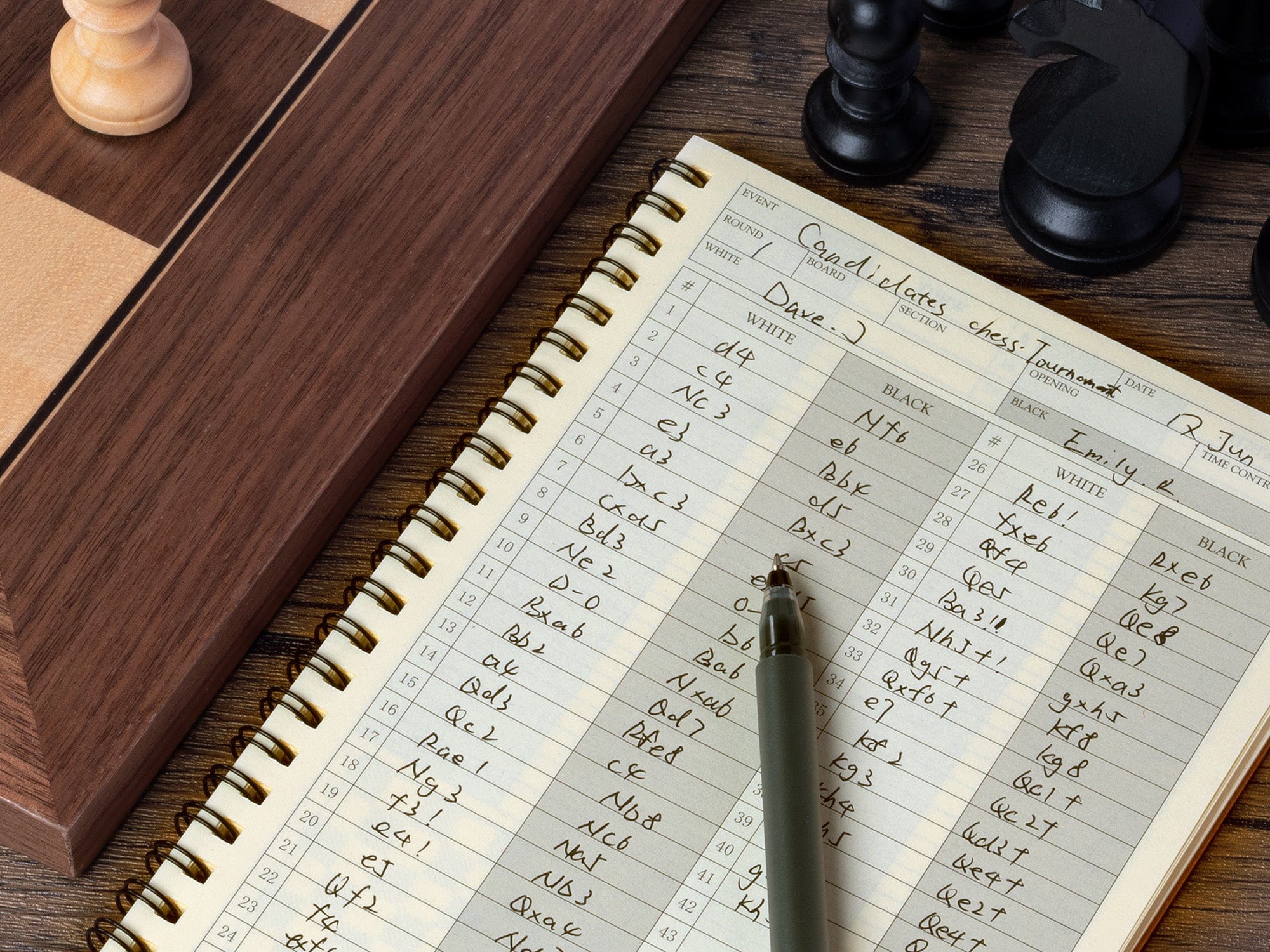
Strong players keep records of their mistakes. This can be a notebook, document, or spreadsheet.
Group lessons by theme and review them regularly. Before games, glance at your most common errors to keep them fresh in your mind.
This database becomes more valuable over time because it reflects your personal tendencies rather than generic advice.
Example Coach-Style Analysis Table
Below is a simple structure many coaches use:
|
Move |
Decision Made |
Problem Identified |
Lesson Learned |
|
14 |
Pawn advance |
Created long-term weakness |
Consider pawn structure before pushing |
|
21 |
Ignored threat |
Tunnel vision |
Always check opponent ideas |
|
30 |
Traded queens |
Worse endgame |
Evaluate endgames before exchanges |
This format keeps analysis concise and practical.

How Often Should You Analyze Games?
Quality matters more than quantity. For most club players:
· Analyze one serious game per week deeply
· Review blitz games quickly for tactics only
· Focus on longer time controls for full analysis
Consistency is more important than volume. A sustainable routine produces better results than short bursts of intense study.
Combining Analysis With Training
Game analysis should guide your training choices:
· Many tactical errors → more calculation practice
· Poor plans → study annotated master games
· Endgame losses → focused endgame study
· Time trouble → improve decision-making speed
This feedback loop ensures that your study directly addresses your weaknesses.
Common Analysis Mistakes to Avoid
Many players sabotage their own analysis by:
· Rushing through games
· Relying entirely on engine evaluations
· Focusing on rare tactics instead of common patterns
· Trying to fix everything at once
Good analysis is selective, honest, and patient.
Psychological Benefits of Proper Analysis
Proper analysis reduces frustration. Losses become productive rather than demoralizing. Confidence increases as mistakes become predictable and manageable.
Players who analyze consistently often report feeling calmer during games, as they trust their thinking process more.
Conclusion
Analyzing your chess games like a coach is one of the most powerful ways to improve. By focusing on decisions rather than moves, identifying recurring mistakes, and extracting clear lessons, you turn every game into meaningful training.
This structured approach does not require talent or expensive tools—only honesty, discipline, and consistency. Over time, it builds clarity, confidence, and steady progress, transforming how you play and understand the game.


Commenta
Questo sito è protetto da hCaptcha e applica le Norme sulla privacy e i Termini di servizio di hCaptcha.