

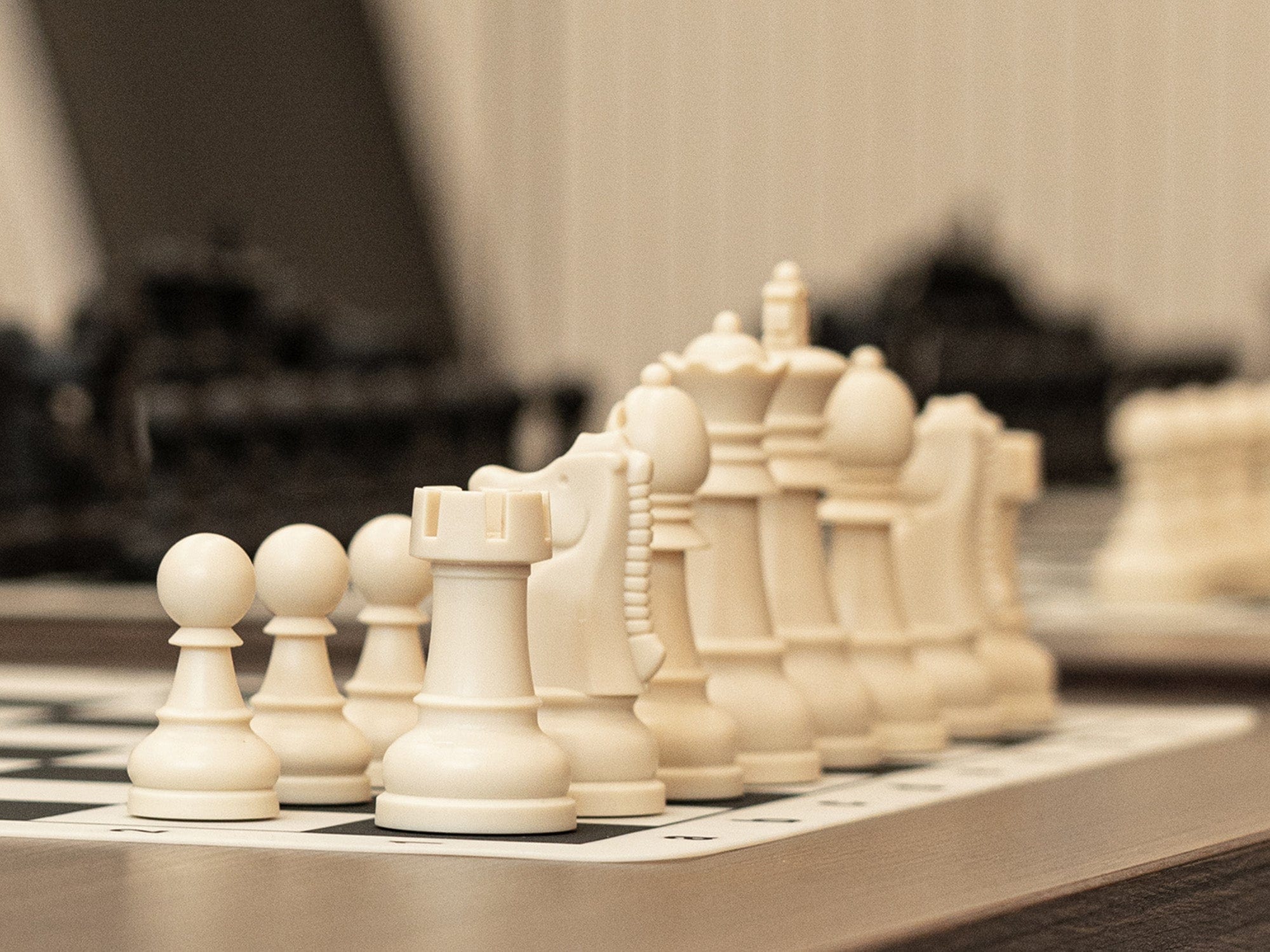








Modern companies spend significant time and money trying to create stronger connections between employees.
Some activities work well for highly social teams but make quieter employees uncomfortable. Others require expensive venues, physical fitness, travel, or alcohol. Virtual activities may be convenient, but employees who already spend most of the day in online meetings may not want another scheduled video call.
A corporate chess tournament offers a different approach.
It can be organized in an office, hotel, conference center, coworking space, or online platform. It works for small companies and global organizations. Employees can participate as complete beginners, casual players, serious competitors, spectators, volunteers, or team supporters.
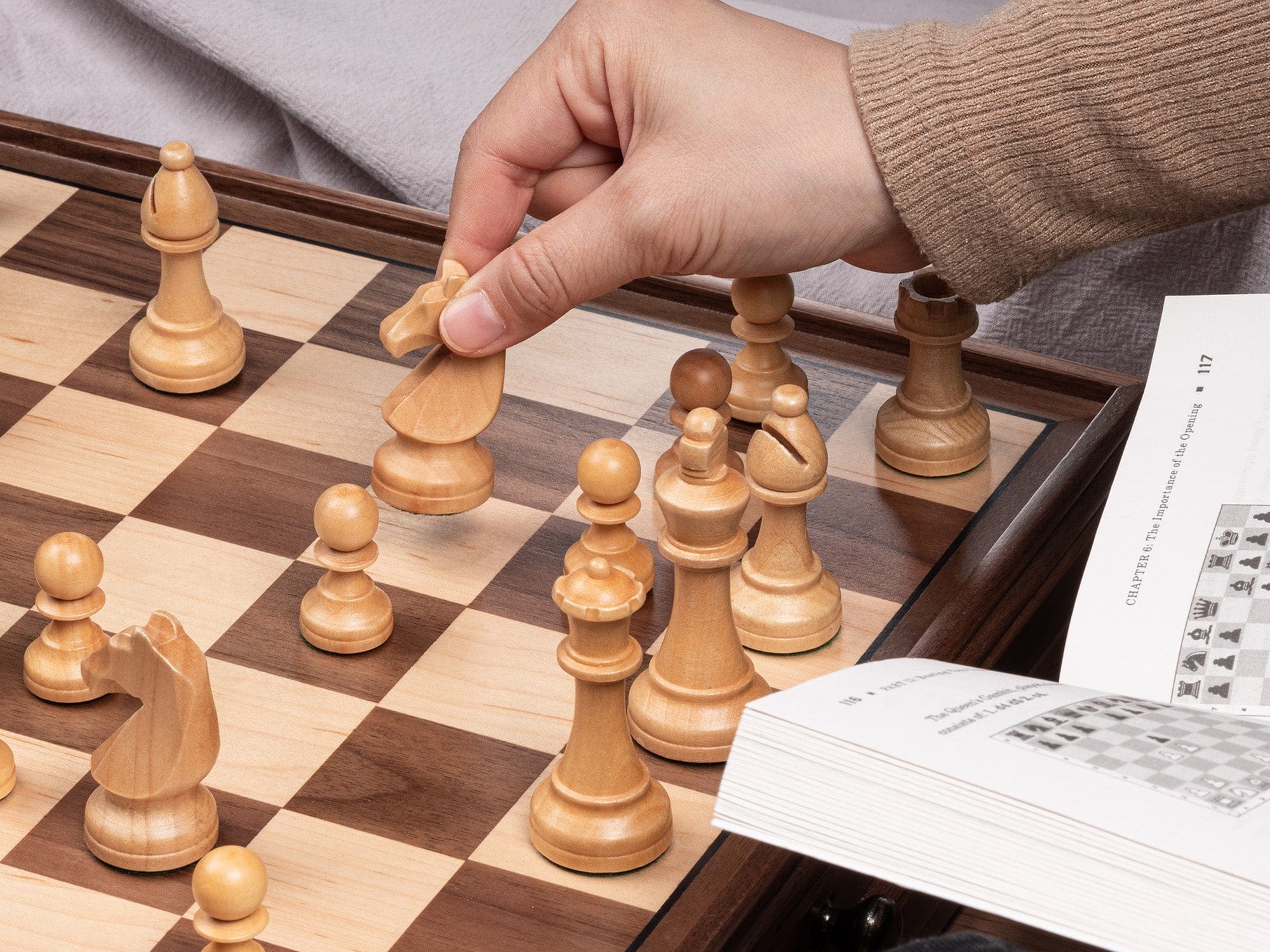
Most importantly, chess gives participants something specific to do together.
Employees do not have to begin with forced small talk. The board provides a shared activity, while conversation develops naturally before and after each game.
Corporate chess has also grown beyond informal office matches. The FIDE World Corporate Chess Championship brings company teams together through online qualification and over-the-board competition, presenting chess as a platform for teamwork, networking, and friendly corporate rivalry.
This guide explains how to organize a successful corporate chess tournament, select equipment, choose a format, include beginners, engage hybrid teams, promote the event, and build a long-term workplace chess community.
Why Corporate Chess Fits the Modern Workplace
Hybrid work provides flexibility, but it can also reduce informal interaction.
Recent Gallup workplace data show that hybrid and remote employees may report relatively strong engagement while still experiencing challenges related to social isolation, digital coordination, and reduced workplace camaraderie. Gallup recommends intentionally designing opportunities for connection instead of assuming relationships will form automatically.
A chess tournament can help create that opportunity because it is:
- Structured without being highly formal
- Competitive without requiring athletic ability
- Affordable compared with many off-site activities
- Suitable for different ages and professional roles
- Easy to adapt for beginners
- Available in physical, online, and hybrid formats
- Capable of supporting individual and team competition
- Reusable as a recurring employee activity
- Relatively simple to organize with the right equipment
Corporate chess communities already exist inside major technology and financial organizations. Previous reporting on the FIDE corporate championship described active internal chess communities at companies such as Google and Susquehanna International Group, showing that workplace chess can develop into a significant employee-led network rather than remaining a one-time event.
Step 1: Define the Purpose of the Tournament
Begin by deciding what the company wants the event to achieve.
Possible objectives include:
- Connecting employees from different departments
- Welcoming new employees
- Supporting return-to-office days
- Creating an alternative to a company happy hour
- Launching an internal chess club
- Organizing a charity fundraiser
- Celebrating a company anniversary
- Engaging employees across multiple offices
- Supporting a learning-and-development week
- Identifying a team for an external corporate competition
- Creating an employee-and-family event
- Offering a screen-free lunchtime activity
Choose one primary purpose.
An event designed for networking should not be organized exactly like a serious championship. A competitive company team trial may require formal rules, ratings, clocks, and scorekeeping. A casual employee-engagement event should prioritize inclusion and conversation.
A useful event statement might be:
Our corporate chess tournament will bring employees from different teams together through beginner-friendly games, team competition, and an informal networking experience.
This statement can guide the format, schedule, equipment, and promotional language.
Step 2: Decide Who Can Participate
Determine whether the tournament is open to:
- All employees
- One office location
- Multiple international offices
- Employees and contractors
- Employees and family members
- Clients or business partners
- Selected departmental teams
- Experienced players only
- Beginners and experienced players in separate sections
For a first company tournament, opening registration to all skill levels usually produces the strongest participation.
Ask employees to select an experience level during registration:
- New Player: Still learning the rules
- Casual Player: Plays occasionally
- Regular Player: Understands tactics and time controls
- Tournament Player: Has formal competition experience
Use this information to create fair sections or pairings.
Avoid asking employees to provide an official rating unless the competition genuinely requires one. Many workplace players may be active online but have no formal federation rating.
Step 3: Choose an In-Person, Online, or Hybrid Format
In-Person Tournament
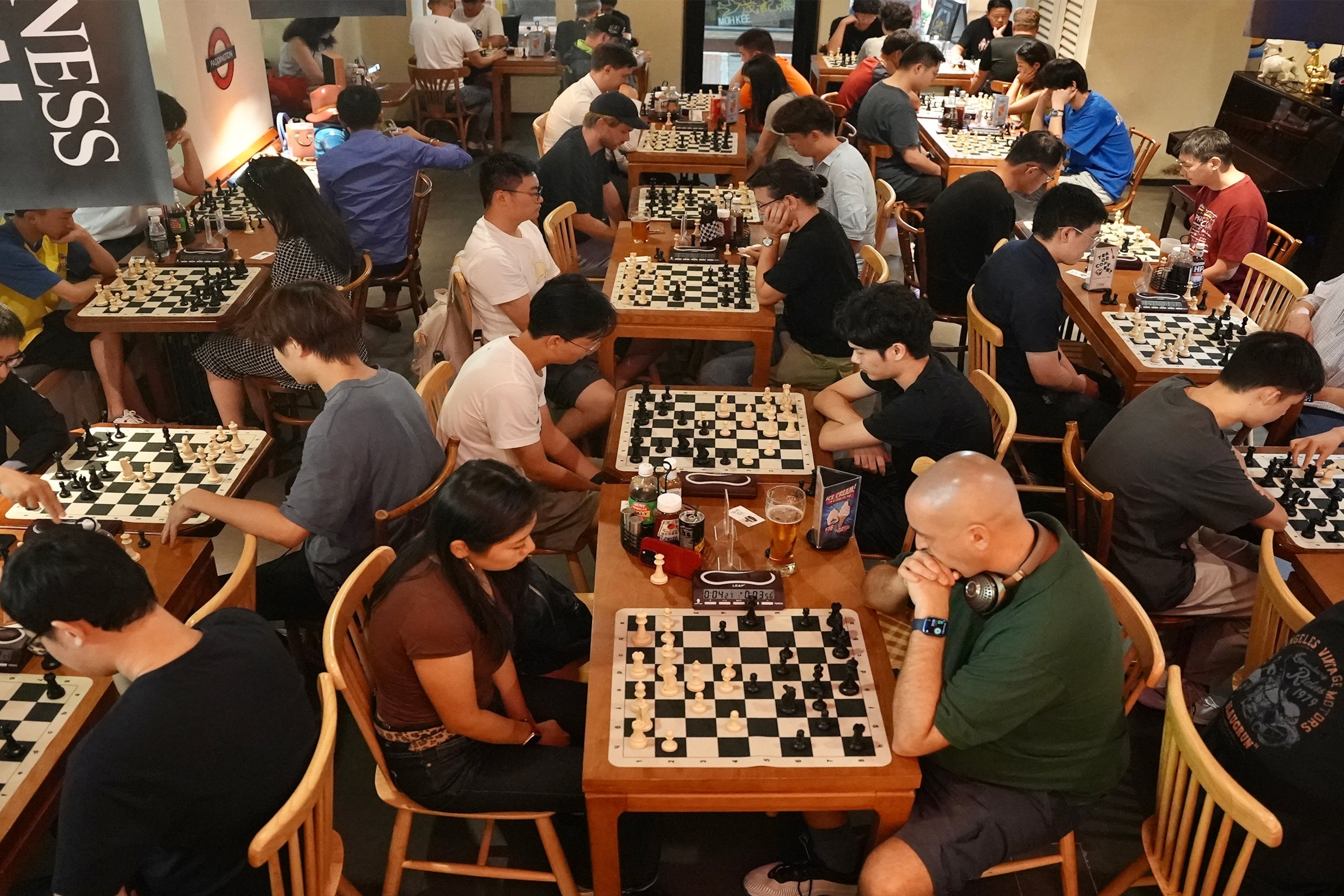
An in-person office tournament creates the strongest face-to-face experience.
It works well for:
- Company culture days
- Office celebrations
- Lunch-hour activities
- Employee networking
- Client events
- Conference entertainment
- Return-to-office programs
An in-person event requires boards, pieces, tables, clocks, signage, and equipment storage.
Online Tournament
An online tournament is useful when employees work across different cities or countries.
Advantages include:
- No physical venue requirement
- Easy participation across offices
- Automatic pairing and scorekeeping
- Lower equipment requirements
- Flexible scheduling
However, an online event may feel similar to normal digital work. Add a live opening session, team chat, commentary, or final presentation to make it feel like a company experience rather than another link in the calendar.
Hybrid Tournament
A hybrid tournament can combine local office events with online competition.
For example:
- Employees play physical games inside each office.
- Office winners qualify for an online company final.
- Remote employees enter separate online qualifiers.
- Department teams combine remote and office players.
- The final match is played physically and livestreamed internally.
FIDE’s corporate championship has used a combination of online qualification and over-the-board final stages, demonstrating how the two formats can support a larger distributed competition.
Step 4: Select the Tournament Format
Individual Swiss Tournament
A Swiss-system event pairs participants with others who have similar scores.
Players are not eliminated after a loss, so everyone can continue participating.
This is suitable for:
- 12 or more players
- Mixed experience levels
- Two- to four-hour events
- Company-wide championships
A simple workplace tournament can use four or five rounds.
Round-Robin Tournament
Every player competes against every other player.
This works best for:
- Four to eight participants
- Department finals
- Senior leadership challenges
- Small office teams
The format becomes too long when many employees participate.
Knockout Tournament
The winner advances while the loser is eliminated.
This format is easy to understand and exciting to watch, but some employees may play only one game.
Create a consolation bracket or casual-play area for eliminated participants.
Department Team Tournament
Employees represent departments such as:
- Marketing
- Sales
- Finance
- Product
- Engineering
- Operations
- Human Resources
- Customer Support
Each team can contain three to five players. Team scores are combined after each round.
This format encourages department identity while also allowing employees to meet opponents from other areas of the company.
Mixed-Team Networking Tournament
Instead of placing existing colleagues together, assign employees from different departments to the same team.
This format is especially useful when the main goal is cross-functional networking.
Beginner and Open Sections
Create two separate competitions:
- Beginner Section
- Open Section
This prevents new players from immediately facing the company’s strongest competitors.
The two winners can play a friendly exhibition with a time or material handicap at the end of the event.
Step 5: Choose the Time Control
The time control determines the length and atmosphere of the tournament.
| Format | Time Control | Approximate Game Length | Best Use |
| Casual rapid | 15 minutes per player | 30 minutes | Beginner events |
| Rapid with increment | 10+5 | 20–30 minutes | Main office tournament |
| Fast rapid | 10 minutes per player | 20 minutes | Lunch-hour event |
| Blitz | 5+3 | 10–15 minutes | Experienced-player section |
| Fast blitz | 3+2 | 6–10 minutes | Final or side event |
| Untimed | No clock | Flexible | Beginner learning zone |
The notation “10+5” means that each player begins with ten minutes and receives five additional seconds after every move.
The FIDE World Corporate Chess Championship’s 2025 online stages used a rapid 10+3 format, which provides one practical reference point for corporate competition.
For a mixed-level workplace event, 10+5 is usually easier for beginners than pure blitz.
Step 6: Calculate How Many Chess Sets You Need
Plan for one chess set per two active players, plus spare equipment.
| Registered Players | Minimum Sets | Recommended Sets |
| 8 | 4 | 5 |
| 16 | 8 | 10 |
| 24 | 12 | 14 |
| 32 | 16 | 18 |
| 48 | 24 | 27 |
| 64 | 32 | 36 |
Additional boards can be used for:
- Beginner lessons
- Casual games
- Analysis after completed matches
- Replacement when a piece is missing
- Spectator challenges
- Tiebreak games
Companies purchasing multiple sets can review the A&A CHESS FAQ. A&A CHESS states that wholesale purchasing is available through customized solutions and pricing.
For a tailored bulk-order request, organizers can also use the A&A CHESS contact page.
Step 7: Select Appropriate Corporate Event Equipment

Silicone Tournament Sets
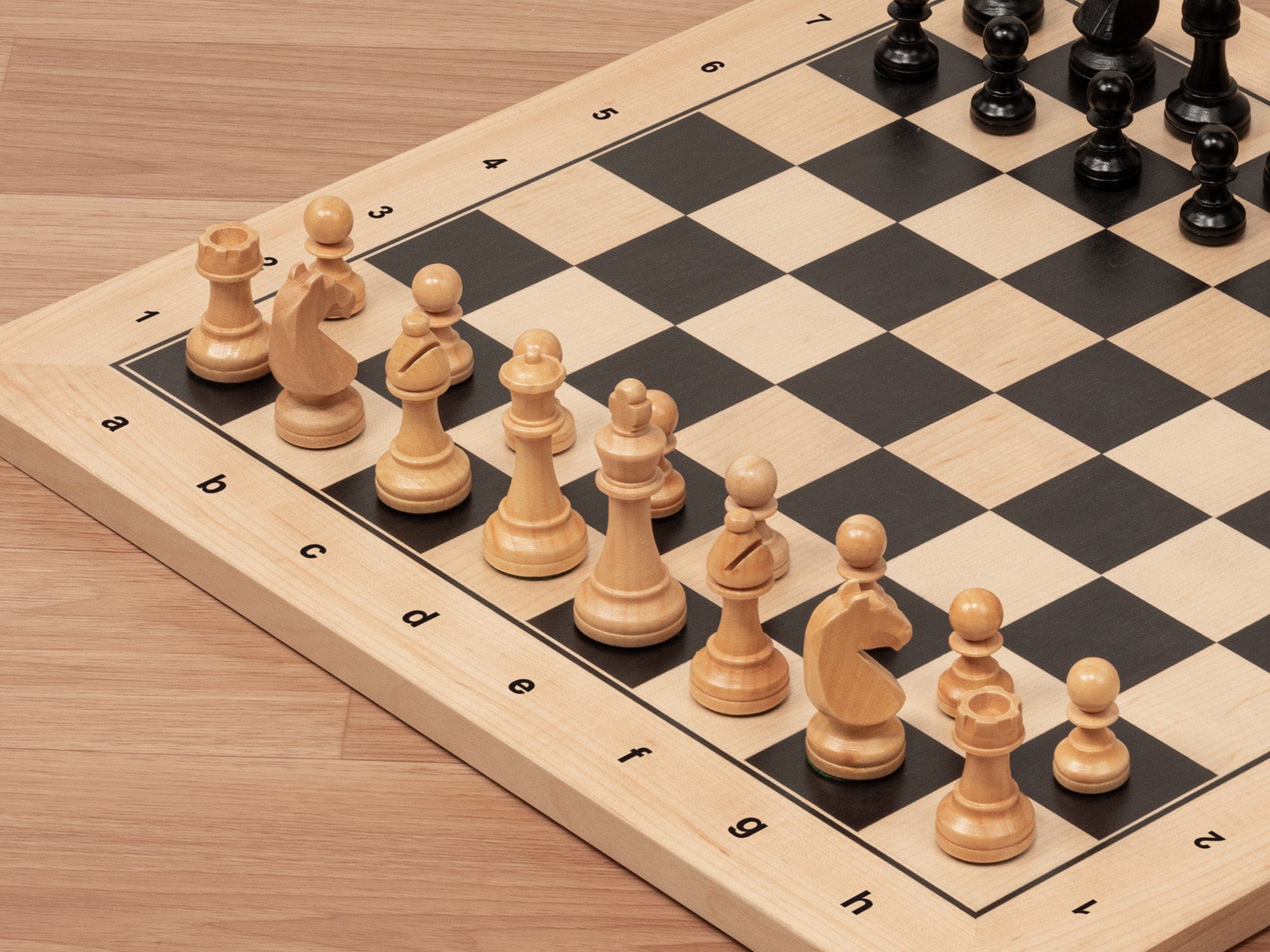
For larger employee events, portable silicone boards are practical because they can be rolled, moved, cleaned, and stored efficiently.
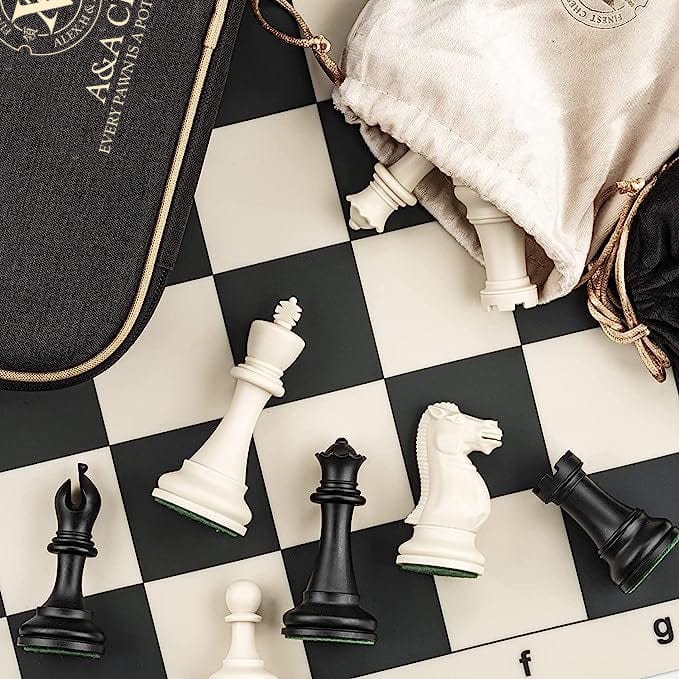
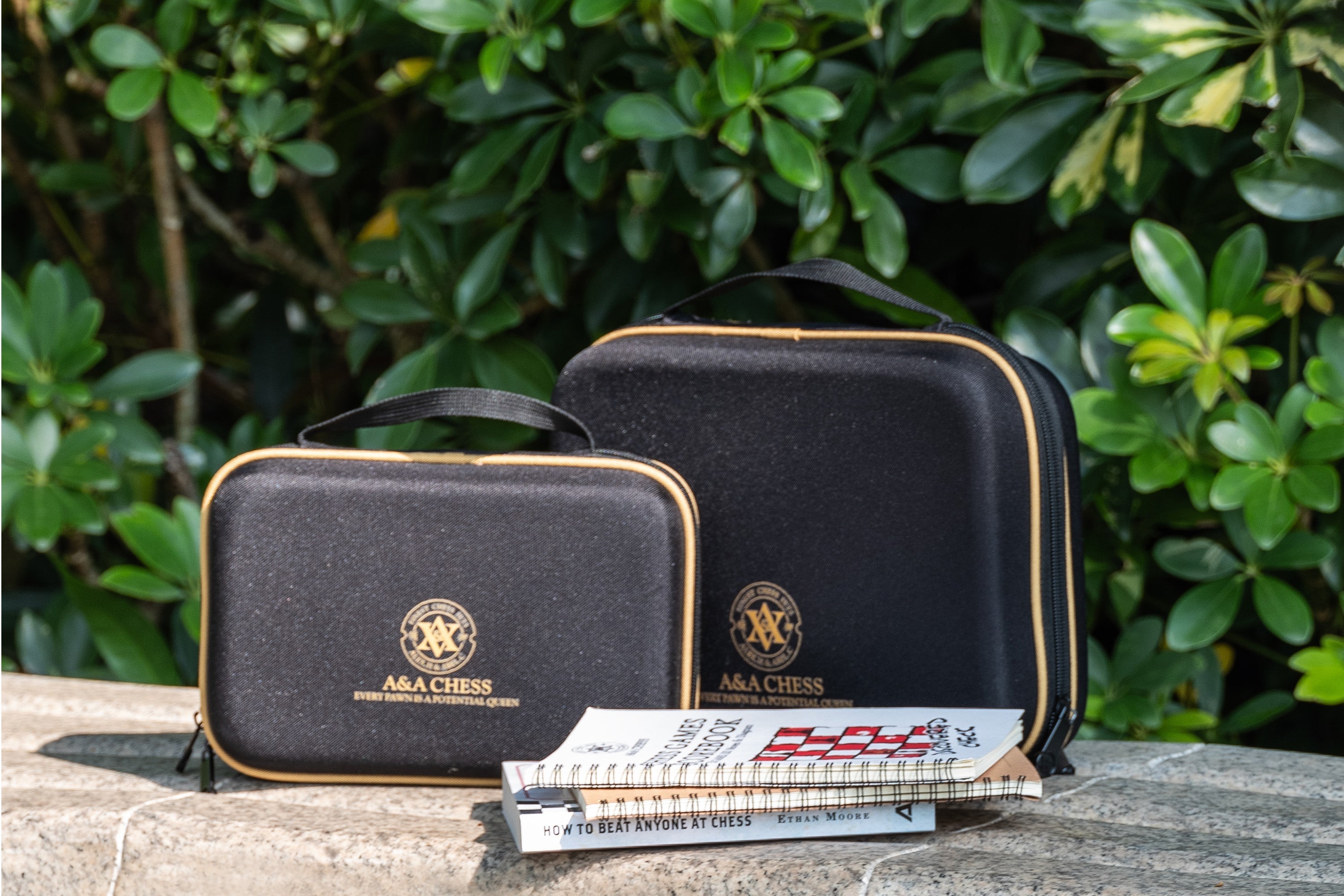
The A&A 20-inch Silicone and Plastic Traveling Chess Set includes a 20-inch waterproof silicone board, weighted Staunton-style pieces, extra queens, piece bags, and a carrying case. Its size and portability make it suitable for office tournaments, clubs, conferences, and temporary event spaces.
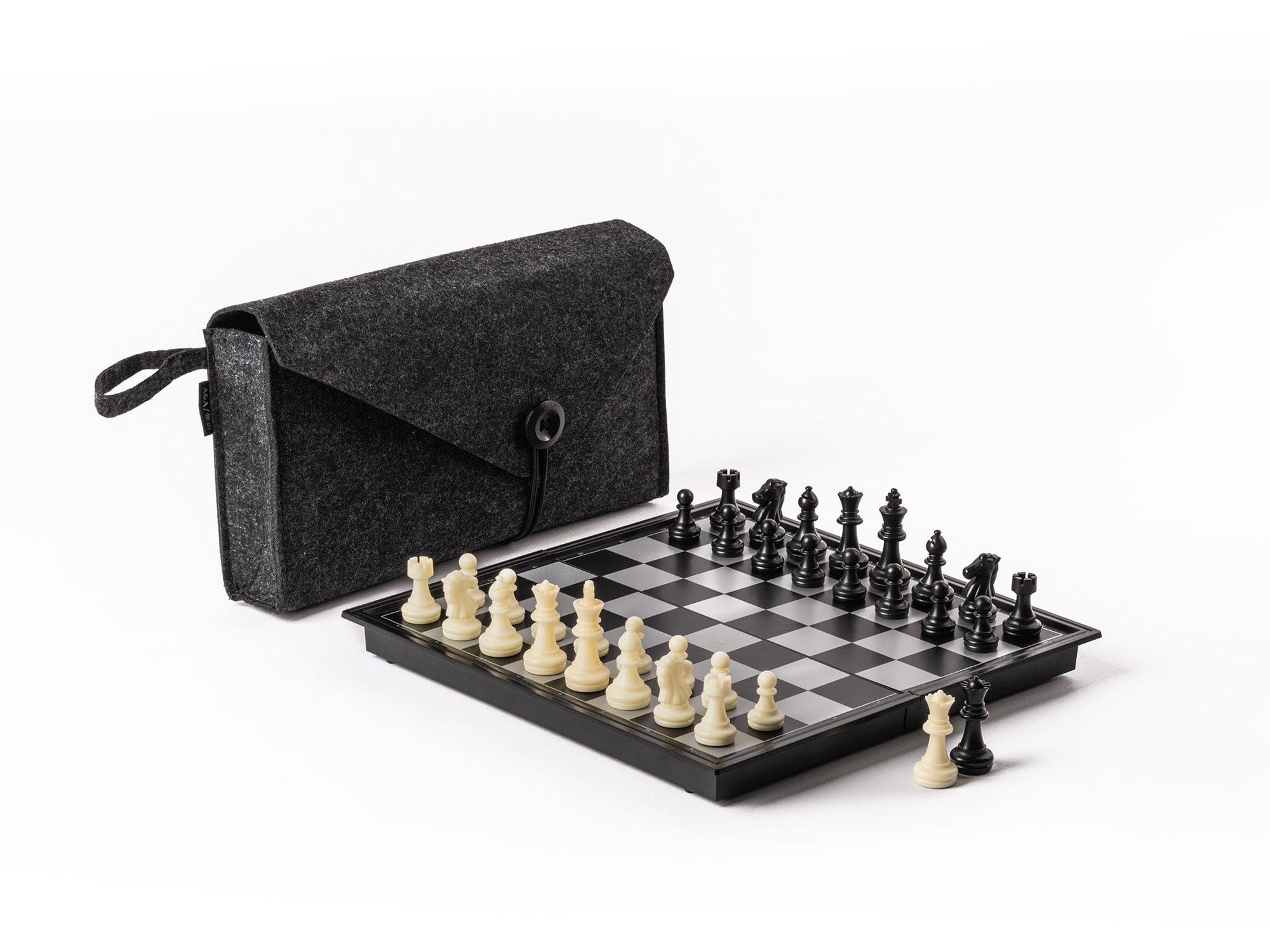
The smaller A&A 15-inch Silicone and Plastic Traveling Chess Set may be more appropriate for smaller office tables or compact event rooms. It uses a rollable, washable board and includes portable storage.
Companies can compare additional event-ready options in the Tournament Chess Sets collection.
Digital Chess Clocks
A reliable clock helps keep rounds on schedule and creates a consistent experience.
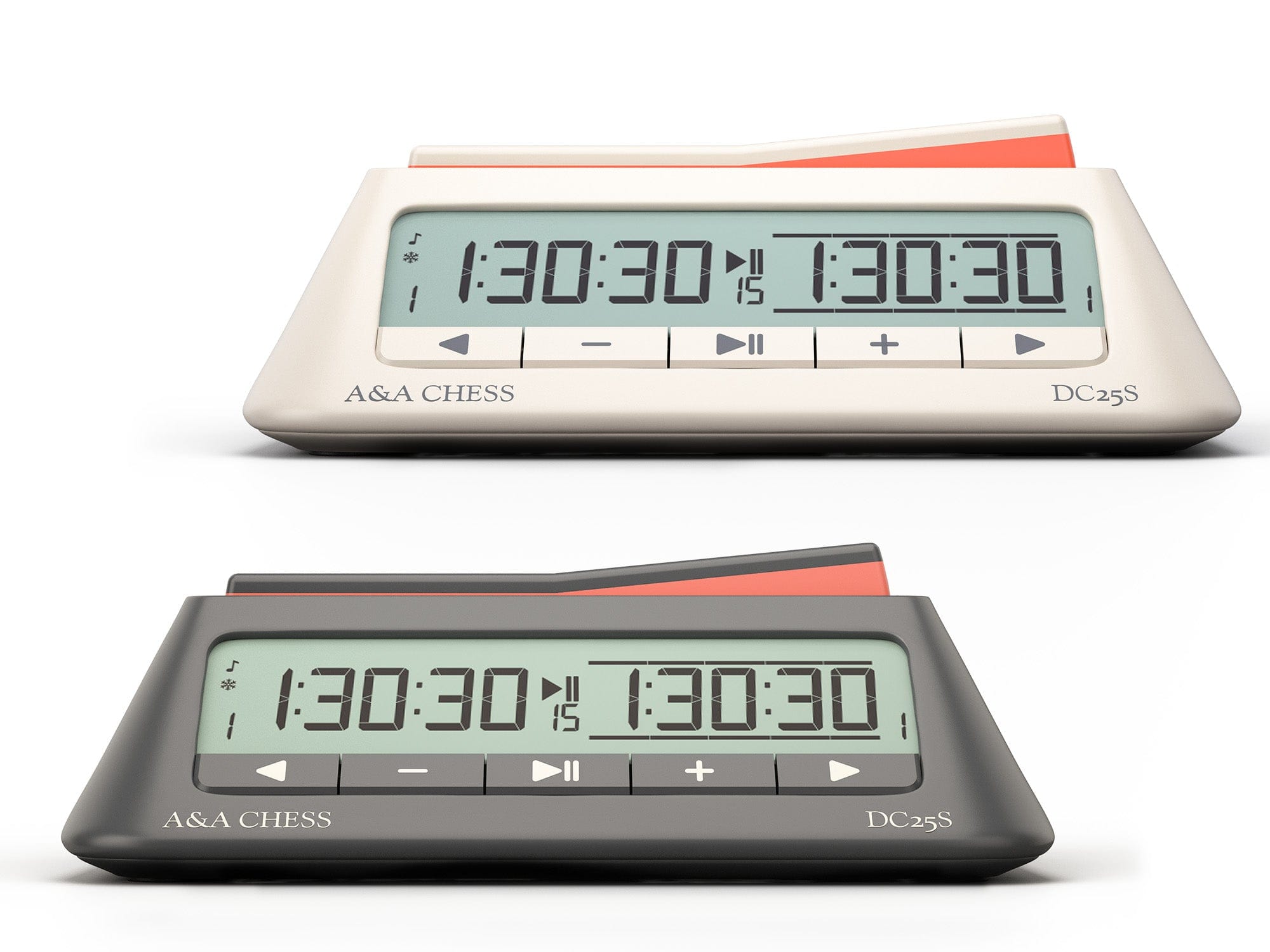
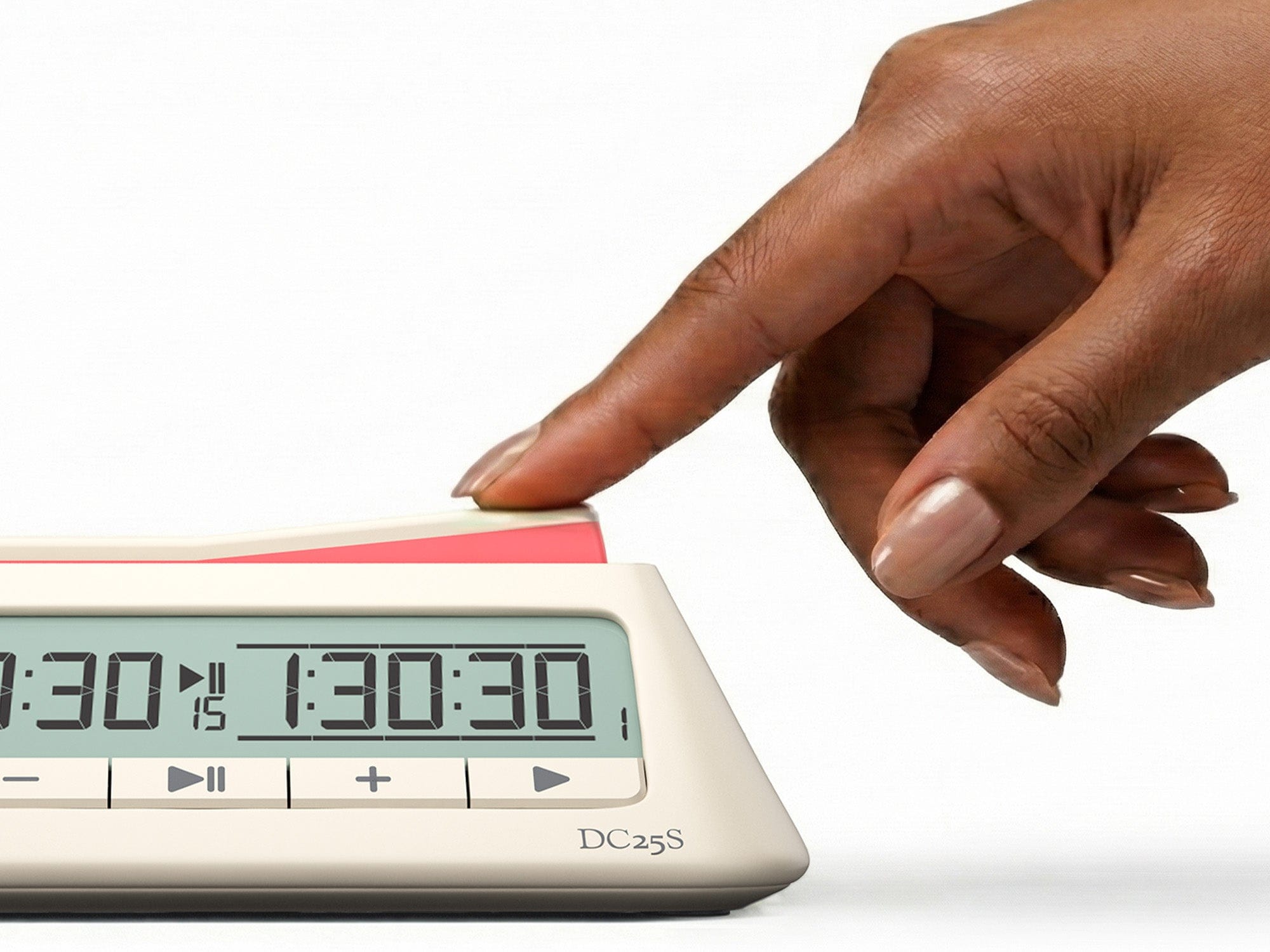
The A&A Professional Digital Chess Clock supports common chess timing formats, including increment and delay settings.
You do not necessarily need one clock for every board during a casual event. Clocks can initially be assigned to:
- Open-section boards
- Championship matches
- Tiebreak games
- Experienced-player tables
- Livestreamed or featured games
As the office chess program grows, additional clocks can be added.
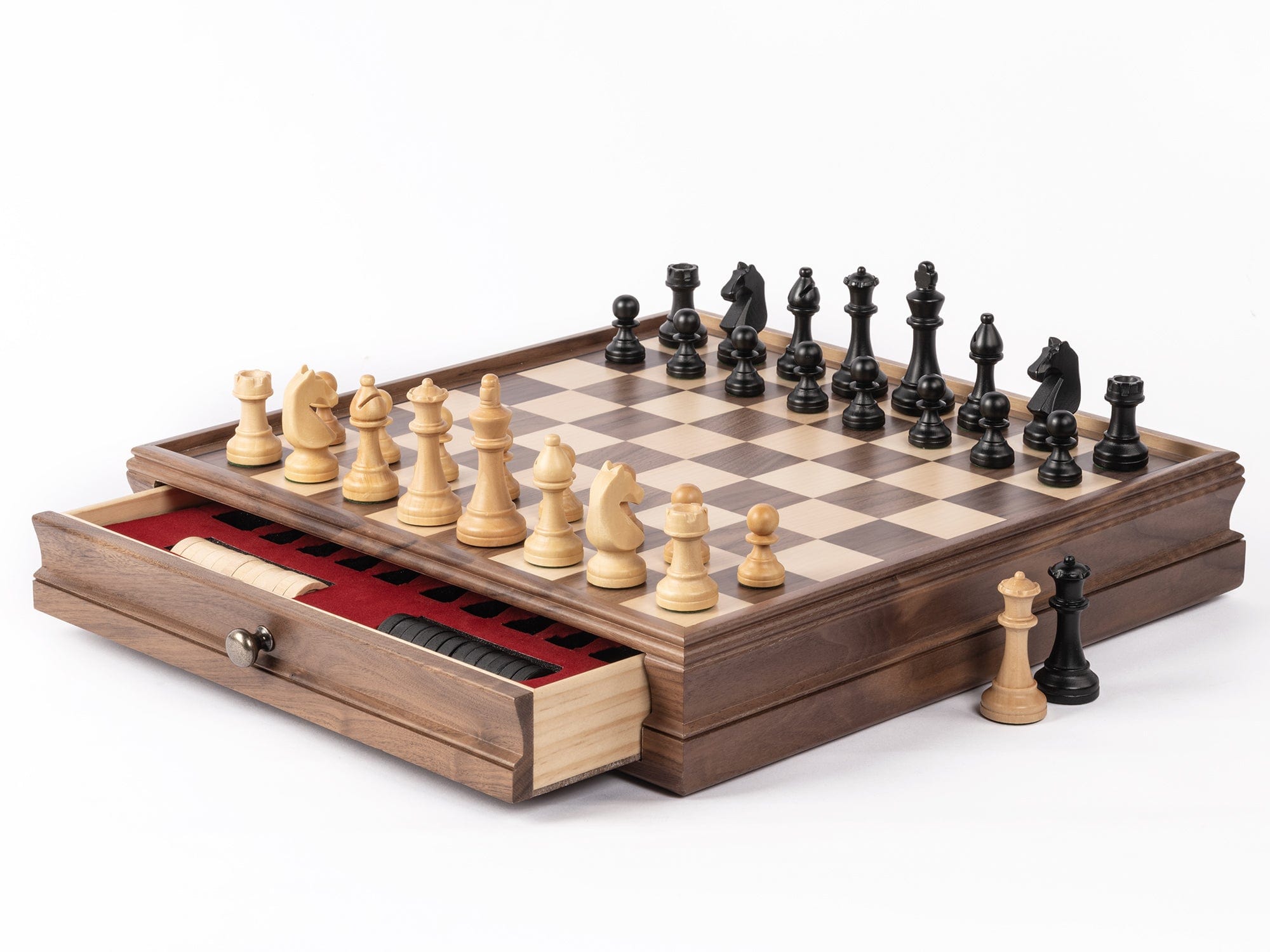
Wooden Featured Set
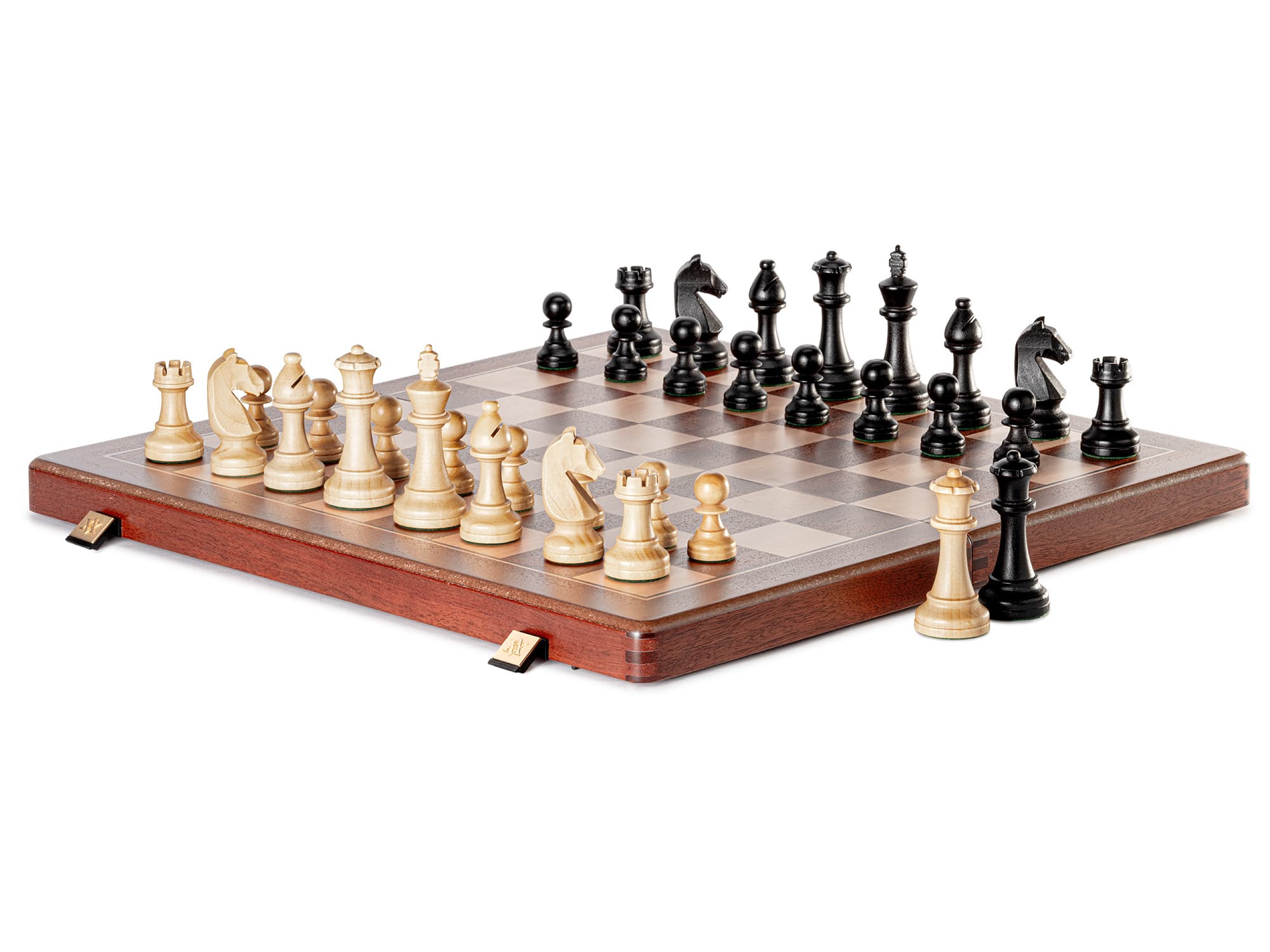
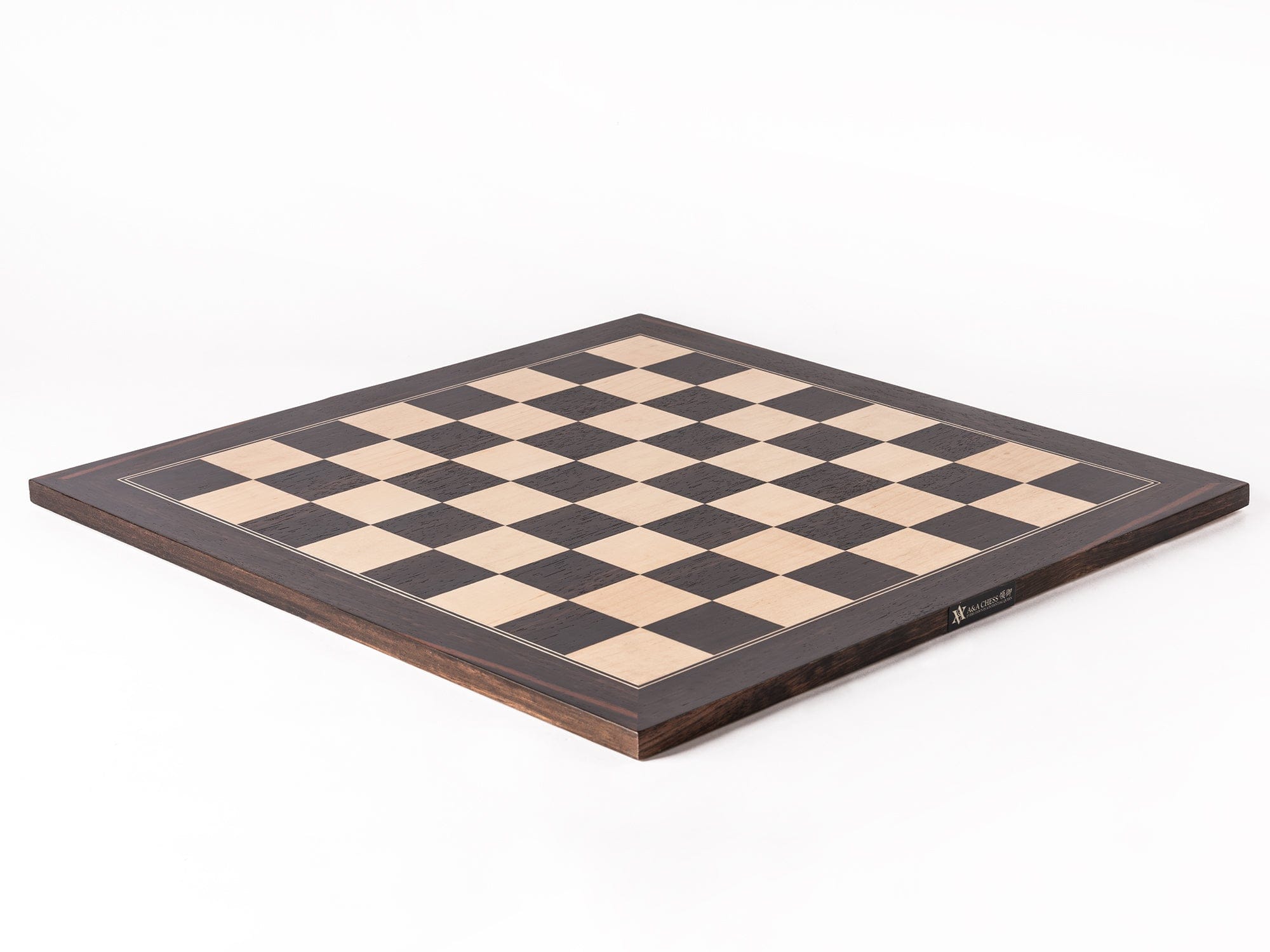
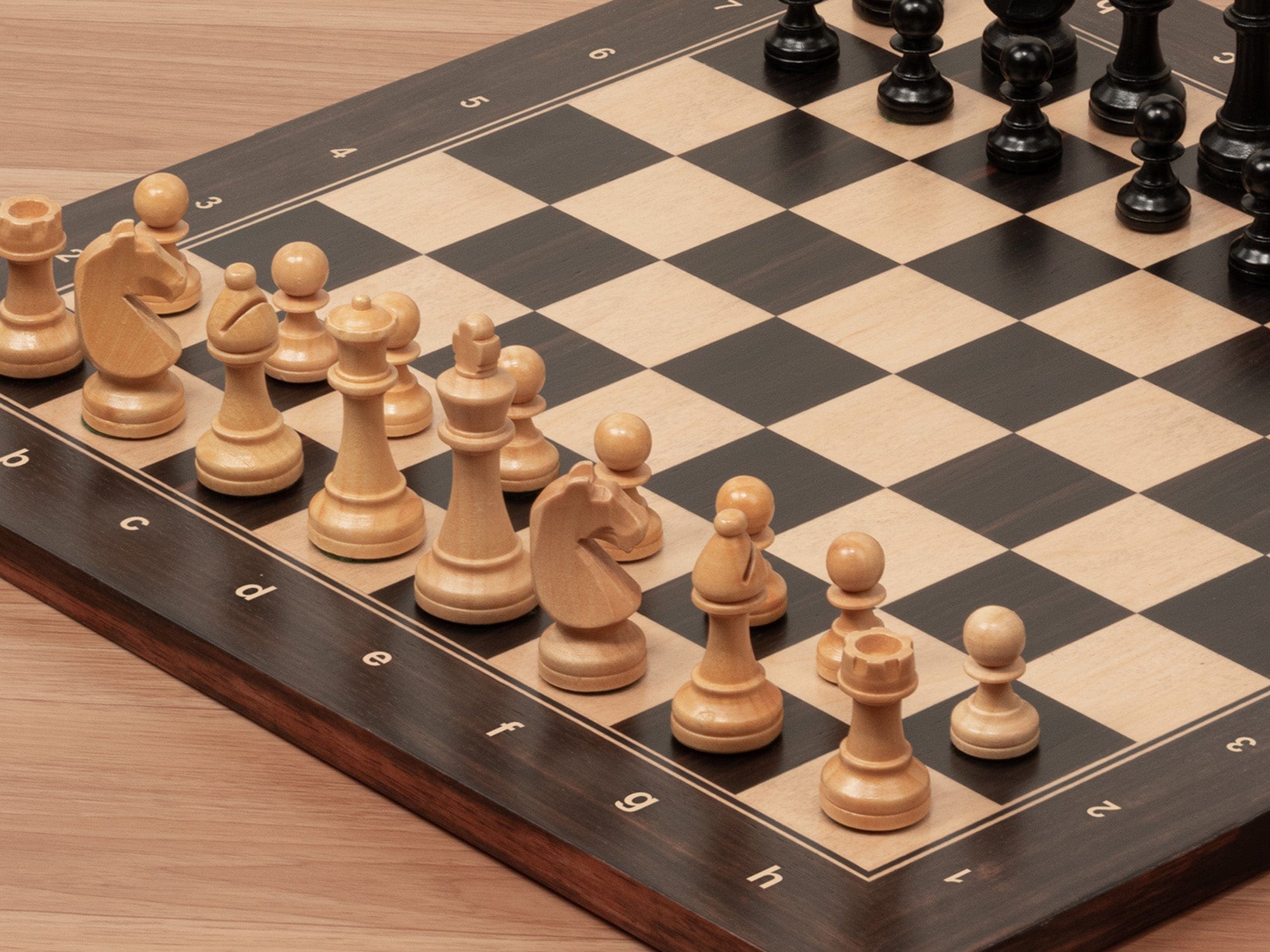
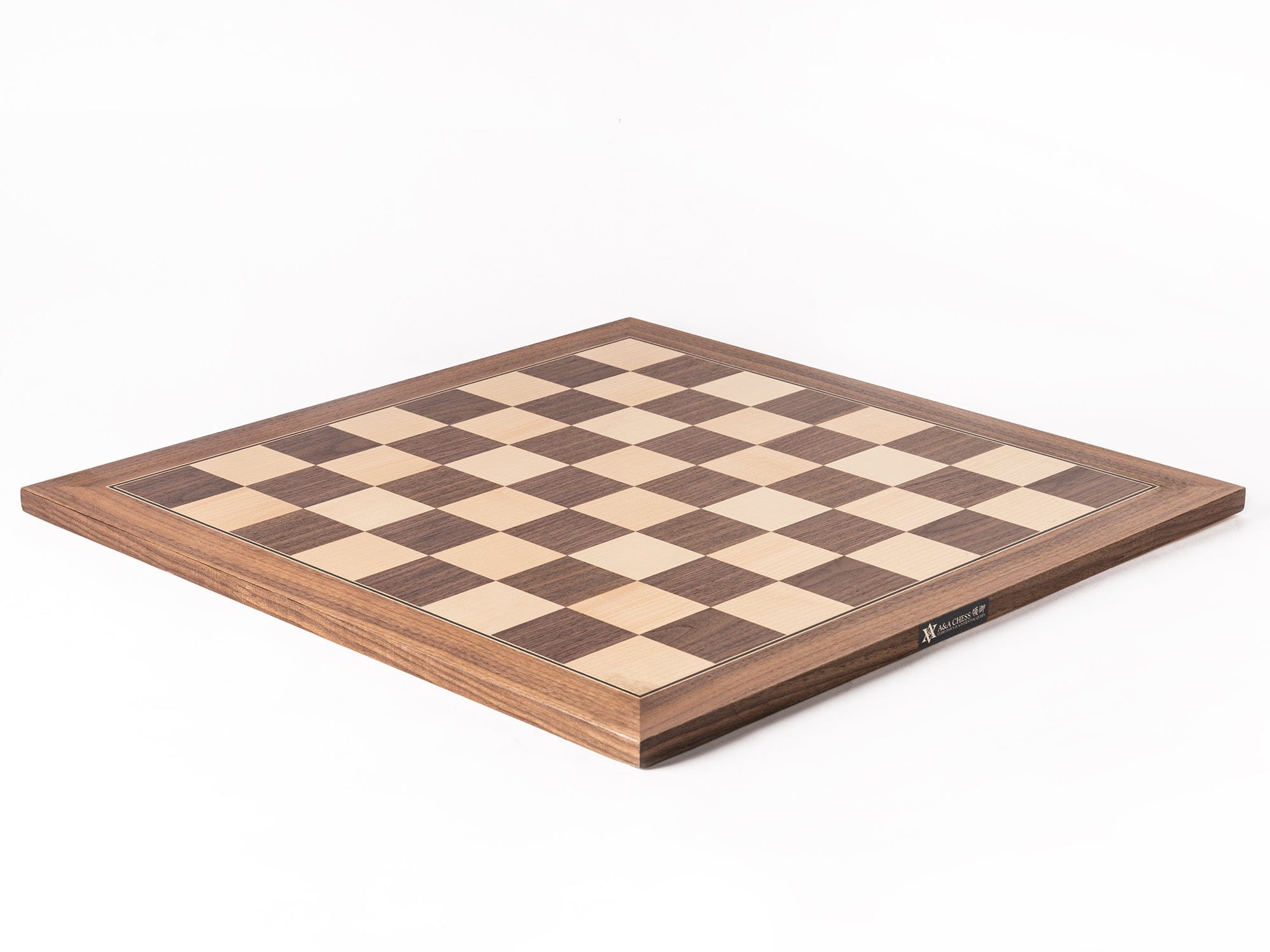
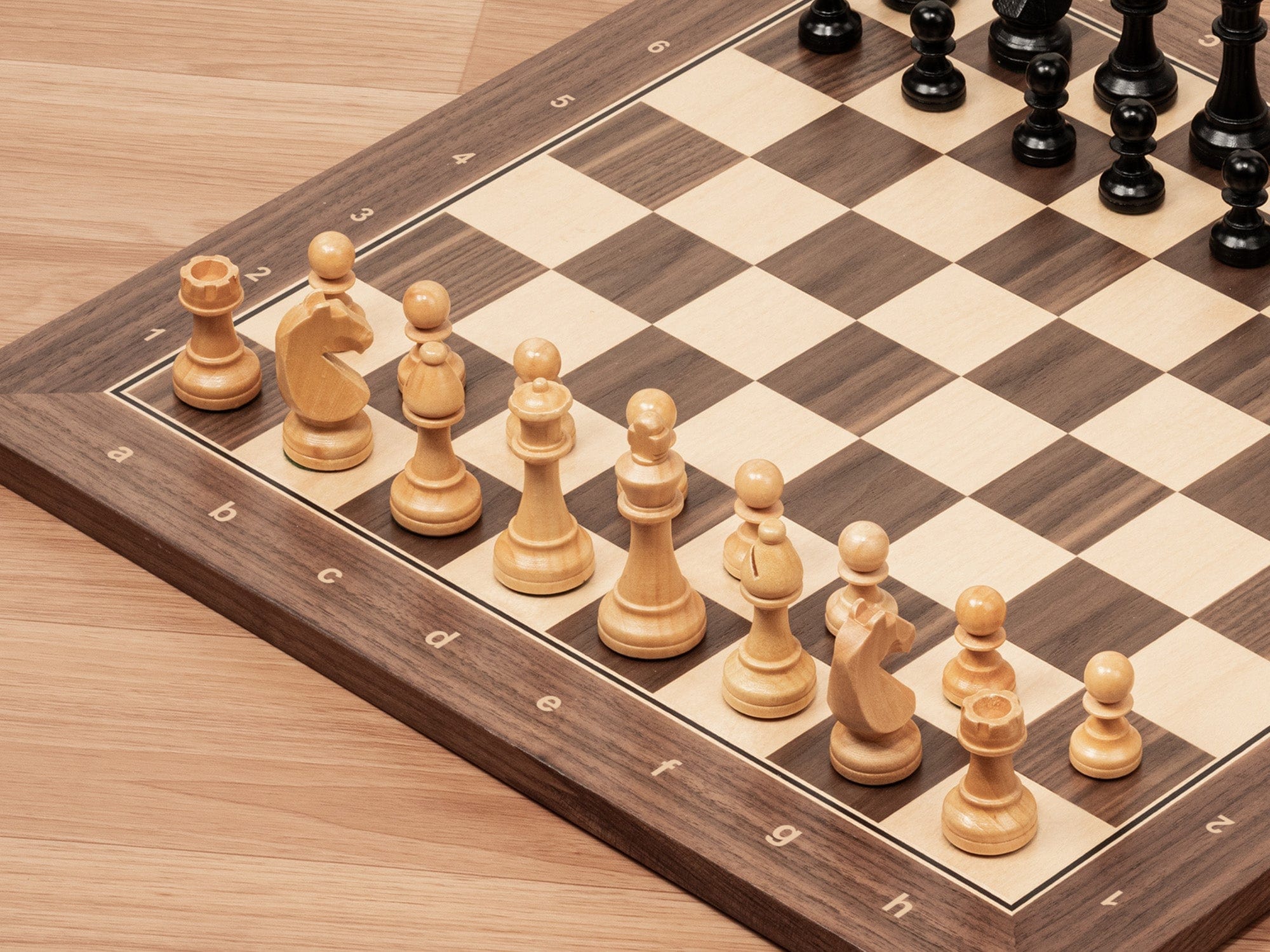
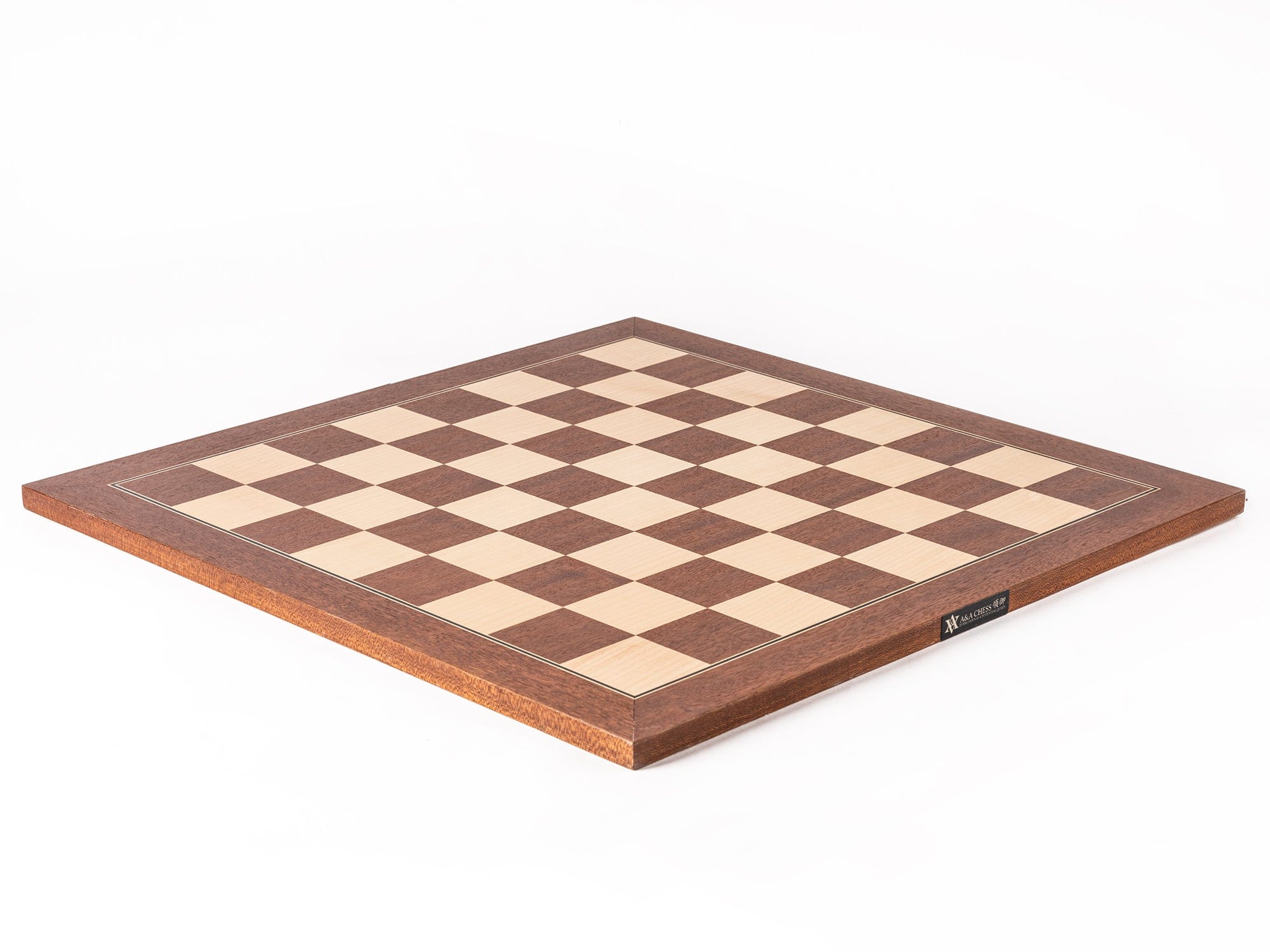
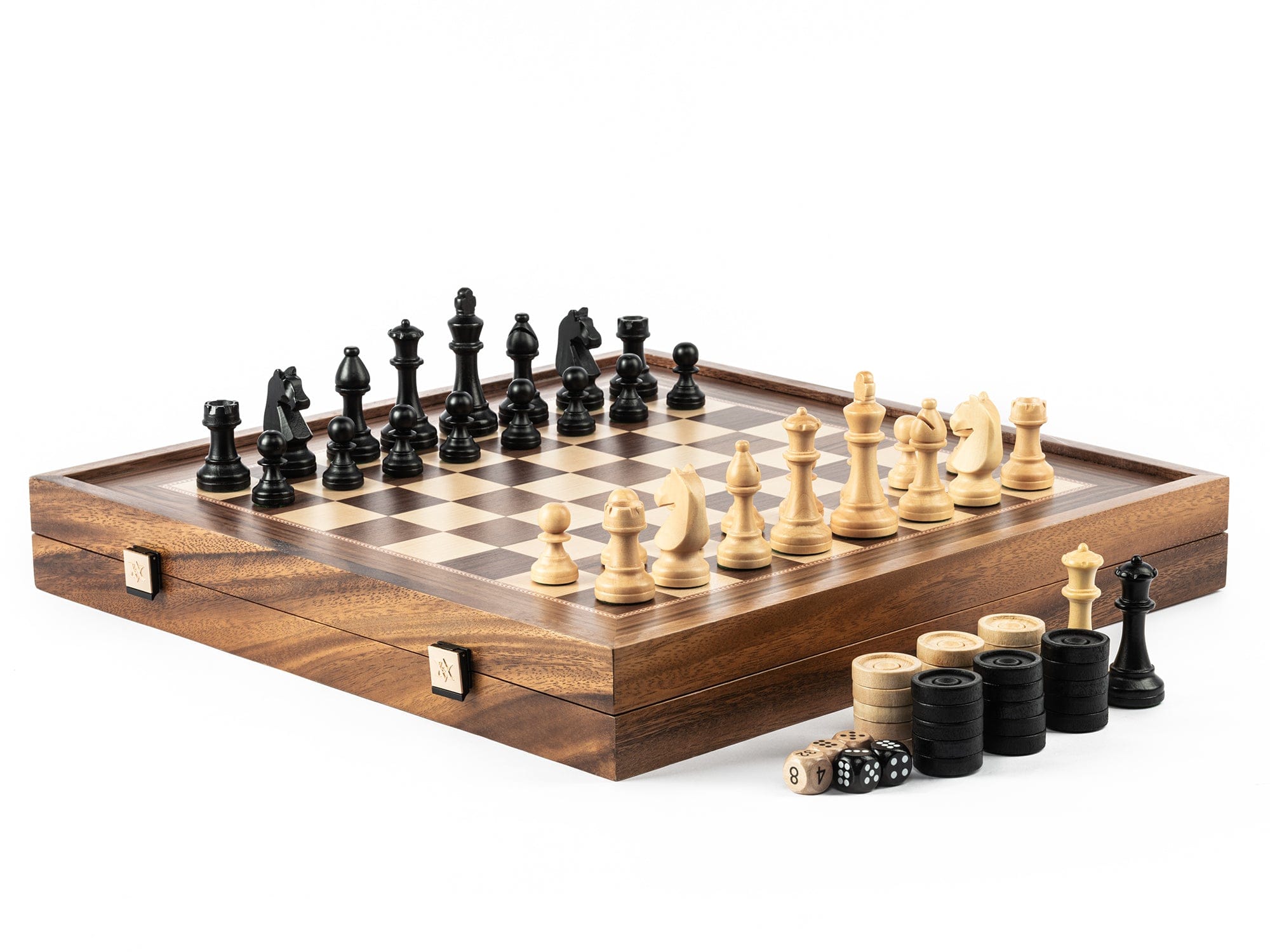
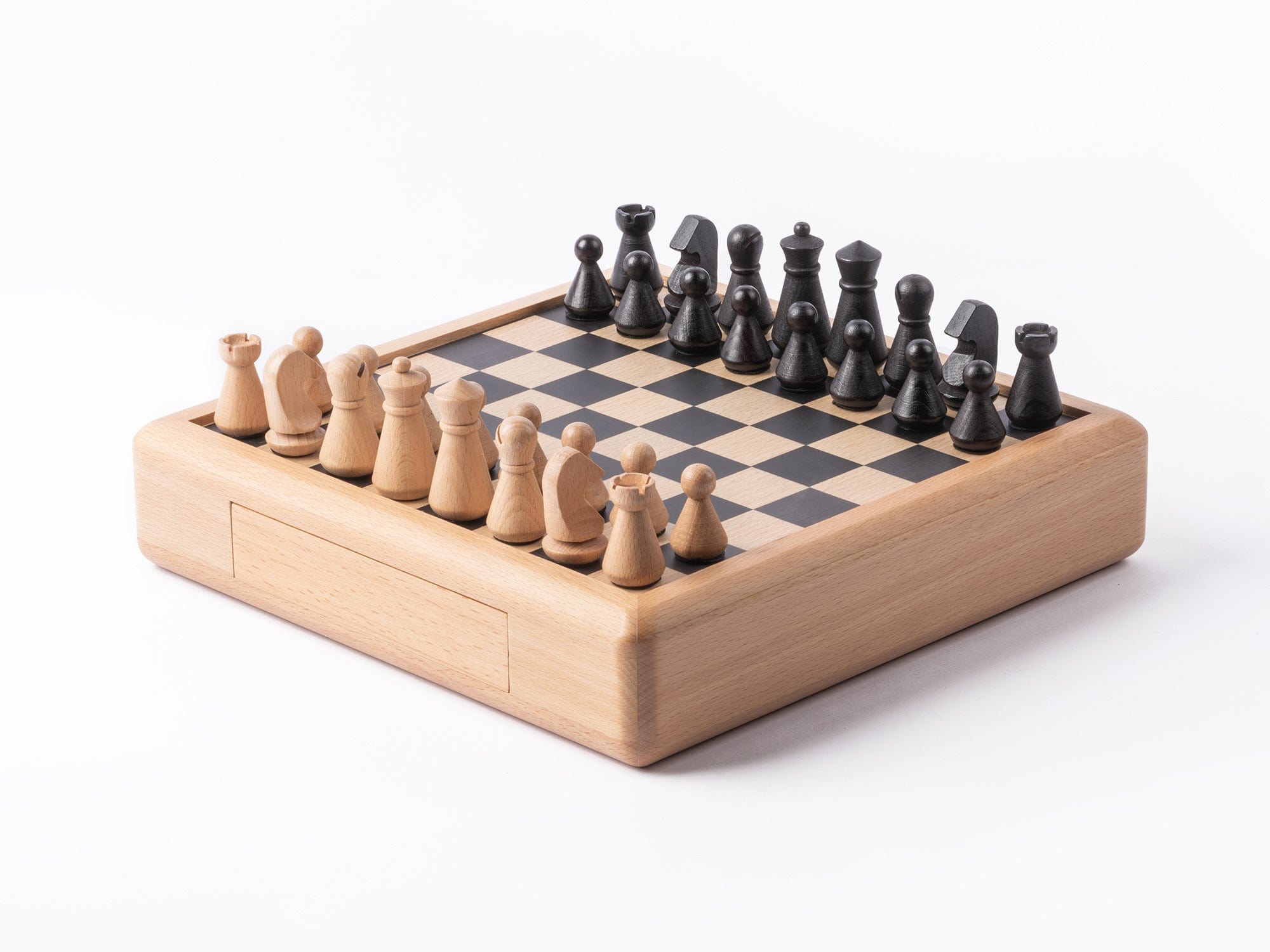
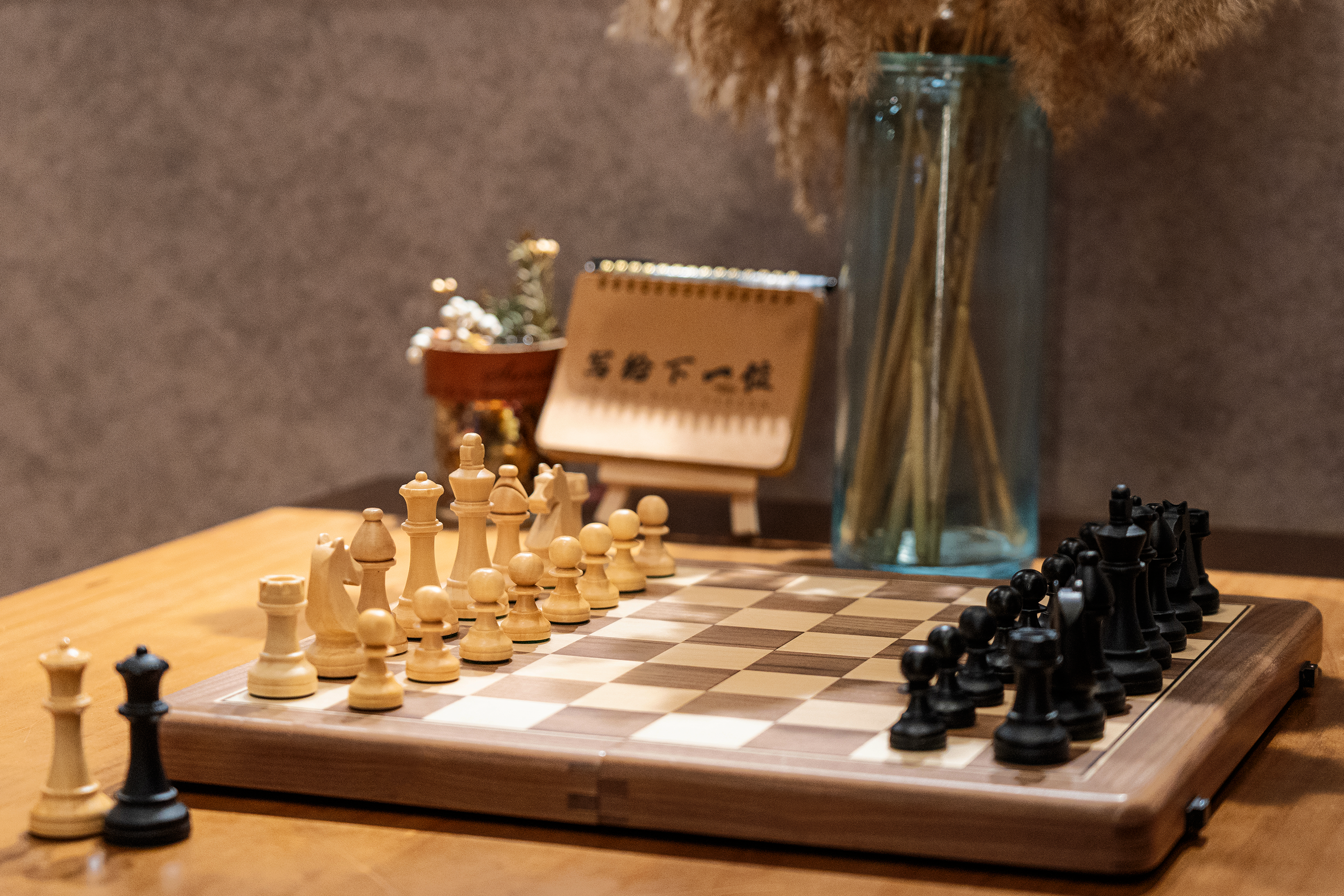
A wooden board can be used on the championship table, leadership challenge table, reception display, or award presentation area.
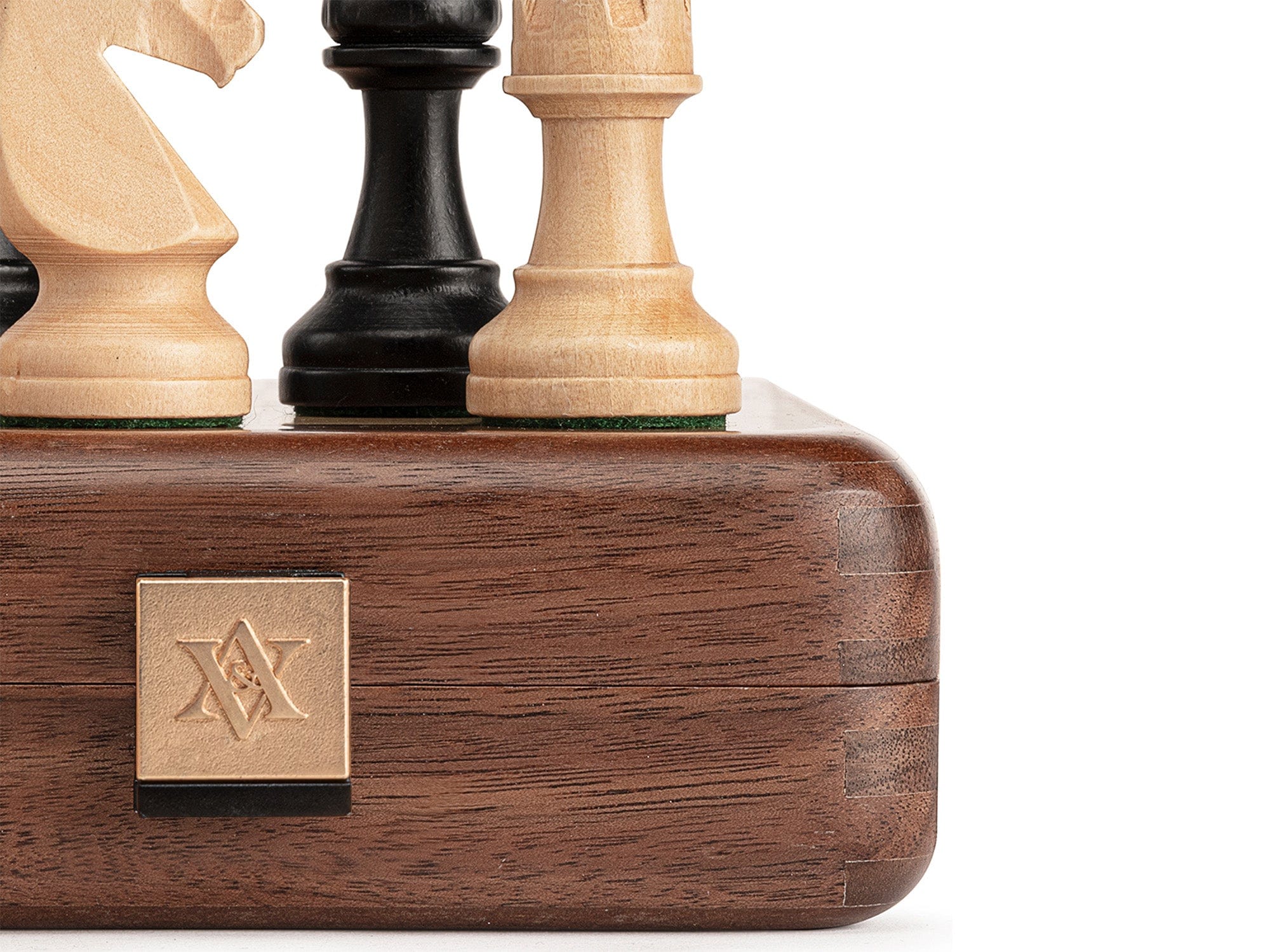
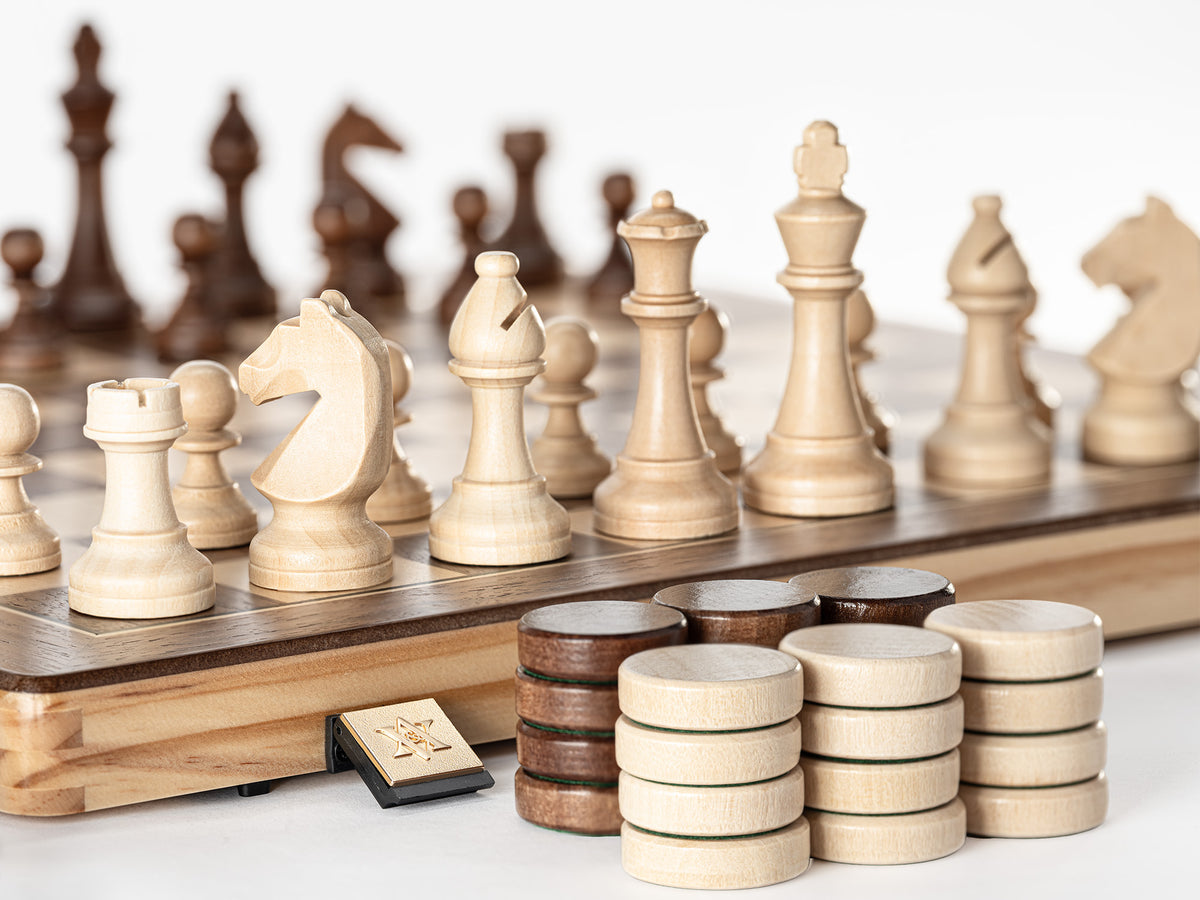
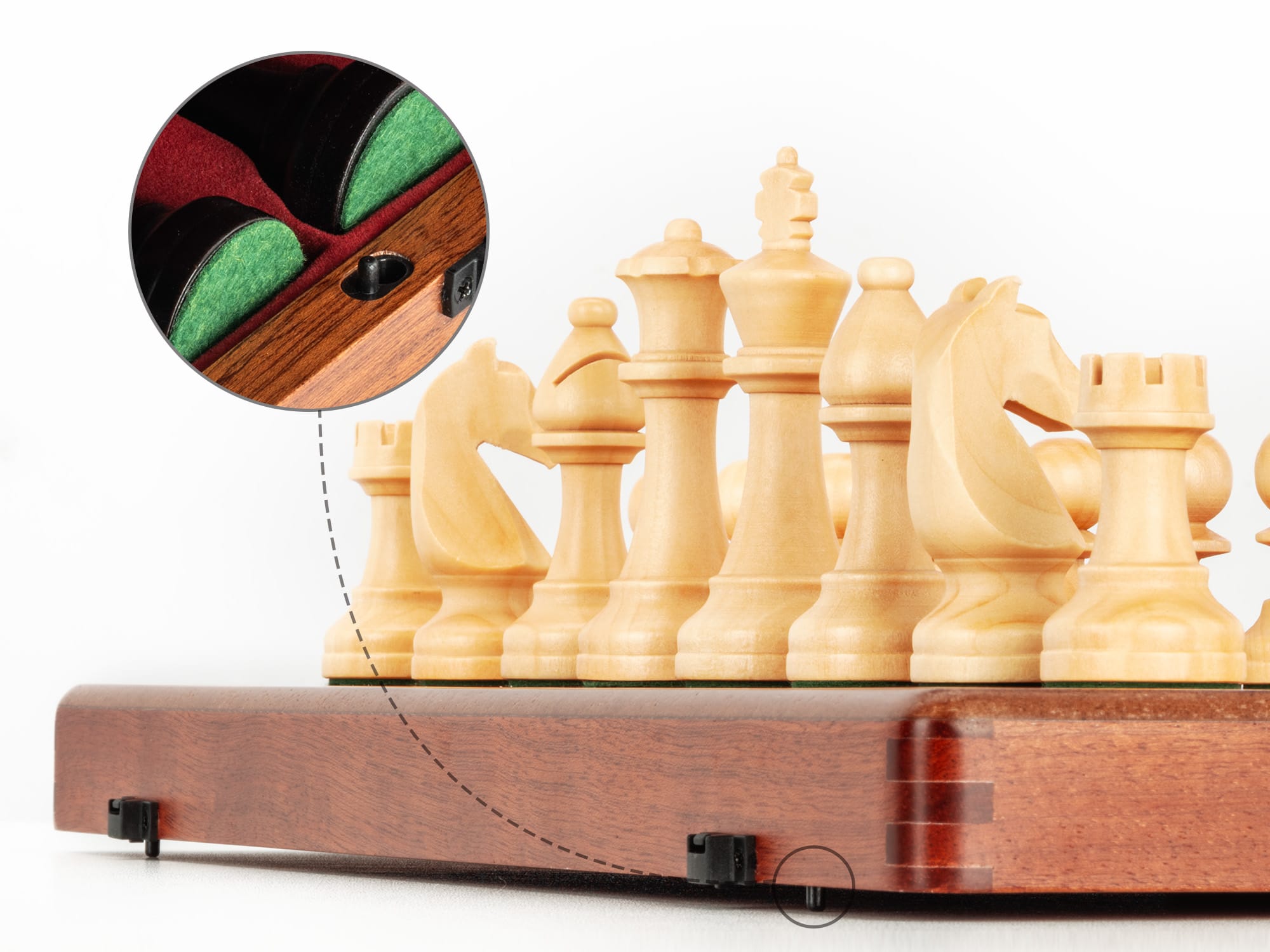
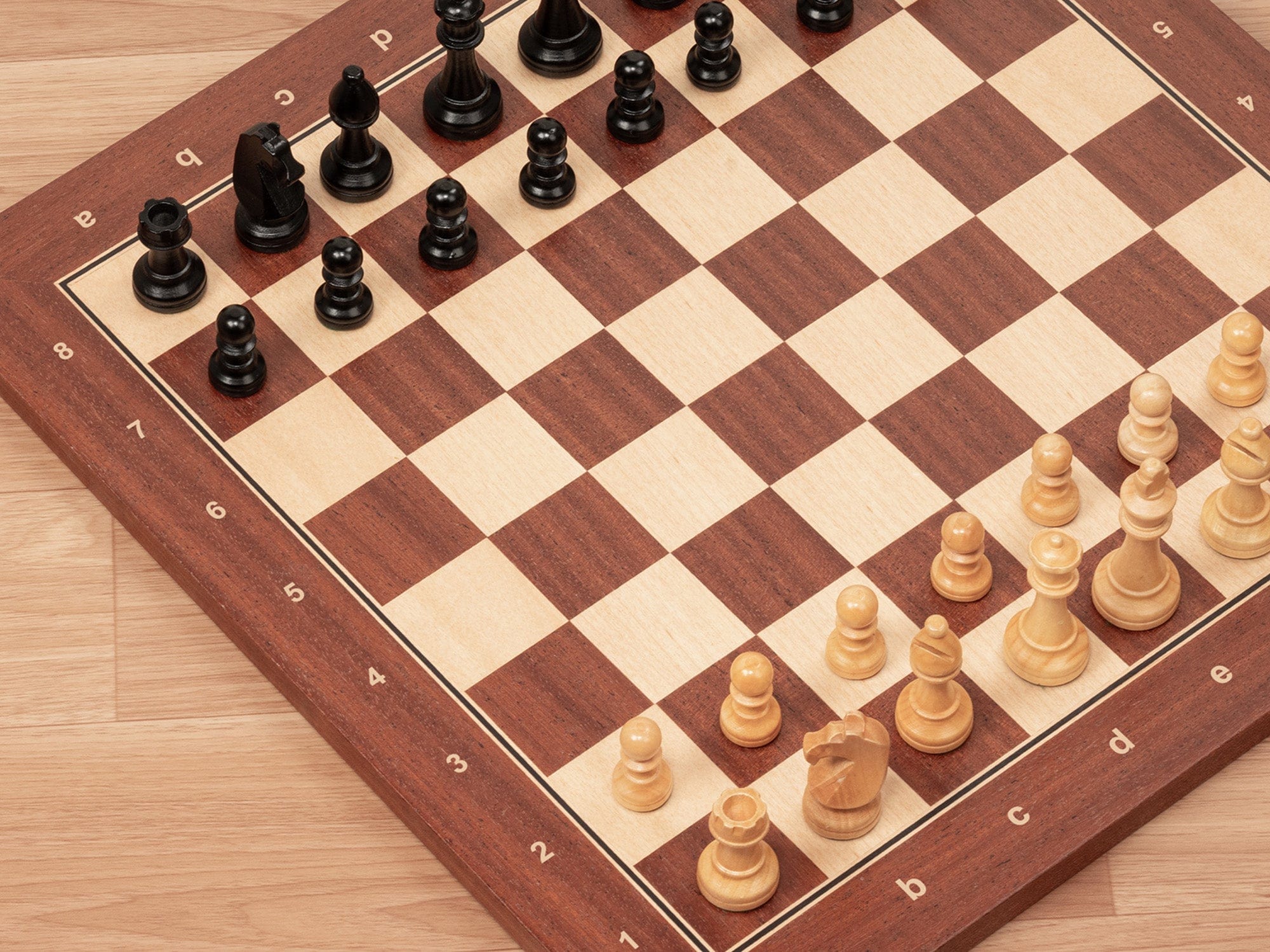
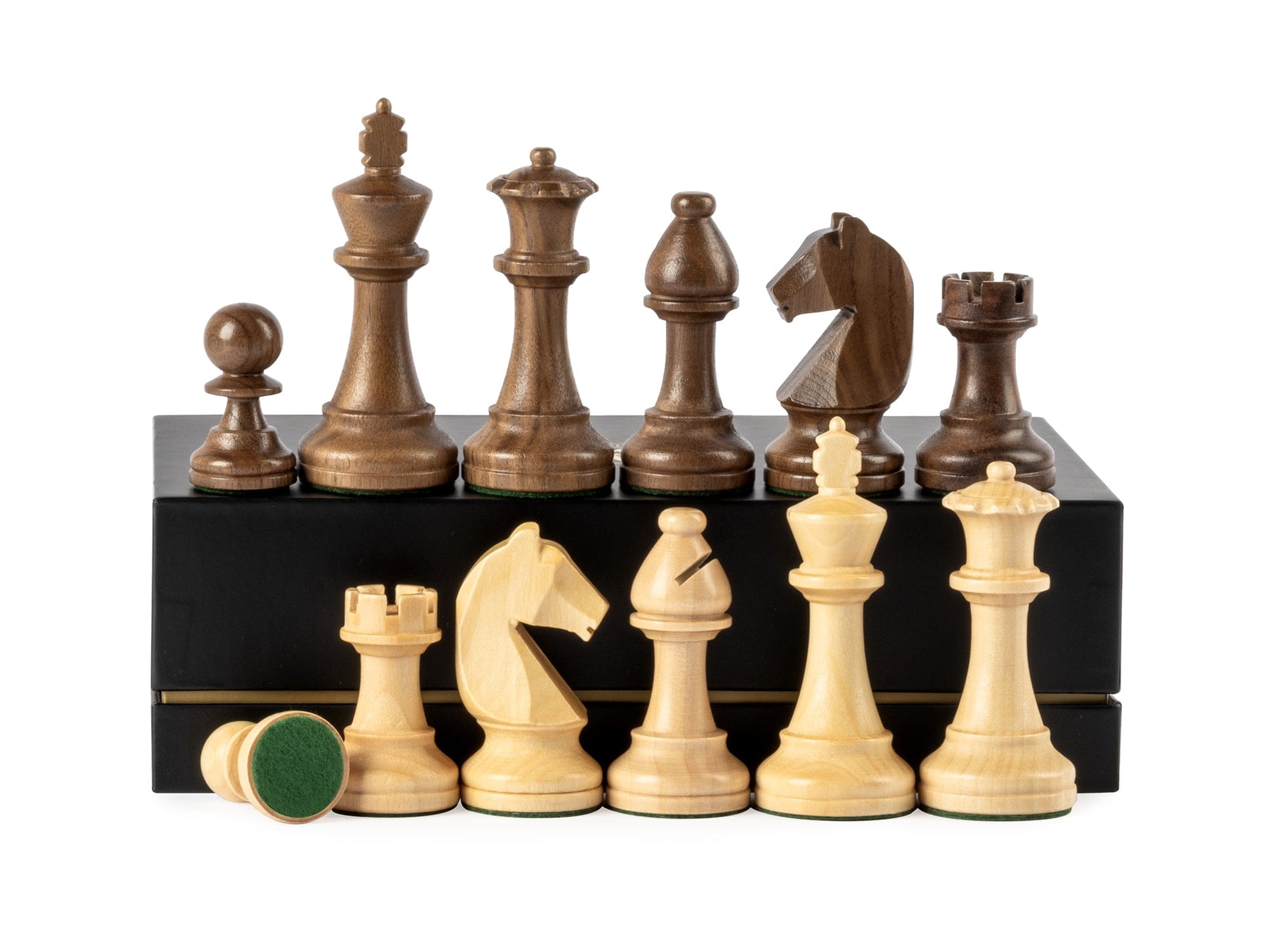
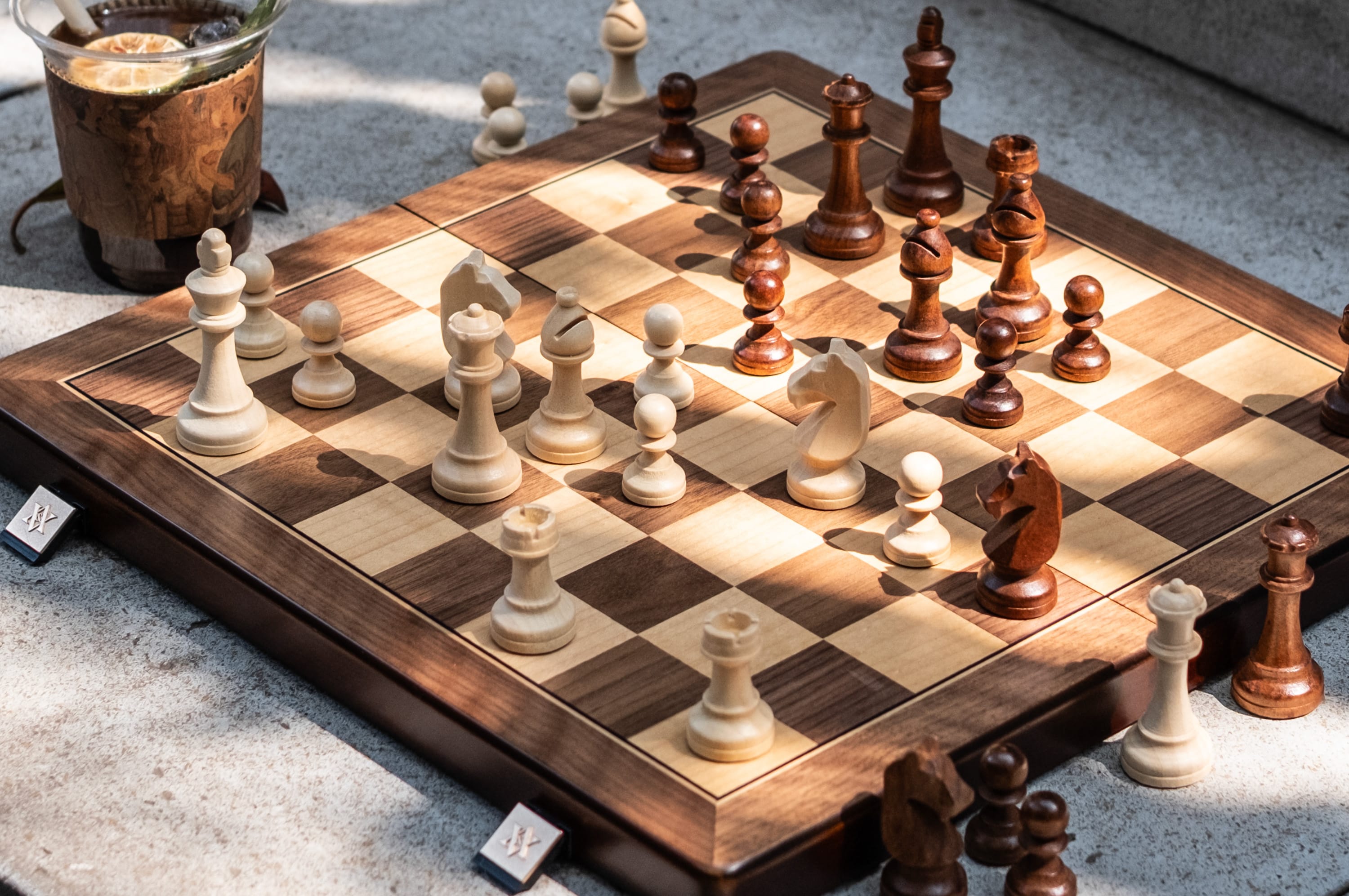
The A&A 15-inch Premium Walnut Wood Folding Chess Set offers a more presentation-focused appearance while retaining folding storage.
Use the wooden set for:
- The final match
- Event photography
- CEO-versus-winner exhibition
- Client-facing events
- Prize presentation
- Executive lounge display
The majority of tournament games can still use portable silicone equipment.
Accessories and Storage
Prepare:
- Extra queens
- Replacement pawns
- Chess clocks
- Score sheets
- Pencils
- Board numbers
- Table signs
- Storage bags
- Cleaning cloths
- Pairing sheets
- Name tags
- Extension leads where required
Browse the Chess Accessories collection for clocks, scorekeeping tools, storage products, and related equipment.
Step 8: Make the Tournament Beginner-Friendly
A corporate event should not feel like a private competition for the company’s strongest players.
Use promotional language such as:
Complete beginners are welcome. A short introduction and practice area will be available before the tournament.
Provide a beginner zone containing:
- One instructor or experienced employee
- Printed movement guides
- Untimed practice games
- Checkmate-in-one puzzles
- Clearly marked boards
- A simple rules sheet
A 20-minute introduction can cover:
- How to set up the board
- How each piece moves
- Check and checkmate
- Castling
- Pawn promotion
- How to use the clock
- Basic tournament etiquette
Beginner-friendly equipment can be found in the A&A Beginner Chess Sets collection.
Do not require beginners to record every move. Scorekeeping can be introduced later through a recurring office chess club.
Step 9: Create a Practical Event Schedule
Here is a sample three-hour corporate tournament schedule:
| Time | Activity |
| 5:30–5:50 p.m. | Registration and beginner introduction |
| 5:50–6:00 p.m. | Welcome, rules, and team presentation |
| 6:00–6:25 p.m. | Round 1 |
| 6:30–6:55 p.m. | Round 2 |
| 6:55–7:10 p.m. | Refreshment and networking break |
| 7:10–7:35 p.m. | Round 3 |
| 7:40–8:05 p.m. | Round 4 |
| 8:10–8:30 p.m. | Final or tiebreak |
| 8:30–8:45 p.m. | Awards and group photograph |
Allow at least five minutes between rounds to:
- Report results
- Publish new pairings
- Reset boards
- Find the next table
- Resolve questions
- Take photographs
Avoid scheduling the event immediately after a major company deadline. Participation will be lower when employees feel pressured to choose between the tournament and unfinished work.
Step 10: Add Team-Building Elements
A corporate chess event should include more than individual results.
Cross-Department Pairing
Give bonus points when employees play someone from a different department or office.
Hand-and-Brain Chess
Two employees form a team.
One names the type of piece that must move. The other chooses the exact move.
This creates a light communication exercise without requiring a long workshop.
Consultation Chess
Teams discuss each move before making a decision.
This format can be used for:
- Leadership versus interns
- Sales versus marketing
- One office versus another
- Employees versus clients
- Managers versus individual contributors
Puzzle Relay
Teams solve a sequence of chess positions. Each person completes one puzzle before the next teammate begins.
Simultaneous Exhibition
One strong employee or invited player competes against several colleagues at the same time.
Guess-the-Move Challenge
Display a position and allow departments to vote for the best continuation.
These side activities allow employees who do not want to join the main tournament to participate.
Step 11: Include Remote Employees
Remote participation should feel integrated rather than secondary.
Options include:
- Separate online qualification events
- Office-versus-remote team matches
- Online boards included in department scores
- Livestreamed final commentary
- Remote puzzle contests
- Digital voting for the best game
- An online beginner lesson before the event
- Regional office champions competing in a company final
When teams operate across time zones, hold several qualification sessions rather than asking everyone to attend at one inconvenient hour.
The final can then be scheduled at a time that is manageable for the smallest possible number of finalists.
Step 12: Choose Inclusive Prizes
Prizes can recognize more than the strongest player.
Possible award categories include:
- Corporate Chess Champion
- Best Beginner
- Best Department
- Best Remote Player
- Best Sportsmanship
- Most Improved Player
- Best Tactical Game
- Best Defensive Game
- Puzzle Champion
- Best Team Name
- Strongest Office
- Community Builder Award
Prize ideas include:
- Wooden chess sets
- Portable tournament sets
- Digital chess clocks
- Chess books
- Company merchandise
- Additional vacation hours
- Lunch with senior leadership
- Charity donations chosen by the winner
- Training or education vouchers
- A&A CHESS gift cards
The A&A CHESS Gift Center includes gift cards and chess-set options that can be used for winners, team captains, or employee-recognition programs.
Step 13: Promote the Tournament Internally
Use clear, welcoming promotional language.
Example Event Announcement
Join our first company chess tournament for an evening of strategy, friendly competition, and cross-team networking. All experience levels are welcome, including complete beginners. Equipment and a short introduction will be provided. Register individually or represent your department.
Promote the event through:
- Company email
- Slack or Microsoft Teams
- Internal newsletters
- Digital office displays
- Employee-resource groups
- Department meetings
- Company intranet
- Office posters
- Leadership announcements
- New-employee channels
Include:
- Date and time
- Venue or platform
- Eligibility
- Skill-level options
- Tournament format
- Registration deadline
- Prize categories
- Whether equipment is provided
- Whether food is included
- Contact details
Avoid marketing the event only with phrases such as “prove you are the smartest employee.” That language may attract competitive players but discourage beginners.
Step 14: Establish Clear Rules
Publish a short rule sheet before the event.
Include:
- Players must make their own decisions.
- Phones and chess engines cannot be used during games.
- Players should press the clock after completing a move.
- Disagreements should be referred to the event organizer.
- Results must be reported immediately.
- Participants must treat opponents respectfully.
- Food and drinks should remain away from equipment.
- Players should not disturb games in progress.
- Touch-move rules apply only when clearly announced.
- The organizer’s ruling is final for the internal event.
For a casual beginner section, strict touch-move rules may be unnecessary.
For the championship section, use standard tournament procedures and explain them before Round 1.
Step 15: Turn the Event into an Office Chess Club
A successful tournament can become the launch event for a recurring employee community.
After the awards, invite participants to join:
- A weekly lunchtime chess table
- A monthly rapid tournament
- An online company chess group
- A department league
- A beginner lesson series
- A company team
- An annual championship
Create simple leadership roles:
- Club coordinator
- Equipment manager
- Tournament organizer
- Beginner mentor
- Communications coordinator
- Remote-event coordinator
Store the chess equipment in an accessible location rather than locking it away until the following year.
When boards remain available in a break room, lounge, library, or collaboration area, employees can organize games independently.
Corporate Chess Tournament Equipment Checklist

Before the event, confirm that you have:
- One chess set for every two players
- Spare sets and replacement pieces
- Chess clocks
- Board and table numbers
- Registration list
- Pairing system or printed sheets
- Result forms
- Beginner instructions
- Pencils
- Name tags
- Department signs
- Cleaning cloths
- Storage bags
- Prize certificates
- Photography notice
- Remote participation links
- Technical support contact
- A plan for future club activities
Frequently Asked Questions
How many players are needed for a corporate chess tournament?
A small event can work with eight players.
Swiss-system tournaments become especially useful when approximately 12 or more employees participate. Larger organizations can create regional, departmental, or online qualification rounds.
How many chess sets should a company buy?
Plan for one set per two active participants, plus approximately 10 percent additional equipment.
A 32-player event should ideally have 16 active boards and two spare sets.
What is the best chess set for an office tournament?
Portable silicone chess sets are practical for most corporate tournaments because they are easy to store, transport, clean, and reuse.
A premium wooden set can be added for the final match or presentation table.
How long should a workplace chess tournament last?
A four-round rapid event can usually be completed in approximately two to three hours.
A lunchtime league can spread one round across several weeks.
What time control works best?
Ten minutes plus a five-second increment is suitable for mixed experience levels.
Experienced-player events may use 5+3. Beginner games can use 15 minutes per player or remain untimed.
Can complete beginners participate?
Yes.
Create a beginner section, provide a short lesson, use slower time controls, and assign volunteer mentors.
Can remote employees join?
Yes.
Use online qualifiers, hybrid teams, remote side events, or a company-wide online tournament followed by an in-person final.
Should the company charge an entry fee?
Most internal employee events should be free.
For a charity tournament, the company may request an optional donation or entry contribution, provided the purpose is clearly explained.
What prizes should be offered?
Use a combination of competitive and inclusive awards.
Chess sets, clocks, gift cards, company benefits, certificates, charity donations, and team trophies are suitable options.
How can cheating be prevented in an online tournament?
Publish a fair-play policy, prohibit external assistance, use an established tournament platform, keep games at reasonable time controls, and review suspicious results consistently.
For a friendly internal event, the emphasis should remain on trust and participation.
Can clients or business partners participate?
Yes.
A client-and-employee chess event can support networking, hospitality, fundraising, or conference programming. Clarify eligibility and team composition before registration.
Does A&A CHESS support bulk purchases?
The A&A CHESS FAQ states that wholesale customers can request customized solutions and pricing through the company’s contact page.
Final Thoughts
A corporate chess tournament offers something many workplace activities struggle to provide: a clear shared experience that does not require athletic ability, constant conversation, alcohol, or expensive travel.
It can connect employees across departments, offices, seniority levels, and professional backgrounds.
The best event is not necessarily the most competitive one. It is the event where beginners feel welcome, experienced players receive a meaningful challenge, remote employees can participate, and colleagues leave with new connections.
Begin with a clear objective. Choose a simple format, provide enough durable equipment, create separate opportunities for beginners, and keep the schedule easy to understand.
After the tournament, do not let the community disappear.
Leave several boards in a shared space, create a company chess channel, schedule the next event, and allow employees to take ownership of the club.
Explore A&A CHESS for tournament chess sets, portable silicone boards, wooden presentation sets, digital chess clocks, accessories, gifts, and bulk-purchase support for corporate tournaments and workplace chess communities.


Commenta
Questo sito è protetto da hCaptcha e applica le Norme sulla privacy e i Termini di servizio di hCaptcha.