


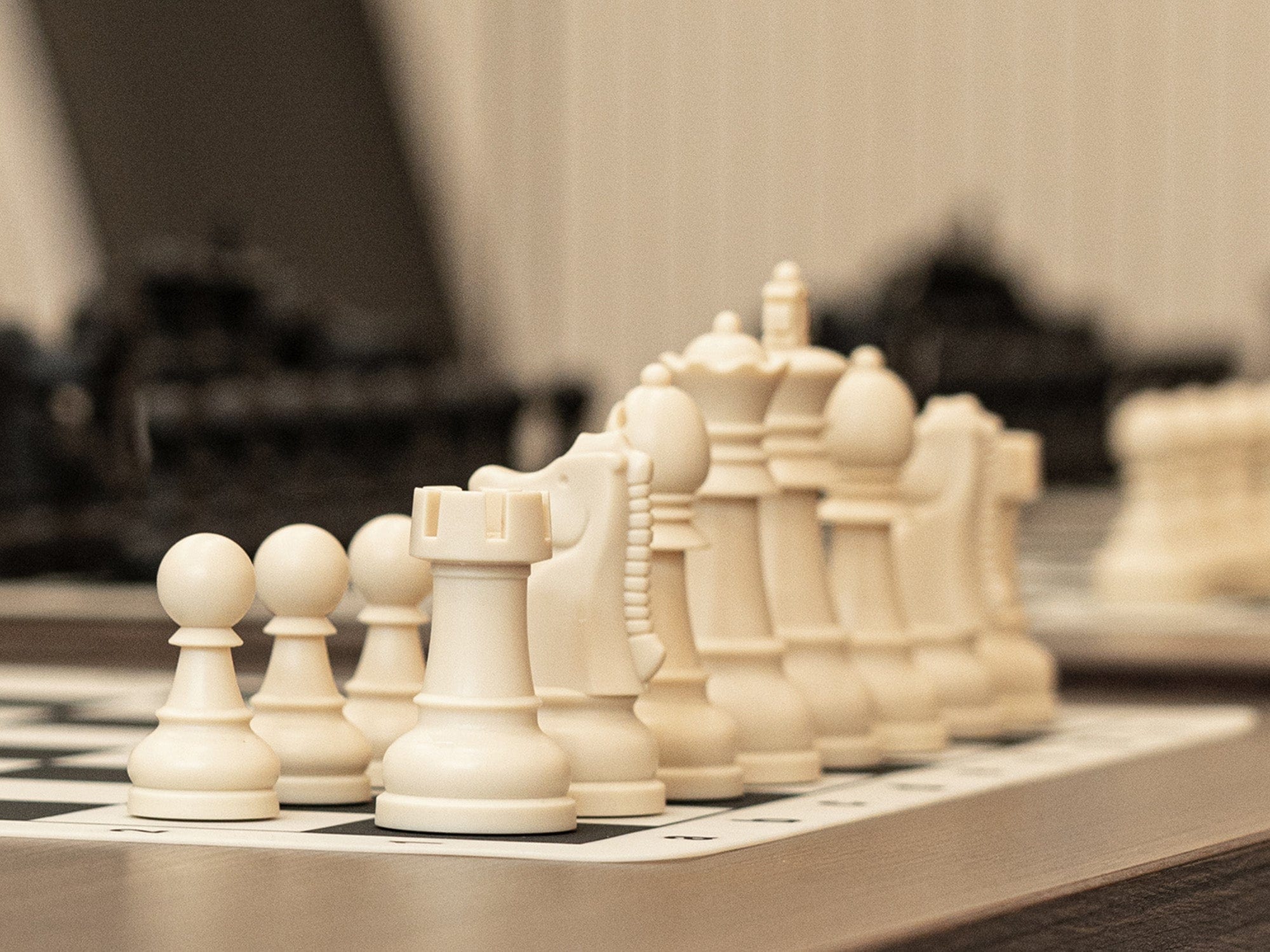


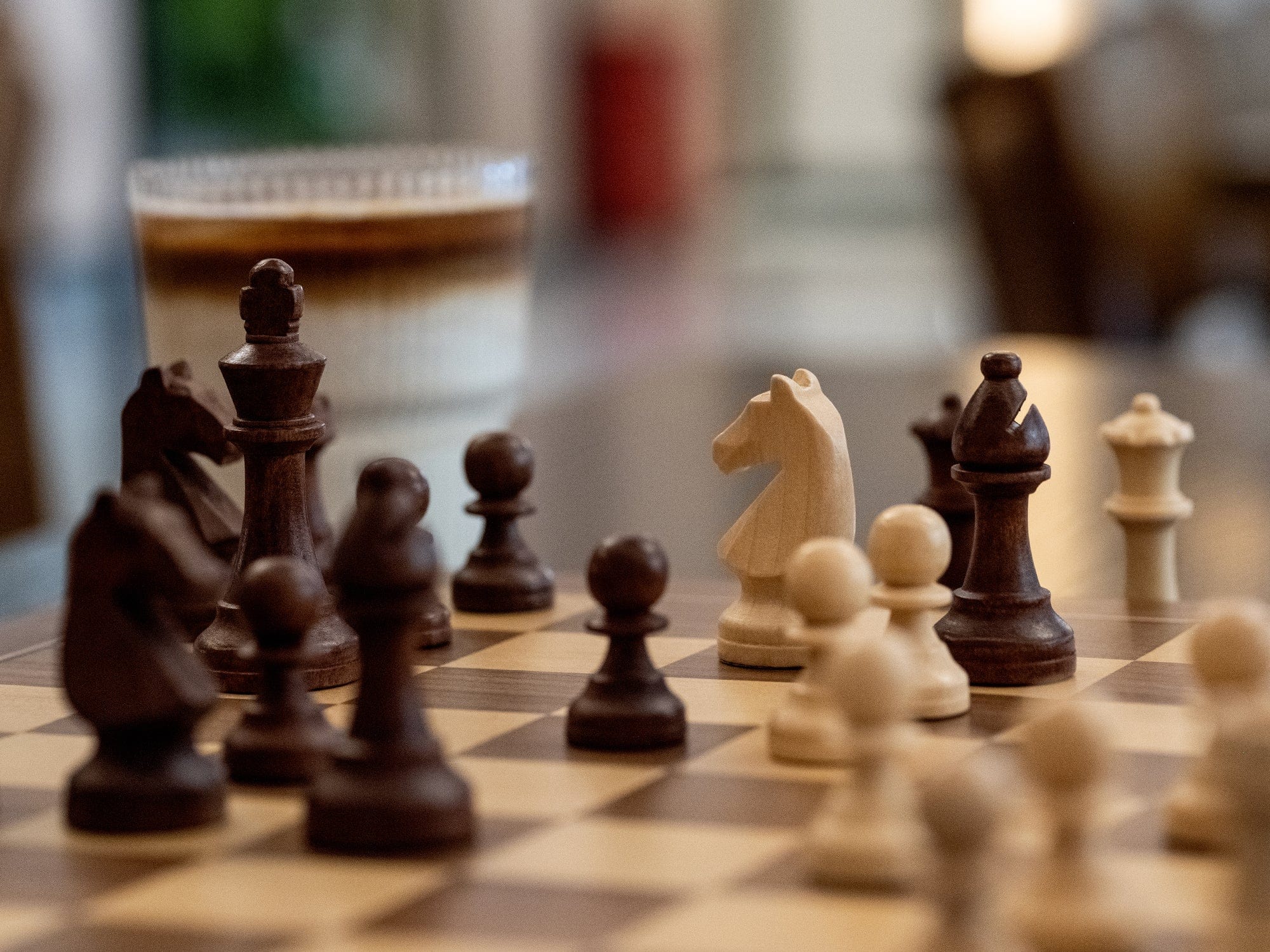




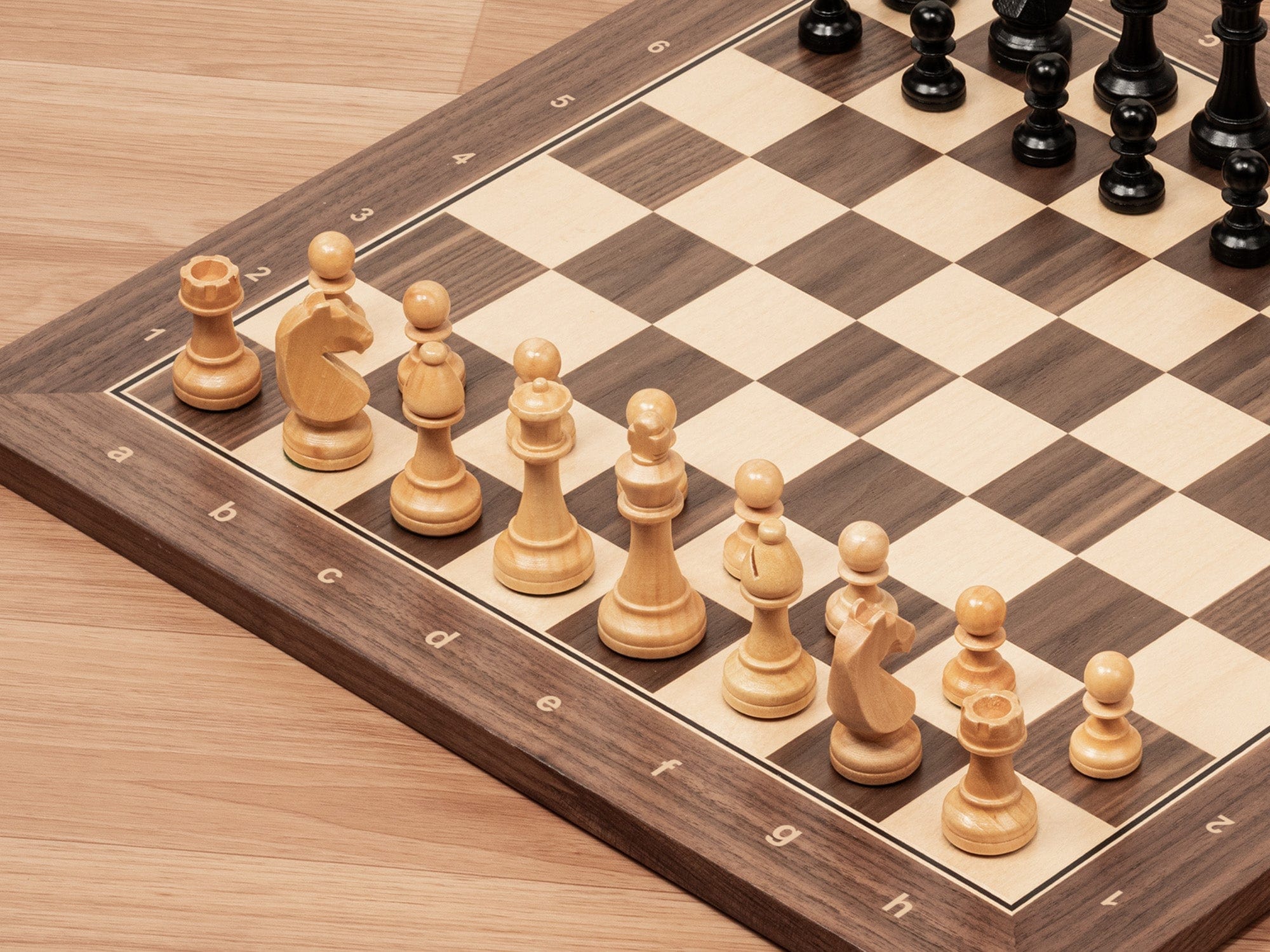
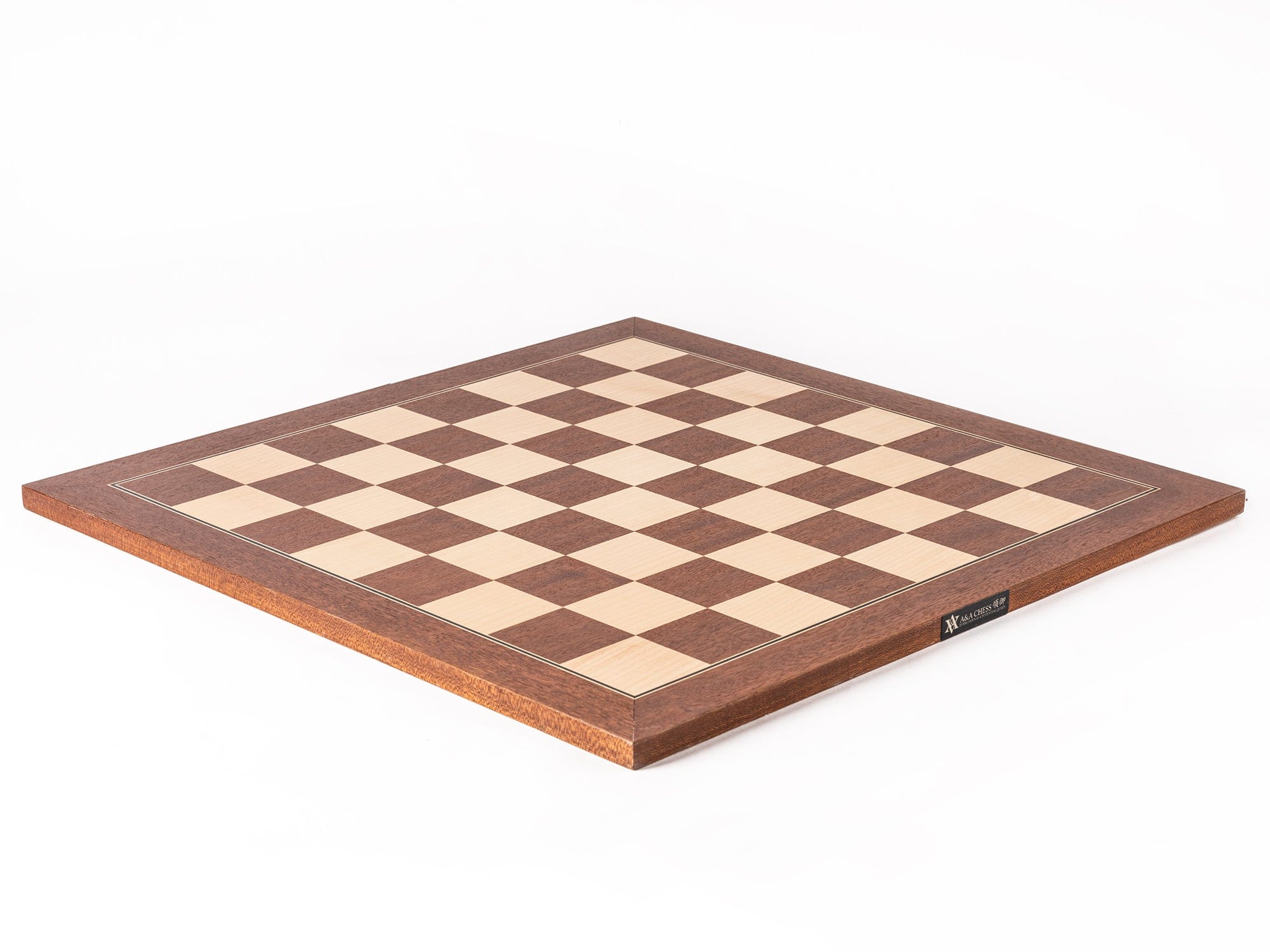
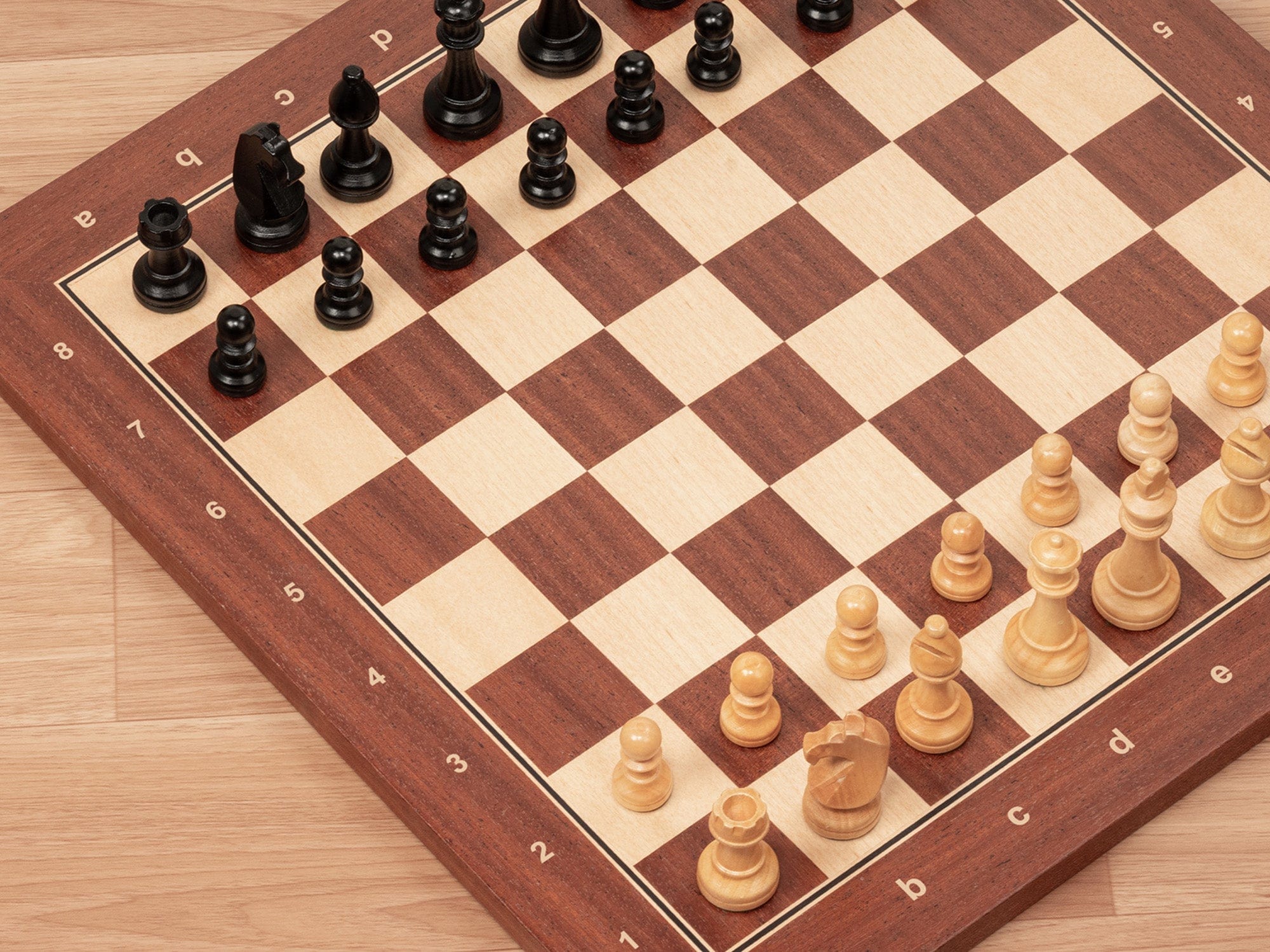
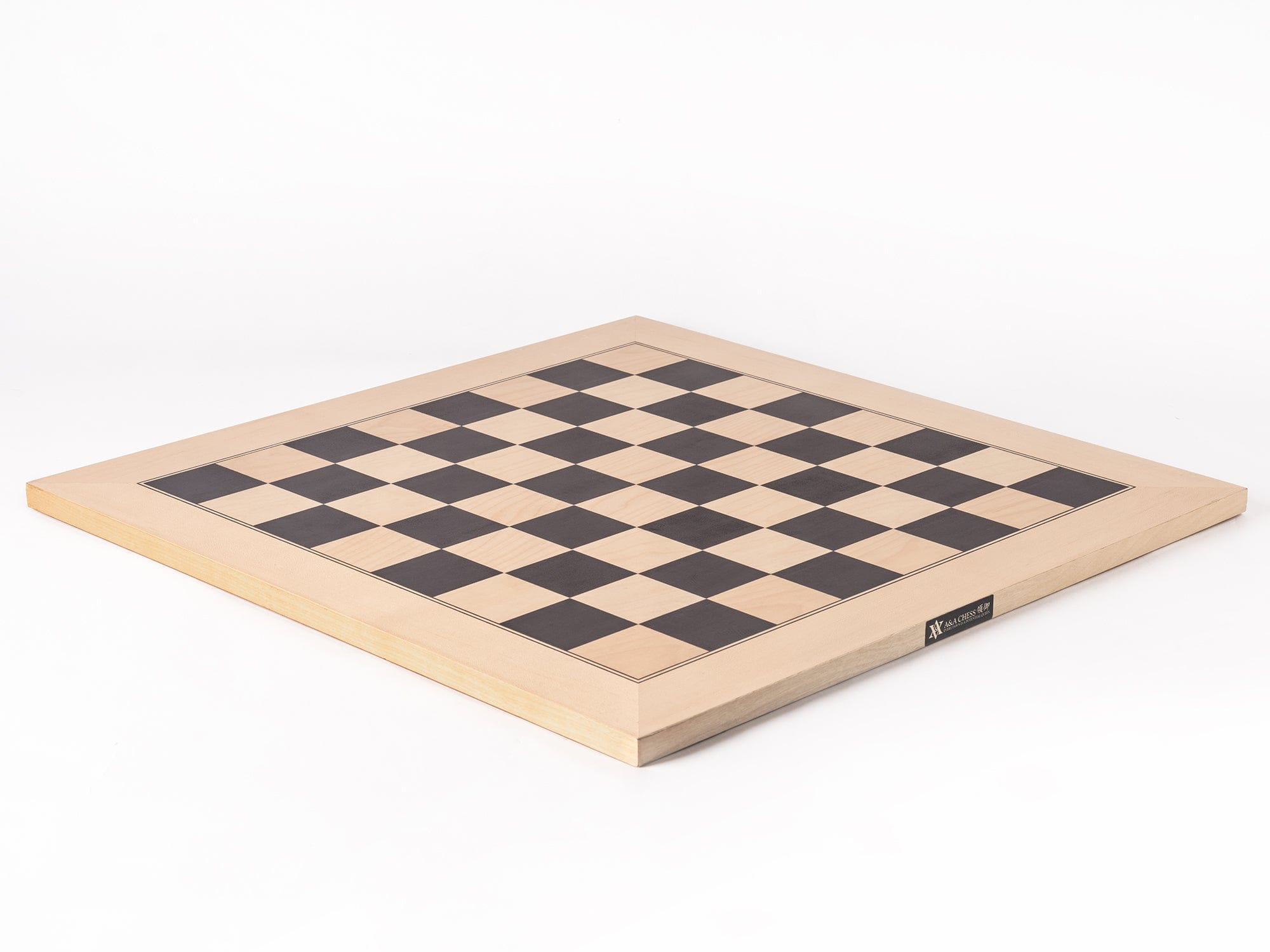
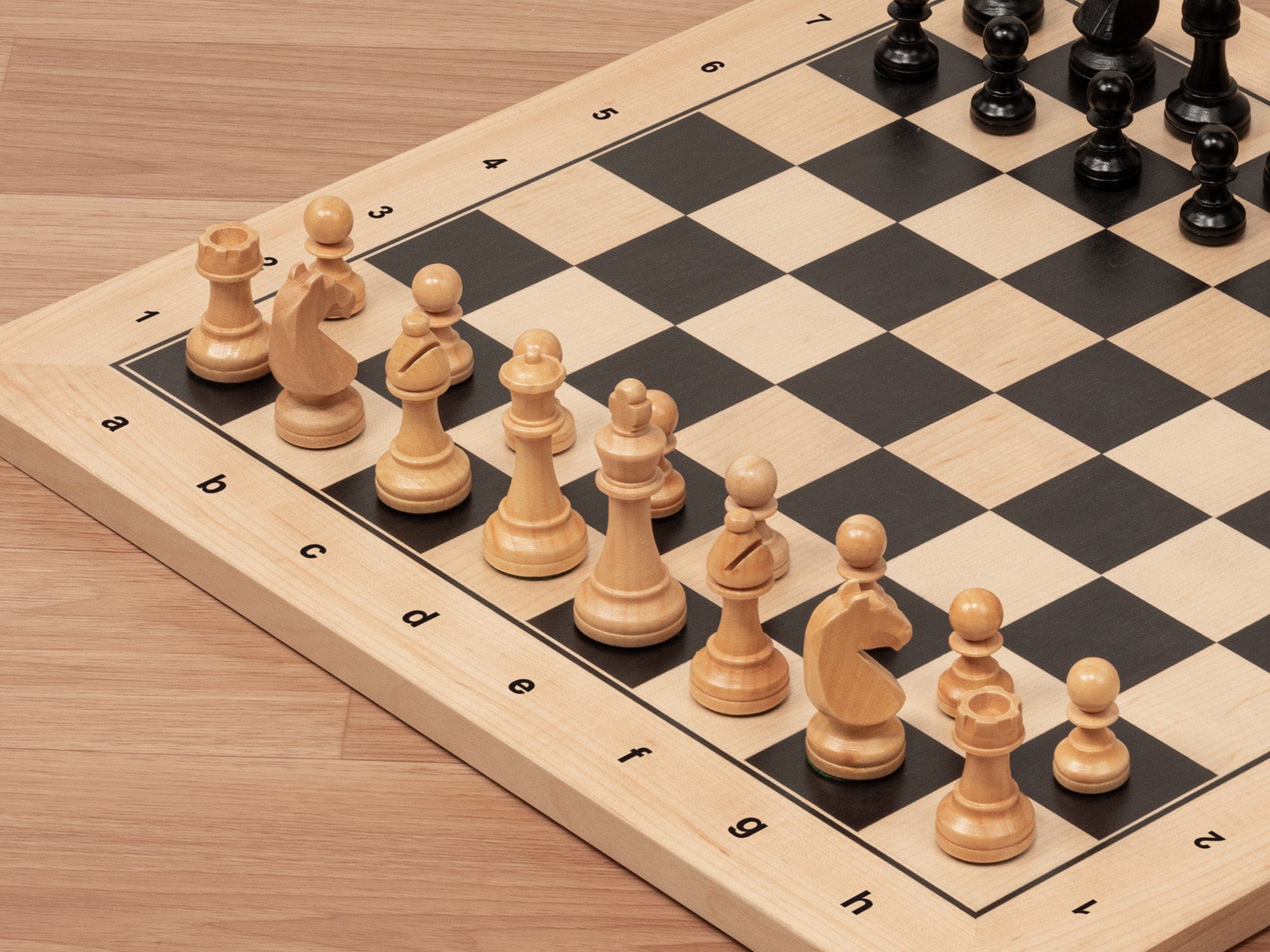
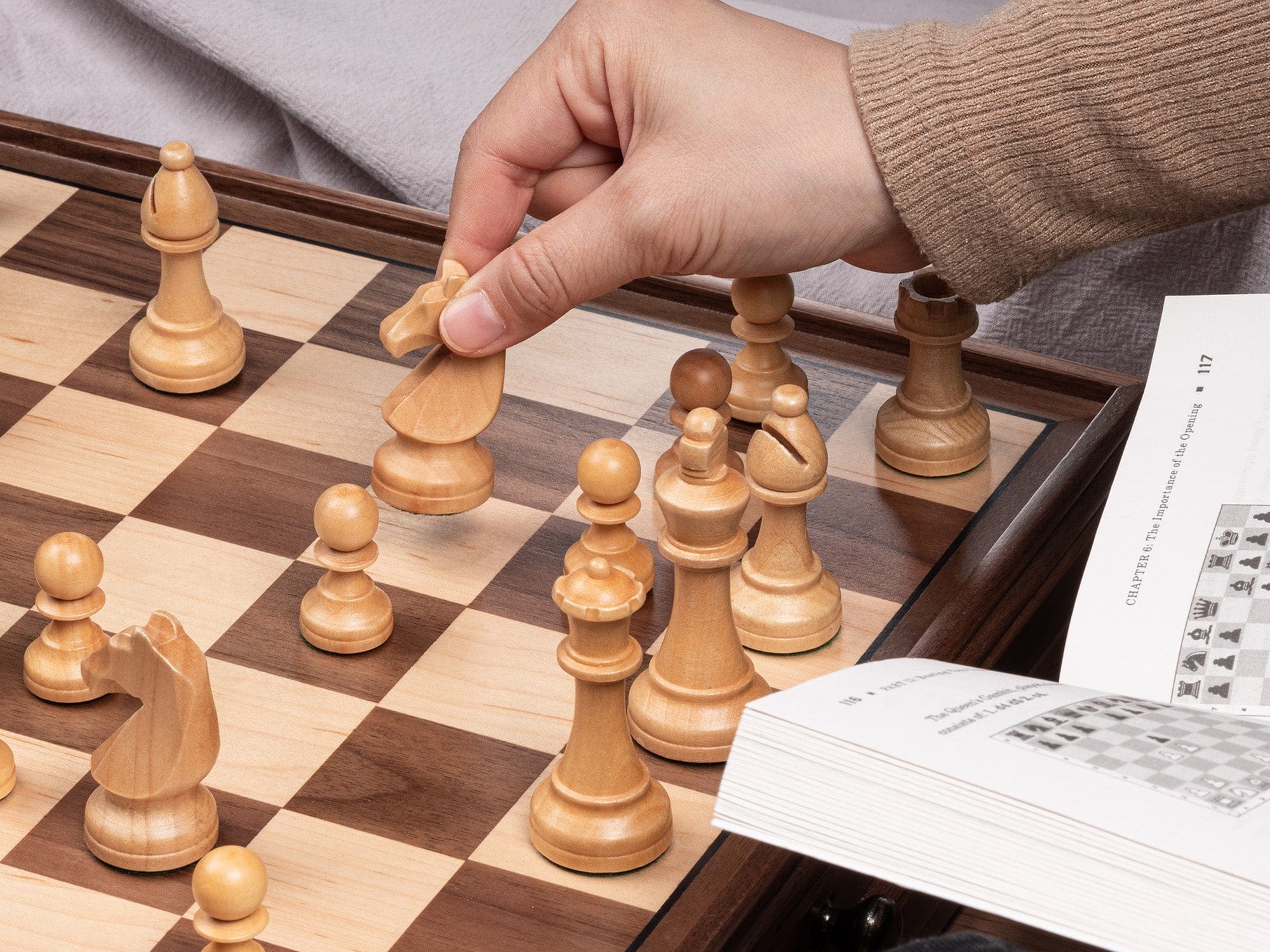
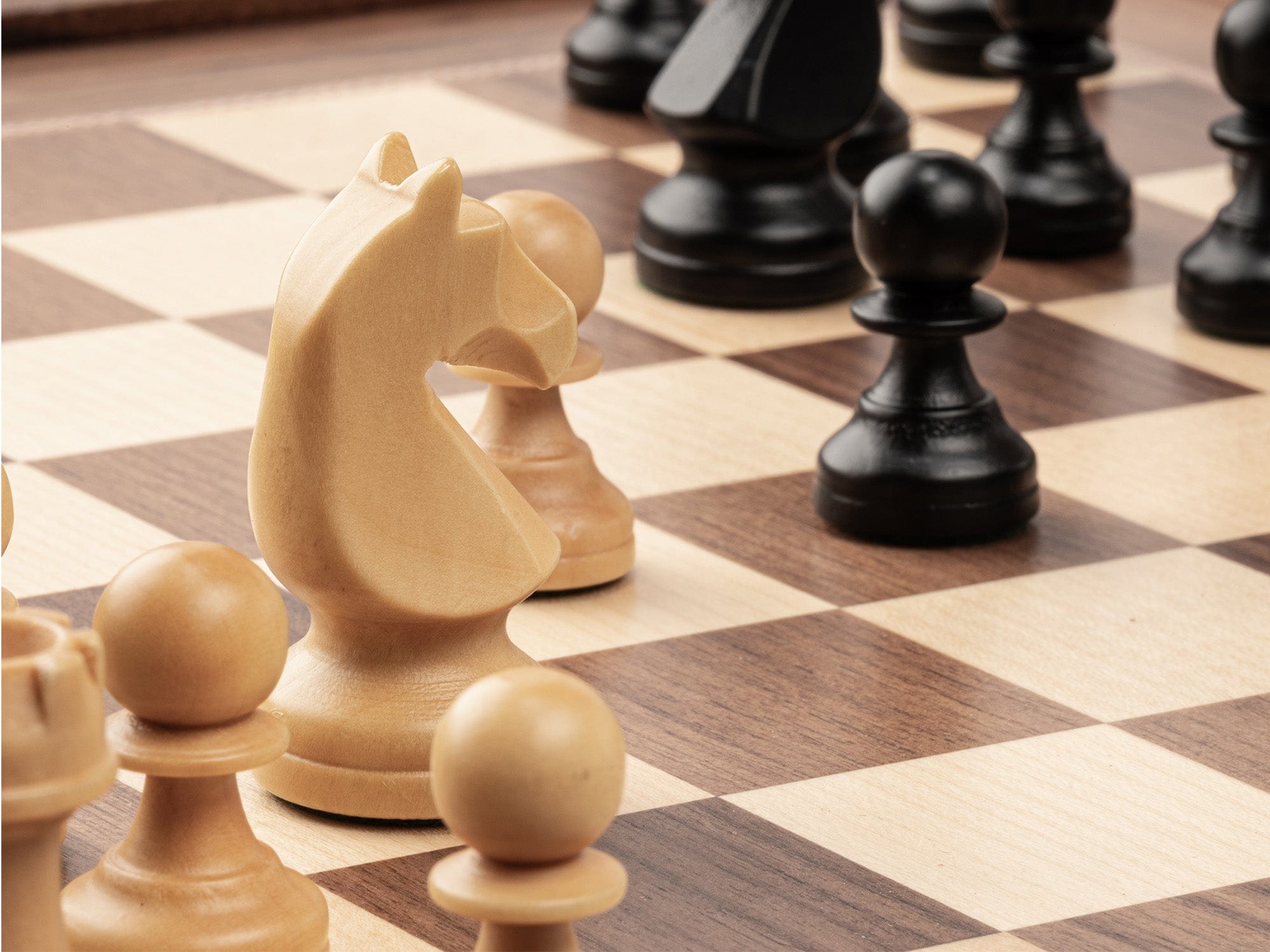
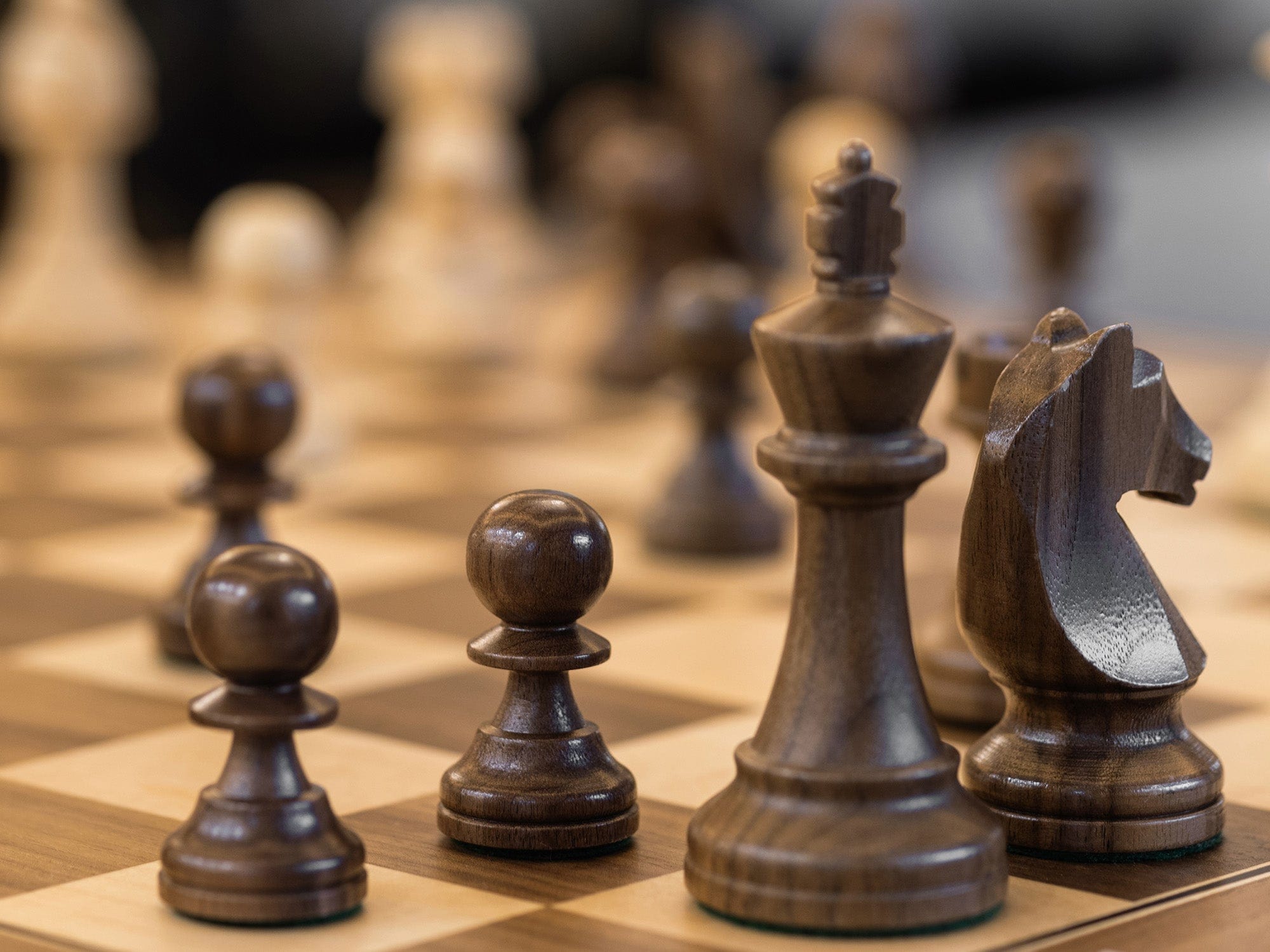

A dedicated chess corner can turn an unused table, quiet bedroom corner, home office, or living-room space into a place for learning, competition, concentration, and meaningful time with family.
You do not need a large game room or an expensive custom chess table. A successful home chess setup simply needs to be comfortable, organized, visually inviting, and easy to use.
When the board is already available, the pieces are organized, and the lighting is comfortable, starting a game requires almost no effort. You are more likely to solve a position, review a previous game, teach a child, or invite someone to play.
This guide explains how to create the perfect home chess corner, whether you live in a large house, a small apartment, a student dormitory, or a shared family home.
You will learn how to select the right location, chess set, table, lighting, seating, clock, storage system, and training tools for your space.
Table of Contents
-
Why Create a Chess Corner at Home?
-
Choose the Right Location
-
Select the Best Chess Set for Your Space
-
Pick a Comfortable Table and Seating
-
Use the Right Lighting
-
Organize Your Chess Pieces and Accessories
-
Add a Chess Clock and Scorebook
-
Create a Training-Friendly Environment
-
Build a Family Chess Corner
-
Small-Space Chess Corner Ideas
-
Common Home Chess Setup Mistakes
-
Frequently Asked Questions
Why Create a Chess Corner at Home?
Many people own a chess set but rarely use it. The board remains folded inside a cabinet, the pieces are stored in different boxes, or the set is placed somewhere that is inconvenient for regular play.
A dedicated chess corner changes this.
Instead of treating chess as an activity that requires preparation, it becomes part of the home environment. The board is visible, accessible, and ready when you have twenty minutes for a puzzle or an entire evening for a longer game.
A home chess corner can support several purposes:
-
Daily chess training
-
Family game nights
-
Parent-and-child learning
-
Tournament preparation
-
Screen-free relaxation
-
Social games with guests
-
Decorative interior styling
-
Quiet study and concentration
-
Game analysis with a coach or friend
The best setup should match the way you actually use chess. A competitive player may prioritize a tournament-sized board, clock, and scorebook. A family may prefer a durable folding chess set that can be stored quickly. A collector may want a wooden board that also works as a decorative centerpiece.
Choose the Right Location
The first step is identifying a location that is quiet enough for concentration but convenient enough for regular use.
A chess corner hidden in a storage room may never be used. A chess table placed in a busy walkway may constantly be disturbed.
Look for a location with the following qualities:
-
Comfortable natural or artificial light
-
Enough room for two chairs
-
A stable table or desk
-
Limited foot traffic
-
Easy access to storage
-
A comfortable temperature
-
Minimal glare and screen distraction
Good locations may include:
-
A corner of a home office
-
A space beside a bookshelf
-
A living-room side table
-
A bedroom reading area
-
A quiet section of a family room
-
A covered balcony
-
A study or library
-
An unused dining-room corner
Avoid placing the board directly beside a television. Constant visual movement and sound make it harder to concentrate, particularly during serious games or calculation exercises.
A location near a bookshelf works especially well because chess books, notebooks, scorebooks, and accessories can remain within reach.
Select the Best Chess Set for Your Space

The chess set is the center of the entire setup. Your choice should depend on available space, playing frequency, storage needs, and personal style.
Folding Chess Sets for Flexible Spaces
A folding chess set is an excellent option when the table serves more than one purpose.
You can open the board when playing and fold it away when the space is needed for work, dining, or study. Many folding designs also provide interior storage for the pieces.
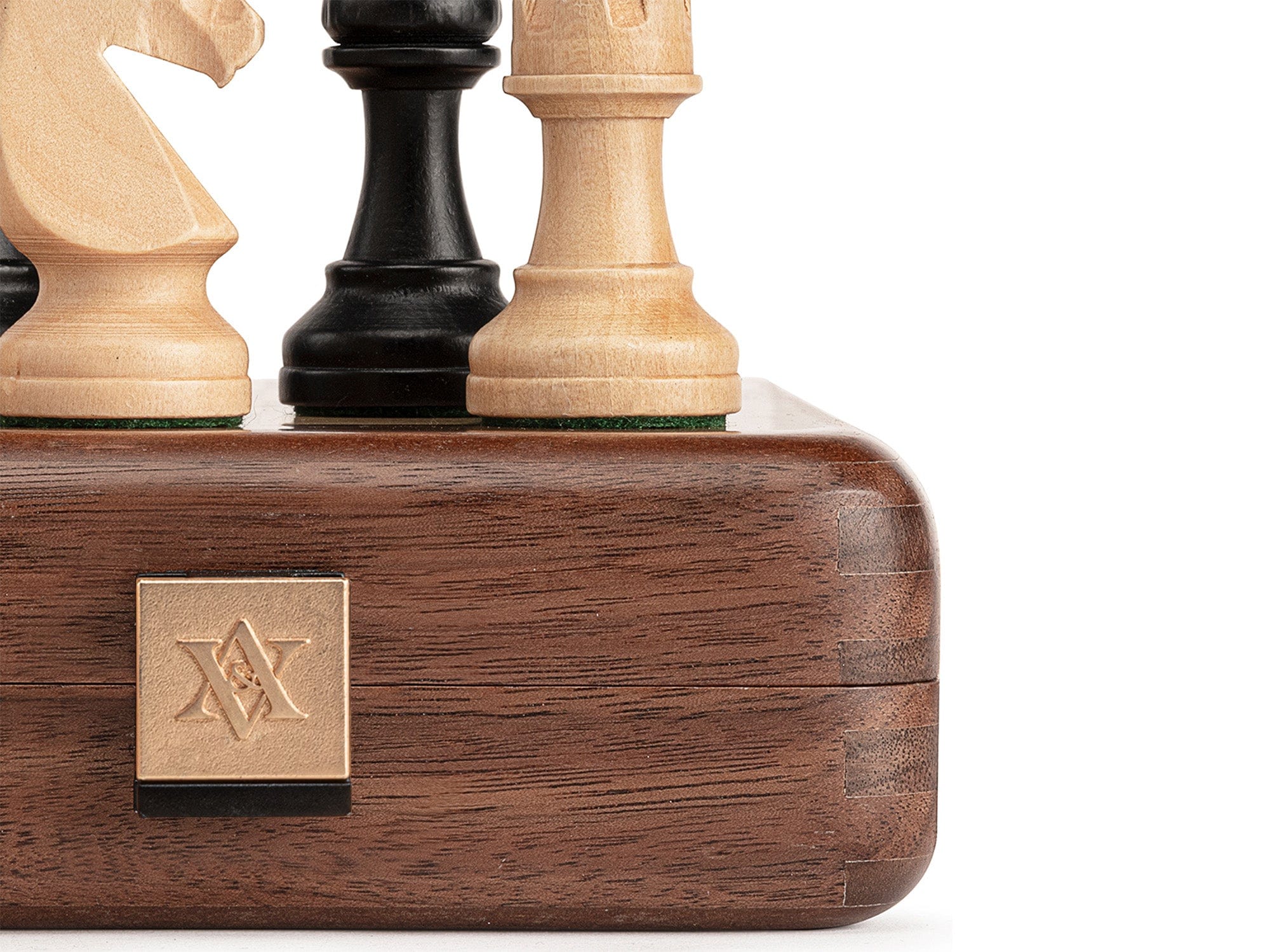
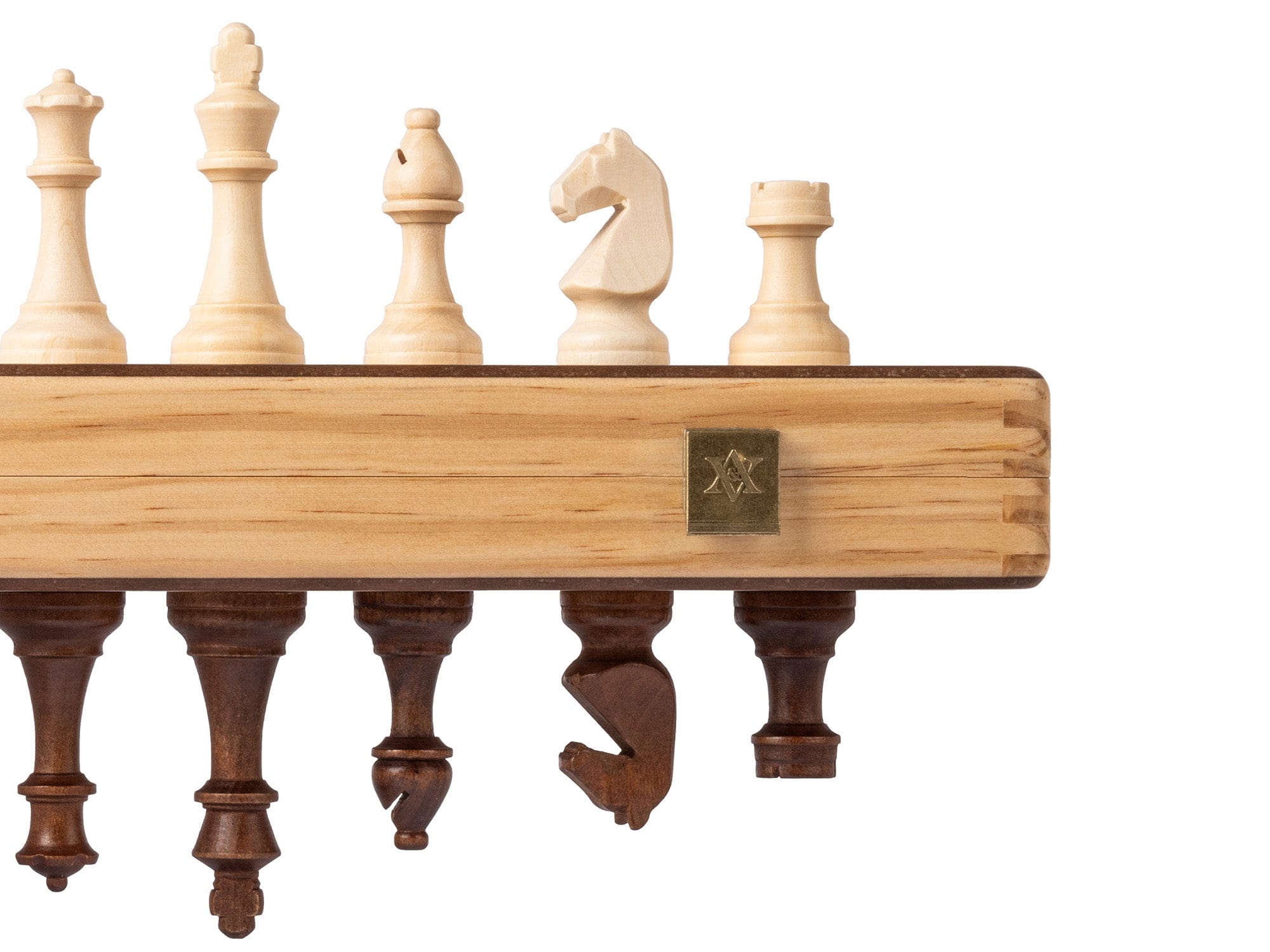
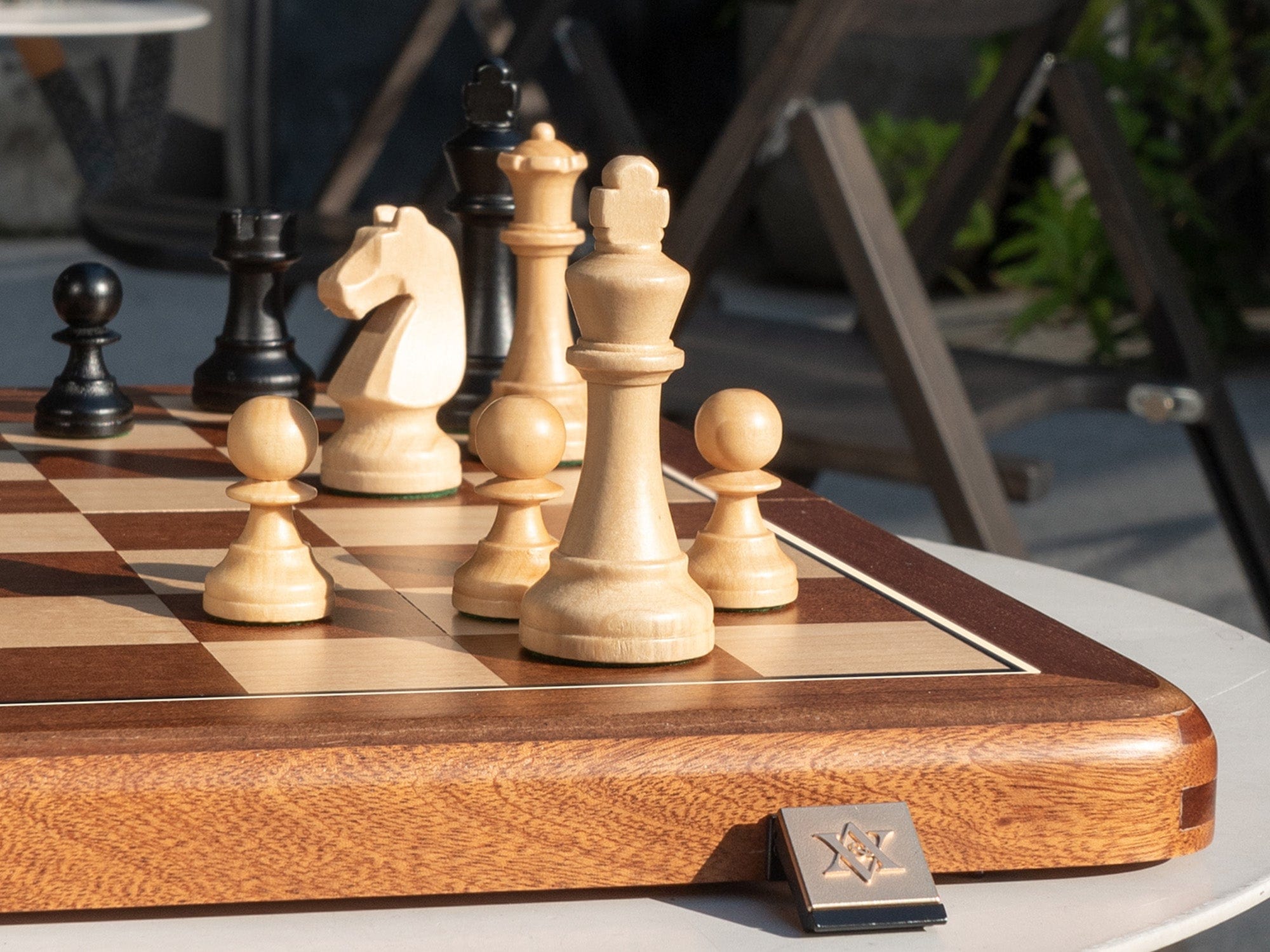
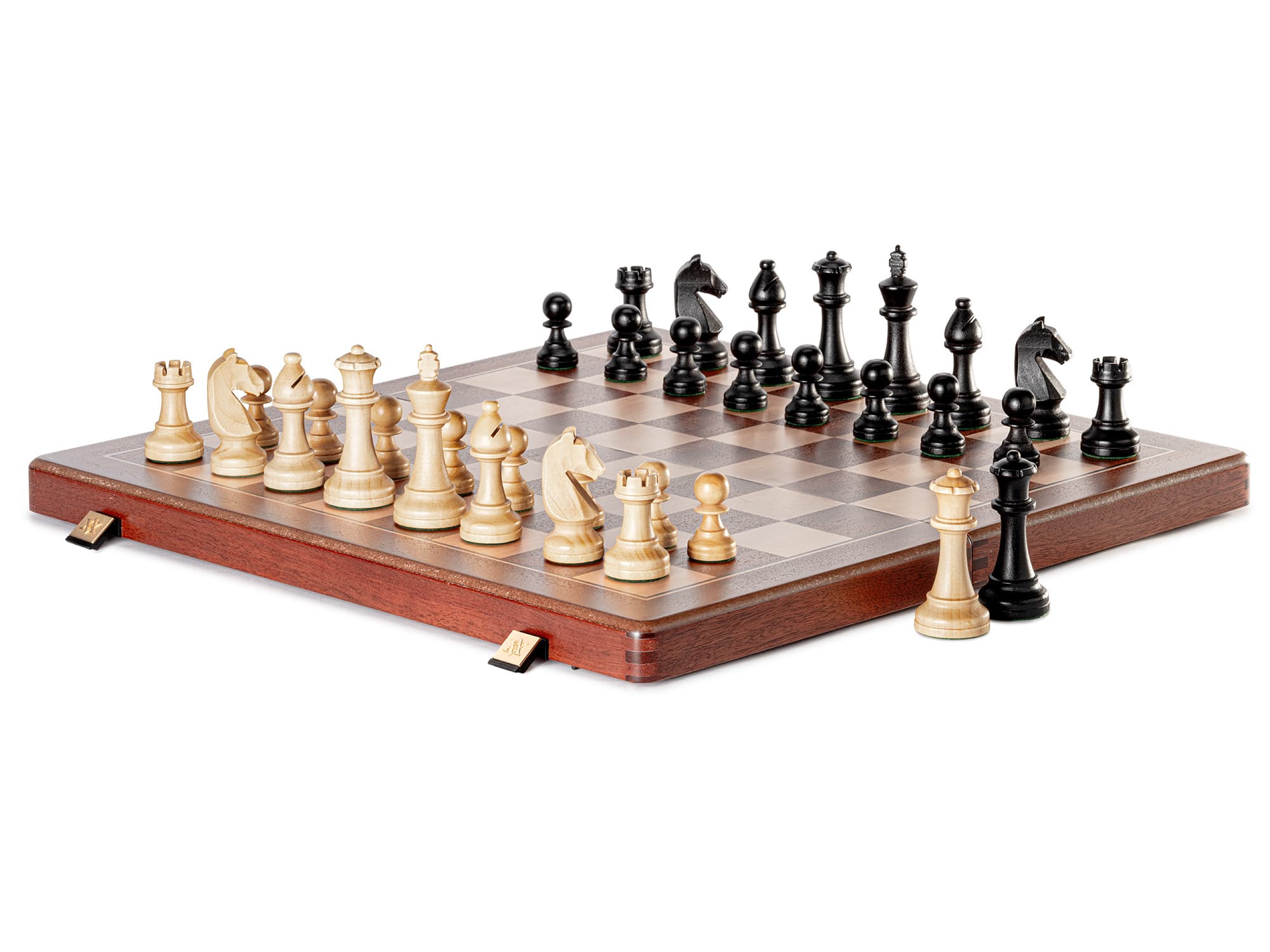
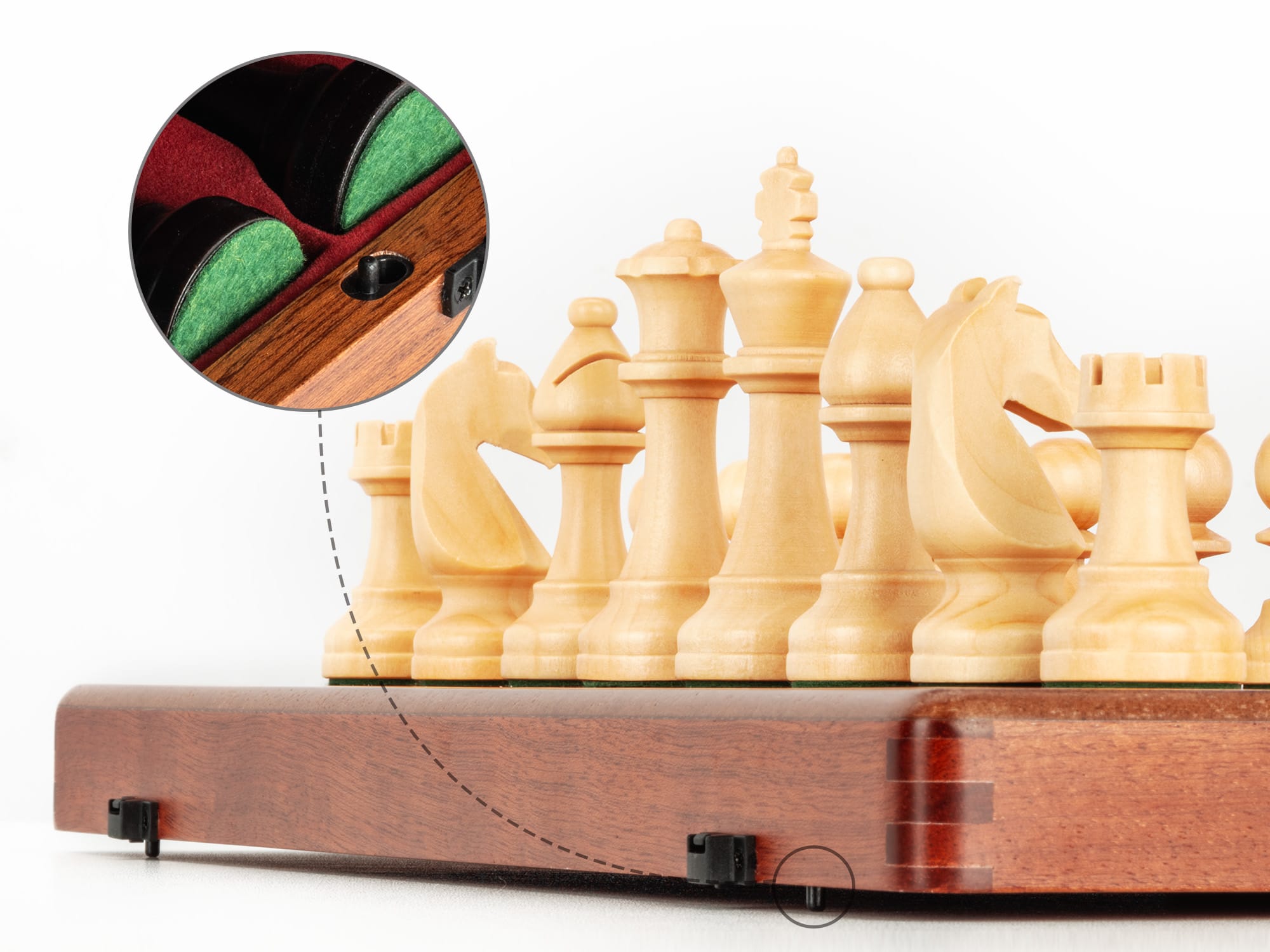
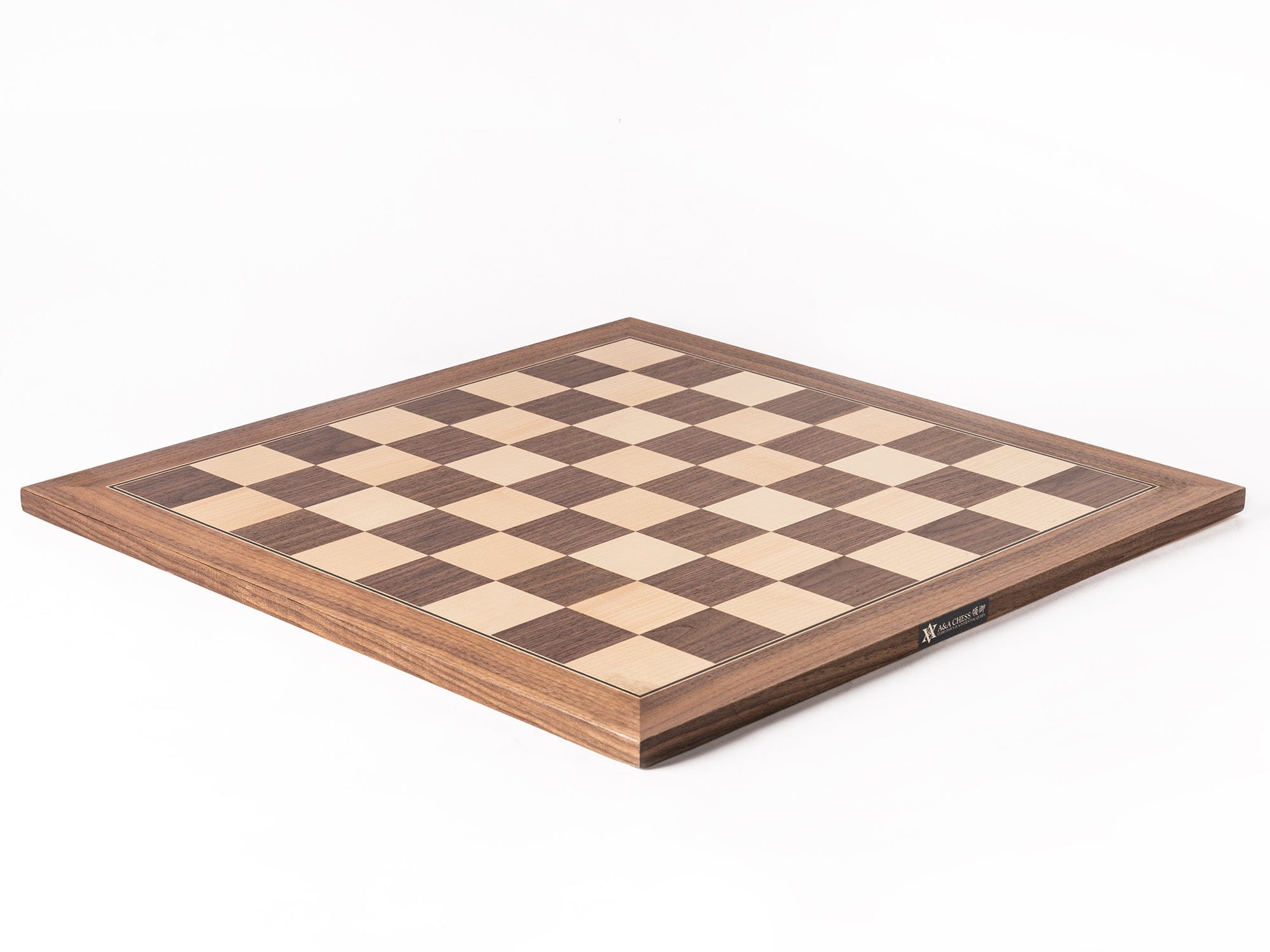
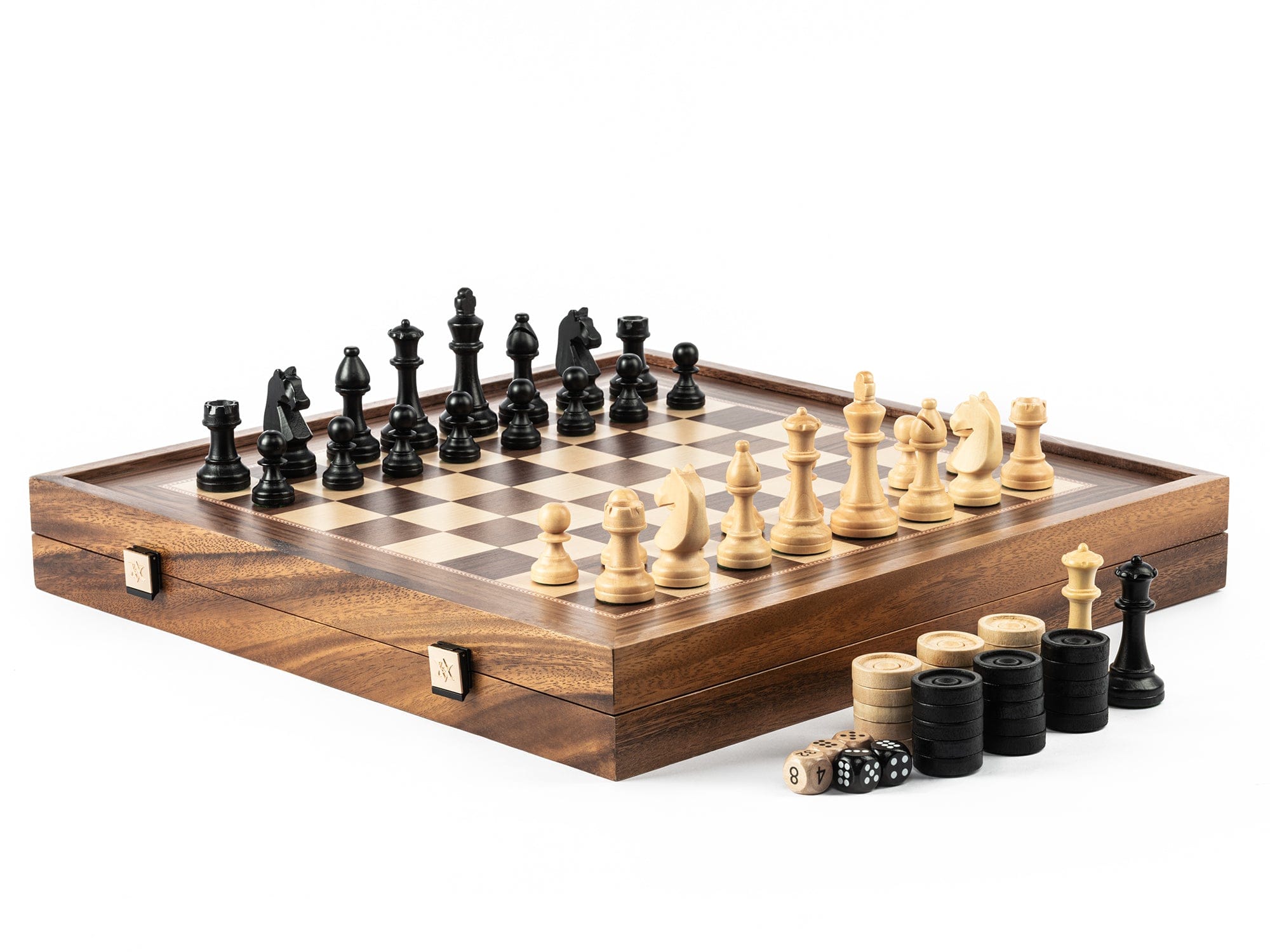
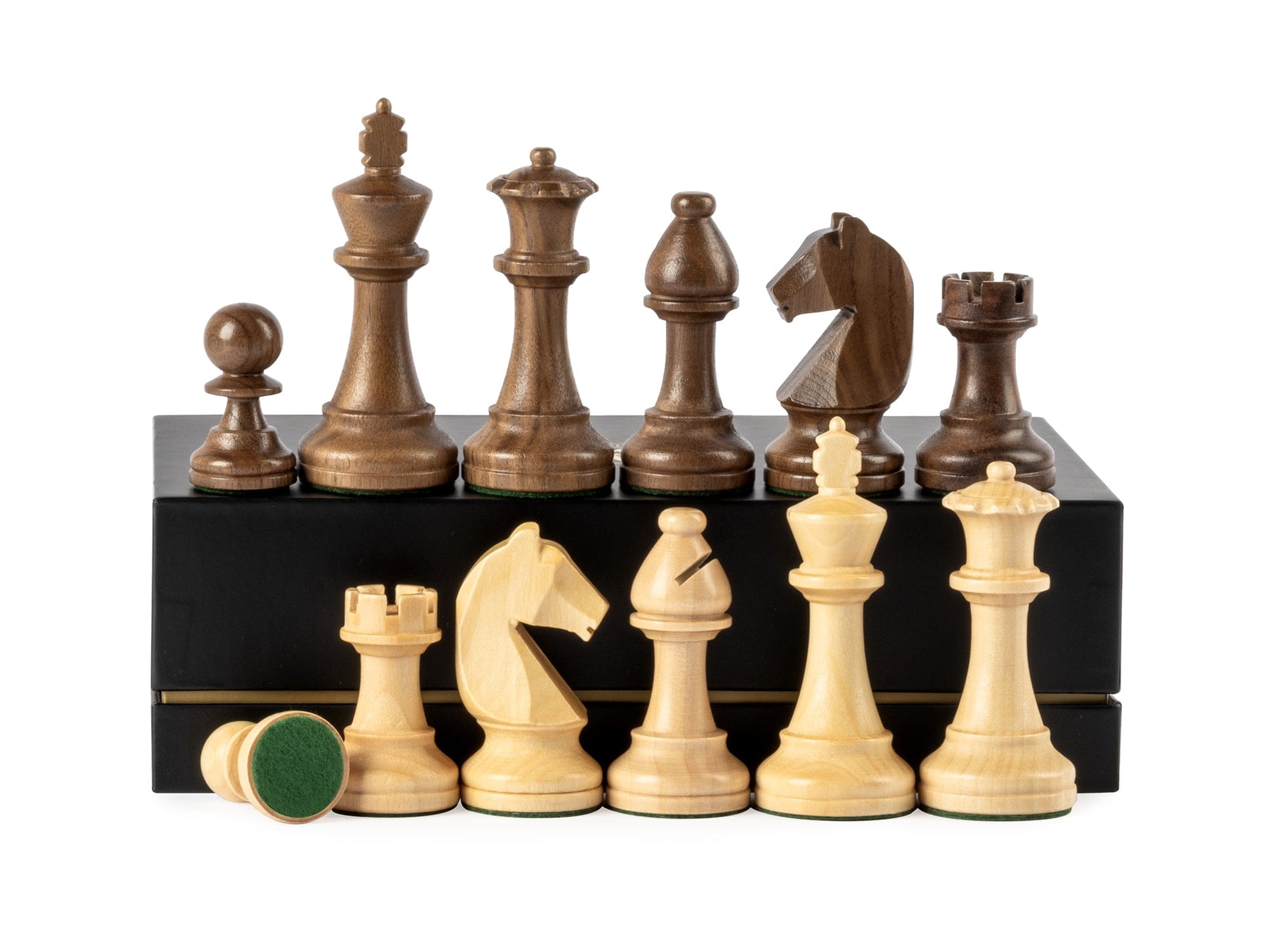
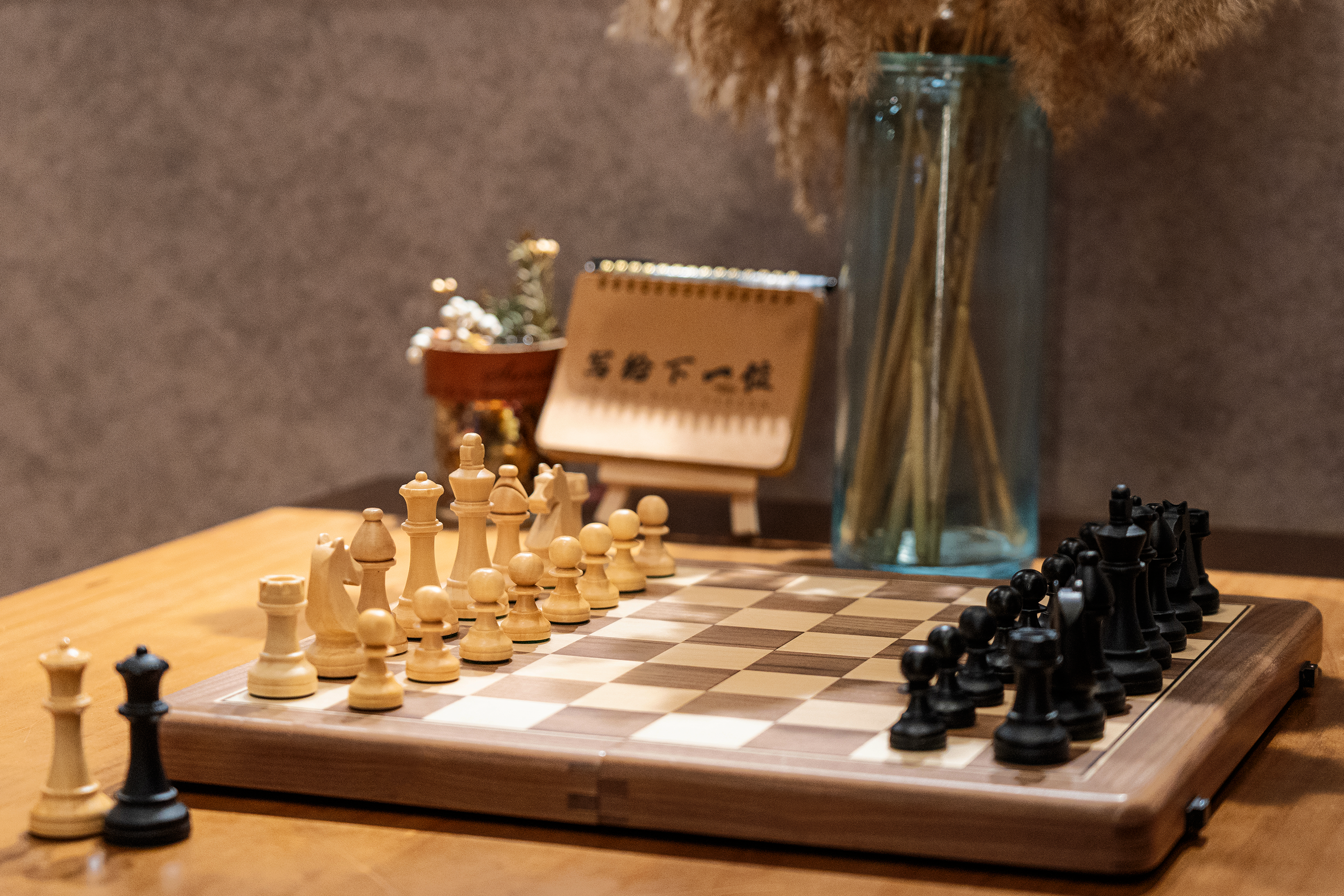
The A&A 15-inch Premium Walnut Wood Folding Chess Set is well suited to home offices, bookshelves, coffee tables, and smaller apartments.
Its 15-inch playing surface provides enough space for comfortable casual games while remaining manageable for storage. When closed, the board becomes a compact wooden case.
This style is particularly useful for:
-
Apartment residents
-
Students
-
Casual home players
-
Families with limited storage
-
People who use one table for several activities
-
Chess players who occasionally travel
Drawer-Style Chess Sets for Permanent Displays
Players who want to keep a chess set permanently displayed may prefer a board with a built-in drawer.
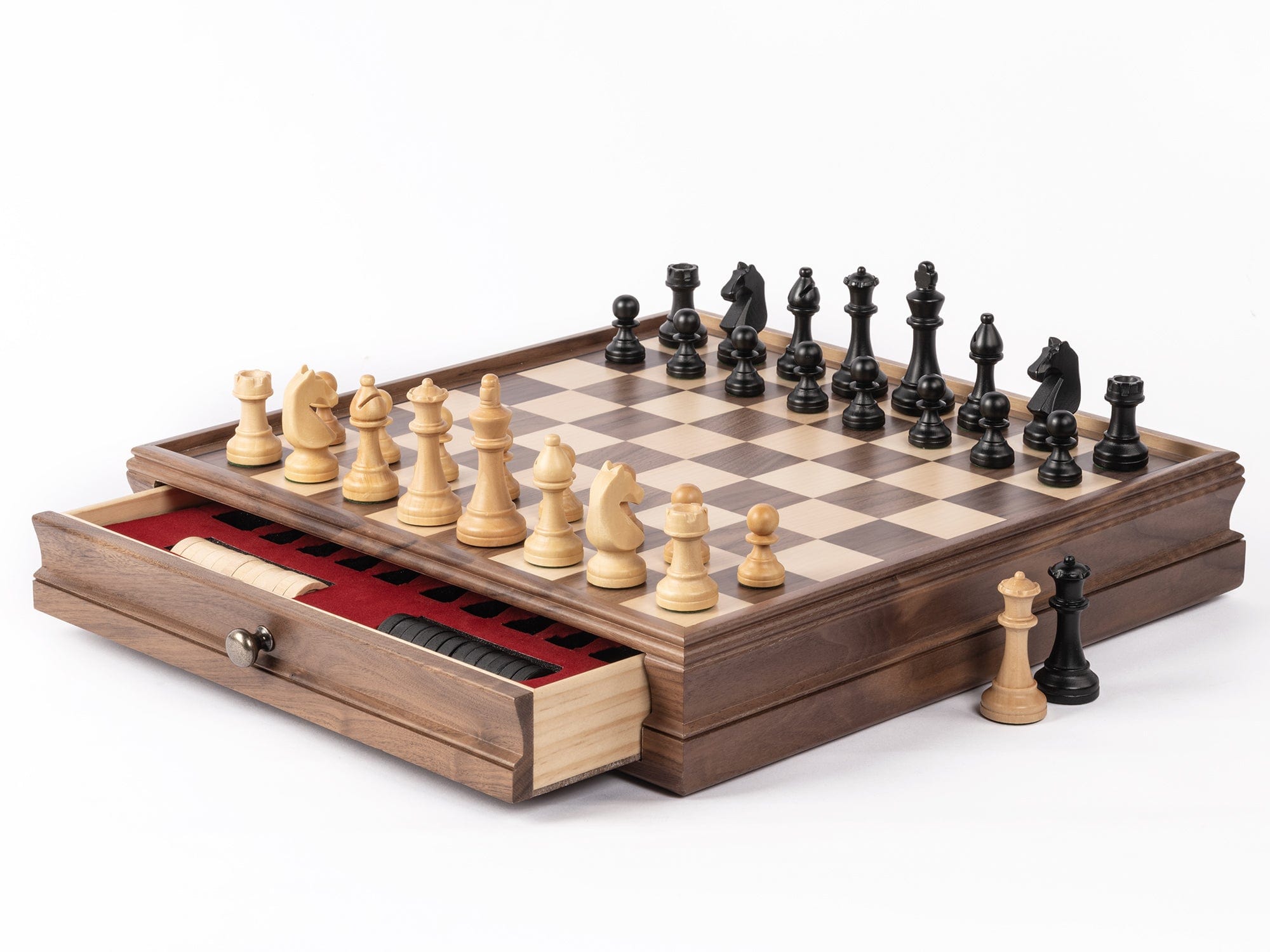
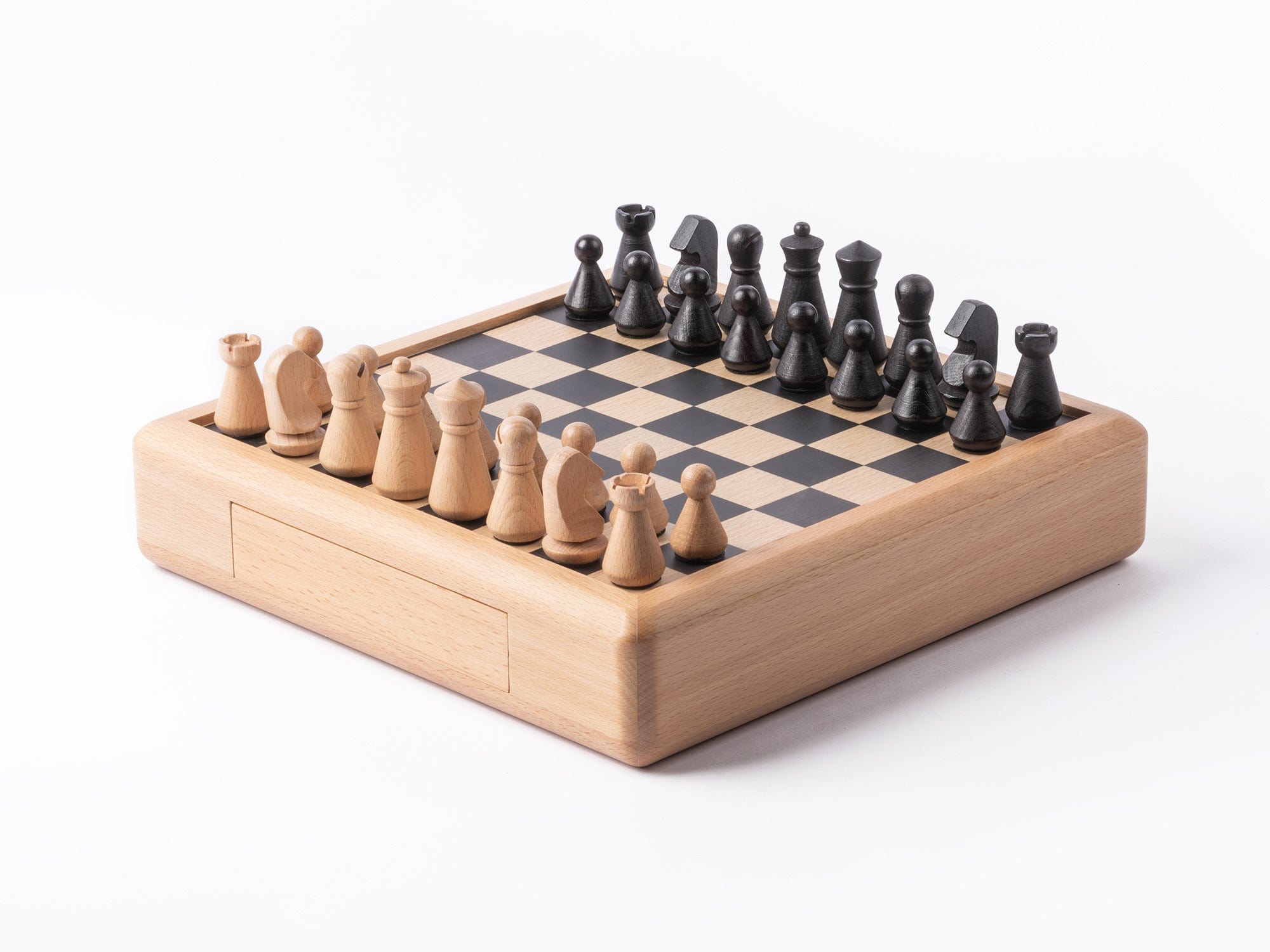
The A&A 15-inch Premium Walnut Wood Chess and Checkers Set with Drawer combines a fixed board with organized storage beneath the playing surface.
This design helps create a clean chess corner because the pieces can be stored without removing the board from the table. It also includes chess and checkers, making it useful for families that enjoy more than one traditional board game.
A drawer-style set works especially well on:
-
A library table
-
A home-office desk
-
A living-room console
-
A dedicated game table
-
A coffee table
-
A family-room sideboard
Because it functions as both a game and a decorative object, it can remain visible even when no game is in progress.
Larger Chess Sets for Serious Training
Players preparing for clubs or tournaments may want a larger playing area.
The A&A 19-inch Premium Mahogany Wood Folding Chess Set offers a larger format while retaining the practical advantages of a folding design.
A larger board can be useful when:
-
You regularly play long games
-
You want more space between pieces
-
You study complex positions
-
You are preparing for over-the-board events
-
Two players need comfortable visual access
-
The chess corner has a larger table
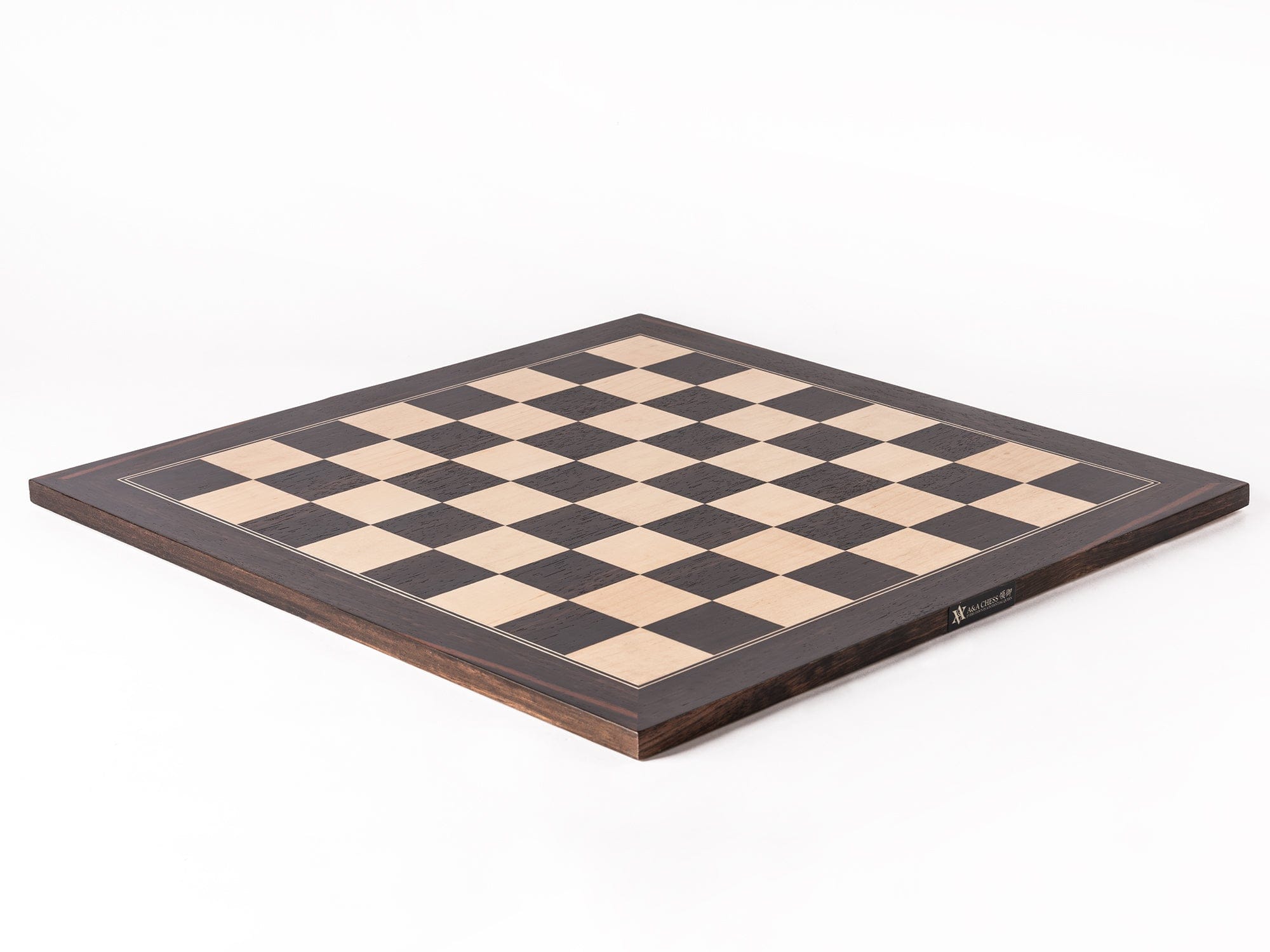
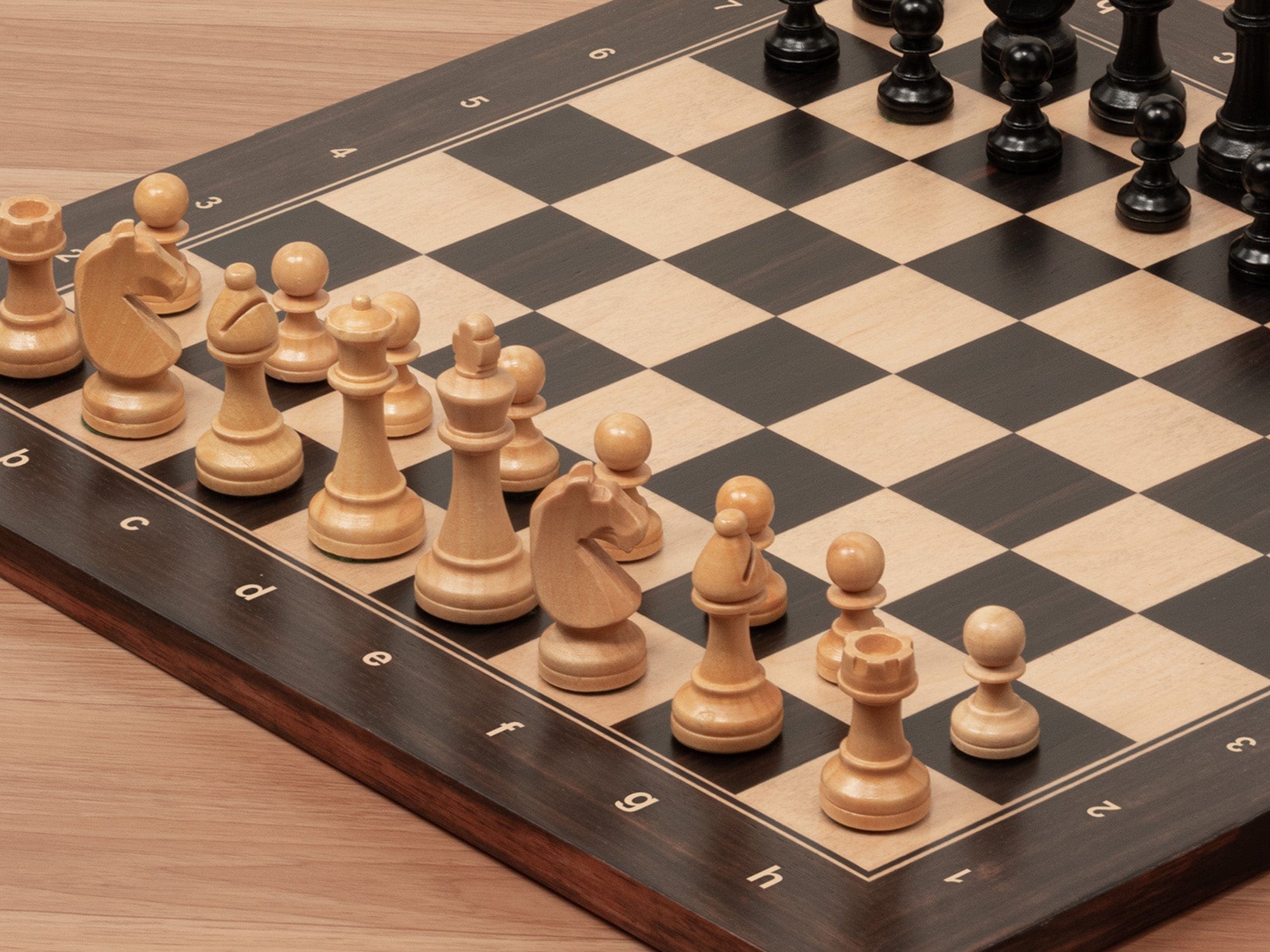
Serious players can also browse the A&A Tournament Chess Sets collection for boards and equipment designed for more structured play.
Which Chess Set Is Best for Your Home?
| Home Setup | Recommended Chess Set Type | Main Advantage |
|---|---|---|
| Small apartment | 15-inch folding chess set | Compact and easy to store |
| Family game room | Chess and checkers set with drawer | Multiple games and organized storage |
| Home office | Premium wooden folding set | Professional and decorative |
| Tournament practice area | Larger board with Staunton pieces | More realistic training experience |
| Child’s study area | Magnetic or beginner-friendly set | Greater piece stability |
| Living-room display | Walnut or mahogany wooden set | Decorative appearance |
| Multi-use dining table | Folding chess set | Clears away quickly |
| Permanent chess table | Drawer-style wooden board | Always ready for play |
Players buying their first set can explore the Beginner Chess Sets collection, while regular home players can compare options in the Intermediate Chess Sets collection.
Pick a Comfortable Table and Seating

The table does not need to be specifically designed for chess. However, it must be stable, level, and large enough for the board, captured pieces, clock, scorebook, and two players’ arms.
Before choosing a table, measure the chessboard in its open position.
Leave additional space for:
-
A digital chess clock
-
A scorebook or notebook
-
Captured pieces
-
Drinks placed safely away from the board
-
A pencil or pen
-
A chess book or tablet used for study
The table should not shake when a player moves a piece or presses the clock. Lightweight folding tables may be convenient, but instability can become frustrating during fast games.
Seating is equally important.
Choose chairs that allow both players to view the entire board without leaning forward constantly. The chair height should place the board below eye level while keeping the player’s shoulders relaxed.
For serious games, avoid excessively soft sofas. They may feel comfortable initially but often encourage poor posture during longer sessions.
Use the Right Lighting
Good lighting improves comfort and makes every square and piece easy to identify.
Natural daylight is ideal, but direct sunlight can create glare, cast strong shadows, and affect wooden boards over time. Place the chess table near a window rather than directly in front of one.
For evening games, use a lamp that illuminates the entire board evenly.
The best lighting setup should:
-
Cover all 64 squares
-
Avoid strong reflections
-
Minimize deep piece shadows
-
Remain comfortable during long games
-
Allow players to read a scorebook
-
Avoid shining directly into either player’s eyes
A desk lamp with an adjustable arm can work well in a small chess study space. For a larger game room, an overhead fixture combined with a softer side lamp may provide more balanced lighting.
Warm, comfortable lighting creates a relaxed atmosphere for family games. Brighter neutral lighting is generally better for serious training and game analysis.
Organize Your Chess Pieces and Accessories
An organized chess corner is more likely to stay in regular use.
Every item should have a specific place, including:
-
White pieces
-
Black pieces
-
Extra queens
-
Chess clock
-
Scorebook
-
Pens and pencils
-
Instruction manual
-
Cleaning cloth
-
Replacement pieces
-
Opening notes
-
Puzzle books
Folding chess sets often include interior compartments or fitted storage. Drawer-style sets allow the board to remain on the table while pieces are protected underneath.
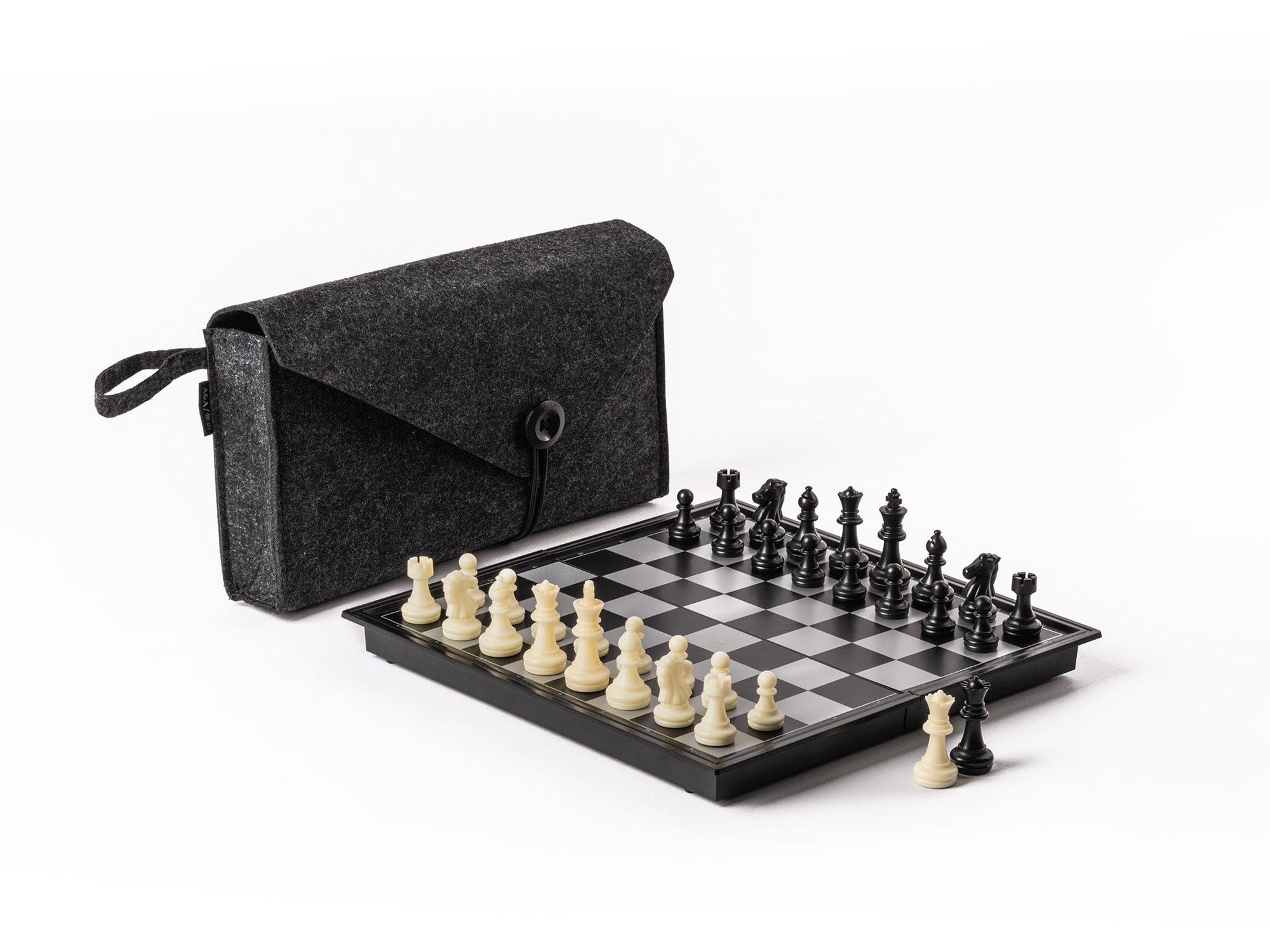
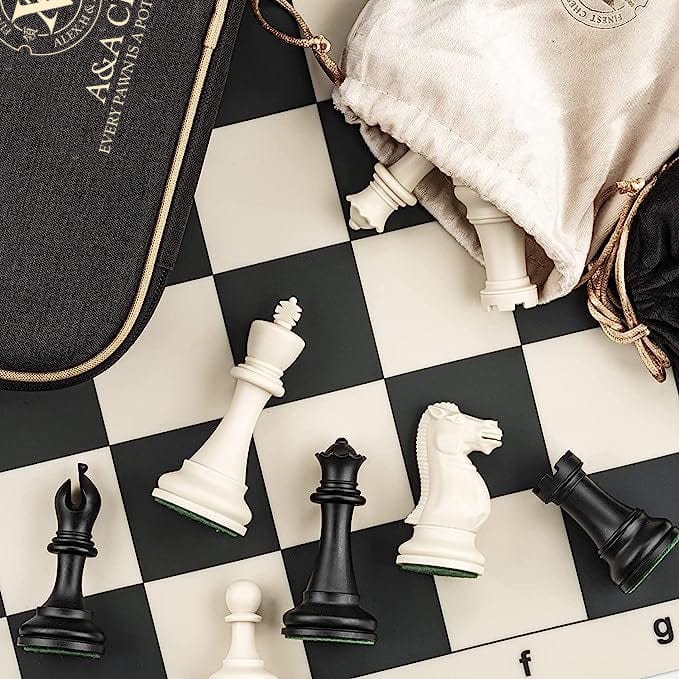
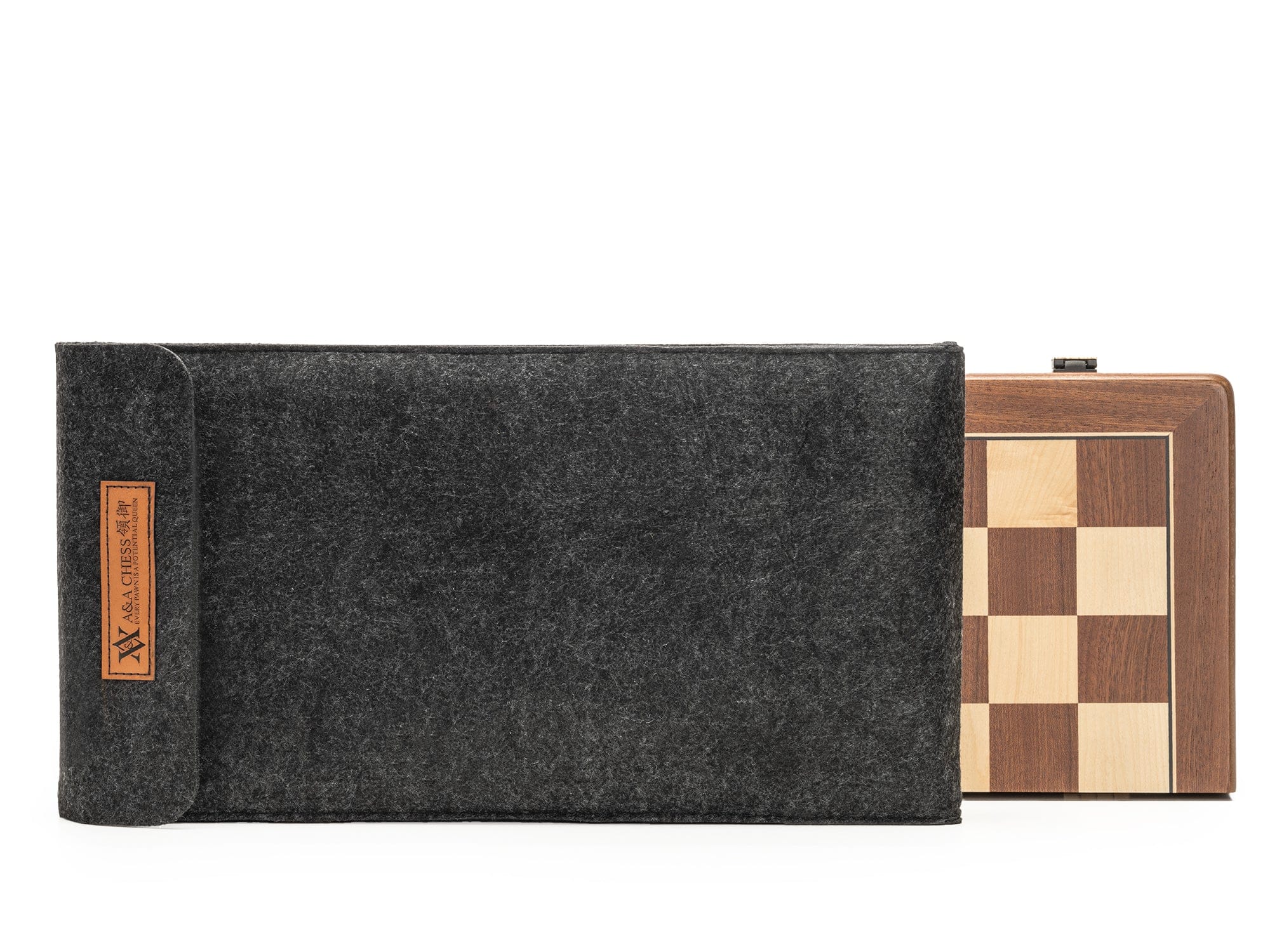
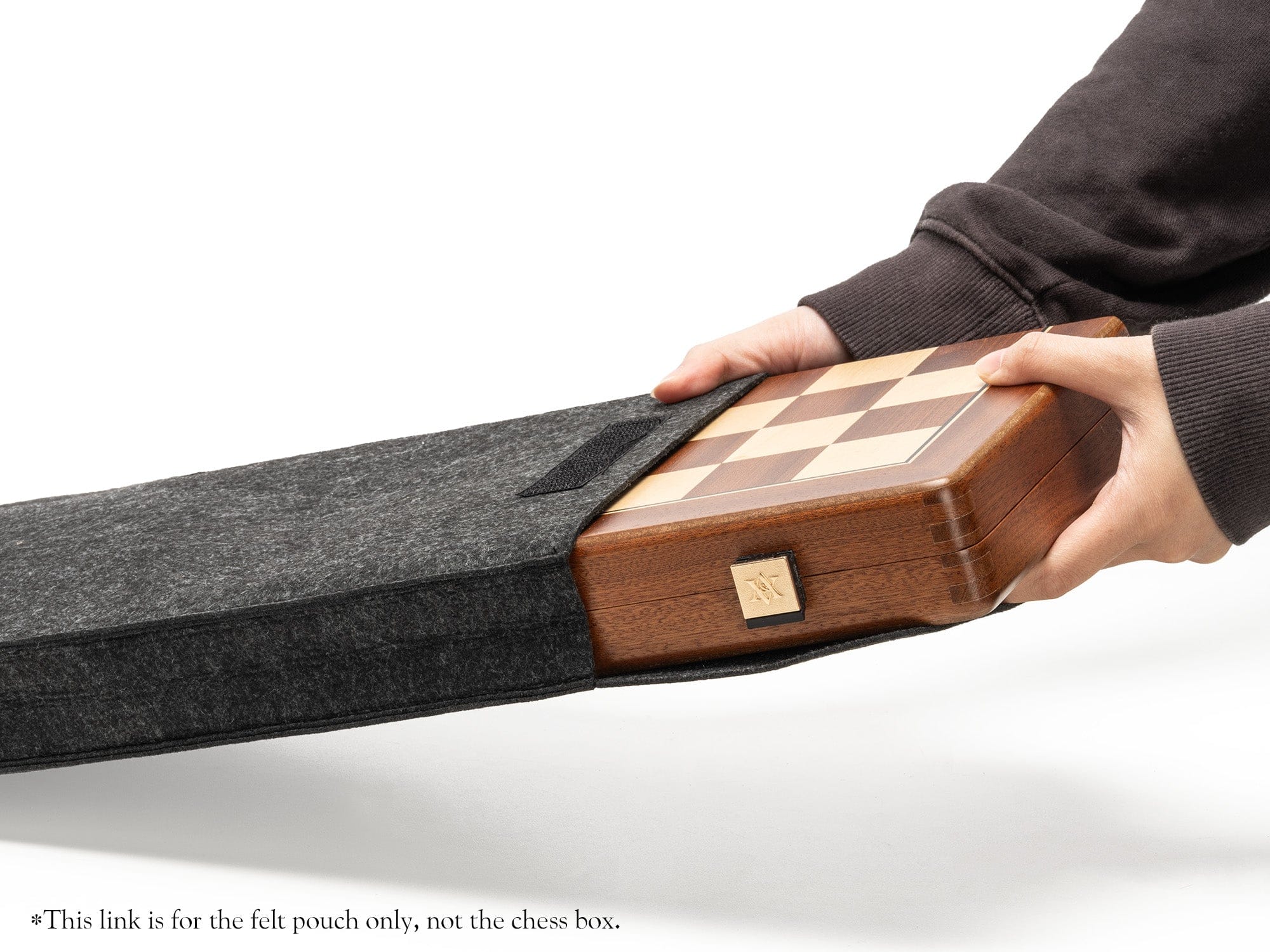
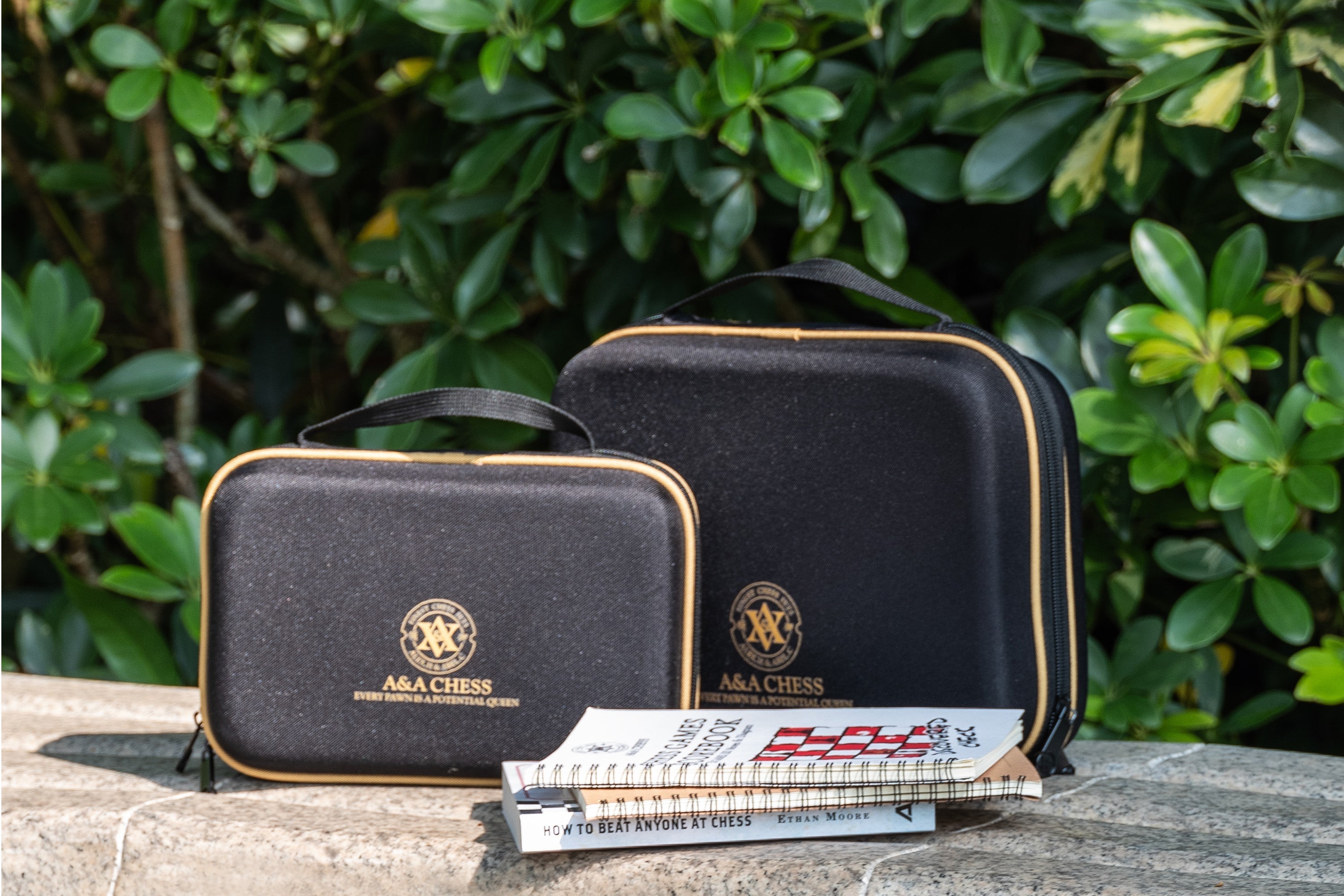
When a separate protective case is needed, the A&A Wooden Folding Chessboard Storage Felt Bag can help protect a folding board during storage or transportation.
Avoid placing wooden pieces loosely inside an unlined box. Repeated contact may create scratches or damage delicate details.
You can also browse the complete Chess Accessories collection for clocks, scorebooks, storage products, board-coordinate stickers, and other useful additions.
Add a Chess Clock and Scorebook
A chess clock immediately makes a home game feel more structured.
Even players who do not participate in tournaments can benefit from timed games. A clock encourages decision-making, prevents games from continuing indefinitely, and allows players to experiment with different formats.
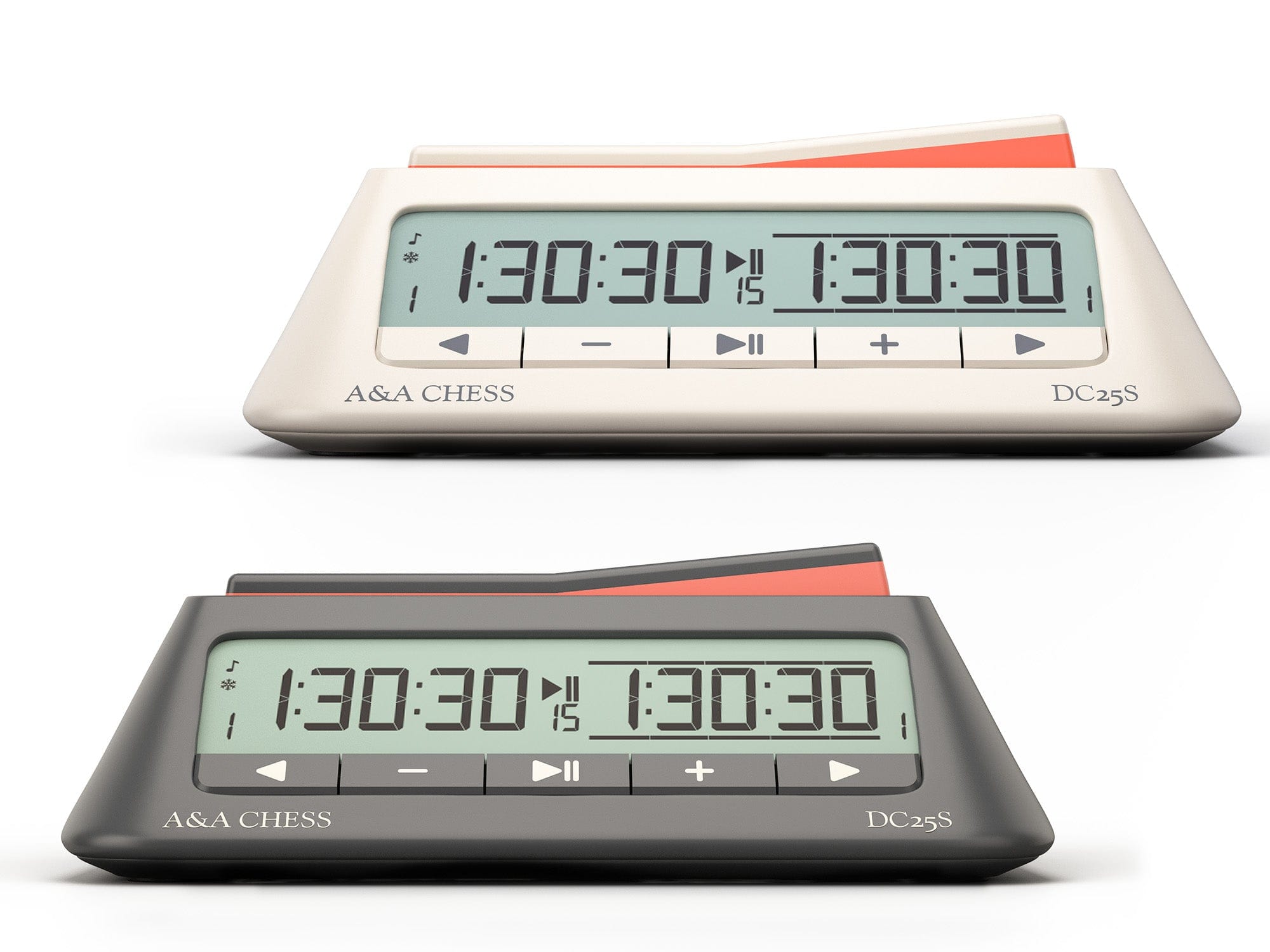
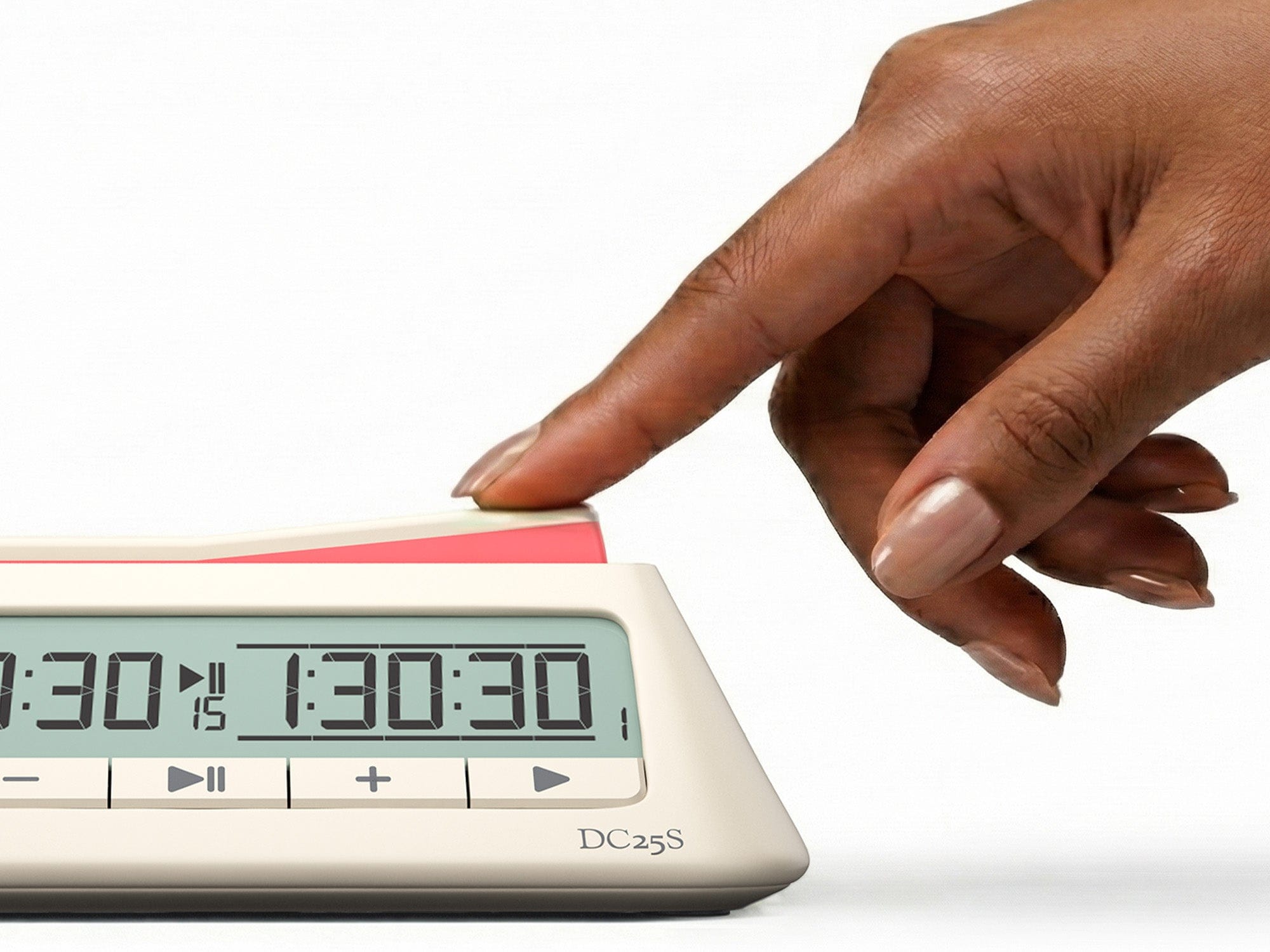
The A&A Professional Digital Chess Clock includes multiple preset timing modes for formats such as blitz, rapid, Fischer increment, and delay.
Popular time controls for a home chess corner include:
| Format | Suggested Time Control | Best For |
|---|---|---|
| Casual | 30 minutes per player | Relaxed family games |
| Beginner rapid | 15+10 | Learning and thoughtful play |
| Standard rapid | 10+5 | Regular practice |
| Blitz | 5+3 | Fast and exciting games |
| Fast blitz | 3+2 | Experienced players |
| Puzzle challenge | 5–10 minutes per position | Calculation training |
The first number shows each player’s starting time. The second number shows how many seconds are added after each move.
A scorebook is another valuable addition.
Using the A&A Chess Games ScoreBook, players can record moves, review mistakes, identify repeated opening problems, and keep a history of memorable games.
Recording games is especially useful for:
-
Tournament preparation
-
Parent-and-child lessons
-
Coaching sessions
-
Opening study
-
Tracking improvement
-
Reviewing games without an engine
Keep the scorebook and two sharpened pencils beside the board so that recording a game becomes a normal part of the routine.
Create a Training-Friendly Environment
A chess corner should support more than complete games. It can also become a permanent training station.
Keep a small selection of learning materials nearby:
-
One tactics book
-
One endgame book
-
A notebook
-
A scorebook
-
Opening reference notes
-
Printed puzzles
-
A timer or chess clock
Avoid surrounding the space with too many resources. A shelf filled with dozens of unfinished chess books can become distracting rather than motivating.
Choose one current training goal.
For example:
-
Solve one tactical position each morning
-
Replay one master game each weekend
-
Practice one endgame three times per week
-
Play one recorded rapid game every Friday
-
Review one previous loss each Sunday
A visible board also allows you to leave a difficult position in place and return to it later. This encourages deeper thinking than immediately checking a computer engine.
Beginners who need help learning piece movement, check, checkmate, castling, or notation can review the A&A CHESS game instructions.
Build a Family Chess Corner
A chess corner can become a valuable family space when it is designed to be welcoming rather than overly formal.
For younger players, keep the board at an accessible height and choose pieces that are easy to identify and handle.
A family-friendly setup can include:
-
A durable board
-
Clearly recognizable pieces
-
Simple rule cards
-
A small puzzle jar
-
A family scorebook
-
A visible weekly challenge
-
Comfortable seating
-
Storage that children can use independently
Try placing beginner puzzles in a container beside the board. Each family member can select one puzzle and attempt to solve it before dinner or during a weekend game night.
You can also create family chess traditions:
-
Friday evening rapid games
-
Parent-versus-child challenges
-
Monthly mini-tournaments
-
Puzzle-solving competitions
-
Winner-stays-on games
-
Chess and checkers nights
-
Screen-free Sunday afternoons
The objective is not to make every game a serious lesson. A family chess corner should create positive experiences around learning, conversation, and friendly competition.
Small-Apartment Chess Corner Ideas
Limited space should not prevent you from creating a useful home chess setup.
Use a Folding Board
A folding board can be stored vertically on a shelf or inside a cabinet when not in use.
Choose a Dual-Purpose Table
Use a desk, coffee table, dining table, or side table rather than purchasing additional furniture.
Install a Floating Shelf
A wall-mounted shelf above the table can hold chess books, a clock, a scorebook, and small accessories.
Use a Storage Basket
Place the folded board, chess clock, and training materials inside one basket. The entire chess corner can then be set up in minutes.
Create a Mobile Chess Station
A small rolling cart can hold the chess set and accessories. Move it beside a dining table or sofa whenever you want to play.
Keep the Design Simple
A board, two chairs, one lamp, one clock, and one notebook are enough. The goal is to make chess accessible, not to fill the room with decorations.
Add Chess-Inspired Décor Carefully
A few decorative elements can make the space feel personal.
Consider adding:
-
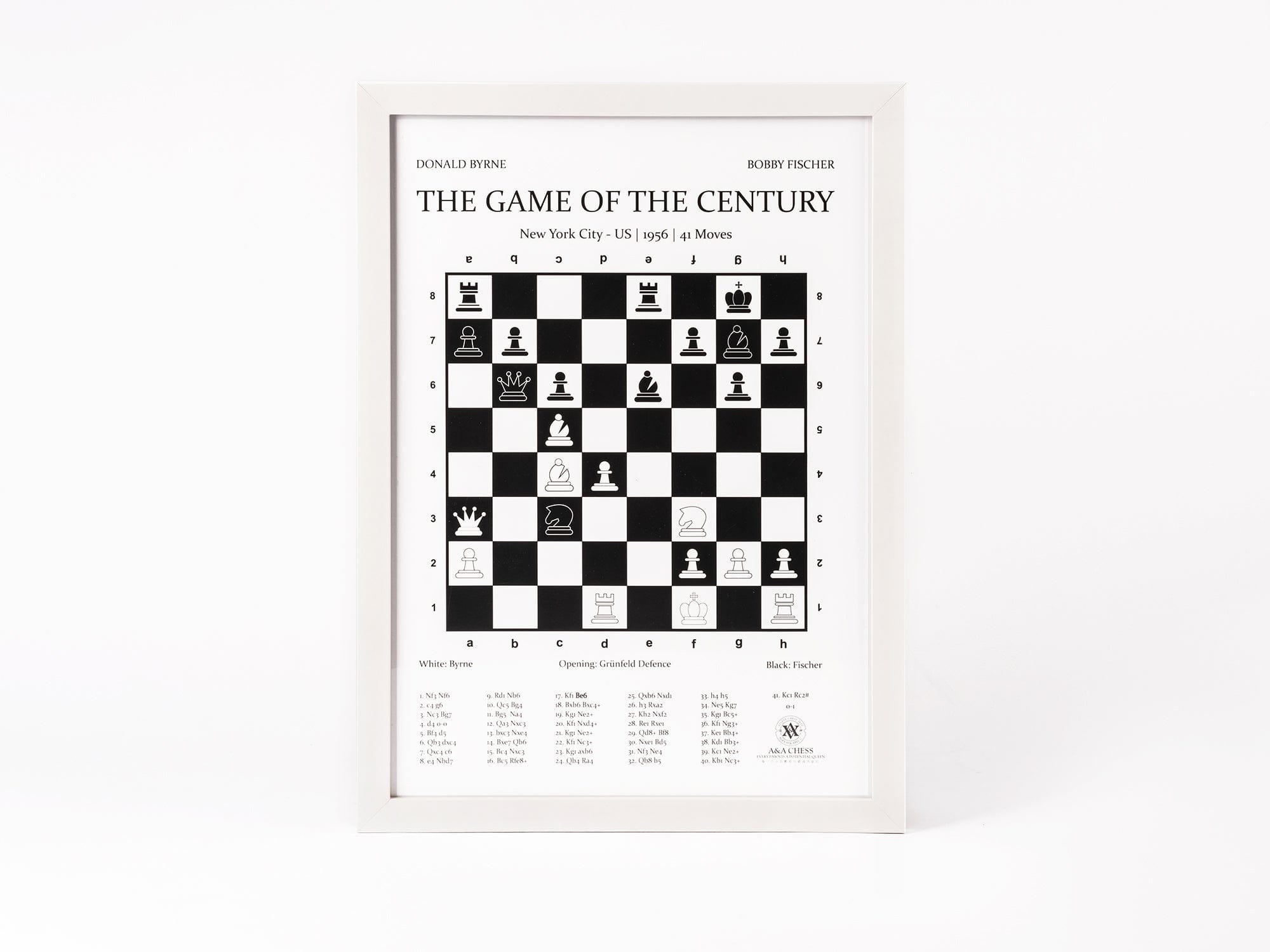
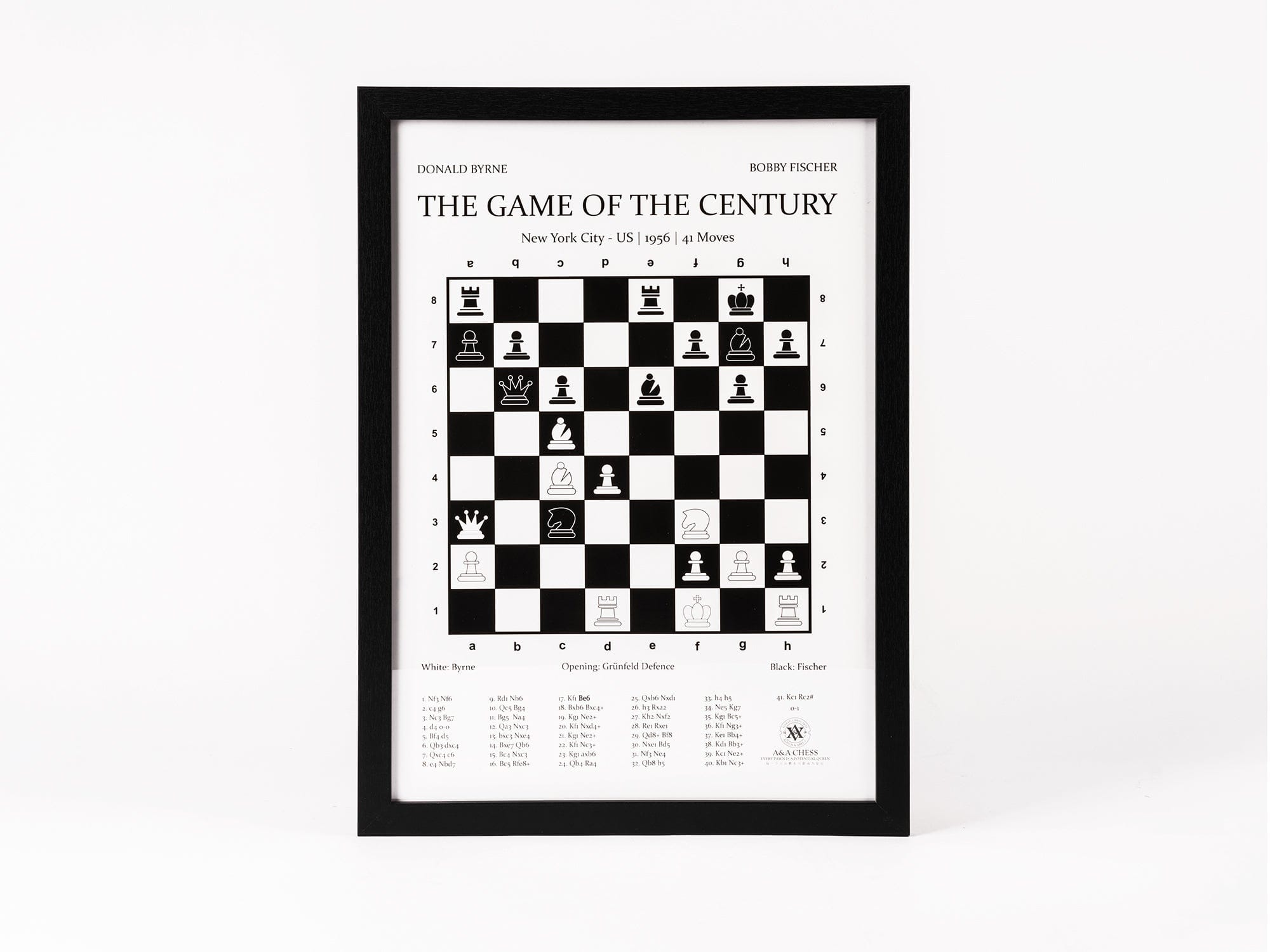
A framed diagram from a famous game
-
A chess-themed poster
-
A small shelf of chess books
-
A photograph from a tournament
-
A decorative queen or knight
-
A board showing a favorite position
-
A simple plant
-
A table mat beneath the board
Do not add so many objects that the playing area becomes crowded. Players need clear space around the board, especially when using a clock and recording moves.
For recent product and accessory ideas, browse the A&A CHESS New Products collection.
Common Home Chess Setup Mistakes
Choosing a Table That Is Too Small
A board may technically fit while leaving no room for captured pieces, a clock, or players’ arms.
Measure everything before arranging the space.
Using Uncomfortable Lighting
Strong glare and uneven shadows can make long games tiring. Test the setup during both daytime and evening.
Hiding the Chess Set
A board stored at the back of a closet is easy to forget. Keep it visible or store it somewhere that can be accessed quickly.
Allowing the Area to Become Cluttered
Mail, cables, drinks, work documents, and unrelated objects can gradually take over the chess table.
Reset the space after every session.
Buying for Appearance Alone
A beautiful set may not be suitable for the available table or the way you play.
Consider size, storage, stability, and frequency of use before focusing on appearance.
Forgetting About Piece Storage
Loose pieces are more likely to become scratched or lost. Choose fitted storage, a drawer, a folding case, or a protective bag.
Creating an Overly Serious Environment
A home chess corner should encourage use. If children or guests feel that the board cannot be touched, it becomes decoration rather than an active game space.
Home Chess Corner Checklist
Before completing your setup, confirm that you have:
-
A quiet and accessible location
-
A stable table
-
Two comfortable chairs
-
A correctly sized chess set
-
Even lighting
-
Safe piece storage
-
Space for captured pieces
-
A digital chess clock
-
A scorebook and pencils
-
One or two training resources
-
A cleaning cloth
-
A simple weekly playing routine
You can compare popular boards and sets in the A&A CHESS Hot-Selling collection.
Frequently Asked Questions
How much space do I need for a home chess corner?
A compact chess corner needs enough room for a small table, two chairs, and comfortable movement around the playing area.
A folding 15-inch chess set can work well in apartments, dormitories, and home offices. Larger tournament-style boards require more table space.
What is the best chess set for home use?
A 15-inch wooden folding chess set is a practical choice for most homes because it balances playing comfort, appearance, and storage convenience.
For a permanent display, a drawer-style wooden set may be more suitable. Tournament players may prefer a larger board with full-size Staunton pieces.
Should I leave my chess set open all the time?
You can leave the set open when it is located in a safe, clean, and low-traffic area.
Close or cover the set when it may be exposed to dust, direct sunlight, pets, small children, food, or drinks.
Do I need a special chess table?
No. Any stable and level table can work.
The table should provide enough space for the open board, two players, captured pieces, a clock, and optional scorekeeping materials.
Is a chess clock necessary for home games?
A clock is not required for casual chess, but it makes games more structured and helps players develop time-management skills.
Beginners can start with longer rapid time controls before trying blitz.
How should I store a wooden chess set?
Keep wooden sets away from excessive moisture, heat, and direct sunlight.
Store pieces in fitted compartments, a lined drawer, or a protective bag. Wipe the board gently with a soft, dry cloth after use.
How can I make a chess corner attractive to children?
Use an accessible table height, stable pieces, simple instructions, short games, and visible puzzles.
Avoid turning every session into a formal lesson. Children are more likely to return when chess feels playful and social.
Can a chess corner work in a small apartment?
Yes.
Use a folding chess board, a dual-purpose table, vertical storage, or a mobile cart. A complete setup can fit into a relatively small living-room or home-office corner.
What should I keep beside my chessboard?
The most useful items are a chess clock, scorebook, pencils, cleaning cloth, one tactics book, and a safe place for captured or spare pieces.
Final Thoughts
The perfect home chess corner is not necessarily large, expensive, or elaborate.
It is a space that makes playing easier.
A well-chosen chess set, stable table, comfortable seating, balanced lighting, organized storage, and a few useful training tools can transform an ordinary corner into a place for focus, learning, and connection.
For some players, it will become a serious training station. For others, it will become the center of a weekly family tradition. It may also serve as a quiet alternative to screens, a conversation starter for guests, or a beautiful part of the home.
Start with the space you already have. Choose a board that fits your table and routine. Keep the pieces organized, place the clock and scorebook nearby, and make the setup inviting enough that you want to sit down and play.
Explore A&A CHESS to compare wooden chess sets, folding boards, beginner options, tournament equipment, clocks, scorebooks, and storage accessories for your ideal home chess setup.




Zostaw komentarz
Ta strona jest chroniona przez hCaptcha i obowiązują na niej Polityka prywatności i Warunki korzystania z usługi serwisu hCaptcha.