








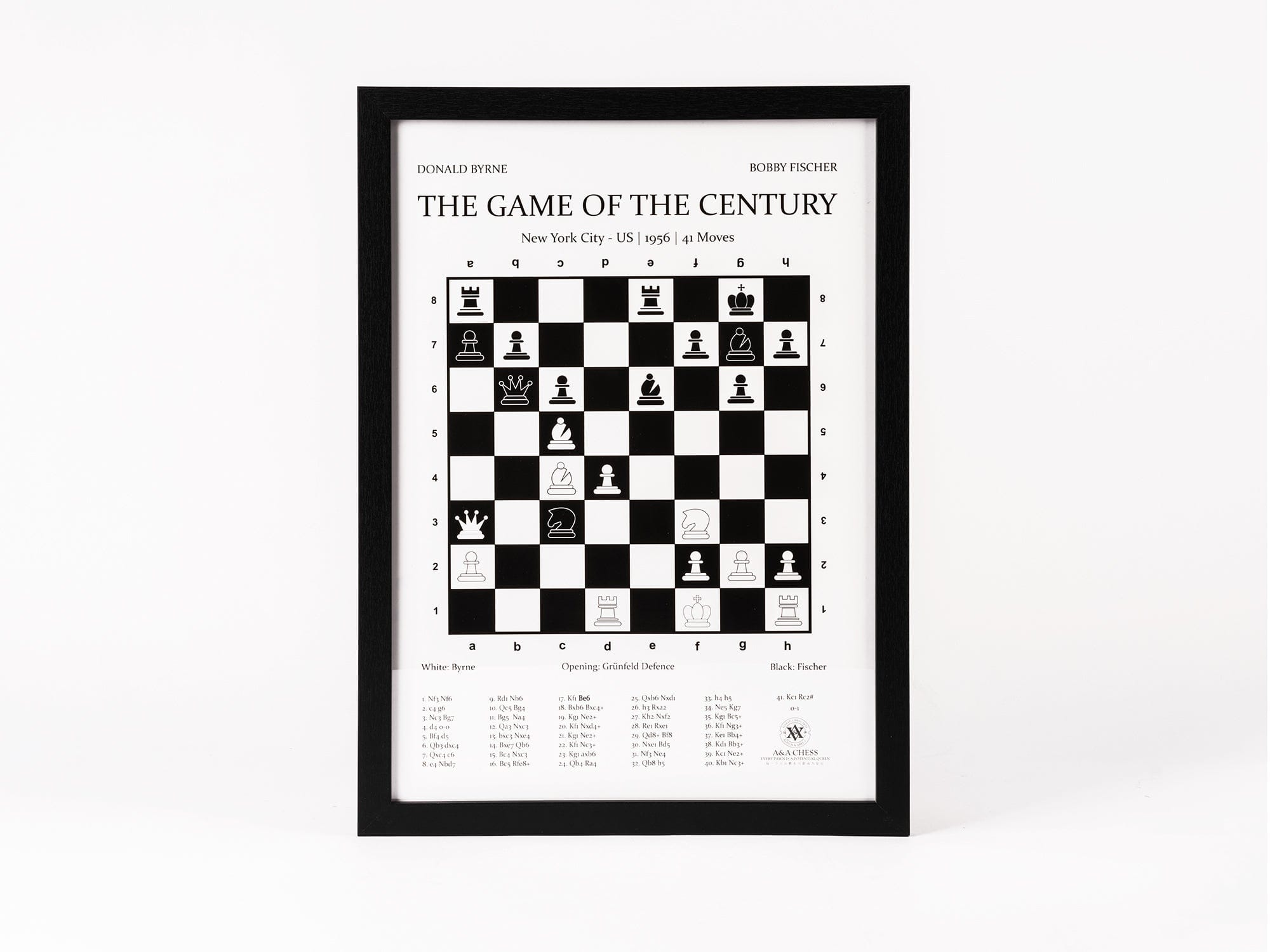
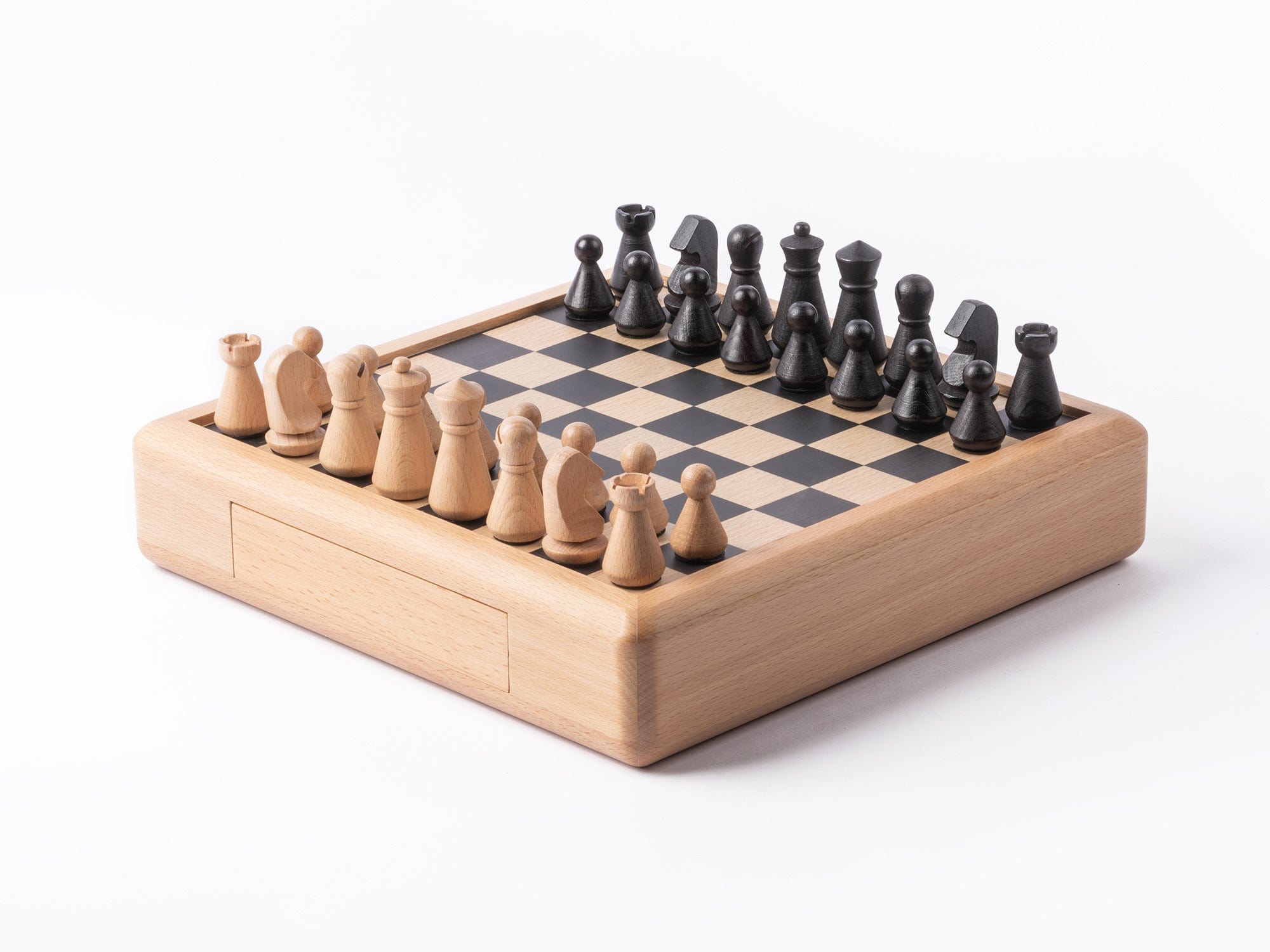
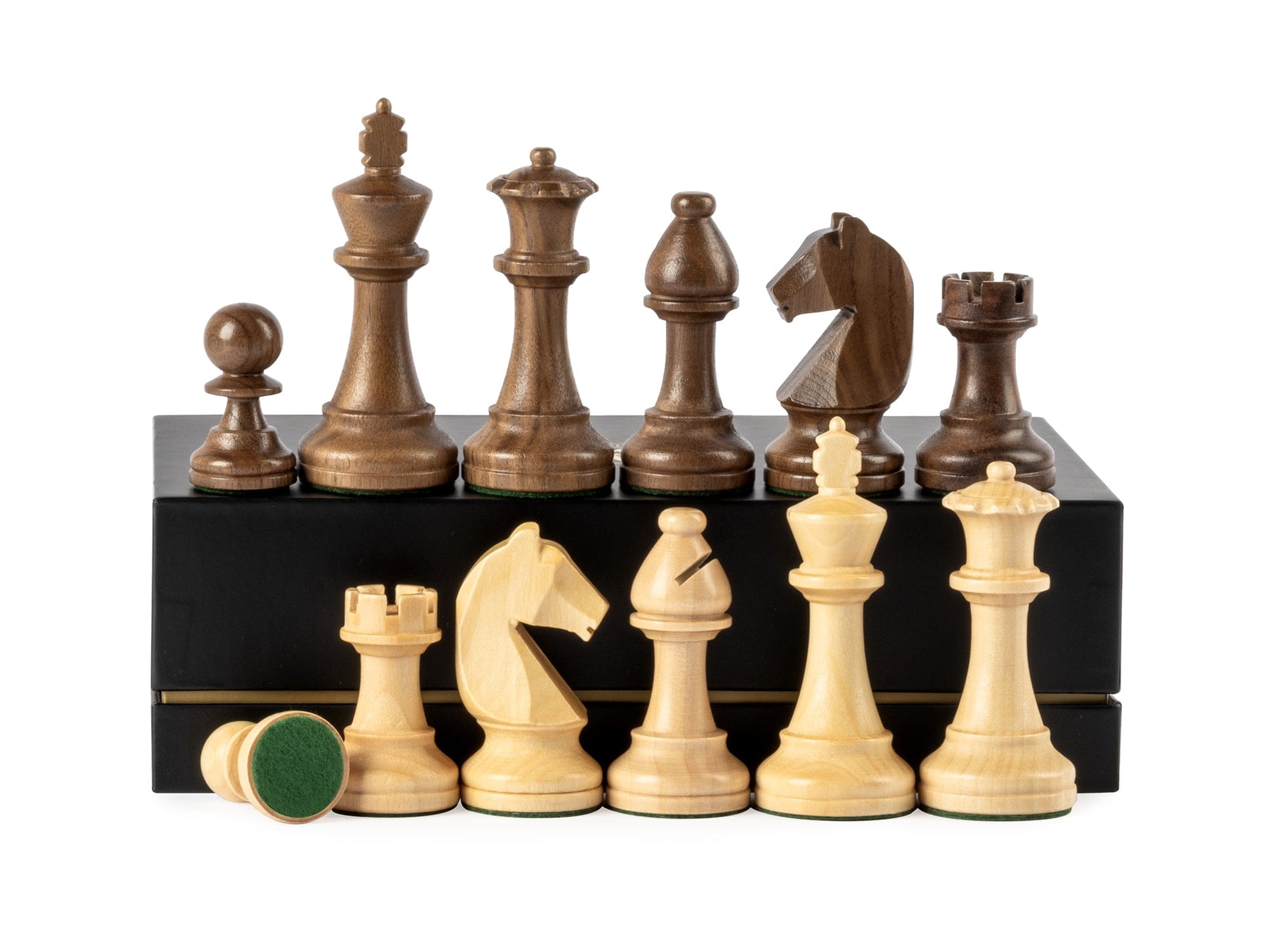
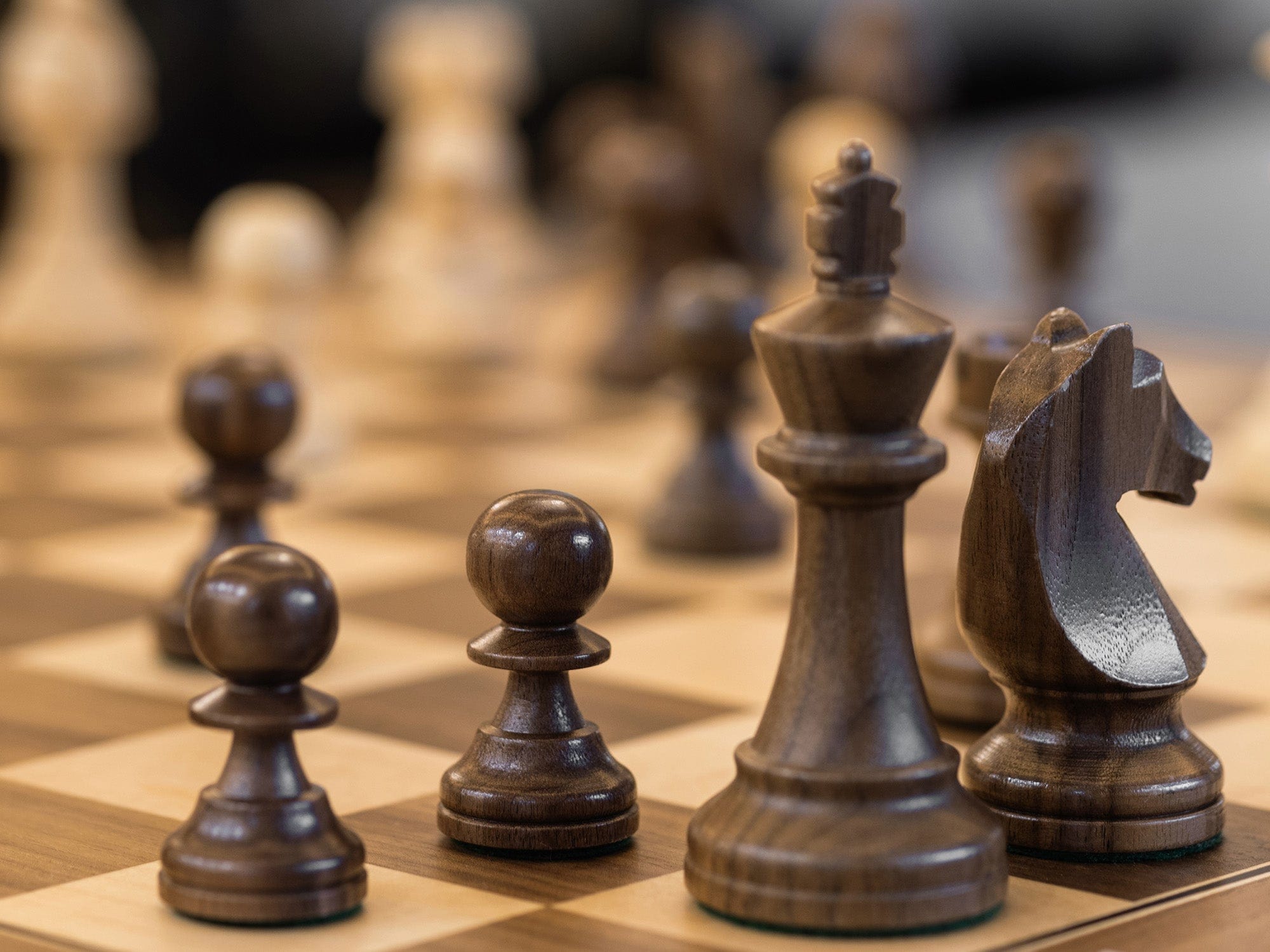



Artificial intelligence is changing the way people learn chess.
Players can now receive instant game analysis, opening suggestions, tactical exercises, estimated ratings, personalized lessons, and explanations of their mistakes within seconds. Smart chessboards can connect physical pieces to online opponents, while AI-powered tools can recommend moves and create training plans.
These technologies make chess more accessible than ever.
However, faster access to answers does not always produce deeper understanding.
When a player checks an engine immediately after every move, the computer may begin doing the most valuable part of the learning process: identifying possibilities, comparing alternatives, calculating responses, and making a final decision.
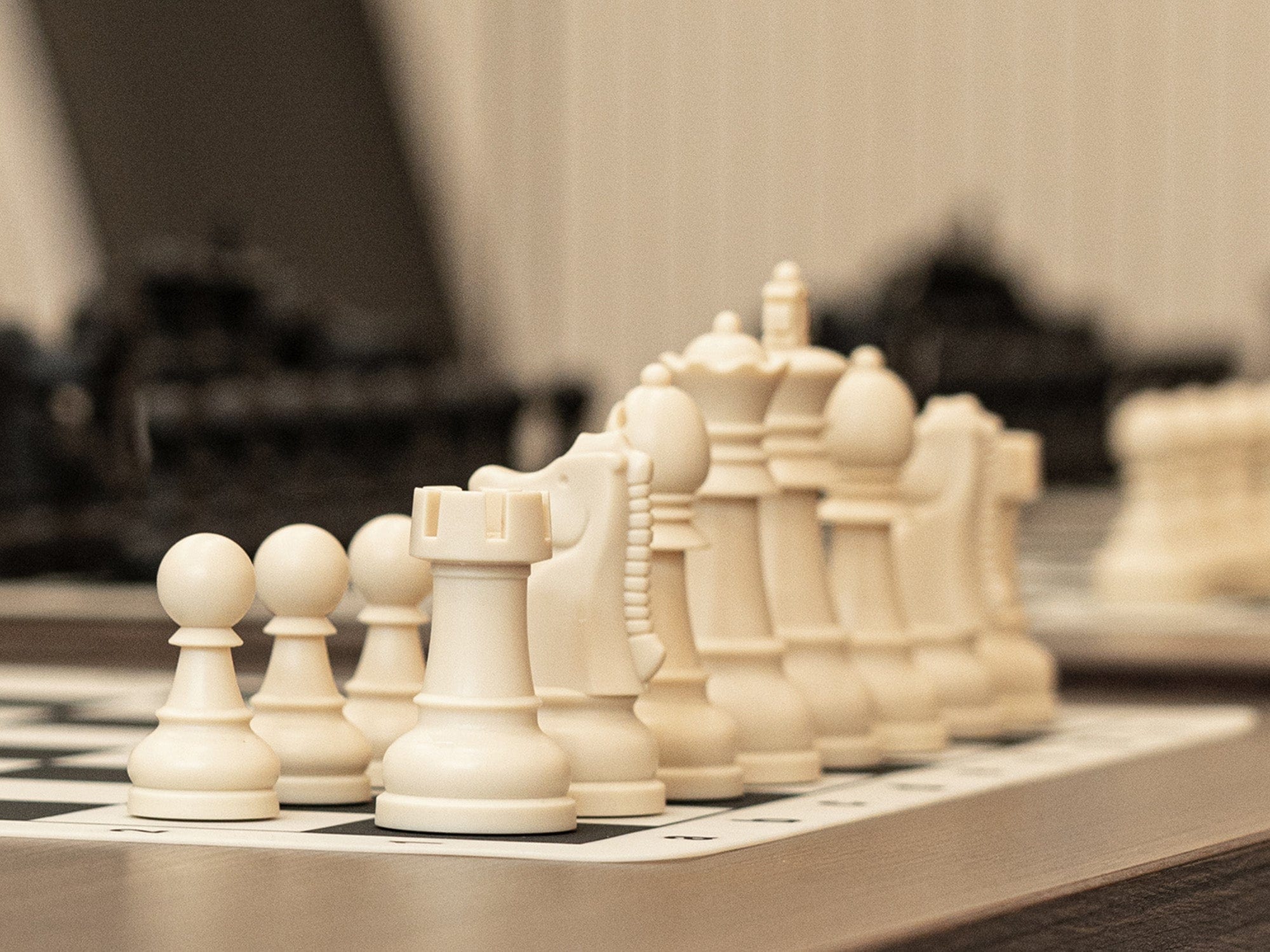
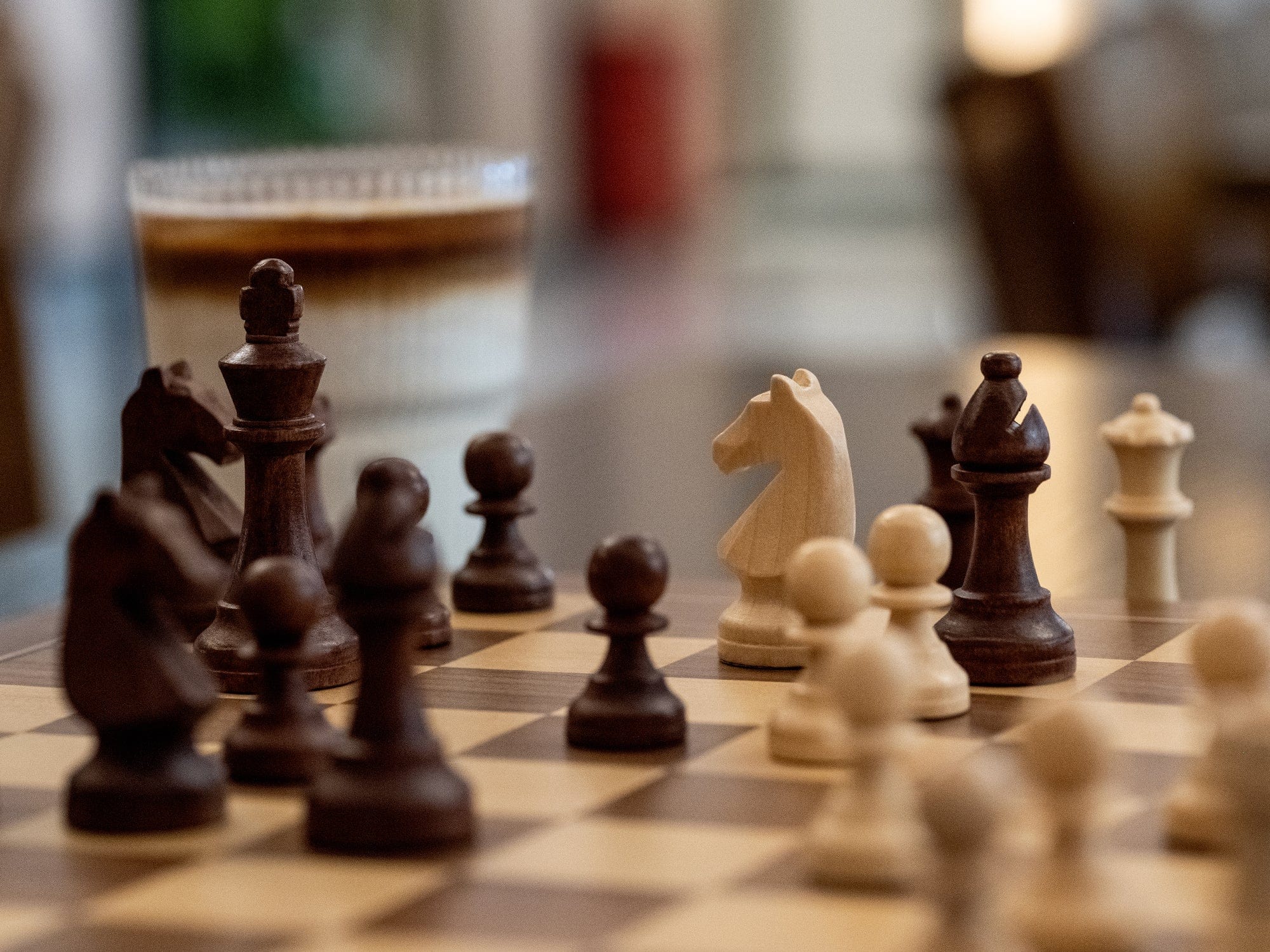
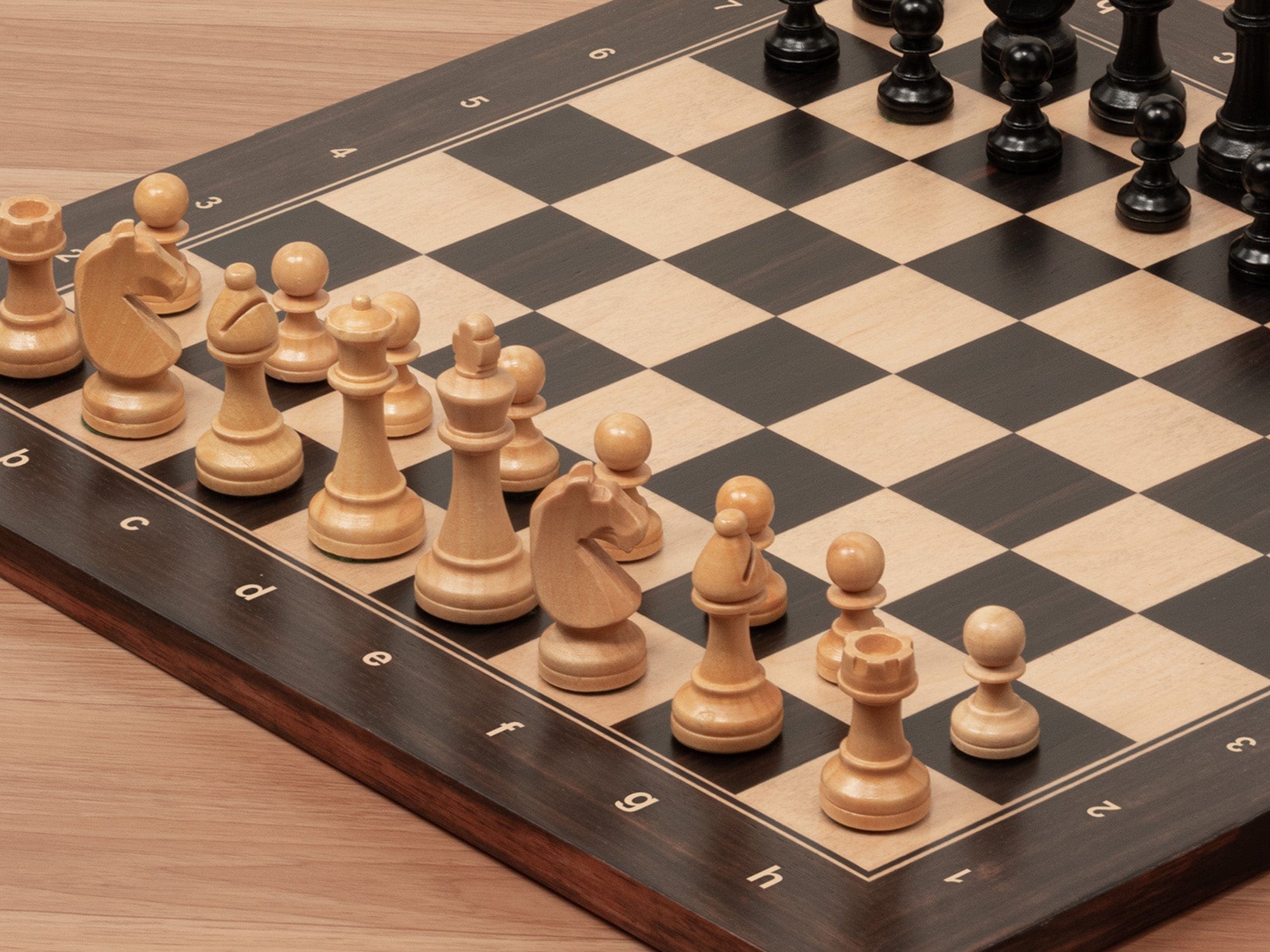
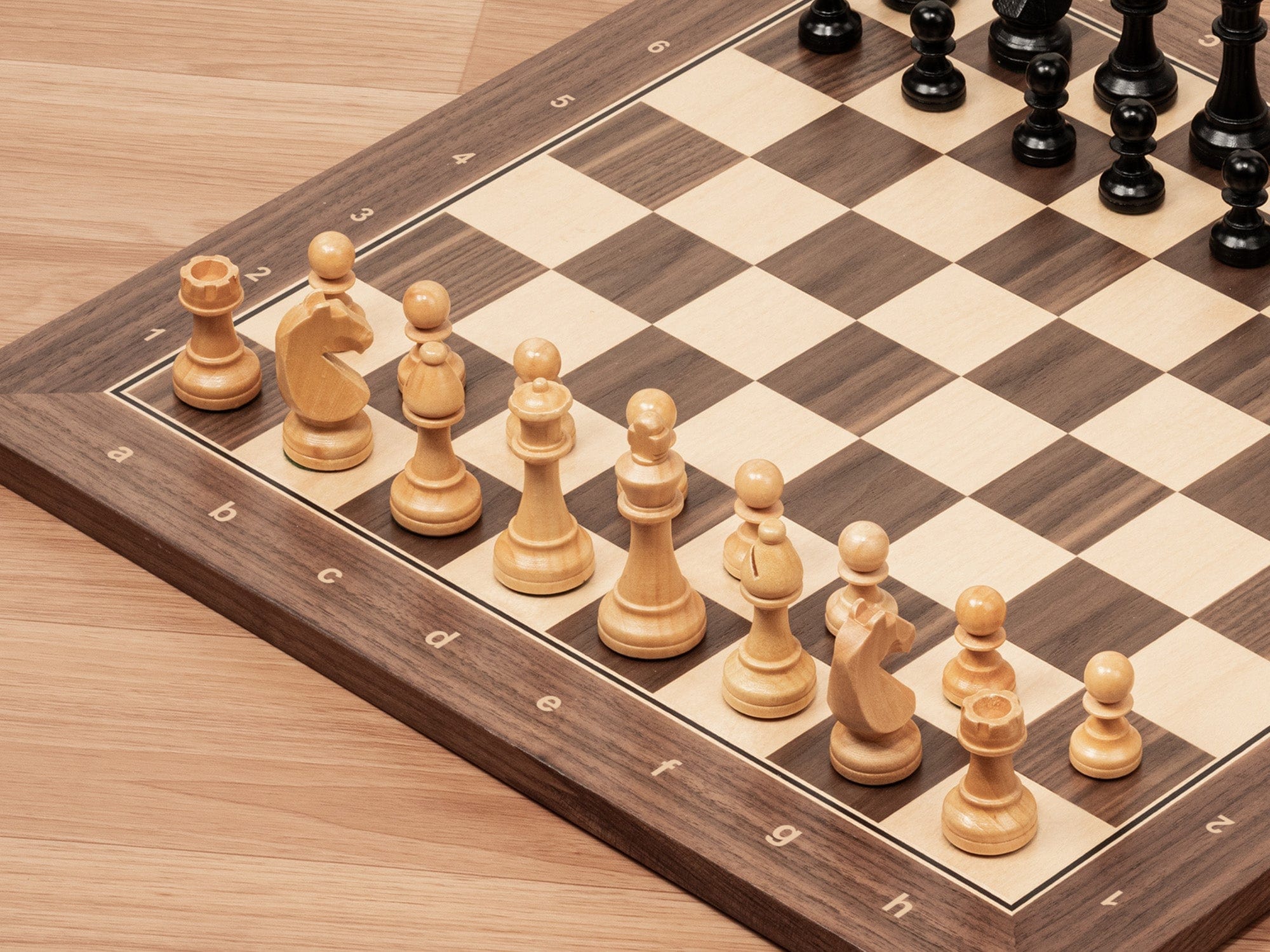
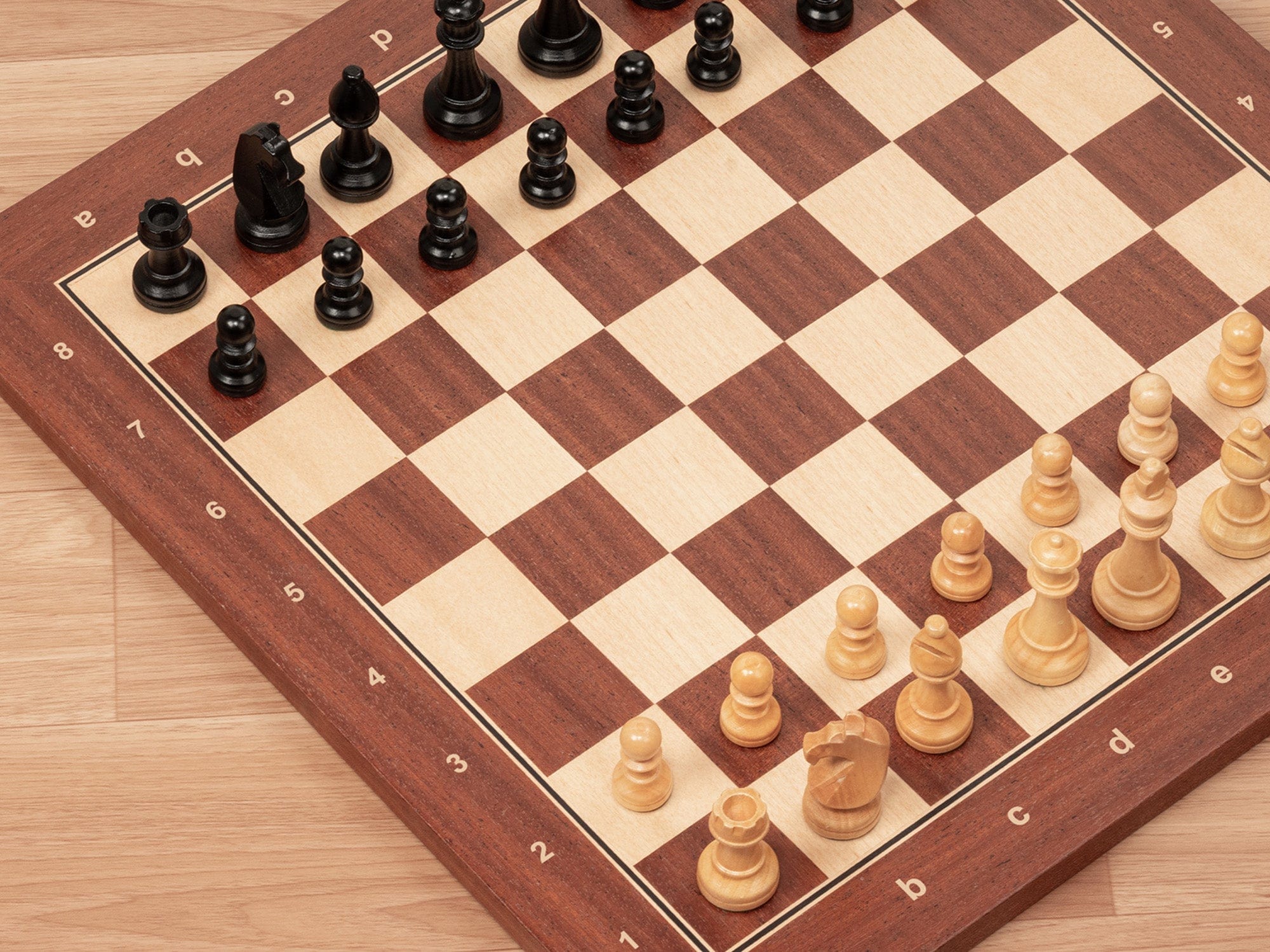
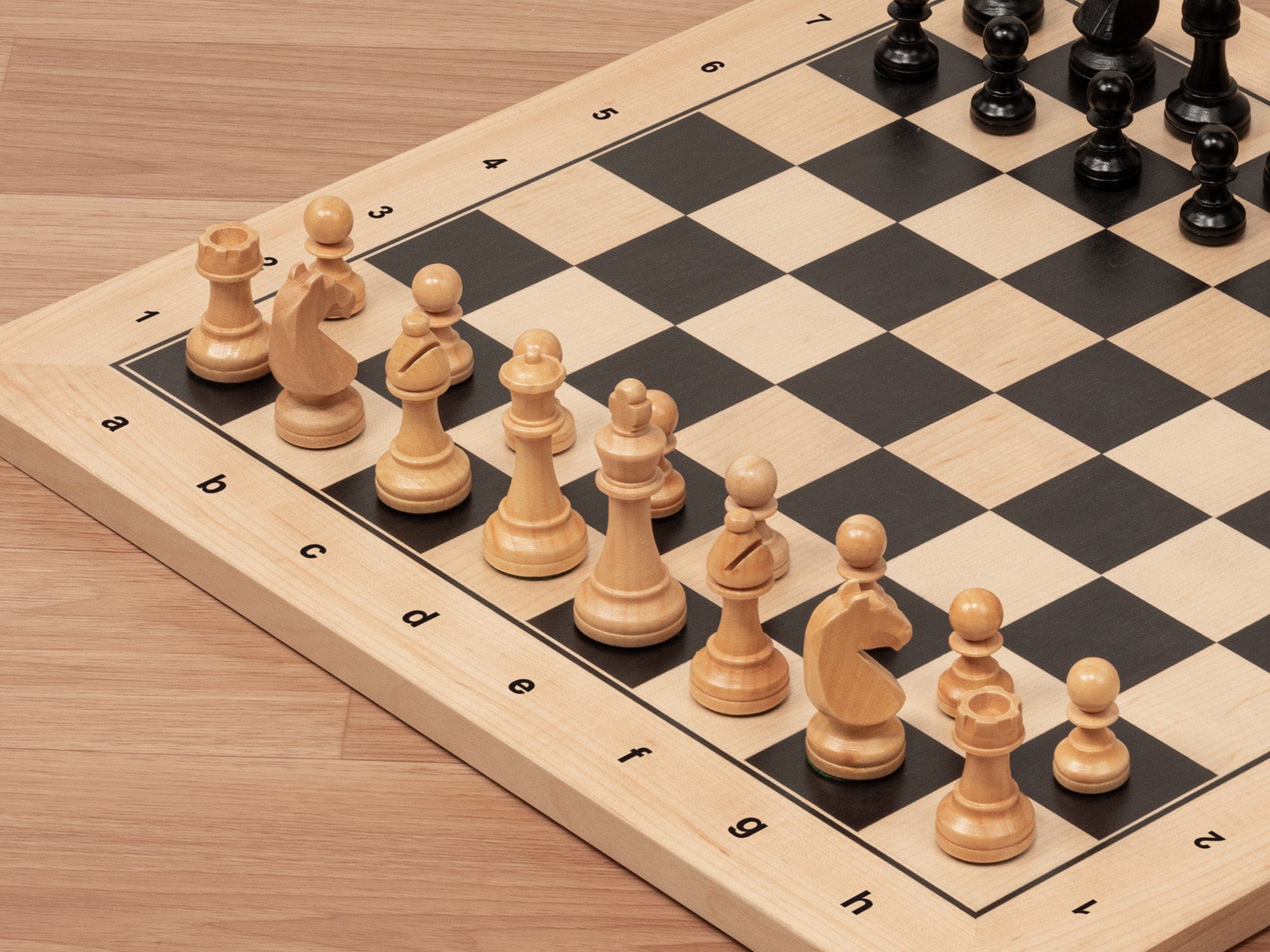
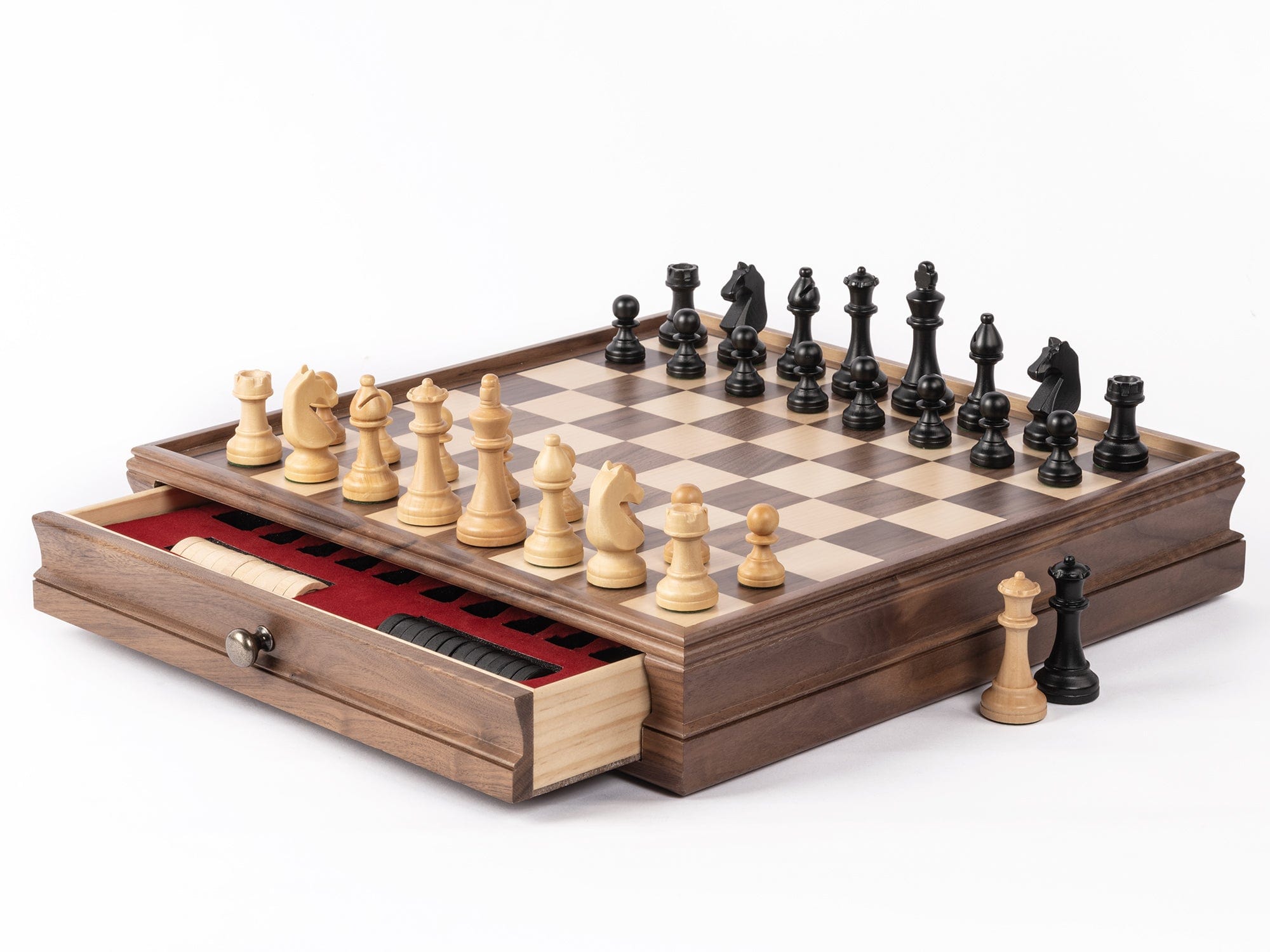
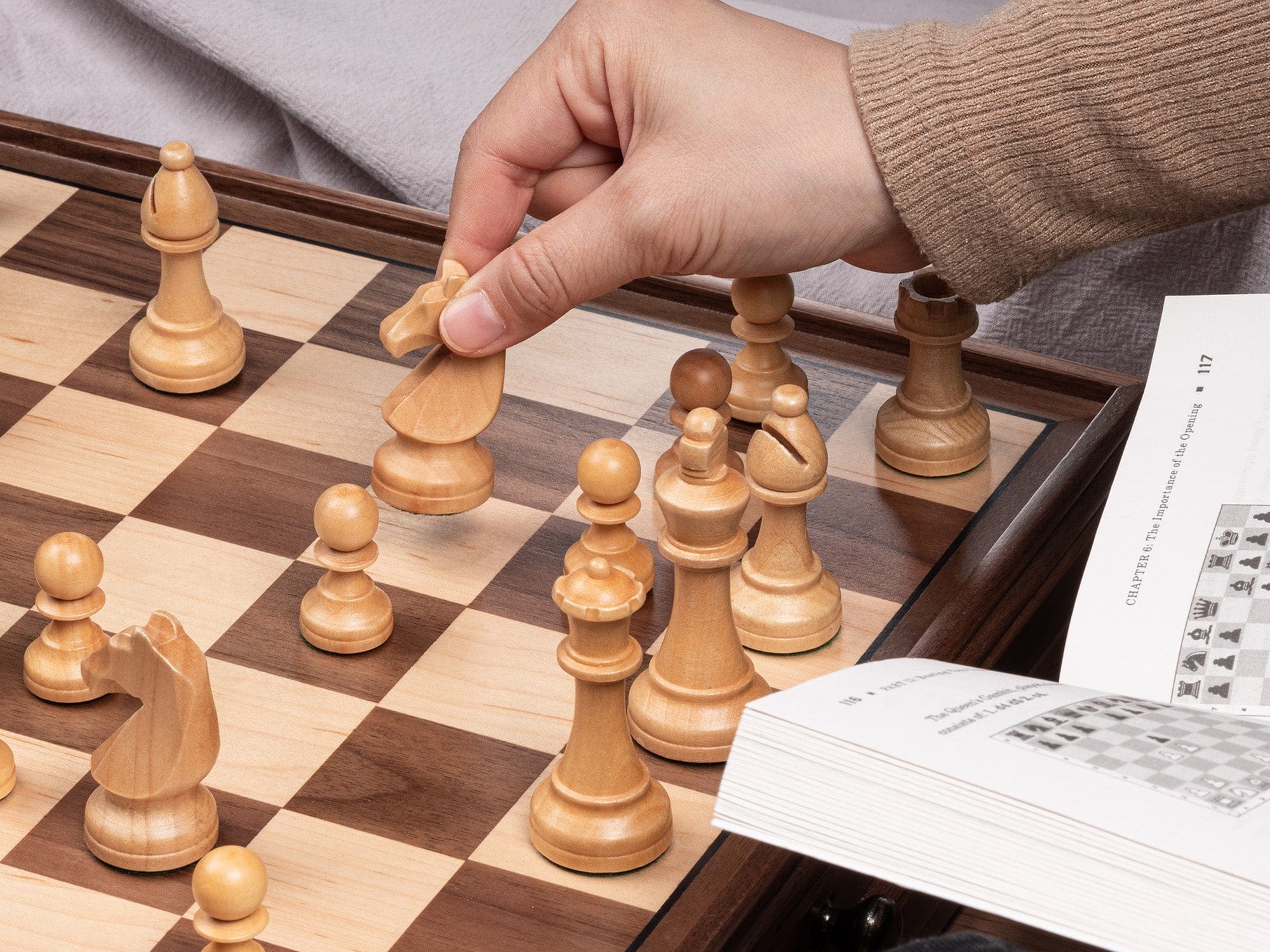
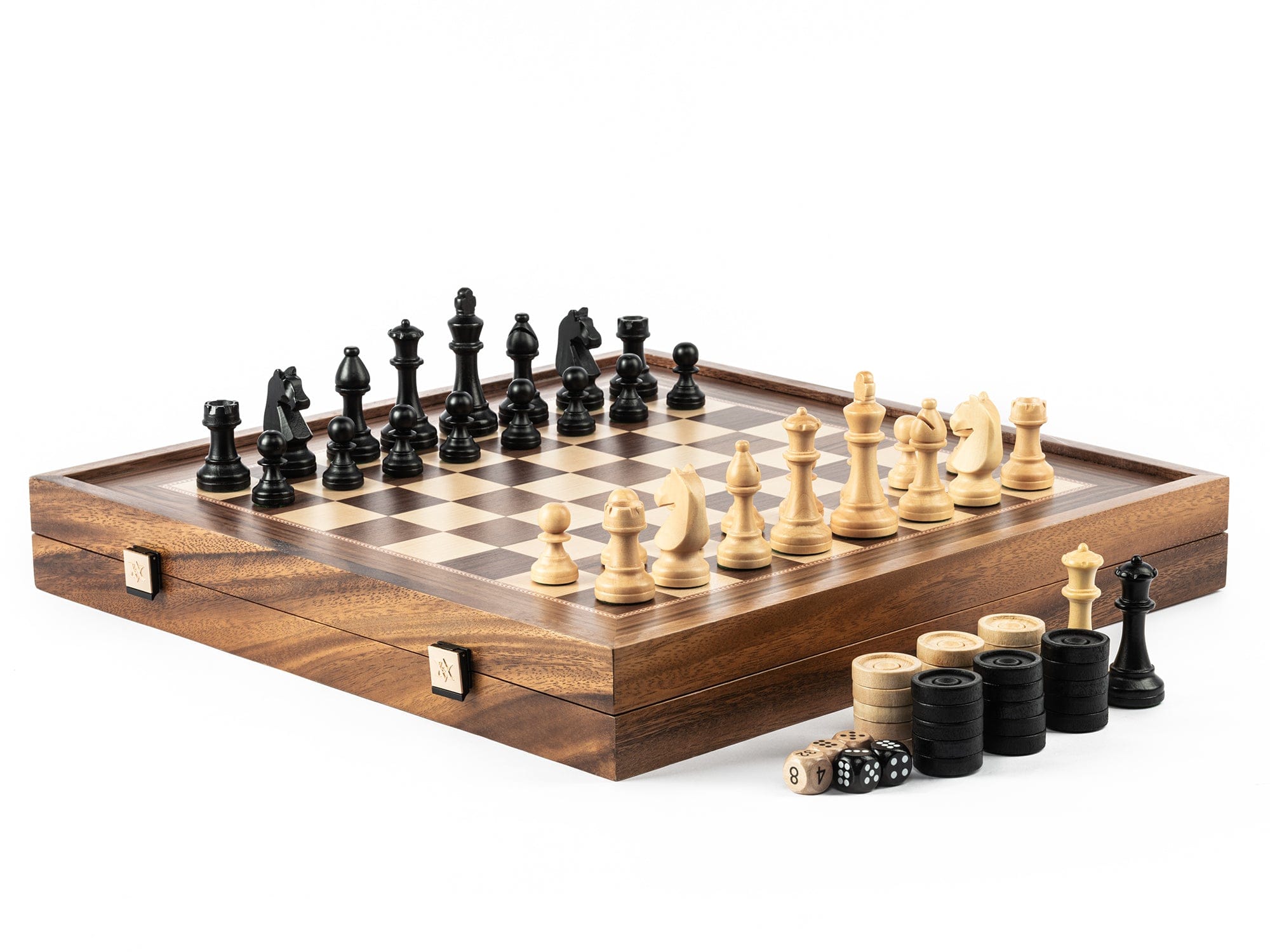
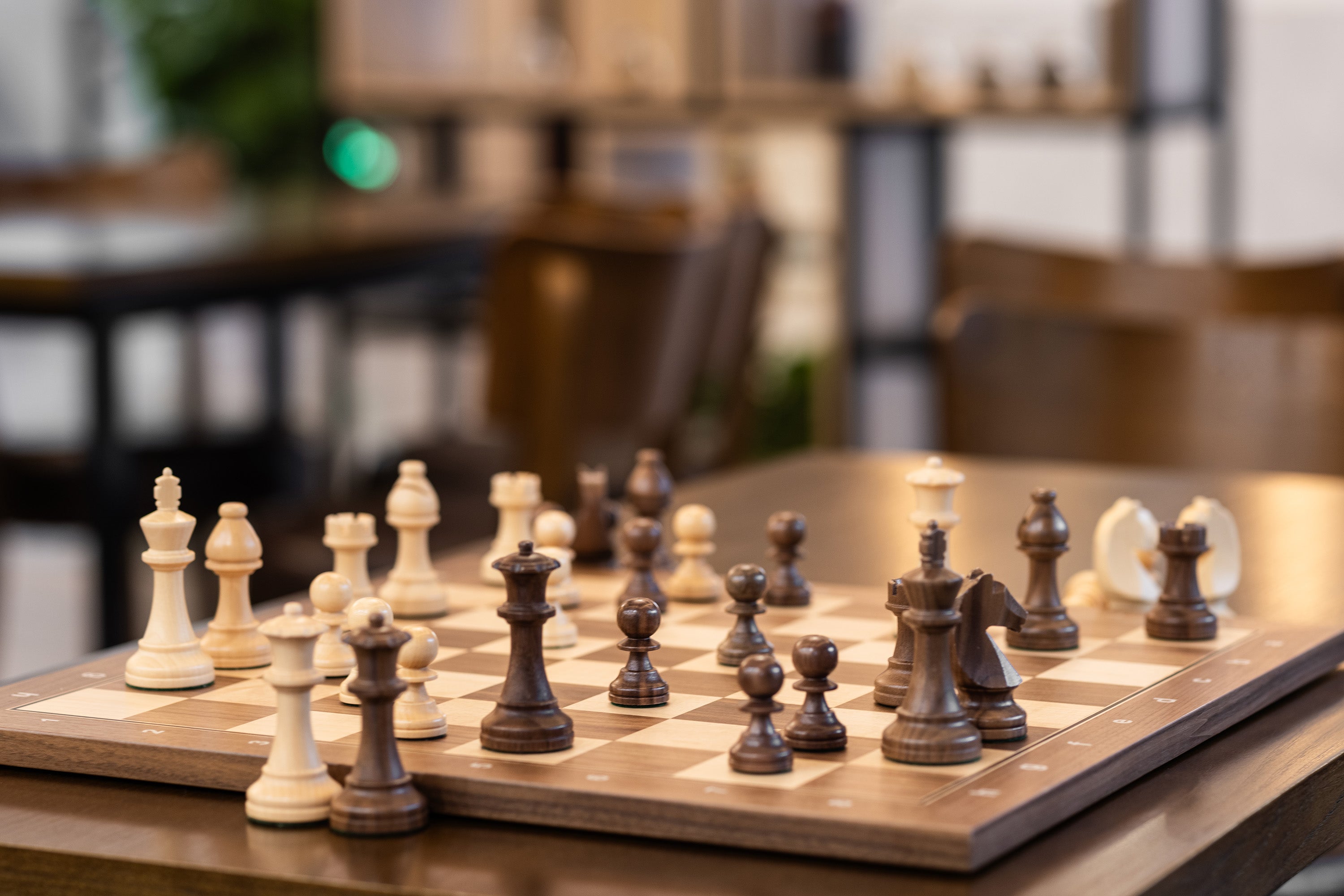
This is why the physical chessboard remains important in the AI era.
A traditional board creates a space where players must observe, calculate, decide, and accept the consequences of their choices. Instead of replacing modern technology, physical chess can work alongside it.
The most effective chess learning method in 2026 may not be completely digital or completely traditional. It may be a hybrid system that combines AI feedback with independent thinking and real-board practice.
Why Chess Education Is a Major Topic in 2026

Chess education has become an important international topic for schools, families, clubs, teachers, and learning organizations.
FIDE and the International School Chess Federation designated 2026 as the Year of Chess in Education, supporting teacher development, school programs, international events, digital learning tools, and wider access to educational chess. (FIDE EDU)ime, artificial intelligence is becoming part of everyday learning.
Students already use AI tools for writing, language learning, research, coding, mathematics, and creative projects. Chess offers a useful environment for learning how to work with AI responsibly because every recommendation can be tested on a clearly defined board.
An AI tool can suggest a move, but the student can still ask:
-
Why is this move stronger?
-
What threat does it create?
-
What happens if the opponent responds differently?
-
Could I have discovered the idea independently?
-
Is the recommended move practical for my level?
-
What principle can I use in a future game?
This turns AI from an answer machine into a learning assistant.
What AI Chess Tools Do Well
AI chess tools can be extremely useful when they are used at the correct stage of the learning process.
1. Identifying Tactical Mistakes
An engine can quickly detect a missed checkmate, hanging piece, tactical combination, or defensive resource.
This is especially helpful when neither player understands why a position changed suddenly.
2. Comparing Candidate Moves
Players often believe that only one move is possible. AI analysis may reveal several reasonable alternatives, helping them understand that chess decisions are rarely limited to a single idea.
3. Finding Critical Moments
A long game may contain only three or four decisions that significantly affected the result.
AI tools can help identify these turning points so that the player does not spend equal time reviewing every move.
4. Creating Practice Positions
AI-supported platforms can recommend puzzles based on mistakes from previous games.
A player who repeatedly misses pins, forks, back-rank threats, or pawn breakthroughs can receive more practice in those areas.
5. Providing Accessible Explanations
Some modern chess tools translate numerical engine evaluations into more understandable language.
Instead of showing only that a move changed the position from +0.5 to -2.3, they may explain that the player left a piece undefended or allowed a dangerous attack.
6. Making Training More Convenient
Players can analyze games, solve puzzles, study openings, and play opponents without traveling to a club.
This convenience is one reason AI-assisted chess training has become attractive to beginners, parents, teachers, and adult learners.
What AI Cannot Do for the Player
AI can provide an excellent answer, but it cannot perform the player’s thinking during a real over-the-board game.
During a tournament or casual physical match, the player must:
-
Recognize the important features of the position
-
Identify the opponent’s threat
-
Generate candidate moves
-
Calculate variations
-
Evaluate the resulting positions
-
Manage the clock
-
Control emotions
-
Make a final decision
-
Continue after making a mistake
These abilities require practice without immediate assistance.
When players depend on an engine too early, they may become good at recognizing a correct answer after it appears but remain unable to find that answer independently.
The goal of AI chess training should therefore be to improve human thinking, not replace it.
Why Physical Chessboards Still Matter
1. A Physical Board Encourages Slower Thinking
Digital chess interfaces are designed for speed and convenience.
A player can start another game immediately, move pieces with one click, receive automatic notifications, and analyze the result seconds later.
A physical chessboard creates useful friction.
The player must set up the pieces, examine the position, move carefully, operate the clock, and reset the board afterward. These actions naturally encourage a more deliberate pace.
Slower practice is particularly valuable for calculation.
Before moving a piece, players can ask:
-
What is my opponent threatening?
-
Which checks are available?
-
Which captures are available?
-
Which pieces are undefended?
-
What are my candidate moves?
-
What is the opponent’s best reply?
-
Is my final move safe?
This routine is difficult to develop when every game is played at extremely fast online time controls.
2. Physical Chess Develops Real-Board Visualization
A digital board presents the position from a fixed two-dimensional angle.
A physical board must be viewed from one side. Pieces may partially block one another, long diagonals appear different, and threats near the opposite edge require greater visual attention.
Players who intend to participate in school competitions, chess clubs, community events, or tournaments should practice on a real board regularly.
A useful exercise is to set up a tactical puzzle physically and calculate the complete solution without touching the pieces.
After choosing the answer, the player can move through the variation and compare it with AI analysis.
This process connects digital knowledge with over-the-board performance.
3. Physical Pieces Make Learning More Active
Moving a physical knight, bishop, rook, or pawn creates a direct connection between the rule and the action.
For young beginners, this can be easier to understand than clicking or dragging pieces on a screen.
A parent or teacher can physically demonstrate:
-
How bishops remain on one color
-
Why knights can jump over pieces
-
How rooks control open files
-
How pawns capture differently from how they move
-
How castling changes the position of two pieces
-
How a pawn promotes at the final rank
-
Why the king cannot move into check
Students can then repeat the movement themselves.
This makes the lesson interactive rather than passive.
Beginners can explore the A&A Beginner Chess Sets collection and review the Chess Game Instructions before beginning complete games.
4. A Real Board Creates Screen-Free Time
AI tools, online lessons, and chess apps can support learning, but not every part of the experience needs a screen.
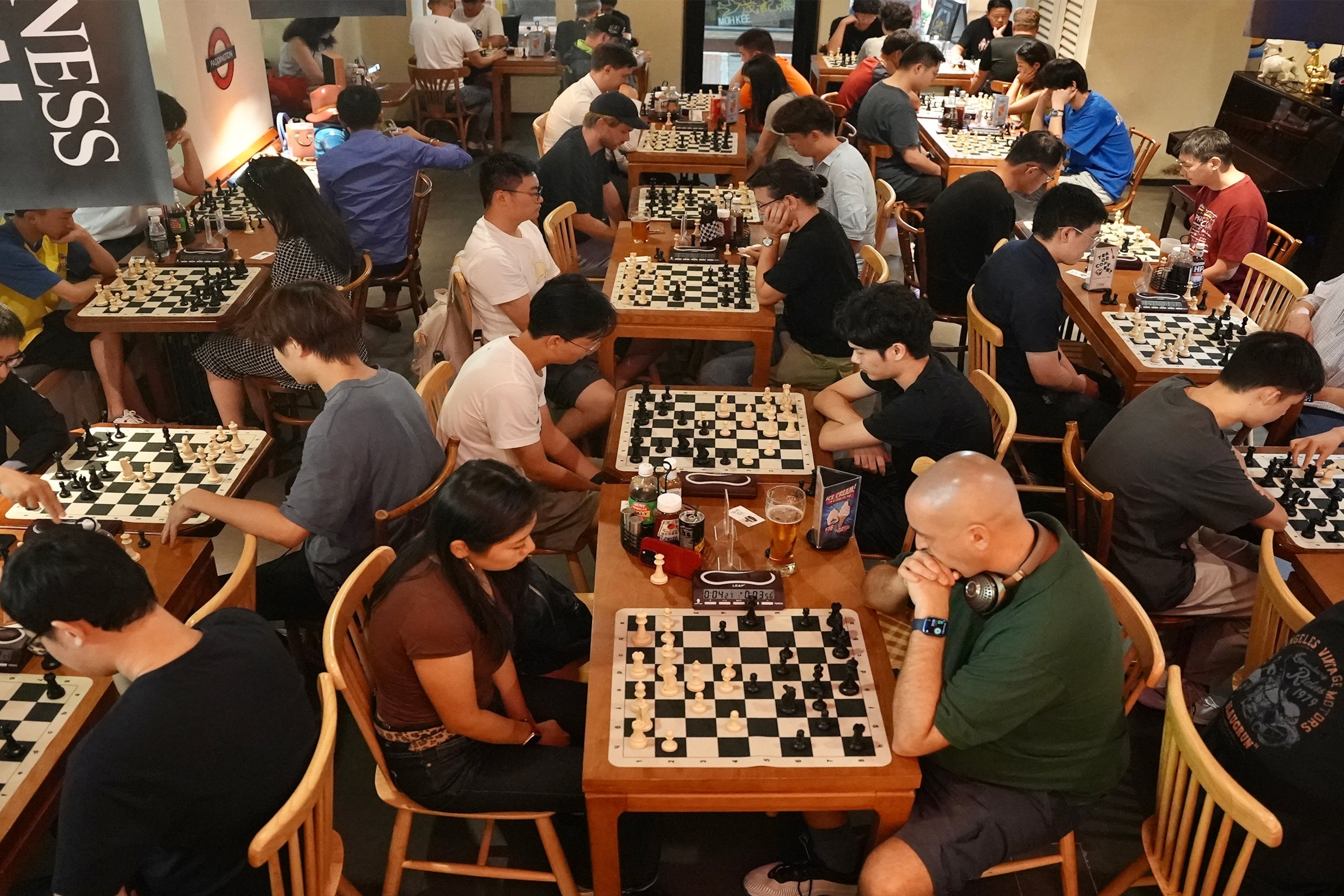
A physical game allows two people to sit together, make eye contact, discuss ideas, and share an activity without notifications or digital distractions.
This makes chess suitable for:
-
Family game nights
-
Classroom activities
-
Lunch breaks
-
After-school clubs
-
Library programs
-
Weekend gatherings
-
Travel activities
-
Parent-and-child learning
-
Community events
-
Screen-free evening routines
Physical chess does not require families to reject technology. It simply creates a healthier separation between digital instruction and offline practice.
For example, a family might watch a ten-minute online lesson and then spend thirty minutes practicing the idea on a physical board.
5. Over-the-Board Games Develop Communication

Online players may finish hundreds of games without speaking to an opponent.
Physical chess involves social interaction.
Players learn to:
-
Invite someone to play
-
Agree on rules and time controls
-
Wait patiently
-
Handle disagreements
-
Respect concentration
-
Accept a result
-
Discuss the game afterward
-
Win without humiliating the opponent
-
Lose without blaming the equipment
-
Help a less experienced player
These behaviors are part of the complete chess experience.
A family or school chess session can therefore combine strategic learning with communication and shared responsibility.
6. Players Take Greater Ownership of Decisions
When an app highlights legal moves, displays threats, recommends puzzles, or warns that a piece is under attack, part of the decision-making process becomes automated.
On a traditional board, the player is responsible for noticing everything.
This responsibility may initially produce more mistakes, but those mistakes can become valuable learning opportunities.
A player who physically loses a queen because of an overlooked bishop diagonal is likely to remember the pattern.
The objective is not to avoid every mistake. It is to create a learning environment where the player understands how the mistake occurred.
7. Physical Chess Supports Realistic Clock Practice
Time management is more than knowing how many minutes remain.
During over-the-board chess, players must make a move, press the clock, monitor their time, and remain focused while the opponent is thinking.
These practical habits should be trained before a tournament.
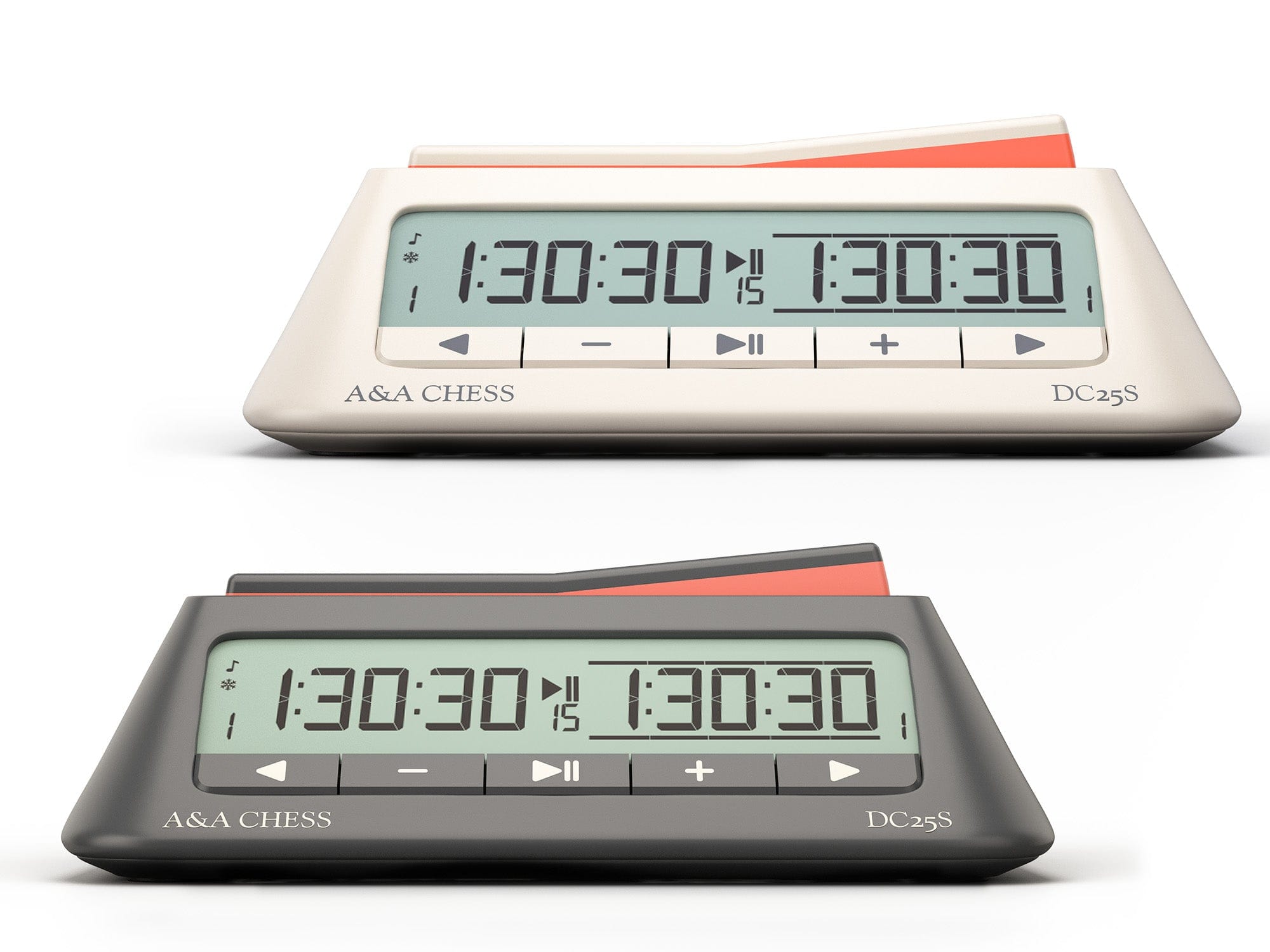
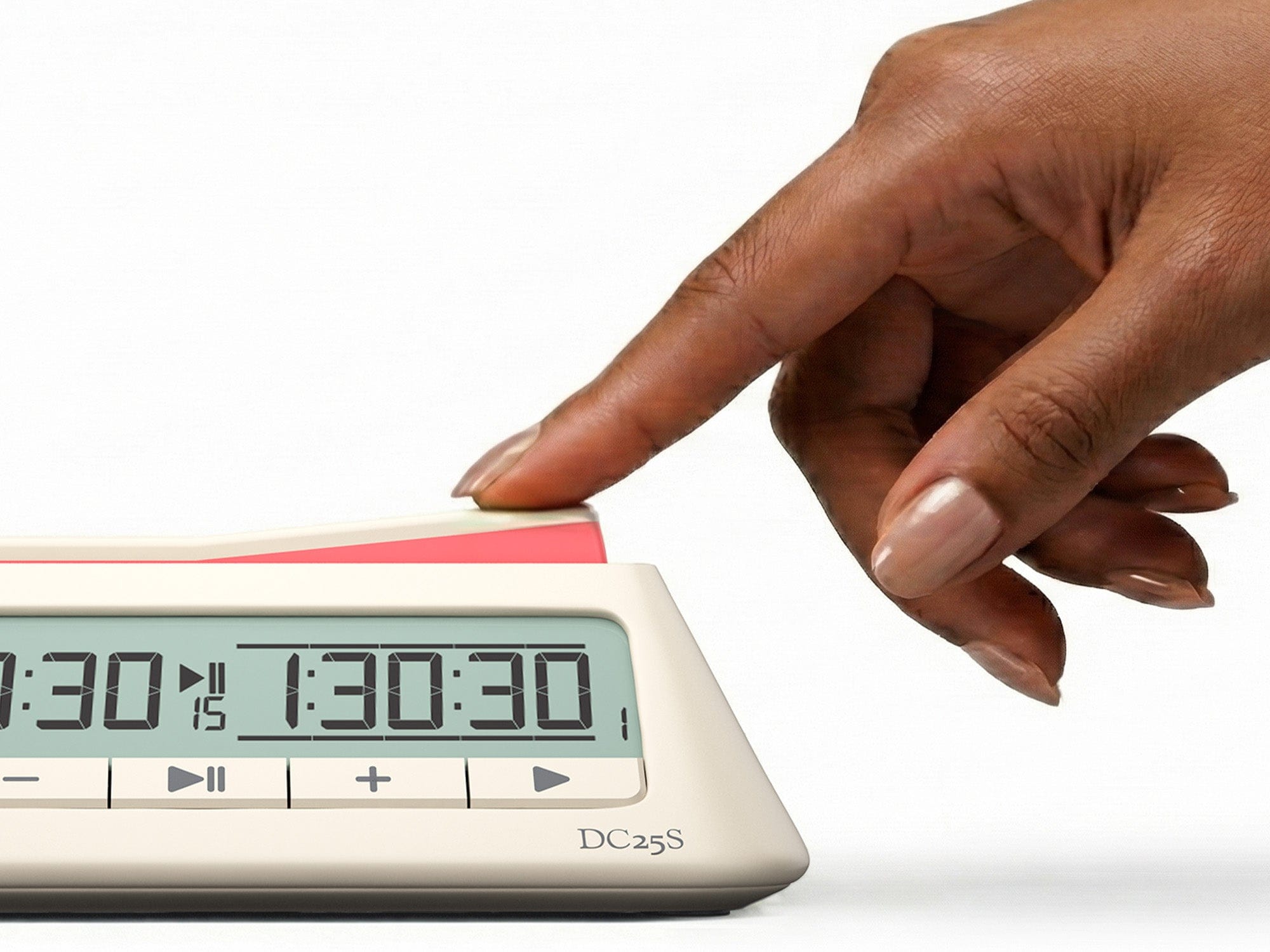
The A&A Professional Digital Chess Clock includes preset timing modes for rapid, blitz, increment, delay, and other formats, making it useful for home games, club practice, and tournament preparation. (A&A CHESS) start with generous time controls such as:
-
20 minutes per player
-
15 minutes plus 10 seconds per move
-
10 minutes plus 5 seconds per move
Faster blitz formats should be added only after the player has developed a reliable thinking process.
Smart Chessboards vs. Traditional Chessboards
Smart chessboards are another major topic in modern chess.
Some models can detect moves, connect to online platforms, display legal moves, provide hints, record games, or allow users to play an online opponent with physical pieces.
Recent smart-board designs combine traditional piece movement with connected play, built-in displays, online matchmaking, and AI coaching. (WIRED)ns can be useful, but a smart chessboard and a traditional chessboard serve slightly different needs.
| Feature | Smart Chessboard | Traditional Chessboard |
|---|---|---|
| Online connectivity | Usually available | Not built in |
| Automatic game recording | Often available | Manual notation required |
| AI hints | May be available | No automatic assistance |
| Distraction level | Depends on the device | Generally low |
| Setup simplicity | May require charging or connection | Ready immediately |
| Price | Usually higher | Wide range of prices |
| Independent calculation | Assistance may need to be disabled | Naturally encouraged |
| Family play | Good | Excellent |
| Tournament preparation | Useful with correct settings | Highly realistic |
| Long-term simplicity | Depends on software support | No software required |
Smart boards can be valuable for players who want physical pieces while competing online.
Traditional boards remain attractive because they are simple, dependable, easy to share, and free from software requirements.
The best choice depends on the player’s purpose.
The Best Hybrid Chess Training Method
A strong AI-era training routine can follow four stages:
Stage 1: Think
Before opening an engine, study the position independently.
Write down:
-
The opponent’s threat
-
Two or three candidate moves
-
The variations you calculated
-
Your evaluation of the final position
-
The move you would choose
This stage trains decision-making.
Stage 2: Play
Play the position or complete game on a physical board.
Do not request hints during the game.
When possible, use a clock and record the moves.
Players preparing for more serious games can browse the A&A Tournament Chess Sets collection.
Stage 3: Review
Review the game without an engine first.
Mark the moments when:
-
You felt confused
-
You used too much time
-
You missed an opponent’s idea
-
You changed your plan
-
You made a tactical mistake
-
You entered an unfamiliar endgame
After completing this review, use AI or engine analysis to check your conclusions.
Stage 4: Rebuild
Select the two or three most important positions and recreate them on a physical chessboard.
For each position:
-
Explain what happened.
-
Identify the missed idea.
-
Find a better move.
-
Calculate the opponent’s strongest response.
-
Play the improved variation.
-
Write one lesson for future games.
This final stage is what turns an engine recommendation into usable chess knowledge.
A 30-Minute AI and Physical Board Routine
Players do not need several hours each day.
A focused thirty-minute session can be divided as follows:
| Time | Activity |
|---|---|
| 5 minutes | Set up one position on a physical board |
| 10 minutes | Calculate without moving the pieces |
| 5 minutes | Write candidate moves and conclusions |
| 5 minutes | Check the position with AI or an engine |
| 5 minutes | Replay the best variation physically |
This routine works because the player thinks before receiving an answer.
The AI becomes the final reviewer rather than the first decision-maker.
A Weekly Hybrid Chess Plan
Monday: Physical Tactics
Set up three tactical positions on a real board.
Calculate each position without hints.
Tuesday: Online Lesson
Study one short digital lesson about an opening, tactic, or endgame.
Recreate the examples physically afterward.
Wednesday: Slow Game
Play one longer game without assistance.
Use a physical board and clock when another player is available.
Thursday: Independent Analysis
Review the game and write down the critical moments before checking an engine.
Friday: AI Review
Use an engine or AI chess coach to compare your analysis with stronger alternatives.
Saturday: Family or Club Game
Play face-to-face against a friend, relative, student, or club member.
Sunday: Position Reconstruction
Rebuild the most important position from the week and explain the lesson in your own words.
Choosing a Physical Chess Set for AI-Era Learning
The right chess set should match the player’s age, available space, training goals, and playing environment.
For Young Beginners
Look for:
-
Clearly recognizable pieces
-
Stable piece bases
-
Visible coordinates
-
Comfortable board size
-
Simple storage
-
Durable construction
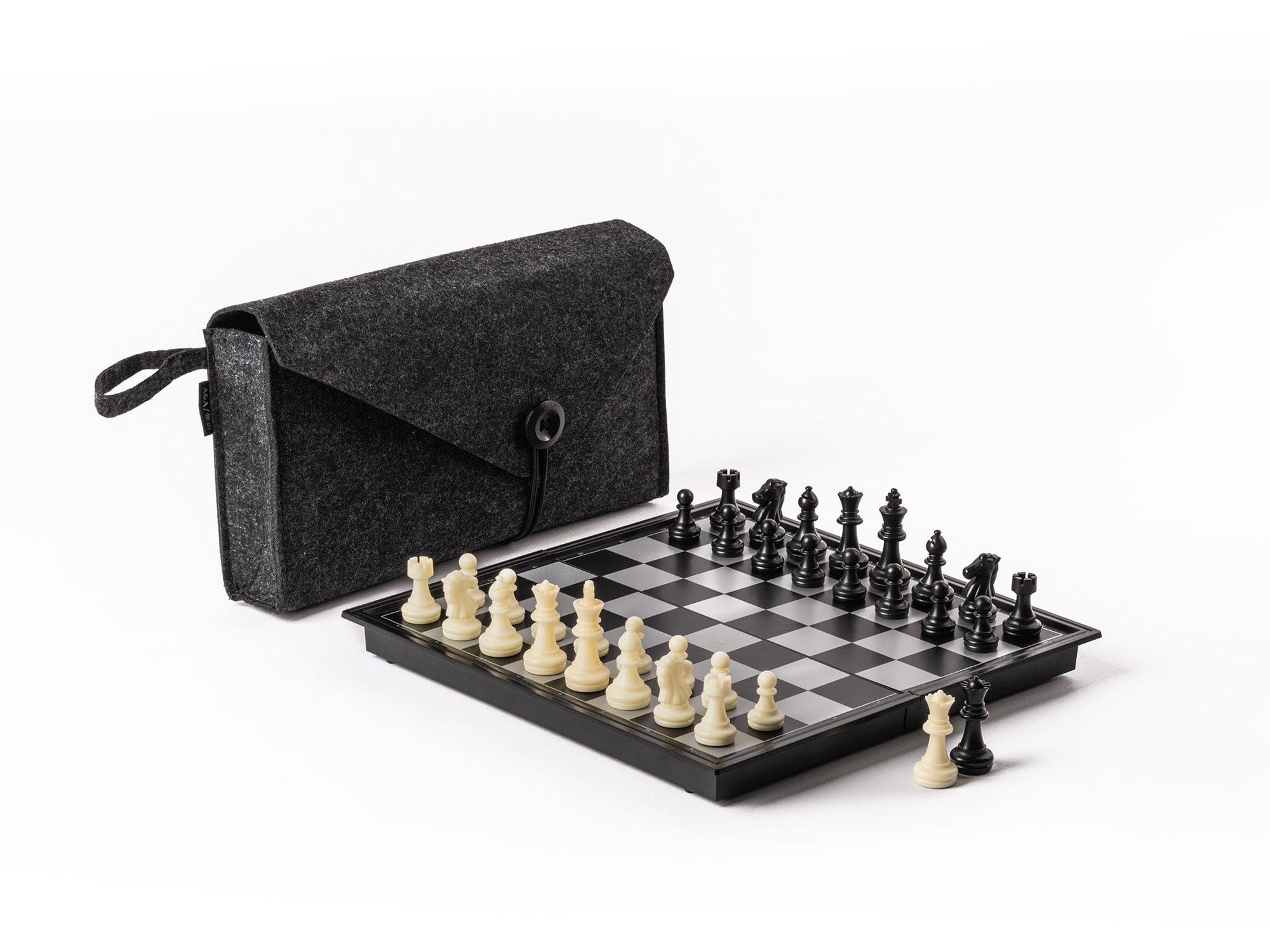
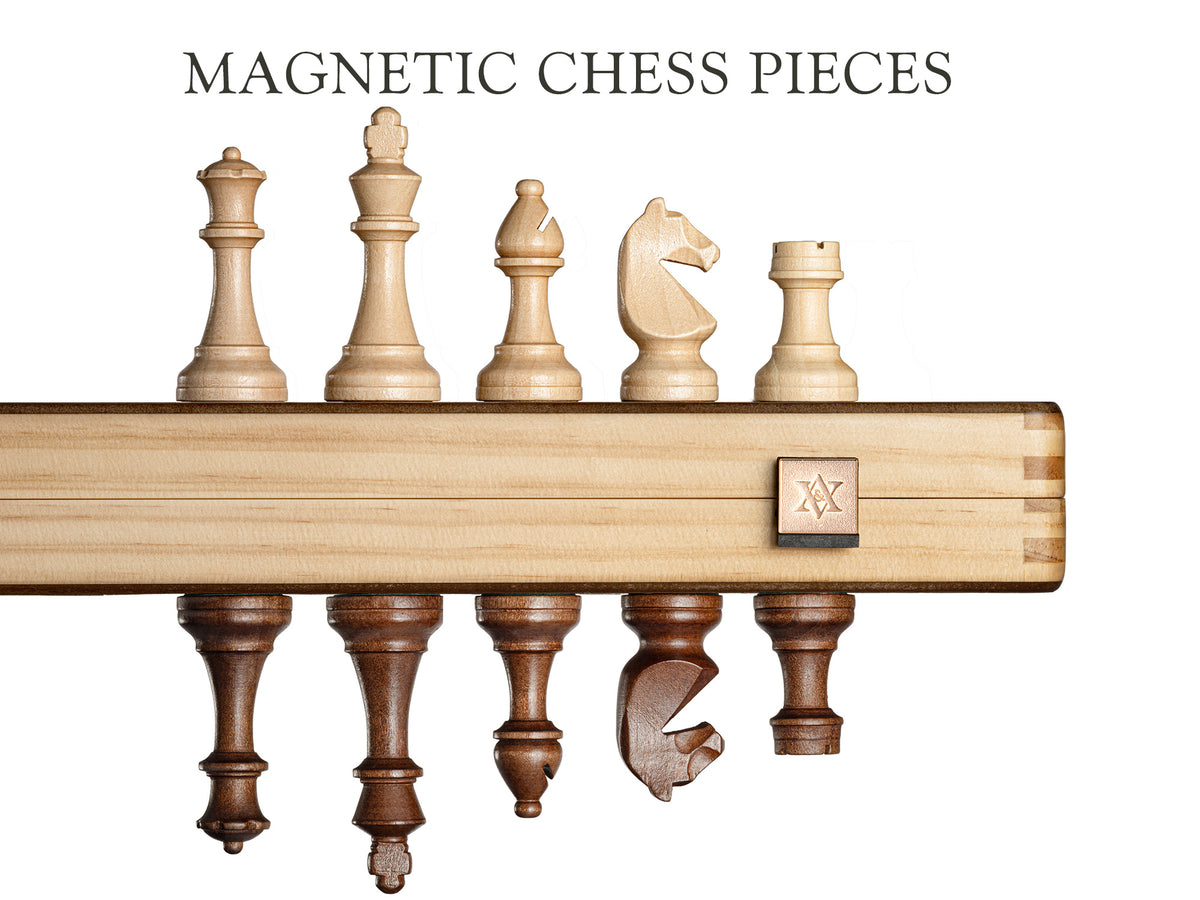
Magnetic pieces can help keep the position stable during lessons.
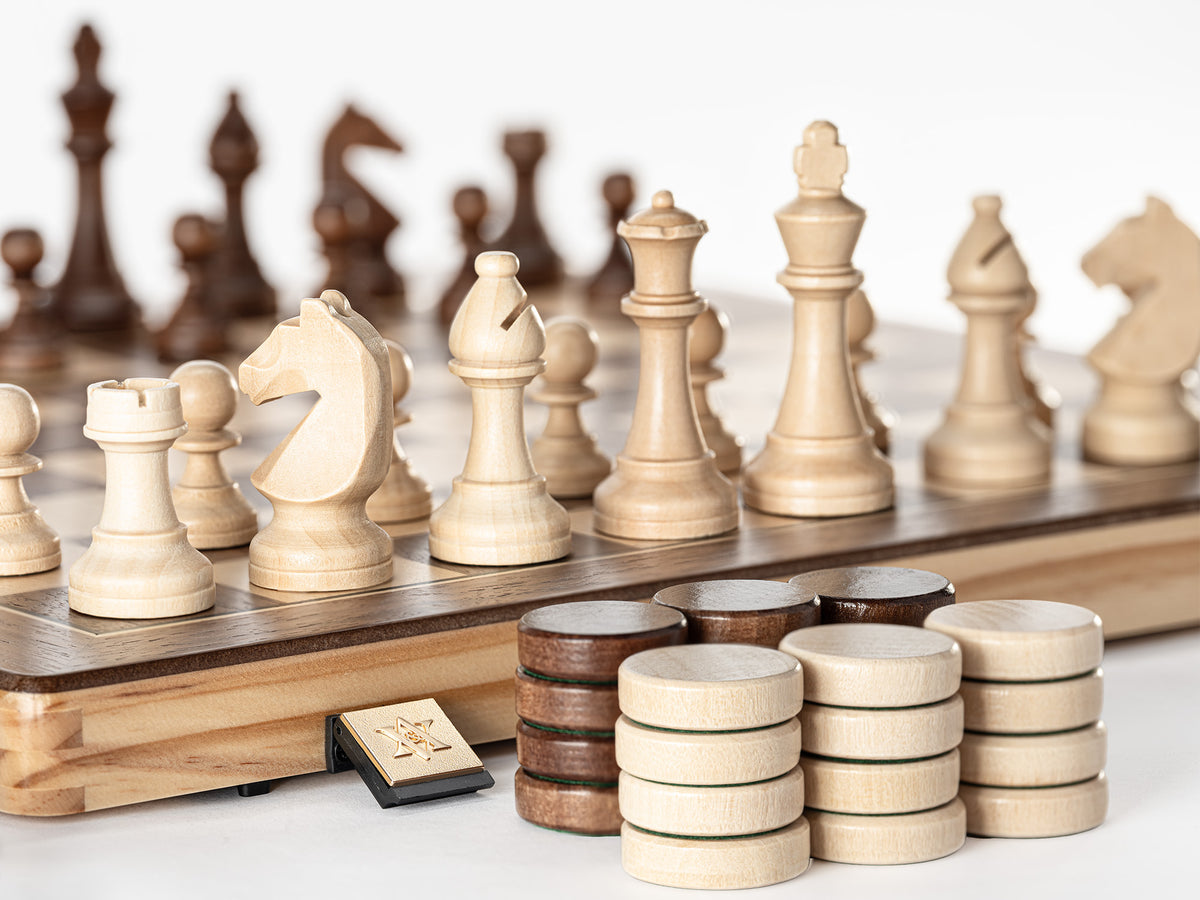
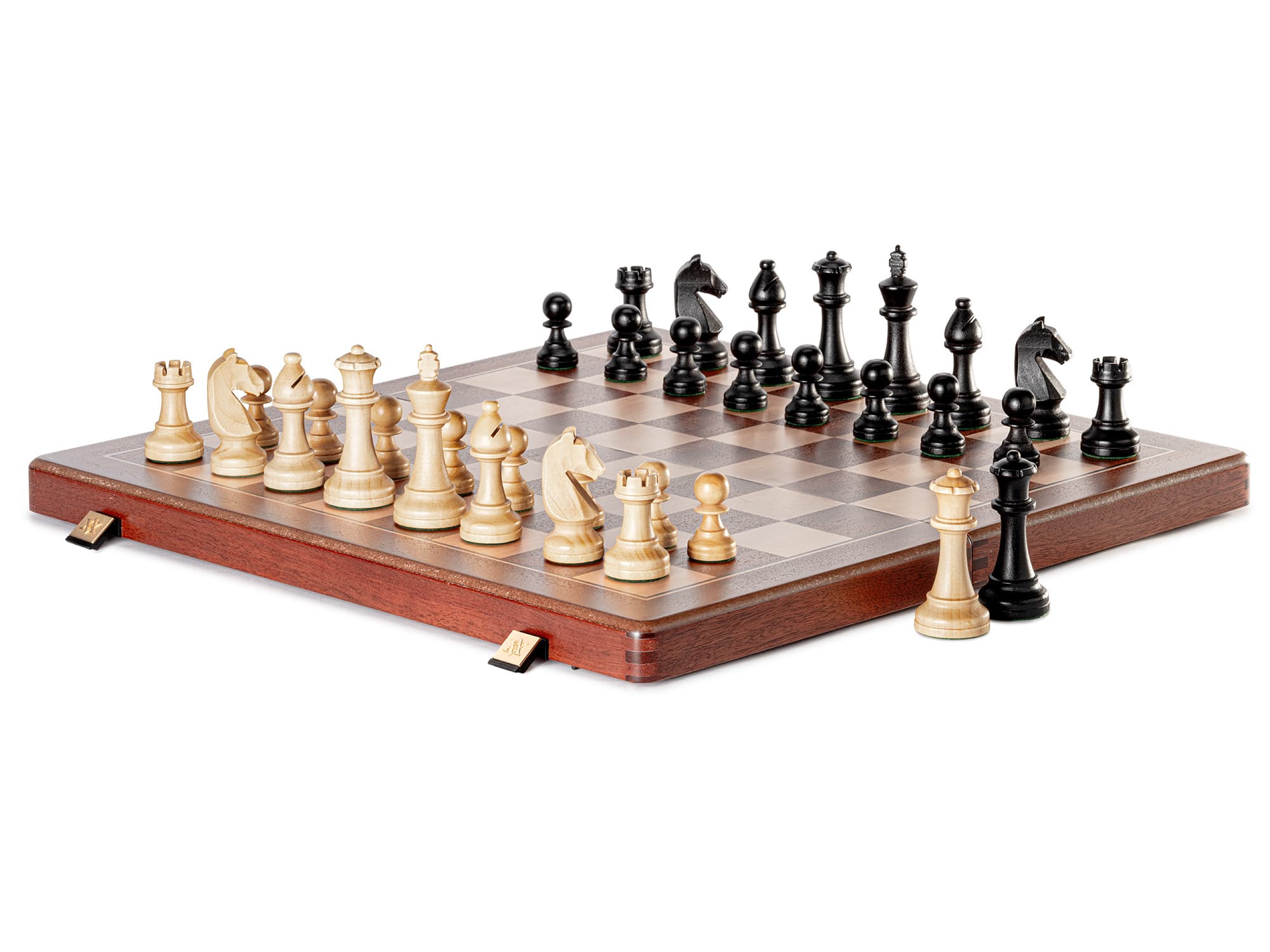
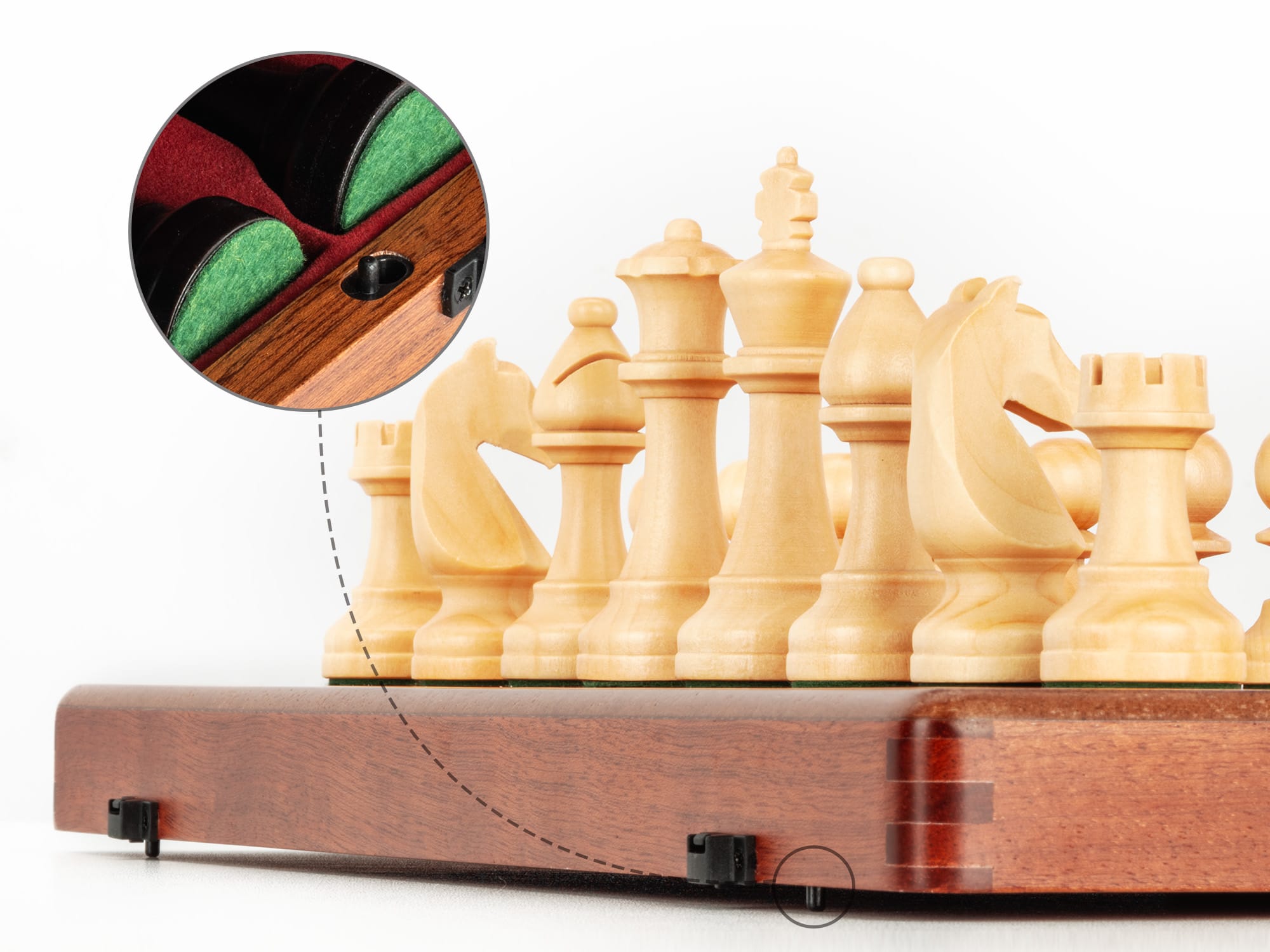
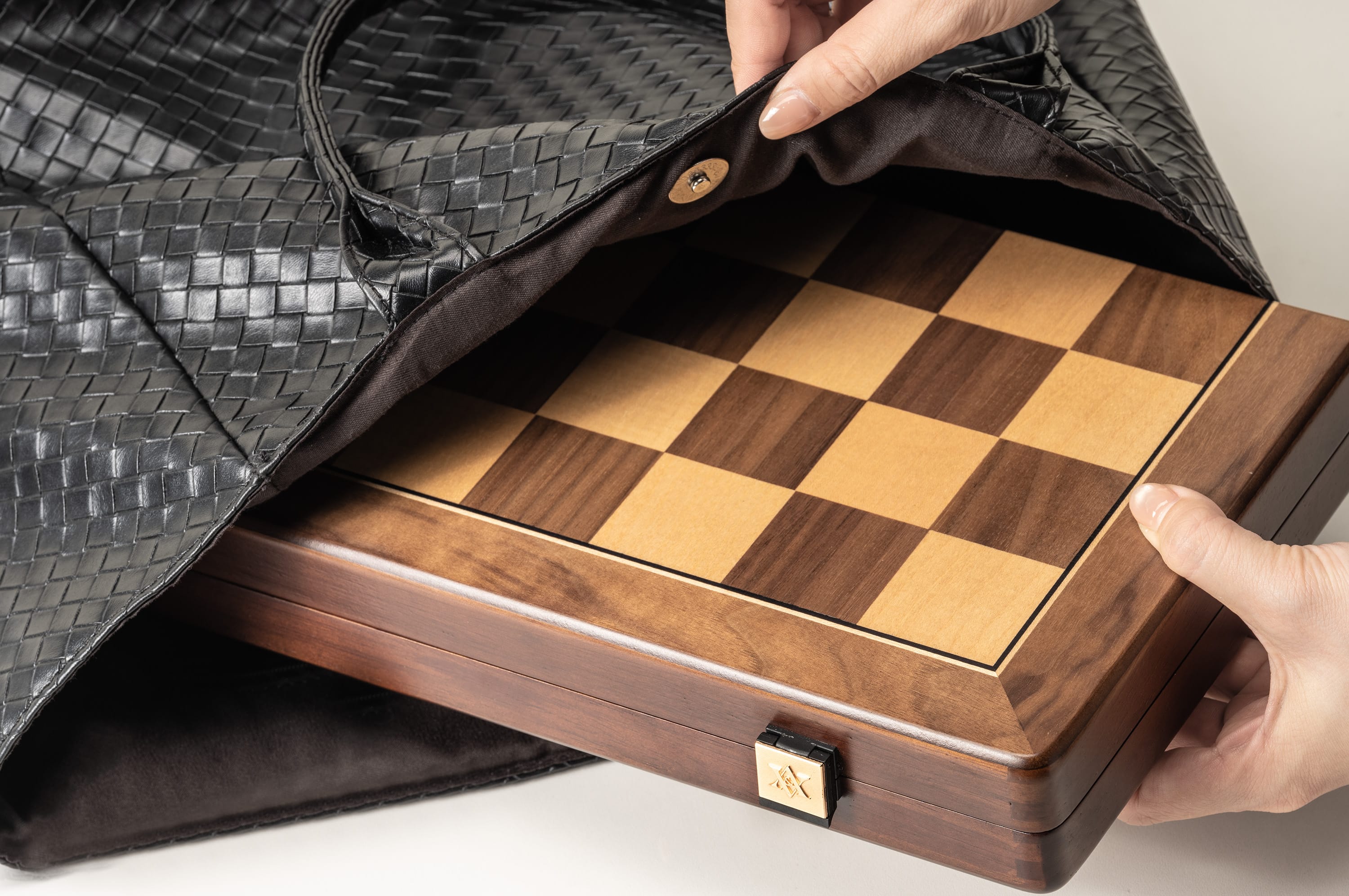
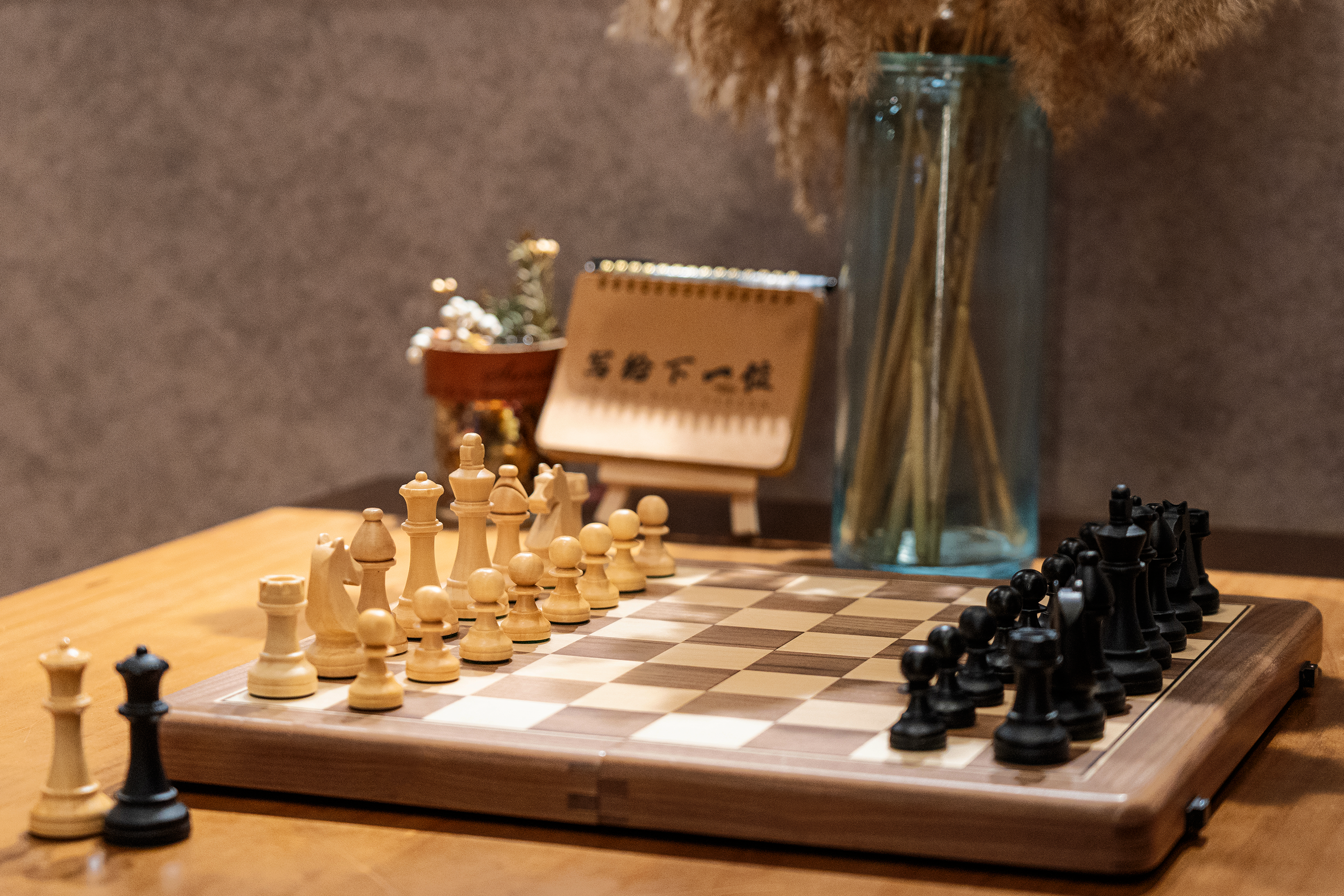
The A&A 15-inch Natural Wood Folding Magnetic Chess Set combines a folding wooden board, magnetic pieces, fitted storage, and coordinate-learning materials. (A&A CHESS)ies
A folding wooden board can be stored when the table is needed for another activity.
Families may prefer a set that is attractive enough to remain visible while still being practical for regular play.
Browse the A&A Intermediate Chess Sets collection for wooden folding, magnetic, and multi-game options.
For Schools and Clubs
Schools need equipment that is easy to transport, clean, organize, and replace.
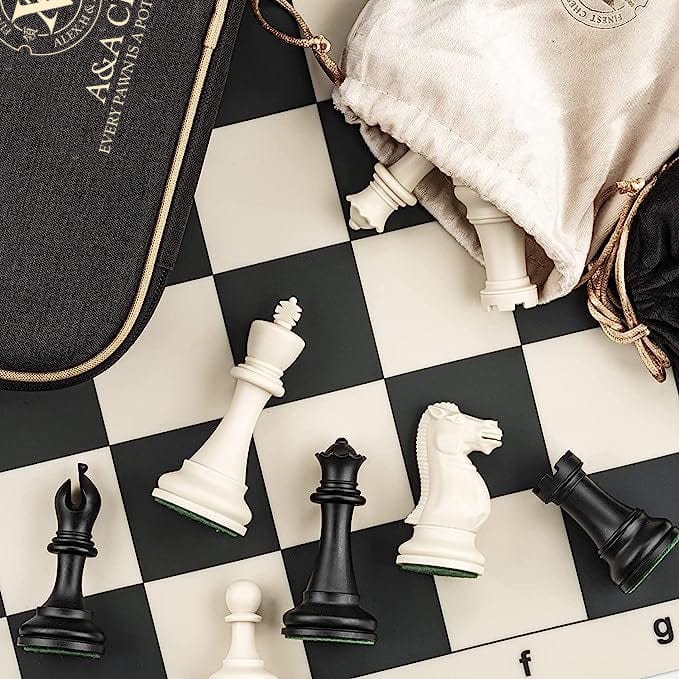
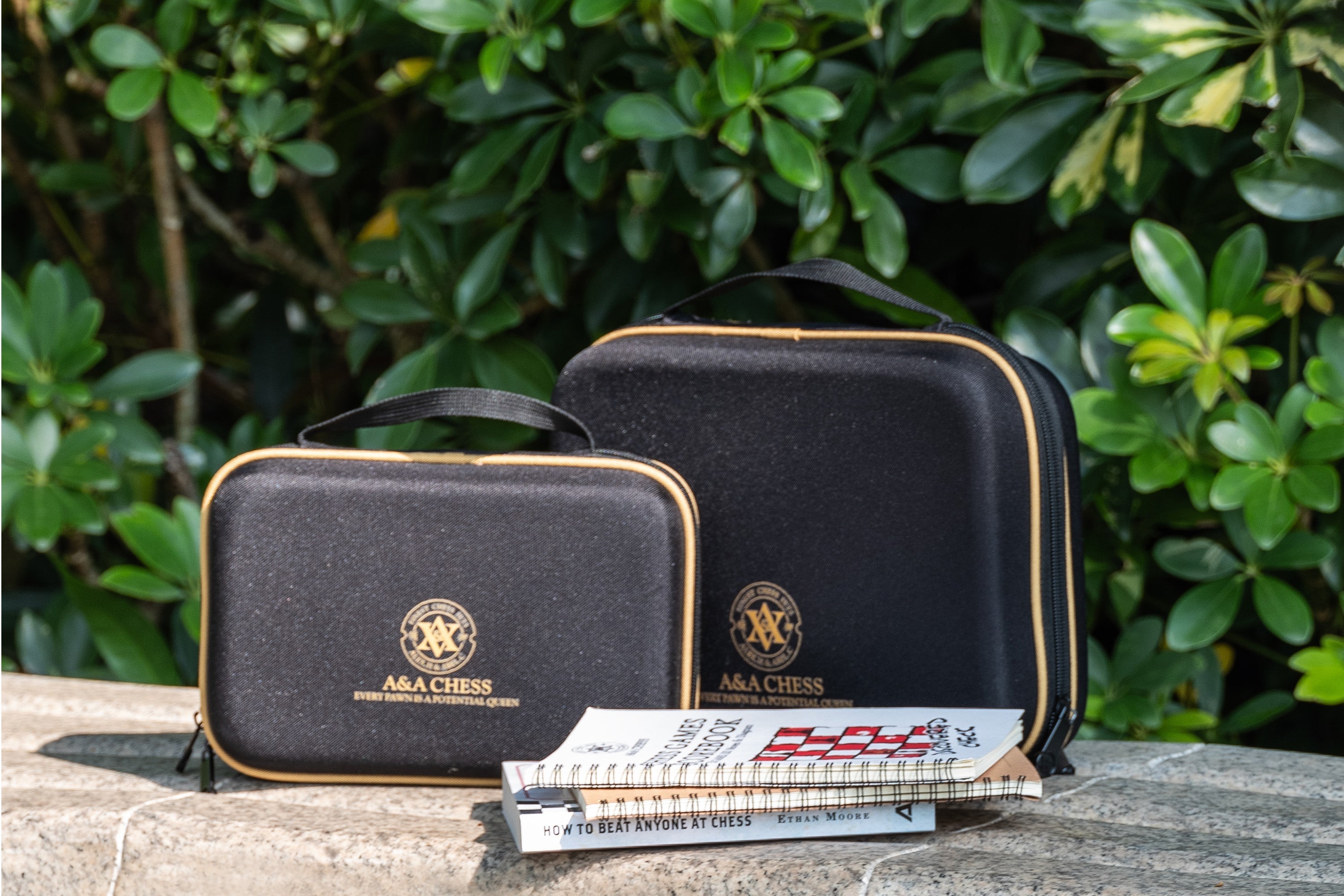
The A&A 20-inch Silicone and Plastic Traveling Chess Set uses a roll-up silicone board, weighted Staunton-style pieces, extra queens, and a storage bag, making it suitable for clubs, classes, outdoor events, and tournament-style practice. (A&A CHESS)ament Players
Tournament preparation should use clearly recognizable Staunton-style pieces, an appropriately sized board, and a reliable clock.
The equipment should feel familiar before the player enters a formal event.
For Chess Study
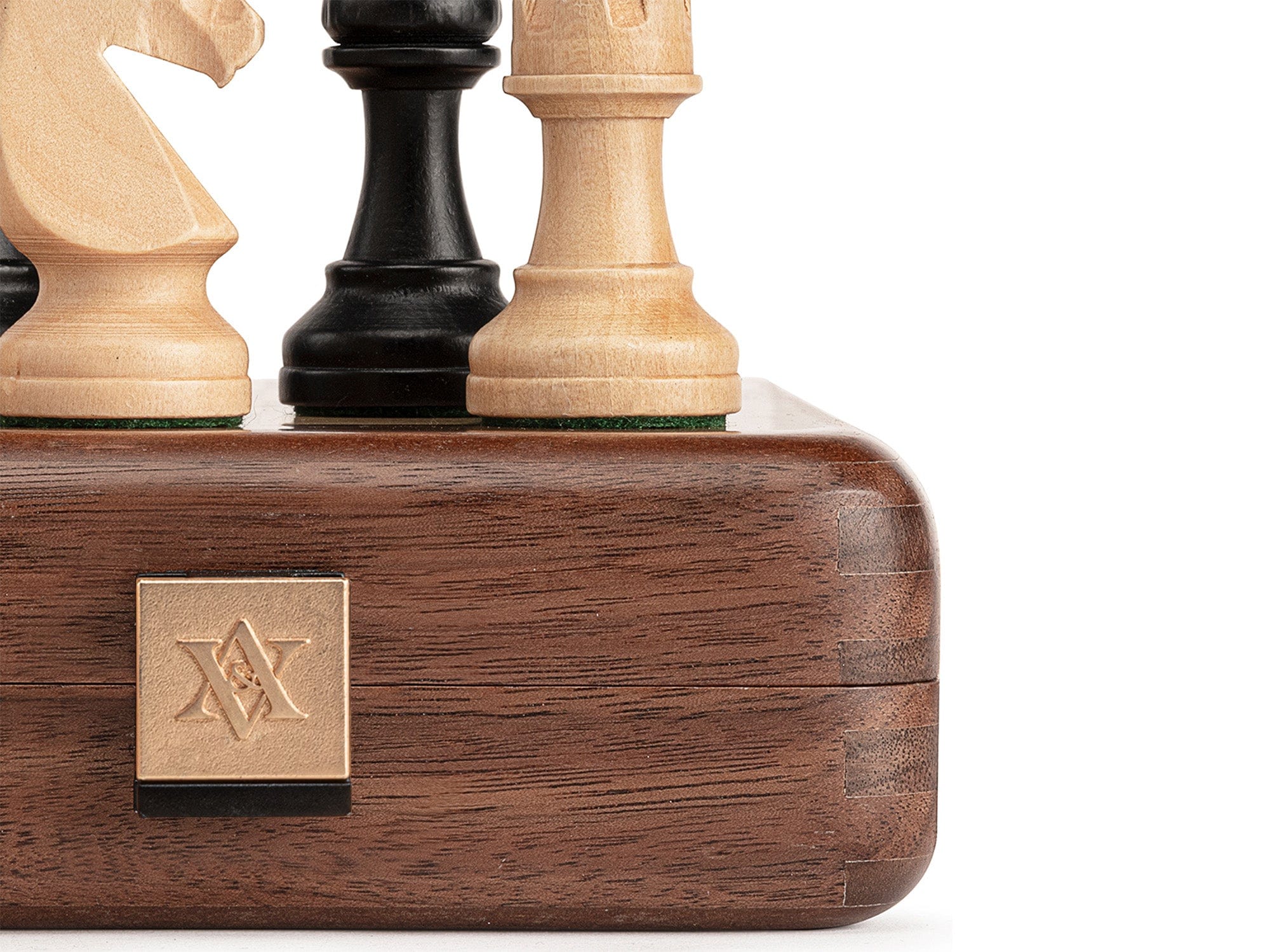
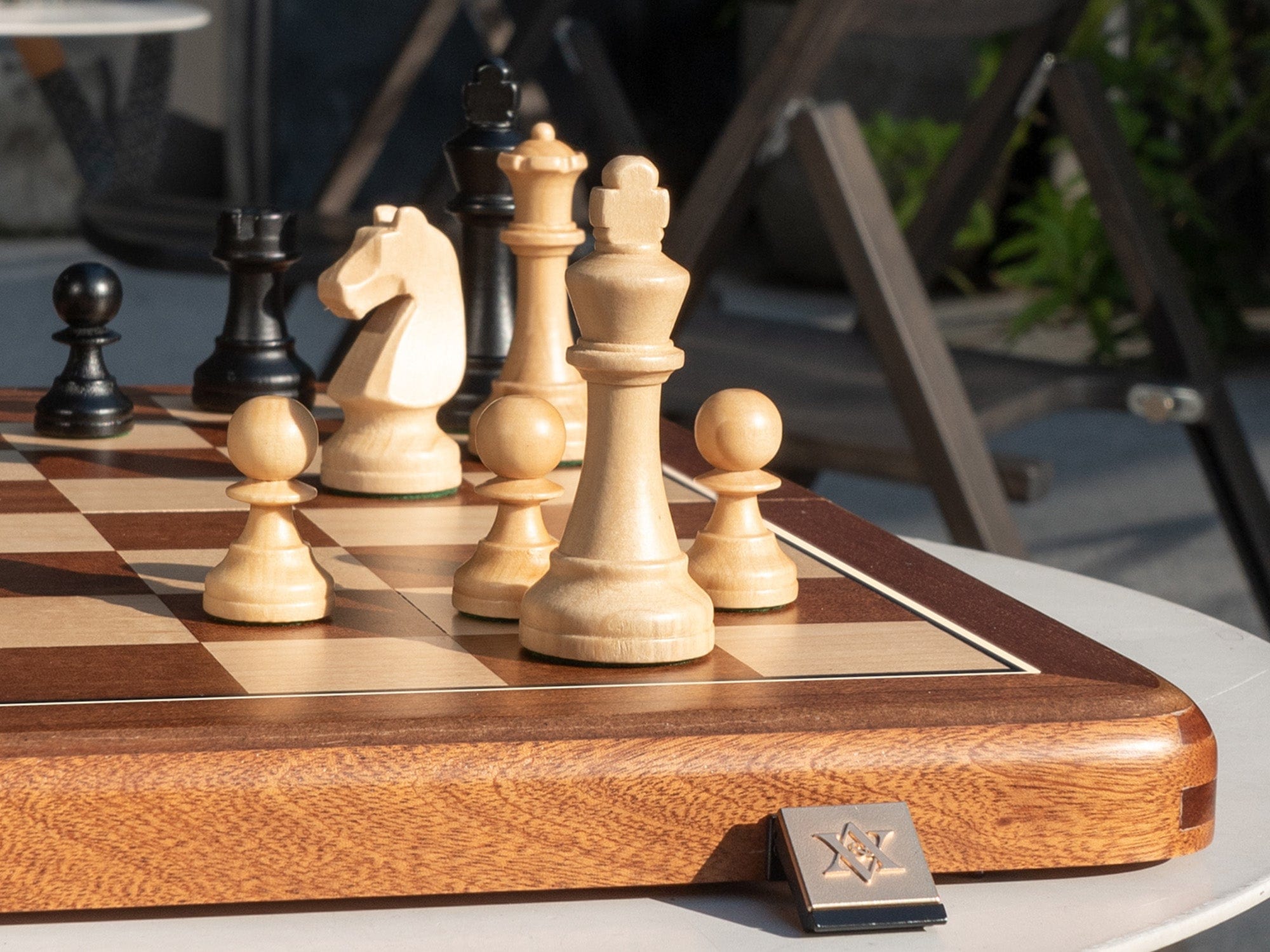
A permanent wooden board is useful for:
-
Replaying master games
-
Studying openings
-
Practicing endgames
-
Reconstructing mistakes
-
Solving calculation exercises
-
Working with a coach
Players can compare boards, pieces, clocks, scorebooks, storage products, and notation tools in the A&A Chess Accessories collection.
How Parents Can Use AI Without Taking Over the Lesson
Parents do not need to be strong chess players to support a child’s learning.
They can help by asking questions rather than giving moves.
Useful questions include:
-
What is your opponent threatening?
-
Which of your pieces is least active?
-
Do you have any checks?
-
Is that piece protected?
-
What happens after the opponent captures?
-
Can you find another candidate move?
-
Why does the AI prefer that move?
-
Can you explain the idea without using the computer?
After the child explains the position, the parent can help check the answer with an AI tool.
This creates a shared learning process without requiring the parent to know the best move in advance.
How Teachers Can Use AI and Physical Chess Together
A classroom lesson can follow a simple sequence:
Step 1: Present a Position
Display the position digitally or place it on a demonstration board.
Step 2: Student Discussion
Ask students to work in pairs and identify candidate moves.
Step 3: Physical Testing
Students recreate the position on their boards and play through possible variations.
Step 4: Class Decision
Each group selects a move and explains its reasoning.
Step 5: AI Comparison
Use an engine or AI tool to compare the students’ ideas.
Step 6: Reflection
Ask students what the computer noticed that they missed.
This structure keeps human reasoning at the center of the lesson.
The AI provides feedback after the students have already participated in the problem-solving process.
Common AI Chess Training Mistakes
Checking the Engine Immediately
Players should attempt independent analysis first.
Immediate engine use removes the productive struggle that helps strengthen calculation.
Memorizing Evaluations Instead of Ideas
Knowing that a position is +1.7 does not explain how to play it.
Ask which pieces should be improved, which pawn break matters, and what the opponent is trying to do.
Copying Opening Moves Without Understanding Them
AI can generate long opening variations, but beginners rarely need to memorize them.
Focus on development, central control, king safety, piece activity, and typical pawn structures.
Using Hints During Real Games
AI assistance must never be used during a competitive game against another person unless the format explicitly allows it.
Analysis belongs after the game.
Playing Only Against Bots
Bots are convenient, but human opponents behave differently.
People make unusual moves, create practical complications, show emotions, manage time imperfectly, and change plans.
Players should include both human and computer opponents in their training.
Training Only on a Screen
Digital training may not fully prepare a player for the visual and practical experience of over-the-board chess.
Recreate important positions on a physical board regularly.
Assuming the AI Is a Complete Coach
A strong coach does more than identify the best move.
A human coach may notice poor time management, emotional reactions, inconsistent preparation, unrealistic goals, or a misunderstanding of basic principles.
AI can support coaching, but it should not automatically be treated as a complete replacement.
Frequently Asked Questions
Can AI help beginners learn chess?
Yes.
AI tools can identify mistakes, recommend exercises, explain tactical ideas, and adjust difficulty. Beginners should still attempt to solve positions independently before requesting help.
Can an AI chess coach replace a human coach?
AI can provide fast and affordable feedback, but it may not fully replace the communication, motivation, planning, and personal observation provided by an experienced human coach.
A combination of AI tools, independent study, physical practice, and occasional human guidance can work well.
Is playing chess on a physical board better than playing online?
Each format develops different habits.
Online chess offers convenience, frequent opponents, automated records, and quick analysis. Physical chess supports real-board visualization, social interaction, deliberate thinking, and tournament preparation.
Using both formats is usually more effective than choosing only one.
Are smart chessboards worth buying?
Smart boards can be useful for players who want to play online while moving physical pieces.
However, they are generally more expensive than traditional boards. Players should consider whether they need automatic recording, online connectivity, move detection, or built-in coaching before purchasing one.
How can children use AI chess tools safely?
Parents and teachers should establish clear rules:
-
Use AI after attempting the problem
-
Do not use assistance against human opponents
-
Limit unnecessary screen time
-
Ask the child to explain recommendations
-
Protect personal account information
-
Balance digital sessions with physical play
Does physical chess reduce screen time?
A physical chess game can provide an offline activity that does not require a phone, tablet, computer, or television.
Families can also use short digital lessons followed by longer physical practice sessions.
What is the best chess set for a beginner?
A beginner-friendly set should have recognizable Staunton-style pieces, visible board coordinates, stable construction, and convenient storage.
Magnetic folding sets and portable silicone sets are both practical options.
Should beginners use chess engines?
Beginners can use engines, but only after reviewing the game themselves.
The engine should confirm and expand the player’s thinking rather than replace the entire analysis process.
How often should players practice on a physical board?
Players preparing for over-the-board events should use a physical board several times per week.
Casual players can aim for at least one physical game or study session each week.
What should I ask an AI chess coach?
Useful questions include:
-
What was the first important mistake?
-
Which tactical pattern did I miss?
-
What were my best candidate moves?
-
Which piece needed improvement?
-
What was the opponent’s main threat?
-
Which endgame principle applies here?
-
Can you explain the move without engine notation?
-
Can you create three similar practice positions?
Final Thoughts
Artificial intelligence will continue to influence chess learning.
AI tools can make training faster, more personalized, and more accessible. Smart boards can connect physical play with online opponents. Engines can reveal tactical ideas that players might never discover alone.
However, chess improvement still requires the player to think.
The physical chessboard provides an environment where decisions cannot be outsourced automatically. Players must observe the position, calculate possibilities, manage time, communicate with an opponent, and accept responsibility for every move.
The strongest approach is not AI versus tradition.
It is AI combined with tradition.
Use technology to identify mistakes, generate exercises, and provide feedback. Use a physical chessboard to calculate, practice, communicate, and transform those recommendations into genuine understanding.
Explore A&A CHESS to find beginner chess sets, magnetic folding boards, wooden chess sets, tournament equipment, silicone travel sets, digital clocks, scorebooks, and accessories for a balanced modern chess-learning experience.




Leave a comment
This site is protected by hCaptcha and the hCaptcha Privacy Policy and Terms of Service apply.