





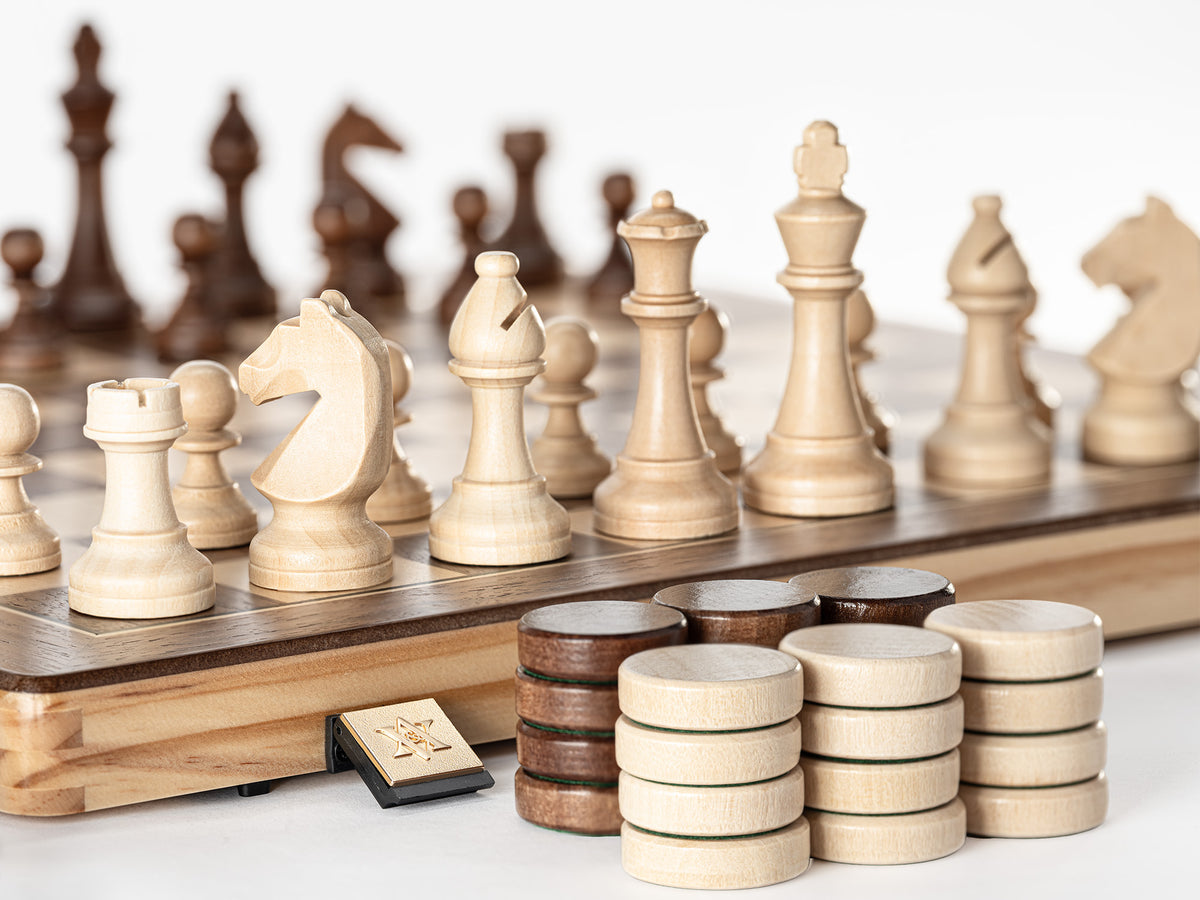




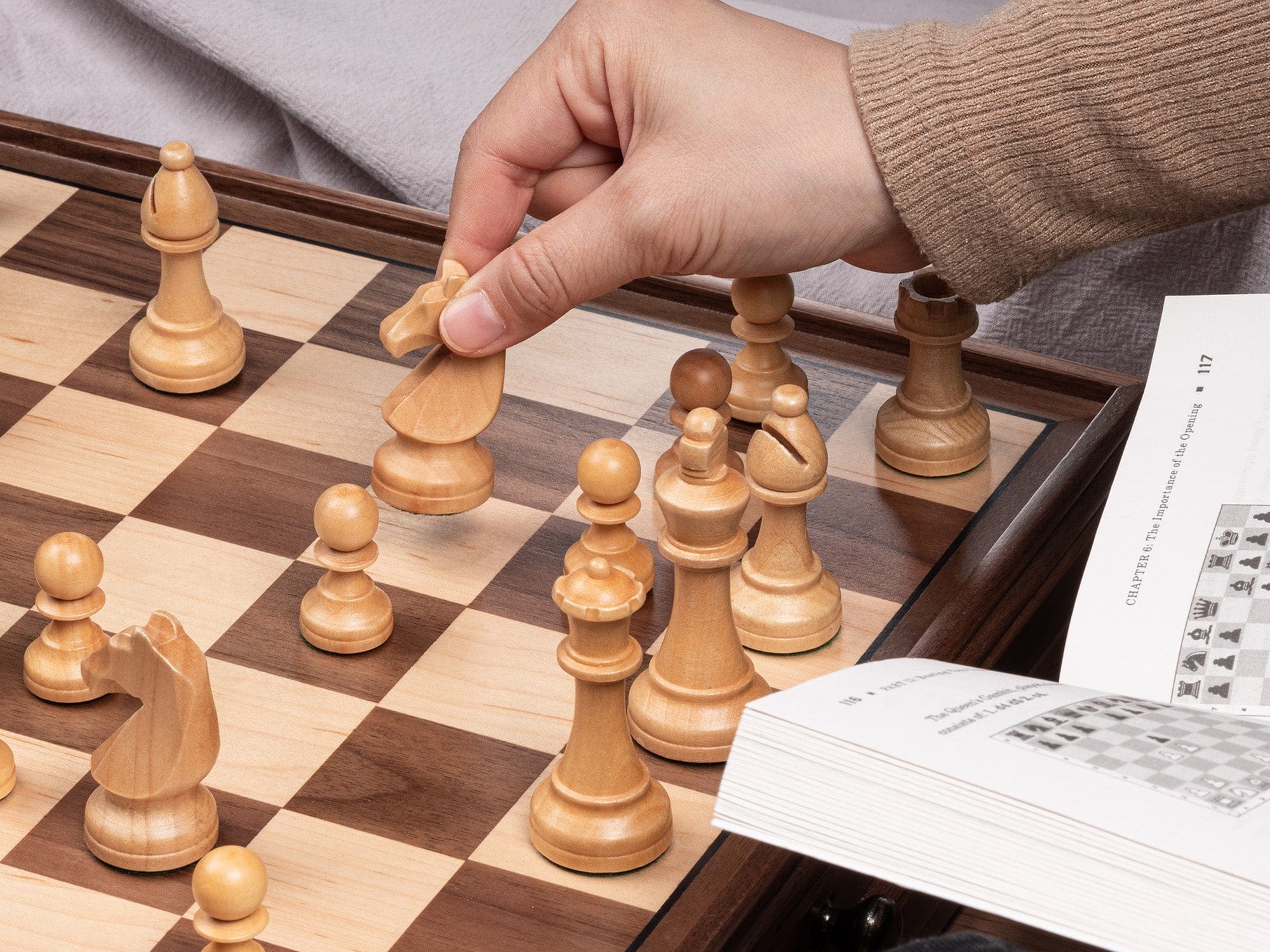

Starting a school chess club does not require a team of professional coaches, a large budget, or a room full of experienced tournament players.
A successful club begins with three simple things: an interested group of students, a reliable adult organizer, and enough chess sets for everyone to participate.
From there, the club can gradually develop into an active community where complete beginners learn the rules, experienced students find stronger opponents, and everyone has an opportunity to play, improve, and make new friends.
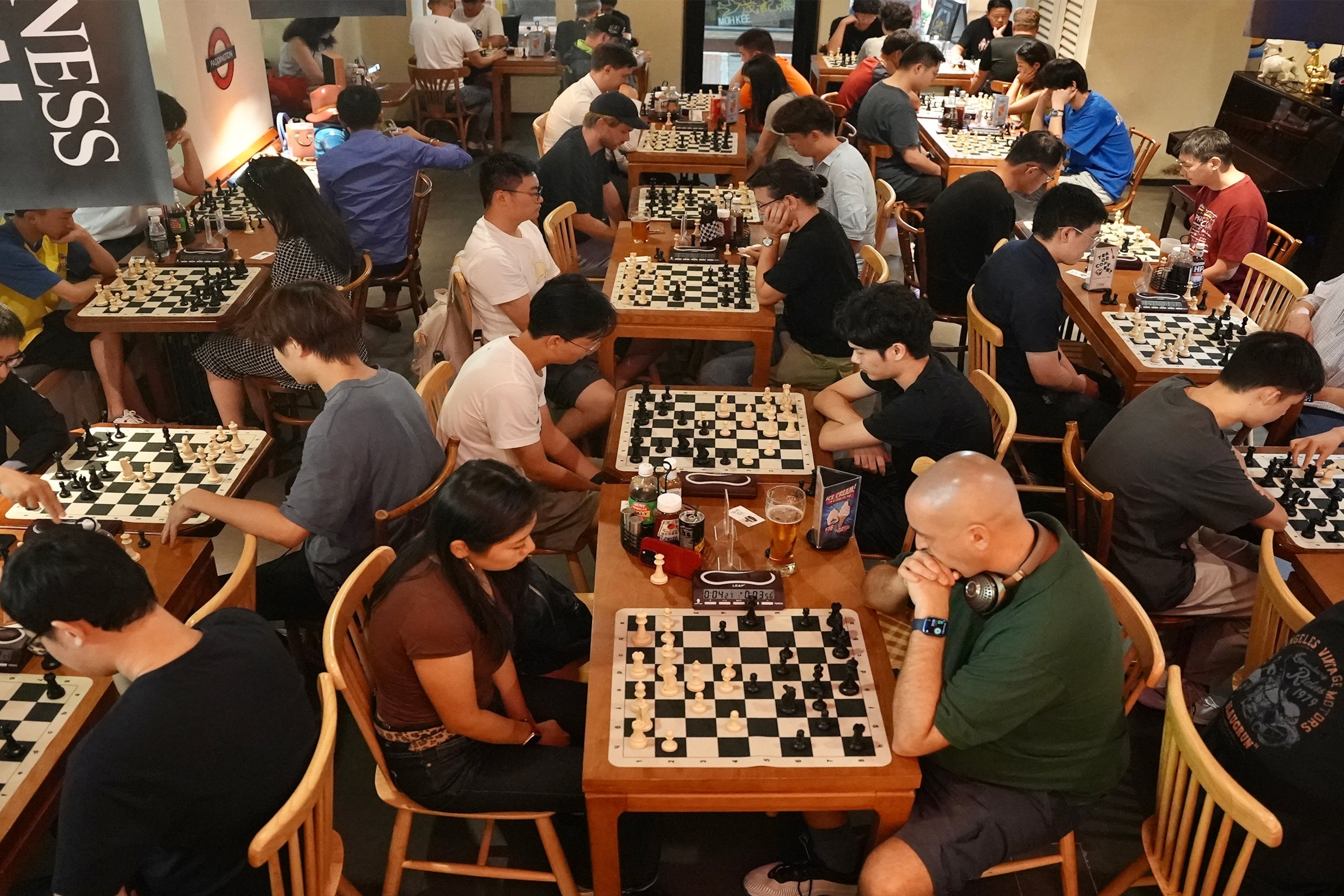
A school chess club can operate during lunch, after school, before classes, or as part of a broader enrichment program. It can begin with six students around three boards and later grow into a school team, internal league, or annual tournament.
This guide explains how to plan, equip, promote, and manage a school chess club in 2026. It also includes a sample budget, weekly lesson structure, tournament format, equipment checklist, club rules, and practical solutions to common problems.
Table of Contents
-
Define the Purpose of the Club
-
Find a Teacher or Adult Sponsor
-
Estimate Student Interest
-
Choose a Meeting Time and Location
-
Create a School Chess Club Budget
-
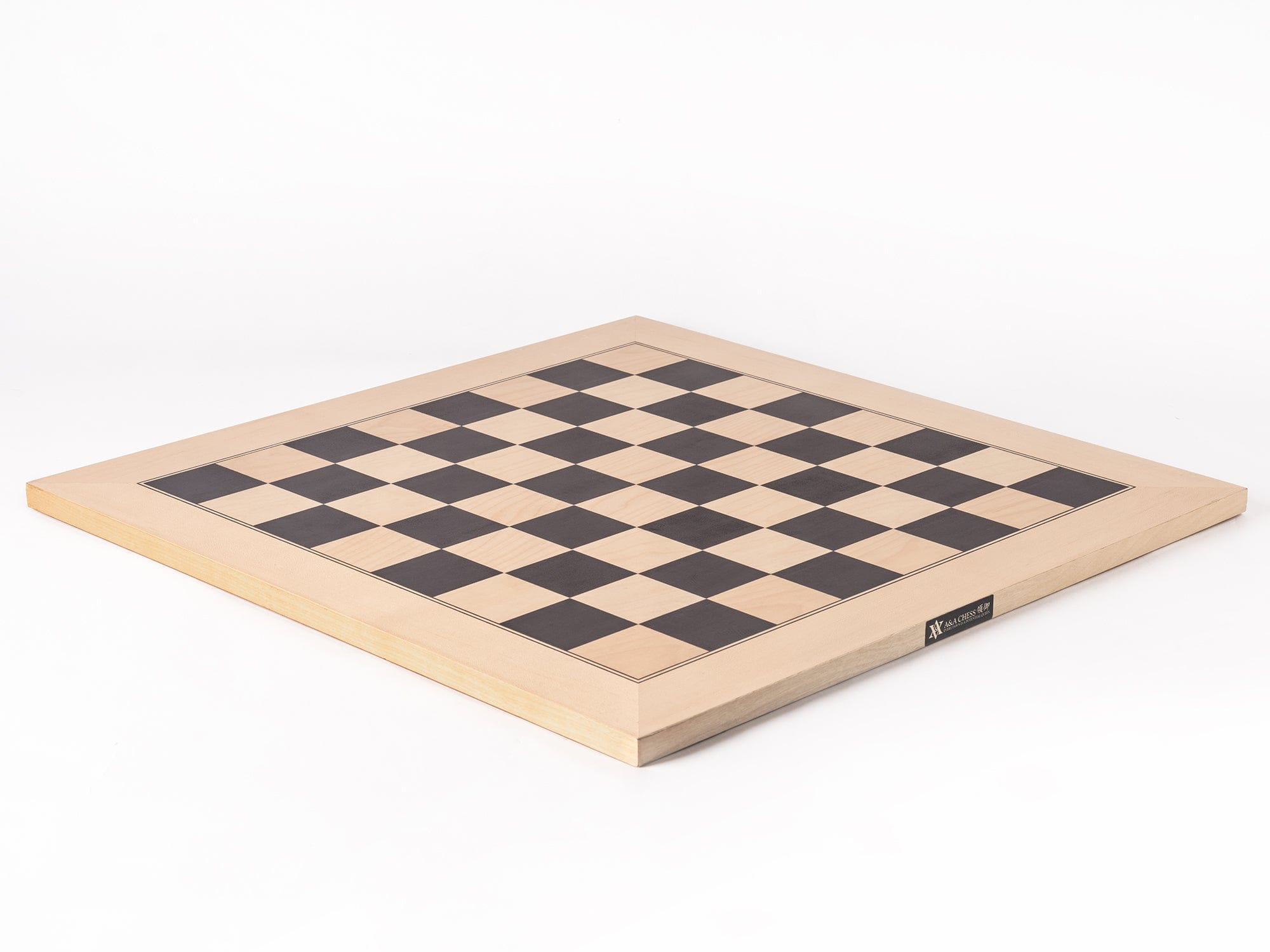
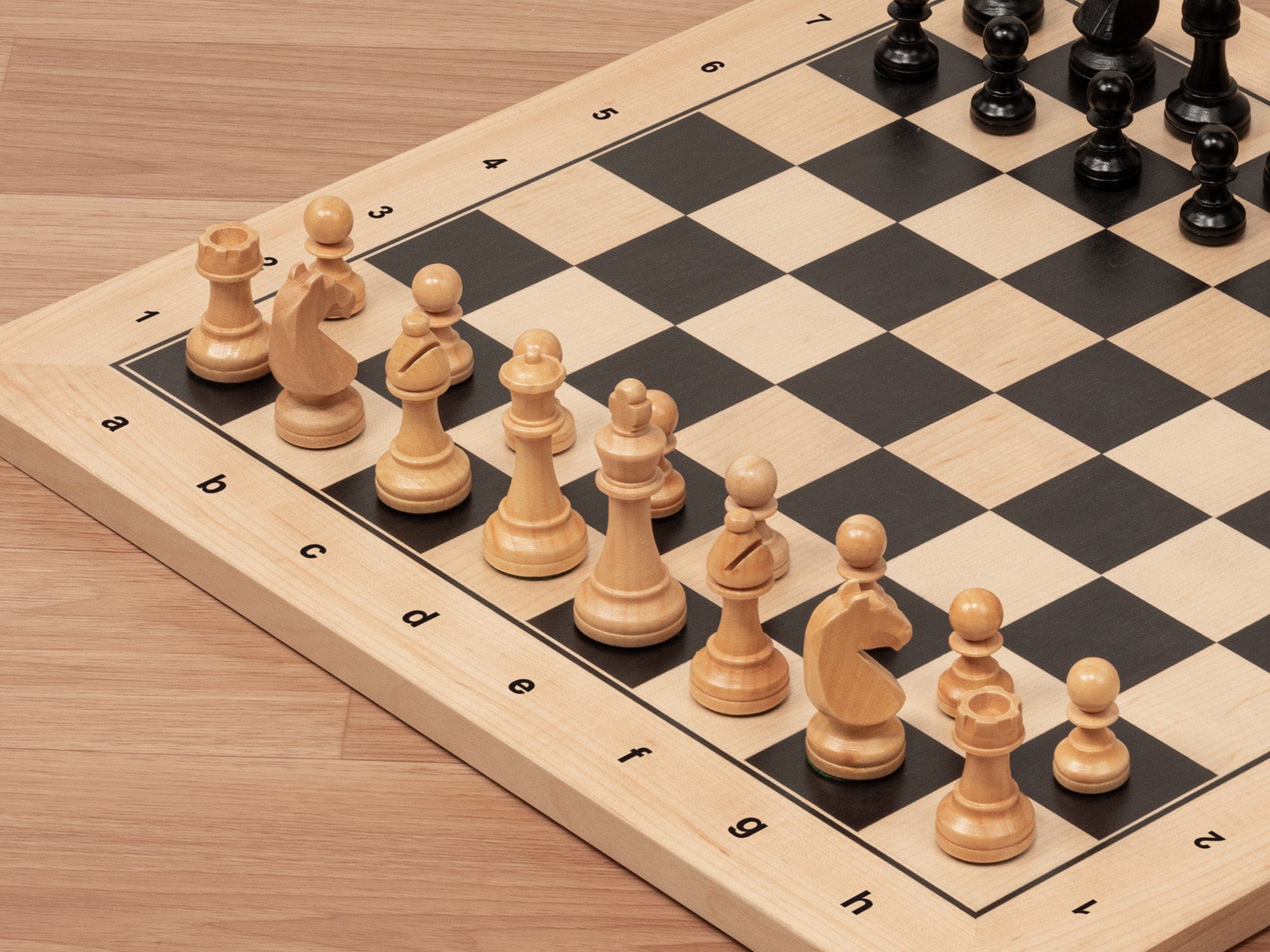
Select the Right Chess Sets
-
Buy Essential Chess Club Equipment
-
Plan the First Club Meeting
-
Use a Weekly Chess Club Lesson Plan
-
Organize Students by Experience Level
-
Create Fun Chess Club Activities
-
Run a School Chess Tournament
-
Recruit and Retain Club Members
-
Establish Clear Club Rules
-
Solve Common Chess Club Problems
-
Frequently Asked Questions
1. Define the Purpose of the Club

Before purchasing chess sets or designing posters, decide what the club is meant to provide.
Some school chess clubs focus mainly on casual play. Others provide structured lessons, prepare students for tournaments, or represent the school in regional competitions.
Your club may combine several goals:
-
Teach complete beginners how to play
-
Provide a screen-free lunchtime activity
-
Give experienced players regular opponents
-
Develop a school chess team
-
Organize internal competitions
-
Create an inclusive social activity
-
Encourage students to teach one another
-
Introduce strategic games to families
-
Prepare students for scholastic tournaments
Write a simple mission statement that can be shared with administrators, parents, and students.
For example:
The School Chess Club provides a welcoming environment where students of all experience levels can learn chess, play regularly, develop their skills, and participate in friendly competition.
The mission should emphasize that beginners are welcome. Students may avoid joining when they assume that a chess club is only for highly experienced players.
2. Find a Teacher or Adult Sponsor
Most schools require a teacher, staff member, or approved adult to supervise student clubs.
The sponsor does not need to be an expert chess player. Their main responsibilities usually include:
-
Reserving a meeting room
-
Communicating with school administrators
-
Supervising meetings
-
Storing club equipment
-
Managing permission forms
-
Approving announcements
-
Monitoring student behavior
-
Coordinating tournaments or events
Chess knowledge can come from several sources. Experienced students can demonstrate rules, older players can mentor beginners, and the club can use printed guides or online educational materials.
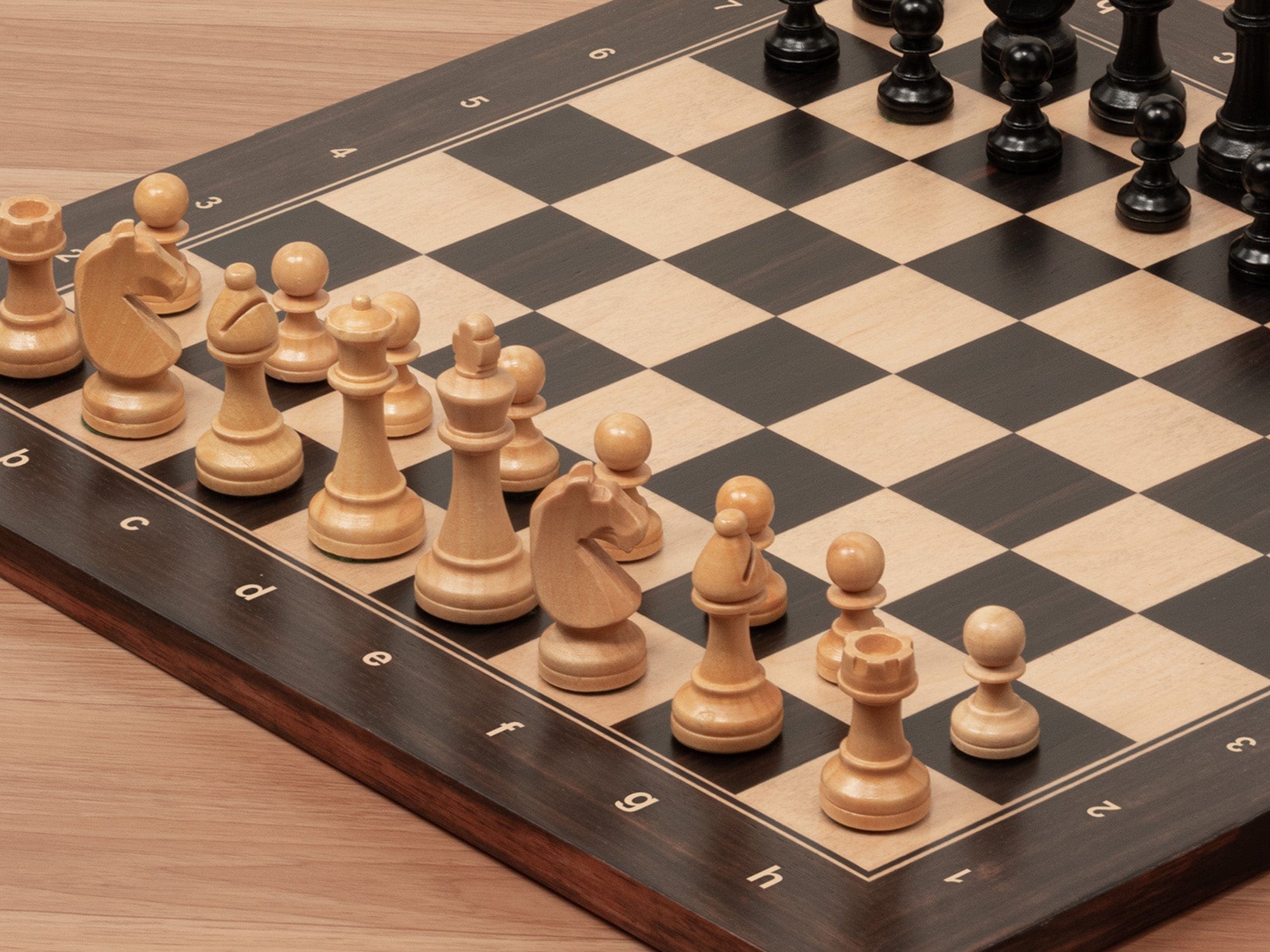
New players can also review the A&A CHESS Basic Rules of Chess, which explains board setup, piece movement, and fundamental rules.
The strongest clubs often combine adult organization with student leadership.
Consider assigning student roles such as:
-
Club president
-
Equipment manager
-
Tournament director
-
Beginner mentor
-
Attendance coordinator
-
Social media or poster designer
-
Puzzle coordinator
-
Match recorder
Giving students meaningful responsibilities increases their sense of ownership and reduces the organizer’s workload.
3. Estimate Student Interest
Before setting a budget, estimate how many students are likely to attend.
Create a short interest form asking:
-
Student name
-
Grade level
-
Chess experience
-
Preferred meeting time
-
Interest in tournaments
-
Willingness to help beginners
-
Whether the student owns a chess set
You can also hold an informal demonstration table during lunch. Place one or two boards in a visible area and invite students to play a short game or solve a simple puzzle.
Do not purchase equipment based only on the number of students who sign an interest sheet. Some students will join later, while others may attend only occasionally.
A reasonable starting assumption is that one chess set is needed for every two active students, plus one or two spare sets.
For example:
| Expected Attendance | Minimum Chess Sets | Recommended Chess Sets |
|---|---|---|
| 6 students | 3 | 4 |
| 10 students | 5 | 6 |
| 16 students | 8 | 10 |
| 20 students | 10 | 12 |
| 30 students | 15 | 18 |
Spare sets are useful when pieces are misplaced, additional students arrive, or an instructor wants to demonstrate a position separately.
4. Choose a Meeting Time and Location
The ideal meeting time depends on transportation, staff availability, and student schedules.
Common options include:
-
Before school
-
Lunchtime
-
Immediately after school
-
One afternoon per week
-
Two shorter sessions per week
-
During an enrichment period
-
On selected weekends
A weekly meeting of 45 to 90 minutes is enough for most school clubs.
The room should include:
-
Stable tables
-
Enough chairs
-
Good lighting
-
Secure storage
-
A whiteboard or display
-
Space for students to move safely
-
Limited noise and interruptions
Libraries, classrooms, study halls, and multipurpose rooms can all work well.
Arrange tables so that students can play without crowding one another. Leave enough room beside each board for captured pieces, a scorebook, and an optional chess clock.
Avoid placing drinks directly beside the boards. A separate refreshment table can prevent spills and protect club equipment.
5. Create a School Chess Club Budget
A basic club can begin with chess sets alone. A more developed program may add clocks, scorebooks, storage bags, trophies, posters, and tournament materials.
Here is a sample planning table:
| Item | Basic Club | Growing Club | Tournament Club |
|---|---|---|---|
| Chess sets | 4–6 | 8–12 | 12–20 |
| Digital chess clocks | 0–1 | 2–4 | 6–10 |
| Scorebooks | Optional | Recommended | Essential |
| Storage bags or bins | 1 | 2 | 3–4 |
| Demonstration materials | Printed sheets | Whiteboard | Large display board |
| Prizes | Certificates | Medals | Trophies or gift cards |
| Cleaning supplies | Basic cloths | Cloths and labels | Full equipment kit |
Potential funding sources include:
-
School activity funds
-
Parent-teacher associations
-
Student participation fees
-
Local business sponsorships
-
Community donations
-
Fundraising events
-
Educational grants
-
Chess club merchandise
-
Family game nights
-
School enrichment budgets
When purchasing multiple sets, schools and organizations can review the A&A CHESS FAQ page for information about wholesale purchasing and customer support.
6. Select the Right Chess Sets
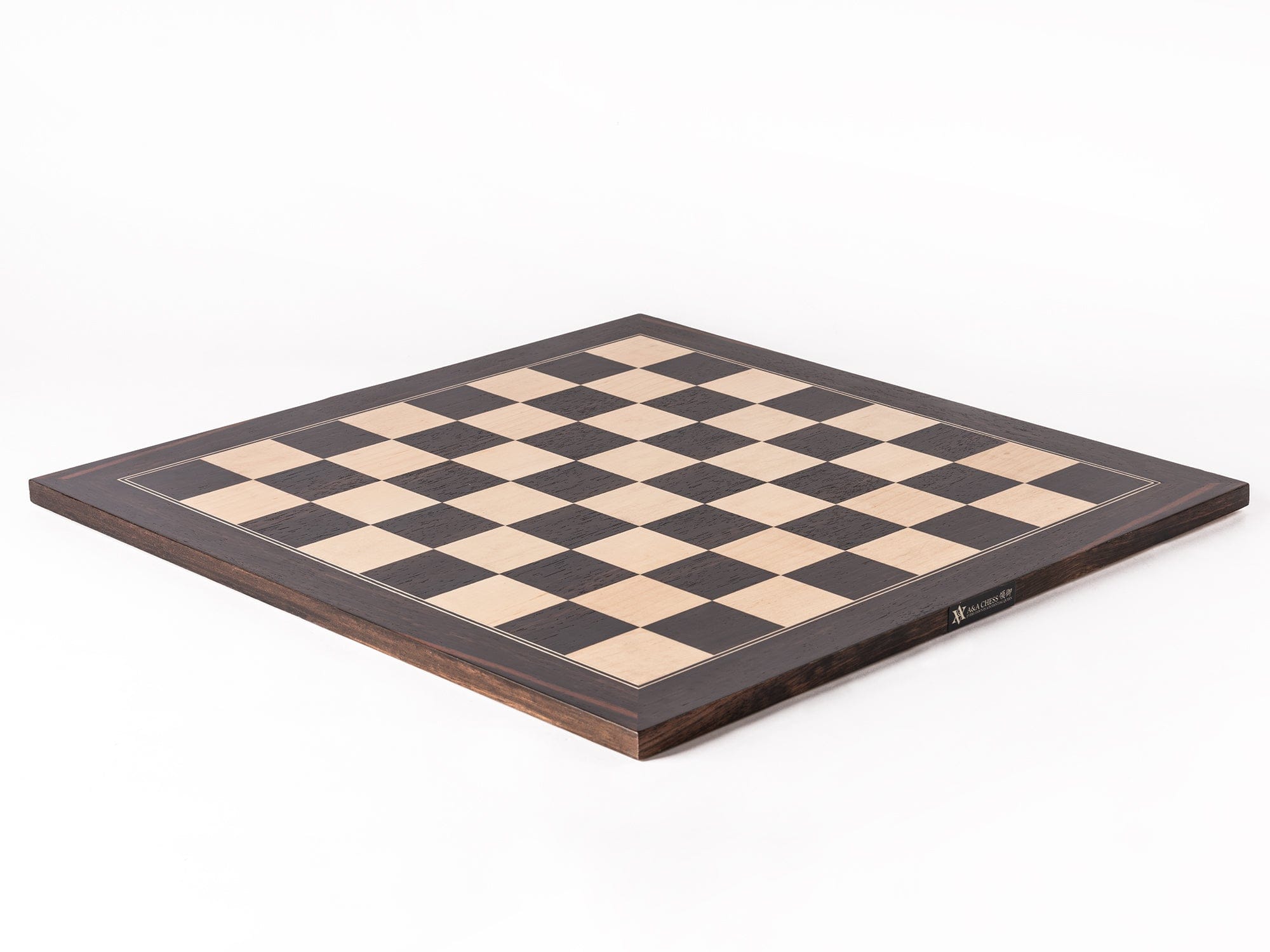
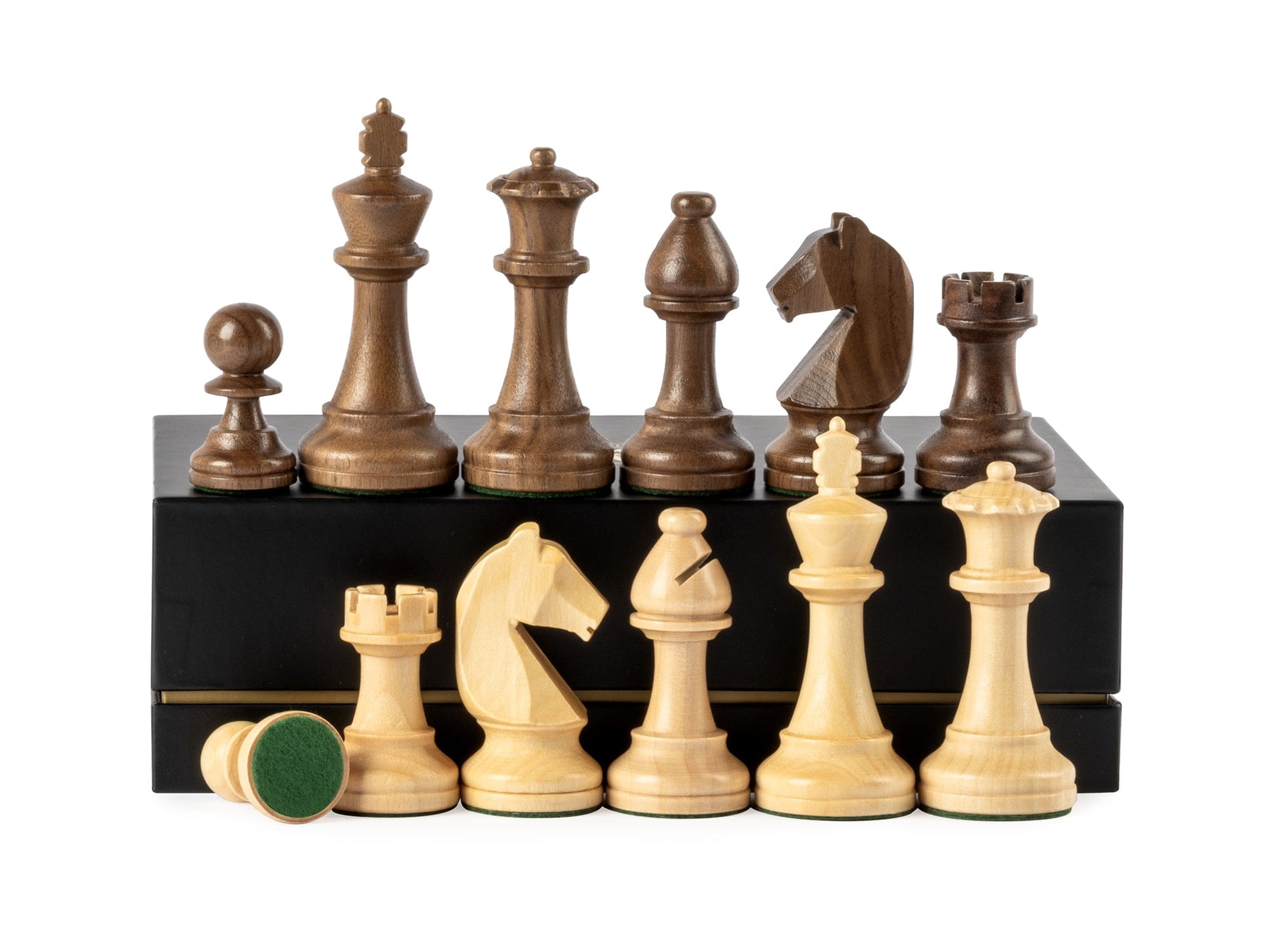
School chess equipment should be chosen for durability and usability rather than appearance alone.
The best chess sets for schools should have:
-
Easily recognizable pieces
-
Stable boards
-
Durable materials
-
Simple storage
-
Clear square colors
-
Smooth, safe edges
-
Replaceable or easy-to-find pieces
-
Enough space for comfortable play
-
Easy cleaning requirements
Magnetic Folding Sets for Beginners
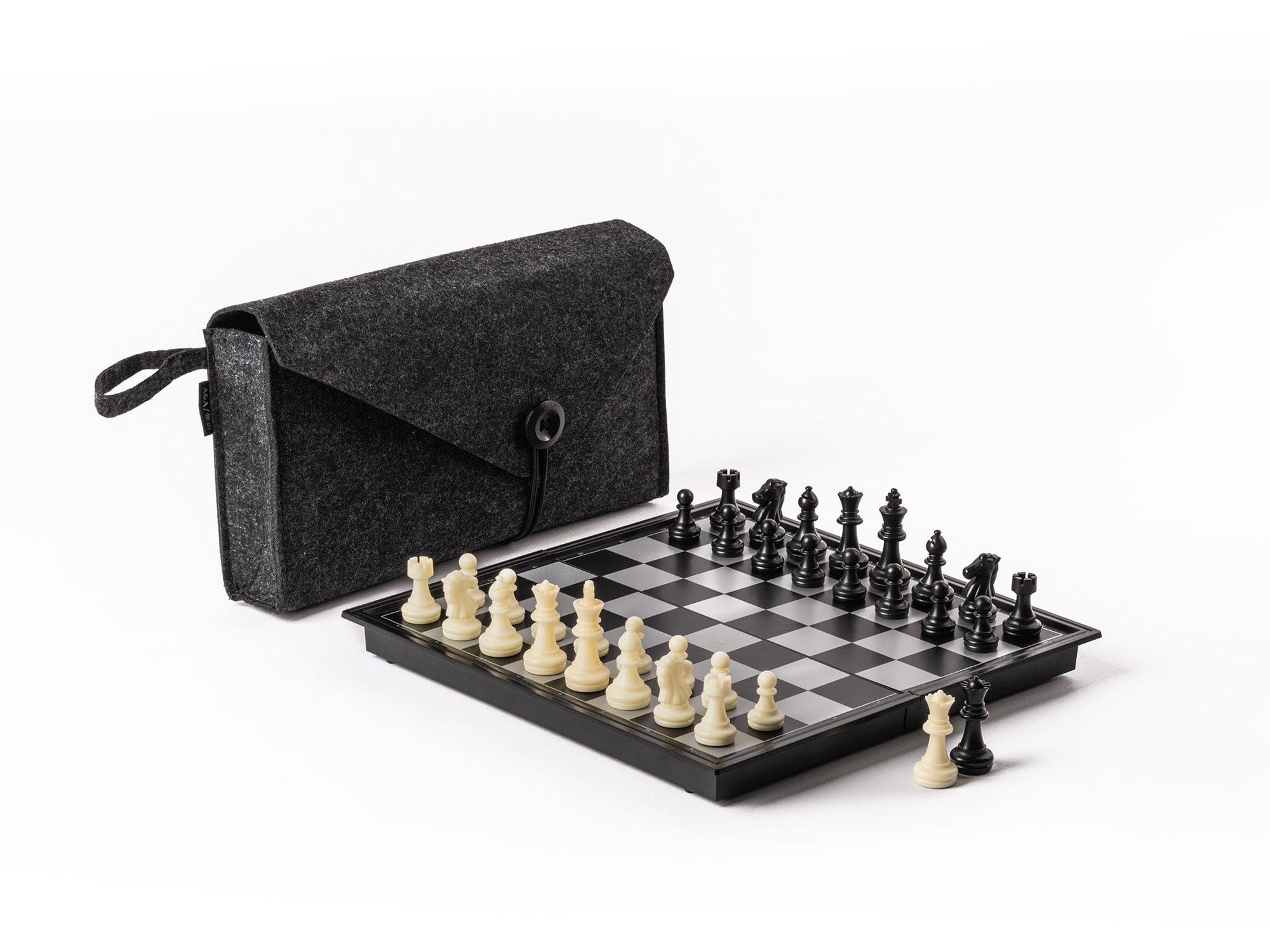
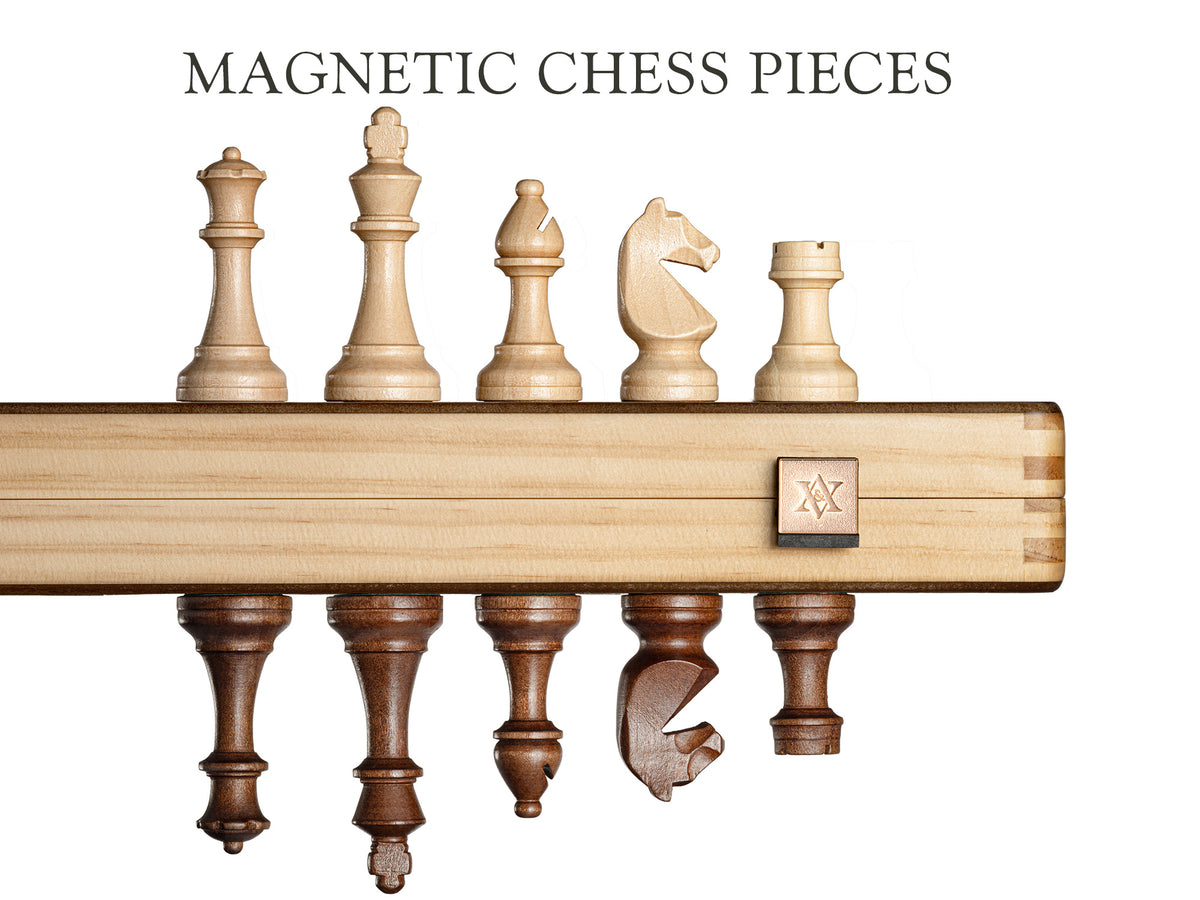
Magnetic folding chess sets are useful for younger students and beginner groups.
The magnets help pieces remain in position when a student touches the board, bumps the table, or needs to move the set before finishing a game.
The A&A Durable Plastic Magnetic Folding Chess Set with Felt Case is available in compact formats and includes a protective felt case.
This type of set is suitable for:
-
Elementary school students
-
Beginner lessons
-
Small tables
-
Lunch clubs
-
Mobile classrooms
-
Field trips
-
Individual practice
Its folding structure also makes setup and storage relatively simple.
Silicone Chess Sets for Larger Clubs
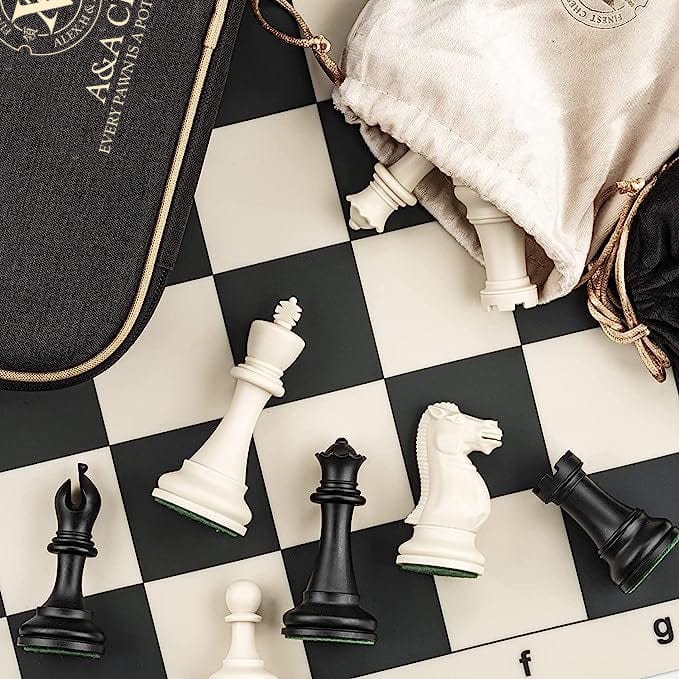
Silicone chess boards are practical for clubs because they can be rolled, stored, transported, and cleaned.
The A&A 15-inch Silicone and Plastic Traveling Chess Set includes a portable board, Staunton-style pieces, and a storage bag.
A portable silicone set can be useful for:
-
Weekly school meetings
-
Outdoor chess events
-
Community activities
-
Chess camps
-
Library programs
-
Inter-school matches
-
Clubs that frequently change rooms
For clubs preparing for more formal play, the A&A 20-inch Silicone and Plastic Traveling Chess Set provides a larger playing area and weighted pieces.
Schools can compare additional options in the Beginner Chess Sets collection and the Tournament Chess Sets collection.
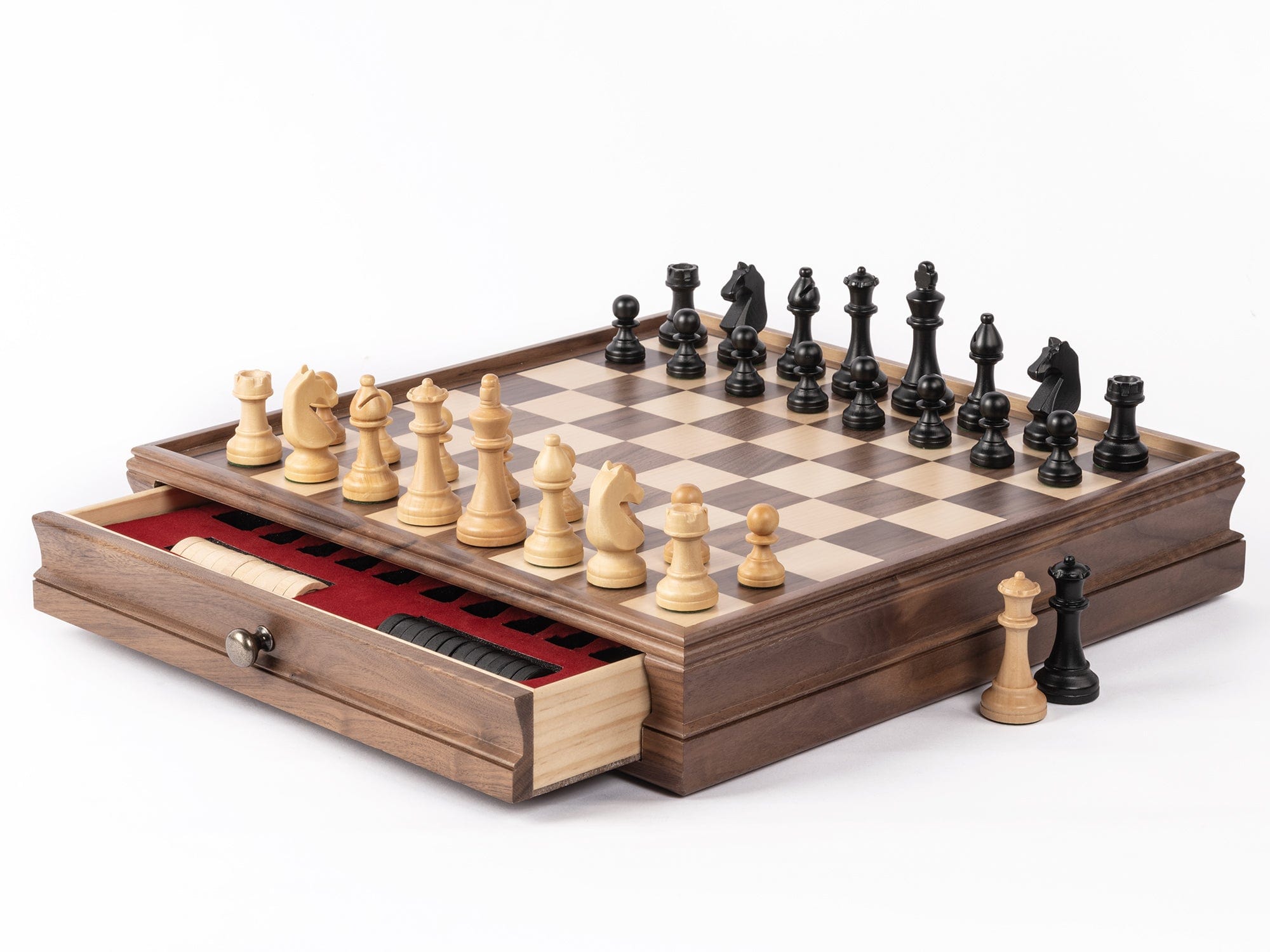
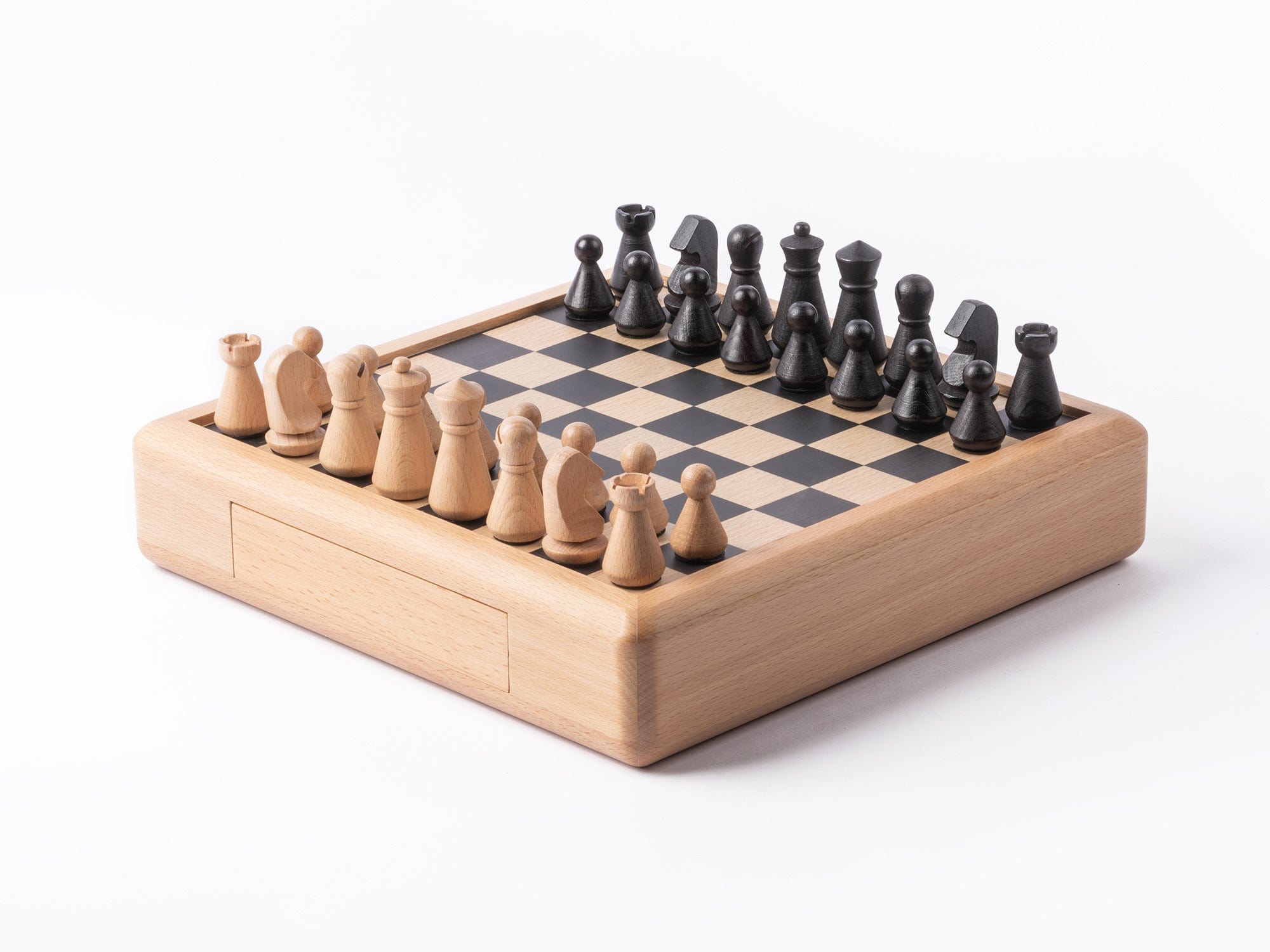
Wooden Chess Sets for Special Tables or Awards
Wooden sets can be reserved for the club’s top table, championship match, coach’s demonstration area, or permanent library display.
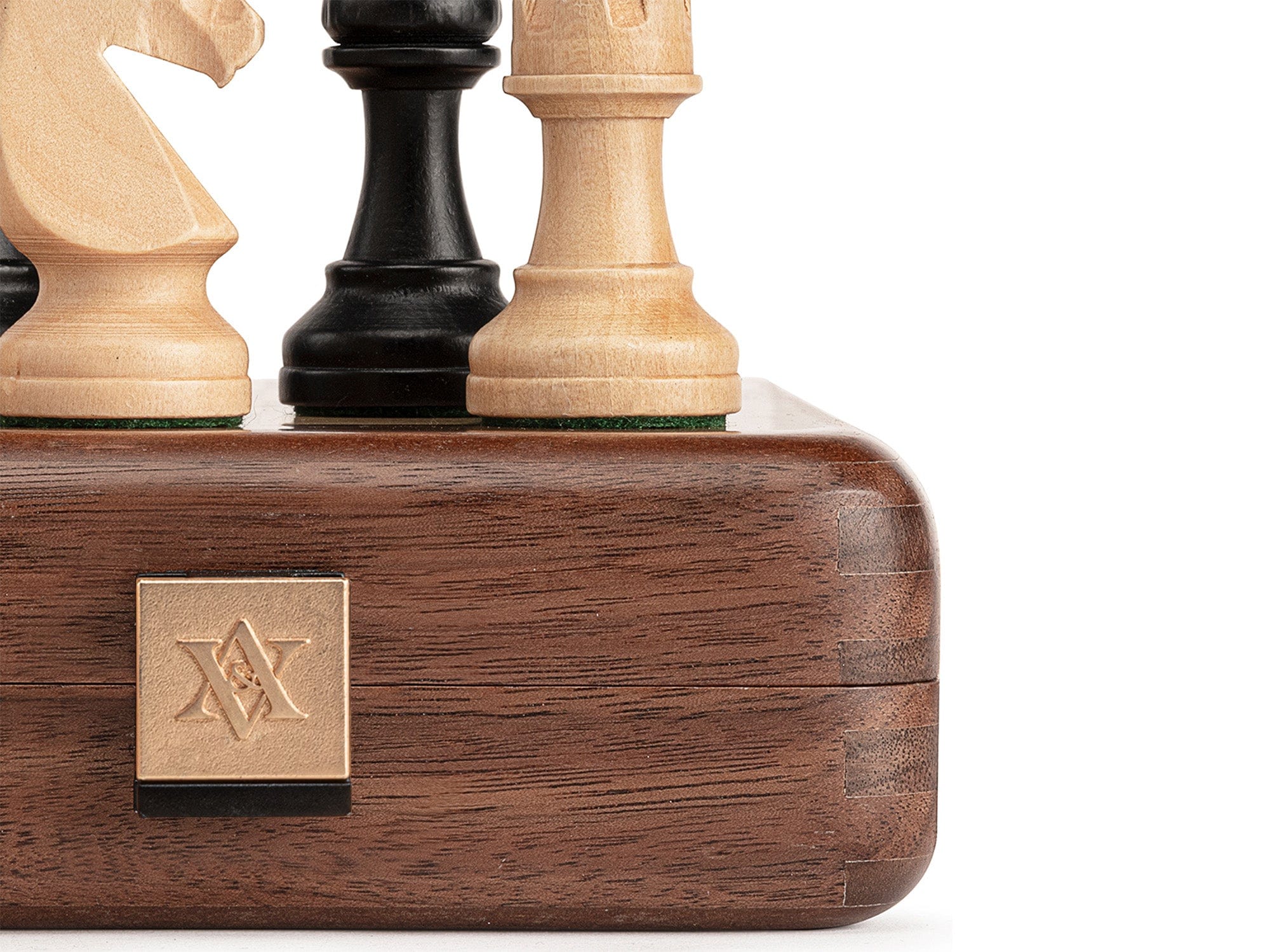
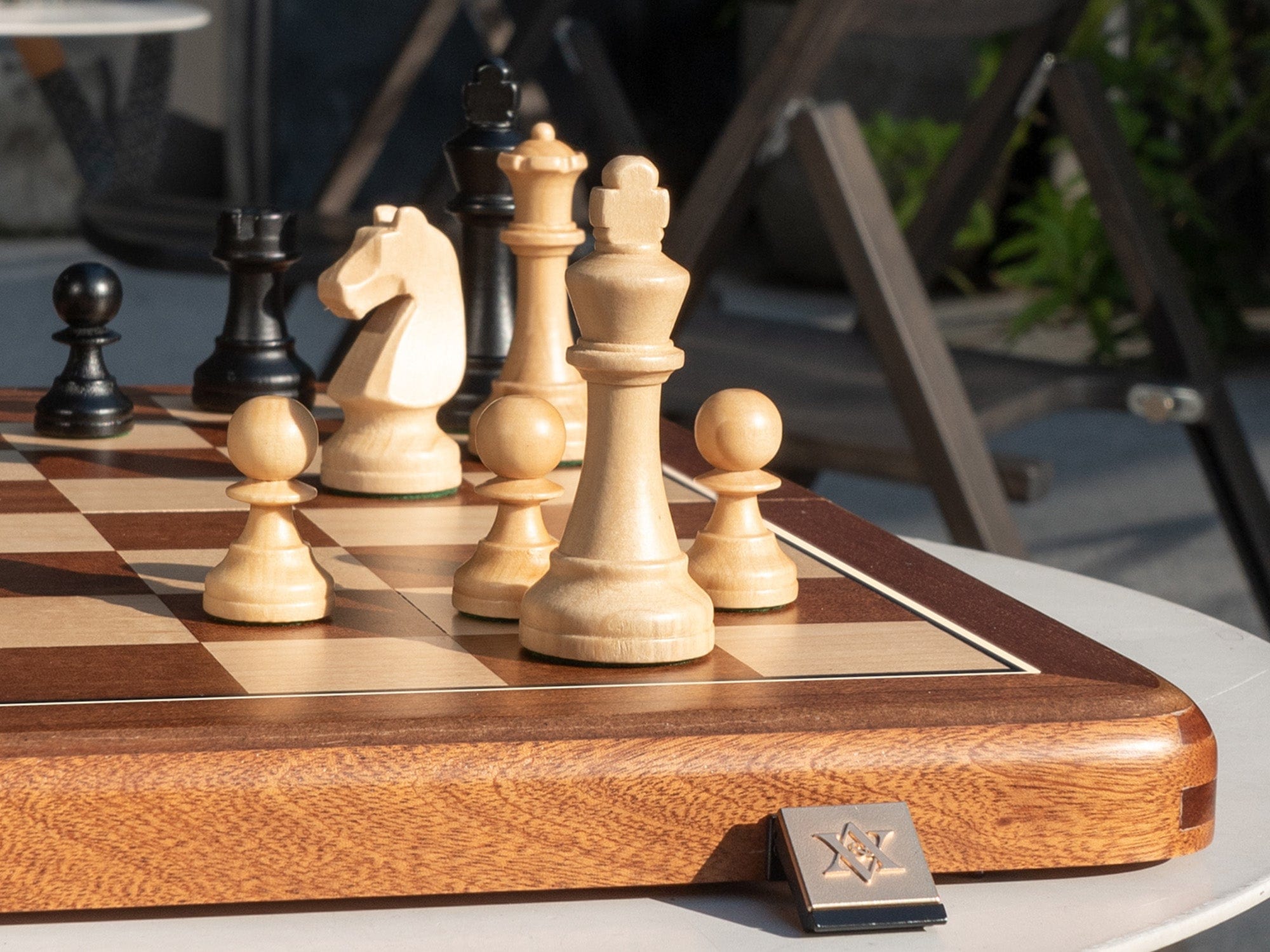
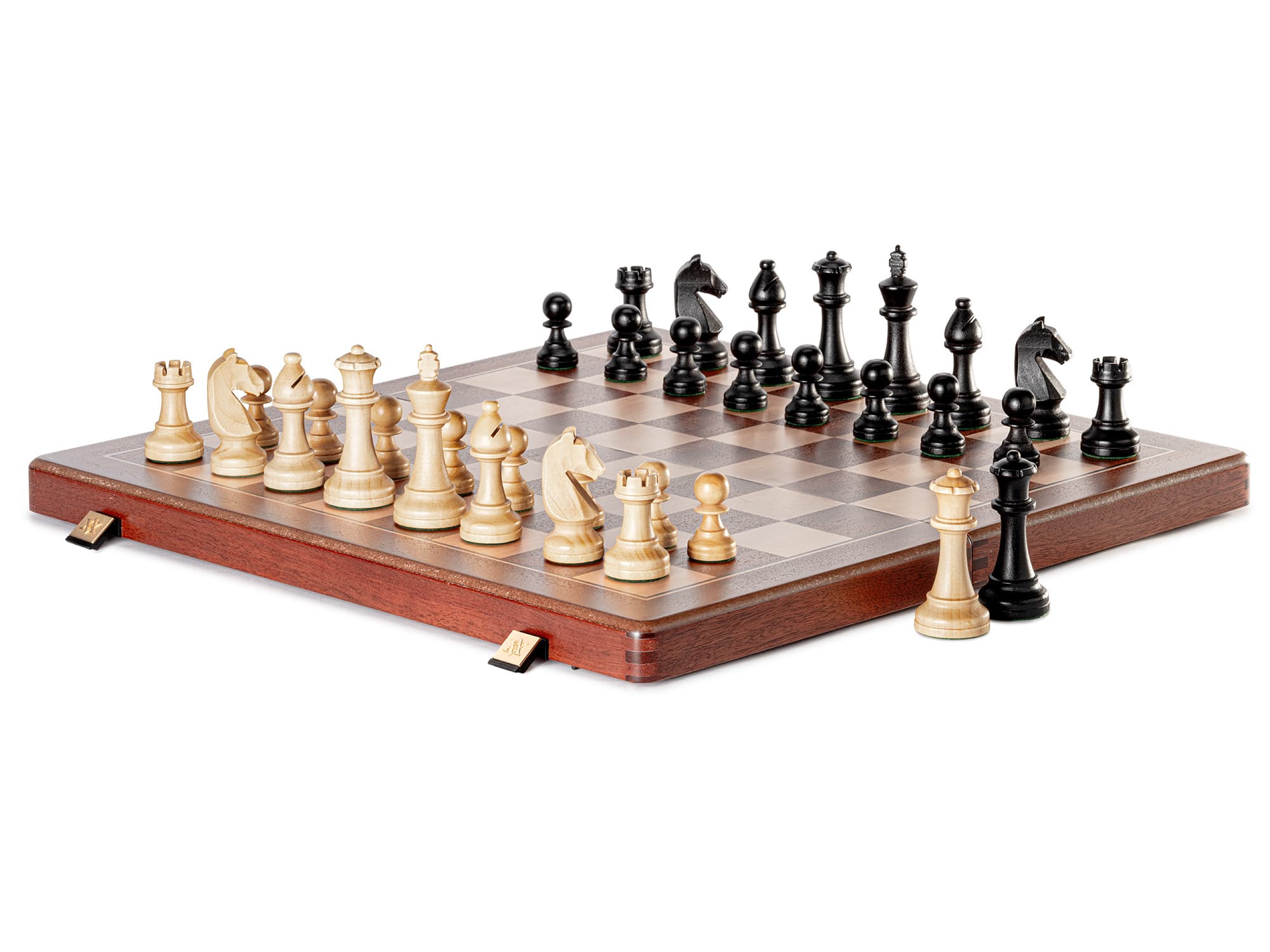
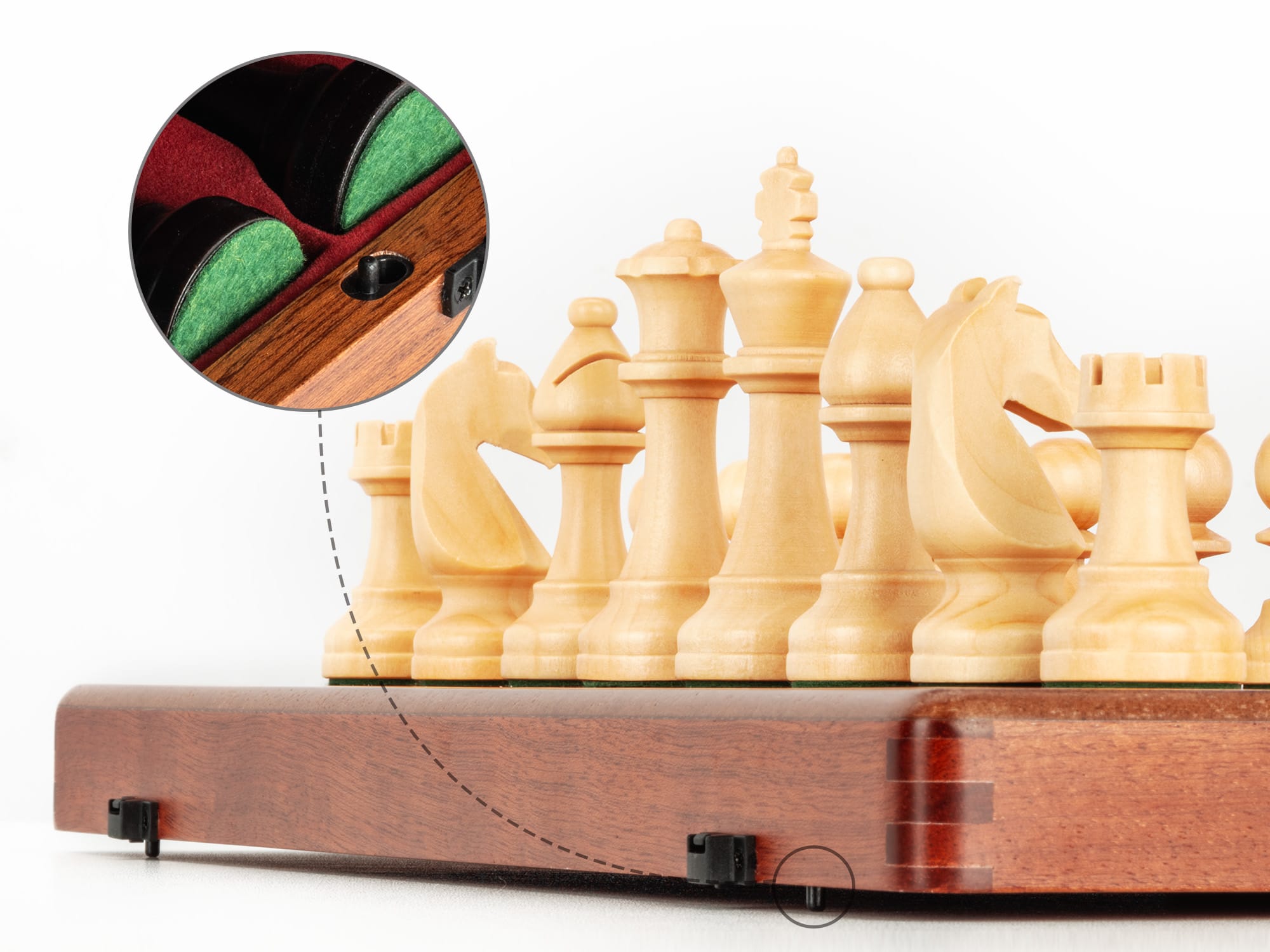
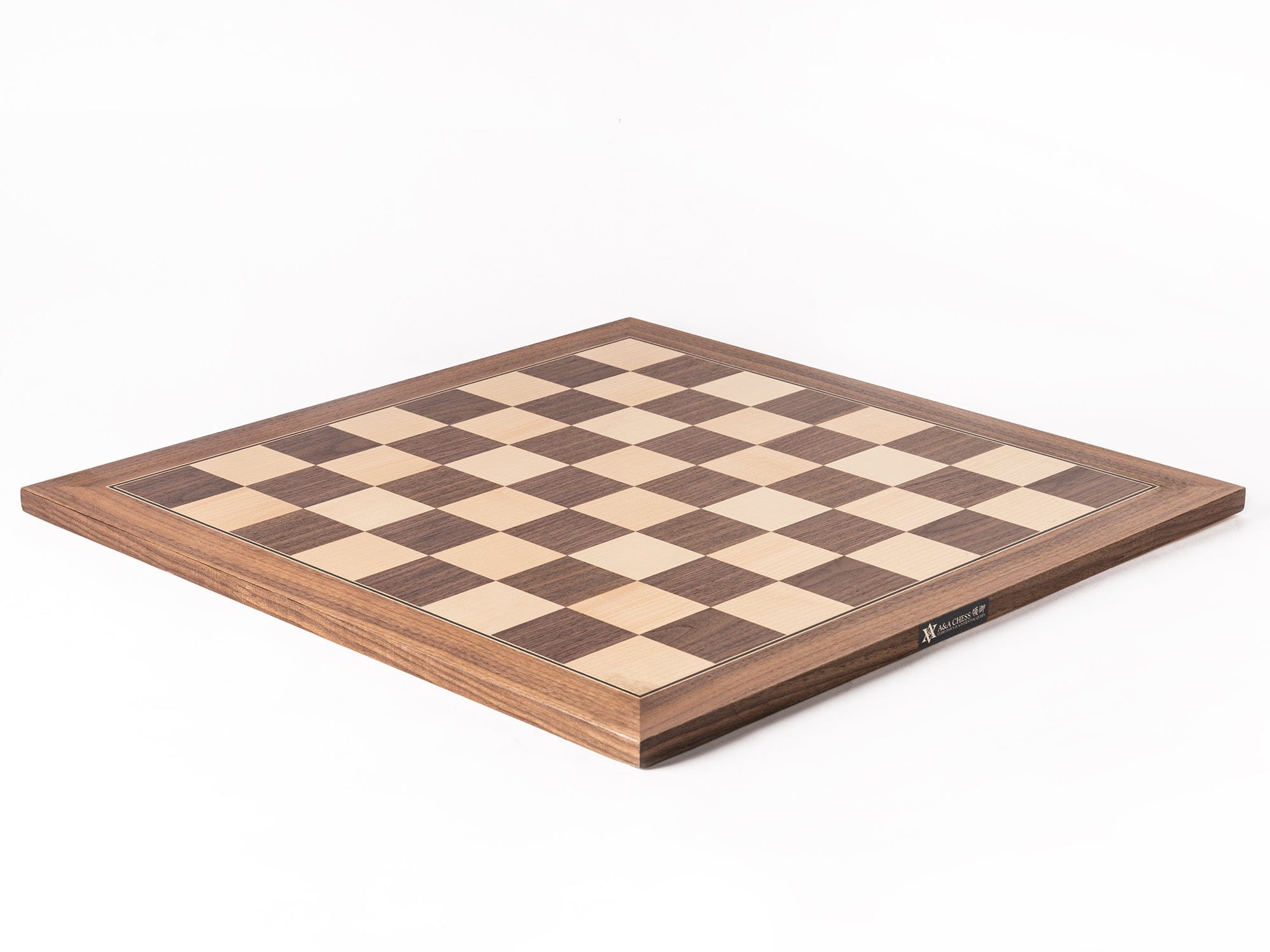
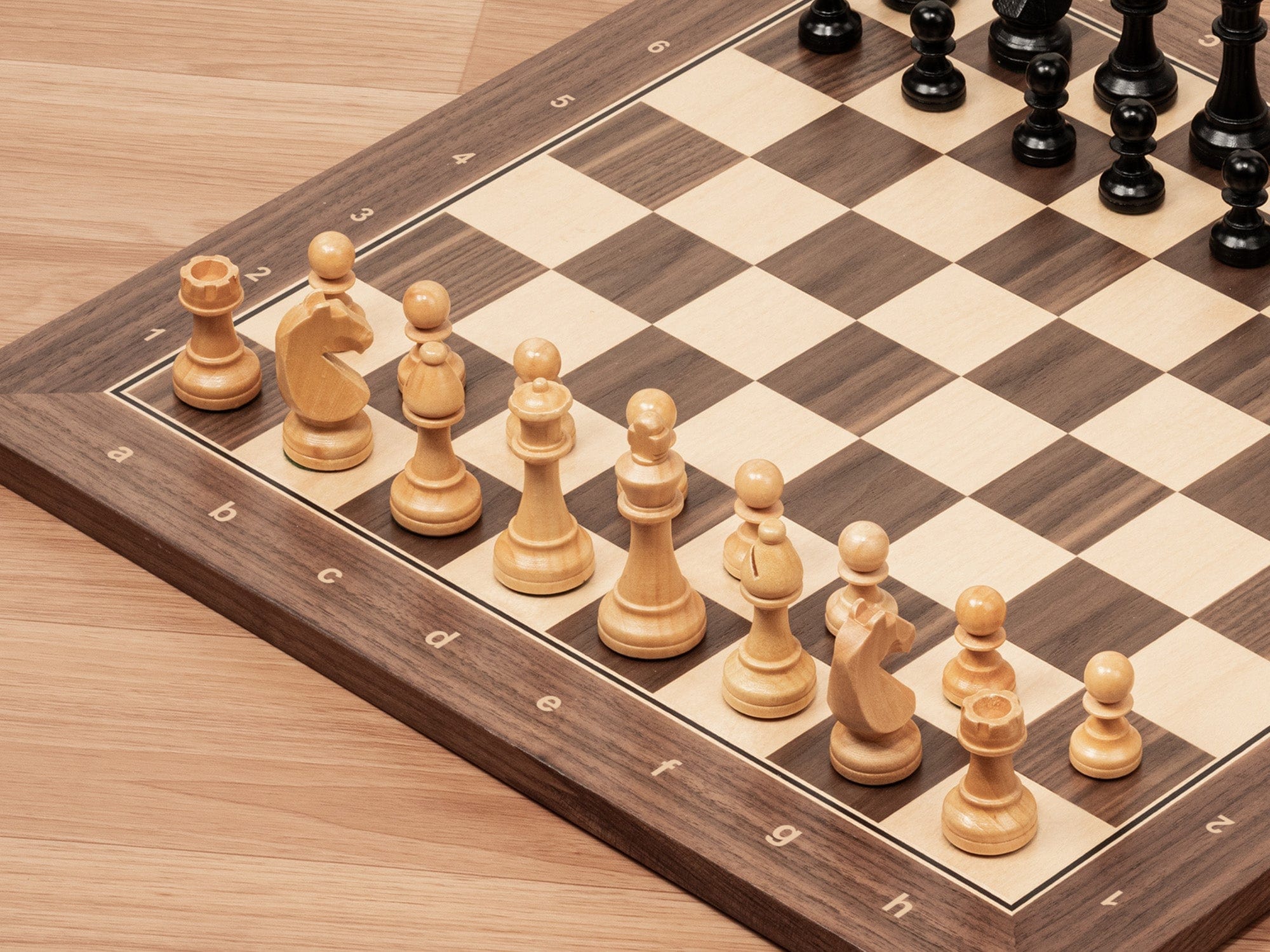
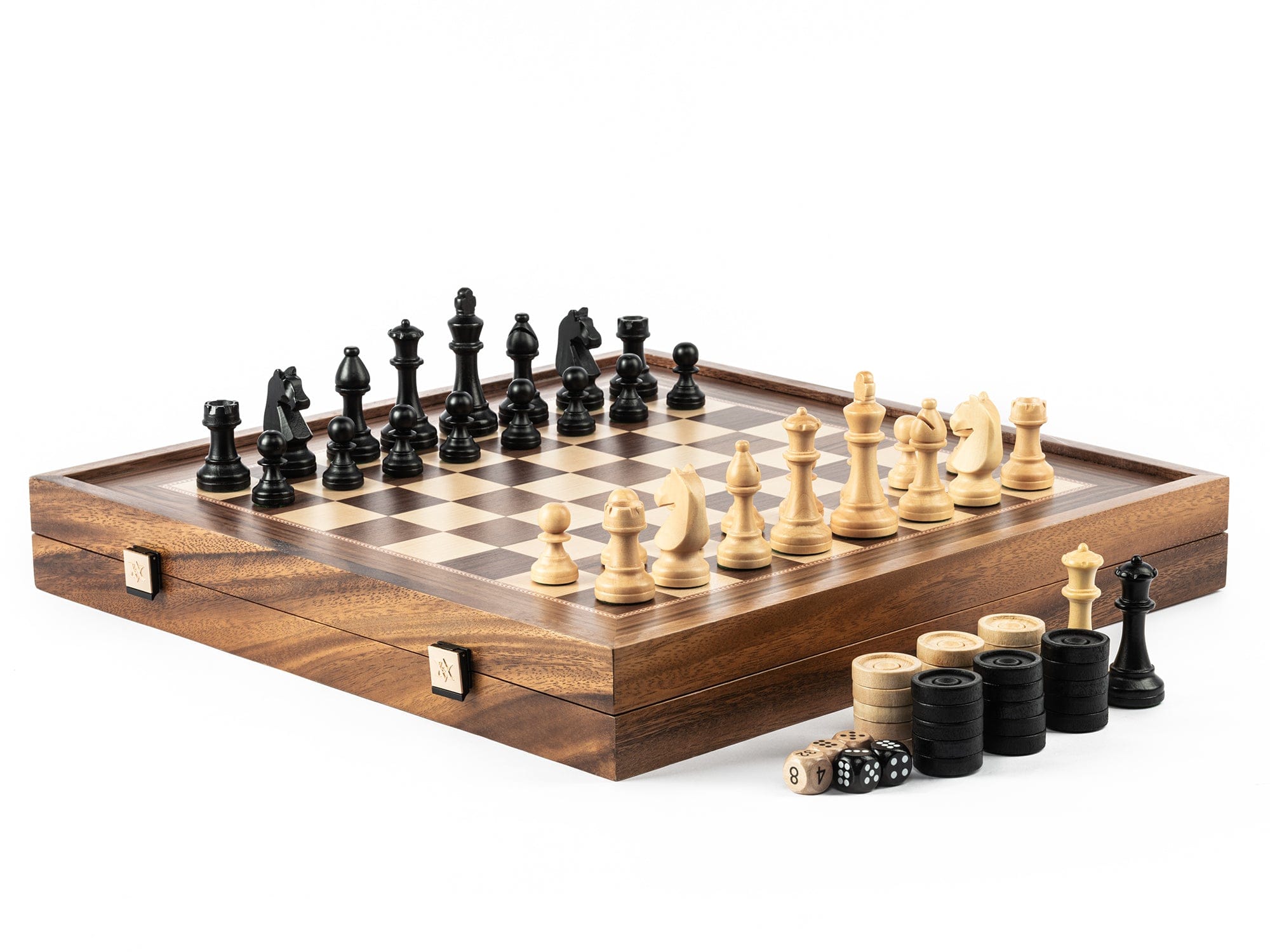
The A&A 15-inch Premium Walnut Wood Folding Chess Set combines a wooden playing surface with folding storage.
However, a club with a limited budget should normally prioritize having enough durable sets for all students before purchasing decorative or premium boards.
7. Buy Essential Chess Club Equipment
Chess sets are the foundation, but a few additional items can make meetings more organized and professional.
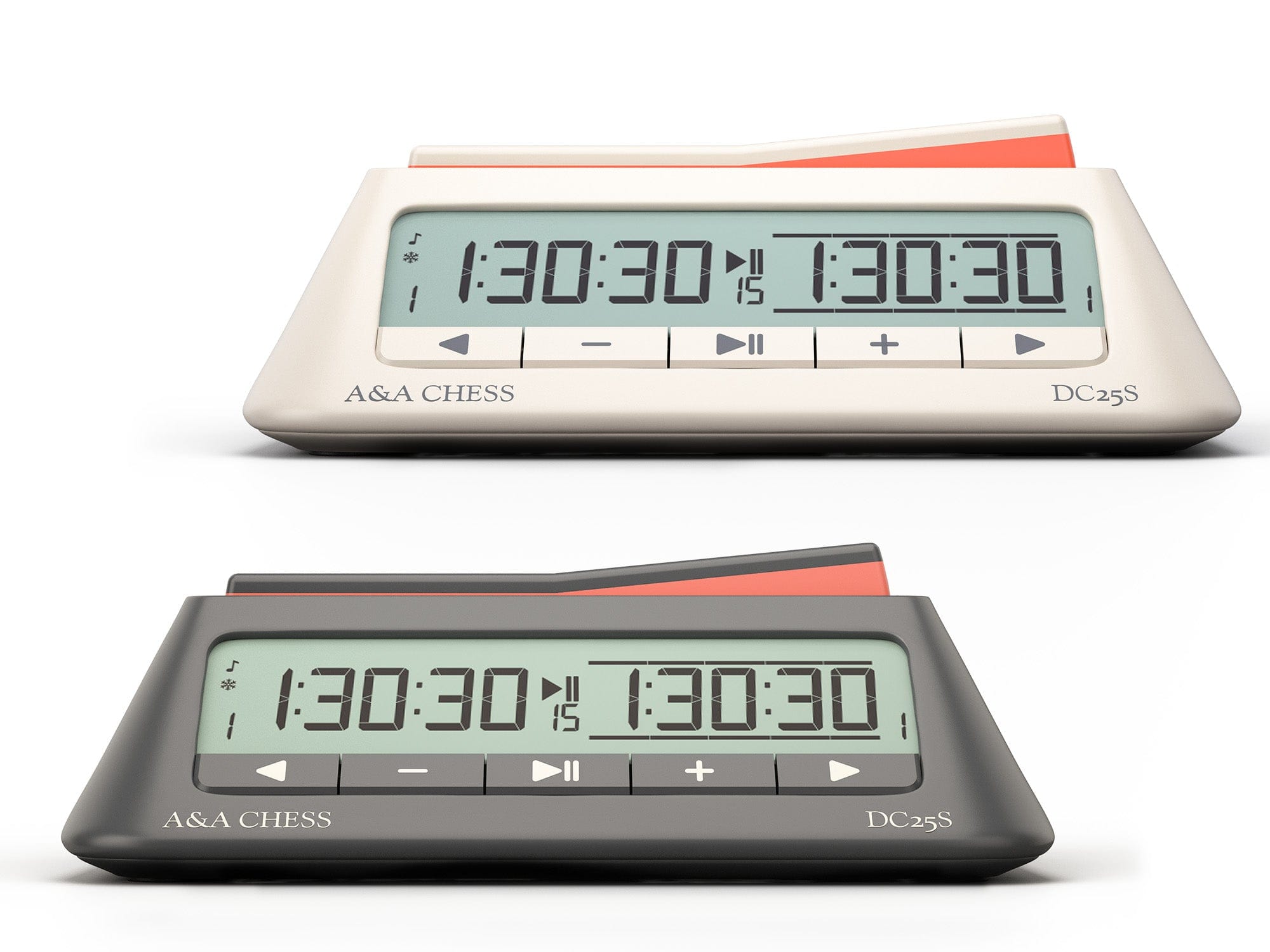
Digital Chess Clocks
Students do not need clocks during their first lesson. Once they can complete legal games, timed play can add energy and help meetings stay on schedule.
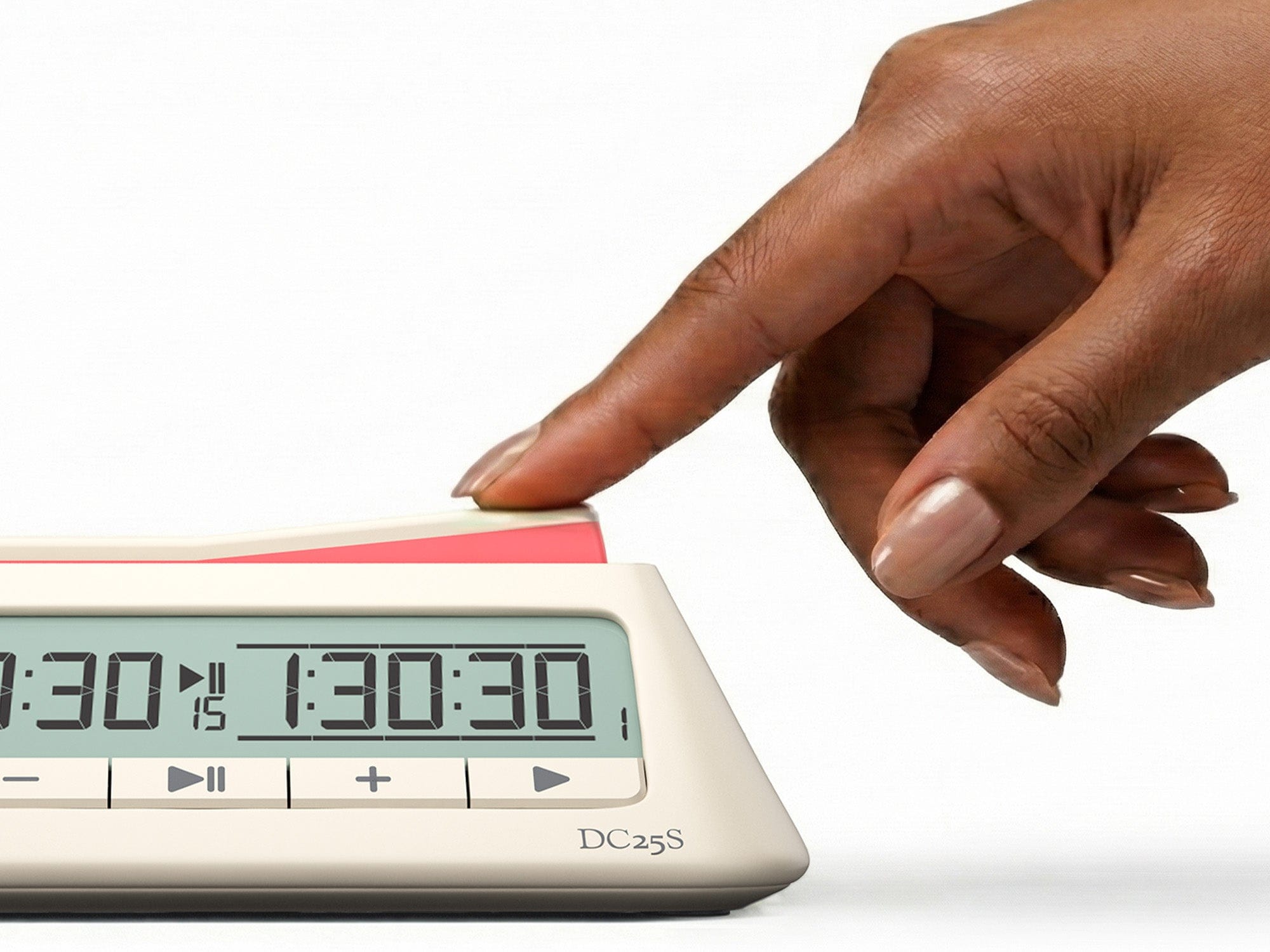
The A&A Professional Digital Chess Clock includes preset modes for rapid, blitz, Fischer increment, delay, and other formats.
Good beginner time controls include:
-
15 minutes per player
-
10 minutes plus 5 seconds per move
-
15 minutes plus 10 seconds per move
-
20 minutes per player
Avoid beginning with extremely fast games. New players need enough time to check whether their king is safe and whether a move is legal.
Chess Scorebooks
Recording games allows students to review mistakes, preserve tournament results, and track progress.
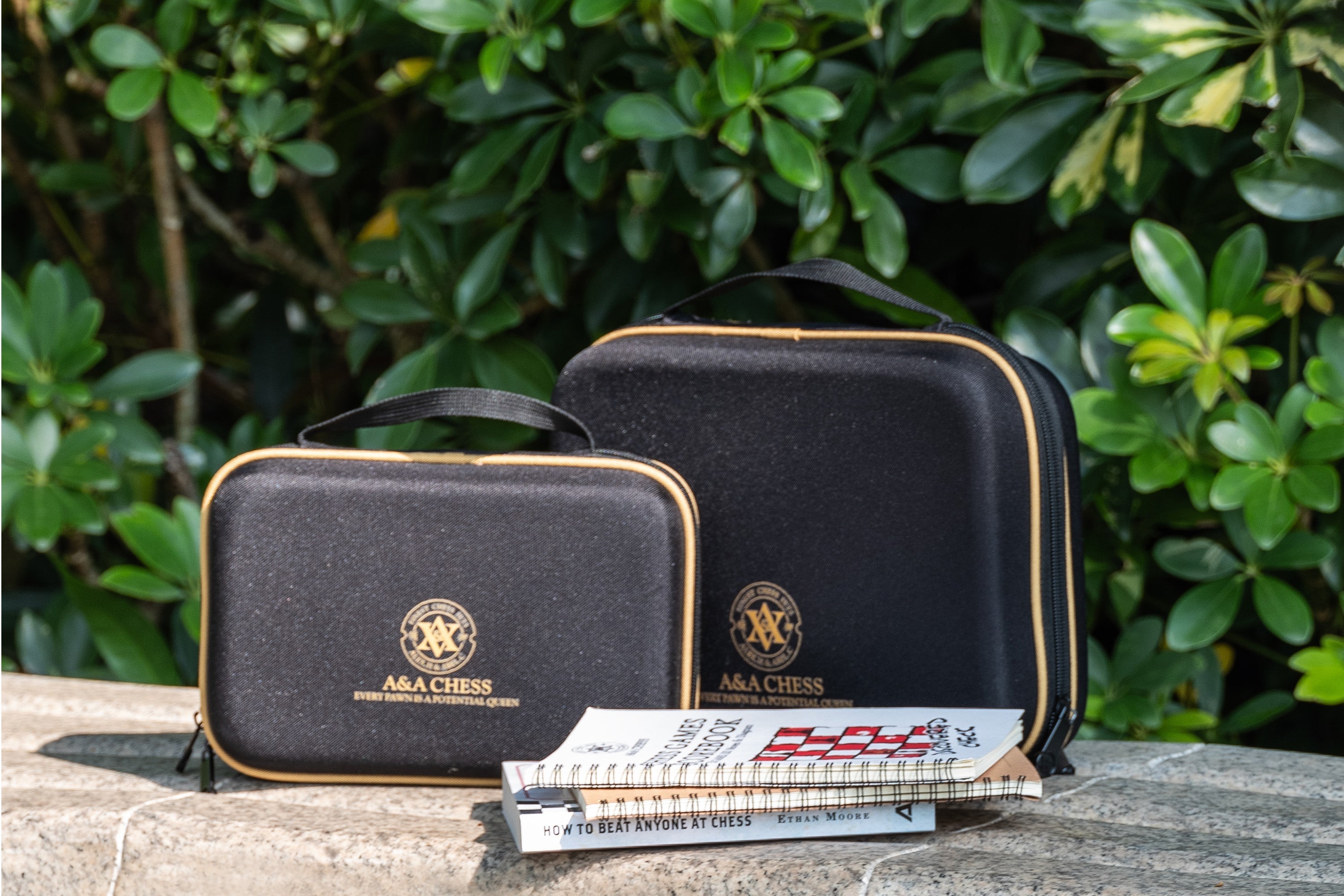
The A&A Chess Games ScoreBook provides space for moves and notes.
Scorebooks are especially useful for:
-
Club championship games
-
Team matches
-
Tournament preparation
-
Coaching sessions
-
Opening study
-
Student progress portfolios
Beginners should learn notation gradually. Do not require complete game recording before students are comfortable moving every piece correctly.
Labels and Storage
Number each board, clock, and storage bag.
For example:
-
Board 01
-
Board 02
-
Clock 01
-
Clock 02
-
Piece Set A
-
Piece Set B
Create a simple equipment checklist so that students can confirm that every set contains:
-
One white king
-
One white queen
-
Two white rooks
-
Two white bishops
-
Two white knights
-
Eight white pawns
-
One black king
-
One black queen
-
Two black rooks
-
Two black bishops
-
Two black knights
-
Eight black pawns
Some sets include additional queens for pawn promotion. Label these clearly so students do not confuse them with missing pieces.
The complete A&A CHESS Accessories collection includes clocks, scorebooks, storage products, coordinate stickers, and chess-themed additions.
8. Plan the First Club Meeting

The first meeting should feel welcoming and active. Avoid spending the entire session reading rules or explaining long-term plans.
A practical 60-minute first meeting could follow this structure:
First 10 Minutes: Welcome and Introductions
Explain:
-
Who can participate
-
When the club will meet
-
Where equipment is stored
-
How students should handle the pieces
-
Whether the club will hold tournaments
-
How beginners will receive help
Ask students to raise their hands based on experience:
-
Never played before
-
Know how the pieces move
-
Can play a complete game
-
Have played in a tournament
-
Are willing to mentor beginners
Next 15 Minutes: Rules Demonstration
Show how to:
-
Set up the board
-
Identify every piece
-
Move the pieces
-
Recognize check
-
Protect the king
-
complete checkmate
-
End a game respectfully
Complete beginners can use the Chess Game Instructions for additional guidance.
Next 25 Minutes: Practice Games
Pair students according to experience.
Beginners can play simplified games using fewer pieces. Experienced students can begin complete games or help supervise new players.
Final 10 Minutes: Club Challenge
End with one easy tactical puzzle or checkmate position.
Ask students to return the equipment correctly before announcing the next meeting.
Finishing with a puzzle gives members a shared challenge and creates a reason to return.
9. Use a Weekly Chess Club Lesson Plan
A club should not feel like another difficult academic class. Short lessons followed by plenty of playing time usually work better than long lectures.
A 60-minute weekly format might include:
| Activity | Time |
|---|---|
| Welcome and announcements | 5 minutes |
| Puzzle of the week | 10 minutes |
| Short lesson | 10–15 minutes |
| Practice games | 25–30 minutes |
| Review and equipment check | 5 minutes |
Here is a sample 12-week beginner curriculum:
Week 1: Board Setup and Piece Movement
Teach the board orientation, starting positions, and movement of each piece.
Week 2: Check, Checkmate, and Stalemate
Explain the difference between attacking the king, winning the game, and drawing the game.
Week 3: Piece Values and Safe Captures
Introduce basic material values and encourage students to check whether a piece is protected before capturing.
Week 4: Opening Principles
Focus on controlling the center, developing minor pieces, and protecting the king.
Week 5: Castling and King Safety
Demonstrate when castling is legal and why king safety matters.
Week 6: Basic Checkmates
Practice king-and-queen versus king and king-and-rook versus king.
Week 7: Forks
Use knights, pawns, and queens to demonstrate double attacks.
Week 8: Pins and Skewers
Show how pieces can be restricted or attacked along files, ranks, and diagonals.
Week 9: Discovered Attacks
Teach students to notice what happens when one piece moves away from another.
Week 10: Pawn Promotion and Basic Endgames
Practice promoting pawns and using the king actively.
Week 11: Chess Clocks and Tournament Etiquette
Introduce timed games, touch-move rules, quiet behavior, and respectful handshakes.
Week 12: Club Tournament
Use a simple tournament to celebrate the completion of the beginner program.
10. Organize Students by Experience Level
One of the greatest challenges in a school chess club is serving complete beginners and experienced competitors in the same room.
Divide students into flexible groups:
Beginner Group
Focus on:
-
Piece movement
-
Legal moves
-
Check and checkmate
-
Simple captures
-
Basic opening principles
-
Short mini-games
Developing Group
Focus on:
-
Tactical patterns
-
Basic notation
-
Game review
-
Simple endgames
-
Time management
-
Longer practice games
Competitive Group
Focus on:
-
Tournament preparation
-
Opening plans
-
Calculation exercises
-
Recorded games
-
Clock management
-
Team matches
Students should be allowed to move between groups as they improve.
Do not describe the lowest group as the “weak group.” Names such as Explorer, Challenger, and Tournament groups create a more positive environment.
11. Create Fun Chess Club Activities
Students may lose interest when every meeting consists only of standard one-on-one games.
Add variety with activities such as:
Puzzle Race
Display several positions and award points for correct solutions.
Hand-and-Brain Chess
Two students form a team. One names the type of piece to move, while the other chooses the move.
Consultation Chess
Small teams discuss each move before making a decision.
Bughouse Chess
Two teams play on two boards, with captured pieces passed to a teammate. Use this only after students understand standard chess.
Guess the Move
Replay a famous or instructor-selected game and ask students to predict the next move.
Chess Ladder
Players challenge someone positioned one or two places above them. The ladder is updated after each result.
King of the Board
The winner remains at the same board while the next challenger enters.
Themed Mini-Games
Use only selected pieces, such as:
-
Pawns versus pawns
-
Rook versus pawns
-
Knight versus pawns
-
King-and-pawn endings
-
Checkmate-in-one challenges
Mini-games help beginners practice one idea without managing all 32 pieces.
12. Run a School Chess Tournament
A school tournament gives students a goal and helps attract attention to the club.
The easiest formats are:
Round-Robin Tournament
Every student plays every other student.
This is suitable for small groups of approximately four to eight players.
Swiss-Style Tournament
Players are paired with opponents who have similar scores.
This works better for larger clubs because students do not need to play everyone.
Knockout Tournament
The winner advances and the loser is eliminated.
This format is exciting but gives some students only one game. Consider adding a consolation event so everyone continues playing.
Team Tournament
Students compete in teams based on grade, class, house, or school.
Team events reduce pressure on individual players and create a stronger school atmosphere.
A simple scoring system is:
-
Win: 1 point
-
Draw: 0.5 points
-
Loss: 0 points
Before the event, explain:
-
Time control
-
Pairing method
-
Touch-move policy
-
Illegal move procedure
-
Tie-break system
-
Expected behavior
-
How results are reported
Use digital clocks for the championship section and allow beginners to play without clocks when necessary.
Certificates can recognize more than the overall winner. Consider awards for:
-
Best beginner
-
Best sportsmanship
-
Most improved player
-
Best tactical game
-
Best defensive game
-
Most active member
-
Best mentor
-
Puzzle champion
This creates more opportunities for students to feel successful.
13. Recruit and Retain Club Members
Use clear language in recruitment materials.
Instead of writing:
Experienced chess players needed.
Write:
Learn chess, play friendly games, solve puzzles, and join school tournaments. Complete beginners are welcome.
Recruitment methods include:
-
Morning announcements
-
Posters
-
School newsletters
-
Parent emails
-
Classroom visits
-
Demonstration tables
-
Social media posts
-
Library displays
-
Family game nights
-
Bring-a-friend meetings
Retention is more important than initial sign-ups.
Students are more likely to continue attending when:
-
Meetings begin on time
-
Equipment is ready
-
Beginners receive help
-
Activities change regularly
-
Games are fairly matched
-
Improvement is recognized
-
Students have leadership roles
-
Tournaments are announced in advance
-
Losing is treated as part of learning
Keep attendance records, but avoid making the club feel overly strict. Students should see the club as a welcoming community.
14. Establish Clear Club Rules
Post a short list of rules where everyone can see them.
Recommended school chess club rules include:
-
Treat every opponent respectfully.
-
Handle the boards, pieces, and clocks carefully.
-
Do not distract games in progress.
-
Ask before joining or interrupting a game.
-
Report results honestly.
-
Return every piece to the correct container.
-
Keep food and drinks away from the boards.
-
Use quiet voices during tournament games.
-
Offer help without criticizing beginners.
-
Shake hands or thank the opponent after each game.
Create a clear procedure for disagreements.
Students should pause the game and ask the club supervisor or tournament director rather than arguing across the board.
15. Solve Common Chess Club Problems
Problem: Too Many Beginners and Too Few Teachers
Train experienced students as beginner mentors.
Give each mentor a simple lesson card covering one topic. Rotate mentors so that no student spends every meeting teaching instead of playing.
Problem: Missing Chess Pieces
Number every set and complete an equipment check at the end of each meeting.
Keep a small container of replacement pieces for temporary use.
Problem: Large Differences in Playing Strength
Use flexible groups, handicapped challenges, team games, puzzles, and simultaneous exhibitions.
Avoid repeatedly pairing the strongest player with complete beginners.
Problem: Students Finish Games at Different Times
Prepare a puzzle station, analysis table, and casual mini-game area for students who finish early.
Problem: Students Play Too Quickly
Introduce a “ten-second rule” for beginners. Before moving, they should check:
-
Is my king safe?
-
Is the piece I am moving protected?
-
Can my opponent capture it?
-
Do I have a check or capture?
-
What is my opponent threatening?
Problem: Tournament Results Cause Arguments
Publish the tournament rules before the first round. Assign one adult or trained student to make final decisions.
Problem: Limited Funding
Start small with a few durable sets.
Ask families to donate unused boards, run a school fundraiser, seek community sponsors, or contact suppliers about school and wholesale purchasing.
Prioritize playable equipment over trophies and decorations.
School Chess Club Equipment Checklist
Before launching the club, prepare:
-
One chess set for every two students
-
One or two spare chess sets
-
Numbered storage containers
-
Printed basic rules
-
Attendance sheet
-
Pencils
-
Score sheets or scorebooks
-
Several digital chess clocks
-
Puzzle sheets
-
Tournament result forms
-
Cleaning cloths
-
Replacement pieces
-
Club rules poster
-
Sign-up forms
-
Certificates or simple prizes
Frequently Asked Questions
How much does it cost to start a school chess club?
The cost depends mainly on the number and type of chess sets purchased.
A small club can start with four to six durable beginner sets and add clocks, scorebooks, and premium boards later. Schools can reduce initial costs through activity funding, donations, sponsorships, or wholesale inquiries.
How many chess sets does a school club need?
Plan for one set per two active students, plus at least one spare set.
A club expecting 20 students should ideally have approximately 10 to 12 sets.
Does the club sponsor need to be good at chess?
No.
The sponsor primarily provides organization, supervision, communication, and equipment management. Experienced students, volunteers, printed materials, and learning resources can support chess instruction.
What is the best chess set for a school club?
Durable silicone or plastic sets are generally practical for regular group use.
Magnetic folding boards are helpful for younger learners and compact spaces. Larger silicone sets are suitable for club games, lessons, and tournament preparation.
How long should a school chess club meeting last?
Most clubs can operate effectively with a weekly meeting of 45 to 90 minutes.
A 60-minute session provides enough time for a short lesson, practice games, and equipment cleanup.
What age can students begin playing chess?
Students can begin learning piece movement and simple mini-games at an early age. The lesson length and difficulty should match their attention span and developmental level.
Younger students generally benefit from shorter sessions, simplified positions, and more game-based instruction.
Should beginners use chess clocks?
Beginners should first learn how to complete legal moves and recognize check.
Clocks can be introduced gradually with generous time controls. Extremely fast blitz games are not necessary during early instruction.
How can a school chess club attract more girls?
Use inclusive images and language in promotional materials, invite female teachers and experienced students to take leadership roles, and avoid presenting chess as an activity intended for one specific type of student.
A welcoming club culture is more effective than a single recruitment campaign.
How can students improve outside club meetings?
Encourage them to:
-
Solve a few puzzles each week
-
Play longer games
-
Review one mistake after each game
-
Practice basic checkmates
-
Learn algebraic notation
-
Recreate positions on a physical board
-
Attend school and community tournaments
Should a school club focus on competition?
Competition should be optional.
Some students enjoy tournaments, rankings, and team matches. Others prefer casual games and social interaction. A strong club provides space for both groups.
Final Thoughts
A successful school chess club is not defined by the number of trophies it wins.
Its success can be seen when a complete beginner confidently sets up a board, an experienced student patiently teaches a younger player, and students from different grades sit together for a thoughtful game.
Begin with a clear purpose, a dependable meeting schedule, durable equipment, and a welcoming attitude toward beginners.
Add structured lessons, clocks, scorebooks, student leadership, and tournaments as the club grows.
Most importantly, make it easy for students to participate. Keep the boards organized, lessons short, games enjoyable, and competition respectful.
Schools, teachers, parents, and club organizers can explore A&A CHESS for beginner chess sets, tournament equipment, folding boards, silicone chess sets, digital clocks, scorebooks, storage accessories, and additional resources for building a reliable school chess program.




Leave a comment
This site is protected by hCaptcha and the hCaptcha Privacy Policy and Terms of Service apply.