









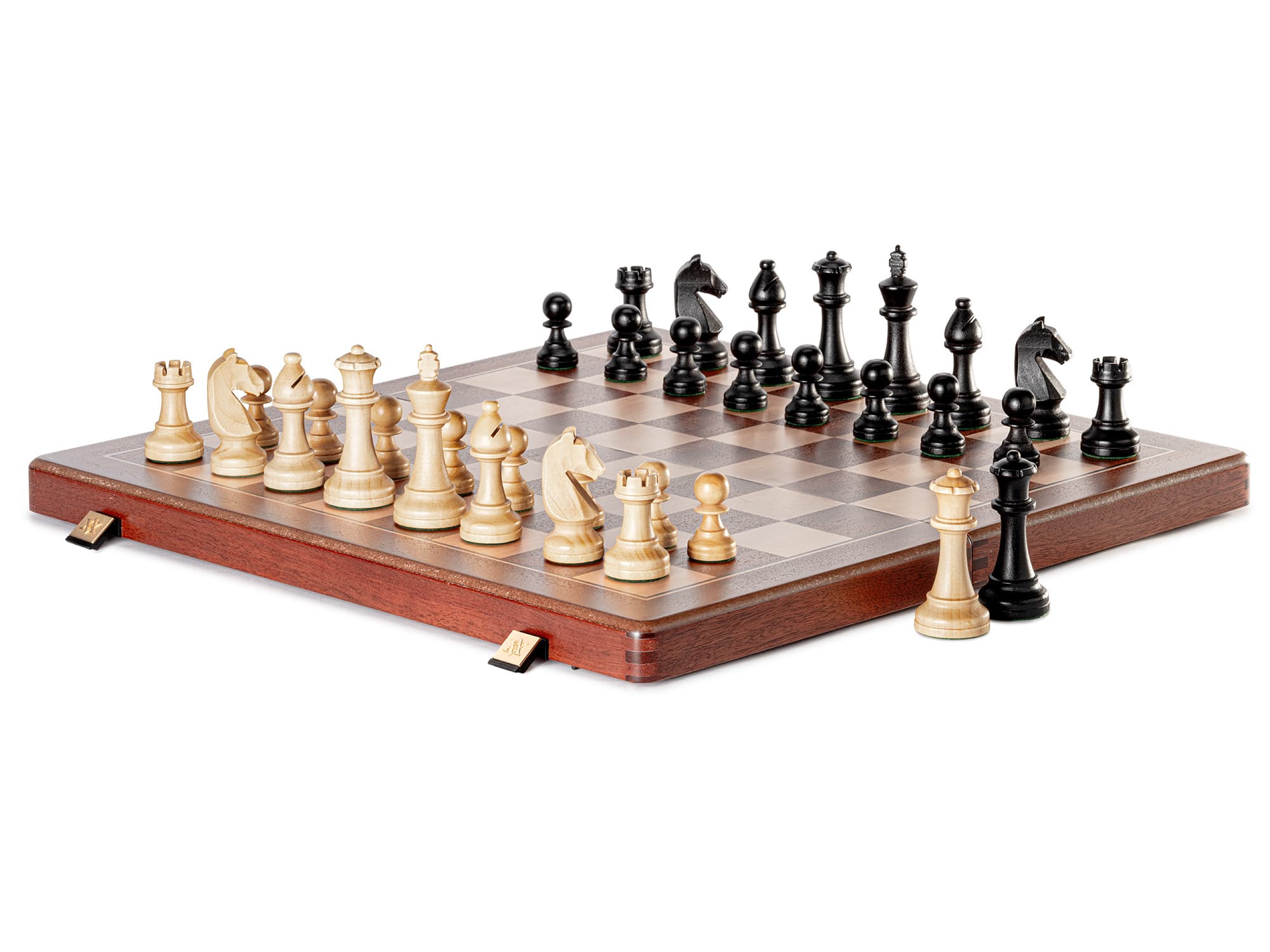
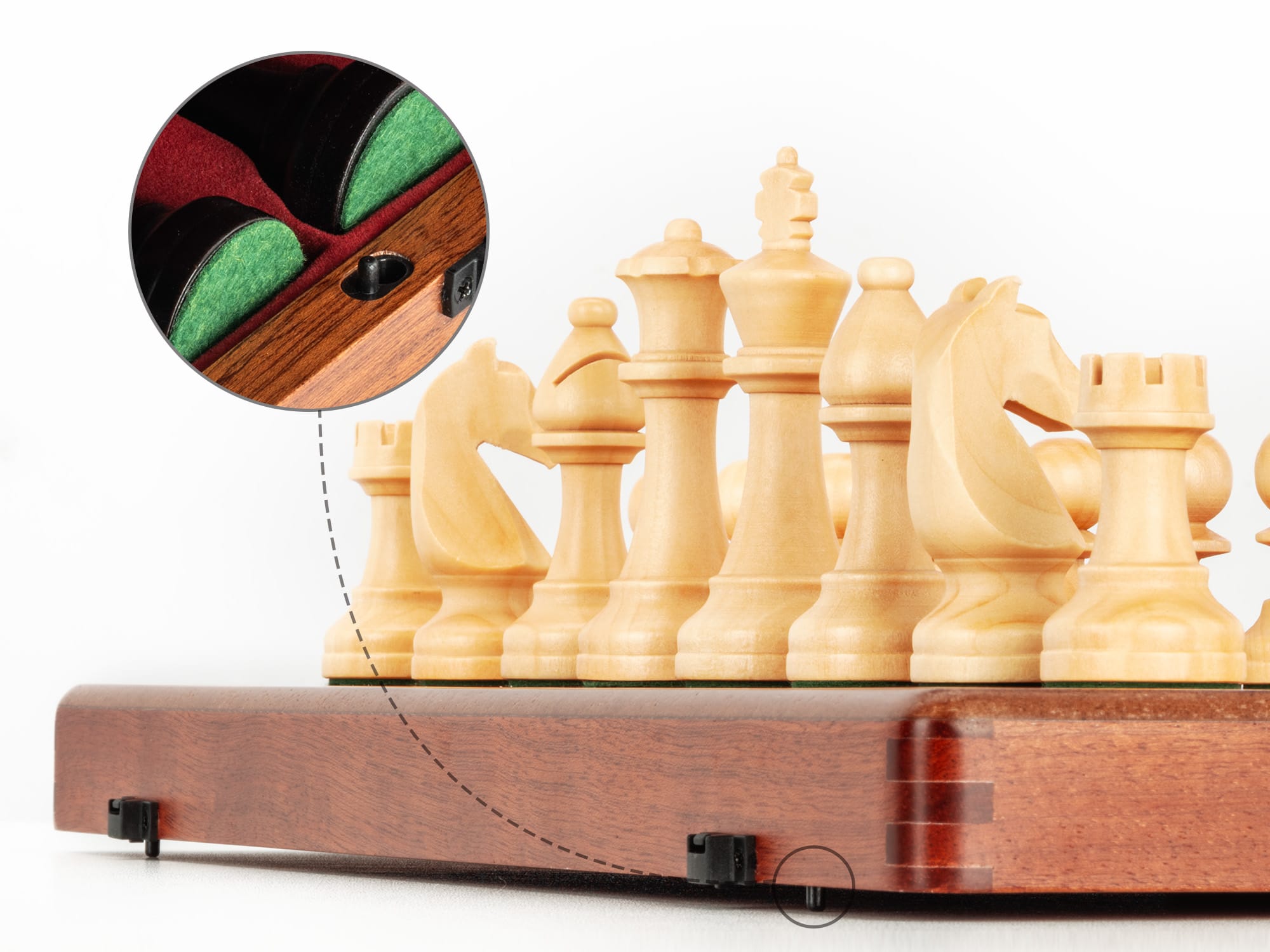
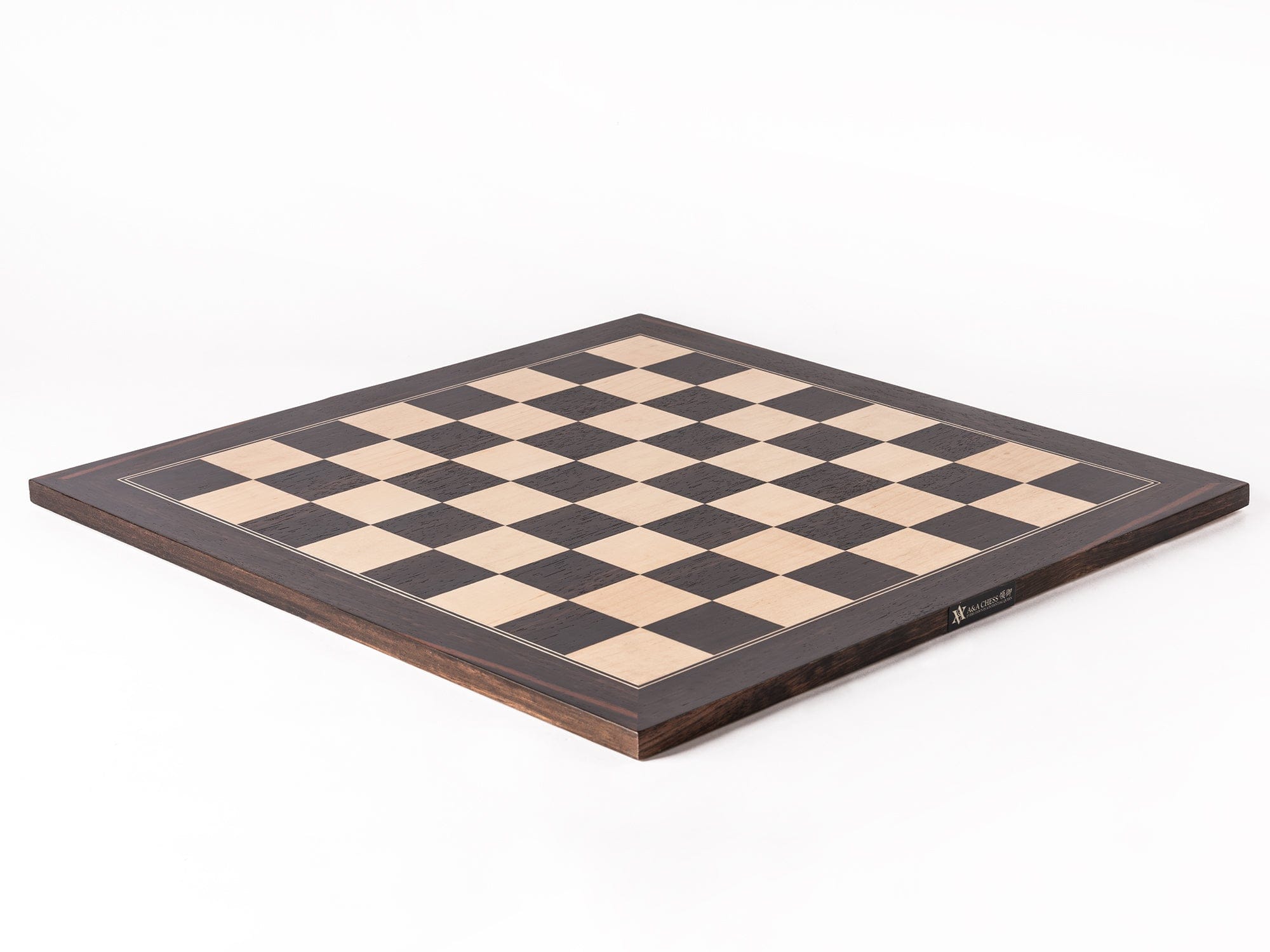
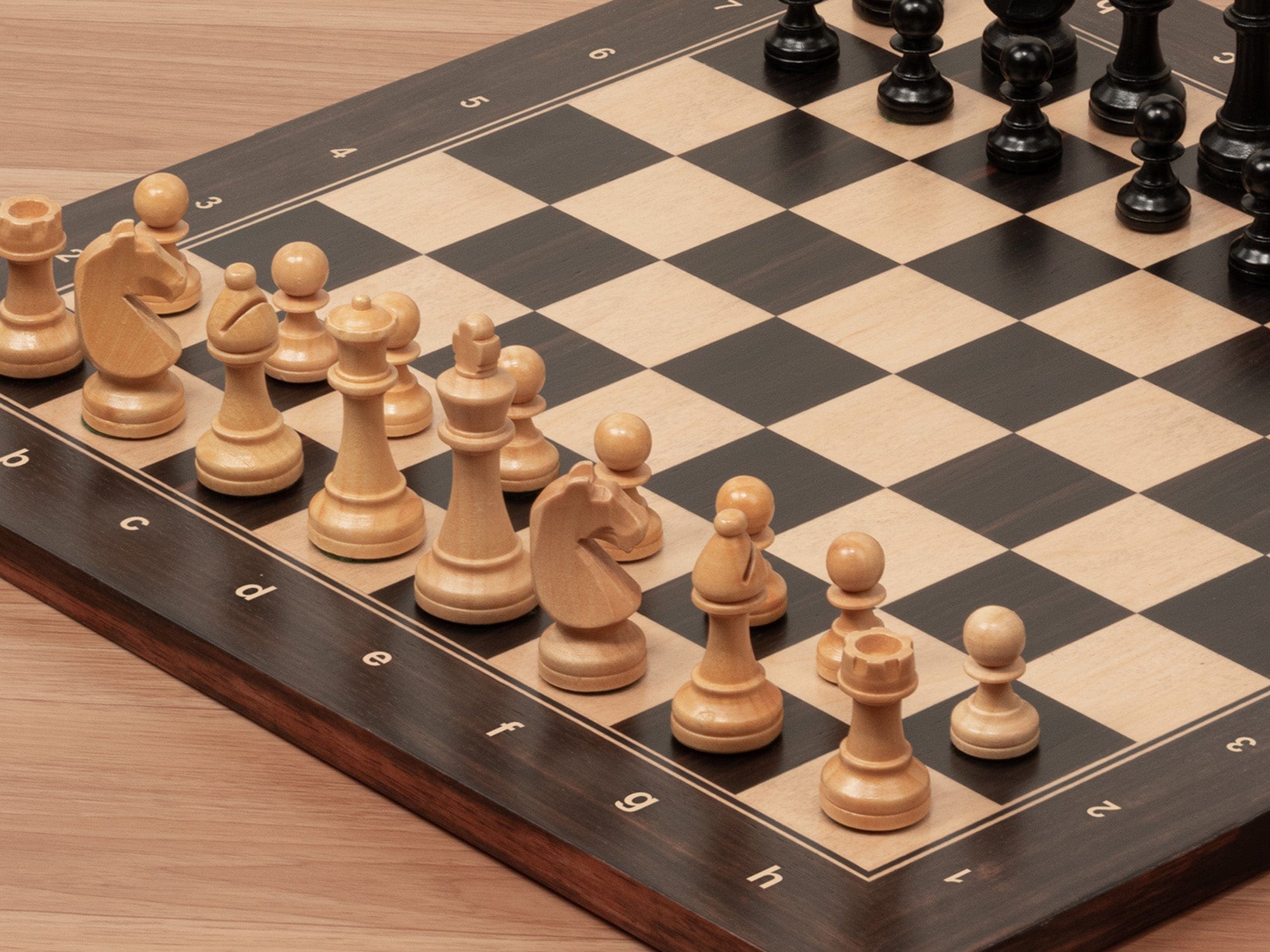
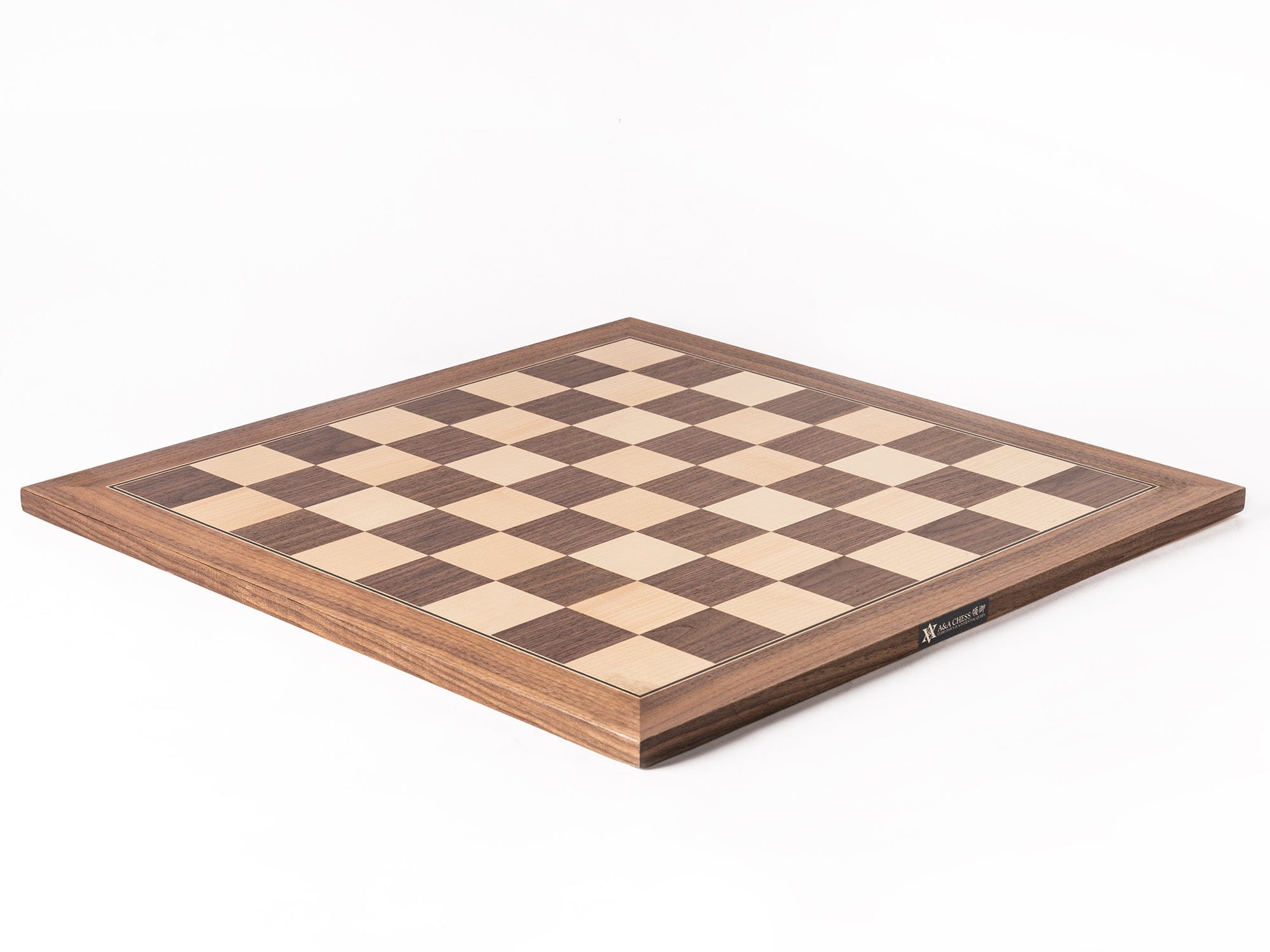
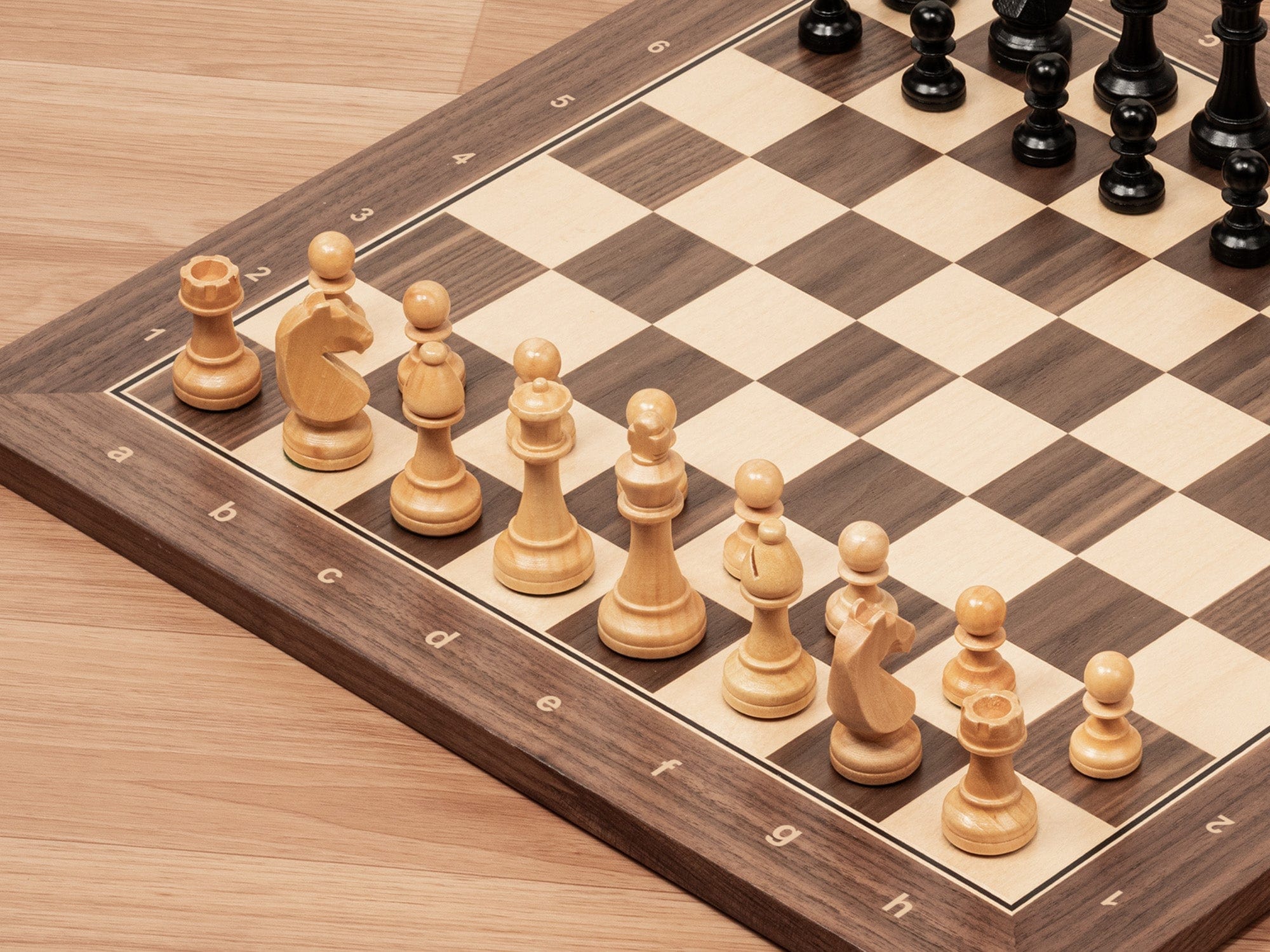
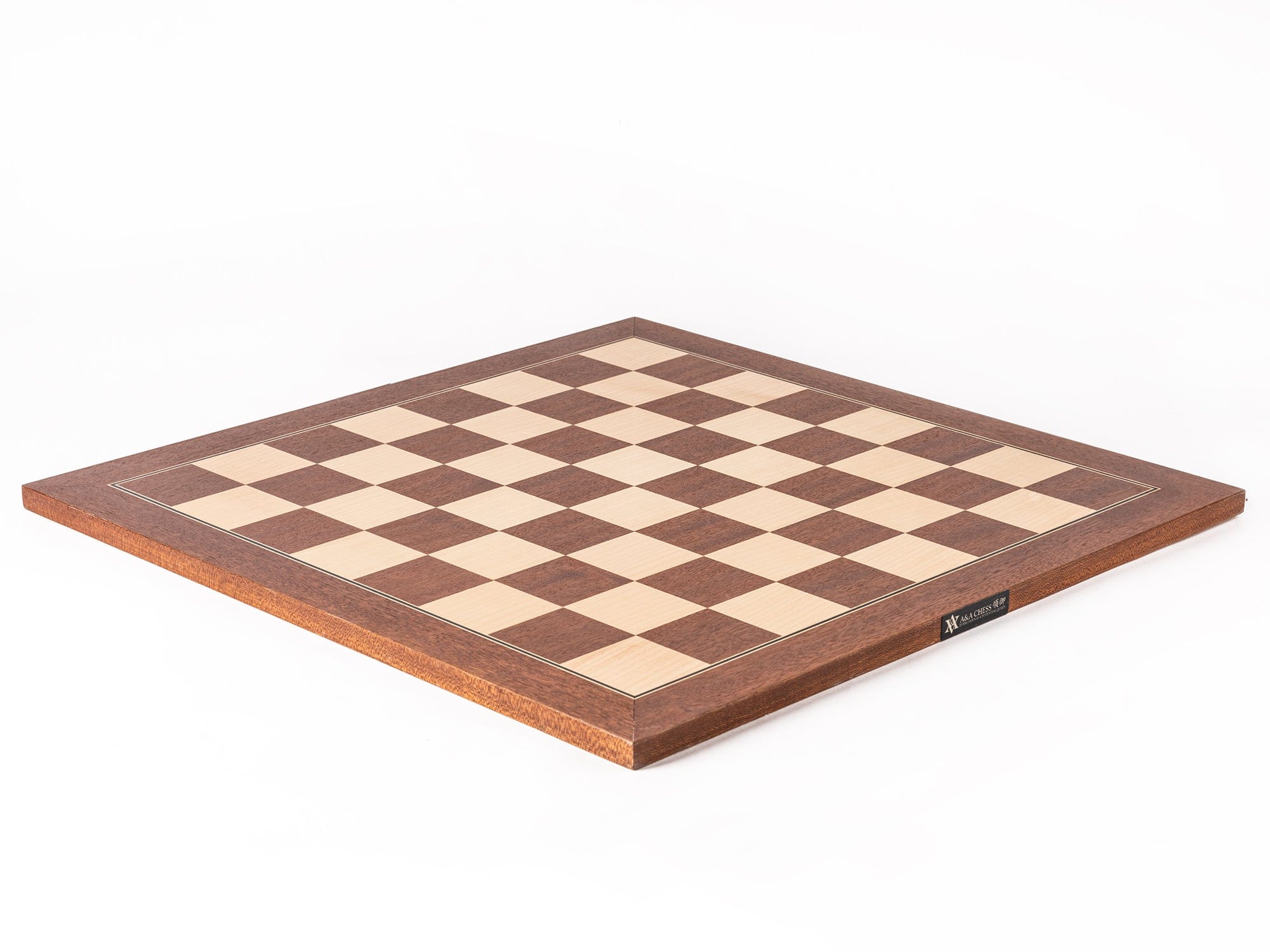
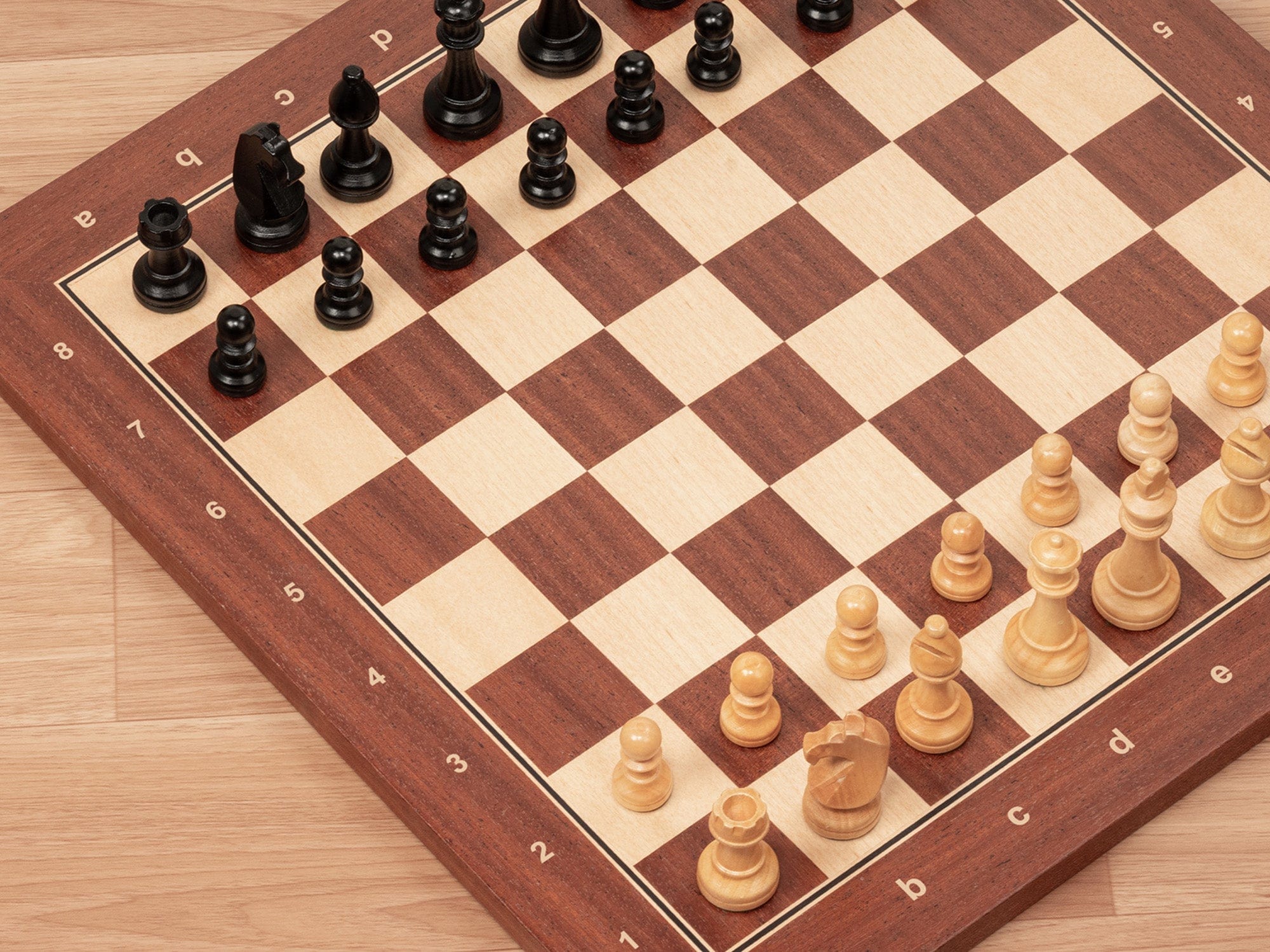
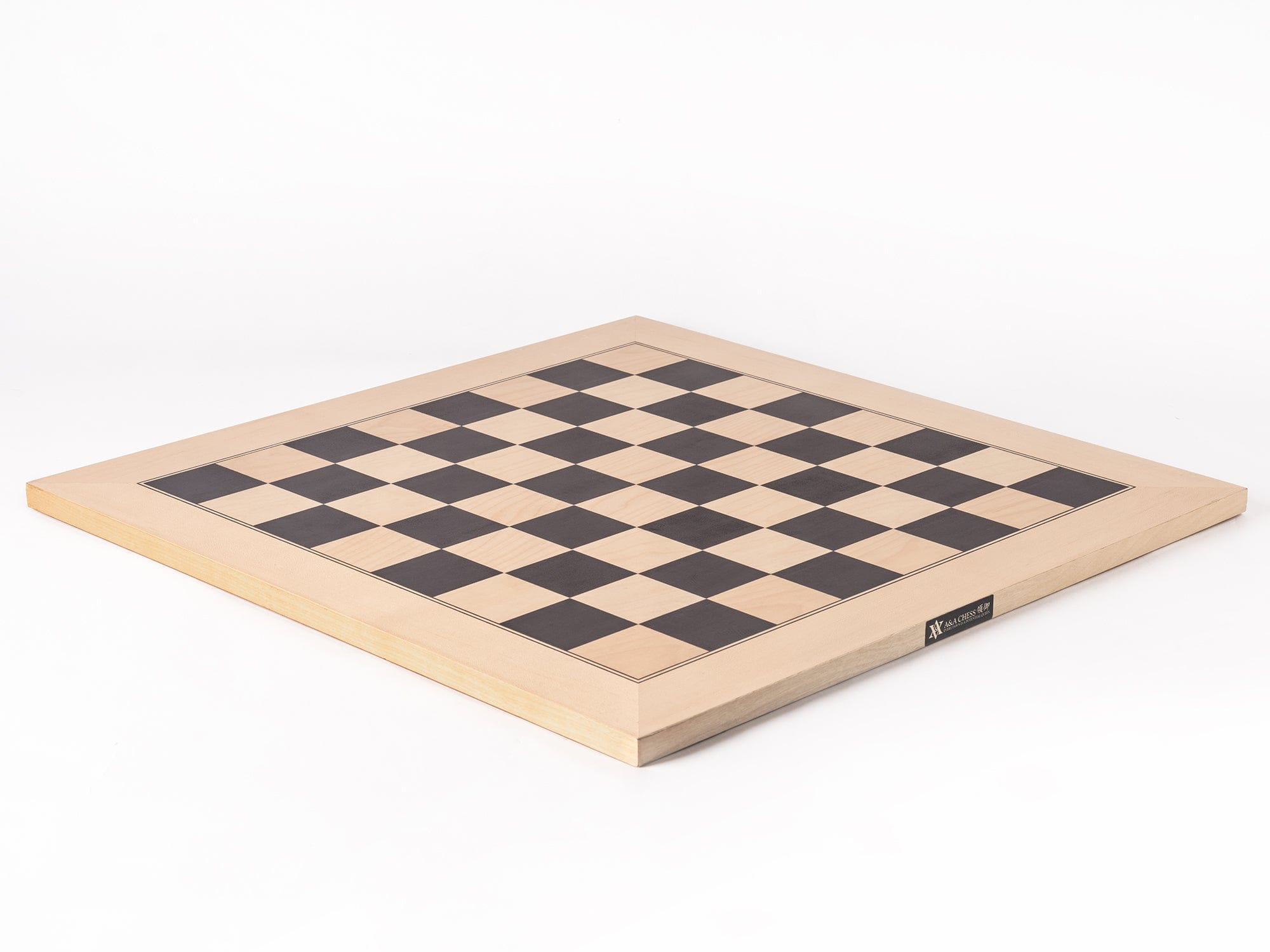
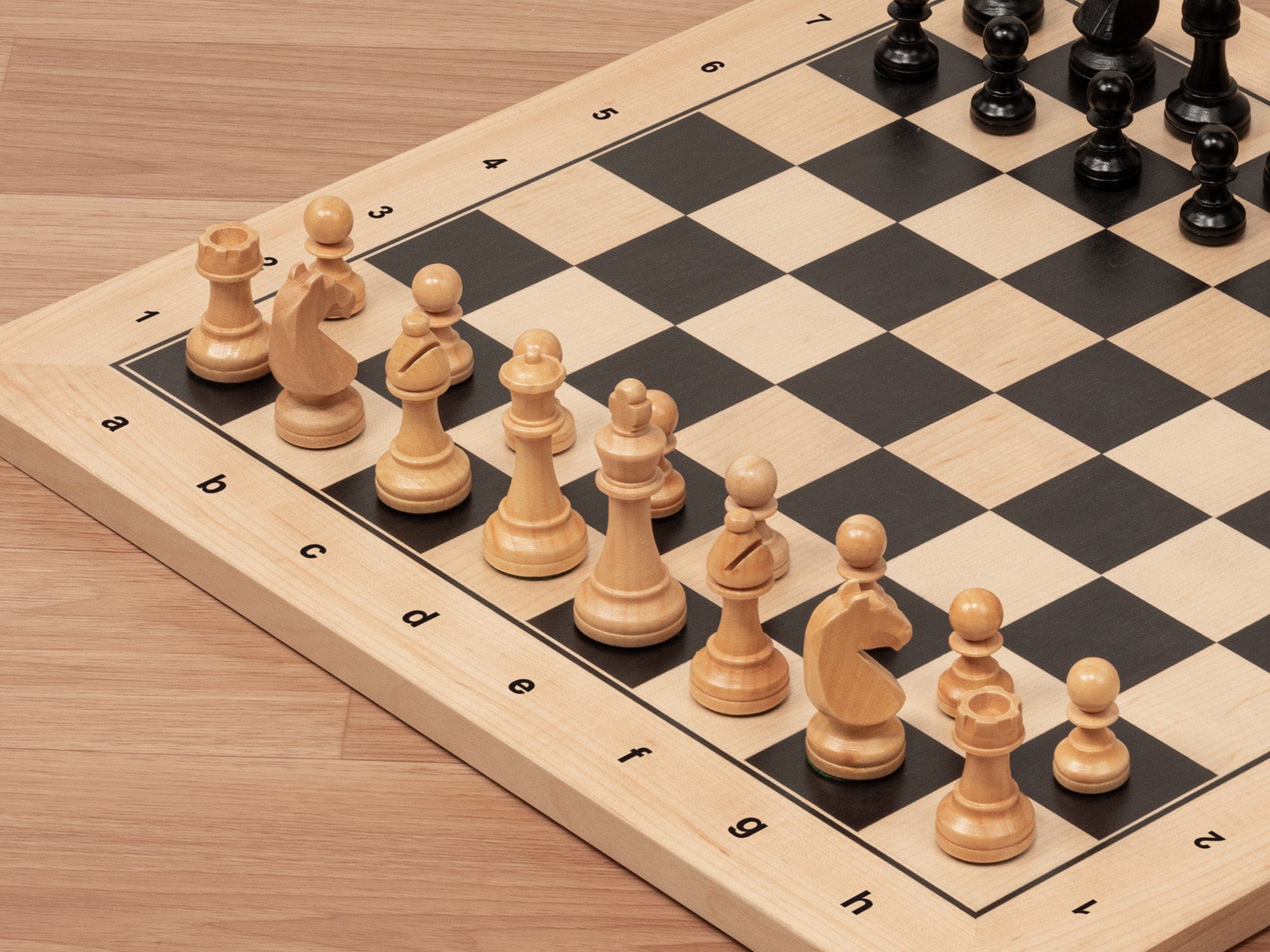
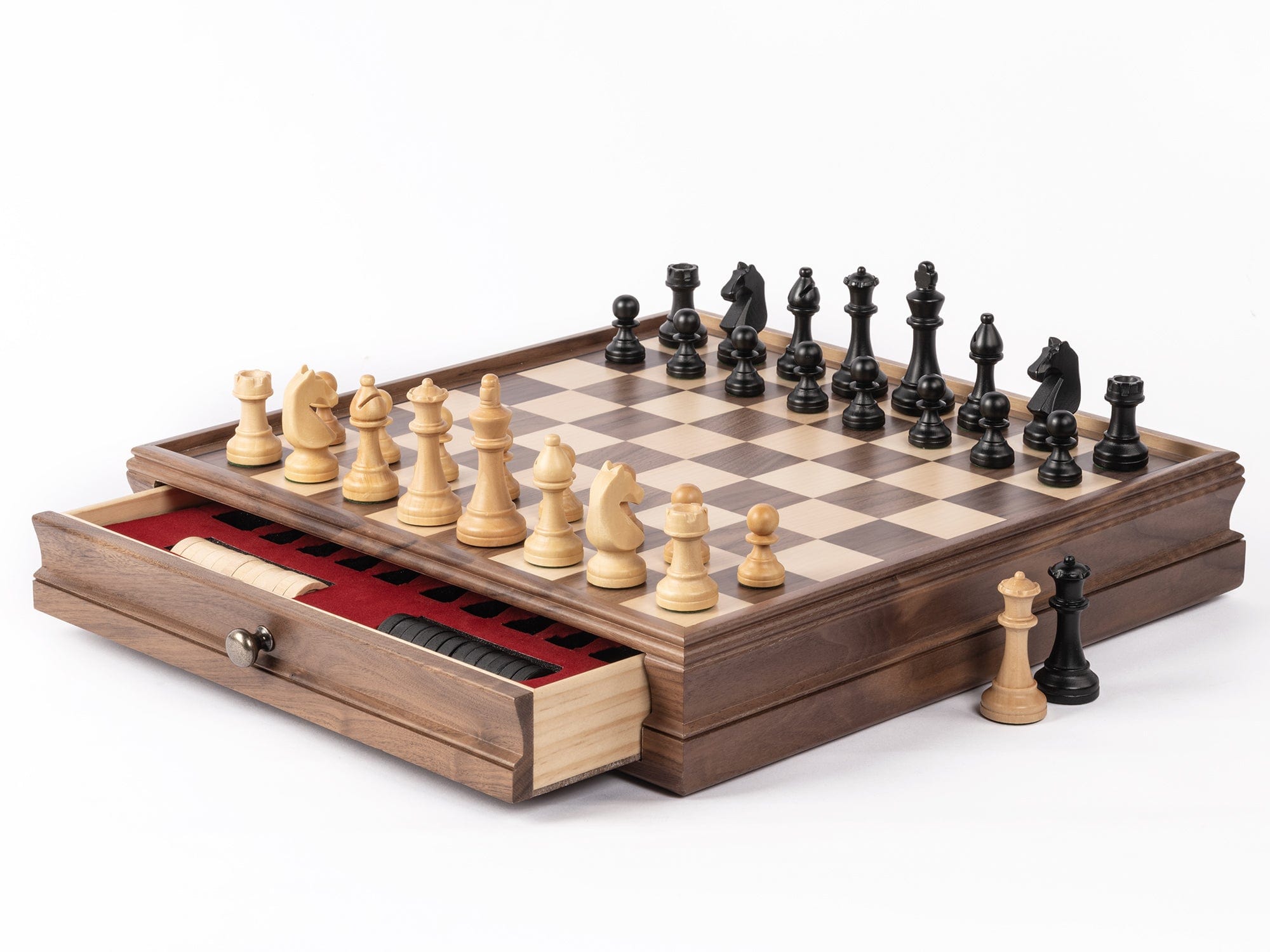
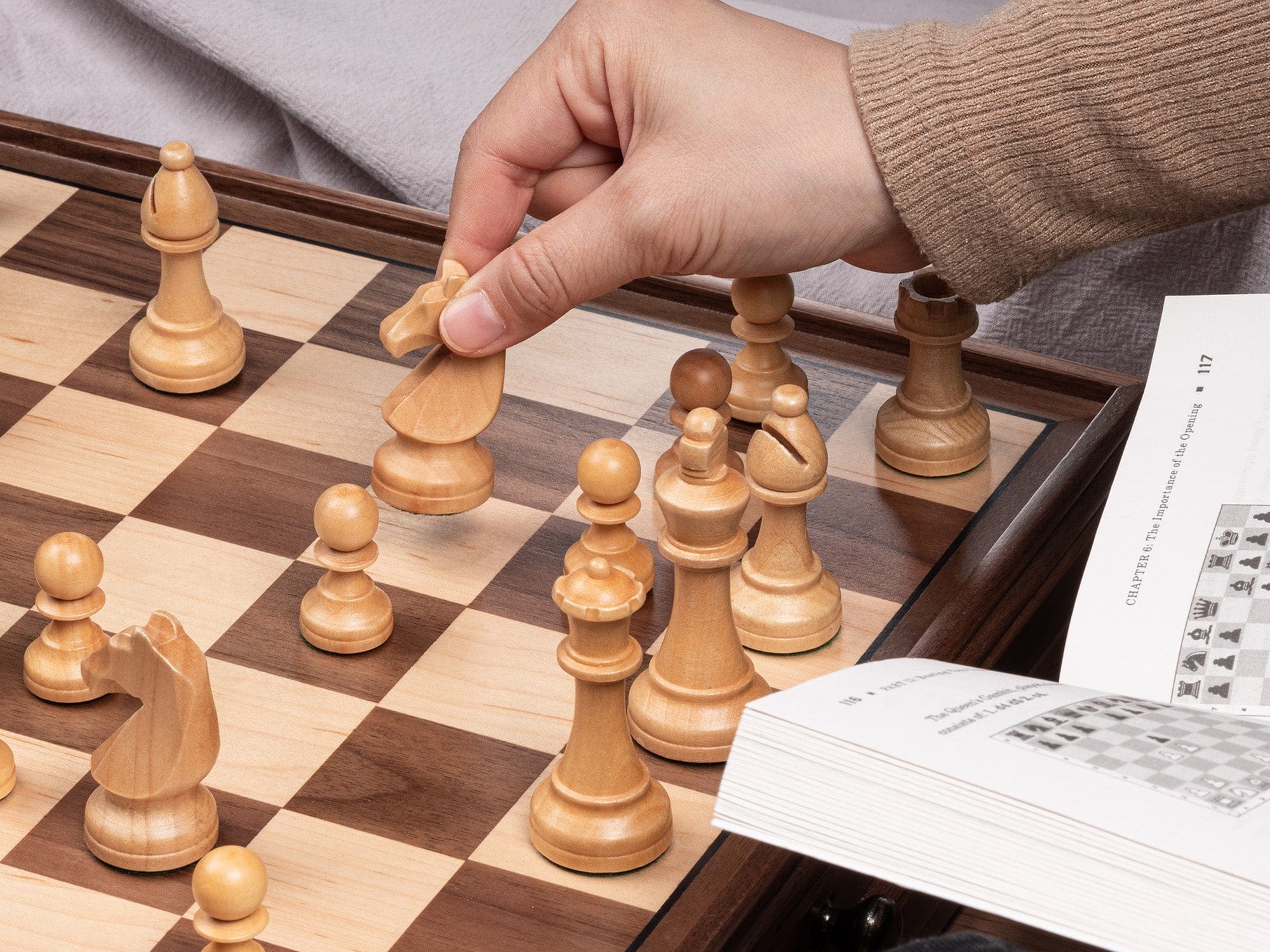
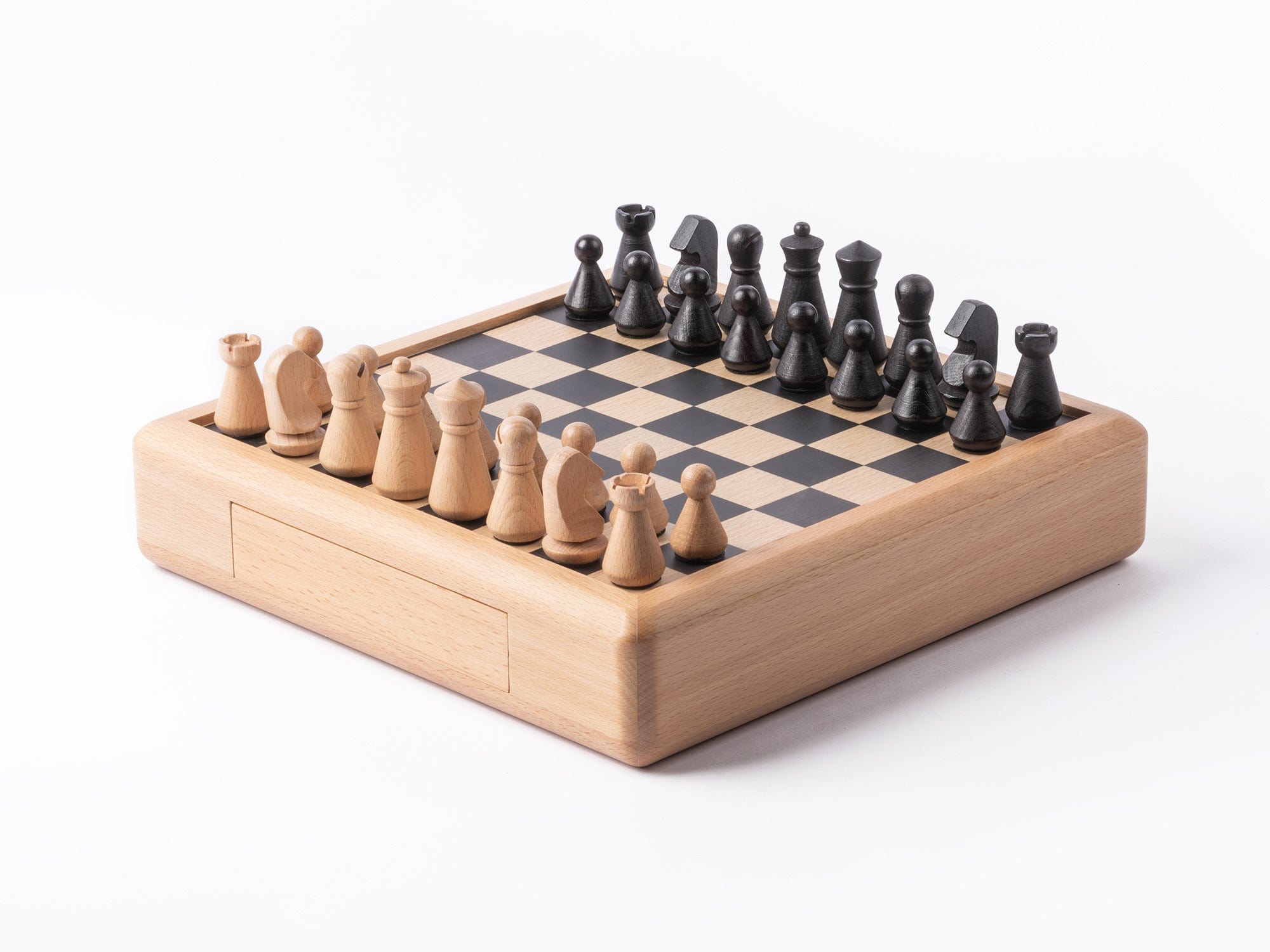
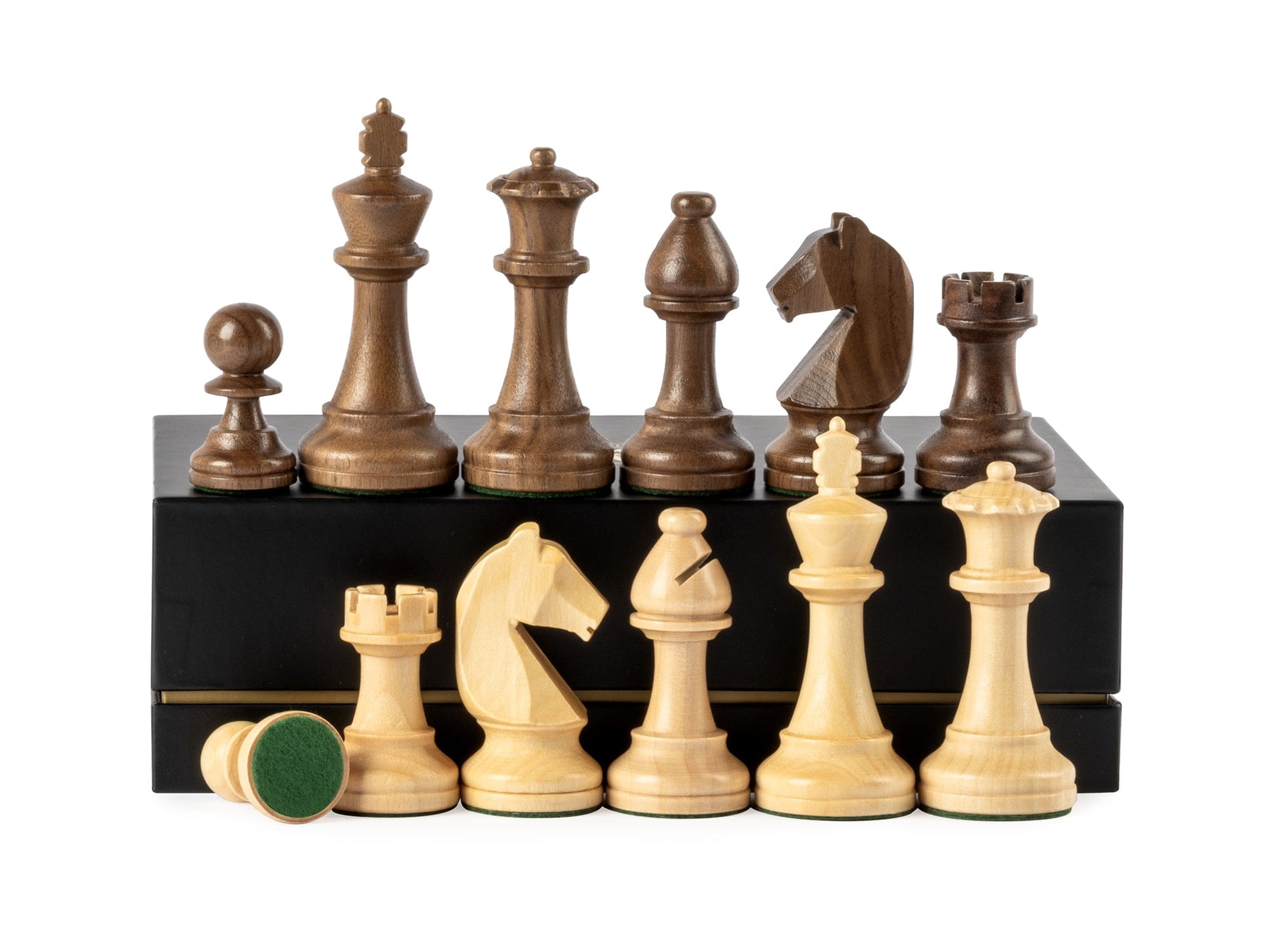



Chess Board Sizes Explained: Tournament Dimensions, Squares, and Piece Fit
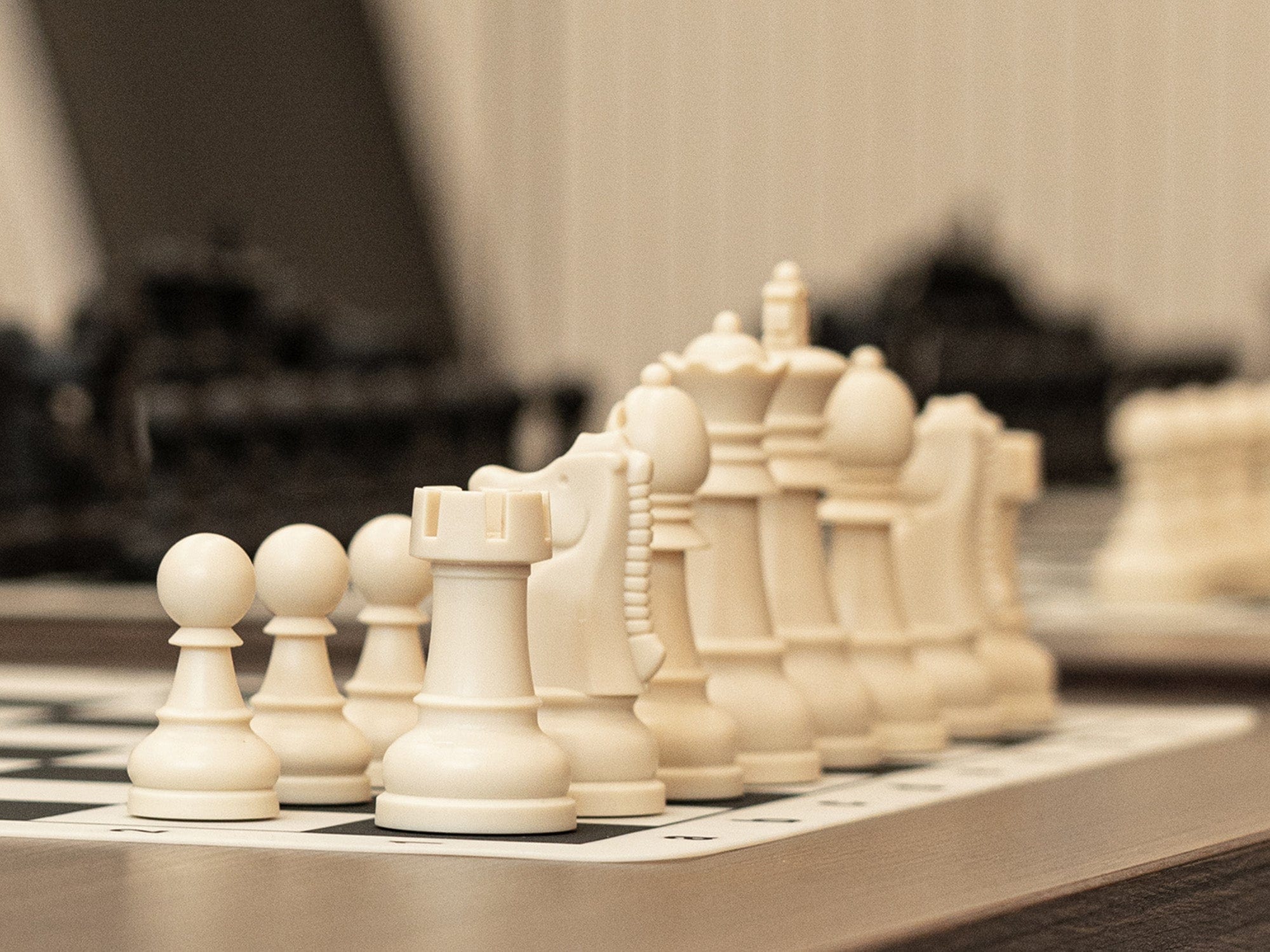
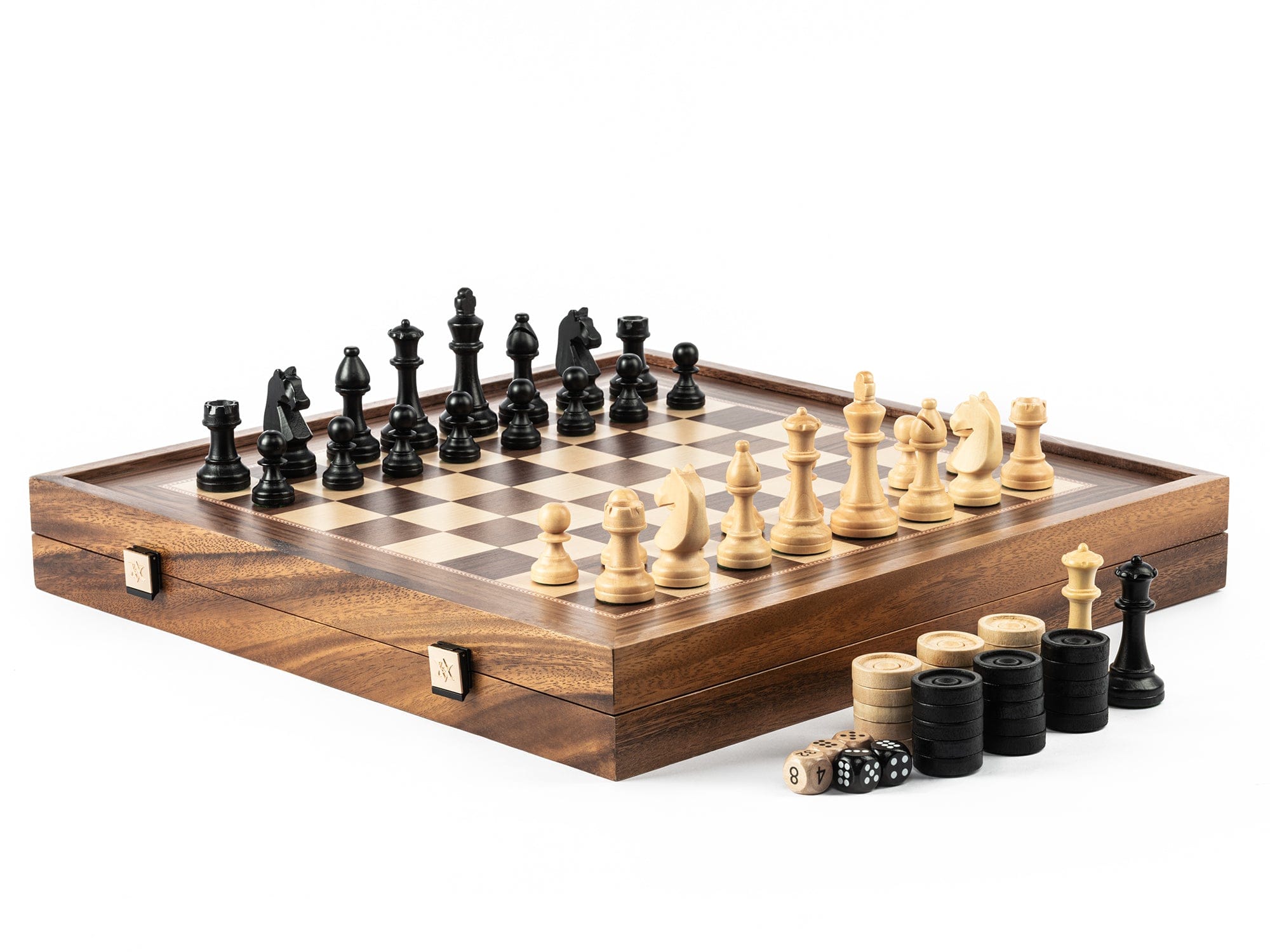
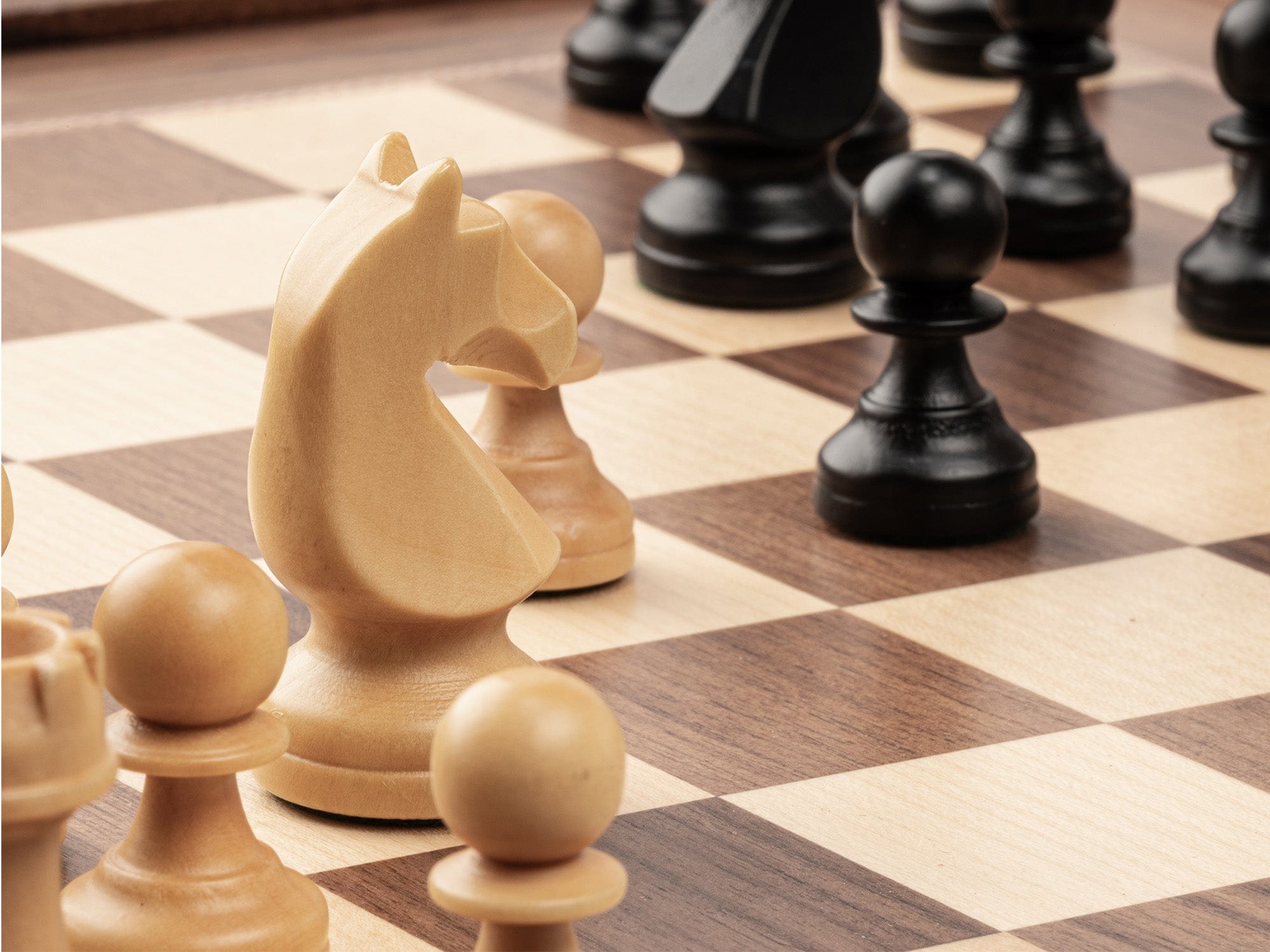
Introduction: Why Chess Board Size Matters More Than You Think Chess boards come in all shapes and sizes—but which one is right for you? When choosing a chess board, the size of the board and the s...
How to Analyze Your Chess Games Like a Coach (Step-by-Step Guide)
Introduction Many chess players spend years playing games without seeing consistent improvement. They play online every day, experiment with new openings, and occasionally solve puzzles, yet thei...

How to Choose a Travel Chess Set: Magnetic vs Silicone vs Wooden (2026 Guide)
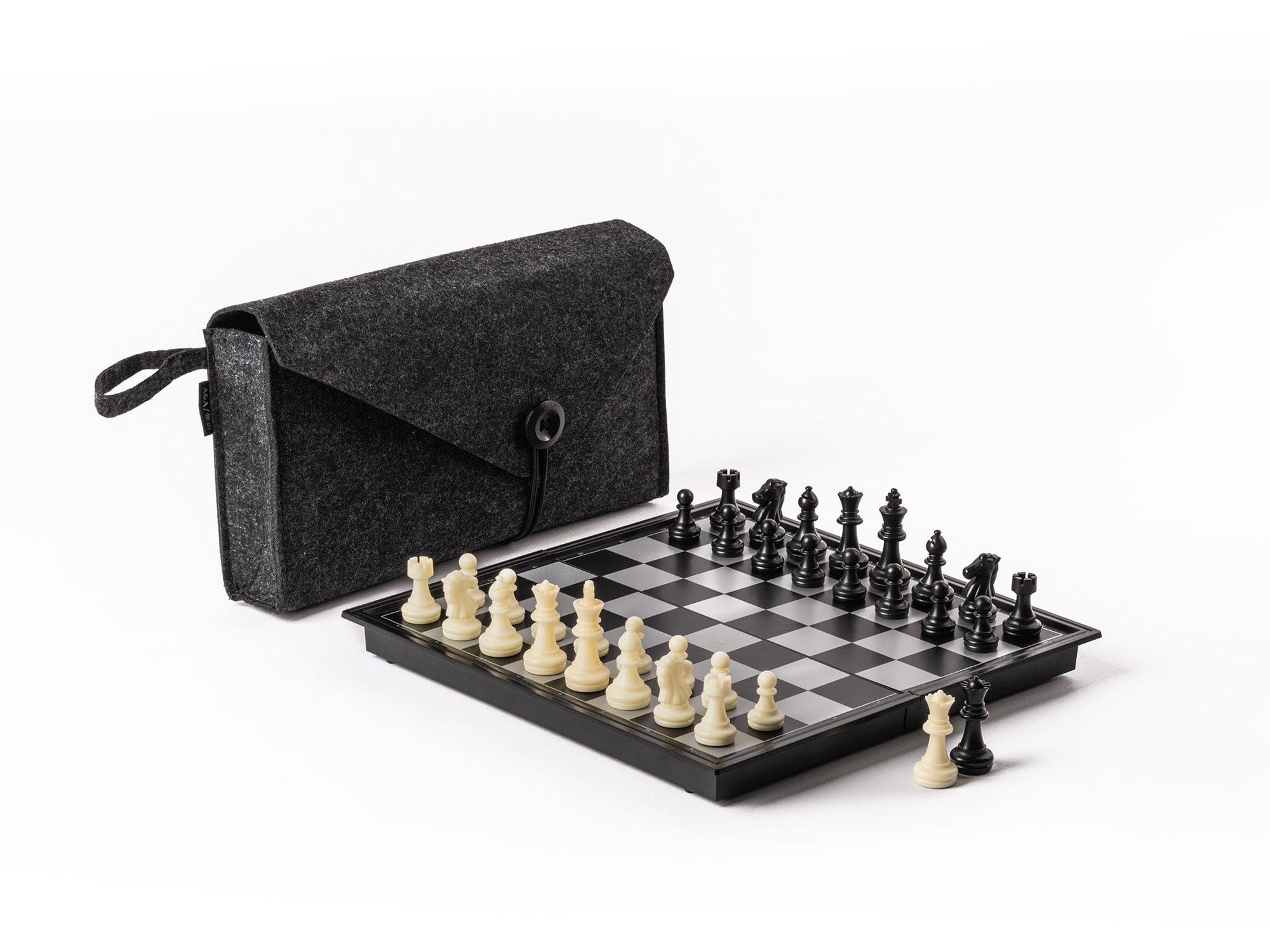
Introduction: A Travel Chess Set Should Make You Play More, Not Pack More A good travel chess set does one simple thing: it removes friction. When you’re on a plane, in a hotel lobby, at a café, wa...
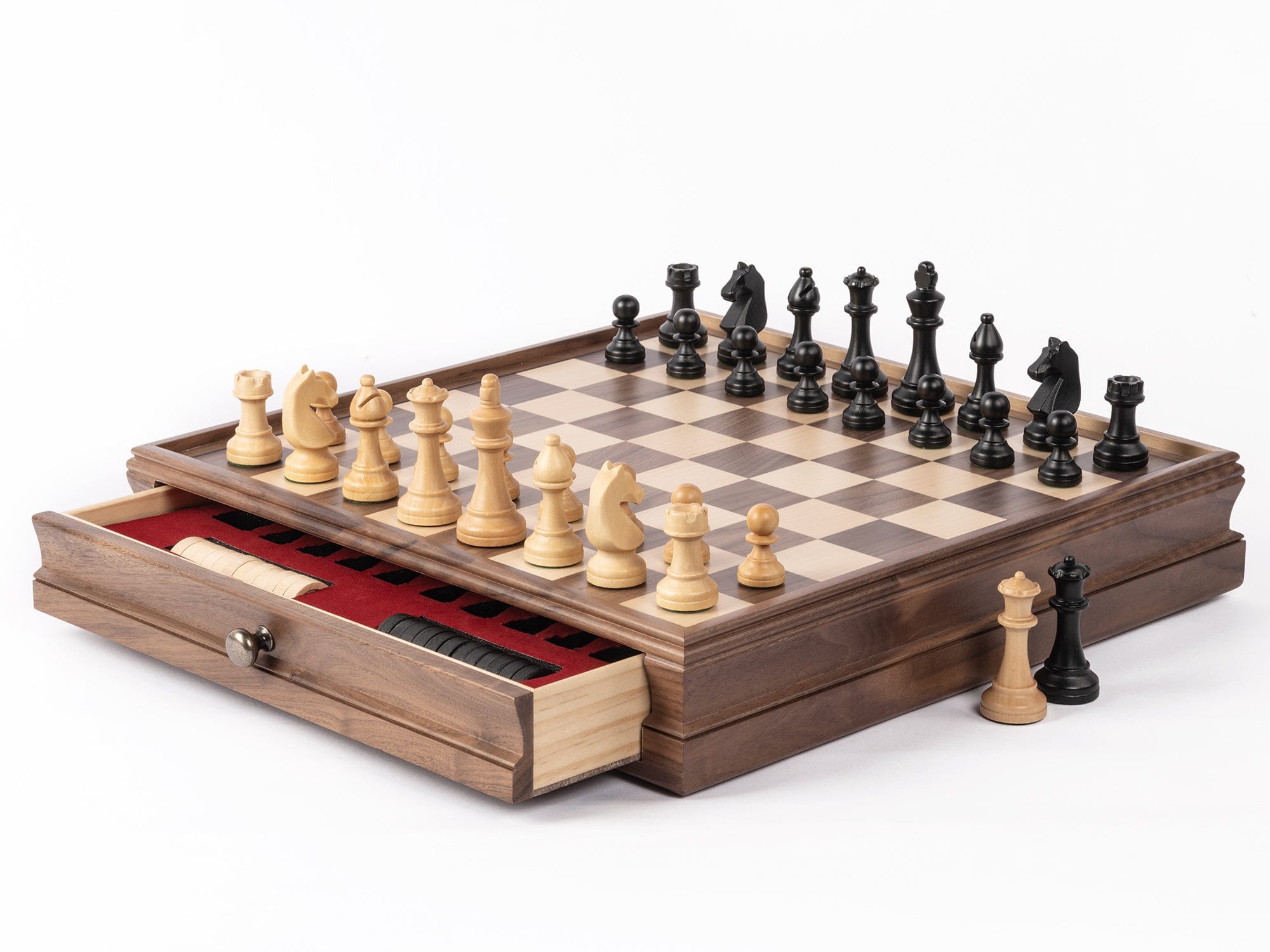
Positional Chess Explained: Space, Structure, and Piece Activity
Introduction Positional chess is often described as the “quiet” side of the game, but this description is misleading. While positional play may not always involve spectacular sacrifices or forced c...
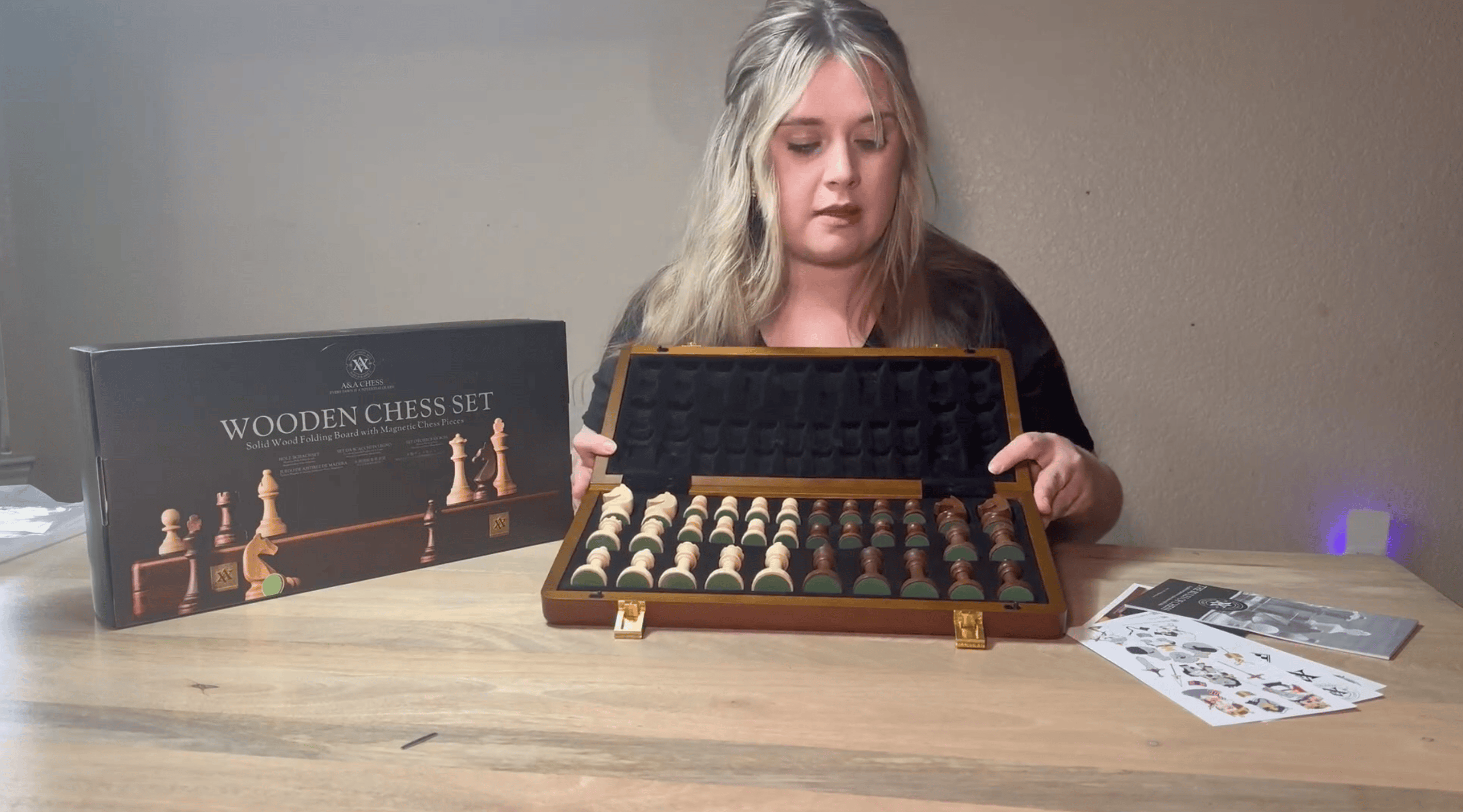
Chess Rating Systems Explained: Elo, FIDE, USCF, and Online Ratings
Introduction One of the first questions new chess players ask after playing a few games is simple: “What does my rating actually mean?” A player may see a 1200 rating online, hear that grandmasters...
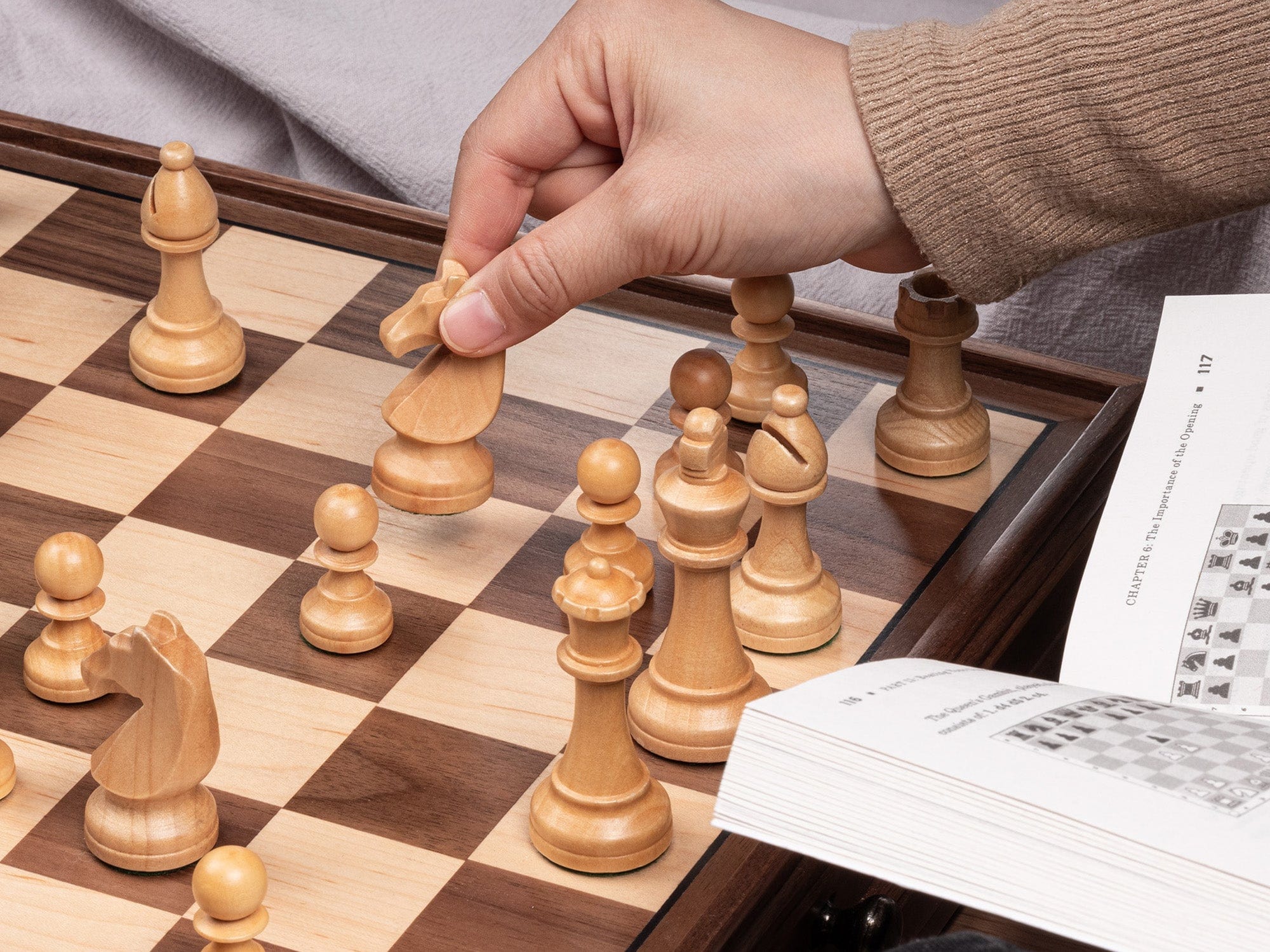
Common Middlegame Mistakes and How Strong Players Avoid Them
Introduction For many chess players, the opening feels structured and familiar, while the endgame feels logical and rule-based. The middlegame, however, often feels messy and overwhelming. All the ...
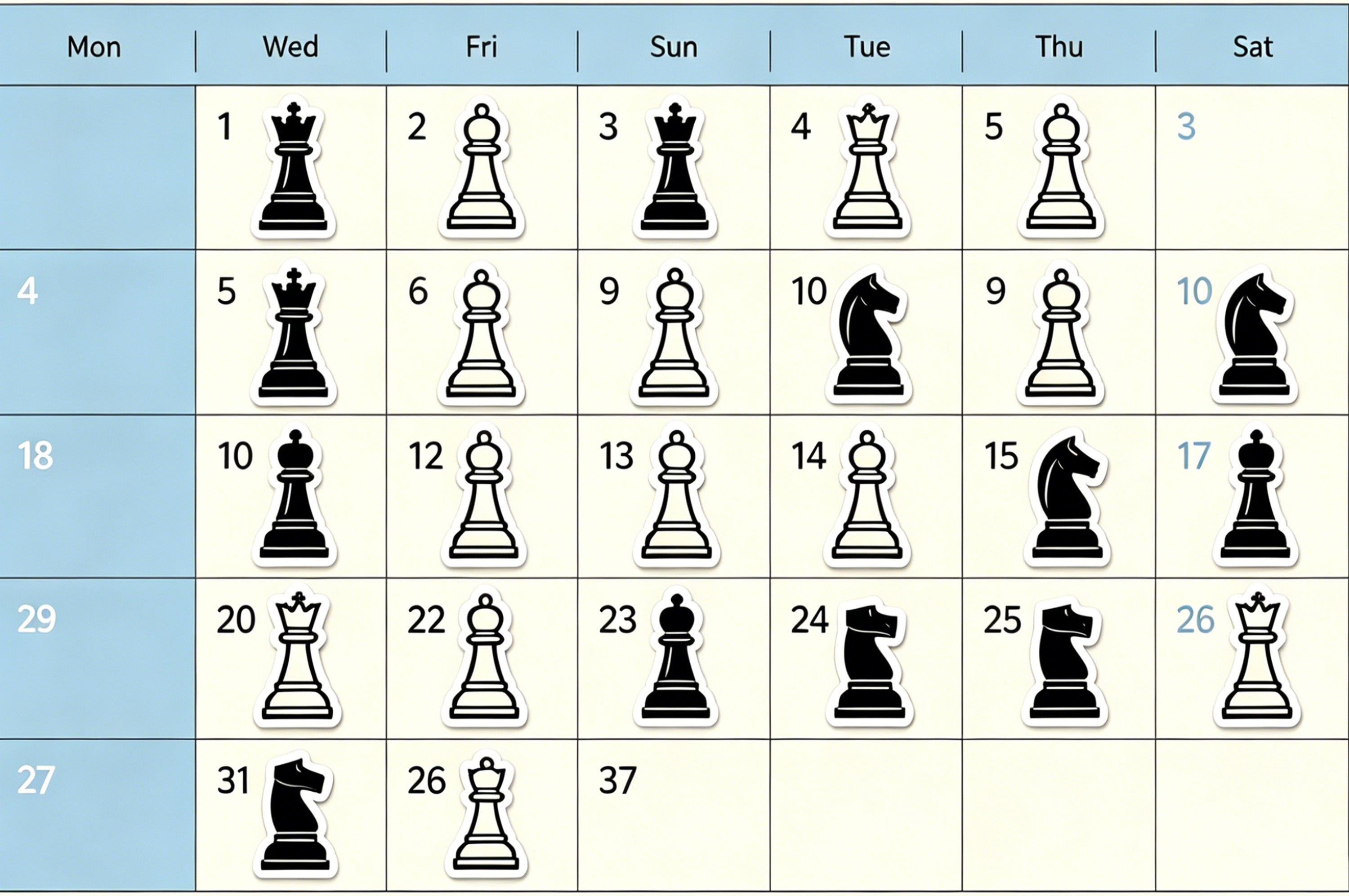
How to Build a Long-Term Chess Training Plan (Beginner to Advanced)
Introduction Many chess players put in a surprising number of hours and still feel stuck. They play online every day, try a new opening every week, and watch quick “10 tips” videos, yet their ratin...


