








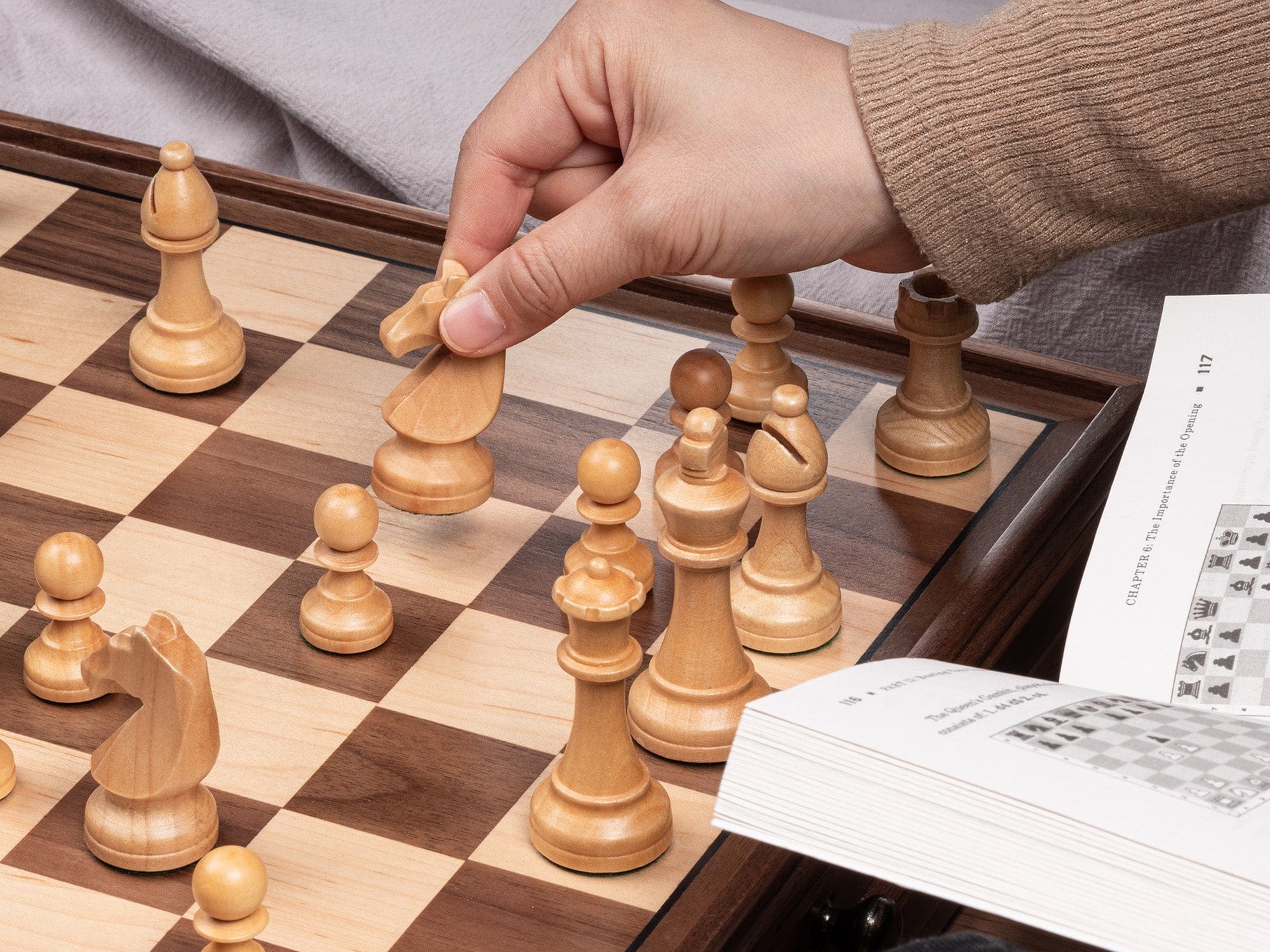

Chess can be enjoyed at almost any stage of life.
It does not require running, jumping, expensive technology, or a large playing area. Two people, one board, and a comfortable table are enough to begin.
For older adults, chess can become a relaxing personal interest, a regular social activity, a way to spend time with family members, or an enjoyable part of retirement. Some players return to the game after many years, while others learn the rules for the first time.
The most important factor is not playing strength.
A successful chess experience should feel comfortable, welcoming, clearly organized, and appropriate for the individual player. Choosing the right board size, piece design, lighting, seating, storage, and game format can make a major difference.
This guide explains how to select a senior-friendly chess set, adapt games for comfort, teach chess to older beginners, organize community sessions, and create meaningful intergenerational activities.
Why Chess Works as a Lifelong Activity
Chess is flexible.
One game may last ten minutes or an entire afternoon. Players can enjoy casual conversation while moving the pieces, study a position alone, solve a simple puzzle, or participate in a structured club tournament.
There is also no single correct way to enjoy the game.
An older adult may prefer:
- Untimed casual games
- Short rapid games
- Chess puzzles
- Cooperative analysis
- Family matches
- Community club sessions
- Correspondence-style games
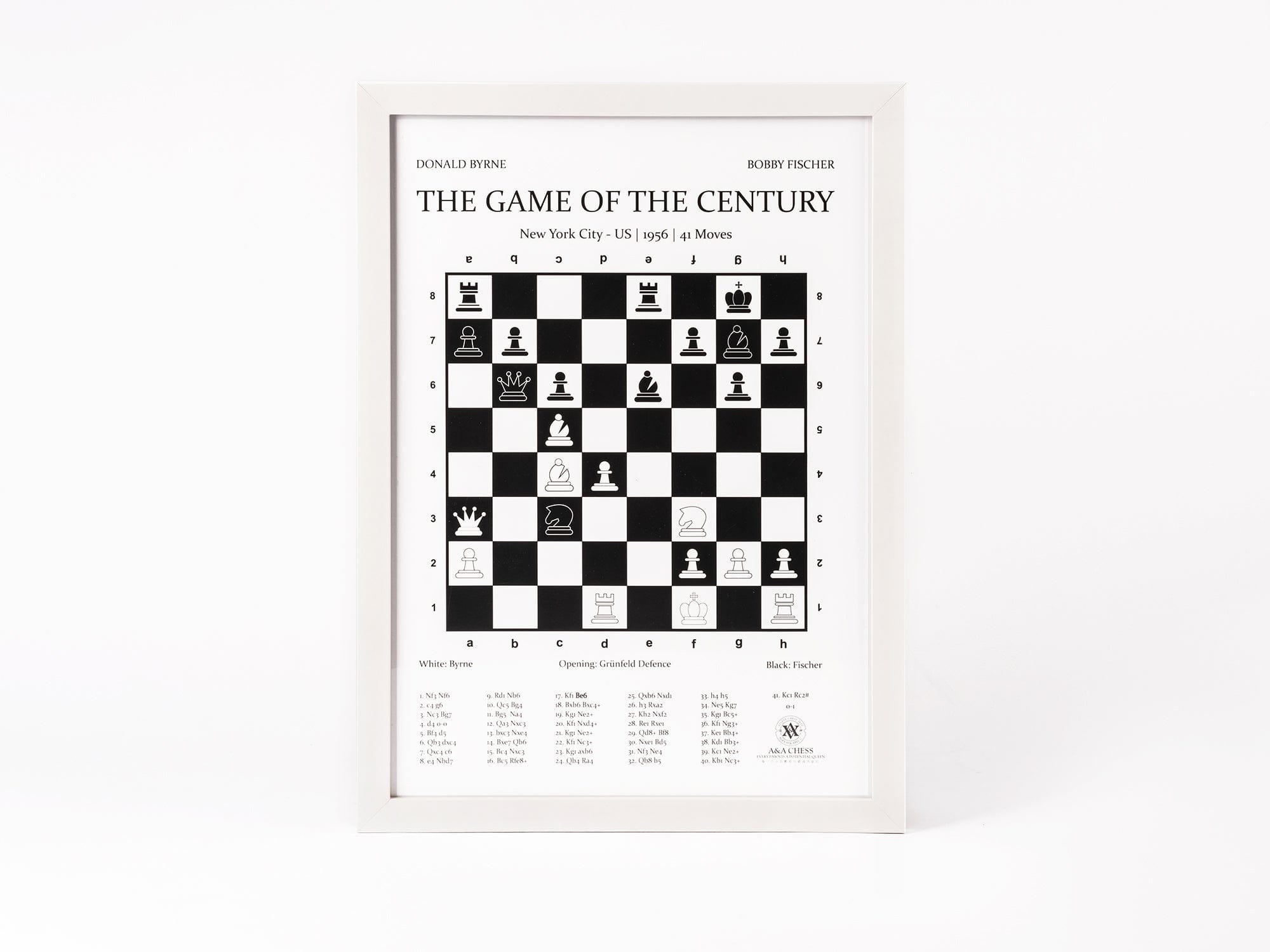
- Watching and discussing famous games
- Teaching children how the pieces move
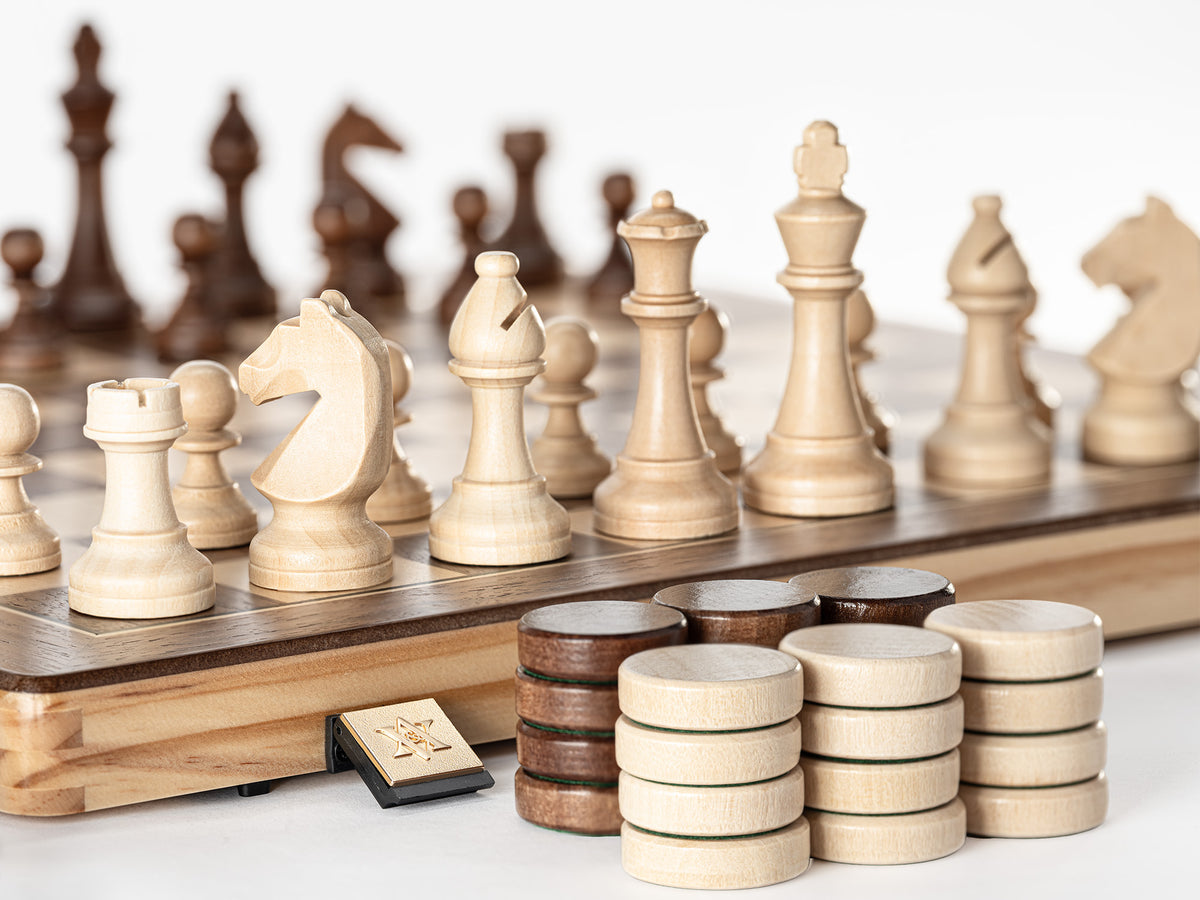
- Playing chess and checkers on the same board
This flexibility makes chess suitable for different schedules, energy levels, and experience levels.
It also provides a shared activity that can make conversation easier. Instead of sitting together without a clear focus, two people can discuss the position, explain ideas, and remember previous games.
Social connection is especially relevant in conversations about healthy ageing. The World Health Organization identifies loneliness and social isolation as significant concerns for older adults and emphasizes the importance of meaningful social connection.
Chess is not a medical treatment and should not be advertised as a way to prevent or cure dementia. Its practical value is simpler: it is an engaging activity that can bring people together and provide a repeatable reason to meet.
What Makes a Chess Set Senior-Friendly?

A senior-friendly chess set should reduce unnecessary physical and visual difficulty.
The ideal set depends on the individual, but several features are generally useful.
1. A Clearly Visible Board
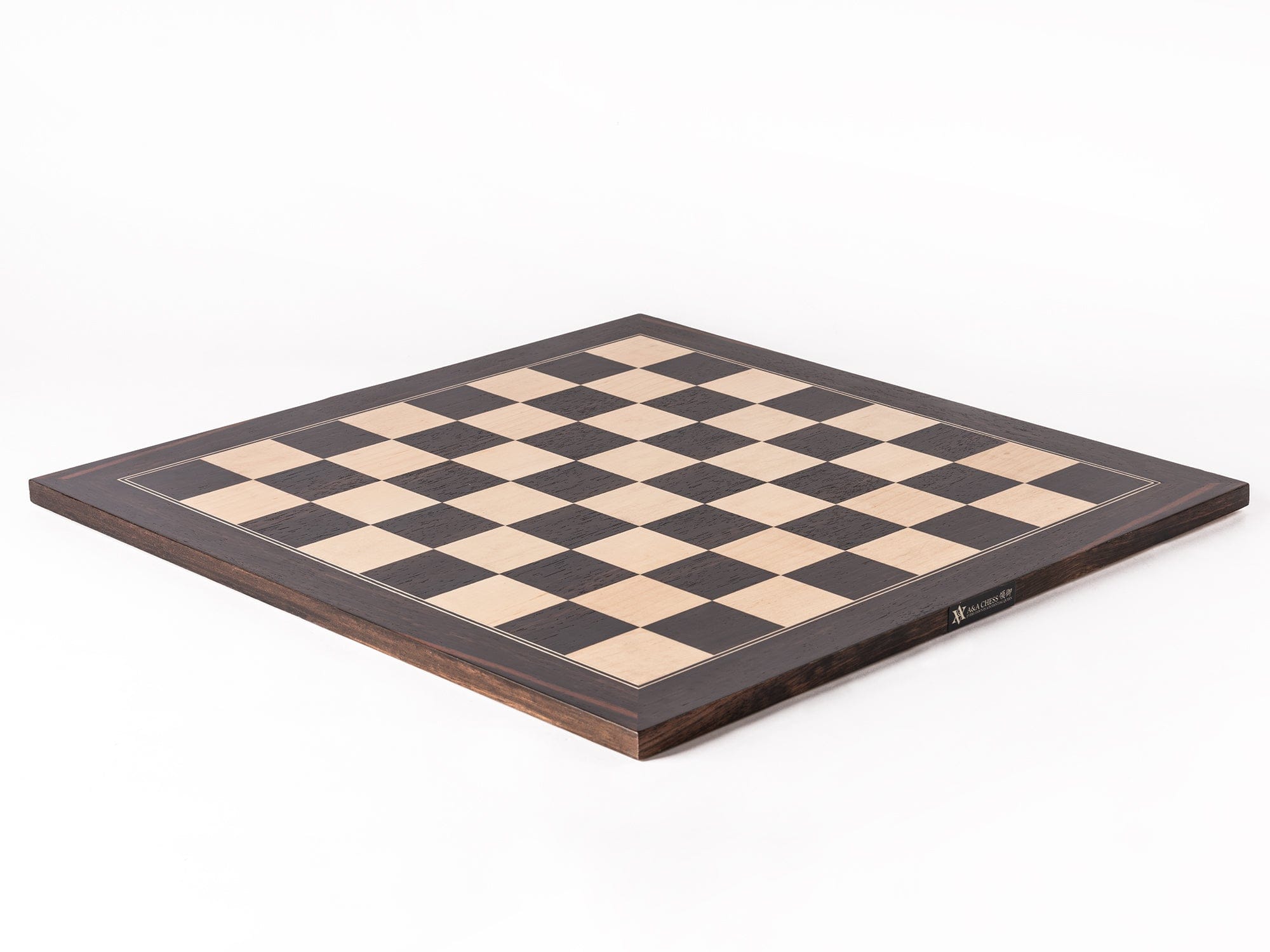
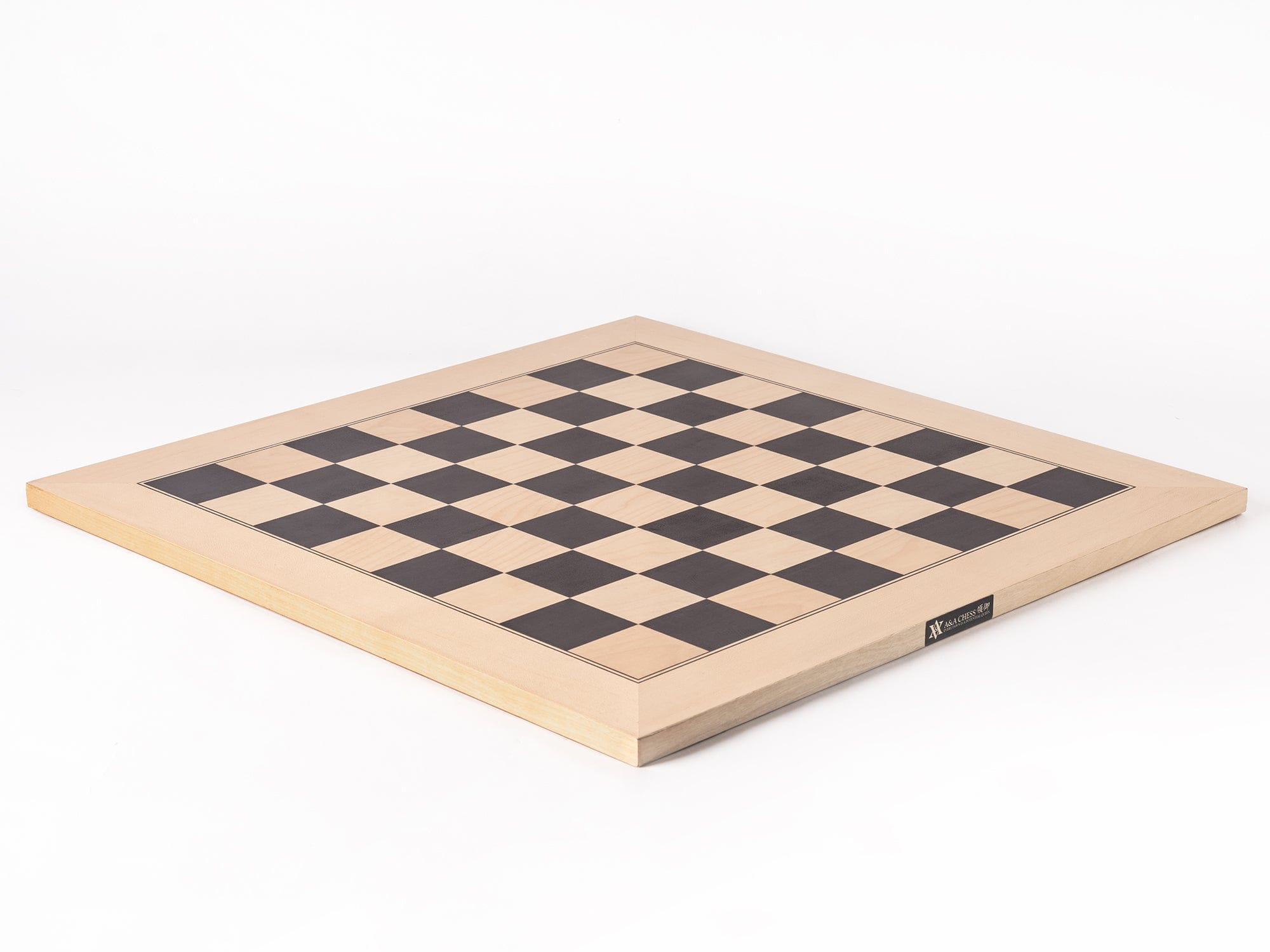
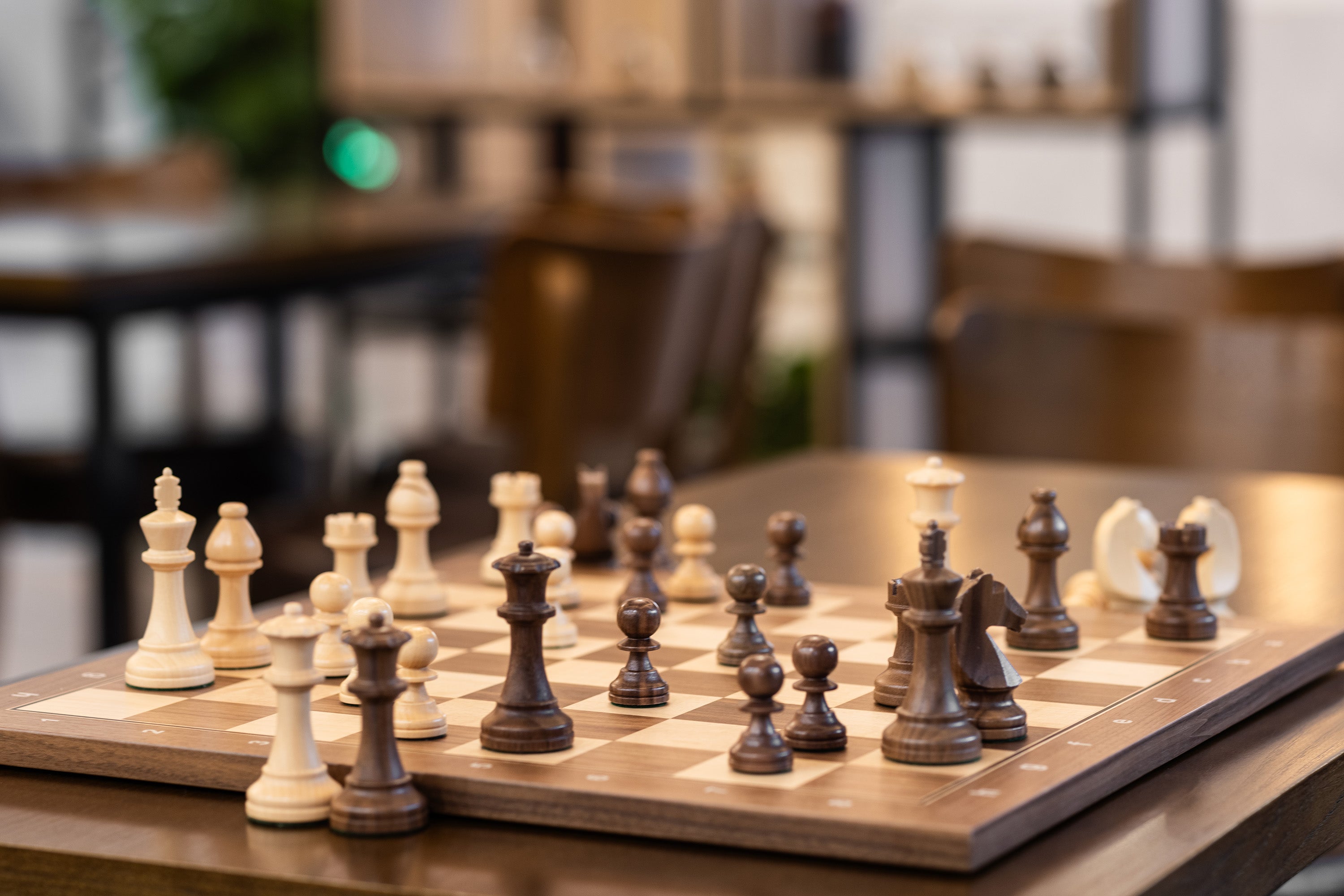
The squares should be easy to distinguish under normal indoor lighting.
Look for:
- Strong but comfortable contrast
- Clearly defined square boundaries
- A matte or low-glare surface
- A board large enough to view comfortably
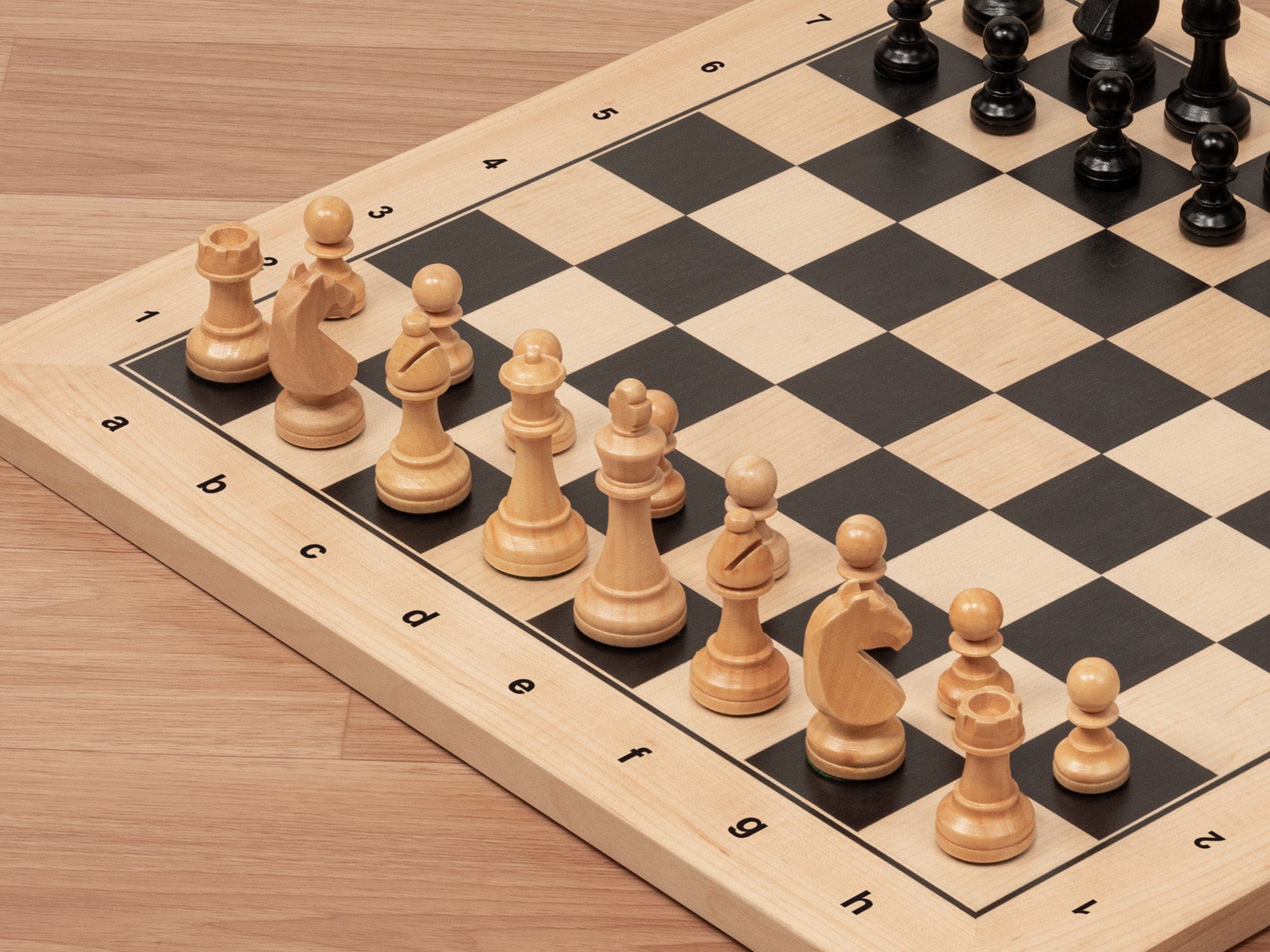
- Optional coordinate markings around the edges
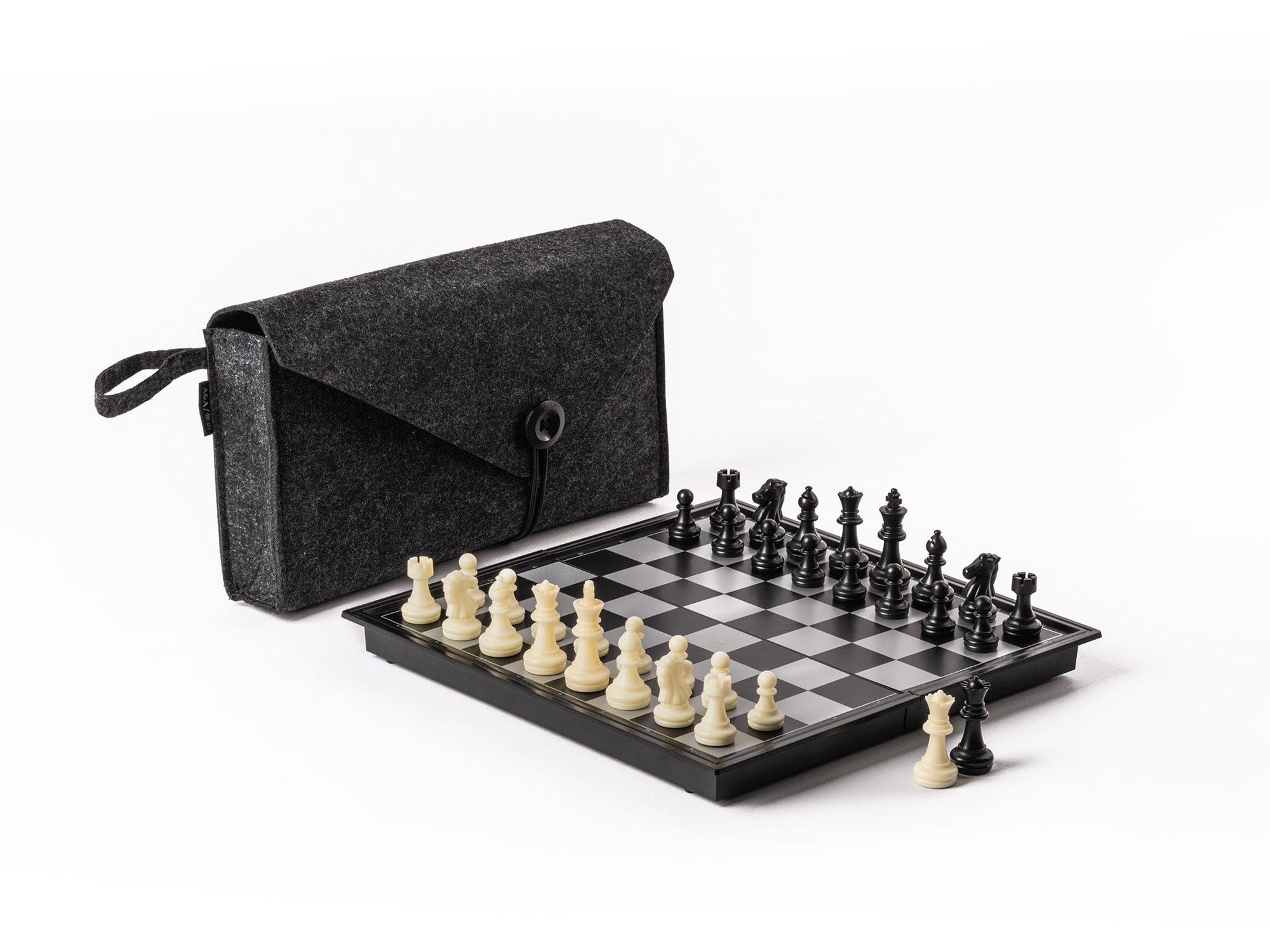
Very small travel sets may be convenient, but they can be difficult to use for long home games.
A larger board gives players more space between the pieces and may make the overall position easier to scan.
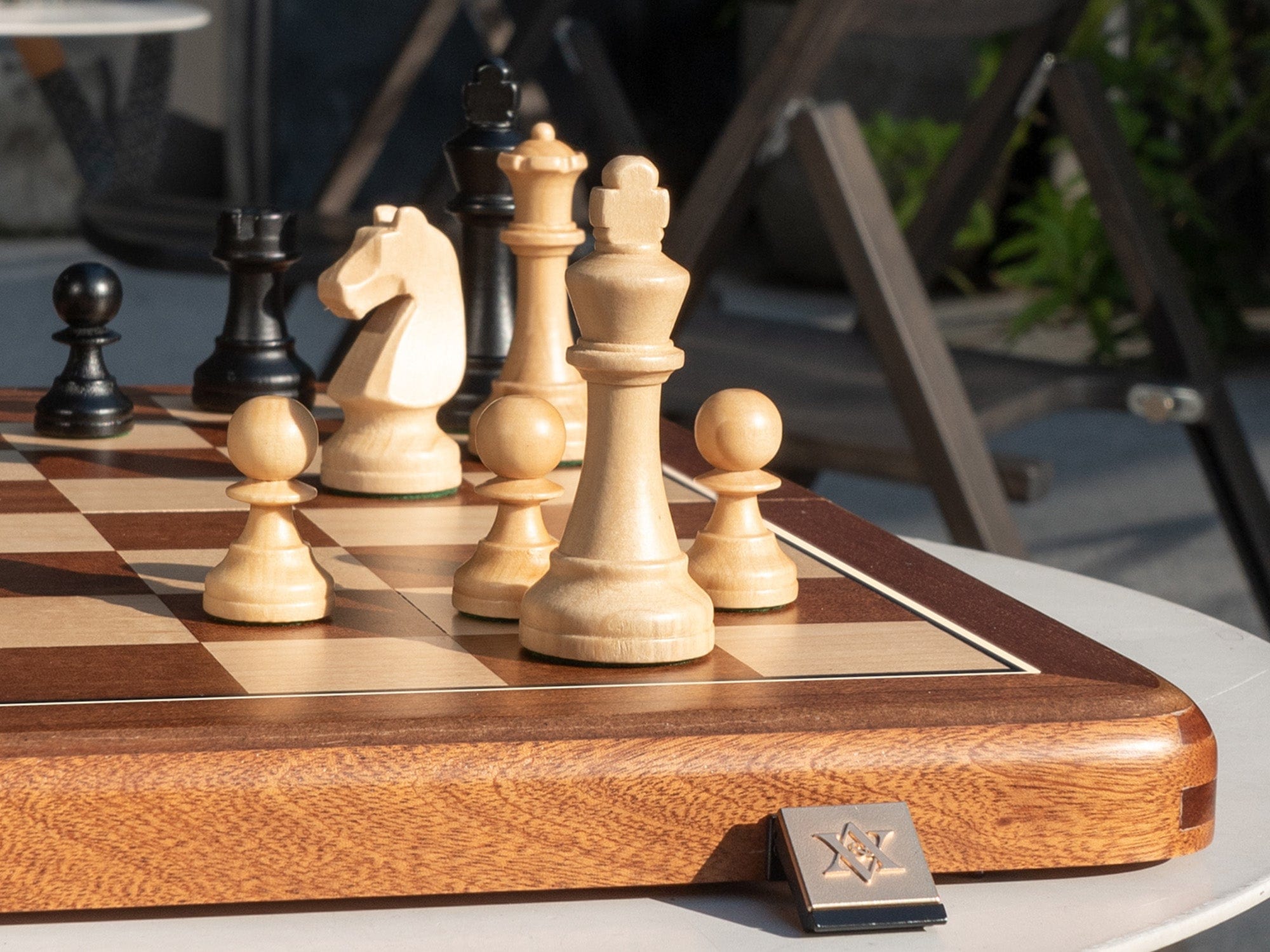
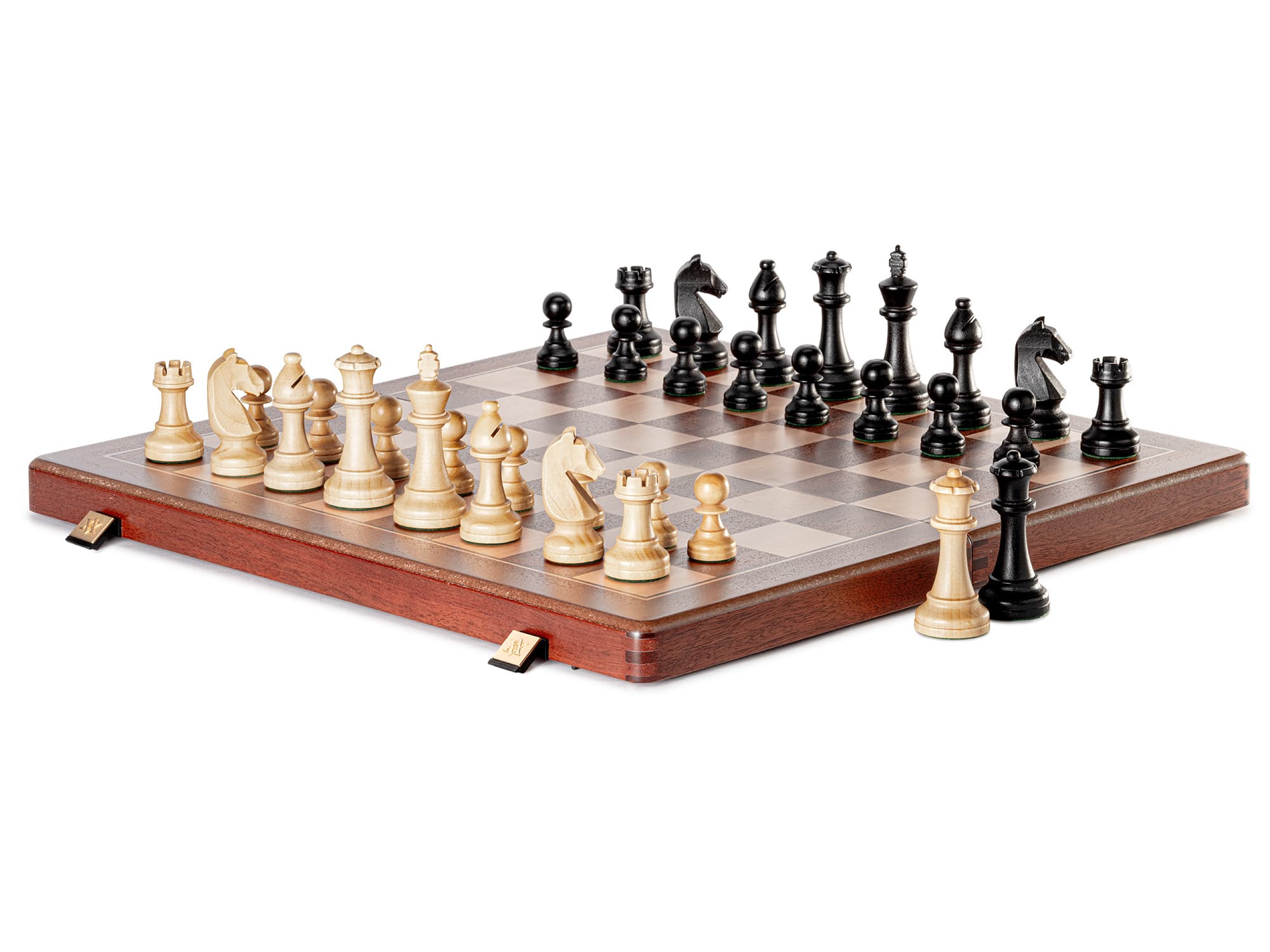
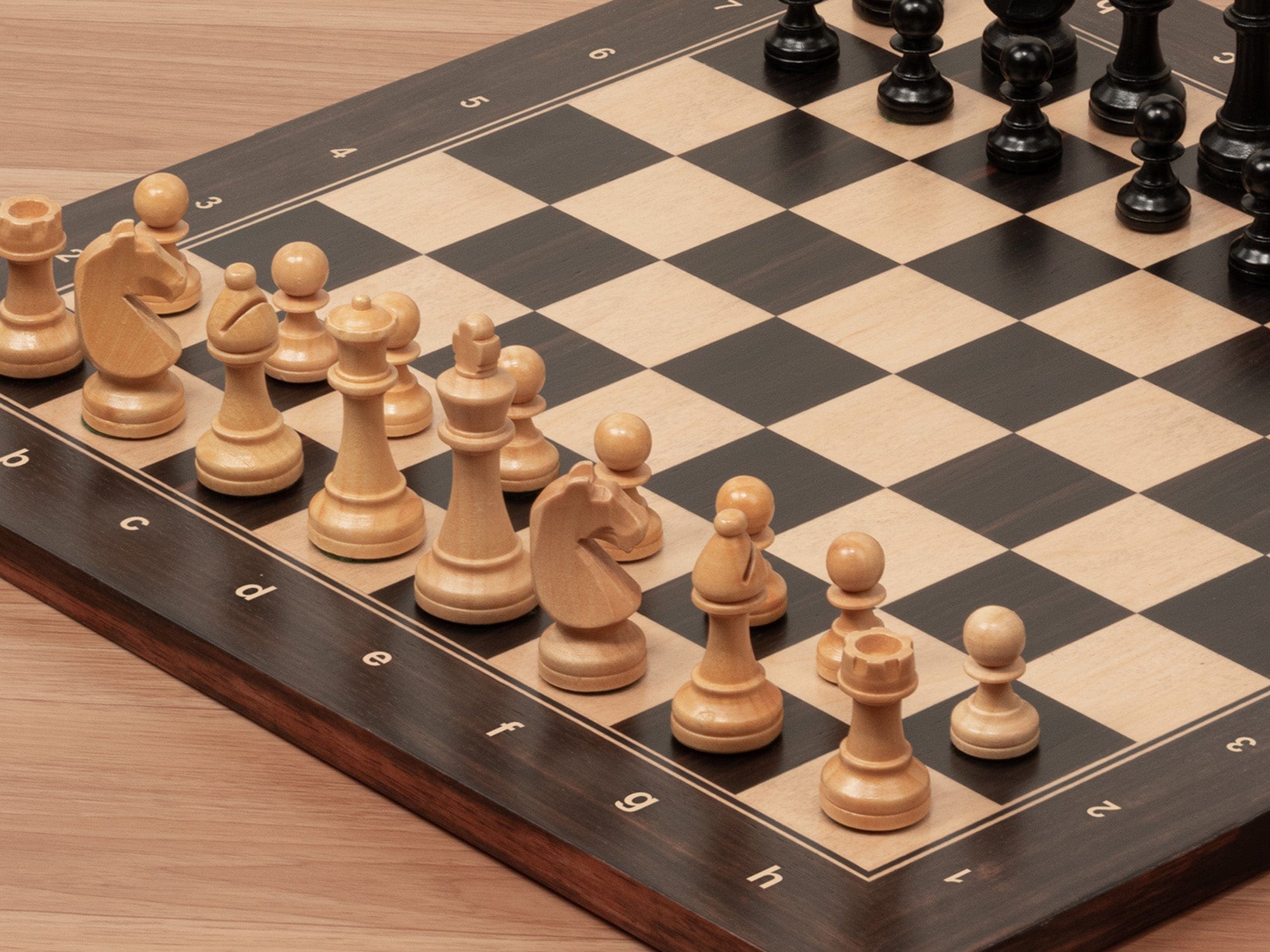
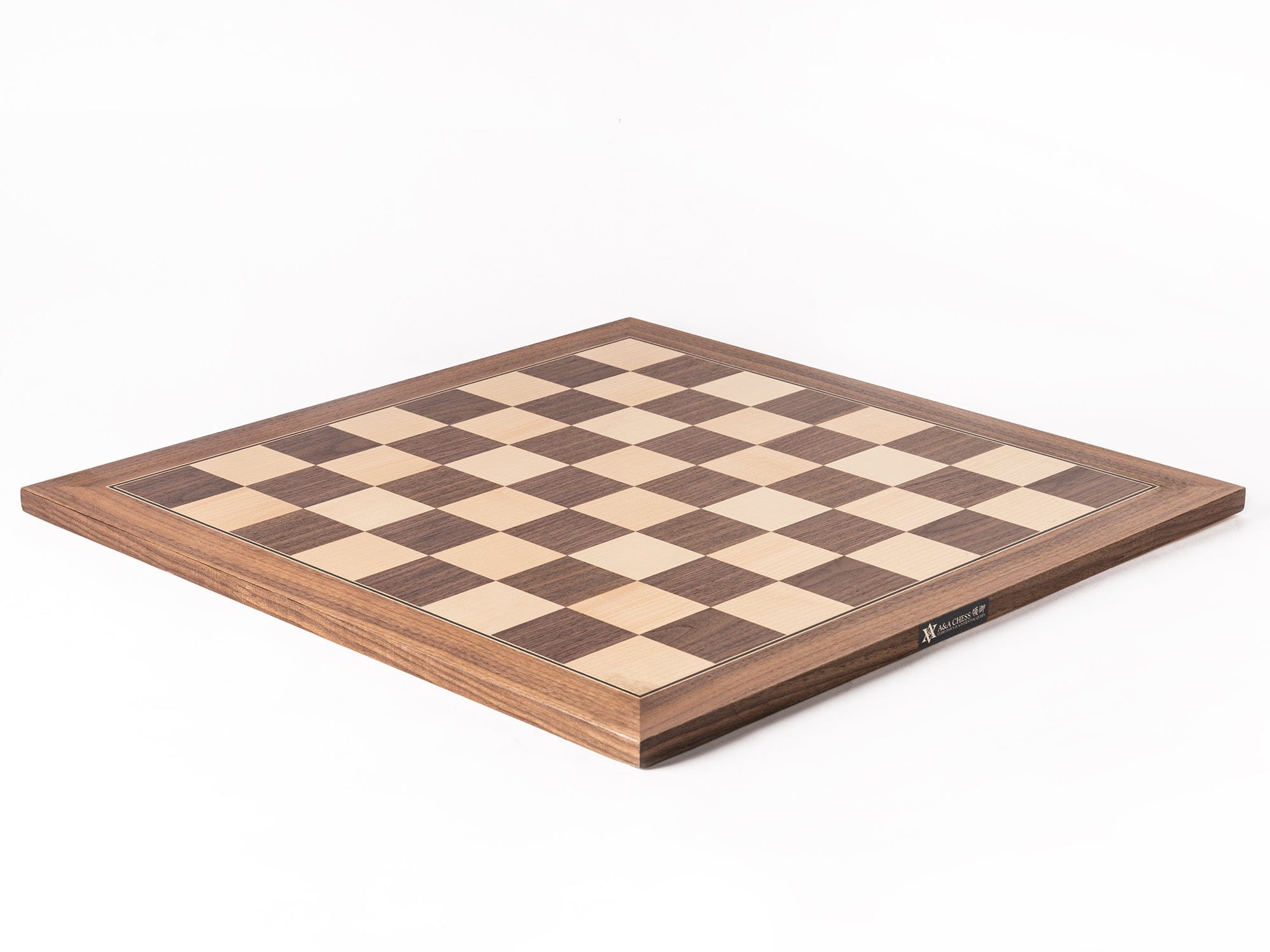
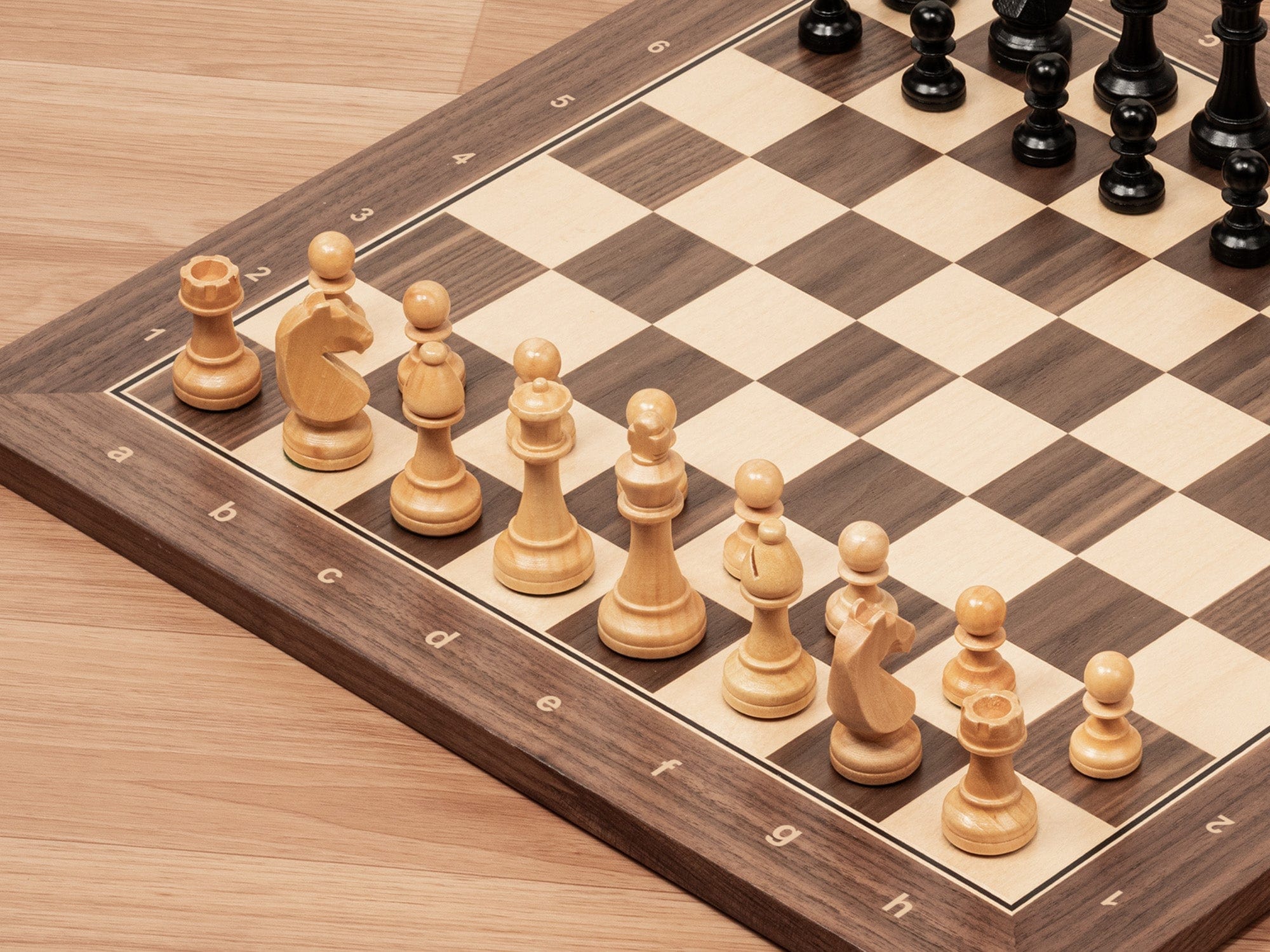
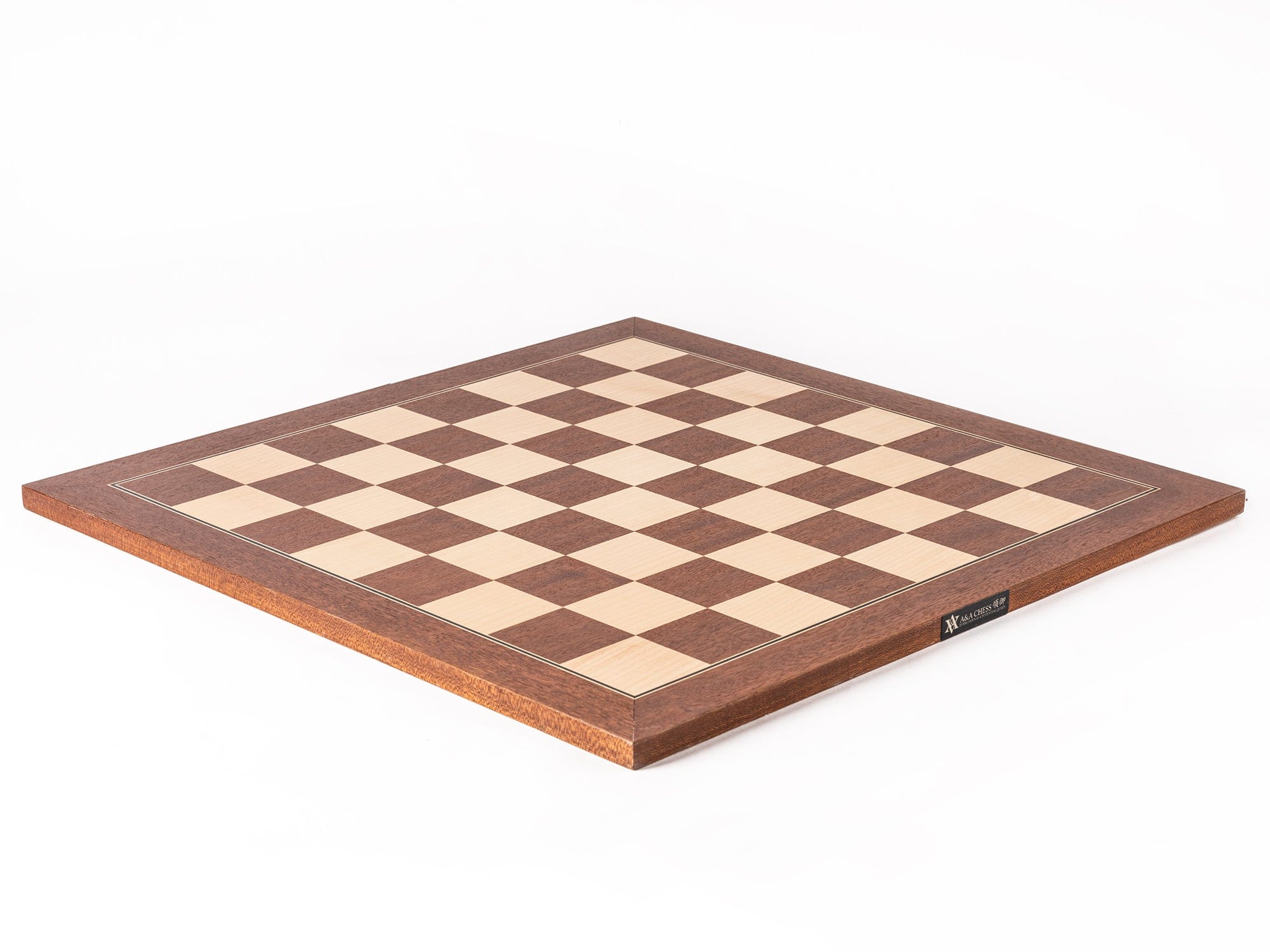
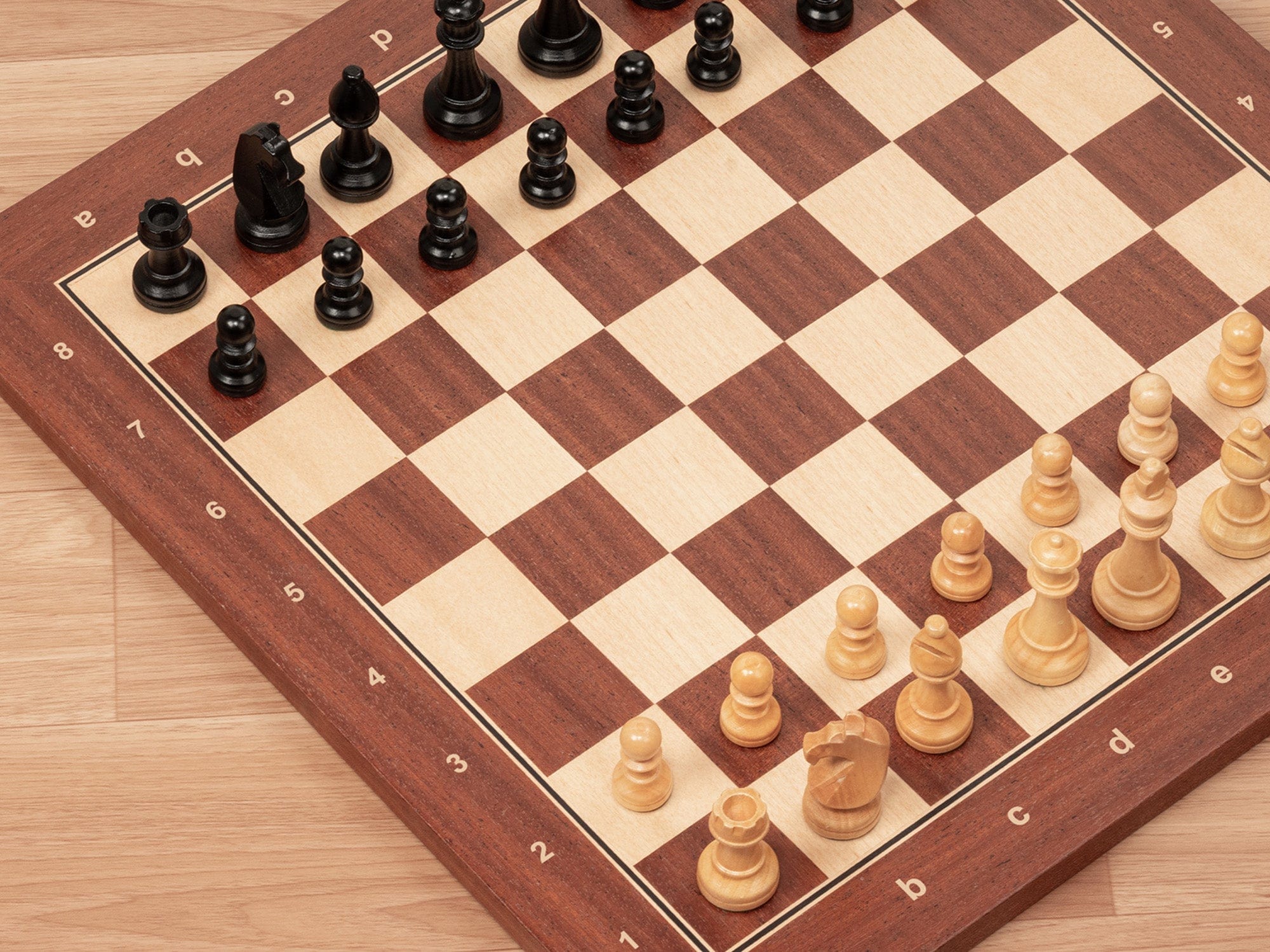
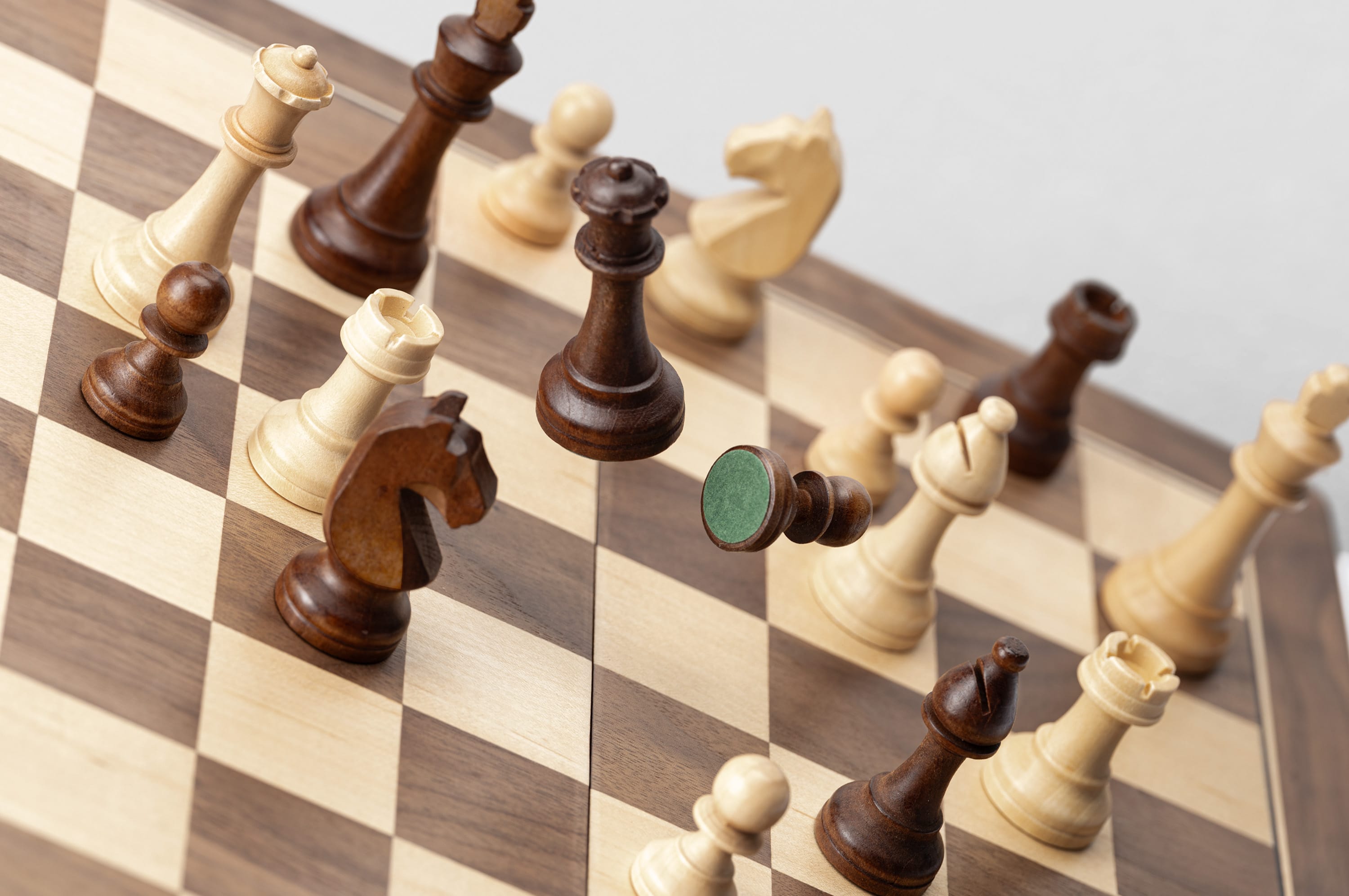
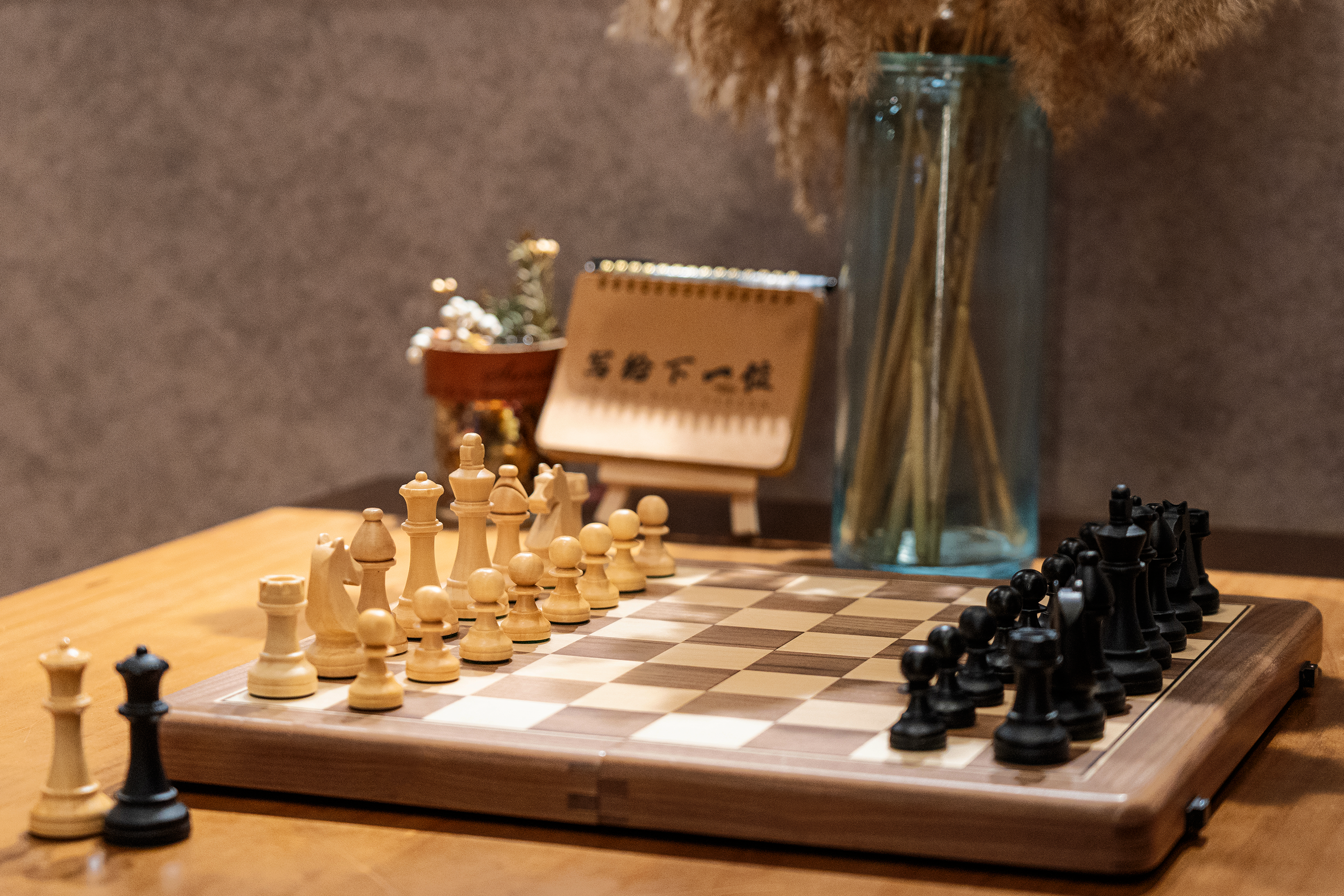
The A&A 19-inch Premium Mahogany Wood Folding Chess Set provides a larger playing format with a warm mahogany appearance. Its folding design allows the board to be stored when it is not in use.
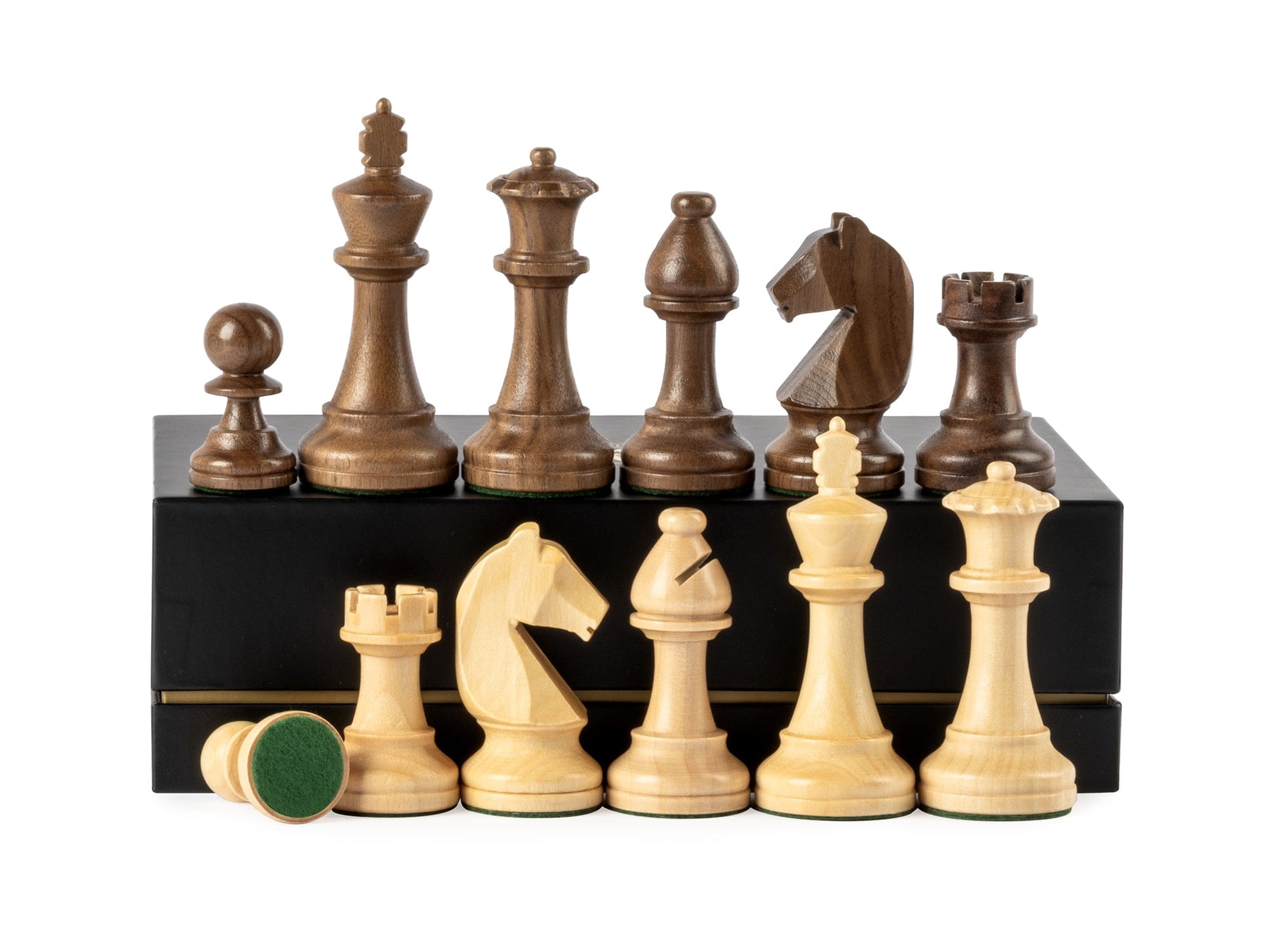
2. Recognizable Staunton-Style Pieces
Highly abstract decorative pieces may look interesting but can create confusion during play.
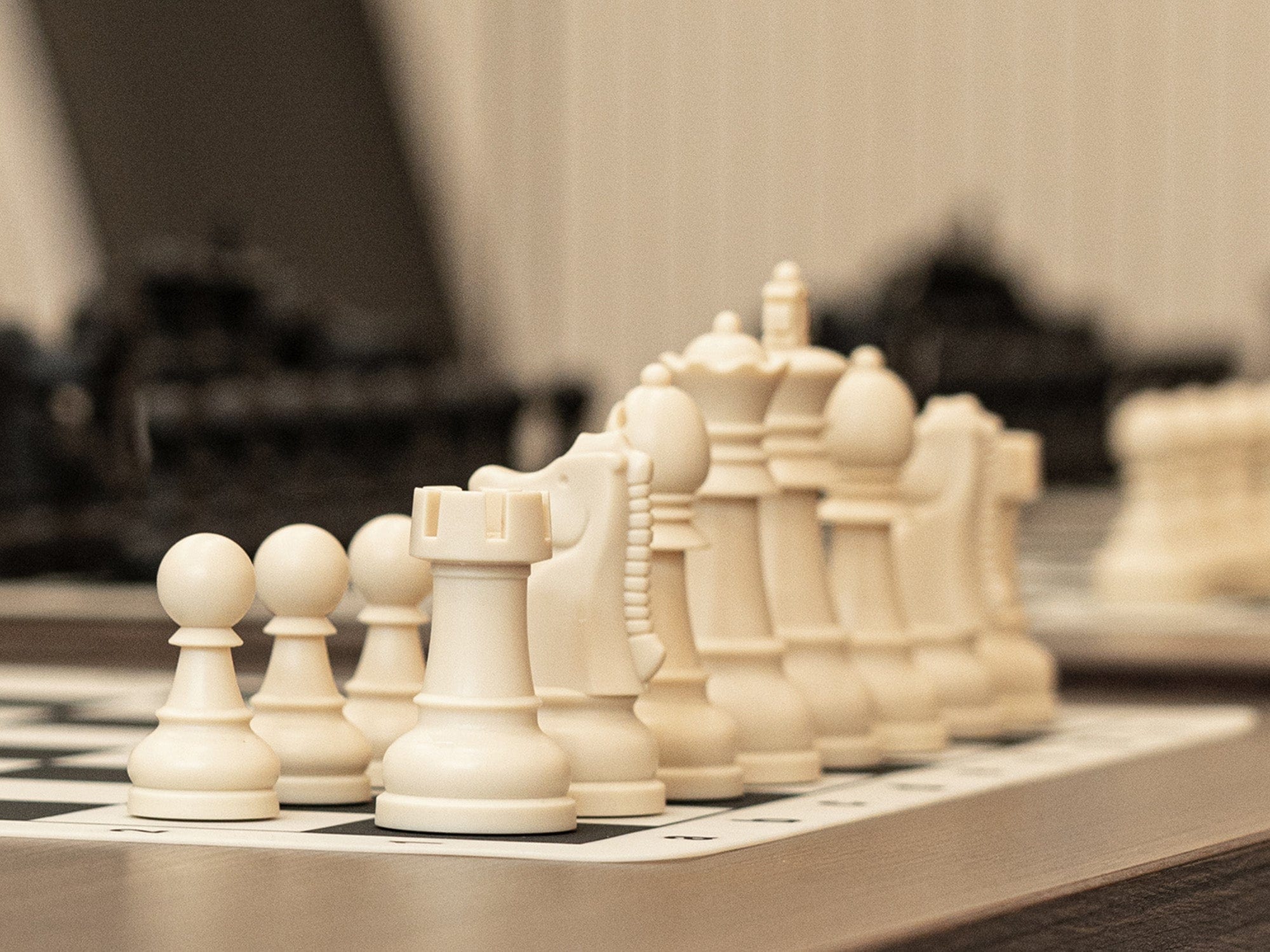
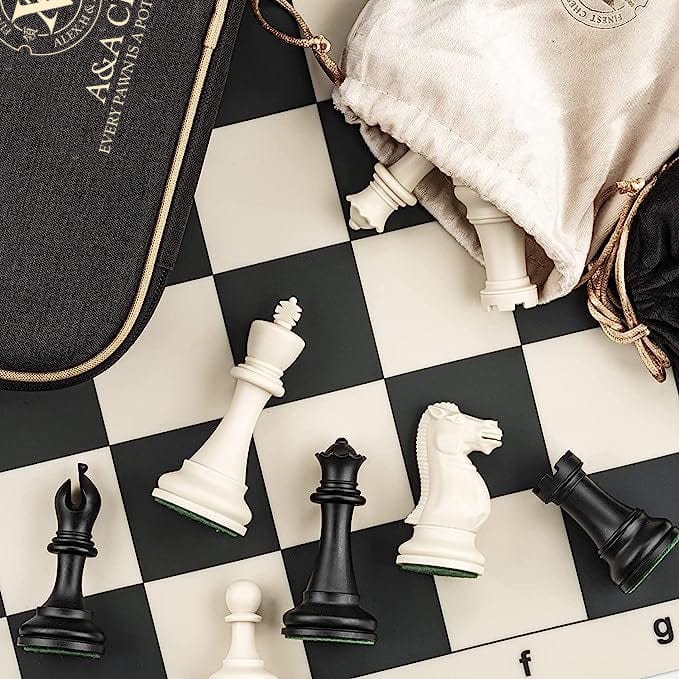
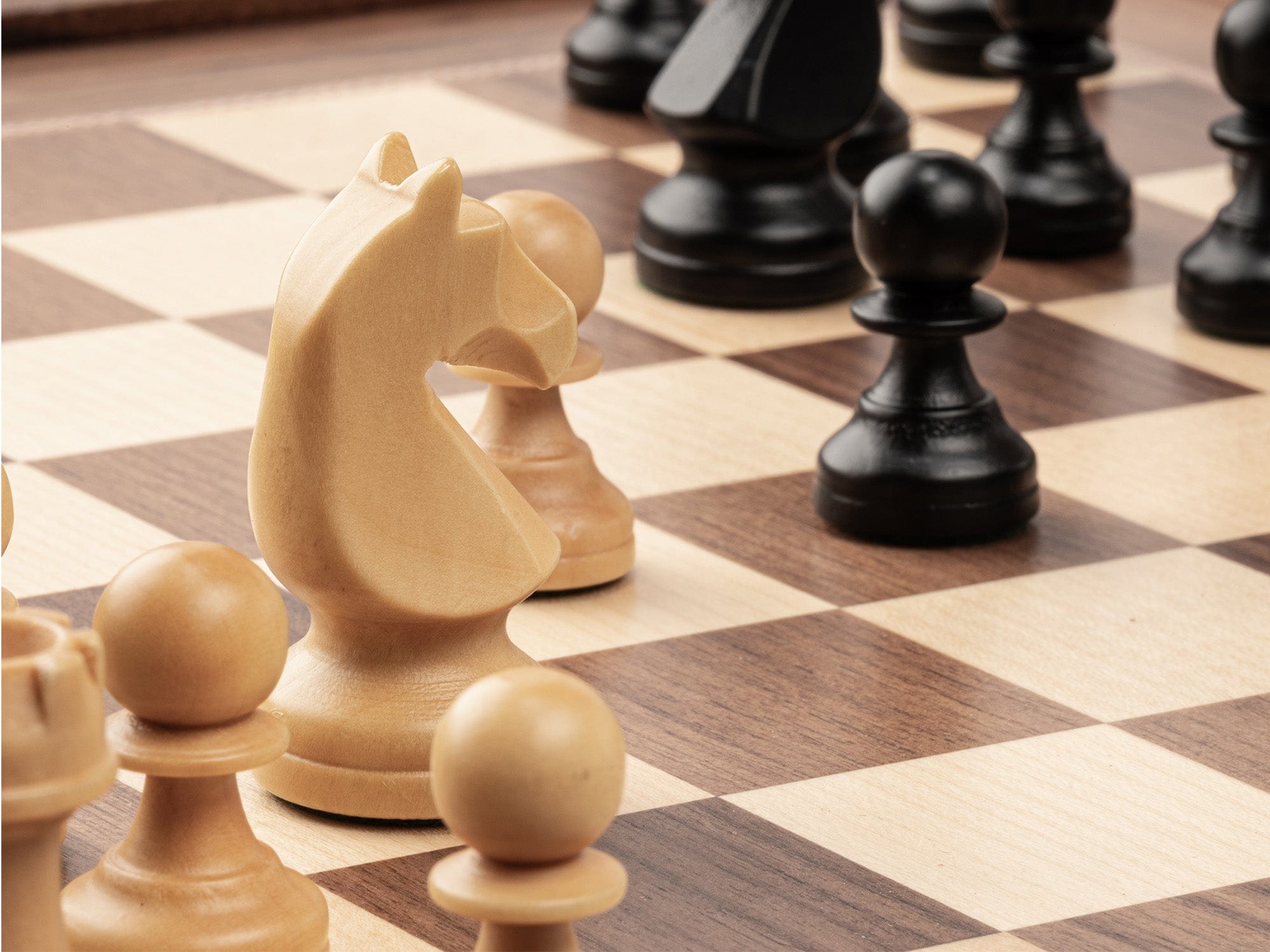
Staunton-style pieces are generally easier to recognize because each type has a familiar shape:
- The king has a cross or crown-like top
- The queen has a rounded crown
- The bishop has a cut mitre
- The knight has a horse-shaped head
- The rook resembles a tower
- Pawns are smaller and simpler
Clear piece recognition becomes particularly important for beginners and players returning after a long break.
3. Stable Pieces
Pieces that fall over easily can interrupt the game and make it difficult to restore the correct position.
Useful stability features include:
- Weighted bases
- Wide piece bases
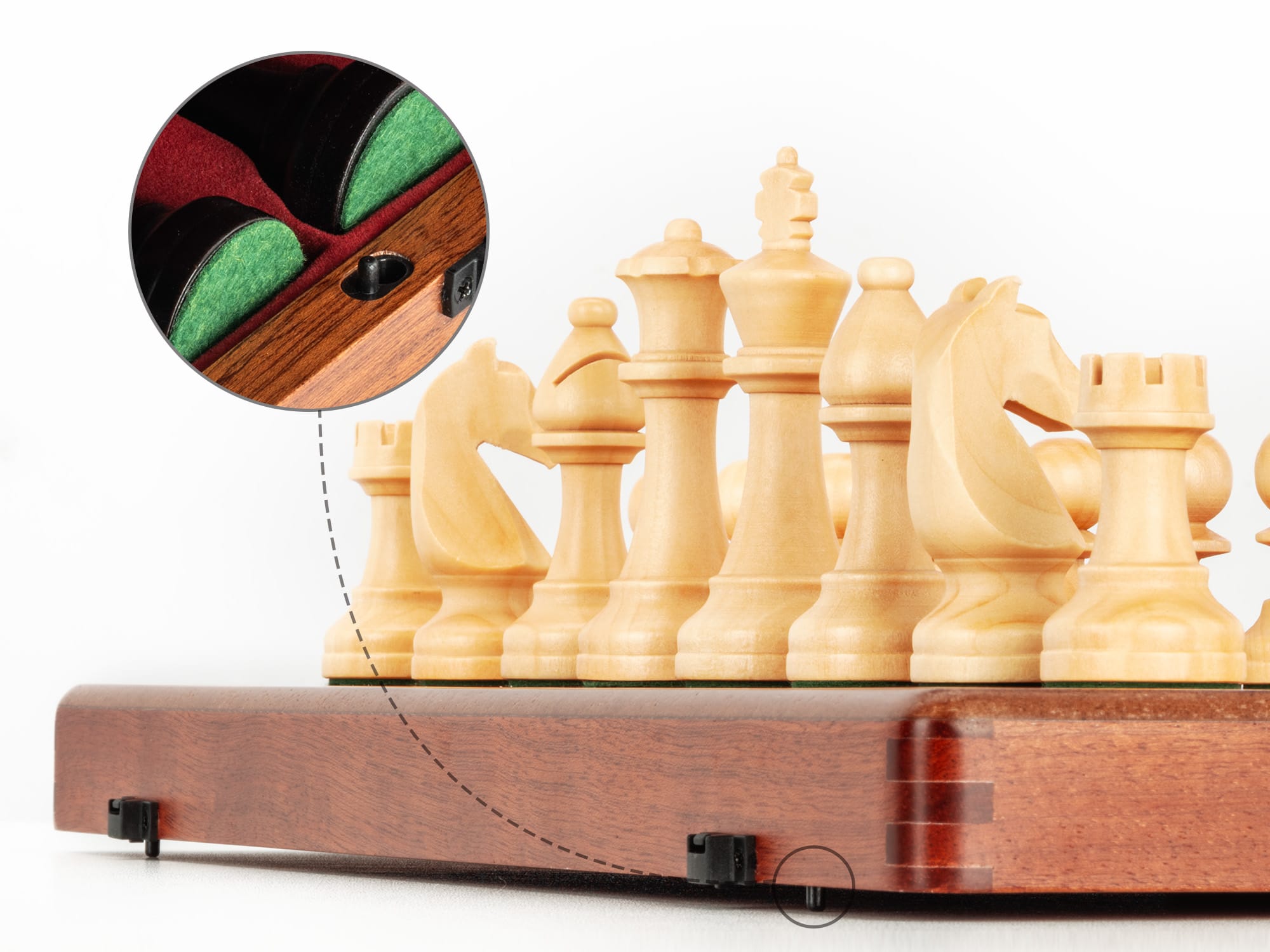
- Felted bottoms
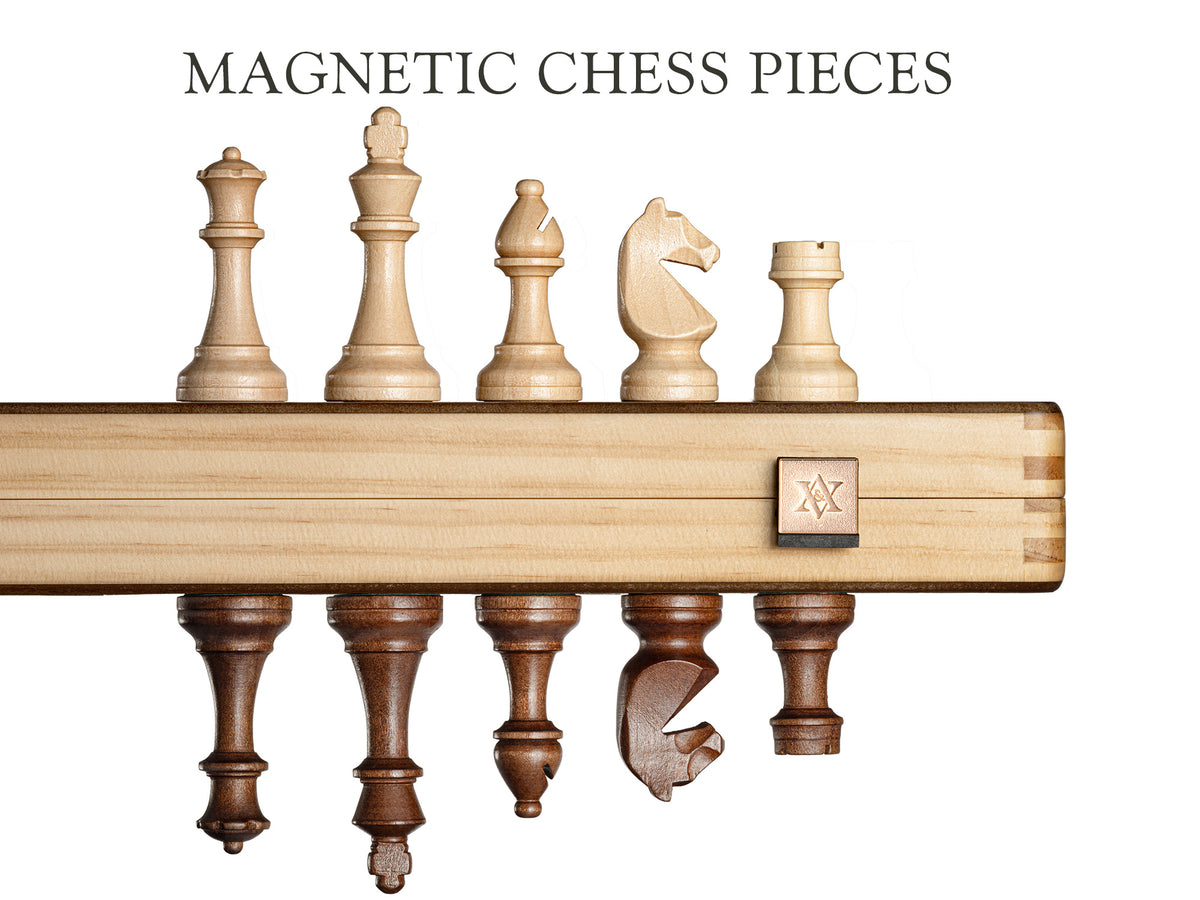
- Magnetic pieces
- A flat board surface
A magnetic set can be helpful when the table is small, the board may be bumped, or a player wants extra confidence that the position will remain secure.
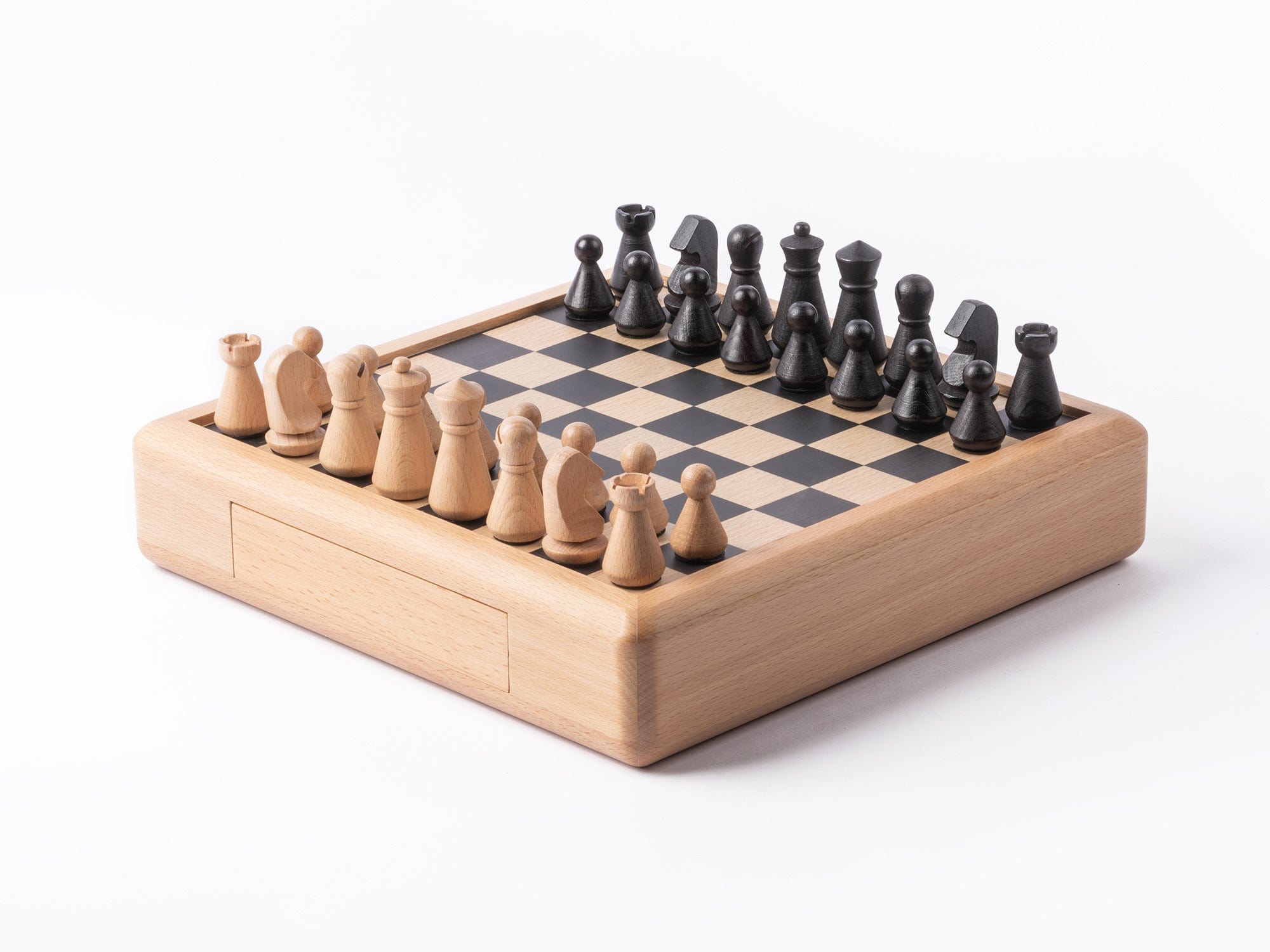
The A&A 15-inch Natural Wood Folding Magnetic Chess Set uses solid wooden pieces with built-in magnets, a folding board, fitted storage, and a support structure designed to keep the playing surface flat.
4. Pieces That Are Comfortable to Hold
A very small piece may be difficult to pick up and position accurately.
Look for pieces with:
- A comfortable height
- A broad base
- Smooth edges
- Enough weight to feel controlled
- Space between pieces when placed on the board
Players do not need to move quickly. It is perfectly acceptable to use both hands when setting up the board or to pause before placing a piece.
5. Simple and Organized Storage
Storage should make it easy to confirm that all pieces are present.
Useful options include:
- Individual fitted compartments
- A built-in drawer
- Separate bags for light and dark pieces
- Clearly labeled containers
- A folding board with interior storage
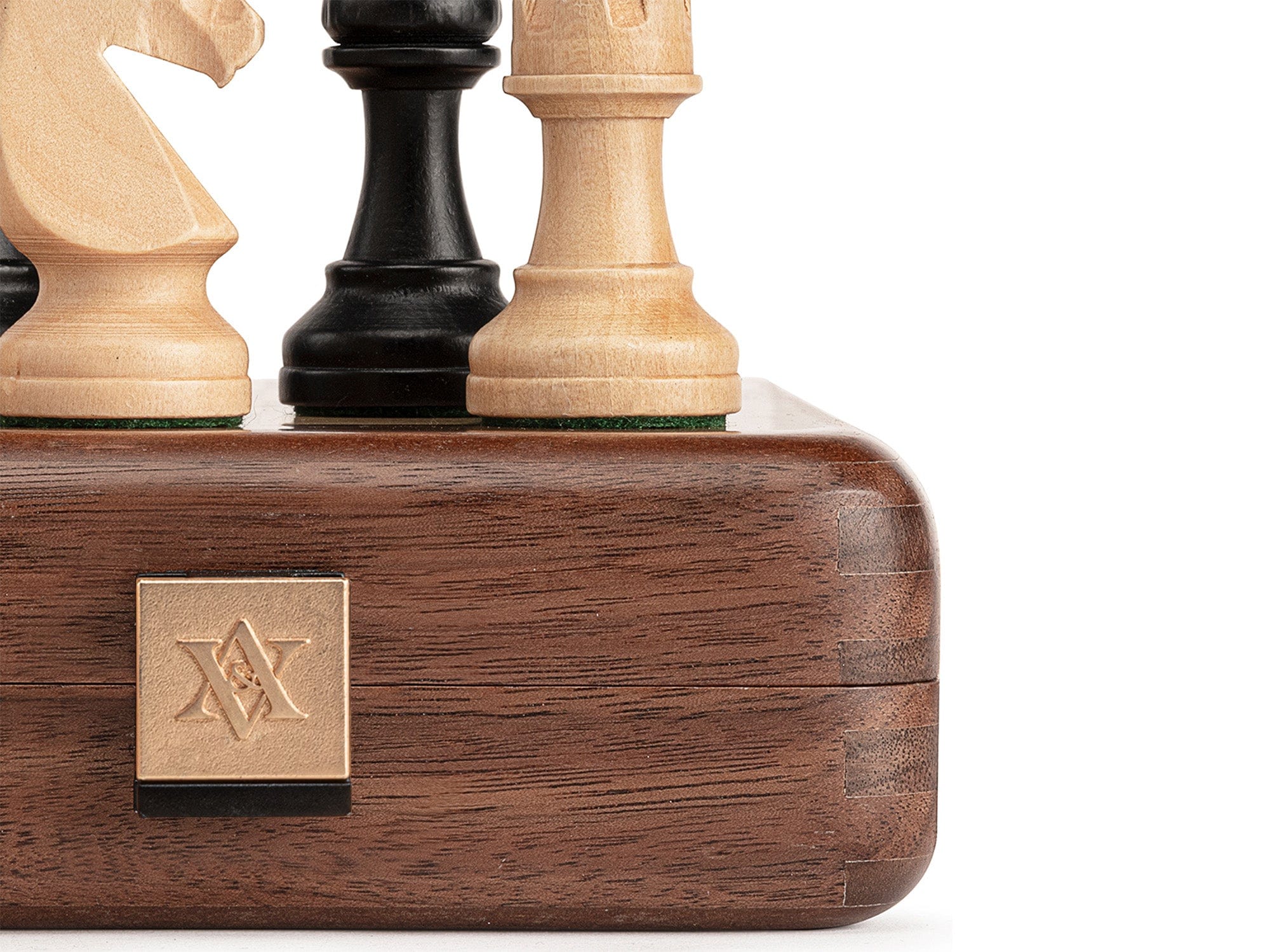
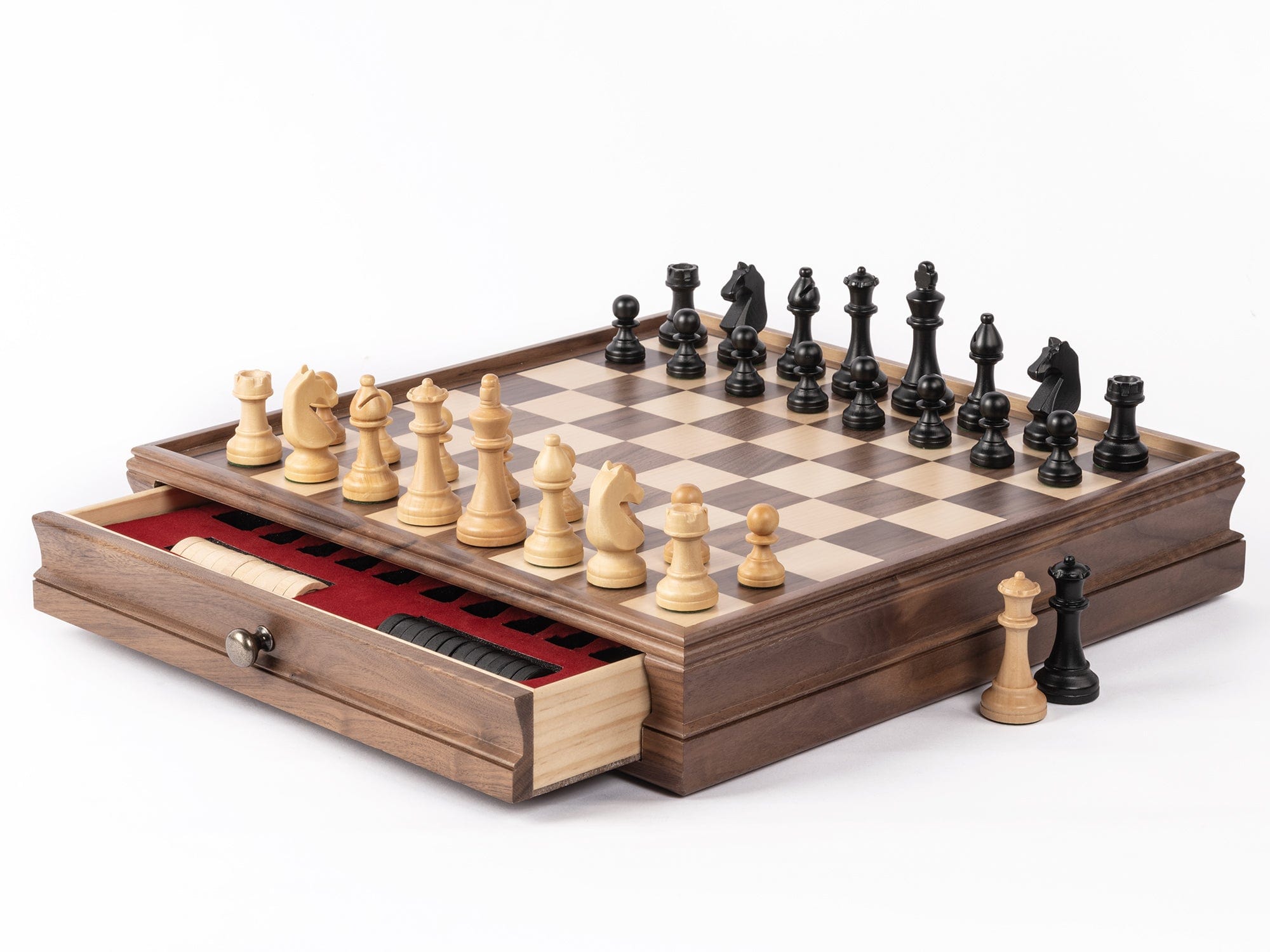
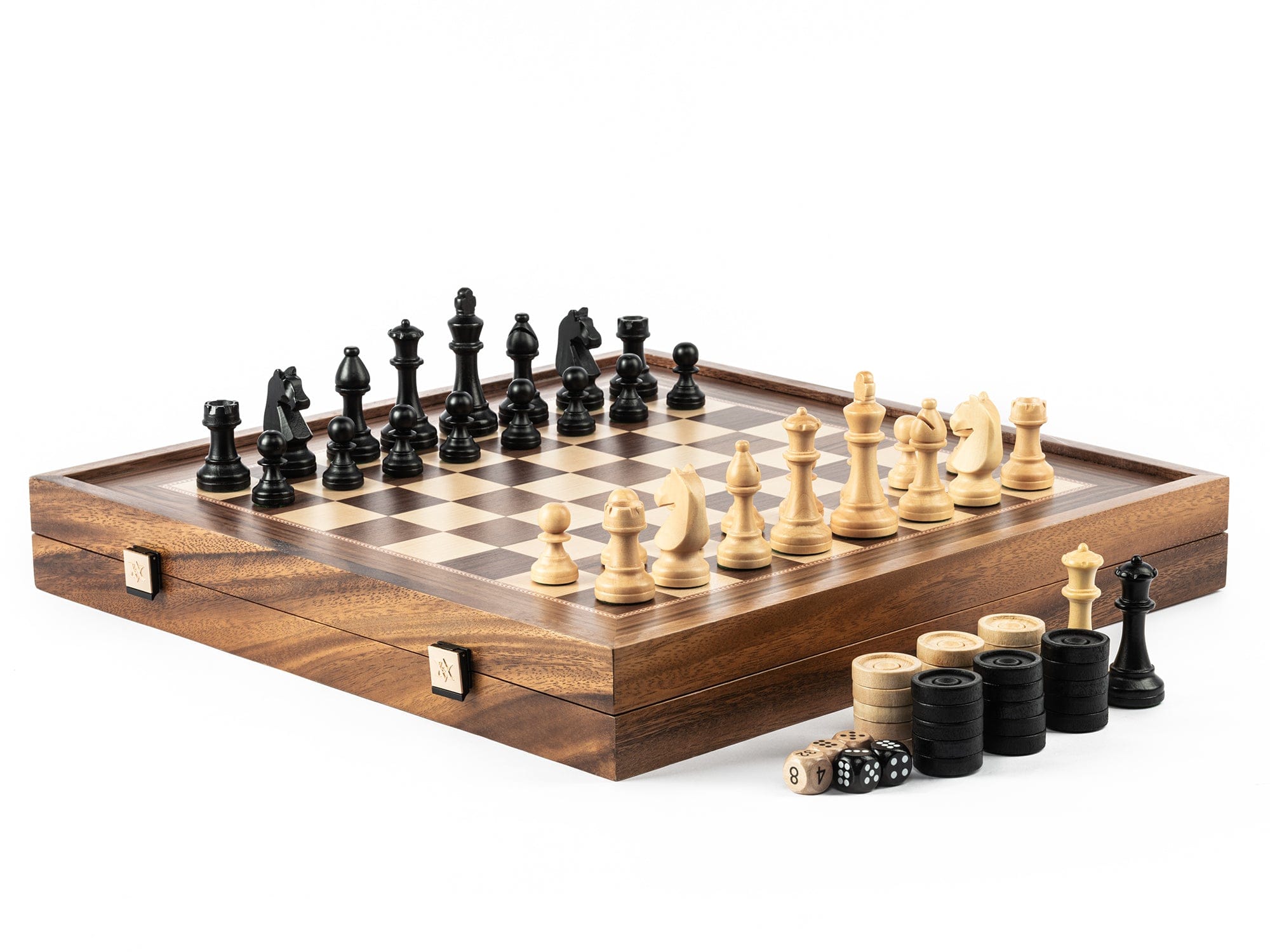
The A&A 15-inch Premium Walnut Wood Chess and Checkers Set with Drawer includes a velvet-lined drawer beneath the board. The same set can be used for chess and checkers, which may appeal to households that enjoy several traditional games.
The drawer allows the board to remain displayed while the pieces are kept organized underneath.
Senior-Friendly Chess Set Comparison

| Player or Setting | Recommended Set Type | Main Benefit |
| Home player with permanent table | Drawer-style wooden set | Board stays ready and pieces remain organized |
| Player who prefers a larger view | 19-inch wooden set | More space between pieces |
| Player concerned about movement | Magnetic wooden set | Position remains stable |
| Small apartment | Folding chess set | Easier storage |
| Retirement community | Durable medium or large sets | Suitable for repeated shared use |
| Grandparent and grandchild | Chess and checkers combination set | More than one game option |
| Gift recipient | Premium walnut or mahogany set | Useful and visually attractive |
| Beginning player | Clearly marked Staunton set | Easy piece recognition |
| Community activity organizer | Multiple matching sets | Easier setup and supervision |
| Player who travels | Medium magnetic folding set | Portable without being extremely small |
Players can compare additional home-friendly designs in the A&A Intermediate Chess Sets collection and display-focused options in the Decorative Chess Sets collection.
How to Create a Comfortable Playing Area
The board itself is only one part of the experience.
A poorly positioned table or uncomfortable chair can make even a beautiful chess set difficult to enjoy.
Choose a Stable Table
The table should not shake when pieces are moved.
Leave enough space for:
- The open chessboard
- Captured pieces
- Two players’ hands
- A scorebook if used
- Drinks placed safely away from the board
- A lamp
- Optional reference materials
A standard dining table, card table, desk, or library table may work well.
Use Comfortable Chairs
Both players should be able to see the entire board without leaning forward continuously.
Choose chairs with:
- Supportive backs
- Appropriate seat height
- Stable armrests when helpful
- Enough space to stand and sit safely
Games do not need to be completed in one sitting. Players can pause, walk around, or continue the position later.
Improve the Lighting
Good lighting should illuminate all 64 squares without producing strong reflections.
Consider:
- Placing the table near indirect natural light
- Using an adjustable lamp
- Avoiding direct glare from windows
- Keeping shadows from covering one side of the board
- Using brighter lighting when reading notation
A wooden chess set may appear attractive in soft decorative lighting, but the actual playing surface still needs to be clearly visible.
Reduce Background Distractions
Television noise, loud music, or constant phone notifications can make it harder to follow the position.
A quiet game area allows players to focus and communicate more comfortably.
This fits the broader 2026 interest in analog hobbies and screen-free activities. People across multiple generations are seeking more tactile, offline ways to spend time and connect with others.
How to Teach Chess to an Older Beginner
Adults can begin learning chess at any age.
The lesson should not be rushed, and there is no need to explain every special rule during the first session.
Lesson 1: Learn the Board and Pieces
Begin with:
- Board orientation
- Names of the pieces
- Starting positions
- How the rook moves
- How the bishop moves
- How the queen moves
- How the king moves
- How the knight moves
- How pawns move and capture
Use the physical pieces during every explanation.
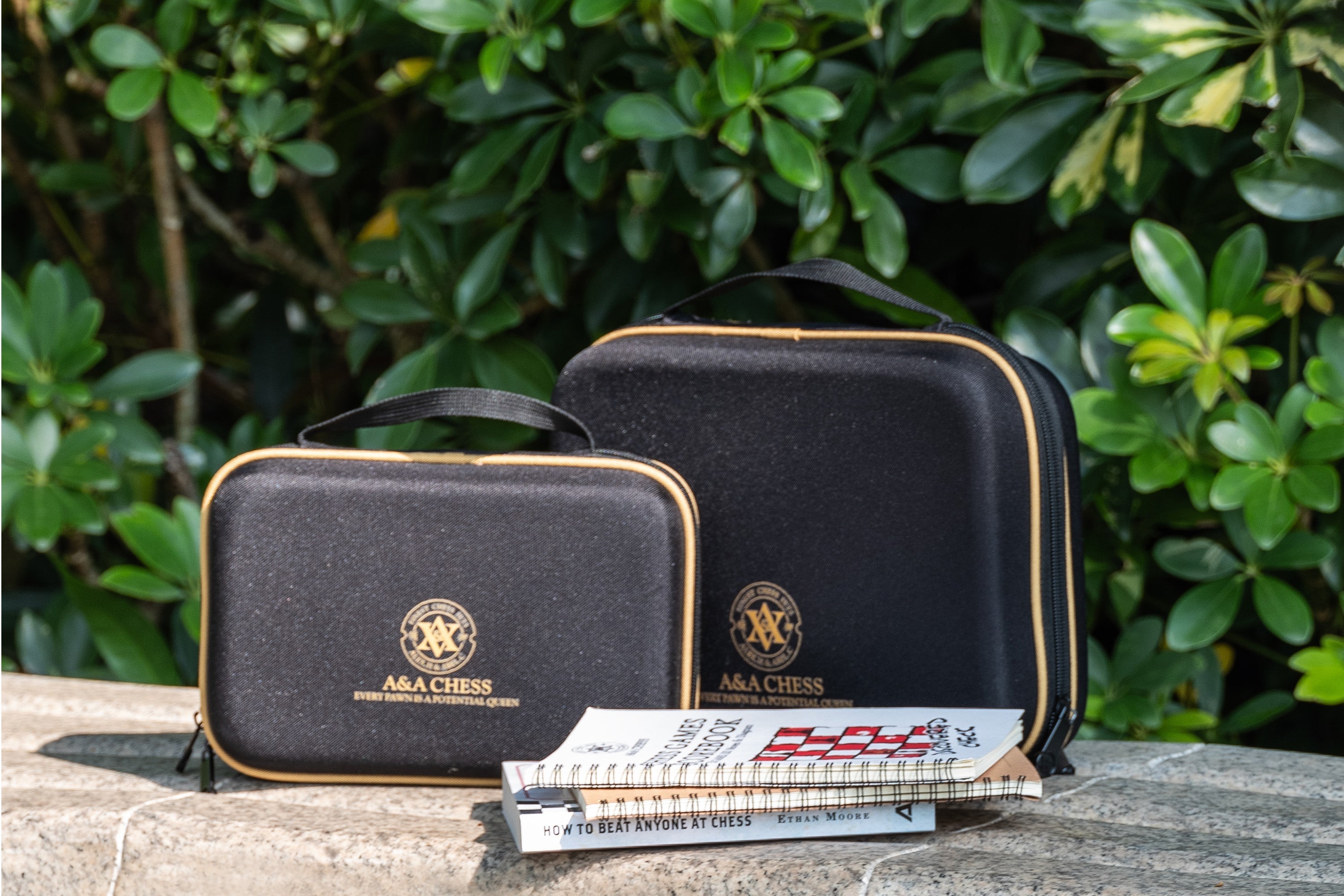
A beginner can also review the A&A CHESS Game Instructions between practice sessions.
Lesson 2: Practice Captures
Set up only a few pieces.
Ask the learner to identify:
- Which pieces can capture
- Which pieces are protected
- Whether a square is safe
- What happens after an exchange
Using fewer pieces reduces visual complexity.
Lesson 3: Explain Check and Checkmate
Demonstrate:
- What it means to attack the king
- How to escape check
- How to block a check
- How to capture an attacking piece
- The difference between checkmate and stalemate
Do not worry about opening theory yet.
Lesson 4: Play a Simplified Game
Use:
- Kings
- Pawns
- Two rooks
- Or one queen and several pawns
Simplified games allow the learner to practice movement without managing all 32 pieces.
Lesson 5: Play a Complete Casual Game
Allow players to ask questions and correct accidental illegal moves.
The first complete games should focus on understanding and enjoyment rather than strict competition.
Adapt the Rules When Necessary
Casual chess does not need to follow every tournament procedure.
Possible adaptations include:
- No clock
- More time for each move
- Allowing a move to be corrected
- Using written reminder cards
- Playing with fewer pieces
- Pausing and continuing another day
- Discussing possible moves together
- Playing in teams
- Allowing the learner to ask whether a move is legal
These changes do not make the activity less valuable.
They make the game fit the players.
Chess as an Intergenerational Activity
Chess can create a natural connection between older and younger family members.
A grandparent may teach a child the rules. A grandchild who learned online may introduce a grandparent to modern puzzles or opening ideas. Both players can learn from one another.
Research on intergenerational board-game activities has found that shared play can support positive social behaviors such as helping, sharing, encouraging, and complimenting between generations.
Simple Grandparent-and-Grandchild Activities
Set Up the Board Together
Ask the child to name each piece while the grandparent places it.
Piece-Movement Challenge
Choose one piece and find every legal square it can reach.
Checkmate-in-One Puzzles
Use short positions that can be solved in a few minutes.
Team Chess
A grandparent and child can work together against another pair.
Family Chess Journal
Record:
- Date of the game
- Players
- Winner
- Favorite move
- Something learned
- A photograph of the final position
Story-Based Chess
Younger children may enjoy giving the pieces characters and creating a story around the game.
Chess and Checkers Afternoon
A combination set allows the family to switch between a more complex chess game and a simpler game of checkers.
The objective should not always be to determine the strongest family player.
The repeated experience of sitting together may be more important than the result.
How to Organize Chess at a Senior Center or Retirement Community

A community program can begin with only a few boards and a regular meeting time.
Choose a Consistent Schedule
Examples include:
- Tuesday morning chess
- Thursday afternoon games
- Sunday family chess
- Monthly rapid tournament
- Weekly beginner lesson
Consistency makes the activity easier to remember.
Provide Different Participation Options
Not everyone needs to play a complete competitive game.
Participants may prefer to:
- Watch
- Solve puzzles
- Play checkers
- Help set up boards
- Discuss famous games
- Learn one piece at a time
- Join a team
- Play without a clock
Match Players Carefully
Pair participants according to:
- Experience
- Preferred game length
- Interest in conversation
- Comfort with clocks
- Desire for competition
A patient regular player may be a better opponent for a beginner than the strongest player in the room.
Prepare the Equipment Before Participants Arrive
Set up boards and confirm that all pieces are present.
Number each chess set so missing pieces can be returned to the correct container.
Display Simple Instructions
Place a rule sheet beside beginner boards.
Include:
- Piece movement
- Board setup
- Check and checkmate
- Castling
- Pawn promotion
Add Tea or Refreshments Safely
Conversation and refreshments can make the meeting feel more welcoming.
Keep drinks on a separate side table or use coasters placed away from wooden boards.
Beginner-Friendly Community Session Plan
A 60-minute session could follow this structure:
| Time | Activity |
| 0–10 minutes | Welcome and board setup |
| 10–20 minutes | One short lesson |
| 20–45 minutes | Casual games or puzzles |
| 45–55 minutes | Group position discussion |
| 55–60 minutes | Equipment check and next meeting announcement |
A 90-minute session can provide more time for complete games and conversation.
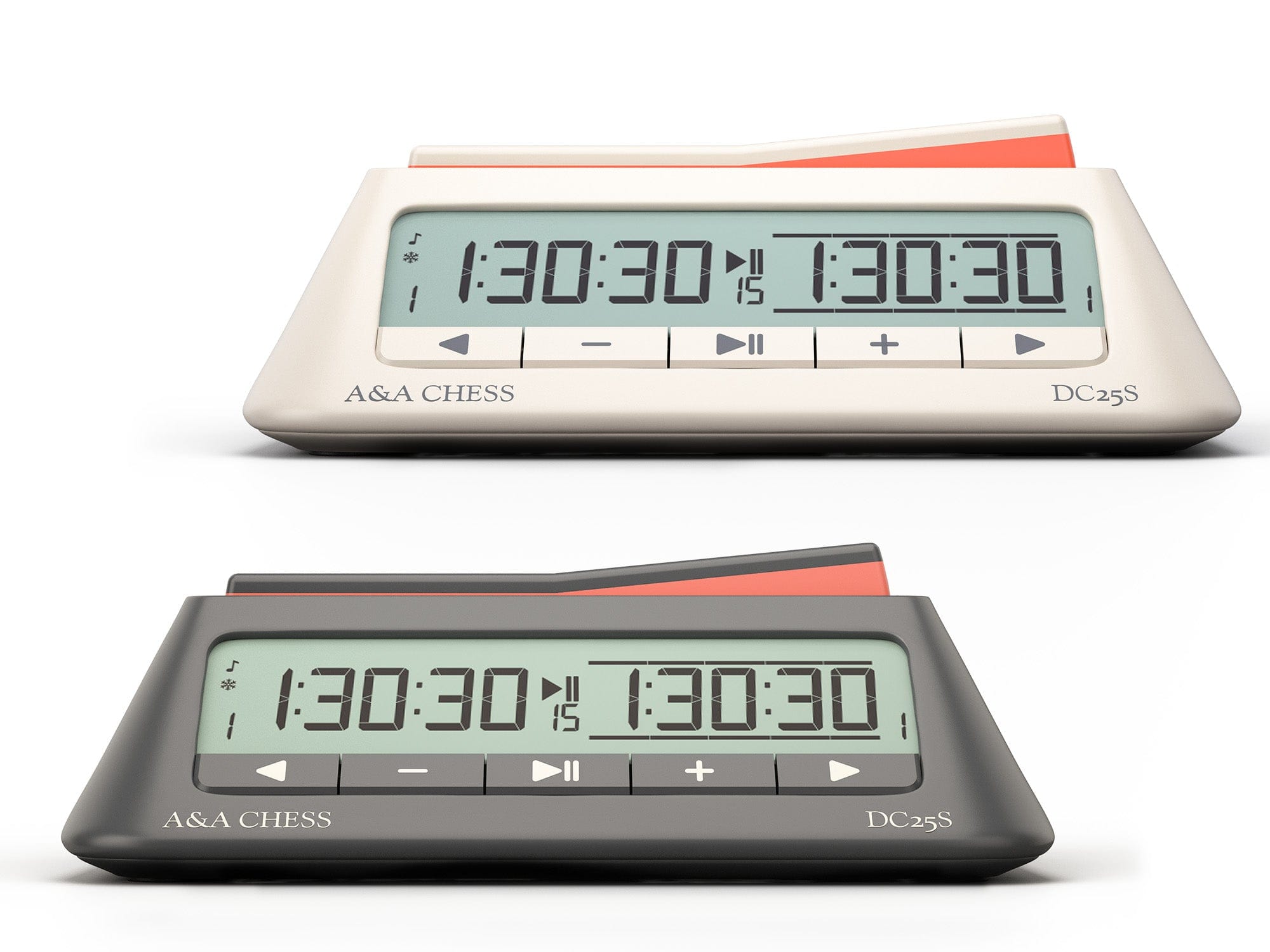
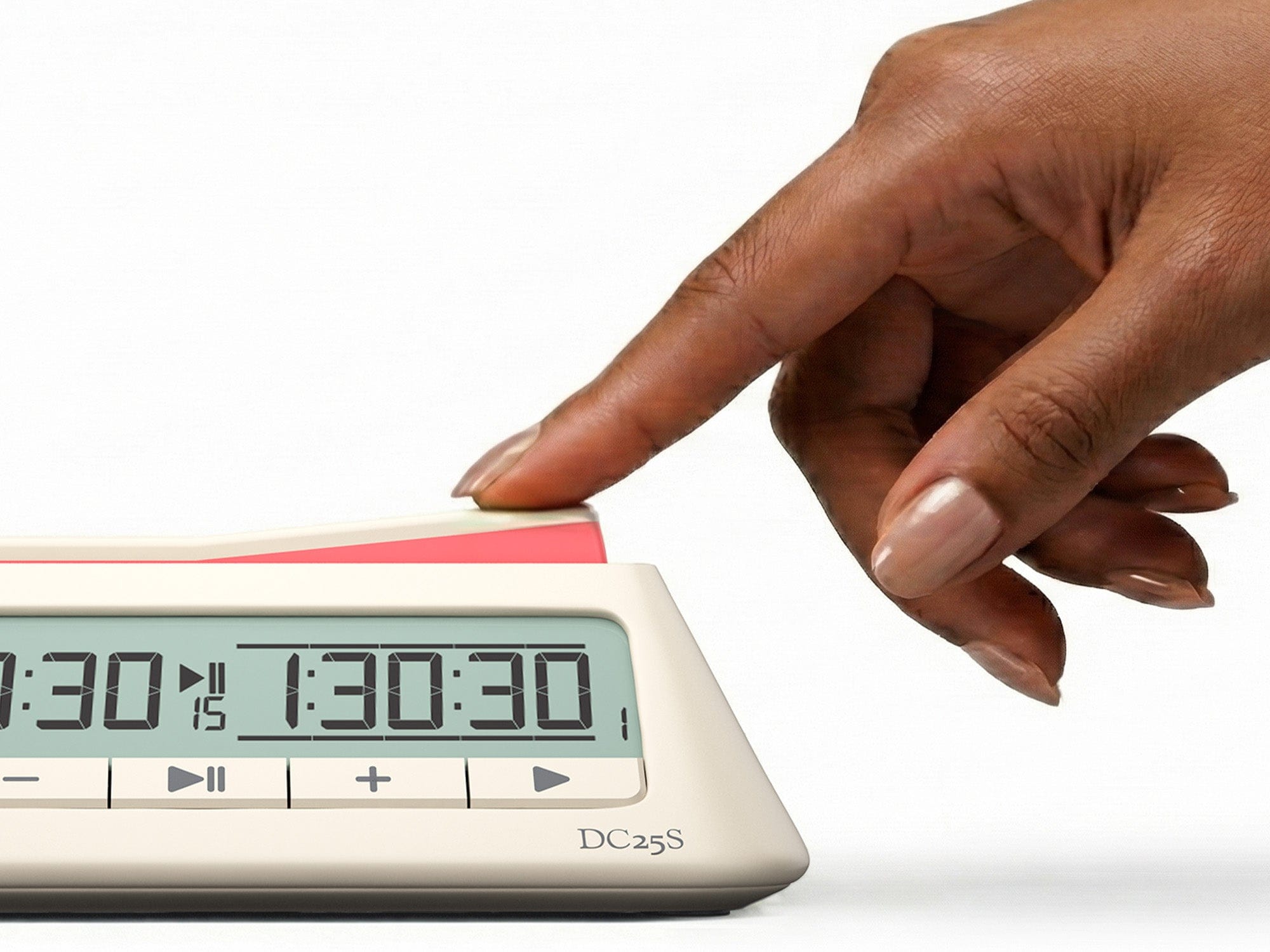
Should Seniors Use a Chess Clock?
A chess clock is optional.
For many casual players, untimed chess is the most comfortable format. It allows conversation, breaks, and careful thought.
A clock can be introduced when players want:
- Shorter games
- More structure
- Tournament preparation
- A friendly rapid competition
- Equal thinking time
Begin with generous limits such as:
- 20 minutes per player
- 15 minutes plus 10 seconds per move
- 30 minutes per player
Avoid extremely fast blitz games unless both players enjoy them.
Clocks and other useful equipment can be found in the A&A Chess Accessories collection.
Choosing a Chess Set as a Retirement Gift
A chess set can be a meaningful retirement, birthday, anniversary, or holiday gift because it can be displayed and used.
Choose the set according to the recipient rather than buying only on appearance.
For the Regular Player
Choose:
- A larger wooden board
- Recognizable Staunton pieces
- Comfortable piece spacing
- Durable construction
For the Family-Oriented Recipient
Choose:
- A chess and checkers combination set
- Organized drawer storage
- A board suitable for a shared family table
For the Traveler
Choose:
- A magnetic folding board
- Protective storage
- A medium size rather than an extremely small pocket set
For the Home-Design Enthusiast
Choose:
- Walnut or mahogany wood
- Natural grain
- A board that can remain displayed
- Storage that keeps the room organized
When You Are Unsure
An A&A CHESS Gift Card allows the recipient to choose the board size, material, and style personally. A&A CHESS also maintains a dedicated Gift Center featuring products intended for chess enthusiasts and special occasions.
Common Mistakes When Choosing Chess Equipment for Seniors
Buying a Board That Is Too Small
A tiny travel board may be portable but uncomfortable for regular home use.
Choosing Highly Abstract Pieces
Decorative pieces can be difficult to identify quickly.
Ignoring Glare
A polished surface positioned directly beneath a bright lamp may reduce visibility.
Selecting Lightweight Pieces
Pieces that fall over easily may create frustration.
Using Complicated Storage
Pieces should be easy to find, count, and return.
Assuming Every Player Wants Competition
Some people want conversation, puzzles, or cooperative play rather than tournaments.
Teaching Too Much at Once
Introduce one concept at a time and repeat it through practical play.
Making Unsupported Health Claims
Chess can be promoted as an enjoyable social and strategic activity. It should not be presented as a guaranteed way to prevent medical conditions.
Chess for Seniors: Practical Equipment Checklist
Before setting up a home or community chess area, consider:
- Medium or large chessboard
- High-contrast squares
- Recognizable Staunton-style pieces
- Stable or magnetic pieces
- Comfortable table height
- Supportive seating
- Adjustable lighting
- Organized storage
- Printed instructions
- Optional notation stickers
- Spare queens or pawns
- Cleaning cloth
- Optional chess clock
- Safe area for drinks
- Regular playing partner or meeting schedule
Frequently Asked Questions
Is chess suitable for seniors who have never played?
Yes.
Adults can begin by learning one or two pieces at a time and practicing simplified positions. There is no need to memorize openings or use a clock.
What is the best chess set for an older adult?
A suitable set usually has a clearly visible board, recognizable pieces, stable bases, and simple storage.
Large wooden boards and medium-sized magnetic sets are both practical options, depending on the available space.
Are magnetic chess pieces helpful?
Magnetic pieces can help the position remain stable when the board or table is moved.
They may be useful for travel, small tables, casual home play, and players who prefer additional stability.
Should a senior chess set have coordinates?
Board coordinates can help beginners follow written instructions, record moves, and discuss positions.
They are useful but not essential for casual games.
Can chess be played cooperatively?
Yes.
Two people can discuss moves together, solve puzzles as a team, or play consultation chess against another pair.
How long should a casual game last?
There is no required length.
Players can choose a short rapid game, an untimed afternoon game, or a position that is continued during a later meeting.
Can people with limited hand mobility play chess?
The setup may be adapted with larger pieces, wider spacing, magnetic stability, slower play, or assistance moving a selected piece.
The appropriate adaptation depends on the individual’s comfort and preferences.
Is chess a good retirement gift?
It can be a useful retirement gift for someone who enjoys strategy, home games, family activities, or decorative wooden objects.
Consider the recipient’s available space, eyesight, mobility, and playing experience before selecting a size.
How many boards does a retirement community need?
Plan for one board per two active players, plus one or two spare boards.
A group of 12 players would normally need at least six complete sets.
Can chess reduce loneliness?
A chessboard alone cannot solve loneliness.
However, regular chess meetings can provide a structured opportunity for people to meet, talk, and share an activity. Social connection is an important component of well-being at every age.
Should older beginners use online chess?
Online tools can support lessons and provide opponents, but they are not required.
Many players may prefer combining short online lessons with longer physical-board games.
How often should seniors play chess?
There is no required schedule.
One enjoyable game each week may be more sustainable than an intensive routine. Community groups may meet weekly or monthly.
Final Thoughts
Chess does not belong to one age group.
It can be learned by a child, rediscovered after retirement, shared between generations, or enjoyed casually with friends in a community room.
For older adults, the best chess experience begins with comfort and accessibility.
Choose a board that is easy to see, pieces that are easy to recognize and handle, storage that is simple to organize, and a playing format that matches the individual’s interests.
Do not assume that every player wants fast games, strict tournament rules, or advanced instruction.
Untimed games, simple puzzles, cooperative analysis, chess-and-checkers afternoons, and family sessions can all provide meaningful ways to enjoy the board.
Most importantly, make chess a reason to meet again.
A regular Tuesday game, monthly community session, or weekend match between grandparents and grandchildren can turn a traditional board game into a lasting family or social tradition.
Explore A&A CHESS to compare beginner chess sets, magnetic wooden boards, larger folding sets, decorative chess and checkers sets, accessories, gift options, and equipment for home or community play.



Hinterlasse einen Kommentar
Diese Website ist durch hCaptcha geschützt und es gelten die allgemeinen Geschäftsbedingungen und Datenschutzbestimmungen von hCaptcha.